
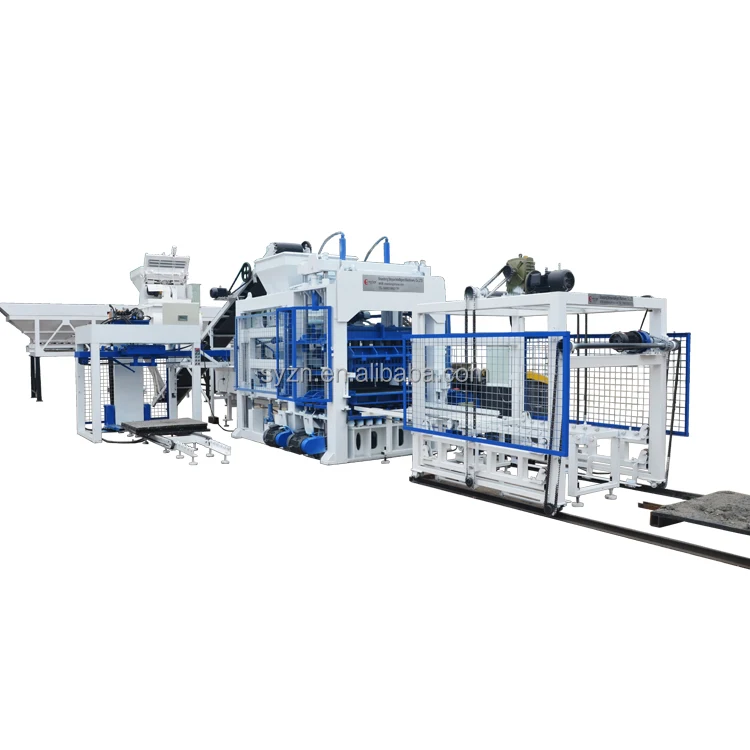
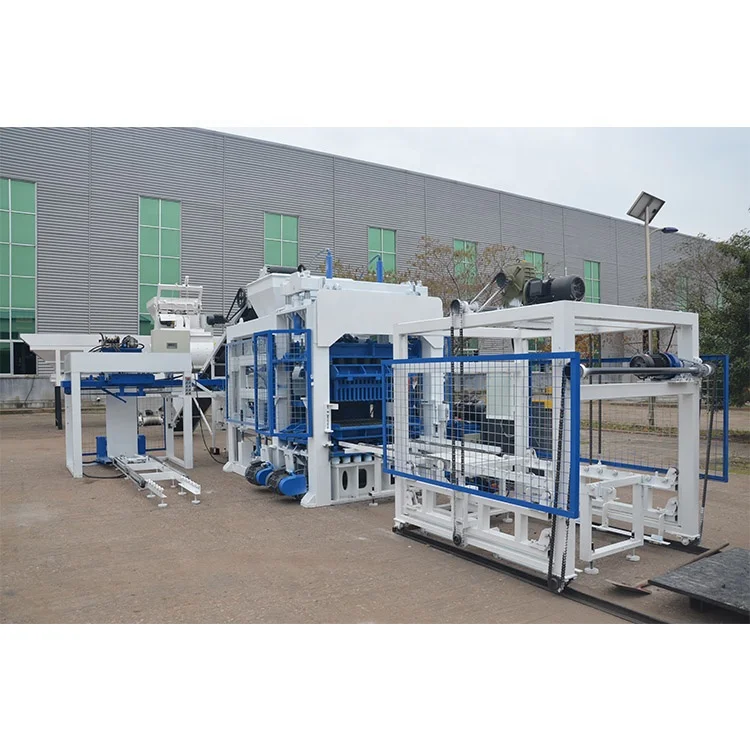

Description
Format-Matched Configuration — Every output figure on this page ties back to a specific block dimension, mould cavity count, and cycle time range rather than a single peak number.
Technical Specifications
| Parameter | Value |
|---|---|
| Model | QT10-15 |
| Product Type | Automatic Hydraulic Block Making Machine |
| Control System | PLC control cabinet |
| Hydraulic System | Independent integrated hydraulic station |
| Vibration Mode | Vertical station mode resonance, automatic FM-AM |
| Mould Change | Simple replacement for multi-format production |
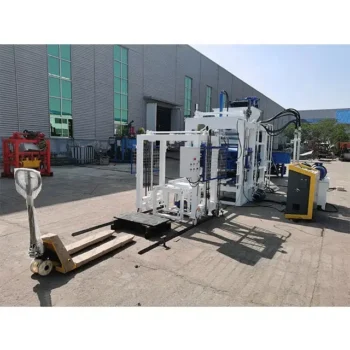
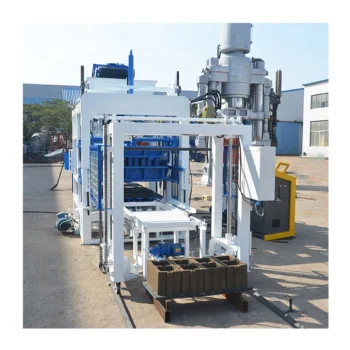
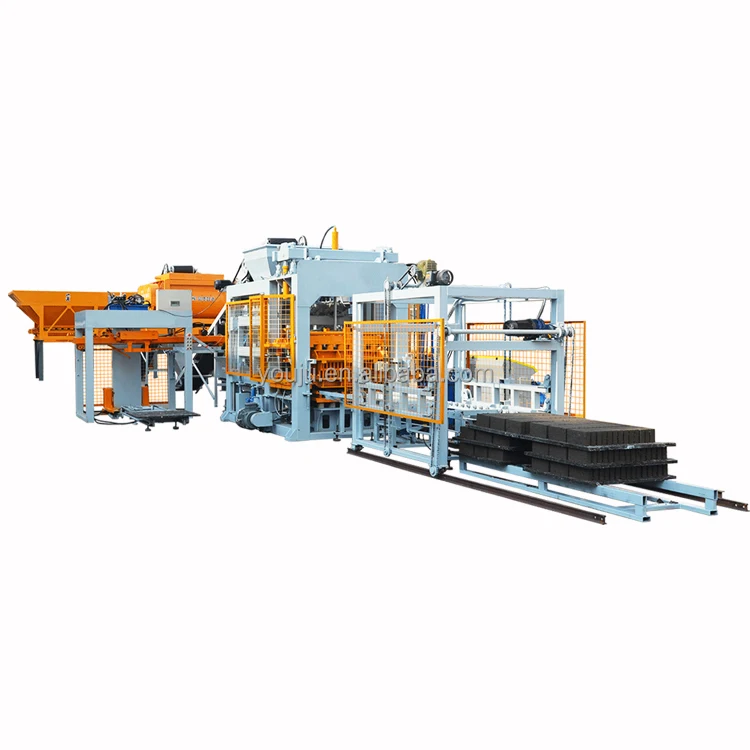
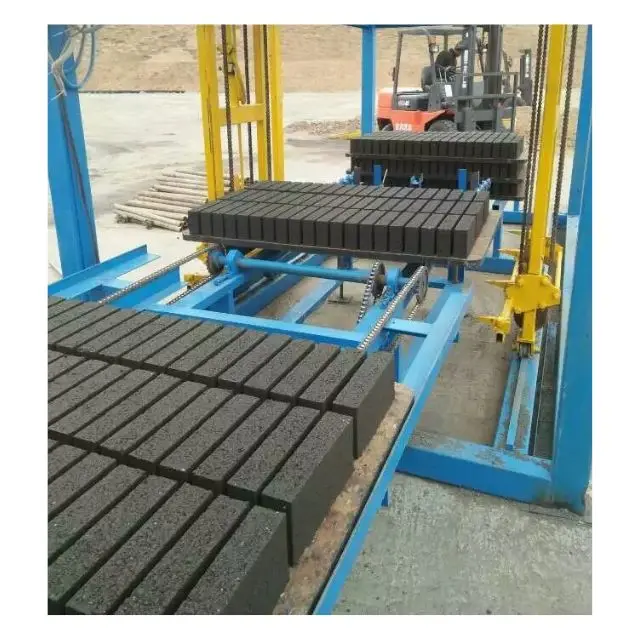
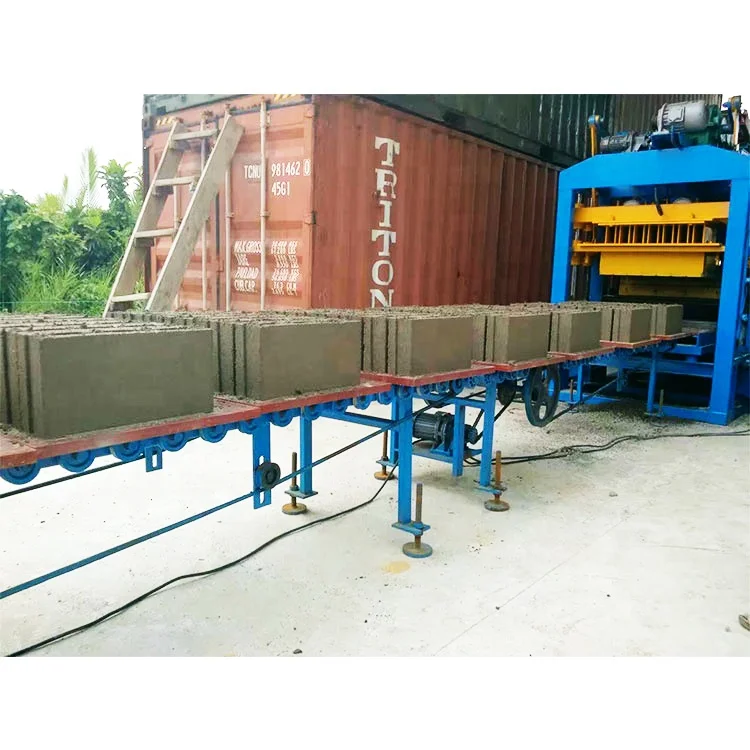
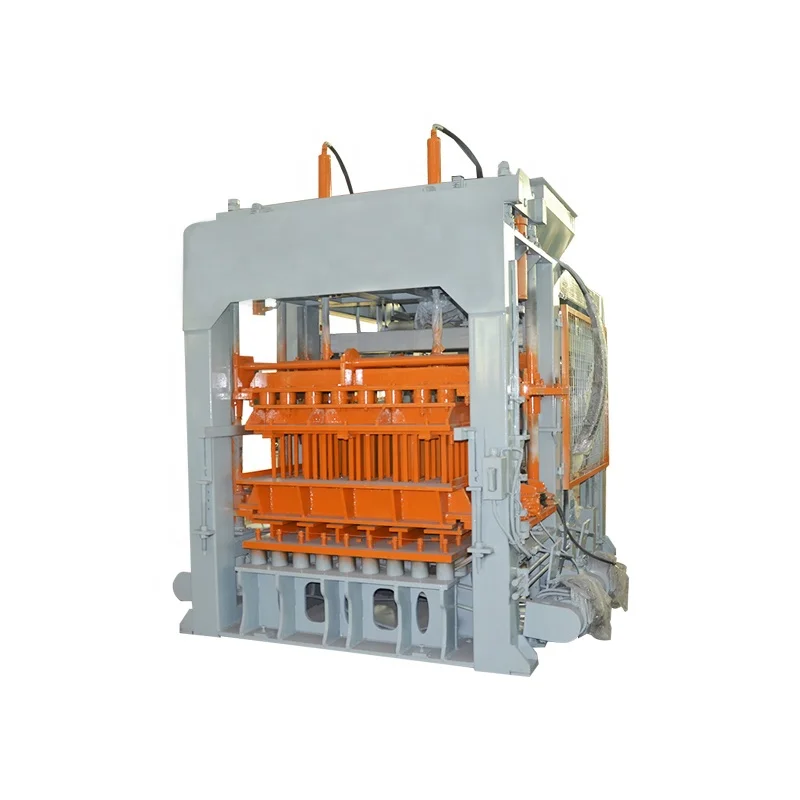
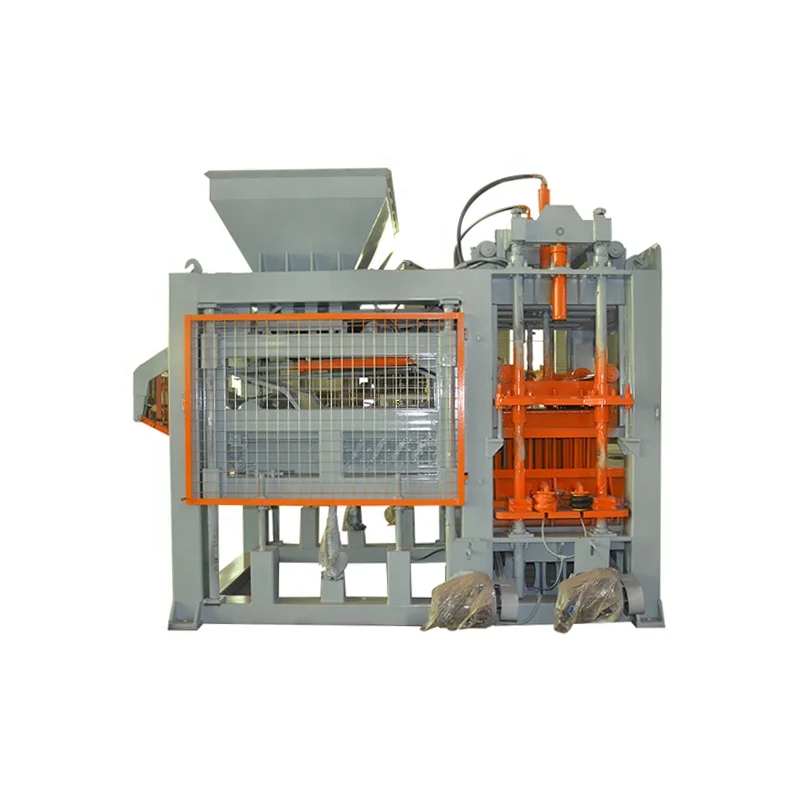
| Line Components | Pallet feed machine, block making machine, storage hopper, conveyor, hydraulic unit, PLC control cabinet |
| Automation Level | Automatic (pallet feed, hydraulic press, PLC controlled) |
| Mould Formats Supported | Hollow block, multicellular brick, paving brick, standard brick |
| Output (Hollow Block 400×200×200mm) | 1,800–2,400 pcs/hour (10 pcs/mould, 15–20s cycle) |
| Output (Hollow Block 400×150×200mm) | 2,160–2,880 pcs/hour (12 pcs/mould, 15–20s cycle) |
| Output (Solid Brick 240×115×53mm) | 8,928–11,160 pcs/hour (62 pcs/mould, 15–20s cycle) |
| Output (Paving Block 200×100×60mm) | 5,184–6,480 pcs/hour (27 pcs/mould, 20–25s cycle) |
| Output (Paving Block 225×112.5×60mm) | 4,032–5,040 pcs/hour (24 pcs/mould, 20–25s cycle) |
| Cycle Time (Hollow Blocks) | 15–20s |
| Cycle Time (Paving Blocks) | 20–25s |
| Daily Output (8hr, Hollow Block 400×200×200mm) | 14,400–19,200 pcs |
| Daily Output (8hr, Paving Block 200×100×60mm) | 41,472–51,840 pcs |
| Warranty | 1 year (excluding spare parts) |
| Certification | CE (stated in company documentation scope) |
Application Suitability
| Application | Material or Output |
|---|---|
| Large-scale hollow block production | Crushed stone, river sand, cement mixes for 400×200×200mm and 400×150×200mm formats |
| Solid brick manufacturing | Fly ash, sand, and cement blends targeting 240×115×53mm standard bricks |
| Paving block lines | Aggregate and cement mixes for 200×100×60mm and 225×112.5×60mm interlocking pavers |
| Multi-format concrete product plants | Quick mould change between hollow, solid, multicellular, and paving formats on one press |
Why "Pieces per Hour" Means Nothing Without the Block Format Behind It
The QT10-15 automatic block machine specifications always pair an output number with the exact mould cavity count and cycle time that produced it.
I have seen buyers sign for a machine quoted at a single hourly figure, only to discover on the first production day that the number assumed a small solid brick while their market actually sells 400×200×200mm hollow blocks. The real output drops to a fraction of the promised volume, and the curing yard sits half empty. When I plan a line now, the first thing I ask is which block format the buyer’s market moves the most of, and I calculate capacity from that format’s mould and cycle time — not from a catalogue headline. [NEED_CITE: block format assumptions in machine capacity quotations]
Capacity Calculated Format by Format
The capacity table above lists five separate block formats, each with its own pcs/mould count, cycle time range, and resulting hourly and eight-hour output. A buyer targeting 400×200×200mm hollow blocks sees a realistic daily range of 14,400 to 19,200 pieces, while a plant running 200×100×60mm paving blocks targets 41,472 to 51,840 pieces over the same shift. The QT10-15 automatic block machine specifications make these numbers traceable so the buyer can match them against actual orders.
Mould Compatibility Across the Product Range
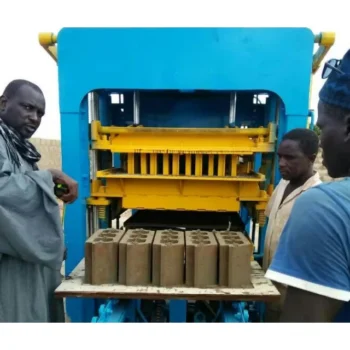
Switching between hollow blocks, multicellular bricks, standard bricks, and paving blocks requires only a mould swap on the QT10-15. The vertical station mode resonance vibration with automatic FM-AM adjustment adapts to the different compaction requirements of each format. This matters when a concrete product manufacturer adds pavers or kerbstones to an existing hollow block line and needs to confirm that cycle times stay within a workable range for every SKU. [NEED_CITE: mould change procedures for multi-format block presses]
Matching Hydraulic Pressure and Vibration to Local Aggregate
The independent integrated hydraulic station sits isolated from host vibration and dust, maintaining stable pressure across long shifts. What I pay close attention to during commissioning is whether the vibration force and hydraulic pressure suit the buyer’s actual raw material. Years ago, a Middle East customer ordered a QT10-15 and ran factory tests on clean river sand; when they switched to high-clay local aggregate on site, cycle times stretched, daily output fell noticeably, and mould wear accelerated. Now I always request a sample of the buyer’s aggregate before finalizing the machine settings.
Reading the Specs That Matter for Daily Output
The 15–20 second cycle time for hollow blocks and the 20–25 second range for paving blocks reflect the different compaction demands of each format. Paving blocks need longer vibration exposure to achieve the surface density and edge integrity that foot traffic requires. The automatic FM-AM vibration system adjusts frequency and amplitude to suit the mix design, so a blend with higher fines content still reaches target density without extending the cycle unnecessarily. The PLC control cabinet stores these parameter sets per mould, reducing the chance of operator error during format changeovers.
The Cost of Skipping Format-Specific Verification
When a line is quoted without tying output to a stated block format, the buyer often over-orders pallets, over-sizes the curing area, and hires extra shift workers for a volume the machine cannot actually sustain. Pallet handling becomes a bottleneck because the downstream stacking station was specified against a catalogue peak, not the real cycle time of the format in production. I have watched plants run two shifts to hit what one shift should have delivered, all because the initial capacity figure was never anchored to a specific mould. [NEED_CITE: consequences of unqualified capacity figures in block machinery procurement]
Why Buyers Source This Line Here
Block machinery is the single focus of this manufacturing operation, so the QT10-15 press, mould, pallet, and handling equipment are specified as one matched system rather than assembled from unrelated suppliers. Configuration decisions start from the buyer’s actual mix design and target block format, not a catalogue default. Mould design covers the dimensions the buyer’s market demands, with custom drawings available for non-standard formats. Automation level is selectable, letting a buyer begin with semi-automatic pallet handling and move toward full automatic stacking as volume grows.
Documentation & Verification
- Line layout with capacity calculation stating block format assumed for each output figure
- Mould drawing and format list confirming included and optional cavity configurations
- Pallet specification matched to buyer’s curing area dimensions and forklift capacity
- Voltage, frequency, and PLC display language confirmed in writing before production
- Factory test record run on buyer’s stated aggregate and target block format
- Hydraulic and electrical schematic for on-site maintenance reference
Installation, Commissioning & Support
- Foundation plan sized to the QT10-15 line footprint and vibration load requirements
- Dedicated power circuit matched to confirmed voltage and frequency before machine arrival
- Assembly from production line configuration with station-by-station alignment checks
- First-run parameter tuning against buyer’s local aggregate and target block density
- Operator training covering PLC menu navigation, mould change procedure, and daily maintenance
- Wear parts and mould inventory list provided at commissioning for planned replacements
Before You Request a Quote
To build a configuration that holds up on your shop floor, I need to know which block formats your market actually buys and the daily volume you plan to run per format. Send a sample or lab report of your local aggregate so vibration and pressure settings can be matched before the factory test. Confirm your site voltage, frequency, and preferred PLC display language so commissioning starts the day the line is powered on.
Frequently Asked Questions
Q: How is the QT10-15 capacity verified for my block format and local aggregate?
A: We calculate output using your target block dimensions, the corresponding mould cavity count, and the cycle time range for that format. Before factory testing, we request a sample of your local aggregate so vibration and hydraulic settings are adjusted to your actual mix, not a generic standard sand.
Q: What mould formats are available and how long does a change take?
A: The QT10-15 supports hollow block, multicellular brick, paving brick, and standard brick moulds. Mould replacement is a simple swap procedure. Exact changeover time depends on the format pair and operator familiarity, and we confirm realistic timing during on-site commissioning.
Q: How do I choose the right pallet size for my curing area?
A: Pallet dimensions must match both the press platen and your existing curing rack spacing and forklift capacity. We confirm pallet size and material against your site layout before production so pallets arrive compatible with your handling equipment.
Q: What cycle time difference exists between hollow blocks and paving blocks?
A: Hollow blocks typically run at 15–20 seconds per cycle while paving blocks require 20–25 seconds due to higher surface density requirements. This difference directly affects daily output calculations, and our capacity table reflects it format by format.
Q: Which settings are adjusted to my mix design before factory testing?
A: Vibration frequency, amplitude, and hydraulic pressure are tuned to your aggregate characteristics and target block strength. The independent hydraulic station and automatic FM-AM vibration system allow fine adjustment so the machine ships with parameters matched to your material.