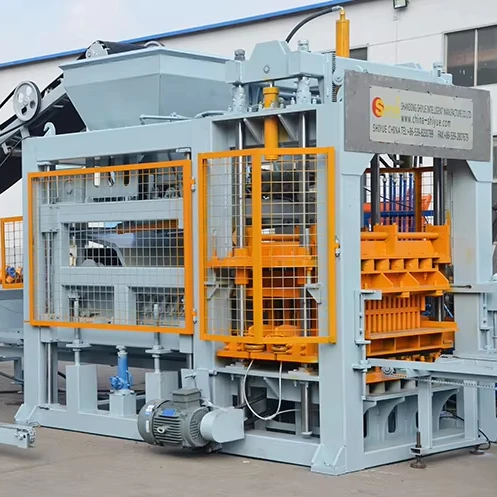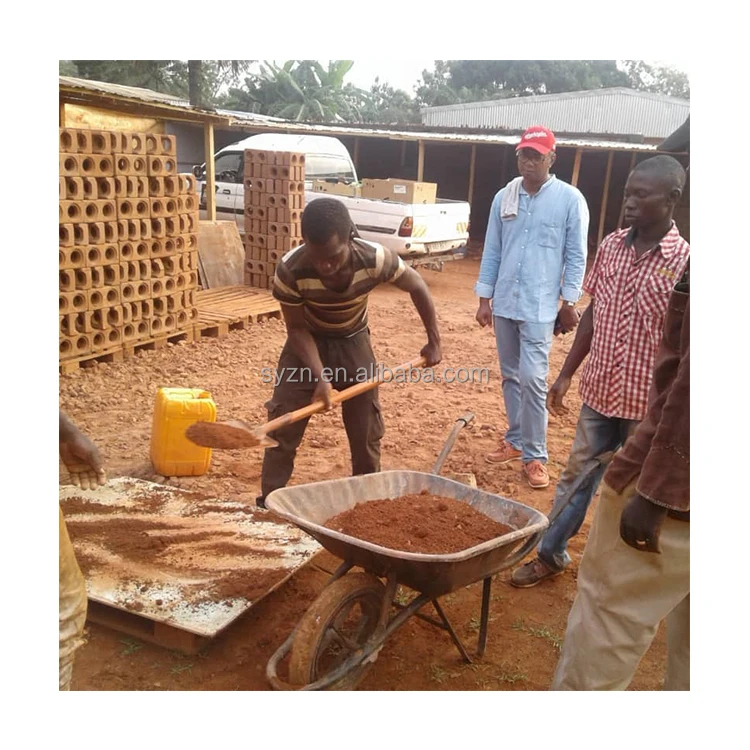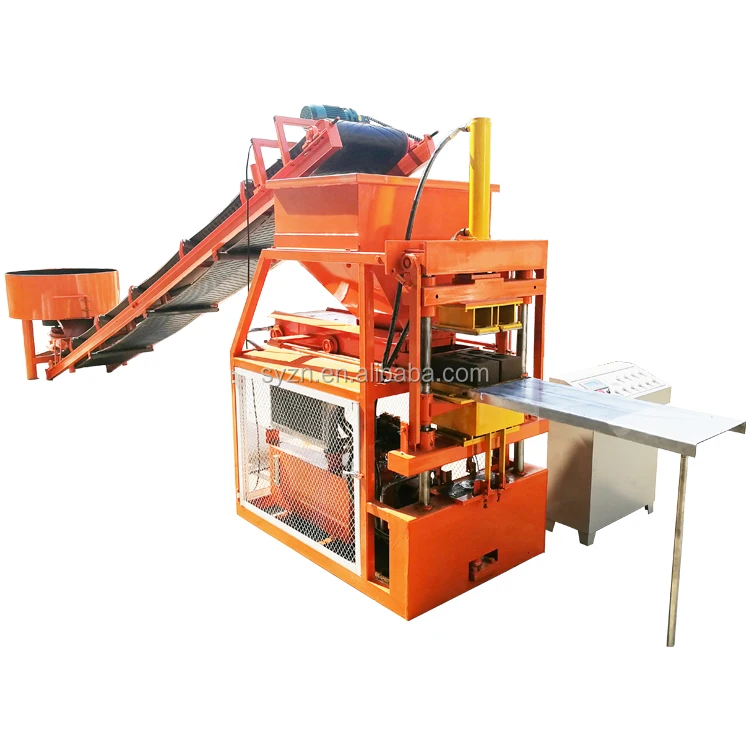

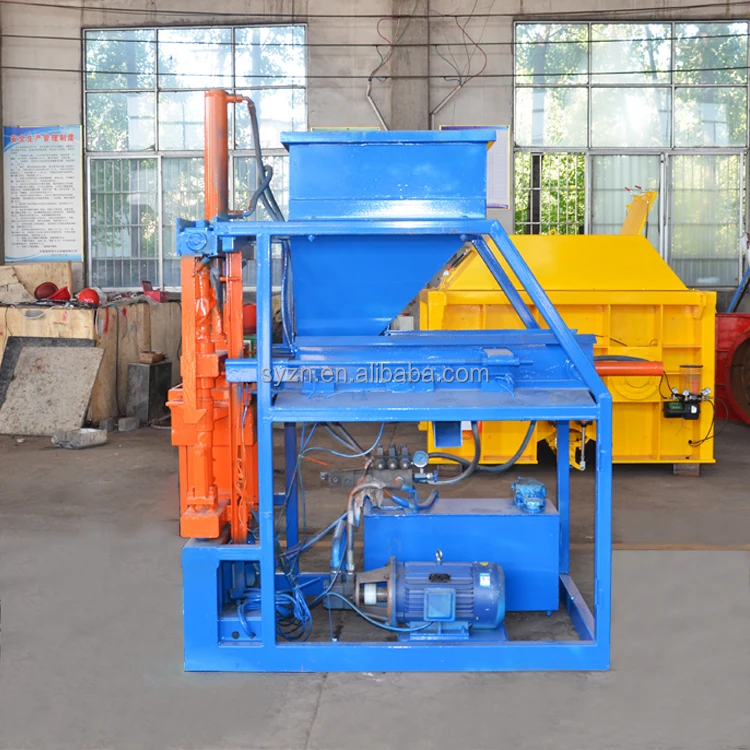
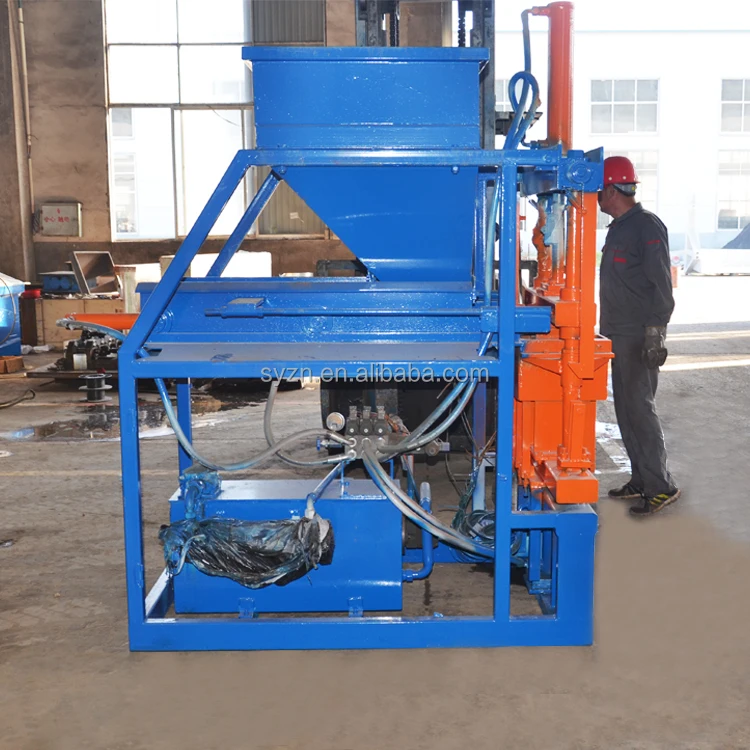
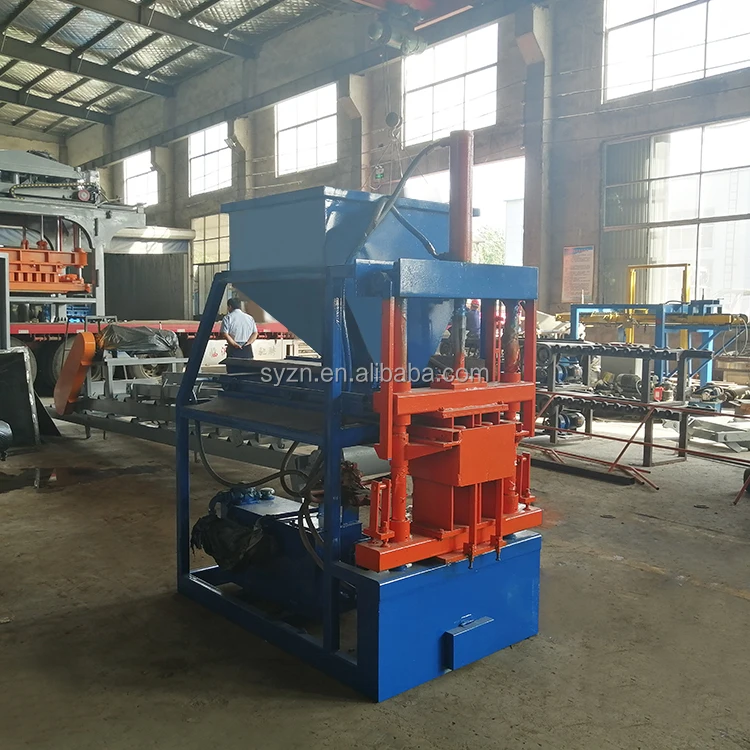
Description
Format-matched capacity — every output figure for the LY2-10 is tied to a specific mould size and material, so your daily brick count reflects what the machine actually produces on your local clay or cement mix.
Technical Specifications
| Parameter | Value |
|---|---|
| Model | LY2-10 |
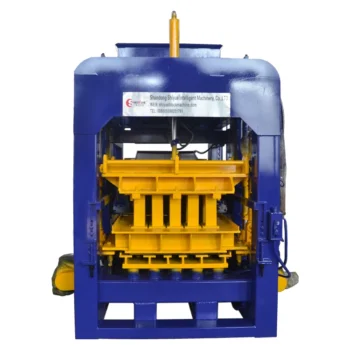
| Product Type | Clay Interlocking Brick Making Machine |
| Machine Type | Semi-automatic clay and cement interlocking brick making machine |
| Rated Power | 7.5 kW |
| Molding Cycle | 10 s |
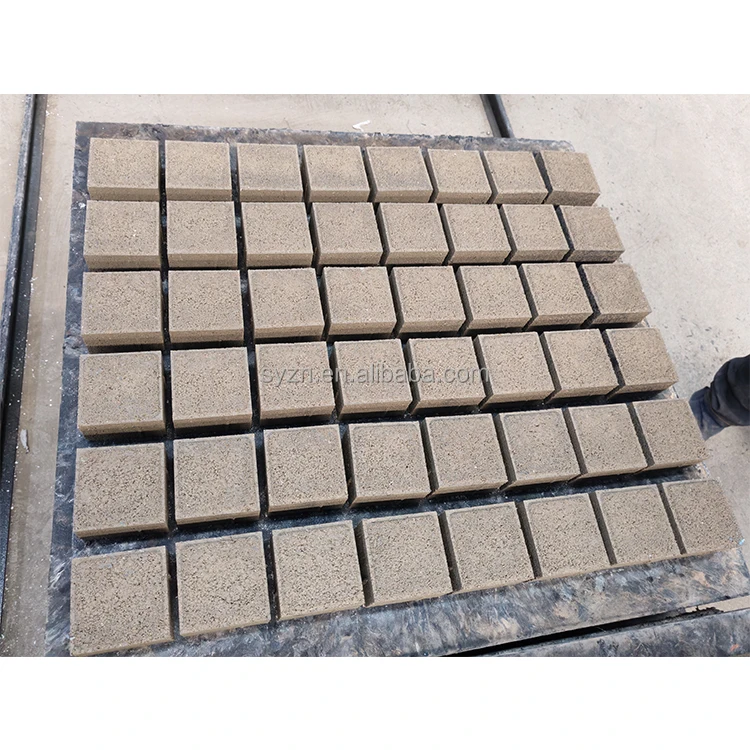
| Mould Format Options | 300×150×100 mm / 250×125×75 mm / 230×220×115 mm |
| Raw Materials | Clay, soil, earth, mud, concrete, cement, fly ash |
| Overall Dimensions (L×W×H) | 1300 × 1800 × 2400 mm |
| Automation Level | Semi-automatic |
| Key Features | Semi-automatic operation, multi-material compatibility, multiple mould format options |
Application Suitability
| Application | Material or Output |
|---|---|
| On-site housing projects using local red soil | Clay and soil interlocking bricks in 300×150×100 mm or 230×220×115 mm formats |
| Small-plant production for community building | Cement-stabilized earth blocks in 250×125×75 mm format |
| Contractors adding interlocking formats to existing range | Concrete and fly ash mixes for paving and walling bricks |
| Development project brick yards in remote areas | Locally sourced mud and soil with minimal cement addition |
What "6,000 Pieces per Shift" Leaves Out About Interlocking Clay Brick Machine Specifications
Capacity only matters when the brick format, material and cycle time are stated together.
I have stood in a yard outside Nairobi watching an interlocking clay brick machine specifications sheet promise numbers the machine could never deliver on local red clay. The soil was too sticky for the hopper feed rate, the mould release dragged, and what should have been a ten-second cycle stretched well past fifteen. The machine was not at fault — the specification had never named which brick size or which material the 6,000-piece figure assumed [NEED_CITE: block machine capacity testing standards by format and material]. When a buyer reads a single output number without a format attached, they are comparing against nothing.
Matching Mould Format to Local Interlocking Brick Standards
Every market has a dominant interlocking brick size. In East Africa the 300×150×100 mm format is common for load-bearing walls, while parts of West Africa favour the 230×220×115 mm dimension for single-storey housing. The LY2-10 ships with three defined mould options so the interlocking clay brick machine specifications you receive match the product your buyers actually ask for. Choosing the wrong format at the ordering stage means either lost sales or a costly custom mould after delivery.
Why Material Testing Precedes Machine Selection
I learned the hard way that a clay interlocking brick machine runs differently on laterite soil versus alluvial loam. The moisture content, plasticity index and sand fraction all shift how the mix flows into the mould cavity and how cleanly the brick releases. Before any configuration is finalized, we ask for a sample of the buyer’s local material. The interlocking clay brick machine specifications are then adjusted — hopper gate opening, vibration duration and mould taper — to that specific soil behaviour [NEED_CITE: soil plasticity and mould release in compressed earth block production].
Reading the Specification Sheet Beyond the Headline Number
A 10-second molding cycle on a cement-stabilized sand mix does not automatically translate to the same cycle on heavy clay. The 7.5 kW rated power drives the vibration and compression system, but the actual throughput depends on how quickly the operator can refill the mould box and clear the pressed brick. The semi-automatic designation means pallet loading and brick removal remain manual steps. Understanding where human pace limits the cycle is essential when sizing the LY2-10 against a daily target. The interlocking clay brick machine specifications should therefore be read alongside your crew size and shift pattern, not in isolation.
The Hidden Cost of Skipping Format Confirmation
When a machine arrives with a mould that does not match the local interlocking brick standard, the buyer faces a stalled project. The existing pallets may not fit the mould footprint, the curing racks may be sized for a different brick dimension, and the market may reject an unfamiliar format. I have seen contractors absorb weeks of delay while a replacement mould was manufactured and shipped [NEED_CITE: mould lead time impact on project timelines in remote construction sites]. Confirming format before production starts removes this entire class of risk.
Why Buyers Source the LY2-10 Here
The LY2-10 is specified against your local clay sample and target brick format, not pulled from a catalogue default. Mould design covers the three standard interlocking dimensions and can be adjusted to custom drawings when a local market demands a non-standard size. Pallet size is confirmed against your existing curing area and forklift capacity so nothing arrives mismatched. Voltage, frequency and control language are locked in before production, avoiding the commissioning delays that strand machines on site for weeks. Factory testing runs your exact material through a full shift cycle so the output figures you see are real, not theoretical.
Documentation & Verification
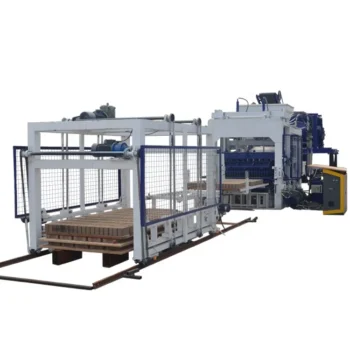
- Line layout showing LY2-10 placement with pallet flow and curing area dimensions
- Mould drawing confirming all three interlocking brick formats with interlock profile detail
- Factory test record using buyer-supplied clay sample at confirmed moisture content
- Voltage and frequency confirmation sheet matching destination country grid standard
- Operation manual covering mould change procedure and vibration plate maintenance
Installation, Commissioning & Support
- Foundation pad sized to 1300 × 1800 mm footprint with vibration isolation requirements for 7.5 kW motor
- Power supply matching confirmed voltage and frequency with dedicated circuit for the rated load
- Assembly on site from shipped components with alignment check on vibration table and mould box
- First-run commissioning using local material to verify cycle time and brick release quality
- Operator training covering mould change between the three interlocking formats and daily maintenance schedule
- Wear parts list identifying vibration springs and mould liners with replacement intervals
Before You Request a Quote
To size the LY2-10 accurately, send the target interlocking brick format sold in your market, a sample or description of the local clay or soil you plan to use, and the daily output you need to meet project deadlines. Include your site voltage and frequency so the motor and controls are built to match. If you already have pallets or curing racks on site, share their dimensions so the pallet and handling specification aligns with your existing setup.
Frequently Asked Questions
Q: How is the output capacity calculated and which brick format does it assume?
A: The 6,000 pieces per eight-hour figure in the source table is listed for all three formats without a stated basis. We calculate realistic output per format using your material sample, confirmed cycle time and crew pace. Ask for a format-specific capacity sheet before ordering so expectations match the brick size your market buys.
Q: Which mould format matches my local interlocking brick standard?
A: The LY2-10 offers 300×150×100 mm, 250×125×75 mm and 230×220×115 mm options. Tell us the brick dimension your local builders use, and we confirm the matching mould. Custom moulds to buyer drawings are available when your market requires a non-standard interlocking profile.
Q: What local material properties affect the interlocking clay brick machine specifications?
A: Clay plasticity, moisture content and sand fraction all influence mould fill speed and brick release. We test your local soil sample before finalizing hopper gate settings and vibration duration. This ensures the machine runs your actual material rather than a generic catalogue mix.
Q: How long does a mould change take on the LY2-10?
A: Mould change time is not stated in the source specification. On semi-automatic machines of this class, a format switch typically involves unbolting the mould box, swapping the mould insert and realigning the vibration plate. We provide a step-by-step procedure in the operation manual and confirm changeover duration during commissioning.
Q: Are voltage and control language confirmed before the machine ships?
A: Yes. Voltage, frequency and any control display language are confirmed in writing before production begins. This prevents the common situation where a machine arrives with a motor wound for the wrong grid standard or a control panel in a language the local operators cannot read.