

Description
Format-Specific Sizing — the LY1-10 semi-automatic clay brick making machine specifications are matched to your target block dimensions and local mix design rather than a generic catalogue rating.
Technical Specifications
| Parameter | Value |
|---|---|
| Model | LY1-10 |
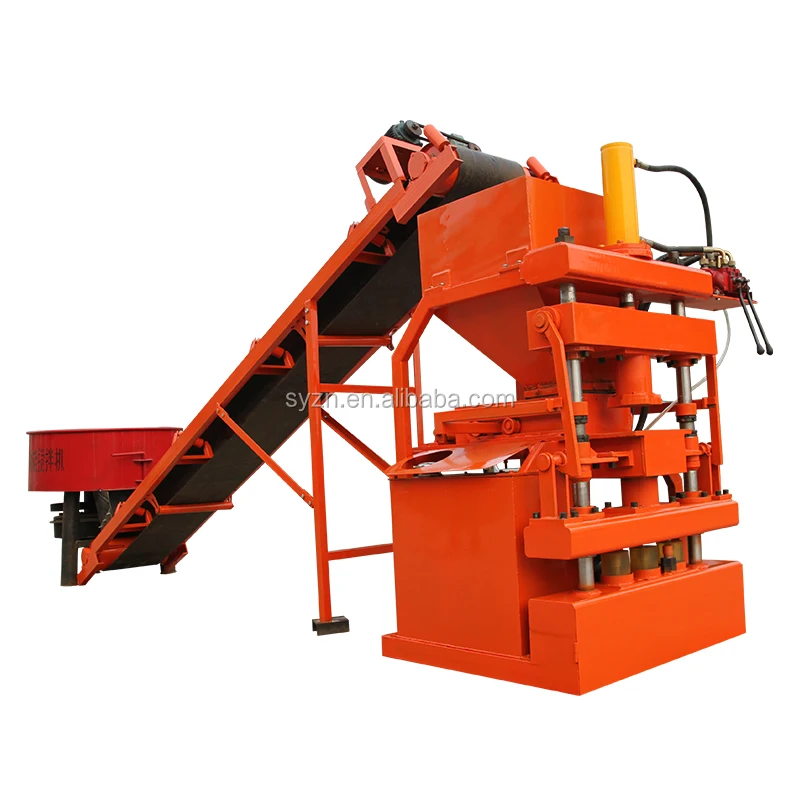
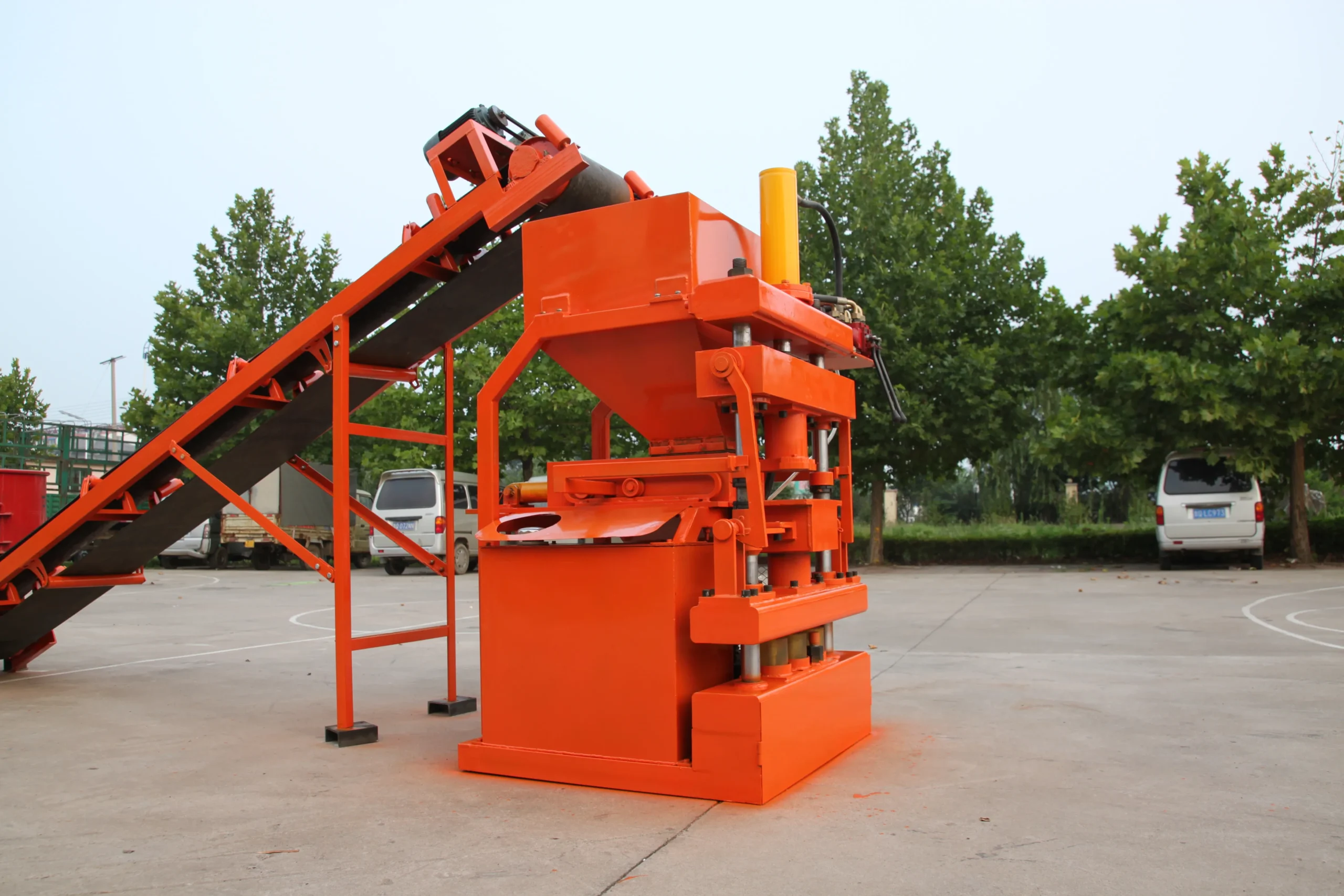
| Product Type | Semi-Automatic Clay Brick Making Machine |
| Machine Power | 1.5 kW |
| Molding Cycle | 45 s |
| Output Capacity | 1200–2400 pcs / 8 hours (basis not stated in source — confirm block format / material / thickness) |
| Theoretical Productivity | 360 pcs/h, 2880 pcs/day (based on 300×150×100 mm block, 1 pc/mould) |
| Raw Materials | Concrete, sand, cement, fly ash, lime, gypsum |
| Machine Weight | 400 kg |
| Overall Dimensions (L×W×H) | 1300 × 1800 × 2400 mm |
| Vibration System | Bed mould vertical vibration + upper mould compression vibration |
| Automation Level | Semi-automatic |
| Voltage | Configured to local supply (confirm V/Hz/ph before order) |
| Mould Format Reference | 300×150×100 mm (theoretical output basis) |
Application Suitability
| Application | Material or Output |
|---|---|
| Small workshop solid brick production | Concrete and sand mixes with cement binder |
| On-site clay-type brick manufacturing | Local red soil or laterite blended with lime or gypsum |
| Fly ash brick runs for housing projects | Fly ash, sand and cement combinations |
| Format-specific block trials | Interchanging moulds for solid, paving or kerb formats |
What "1200 Pieces per 8 Hours" Actually Means for Your Plant
Daily output depends entirely on the block format you run, not just the cycle timer on the control panel.
I once stood on a site in East Africa watching a semi-automatic press struggle through red soil so sticky that half the bricks tore during demoulding. The buyer had ordered based on a headline capacity figure that assumed a free-flowing sand-cement mix. When we re-tested with their actual material, the realistic output dropped significantly, and the 45-second moulding cycle stretched as operators cleaned the mould between every few strokes. Before you compare the semi-automatic clay brick making machine specifications from any supplier, ask which block dimension, which mix, and which pallet material the quoted number assumes [NEED_CITE: capacity calculation standards for block making equipment]. Without that context, you are comparing two different machines that happen to share a model plate.
Matching Cycle Time to Your Selling Format
The LY1-10 is built around a bed mould vertical vibration paired with upper mould compression vibration. This dual approach helps compact the mix evenly across the mould cavity, which matters when you are producing a denser solid brick rather than a lightweight hollow block. The 45-second reference cycle applies to a 300×150×100 mm solid format at one piece per mould. If your market sells a thinner paving block or a taller kerb stone, the vibration dwell and demoulding behaviour will shift, and the semi-automatic clay brick making machine specifications need to be re-stated for that exact format before you commit to a daily target.
Why Local Aggregate Dictates the Configuration
In South Asia I have seen laterite-rich mixes that need lower vibration amplitude to prevent segregation, while in West Africa the sandy coastal aggregate demands higher compression force just to hold the brick together during pallet transfer. The LY1-10 accepts concrete, sand, cement, fly ash, lime and gypsum, but the proportion you can actually source locally determines which vibration setting and mould clearance deliver usable block strength. We always request a sample of your raw material before finalising the semi-automatic clay brick making machine specifications so that the vibration force and mould geometry are set against reality, not a laboratory assumption [NEED_CITE: effect of local aggregate on block compressive strength].
Reading the Specification Sheet Without Getting Misled
Machine power at 1.5 kW tells you the press is designed for small-to-medium workshop duty, not continuous high-volume line operation. The 400 kg weight and 1300 × 1800 × 2400 mm footprint mean the unit can be moved with a standard forklift and installed without a heavy-duty foundation. Pallet size and hydraulic pressure are not listed in the source data, so these must be confirmed during the quotation stage — pallet dimensions directly affect how many bricks you can cure per rack, and missing this detail before shipment is a common reason commissioning stalls on arrival. Voltage is configurable to your local supply; confirming the exact V/Hz/ph and control language before production avoids a two-week delay once the machine reaches your site.
The Cost of Skipping the Mix Test
When a buyer skips the material sample step, the consequences show up on day one of production. Bricks crack during curing because the vibration was set for a different aggregate density. Moulds wear out faster because abrasive laterite was never factored into the liner specification. Operators spend more time cleaning stuck mix from the cavity than actually pressing bricks, and the semi-automatic advantage over a fully manual press disappears. I have watched entire first-week production runs get scrapped because the configuration was based on a brochure rather than a soil sample [NEED_CITE: common commissioning failures in block making plants].
Why Buyers Source This Machine Here
Block machinery is the only product line we build, so the press, mould, pallet and handling equipment are specified as a matched set rather than assembled from separate vendors. Every configuration is checked against your actual mix design and the block format your market sells, not a default catalogue setting. Mould drawings are prepared for the dimensions you need, including custom profiles if your local market demands a non-standard brick shape. The semi-automatic setup lets you start with a lower investment and move toward higher automation as demand grows. Installation support covers on-site commissioning with operator training so the team running the LY1-10 understands cycle timing, mould change procedure and daily maintenance from the first shift.
Documentation & Verification
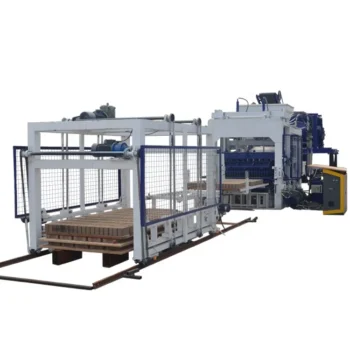
- Line layout showing the LY1-10 footprint and pallet flow path
- Capacity calculation sheet naming the exact block format assumed
- Mould drawing and format list matched to your product range
- Voltage, frequency and control language confirmation record
- Factory test report with actual cycle times on your material
- Packing photographs and customs documentation set
Installation, Commissioning & Support
- Foundation pad sized to the 1300 × 1800 mm base footprint
- Dedicated circuit matching confirmed V/Hz/ph supply at 1.5 kW draw
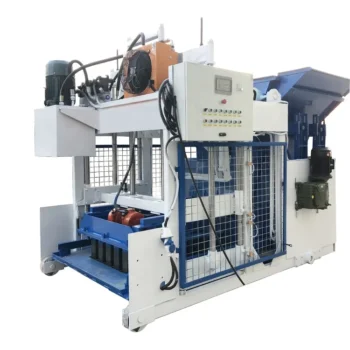
- Machine arrives partially assembled; bolt-on vibration motor and hopper
- First-run parameter tuning with your local mix and pallet stock
- Operator training on mould change and 45-second cycle management
- Wear parts list covering mould liners and vibration mounts
What to Include in Your First Enquiry
Send us the block dimensions your market sells most, a photo or lab report of your local aggregate, and the daily output you need to hit. Tell us your workshop voltage and whether you already have pallets and curing racks so we can size the LY1-10 semi-automatic clay brick making machine specifications to fit what you have on the ground.
Frequently Asked Questions
Q: How is the 1200–2400 pcs/8h capacity figure calculated?
A: That range is referenced in the source data without a confirmed block format or mix. The theoretical figure of 360 pcs/h applies specifically to a 300×150×100 mm solid block at one piece per mould with a 45-second cycle. We re-calculate output for your exact format and material before quotation.
Q: Which mould formats fit the LY1-10?
A: The machine accepts interchangeable moulds for solid brick, paving block and kerb formats within the press envelope. Cycle time and daily output shift with each format, so we confirm realistic numbers per mould before you order rather than quoting one figure for every shape.
Q: How should the machine match my local raw material?
A: We request a sample of your aggregate and binder so vibration amplitude and mould clearance can be set accordingly. Fly ash mixes need different compaction energy than red soil or crushed sand, and the configuration is adjusted before the factory test.
Q: What pallet size does the LY1-10 require?
A: Pallet dimensions are not pre-set in the source specification and must be confirmed against your curing rack spacing and forklift capacity. We finalise pallet size and material during the proposal stage so the handling flow works from press to curing area.
Q: How long does a mould change take on this machine?
A: Change time depends on the mould locking mechanism fitted and operator familiarity. We include a step-by-step change procedure and required tool list with the operation manual so your team can plan format switches within a shift without losing a full production day.