
Description
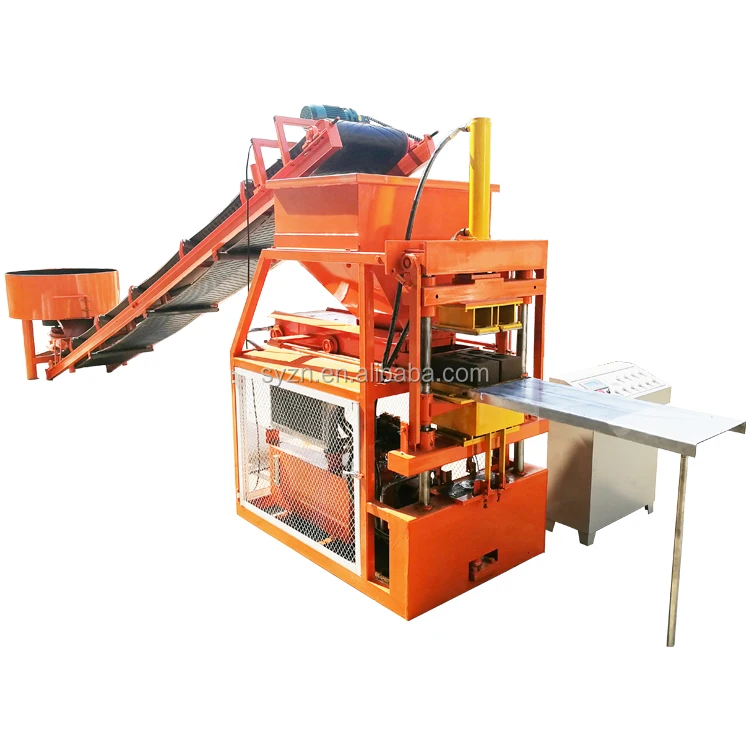
Mould-First Sizing — we set the M7MI cycle time and pressure against your actual interlocking block format and local clay, not a catalogue default.
Technical Specifications
| Parameter | Value |
|---|---|
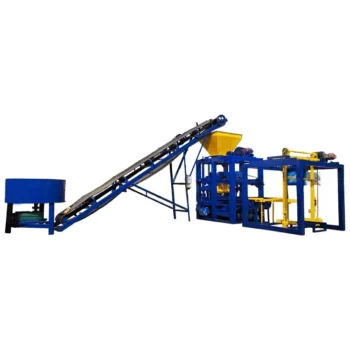
| Product Type | Hydraulic Interlocking Clay Block Making Machine |
| Model | M7MI |
| Engine | Diesel Engine |
| Hydraulic Pressure | 16 MPa |
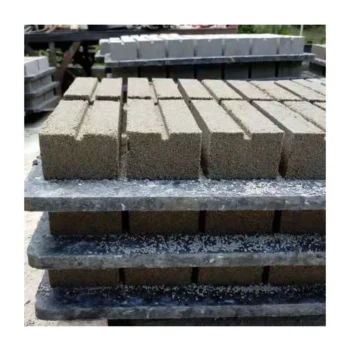
| Mould Format | 300 × 150 × 100 mm interlocking block |
| Qty per Mould | 1 pc |
| Molding Cycle | 15–20 s (20 s for 300×150×100 mm format) |
| Output Capacity | 1,600 pcs / 8 hr based on 300×150×100 mm interlocking block, 20 s cycle, 1 pc/mould; source also states 2,200 pcs/day (basis not stated in source) |
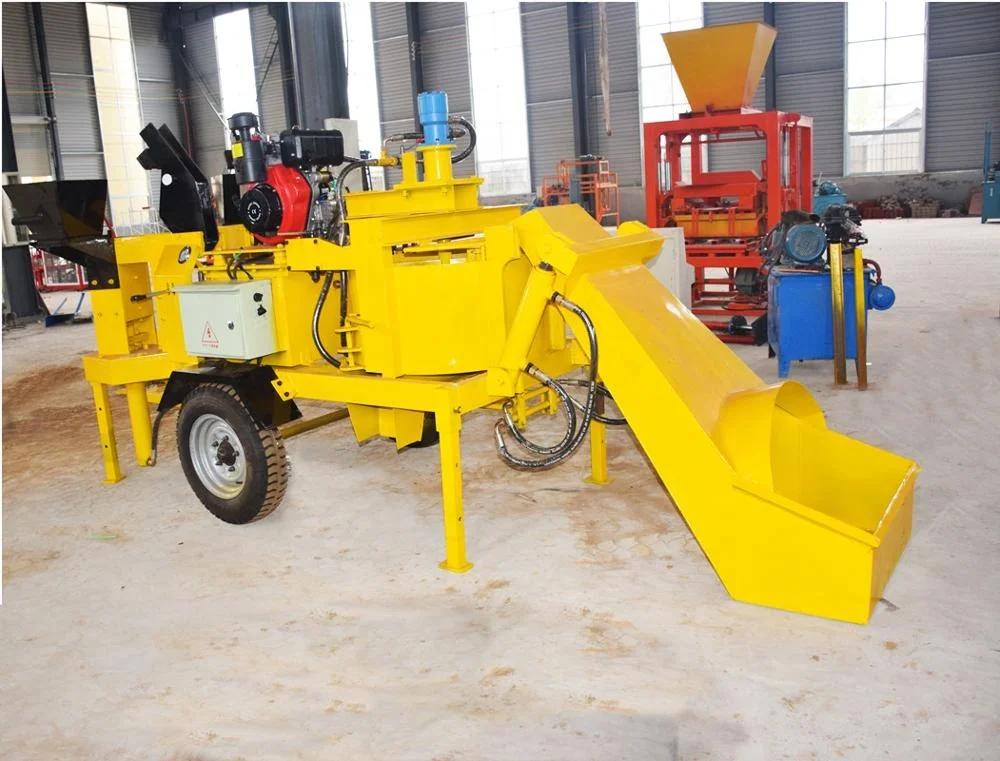
| Overall Dimensions (L×W×H) | 3200 × 1100 × 1500 mm |
| Net Weight | 1100 kg |
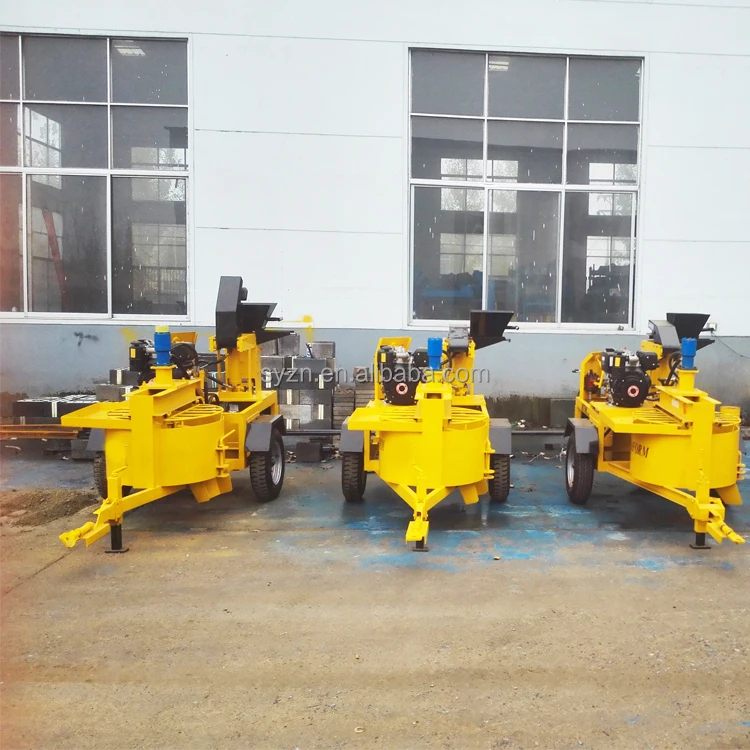
| Automation Level | Mobile / manual operation with hydraulic press |
| Mould Change System | Manual mould swap |
| Assembly State | Skid-mounted mobile unit |
Application Suitability
| Application | Material or Output |
|---|---|
| Remote housing projects | Clay and soil interlocking blocks, diesel-powered |
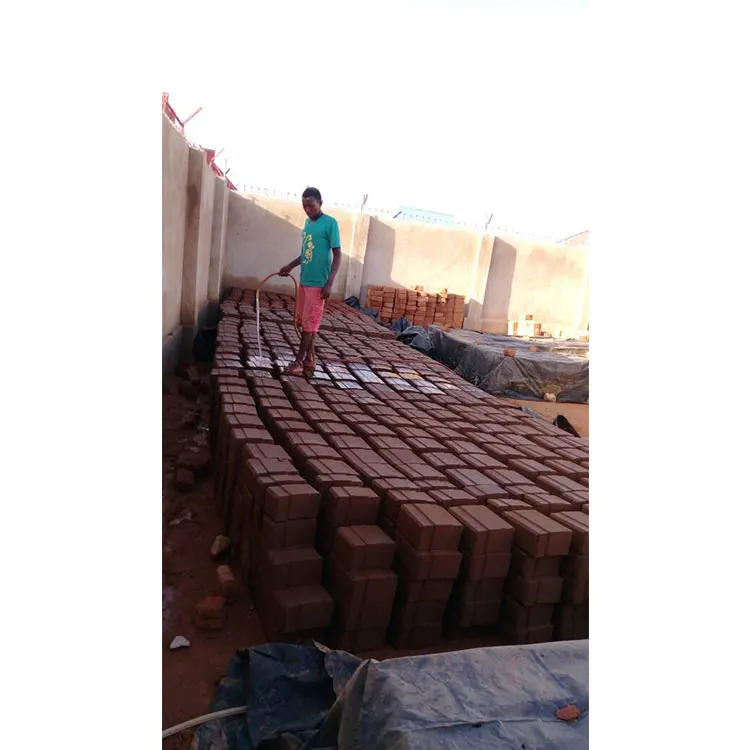
| On-site block production for contractors | Stabilised clay-soil mix for wall construction |
| Small-scale interlocking block plants | Concrete or clay blends for standard interlocking formats |
| Development and community building | Local soil with cement stabiliser where available |
What "1,600 Blocks a Day" Actually Means for the M7MI Interlocking Clay Block Machine Specifications
Output depends entirely on the block format and the cycle time that format demands.
Most mobile block machines quote a single daily number without telling you which mould was running when they timed it. On a job in West Africa, I watched a contractor plan an entire build schedule around a headline capacity, only to discover the figure assumed the smallest solid block in the range — not the 300×150×100 mm interlocking block he actually needed. The M7MI interlocking clay block machine specifications list 1,600 pieces per eight-hour shift specifically for that 300×150×100 mm format at a 20-second cycle with one block per mould. Switch to a different interlocking profile with a longer press cycle and the daily total shifts accordingly. [NEED_CITE: capacity calculation methodology for hydraulic block presses]
Cycle Time by Block Format
Every interlocking profile has a different geometry, and that geometry controls how long the hydraulic ram must hold pressure before the block can be ejected without cracking. The M7MI runs a 20-second cycle for the standard 300×150×100 mm block. A deeper or wider interlocking profile will need a longer hold, which changes the pieces-per-hour figure directly. Honest capacity planning starts with the format you actually sell, not the fastest one in the catalogue.
Mould Options and Format Matching
The M7MI accepts manual mould swaps so a single machine can produce different interlocking profiles. The key question is whether the moulds on offer match the profiles your local market builds with. We confirm the exact interlocking geometry — including lock pattern, face dimensions, and wall thickness — against your project drawings before production begins. [NEED_CITE: interlocking block standards by regional market]
Reading the Hydraulic and Diesel Numbers
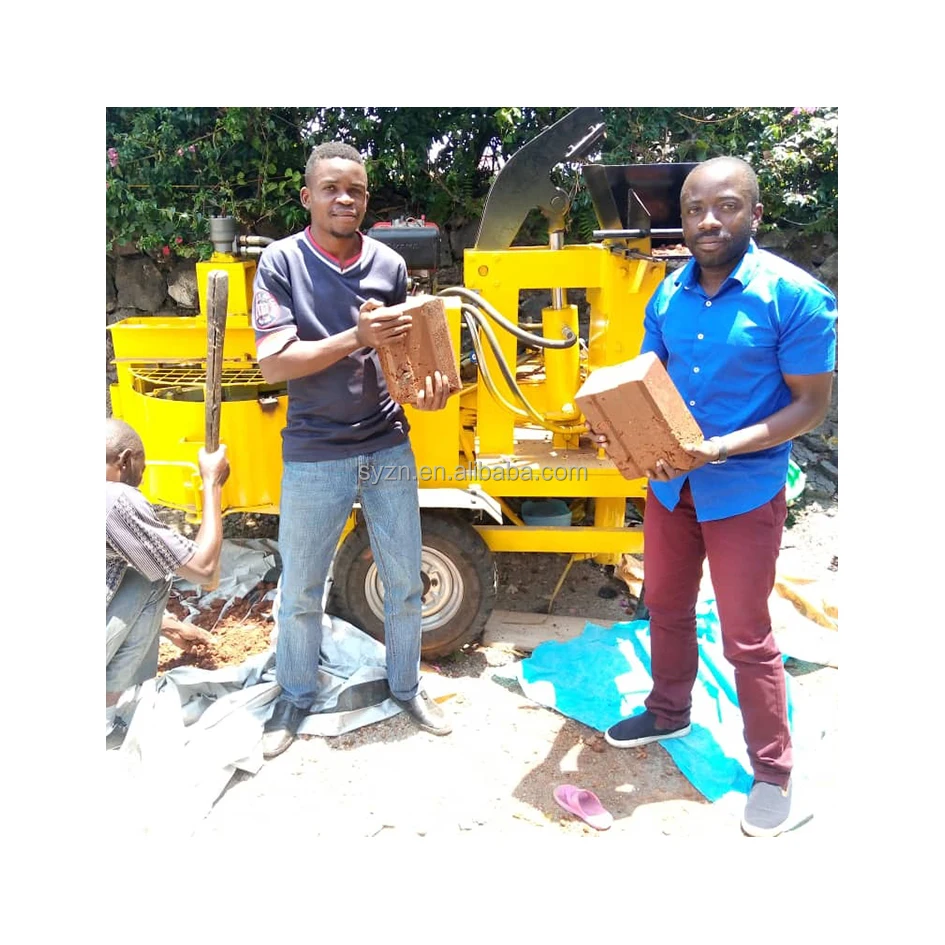
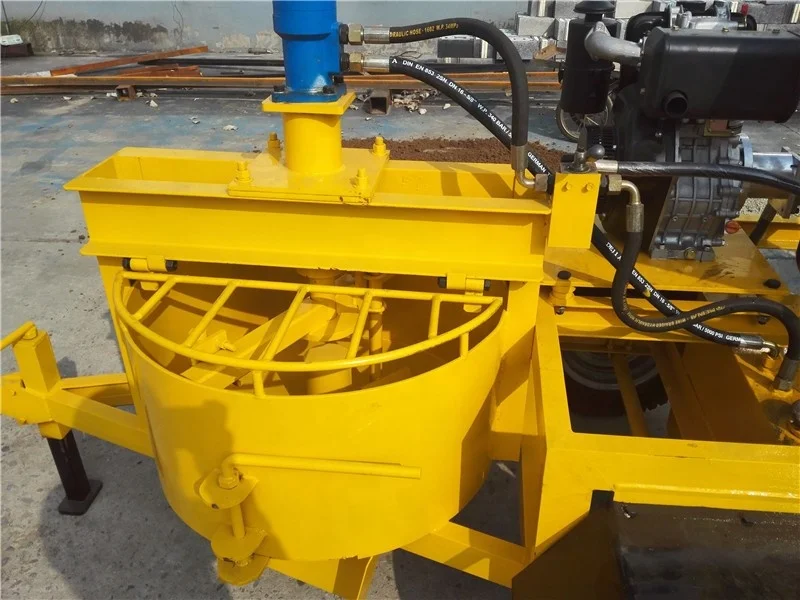
The 16 MPa hydraulic pressure is set for clay-soil mixes typical in interlocking block production. Higher pressure compresses the mix more densely, producing a stronger block, but only if the moisture content and soil gradation are correct. I once spent three days beside a machine in Ghana adjusting pressure and water ratio because the local red earth held more moisture than the standard test mix. The diesel engine removes dependence on grid power, which matters when the site has no reliable electricity and a generator would add cost and maintenance. The skid-mounted frame at 1,100 kg lets a site loader move the unit between work areas.
The Cost of Skipping Format Verification
When a buyer purchases a block machine without confirming the mould against their actual product, the consequences show up on day one. The blocks come out with cracked interlocks, the site crew blames the machine, and the project schedule slips while everyone argues over who is responsible. The fix is always more expensive than a ten-minute conversation about block dimensions before the order is placed. [NEED_CITE: common causes of block cracking in clay-soil mixes]
Why This Approach to Machine Supply
Block machinery is our single product focus, so the M7MI is specified together with its mould, pallet requirements, and handling workflow as one matched set. We configure hydraulic pressure against your actual clay-soil mix and target block strength rather than shipping a catalogue default. Mould design covers the interlocking profiles your market uses, including custom drawings when standard formats do not apply. Automation level is selectable — you can begin with manual operation and add handling equipment later. Installation support includes on-site commissioning and operator training so the crew knows how to adjust cycle time when the soil changes.
Documentation & Verification
- Machine specification sheet with hydraulic pressure and cycle time per block format
- Mould drawing and interlocking format list matched to your project
- Factory test record run on your confirmed block dimensions before dispatch
- Operation and maintenance manual with mould swap procedure
- Wear parts and mould list with reorder codes
- Packing photographs and customs documentation support
Installation, Commissioning & Support
- Level compacted ground required; skid-mounted 3200 × 1100 mm frame needs no bolted foundation
- Diesel engine eliminates grid connection; confirm fuel grade for local climate
- Machine arrives assembled on skid; offload with site loader or forklift rated above 1,100 kg
- First-run commissioning includes pressure and cycle adjustment to your local clay-soil mix
- Operator training covers mould swap, hydraulic checks, and daily maintenance points
- Wear parts list and hydraulic seal kit ship with the unit for initial replacements
What to Prepare Before Enquiry
To size the M7MI correctly, share the interlocking block format your project requires — face dimensions, wall thickness, and lock pattern. Include your local soil type and whether cement stabilisation is available on site. A note on daily target output helps us confirm the cycle time assumption and flag if a single M7MI meets your schedule or if a second unit is worth considering.
Frequently Asked Questions
Q: Which block format does the 1,600 pcs/8hr figure assume for the M7MI interlocking clay block machine specifications?
A: That figure is based on the 300×150×100 mm interlocking block at a 20-second cycle with one block per mould. A different interlocking profile may have a longer cycle, which reduces daily output proportionally. We provide a capacity table per format so you can plan against your actual product.
Q: Is my local clay-soil mix compatible with the 16 MPa hydraulic pressure?
A: Most clay-soil mixes work within this pressure range, but moisture content and soil gradation must be correct. We run a test with your material sample during commissioning and adjust pressure and water ratio on site to achieve the target block strength without cracking.
Q: How long does a mould change take, and which interlocking profiles are available?
A: The M7MI uses a manual mould swap. Profile availability depends on the lock pattern and dimensions your market requires. Standard and custom mould drawings are confirmed before production so the machine arrives with the formats you need.
Q: What is the lead time for the M7MI with standard versus custom interlocking moulds?
A: Standard mould configurations ship within typical production lead times. Custom interlocking profiles require drawing approval and mould fabrication, which adds time depending on complexity. We confirm the dispatch date once the mould drawing is signed off.
Q: Which hydraulic and mould wear parts ship with the machine?
A: A starter kit of hydraulic seals and high-wear mould components ships with the unit. The wear parts list includes reorder codes so you can source replacements before the first change is due, avoiding unplanned downtime on site.