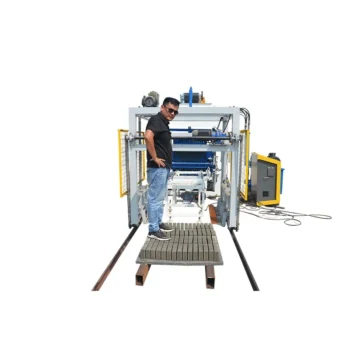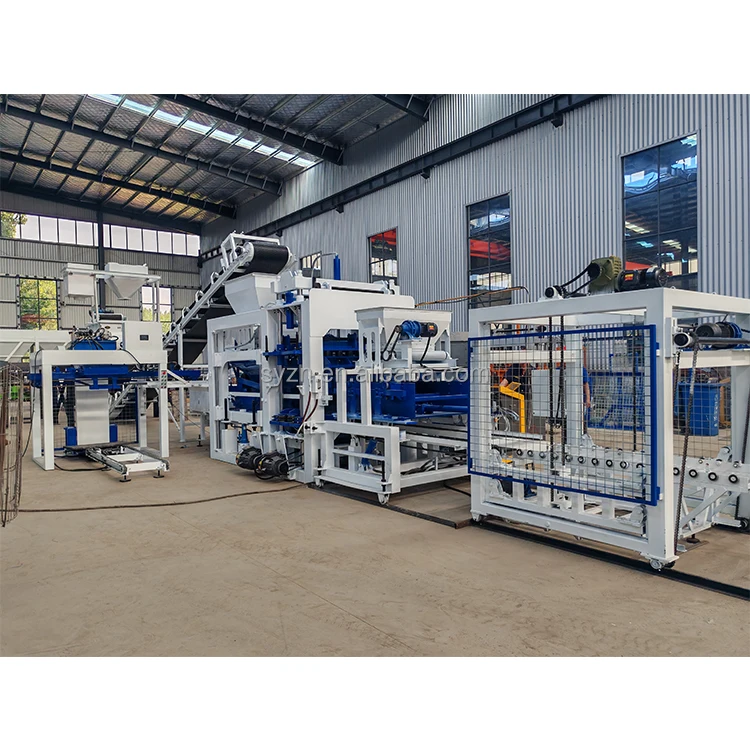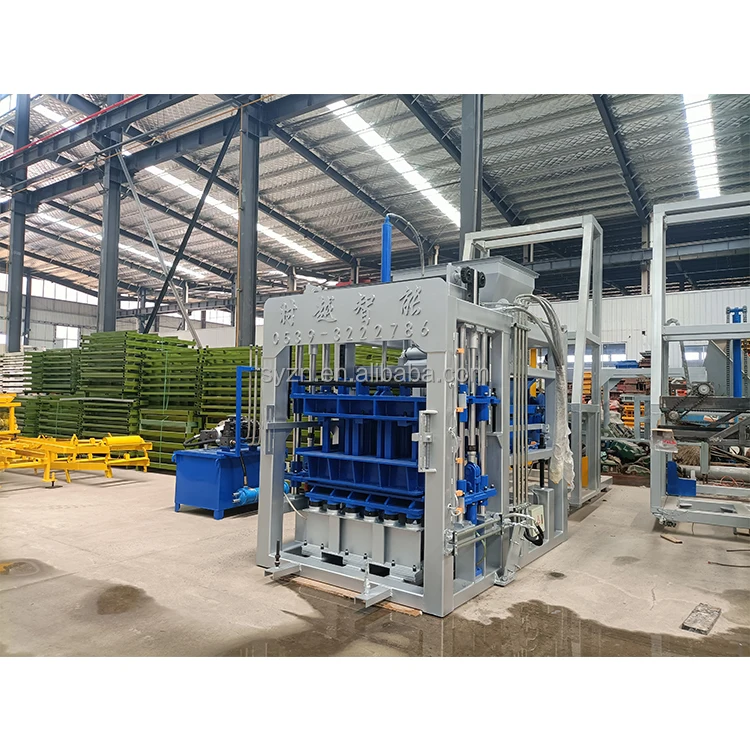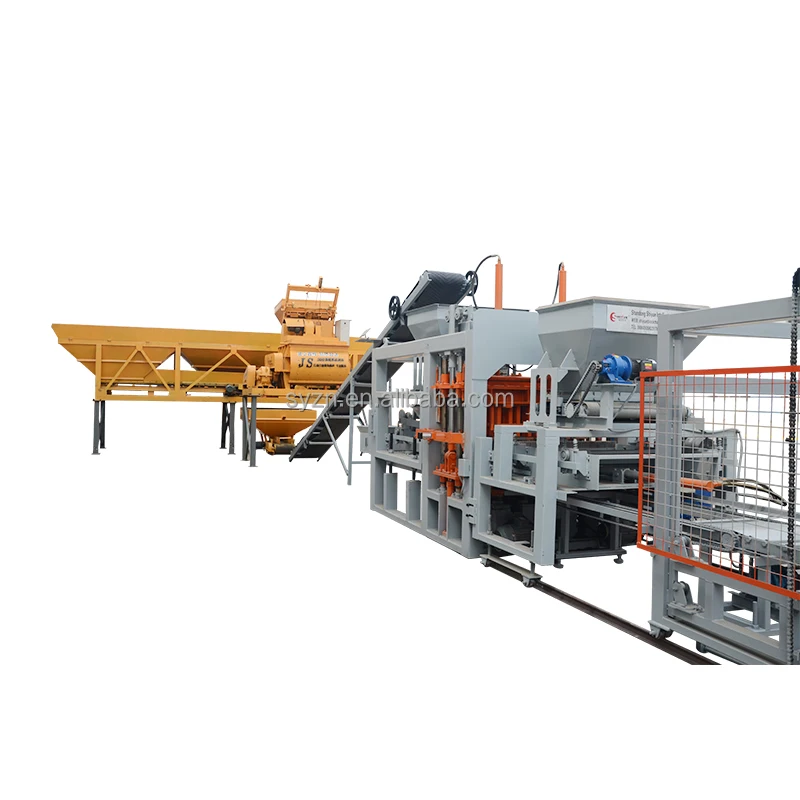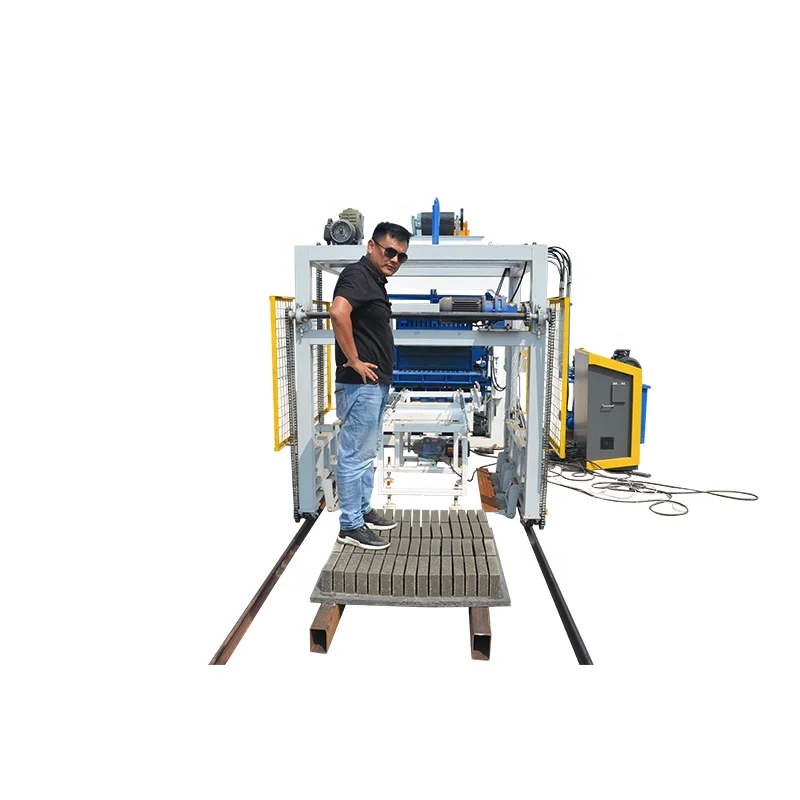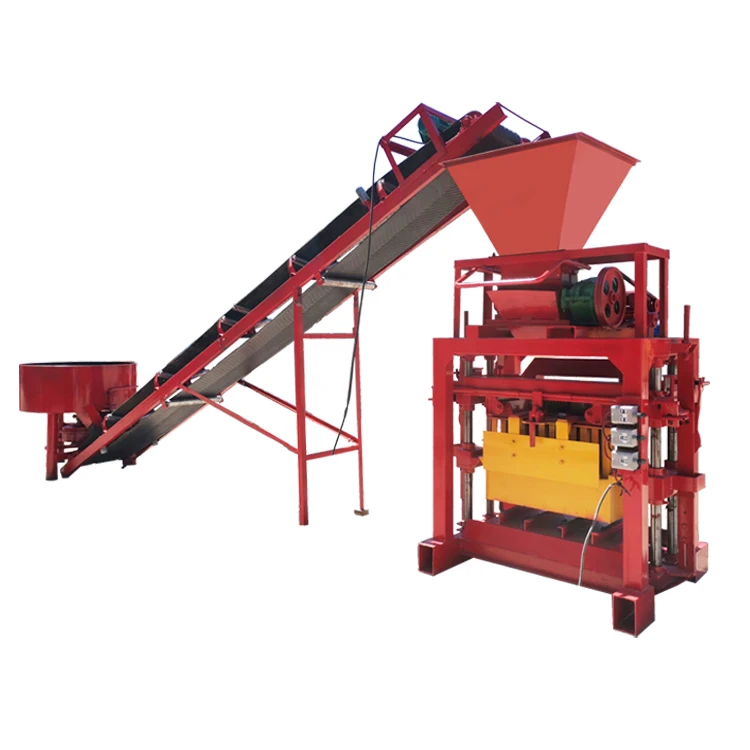


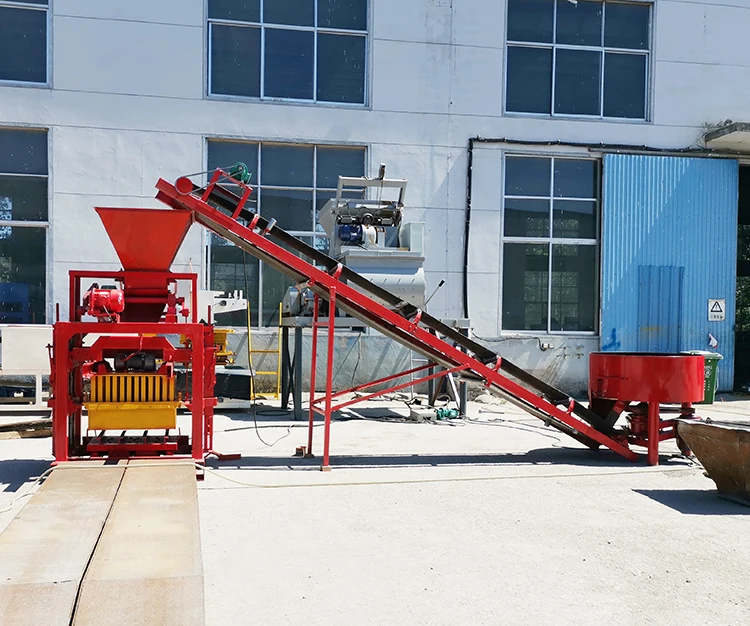

Description
Mould and Format Matched to Your Mix — the QTJ4-35 block machine specifications are sized against the actual brick or paver format your market sells, not a generic cycle rate pulled from a catalogue.
Technical Specifications
| Parameter | Value |
|---|---|
| Model | QTJ4-35 |
| Product Type | Mechanical Manual Concrete Block Making Machine |
| Overall Dimensions (L×W×H) | 2050 x 1660 x 1900 mm |
| Main Vibration Form | Motor Vibration |
| Vibration Force | 35 kN |
| Pallet Size | 850 x 450 x 20 mm |
| Molding Cycle | 35-50 s (basis to be confirmed per block format and material) |
| Overall Power | 9.8 kW |
| Control System | Mechanical / Manual operation |
| Automation Level | Semi-automatic (manual pallet handling) |
| Output — 400x200x200 mm Hollow Block | 4 pcs/mould, 360-408 pcs/h, 2880-3264 pcs/8hr |
| Output — 400x150x200 mm Hollow Block | 5 pcs/mould, 360-510 pcs/h, 2880-4080 pcs/8hr |
| Output — 240x115x53 mm Solid Brick | 21 pcs/mould, 1512-1890 pcs/h, 12096-15120 pcs/8hr |
| Output — 200x100x60 mm Paver | 14 pcs/mould, 1008-1260 pcs/h, 8064-10080 pcs/8hr |
| Output — 225×112.5×60 mm Interlocking Block | 9 pcs/mould, 648-810 pcs/h, 5184-6480 pcs/8hr |
| Mould Format Range | Hollow block, solid brick, paver, interlocking block |
| Stacking Method | Manual |
| Hydraulic Pressure | Not applicable (mechanical vibration type) |
| Standards | CE (verify per shipment) |
Application Suitability
| Application | Material or Output |
|---|---|
| Small-scale hollow block plant | Crushed stone, sand and cement producing 400×200×200 mm or 400×150×200 mm hollow blocks |
| Solid brick production for housing | Local aggregate and cement for 240×115×53 mm standard bricks |
| Paver manufacturing for roads and walkways | Fine aggregate mix producing 200×100×60 mm paving blocks |
| Interlocking block for low-cost construction | Graded aggregate producing 225×112.5×60 mm interlocking units |
| On-site block production for contractors | Portable setup using site-available sand, gravel and cement |
What "Cycles Per Hour" Hides From Your Business Plan
Output means nothing until you know which block format the number assumes.
I once reviewed a quotation for a small block plant in East Africa where the supplier listed a single hourly output figure without specifying whether it referred to hollow blocks or solid bricks. The buyer budgeted for solid brick volumes, received the machine, switched to hollow block moulds and watched daily production drop to less than a quarter of the number on paper. With the QTJ4-35 block machine specifications, the output table above separates every format — hollow block, solid brick, paver and interlocking — because a 35-second cycle on a 240×115×53 mm solid brick produces a very different daily count than the same cycle on a 400×200×200 mm hollow block. [NEED_CITE: common block format standards by region and market]
Mould Formats and What Each One Actually Produces
The QTJ4-35 accepts five mould formats out of the box. Switching from hollow block to paver is not just a mould swap; the vibration duration and feed volume both shift because the cavity geometry changes. When you review the QTJ4-35 block machine specifications against your local market demand, pay attention to the per-mould piece count — 21 pieces per cycle for solid brick versus 4 pieces for large hollow block — because that multiplier is what determines your real daily revenue.
Pallet Size, Curing Area and the Forklift You Already Own
The 850×450×20 mm pallet is the interface between the machine and everything downstream. If your curing racks were built for a different pallet dimension, every wet block will need re-stacking before it enters the yard. Confirm your forklift fork width and rack spacing against this pallet size before production starts, not after the first container arrives. [NEED_CITE: pallet and curing rack compatibility in small block plants]
Reading the Numbers That Actually Matter
The 35 kN motor vibration force is the primary compaction mechanism on this machine — there is no hydraulic pressure system. That means block density depends on how well the vibration frequency couples with your specific mix design. A dry, well-graded aggregate with low water-cement ratio will compact effectively under 35 kN, while a wetter or poorly graded mix may not reach target strength without adjusting the moisture content or adding a fines fraction. The 9.8 kW total power draw is modest enough for sites running on limited grid capacity or a small diesel generator, but you still need to confirm that your supply matches the voltage and frequency the motor is wound for. Moulding cycle time is listed as 35-50 seconds, and where a given format sits within that range depends on block height, cavity count and the stiffness of your concrete mix.
The Cost of Skipping the Format Conversation
When a buyer orders on price alone and the quotation does not state which block format the capacity figure assumes, the machine arrives and the business plan breaks. Daily output misses projections, cash flow gaps open, and the buyer blames the machine rather than the sizing conversation that never happened. With a mechanical machine like the QTJ4-35, there is also no PLC to hide behind — if the mould and mix are mismatched, the operator sees weak blocks immediately on the pallet. [NEED_CITE: mismatch between quoted capacity and actual block plant output]
Why Sourcing This Machine Here Makes Sense
Block machinery is the single focus of this production line, so the QTJ4-35, its moulds, pallets and manual handling equipment are specified as one matched set rather than assembled from unrelated suppliers. The configuration is adjusted against the buyer’s actual aggregate sample and target block format, not a default catalogue setting. Mould drawings and format lists are confirmed before order placement so there are no surprises when the machine arrives on site. Voltage, frequency and any documentation language requirements are locked in writing before dispatch. The semi-automatic design means a buyer can start with the QTJ4-35 and move to a higher automation tier later without replacing the entire pallet and curing infrastructure.
Documentation & Verification
- Capacity calculation document stating which block format each output figure assumes
- Mould drawing and format list confirmed before order placement
- Pallet specification sheet matched to your curing rack dimensions
- Voltage and frequency confirmation record before dispatch
- Factory test record on your specified block format and mix
Installation, Commissioning & Support
- The 9.8 kW load requires a dedicated circuit with correct breaker sizing for continuous motor starts
- Overall footprint of 2050×1660 mm allows placement in compact workshop spaces with manual pallet circulation
- Pallet size 850×450 mm must be verified against existing curing rack spacing and forklift fork width before assembly
- First-run commissioning includes vibration duration adjustment matched to your local aggregate and cement type
- Operator training covers mould change procedure, feed volume setting and manual pallet handling workflow
- Wear parts list provided with mould and vibration motor spares identified for early procurement
What to Include in Your Inquiry
To size the QTJ4-35 correctly, send the block format or formats your market currently sells, along with target daily production for each. Include a sample or description of your local aggregate — sand type, maximum particle size and any volcanic or lightweight material in the mix. Confirm your site voltage, frequency and the pallet dimensions your existing curing yard can accept.
Frequently Asked Questions
Q: How do I verify the real daily output of the QTJ4-35 for my specific block format?
A: Request the capacity calculation document before order confirmation. This document must list output per block format — not a single figure — so you can cross-reference against the hollow block, solid brick, paver or interlocking mould you plan to run. Compare those numbers with your local curing capacity and labour availability to build a realistic production plan.
Q: Which mould formats can one QTJ4-35 run, and how long does a change take?
A: The machine covers 400×200×200 mm and 400×150×200 mm hollow blocks, 240×115×53 mm solid brick, 200×100×60 mm paver and 225×112.5×60 mm interlocking block. Mould change time depends on operator familiarity and whether the correct tools are on site, so confirm the change procedure and required tooling before your first format switch.
Q: Is 35 kN vibration force enough for my local aggregate?
A: Motor vibration at 35 kN works well with dry, well-graded mixes using standard crushed stone or sand. If your local aggregate is lightweight, volcanic or unusually porous, the compaction behaviour changes. Send an aggregate sample or lab report so vibration duration and moisture settings can be adjusted to reach your target block strength.
Q: Will the 850×450×20 mm pallet fit my existing curing area and forklift?
A: Confirm your curing rack bay width, fork spacing and forklift load capacity against this pallet dimension before production. A mismatch means wet blocks must be manually re-stacked before curing, which adds labour and increases breakage risk during the early strength period.
Q: How do I confirm voltage and frequency before the machine ships?
A: State your site supply voltage, phase configuration and frequency in writing during the quotation stage. A confirmation record is issued before dispatch so the motor winding and control wiring match your electrical infrastructure on arrival, avoiding commissioning delays.