
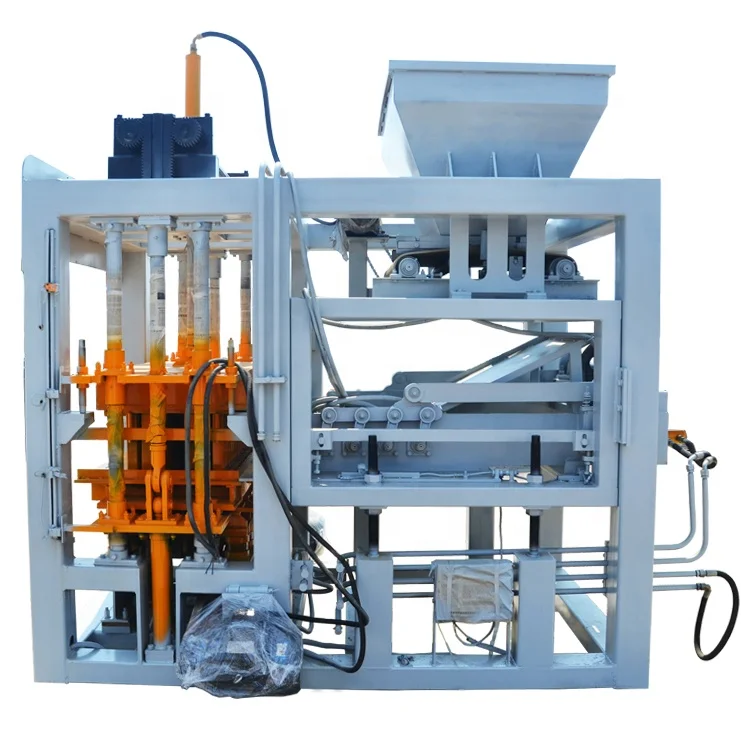
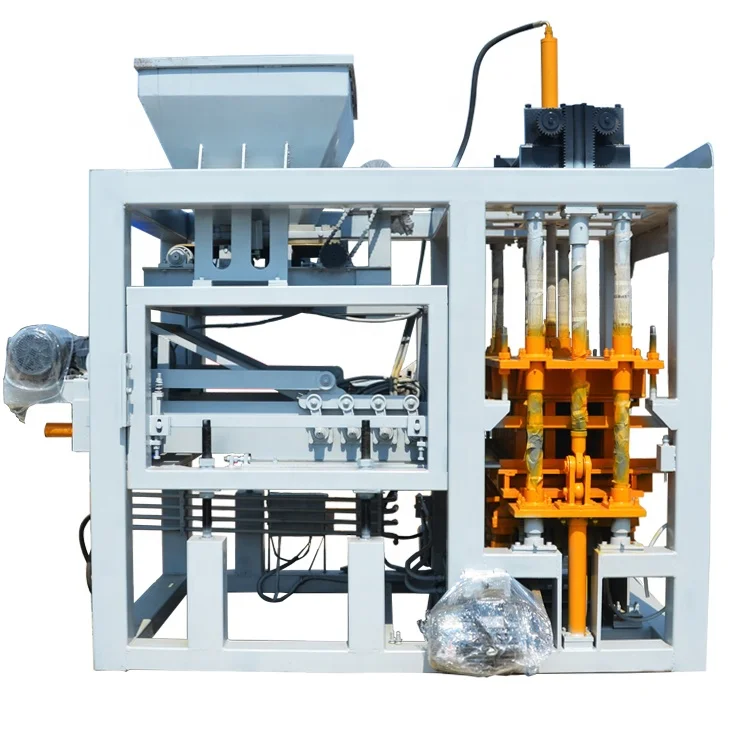
Description
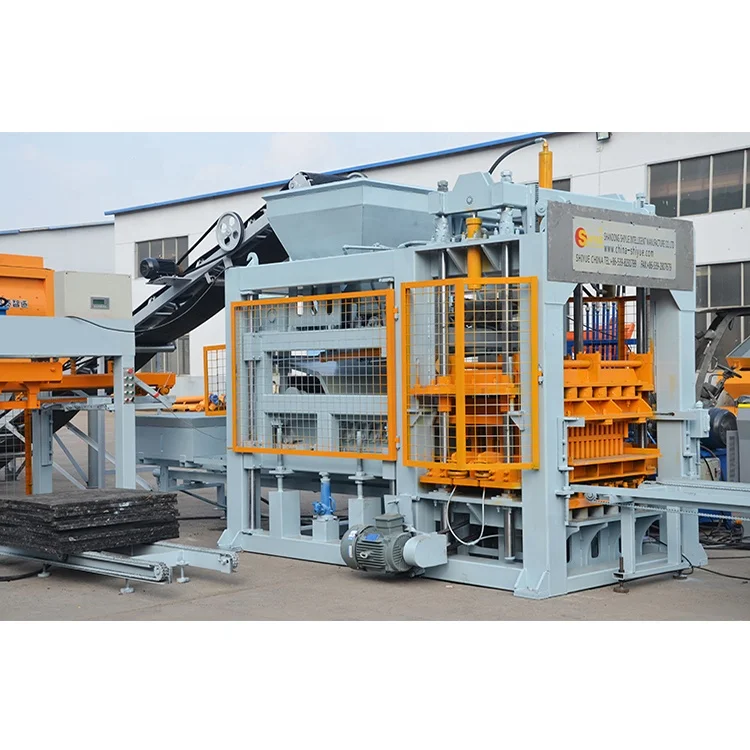
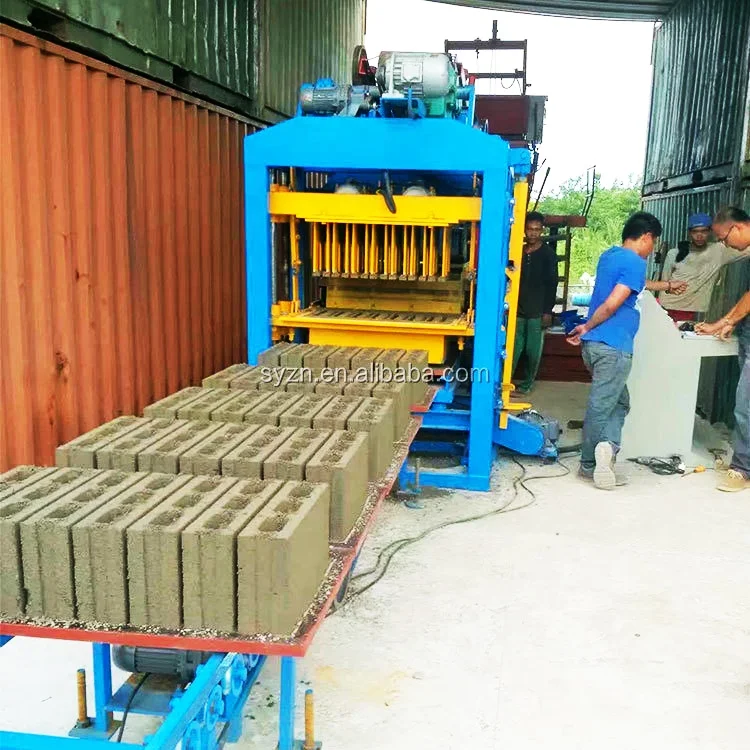
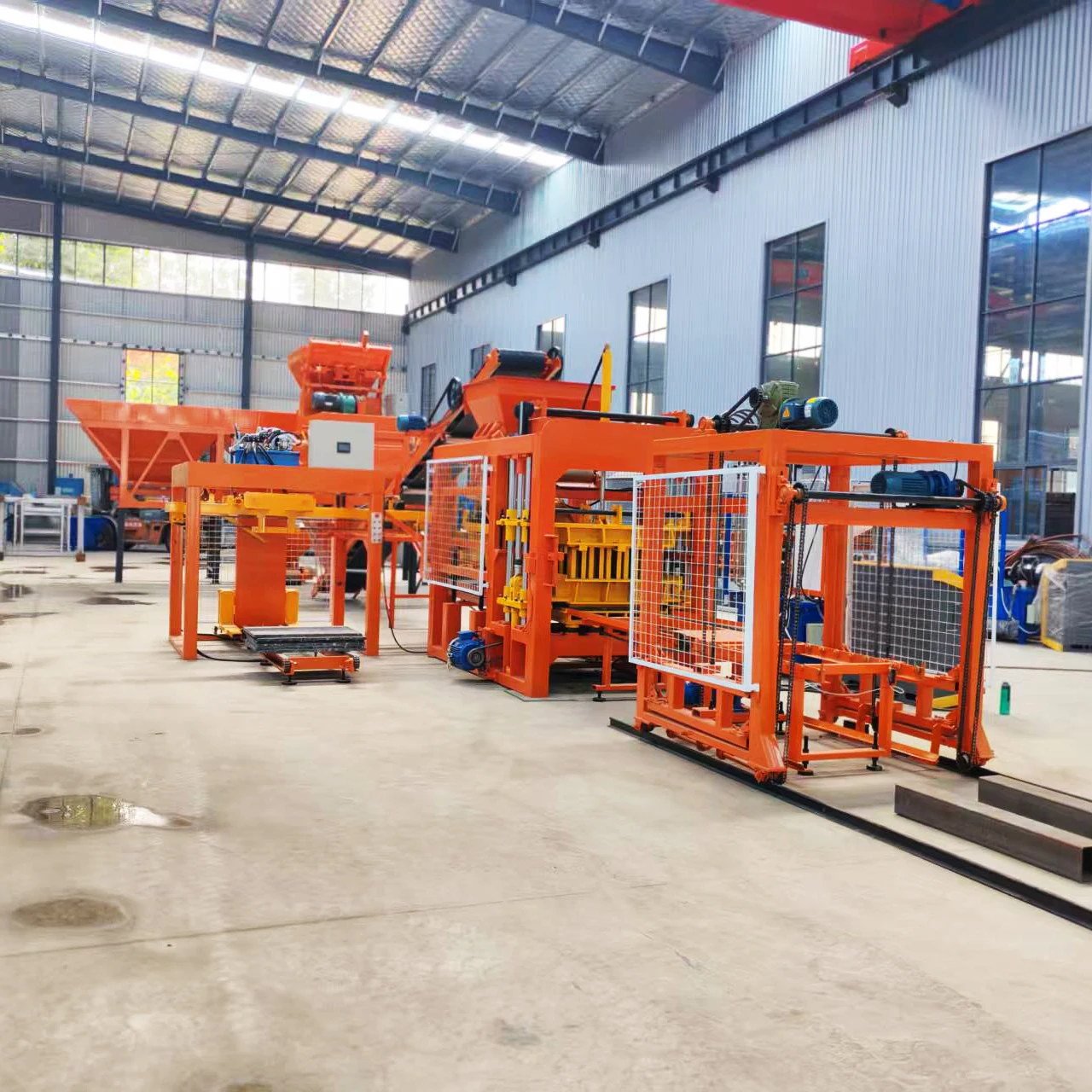
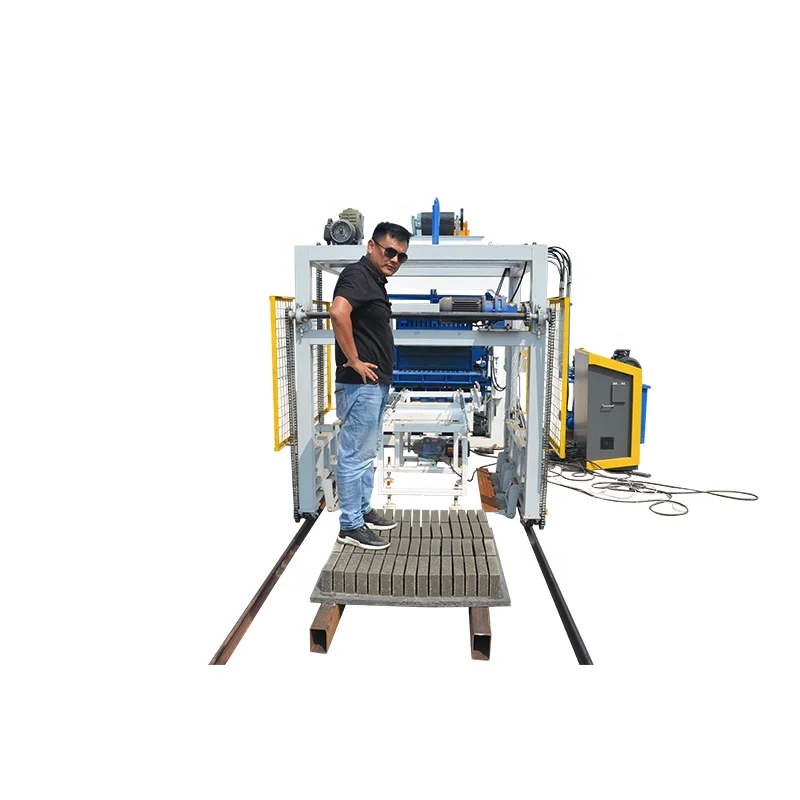
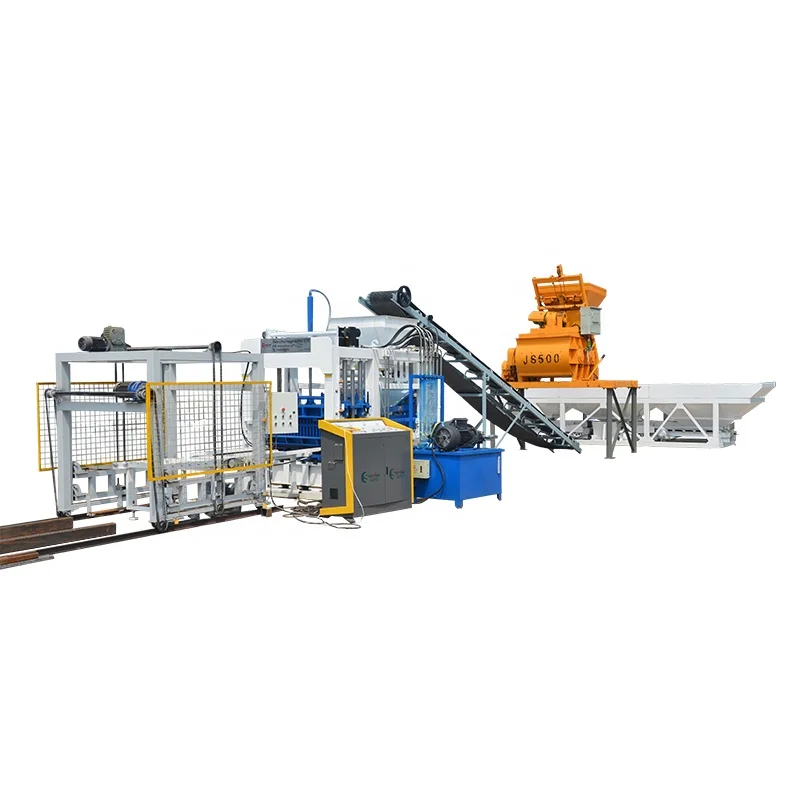
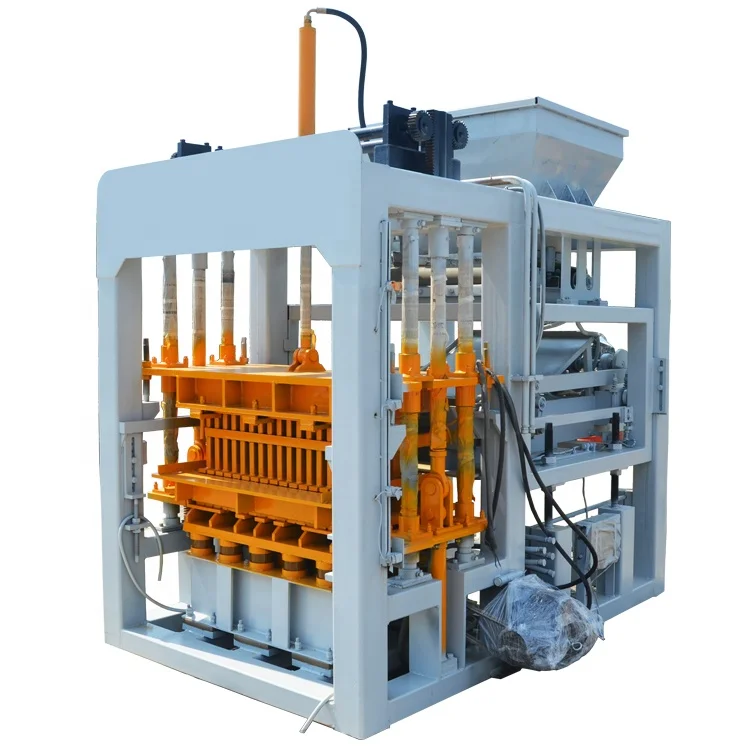
Configuration Matched to Market Format — the QT4-15B block making machine is sized around the exact block dimensions your local market sells, with capacity stated per format and cycle time rather than a single headline number that hides assumptions.
Technical Specifications
| Parameter | Value |
|---|---|
| Model | QT4-15B |
| Product Type | Fully Automatic Concrete Block Making Machine |
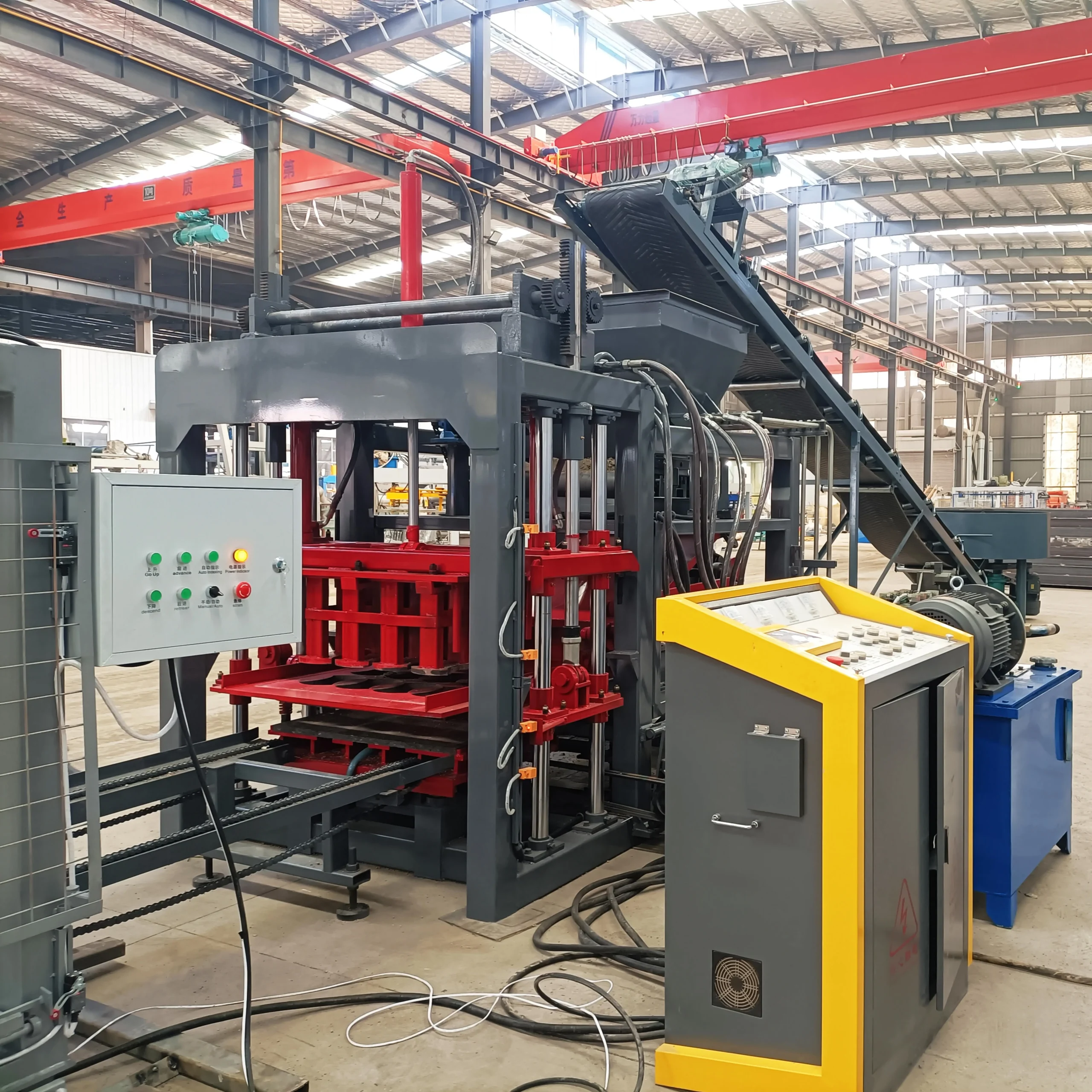
| Control System | PLC computer control, fully automatic |
| Vibration Mode | Multiaxis synchronizer vibration, vertically downward |
| Hydraulic System | High thermal efficiency, low heat productivity |
| Mixer System | Multiaxis forced mixer system |
| Guide Bearing | Long-period over-length guide bearing for upper mould and mould box alignment |
| Rack Construction | High strength steel with special welding technique, vibration shock resistant |
| Automation Level | Fully automatic |
| Molding Cycle | 15–20 seconds |
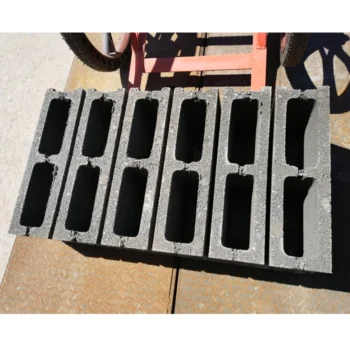
| Output Capacity (400×200×200 mm hollow block) | 900–1,200 pcs/hour, 7,200–9,600 pcs/8 hr (4 pcs/mould, 15–20 s cycle) |
| Output Capacity (400×150×200 mm block) | 1,080–1,440 pcs/hour, 8,640–11,520 pcs/8 hr (5 pcs/mould, 15–20 s cycle) |
| Output Capacity (400×100×200 mm block) | 1,440–1,920 pcs/hour, 11,520–15,360 pcs/8 hr (8 pcs/mould, 15–20 s cycle) |
| Output Capacity (200×100×60 mm paving block) | 2,880–3,840 pcs/hour, 23,040–30,720 pcs/8 hr (16 pcs/mould, 15–20 s cycle) |
| Output Capacity (240×115×53 mm standard brick) | 5,930–6,720 pcs/hour, 47,400–53,700 pcs/8 hr (28 pcs/mould, 15–20 s cycle) |
| Warranty | 1 year for whole machine (excluding spare parts) |
| Rated Power | To be confirmed with manufacturer |
| Voltage & Frequency | To be confirmed before order |
| Pallet Size | To be confirmed with manufacturer |
| Hydraulic Pressure | To be confirmed with manufacturer |
| Vibration Force | To be confirmed with manufacturer |
Application Suitability
| Application | Material or Output |
|---|---|
| Hollow block production for wall construction | Crushed stone, sand, cement, fly ash blends |
| Paving block manufacturing for roads and yards | Granite aggregate, basalt chips, cementitious binder |
| Standard solid brick for masonry and partition walls | River sand, quarry dust, Portland cement |
| Multicellular brick for lightweight infill | Lightweight aggregate, perlite, cement matrix |
| On-site block production for housing projects | Locally sourced aggregate matched to site mix design |
What "900–1,200 Pieces per Hour" Actually Means for Your Plant
Every capacity figure on this page names the block format, mould cavity count, and cycle time behind it — no single inflated number masking assumptions.
I once watched a technical buyer sign off on a QT4-15B block machine based on a brochure headline that quoted peak cycles per hour without naming the block size. When their plant started running 400×200×200 mm hollow blocks instead of the smaller format the number assumed, daily output dropped to roughly half. The buyer had already committed to a delivery schedule with their construction client. The mismatch was not a machine fault — it was a quotation fault. This page exists so that does not happen again. [NEED_CITE: common causes of block plant output shortfall versus quoted capacity]
Format-by-Format Capacity Breakdown
The QT4-15B block machine specifications change meaningfully depending on which mould sits in the press. A 4-cavity hollow block mould produces 900–1,200 pieces per hour at a 15–20 second cycle, while a 28-cavity standard brick mould pushes that figure to 5,930–6,720 pieces per hour under the same cycle range. Buyers comparing this fully automatic concrete block making machine against alternatives need to line up the numbers on the same format — otherwise the comparison is meaningless.
Mould Change and Format Flexibility
Switching from hollow block to paving block on the QT4-15B involves lifting out the current mould, seating the new one, and recalibrating the vibration and pressure parameters for the different cavity geometry. The long-period over-length guide bearing keeps the upper mould and mould box aligned through every change, which matters because even slight misalignment produces dimensional drift across a run. Buyers who plan to run three or four formats in a single shift should confirm the mould change procedure and time during factory testing. [NEED_CITE: typical mould change workflow on hydraulic block presses]
How Vibration and Pressure Interact With Your Mix
The multiaxis synchronizer vibration delivers force vertically downward, compacting the concrete mix inside the mould cavity from top to bottom. Hydraulic pressure then holds that compaction while the block gains initial set strength before demoulding. If the vibration force and pressure are tuned for a limestone aggregate but the buyer runs volcanic scoria, the blocks may leave the press under-compacted and break during pallet transfer. The QT4-15B block machine specifications must therefore be configured against the buyer’s actual material test report, not a catalogue default. This is where mismatched settings create inconsistent block strength across a production run.
Pallet Size, Curing Area, and the Forklift You Already Own
The pallet dimensions on the QT4-15B determine how many wet blocks travel from the press to the curing rack in one trip. If the pallet is sized without checking the buyer’s existing curing rack spacing or forklift fork width, the plant ends up either wasting rack space or needing a new forklift. Pallet material — timber, bamboo, or composite — also affects block surface finish and pallet lifespan under repeated vibration cycles. Confirming pallet size against the buyer’s site conditions is part of the configuration process before the machine enters production.
The Hidden Cost of Skipping Mix Design Verification
When a block machine arrives configured for a mix the buyer cannot source locally, the plant faces a choice: import the specified aggregate at significant freight cost, or re-tune the vibration and pressure settings on-site with limited support. Either path delays commissioning. I have seen production lines sit idle for weeks while a new mix design was tested and validated, because the original configuration was based on a generic catalogue assumption rather than the buyer’s actual quarry output. [NEED_CITE: risks of running unverified mix designs on hydraulic block presses]
Why Source the QT4-15B Through This Configuration Approach
Block machinery is the single focus here, so the press, mould, pallet, and handling equipment are specified as one matched system rather than assembled from separate suppliers. The configuration is set against your actual mix design and local aggregate, not a default table. Mould design covers the formats your market sells, including custom drawings when your buyers request a non-standard dimension. Automation level is selectable — a buyer can start with semi-automatic pallet handling and move to fully automatic stacking later. Installation support includes on-site commissioning and operator training so the crew understands mould change, cycle tuning, and daily maintenance from week one.
Documentation & Verification
- Line layout and capacity calculation stating the block format behind every output figure
- Mould drawing and format list confirming cavity count and cycle time per block size
- Machine specification sheet matched to your local aggregate and mix design report
- Hydraulic and electrical schematic for on-site troubleshooting and spare parts ordering
- Voltage, frequency, and PLC display language confirmation documented before production
Installation, Commissioning & Support
- Foundation layout matched to the QT4-15B rack footprint and vibration load requirements
- Power supply circuit sized to the confirmed rated power with dedicated breaker protection
- PLC display language set to the operator’s working language before the control cabinet ships
- First-run commissioning includes cycle time tuning on the buyer’s actual mix and aggregate
- Operator training covers mould change procedure, guide bearing inspection, and daily greasing points
- Wear parts list identifies hydraulic seals, vibration springs, and guide bearing replacements with part numbers
What We Need From You to Build an Accurate Quotation
Send the target block formats you intend to produce, including dimensions and daily volume per format. Provide a material test report or sample of your local aggregate so the vibration and pressure settings can be matched before the machine is built. Confirm your site voltage, frequency, and the language your operators need on the PLC display — these details lock in the electrical and control configuration so commissioning starts the day the QT4-15B block machine reaches your floor.
Frequently Asked Questions
Q: How is the QT4-15B capacity calculated for each block format, and what cycle time does it assume?
A: Every capacity figure on this page is based on a 15–20 second molding cycle and a specific mould cavity count. For example, 900–1,200 hollow blocks per hour assumes a 4-cavity mould producing 400×200×200 mm blocks. The calculation multiplies cavity count by cycles per hour, then applies a realistic operational factor. We state the format so your comparison with other machines is honest.
Q: Which mould formats are available, and how long does a mould change take?
A: Available formats include hollow block, solid block, paving block, kerbstone, interlocking brick, and porous brick, plus custom moulds built to buyer drawings. Mould change time depends on operator familiarity and whether the press uses a quick-clamp system. We confirm the procedure and expected change time during factory testing so you can plan shift schedules around format rotation.
Q: How is the machine configured to match my local raw material rather than a default mix?
A: Before production begins, we request your aggregate sample or material test report. Vibration force, hydraulic pressure, and mixer settings are then tuned to that specific material. The multiaxis forced mixer adapts to different aggregate densities and moisture ranges. This ensures block strength remains consistent with your local quarry output rather than a generic catalogue assumption.
Q: What pallet size does the QT4-15B require, and how does it relate to my curing area?
A: Pallet size is confirmed during configuration to match your existing curing rack dimensions and forklift capacity. Choosing pallet size without checking these site conditions leads to wasted rack space or the need for new handling equipment. We verify pallet dimensions and material — timber, bamboo, or composite — against your curing method before the order enters production.
Q: What voltage, frequency, and PLC language options are confirmed before shipment?
A: Voltage and frequency are confirmed in writing to match your site supply, avoiding transformer costs or commissioning delays on arrival. The PLC display language is set to your operator’s preference. These details are documented in the electrical schematic and control confirmation sheet, both included in the shipping documentation package for your records.