


Description
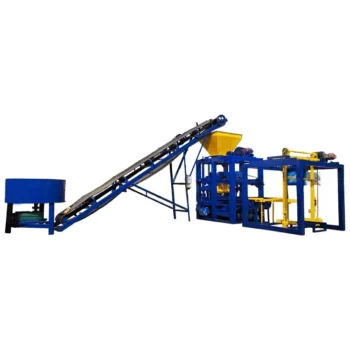
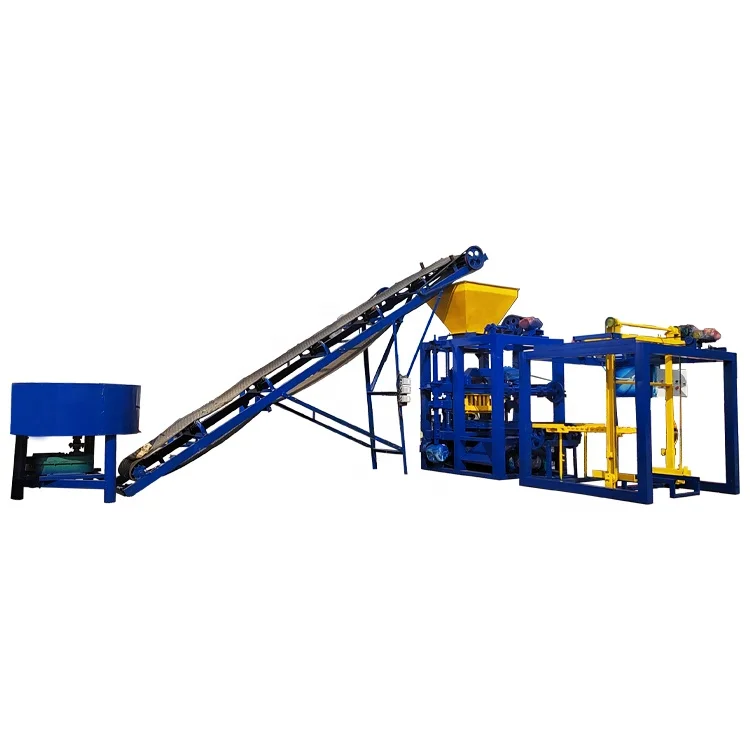
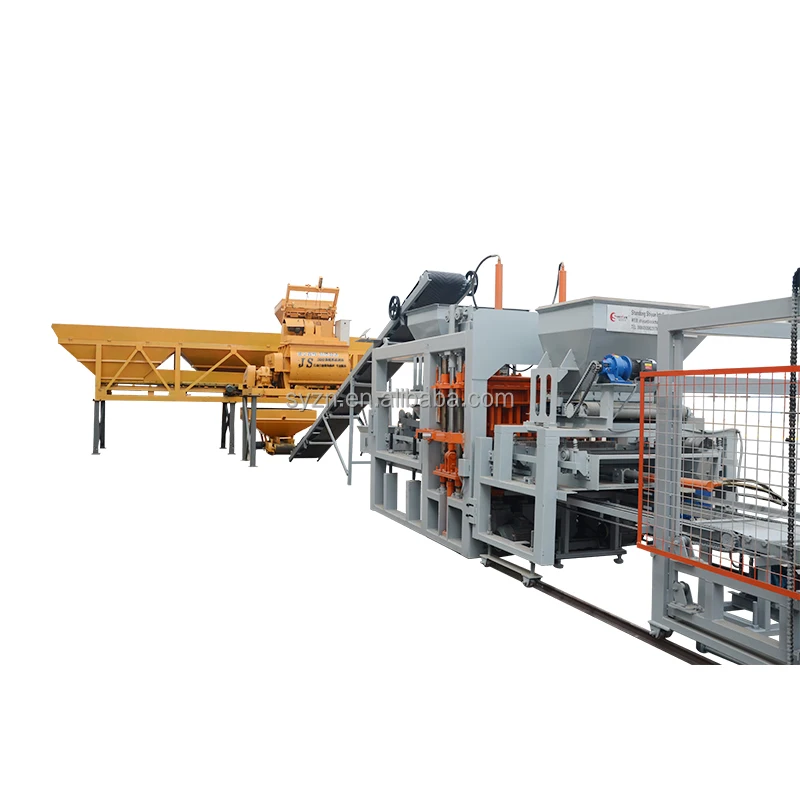
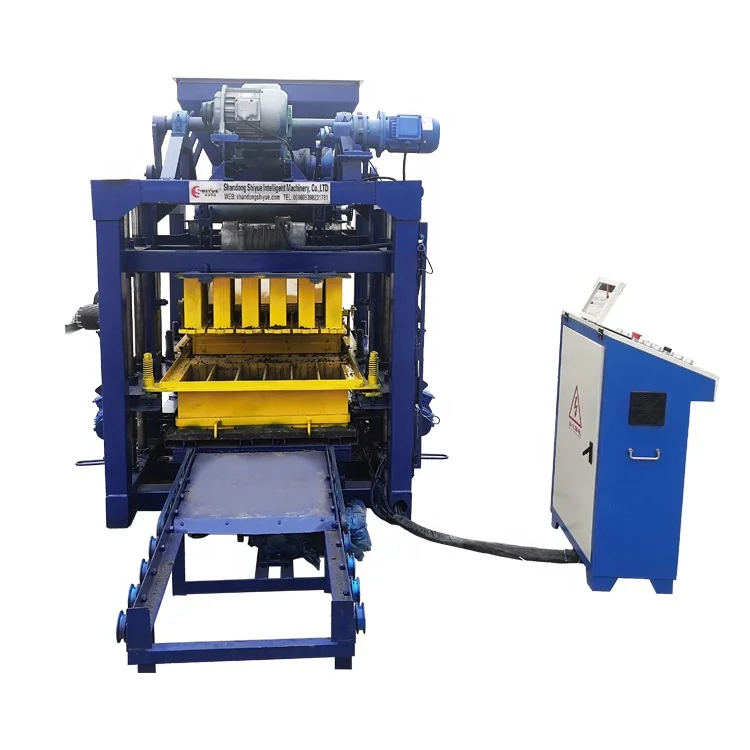
Matched system design — machine, mould, pallet and handling are specified as one integrated line rather than sourced from separate suppliers, so the QTJ4-25 kerb stone brick making machine specifications align with your local aggregate and target block format from day one.
Technical Specifications
| Parameter | Value |
|---|---|
| Model | QTJ4-25 |
| Product Type | Kerb Stone Brick Making Machine |
| Overall Dimensions (L×W×H) | 3060×1730×2580 mm |
| Total Mass | 4 T |
| Rated Pressure | 16–21 MPa |
| Main Vibration Form | Platform Vibration |
| Vibration Frequency | 4200 r/min |
| Vibration Force | 45.5 kN |
| Pallet Size | 850×550 mm |
| Molding Cycle | 25–30 s (basis not stated in source — confirm block format and material before quoting daily output) |
| Overall Power | 14.9 kW |
| Demolding Method | Vibration |
| Required Factory Area | 200 m² |
| Automation Level | Semi-automatic |
| Container Loading | 1×40HQ (basic equipment) |
| Warranty | 1 year (excluding spare parts) |
Application Suitability
| Application | Material or Output |
|---|---|
| Kerb stone production for municipal road projects | Crushed stone, sand, cement, gravel blends |
| Interlocking paver manufacturing for landscaping | Fly ash, sand, cement, stone dust mixes |
| Hollow and solid concrete block production | Gravel, slag, cement, sand combinations |
| Colored paver runs for pedestrian zones | Pigmented concrete with fine aggregate |
| On-site block manufacturing for housing developments | Locally sourced aggregate and cement |
What a 25-Second Cycle Time Actually Means for Your Output
Molding cycle only translates to daily capacity when the block format, mix design, and pallet layout are stated alongside it.
Many buyers receive a quotation showing cycles per hour, then discover the figure assumed a small solid block while they intend to produce dense kerbstones that need longer vibration and curing. The QTJ4-25 kerb stone brick making machine specifications list a 25–30 s cycle, but that window changes depending on kerb profile depth, concrete slump, and whether the mix contains coarse local aggregate. [NEED_CITE: relationship between concrete mix design and vibration dwell time in block presses] Without a format-specific capacity sheet, a buyer planning two shifts can end up running three just to meet delivery schedules.
Vibration Force and Hydraulic Pressure as a Paired System
Platform vibration at 4200 r/min delivers 45.5 kN across the mould cavity, compacting the mix against the pallet surface. For dense kerb stone profiles that must survive transport and installation without corner spalling, this vibration force needs to work in tandem with the 16–21 MPa hydraulic pressure range. When vibration is too high but pressure too low, blocks crack internally before demolding. When pressure dominates, the surface finish shows void marks.
Pallet Size Determines Your Curing Yard Layout
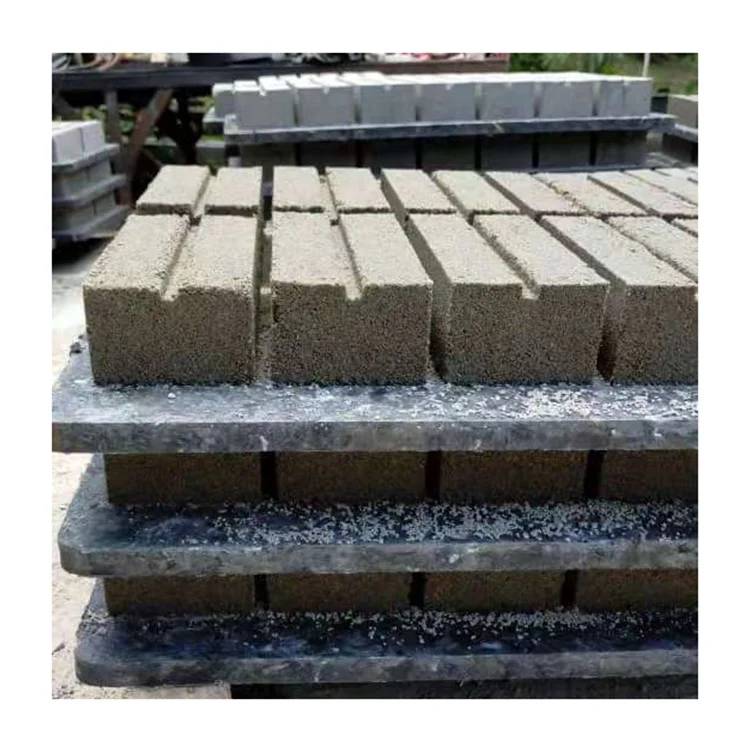
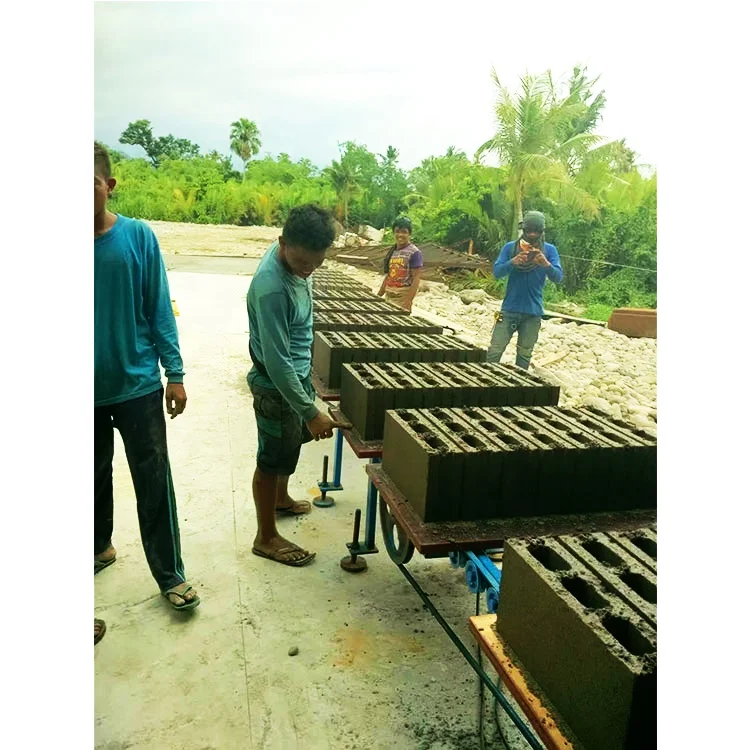
The 850×550 mm pallet defines how many kerbstones fit per cycle and how the curing racks must be spaced. Buyers who already operate forklifts with standard tine widths need to confirm the pallet dimensions match both the fork pocket and the rack slot depth before the machine ships. A mismatch here means purchasing new handling equipment after the QTJ4-25 kerb stone brick making machine arrives — a cost that never appeared on the original quotation. [NEED_CITE: pallet and forklift compatibility standards in concrete product plants]
Reading the Specification Sheet Against Your Mix
The rated pressure range of 16–21 MPa is adjustable, but it must be set according to the coarse aggregate size and cement ratio available at the buyer’s location. A mix relying on crushed gravel above 10 mm requires higher vibration force and longer dwell than a fine sand-and-fly-ash blend. The overall power of 14.9 kW covers both the vibration motor and hydraulic pump; if the buyer’s grid voltage fluctuates, the motor may not reach full RPM and compaction drops without any alarm on the control panel. Matching the QTJ4-25 kerb stone brick making machine specifications to the actual raw material is the single most important step before production starts.
The Hidden Cost of Skipping Format-Specific Capacity
When a quotation states output in generic cycles rather than blocks-per-shift for the exact kerb profile the buyer sells, the revenue model breaks down within the first month. Buyers commit to municipal supply contracts based on numbers that assumed a different mould, then face penalties for late delivery. Pallets pile up faster than the curing area can absorb, and blocks moved too early lose edge integrity. These problems trace back to a single missing document: a capacity calculation tied to the buyer’s real product. [NEED_CITE: common causes of output shortfall in semi-automatic block plants]
Why Sourcing the Full Line from One Supplier Matters
The QTJ4-25 arrives as a complete machine in a single 40HQ container, meaning the press, pallets, and basic handling equipment are sized together at the factory. Mould drawings — including custom kerb profiles based on buyer-supplied sketches — are confirmed before production begins, so format flexibility is real rather than theoretical. Voltage, frequency, and control panel language are locked in during the order stage, preventing commissioning delays that stretch into weeks when left until the machine lands. Semi-automatic operation keeps the initial investment contained while leaving room to add automatic stacking or cubing later. The 200 m² factory area requirement is modest enough for contractors producing kerbstones directly on a road or housing project site.
Documentation & Verification
- Line layout showing pallet flow from press to curing racks for your kerb format
- Capacity calculation stating daily output per kerb stone profile and mix design
- Mould drawing and format list including any custom kerb section to your drawings
- Pallet specification matched to your existing forklift tine width and rack spacing
- Voltage, frequency, and PLC display language written confirmation before build
- Factory test record on your specified raw material blend before container loading
Installation, Commissioning & Support
- Foundation pad sized to the 3060×1730 mm footprint with level tolerance for platform vibration stability
- Dedicated electrical circuit rated for 14.9 kW continuous draw at your confirmed voltage and frequency
- Machine shipped complete in one 40HQ; reassembly limited to pallet feeder and guard panels on site
- First-run parameter tuning of vibration force and hydraulic pressure against your local aggregate sample
- Operator training covering mould change procedure and semi-automatic pallet handling sequence
- Wear parts list with hydraulic seal and vibration spring replacement intervals for your production volume
Before You Send an Inquiry
Share the kerb stone profile drawing or photo from your market so the mould can be designed around the exact shape you sell. Include your local aggregate type, maximum particle size, and cement ratio so the vibration and pressure settings are calculated before the quotation. Confirm your site voltage, frequency, and preferred control language to keep commissioning on schedule.
Frequently Asked Questions
Q: How is the QTJ4-25 cycle time of 25–30 s verified against specific kerb stone formats?
A: The cycle window is tested at the factory using the buyer’s confirmed mix proportions and the chosen kerb profile mould. Deeper kerb sections or coarser aggregate require longer vibration dwell, which extends the cycle. A written capacity sheet stating output per shift for your exact format accompanies every quotation, so daily planning is based on real numbers rather than a generic rate.
Q: Which mould formats are available for kerb stone, and can custom profiles be produced?
A: Standard kerb stone, L-section, and chamfered edge profiles are available for the 850×550 mm pallet. Custom profiles are manufactured from buyer-supplied drawings, with a mould sample photo shared for approval before the machine enters final assembly. The QTJ4-25 kerb stone brick making machine accepts quick-change mould mounting, so switching between kerb and paver formats stays within a single shift.
Q: How should the 850×550 mm pallet match existing curing racks and forklifts?
A: Pallet dimensions determine rack slot width and fork tine spacing in the curing yard. Buyers should provide forklift model details and rack drawings before order confirmation so pallets are fabricated with matching fork pockets. This prevents handling bottlenecks after the machine is installed and production begins.
Q: Can the vibration force be adjusted to accommodate local coarse aggregate?
A: The 45.5 kN vibration force works with the 16–21 MPa hydraulic pressure range to compact mixes containing crushed stone, gravel, or slag. When local aggregate exceeds typical grading, the pressure setpoint and vibration duration are adjusted during commissioning to maintain consistent block density and edge strength across every cycle.
Q: What documentation arrives before the machine ships?
A: Buyers receive the mould drawing and format list, pallet specification, hydraulic and electrical schematics, voltage confirmation sheet, and a factory test record run on the buyer’s material blend. These documents let the site team prepare foundations, wiring, and curing racks so the QTJ4-25 kerb stone brick making machine starts production within days of arrival.