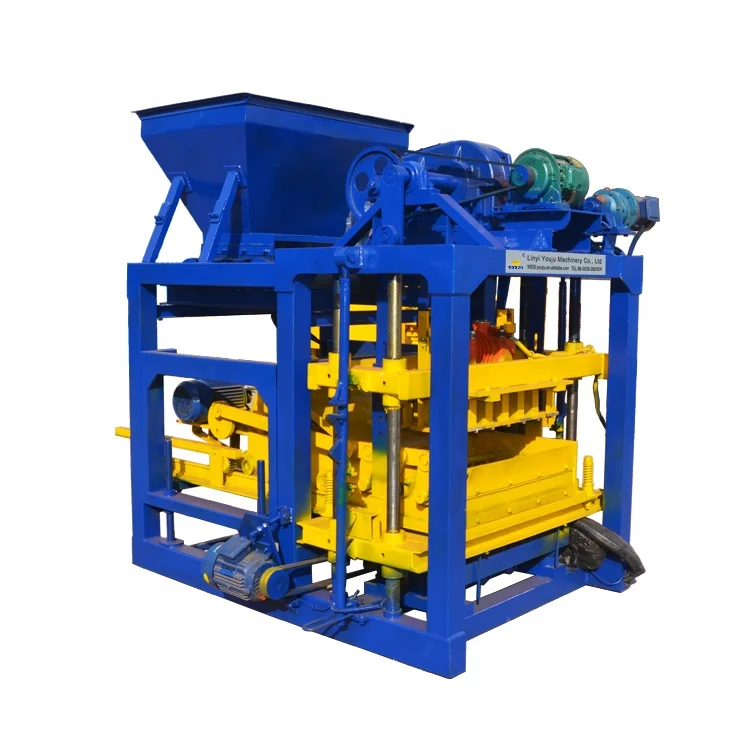
Description
Matched System Sizing — every capacity figure for the QTJ4-25 is stated per block format, pallet size, and shift length so daily planning reflects what the buyer actually sells.
Technical Specifications
| Parameter | Value |
|---|---|
| Model | QTJ4-25 |
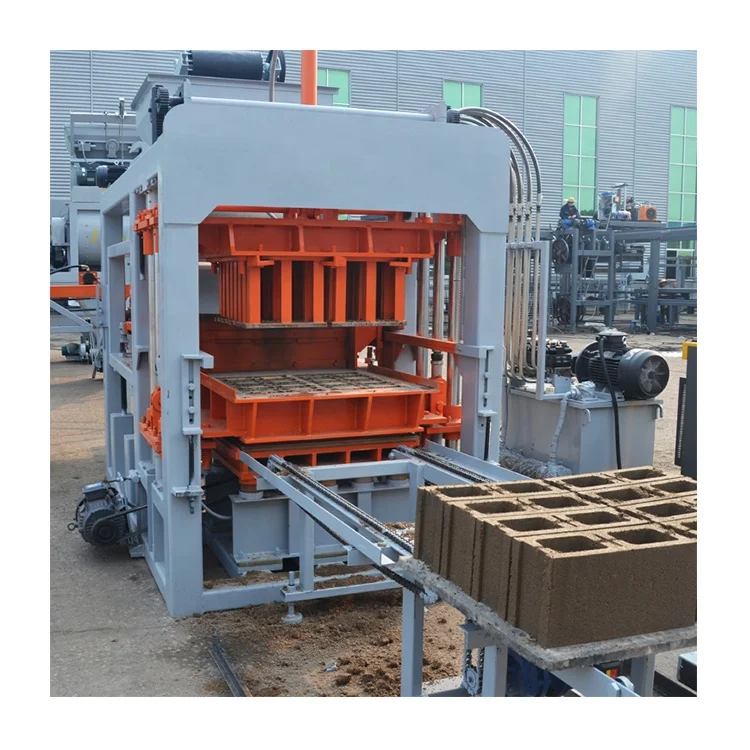
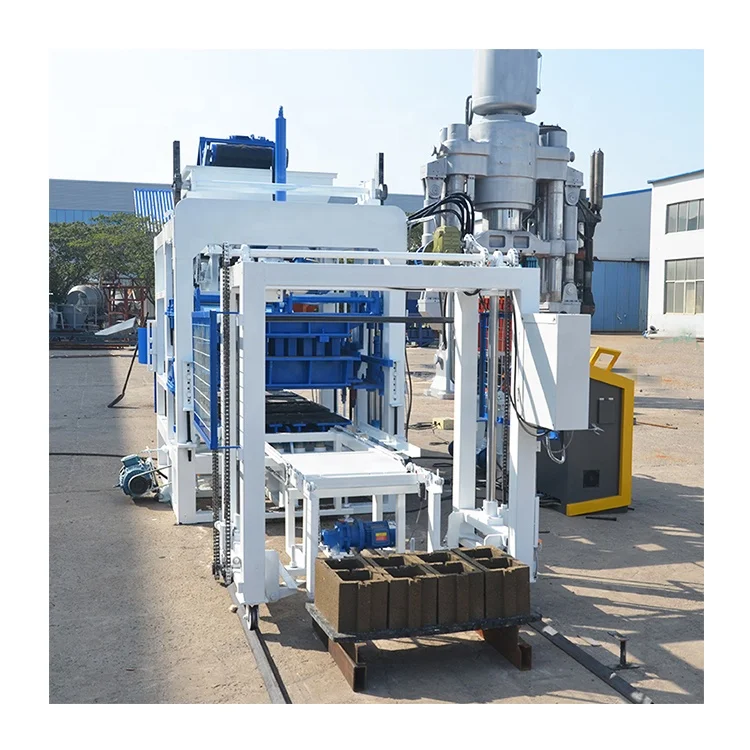
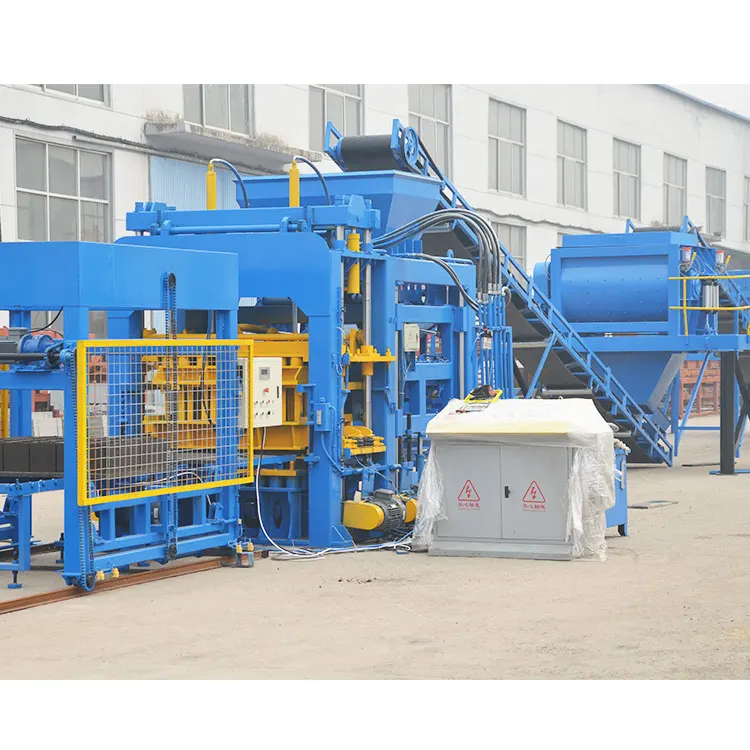
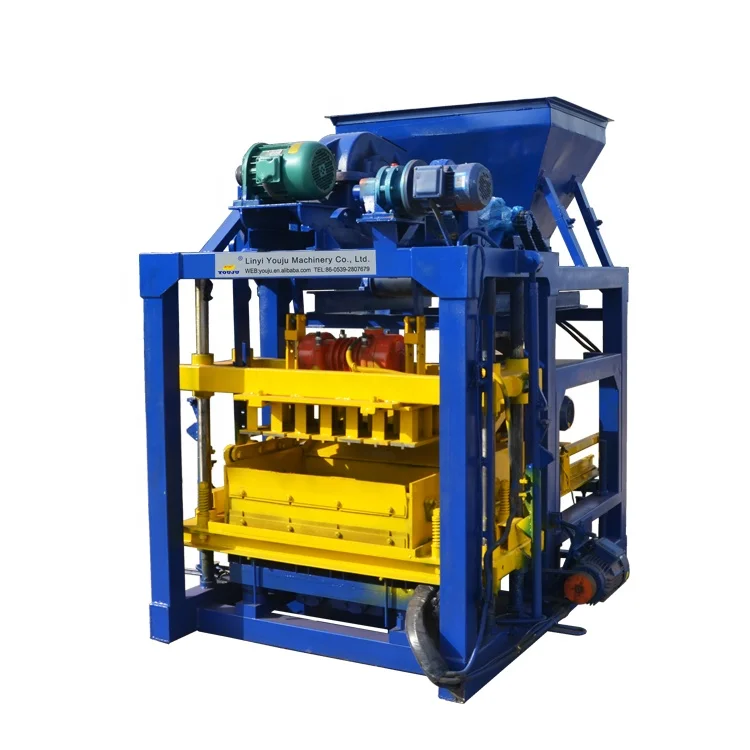
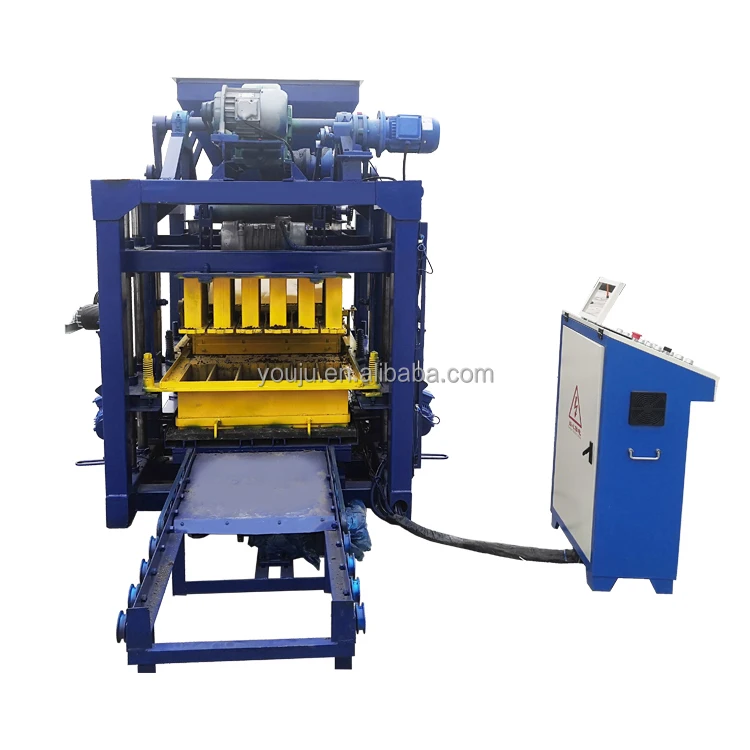
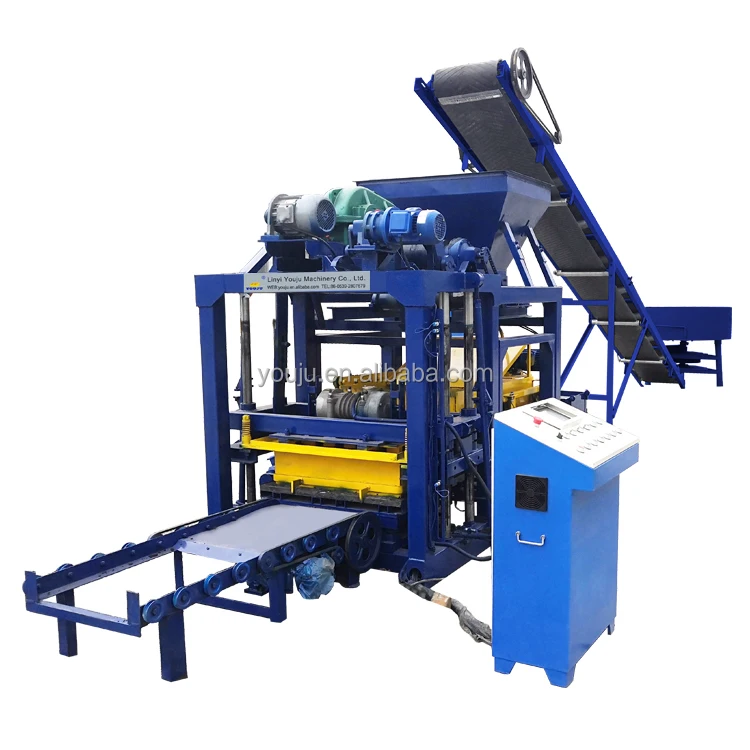
| Product Type | Semi-Automatic Concrete Block Making Machine |
| Overall Dimensions (L×W×H) | 3000 × 1800 × 2680 mm |
| Total Mass | 3.5 T |
| Overall Power | 16.58 kW |
| Vibration Force | 60 kN |
| Main Vibration Form | Platform Vibration |
| Vibration Frequency | 2800–4500 r/min |
| Pallet Size | 850 × 480 mm |
| Molding Cycle | 25 s (basis to be confirmed per format) |
| Demolding Method | Mechanical |
| Guide Column Design | Four guide columns, overlong guide |
| Frame Material | National standard manganese steel |
| Surface Treatment | Chrome-plated columns |
| Welding Technology | Anti-wear, anti-seismic, anti-moisture |
| Raw Materials | Crushed stone, sand, cement, fly ash, gravel, slag, dust |
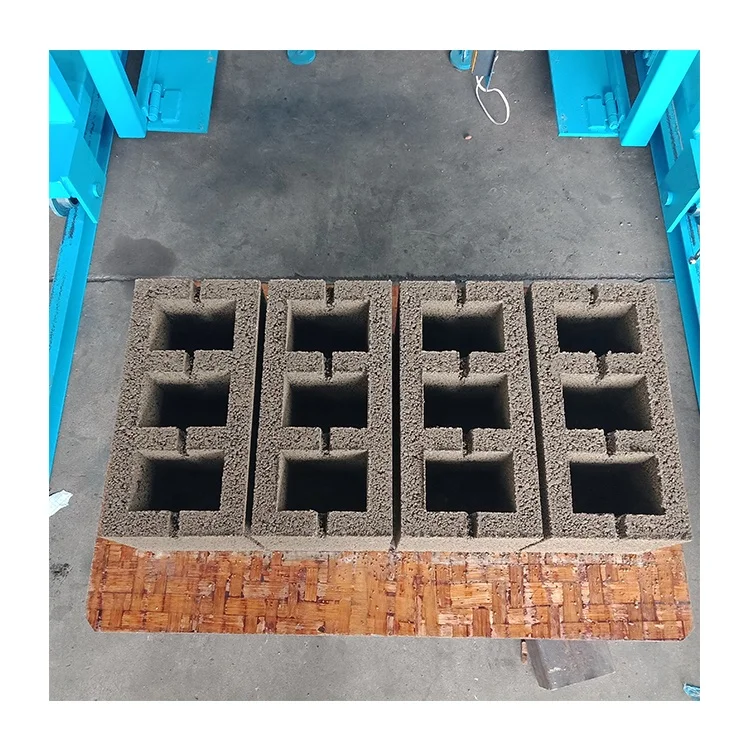
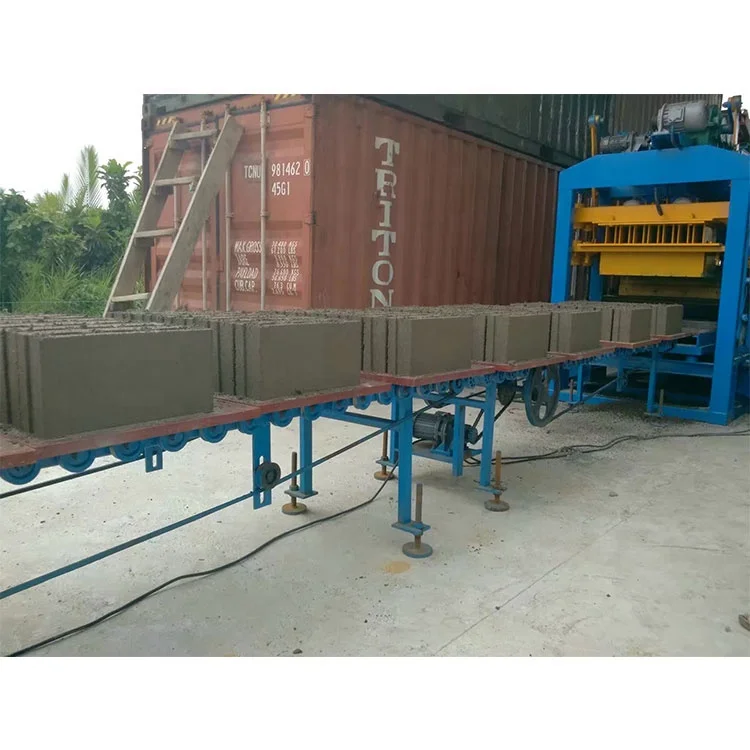
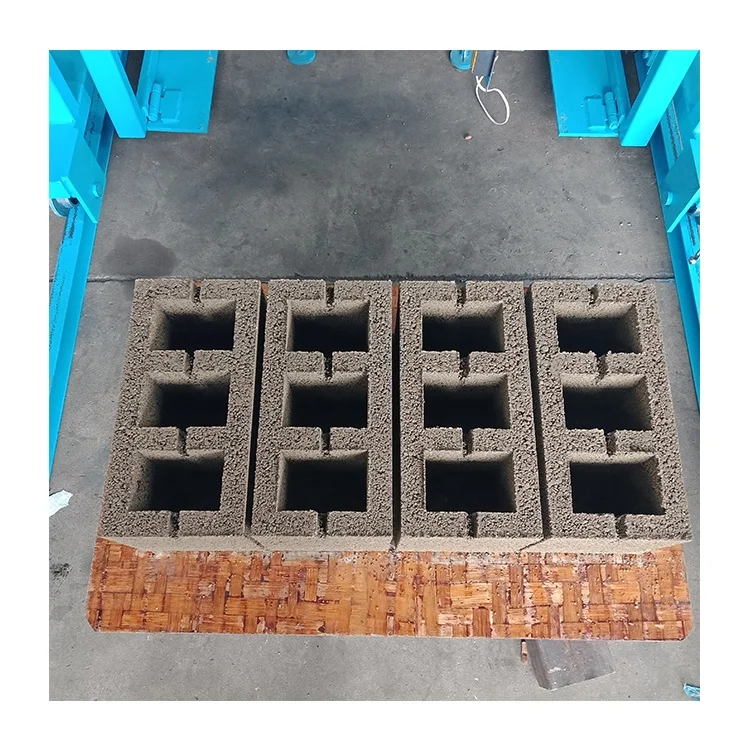
| Applied Products | Hollow blocks, solid blocks, pavers, interlocking blocks, curbstone, colored pavers |
| Recommended Factory Area | 300 m² |
| Capacity (400×200×200 mm hollow block) | 4 pcs/mould, 580 pcs/h, 4640 pcs/day (8 h) |
| Capacity (240×115×90 mm brick) | 9 pcs/mould, 1400 pcs/h, 11200 pcs/day (8 h) |
| Capacity (240×115×53 mm brick) | 21 pcs/mould, 3300 pcs/h, 26400 pcs/day (8 h) |
| Automation Level | Semi-automatic |
| Warranty | 1 year for whole machine (excluding spare parts) |
Application Suitability
| Application | Material or Output |
|---|---|
| Small to medium block plants | Hollow and solid blocks from crushed stone, sand, and cement |
| On-site construction block production | Interlocking blocks and curbstones using locally sourced aggregate |
| First plant setup with limited investment | Standard concrete bricks from fly ash, gravel, and slag blends |
| Format expansion for existing producers | Pavers and colored paving blocks on the same 850 × 480 mm pallet |
Why "Pieces per Hour" Means Nothing Without the Block Format
A capacity number without a block size, mould cavity count, and shift length is a marketing figure, not a planning figure.
When buyers compare semi-automatic block machines, the first number they see is often a single hourly output that assumes the smallest, fastest-format brick the press can run. Swap the mould to a 400 mm hollow block and that same machine produces a fraction of the quoted volume. I have seen projects in North Africa stall because the daily output target was set from a catalogue peak that the buyer’s actual product could never reach [NEED_CITE: common causes of output shortfalls in block plant commissioning]. The QTJ4-25 block machine specifications listed here tie every output figure to a specific block dimension, cavity count, and an eight-hour shift so the gap between quoted and real capacity closes before the order is placed.
Platform Vibration Tuned to Mould Cavity Count
The 60 kN vibration force operating across a 2800–4500 r/min frequency range drives compaction through the platform rather than the mould itself. This matters because different block formats place different demands on the vibration profile — a four-cavity hollow block mould needs sustained force over a larger surface area, while a twenty-one-cavity solid brick mould benefits from higher frequency to settle fine aggregate into narrow cavities. The semi-automatic block machine how to choose question often comes down to whether the vibration system can adapt to the formats the buyer’s market actually demands.
Mould Exchange and Format Flexibility on a Single Pallet
Every format — hollow block, solid brick, interlocking paver, curbstone — runs on the same 850 × 480 mm pallet. The mechanical demolding system releases blocks without hydraulic lift, keeping the semi-automatic cycle at a base 25-second interval [NEED_CITE: mechanical versus hydraulic demolding cycle comparison in semi-automatic block presses]. Mould change itself involves unbolting the current mould, fitting the replacement, and adjusting the guide alignment. The time this takes depends on operator familiarity and whether the mould mounting system has been maintained, which is why we confirm the exact mould change procedure and recommended tooling during the configuration stage rather than quoting a generic number.
Reading the Specs That Actually Affect Daily Output
The 16.58 kW overall power rating covers the vibration motor, feed system, and mechanical demolding drive together. On sites where power supply is unstable or shared with other equipment, this draw must be accounted for in the main breaker sizing to avoid tripping during the vibration peak. The four-column overlong guide design with chrome-plated columns addresses a wear problem that shows up after several thousand cycles: column scoring leads to uneven mould descent, which produces blocks with inconsistent density across the pallet surface. Manganese steel frame construction with anti-seismic welding is specified for the vibration loads this class of machine generates continuously [NEED_CITE: frame fatigue failure modes in vibrating block presses]. The 3.5 T total mass provides the static weight needed to keep the platform vibration contained within the moulding zone rather than dissipating into the foundation.
The Hidden Cost of Ignoring Local Aggregate When Sizing Vibration
A QTJ4-25 configured for clean river sand will underperform when the buyer’s local supply contains high clay or silt content, because fine particles absorb vibration energy and reduce compaction density. The result is blocks that meet dimensional tolerance but fail strength testing after curing. This is not a machine defect — it is a configuration mismatch. Vibration frequency and amplitude must be set against the actual mix design and aggregate grading the buyer will use, not a laboratory reference mix [NEED_CITE: effect of aggregate clay content on concrete block compressive strength]. When the vibration parameters are matched correctly at the factory test stage, the buyer receives a machine that produces consistent blocks from the first shift rather than spending weeks adjusting settings on site.
Why This Configuration Approach Works for the QTJ4-25
Capacity calculations are stated per block format with the mould cavity count and shift length included, so the buyer can plan daily output against actual orders rather than a catalogue peak. The 850 × 480 mm pallet specification is cross-referenced with the buyer’s existing curing rack dimensions and forklift capacity before production begins, preventing the mismatch where new pallets do not fit the curing infrastructure already on site. Vibration force and frequency are reviewed against the buyer’s local aggregate sample and target block strength, not left at a default catalogue setting. Mould options are selected based on the formats the buyer’s market sells, with custom mould drawings available when standard formats do not match local building codes. Voltage, frequency, and control language are confirmed before the production run starts so the machine commissions without electrical rework on arrival.
Documentation & Verification
- Line layout with capacity calculation tied to each block format and cavity count
- Mould drawing pack confirming product dimensions and cavity count per format
- Pallet specification sheet cross-checked to buyer’s curing rack and forklift dimensions
- Factory test record run on buyer’s stated mix design and target block format
- Hydraulic and electrical schematic with confirmed voltage and frequency
- Operation and maintenance manual in confirmed control language
Installation, Commissioning & Support
- Foundation pad must support 3.5 T static mass plus dynamic vibration load across the 3000 × 1800 mm footprint
- Dedicated circuit required for the 16.58 kW total draw with breaker sized to vibration motor startup surge
- Machine ships as a single frame unit with platform vibration assembly pre-mounted and guide columns secured
- First-run commissioning includes vibration frequency adjustment against the buyer’s actual aggregate and mix proportions
- Operator training covers mould exchange procedure, guide column lubrication, and mechanical demolding adjustment
- Wear parts list provided with column bushings, vibration springs, and mould liner replacement intervals
What to Include in Your Inquiry
Send the block formats your market sells along with the daily volume you need for each, so the capacity calculation matches your actual production mix. Include a sample or description of your local sand and aggregate grading so the vibration parameters can be set before factory testing [NEED_CITE: aggregate grading standards for concrete block production]. Confirm your site voltage, frequency, and the language your operators read so the control panel and documentation arrive ready for commissioning.
Frequently Asked Questions
Q: How is capacity verified for my specific block format and what is the real daily output?
A: Each output figure is calculated from the mould cavity count, the 25-second base molding cycle, and an eight-hour shift for a specific block dimension. For the 400×200×200 mm hollow block, that gives 4 pieces per mould at 580 per hour and 4640 per day. Your actual output may vary depending on operator speed during pallet handling and mould change intervals, so we state the calculation basis rather than a single peak number.
Q: Which moulds come with the machine and how long does a change take?
A: Mould selection is based on the formats your market requires, not a fixed standard set. The QTJ4-25 supports hollow block, solid brick, interlocking paver, and curbstone moulds on the same 850 × 480 mm pallet. Mould change involves mechanical unbolting and guide realignment, and the time depends on operator experience and tooling readiness, which we cover during training.
Q: Is vibration force matched to my local aggregate or is it a catalogue default?
A: The 60 kN platform vibration with adjustable frequency from 2800 to 4500 r/min is configured against the buyer’s stated aggregate type and mix design before factory testing. High-clay or fine-graded sand requires different frequency settings than clean crushed stone. We request aggregate details during the inquiry stage so the machine arrives with parameters already matched to your material.
Q: What voltage, frequency, and control language options are confirmed before shipment?
A: Voltage and frequency are confirmed during the quotation stage to match the buyer’s site supply, and control panel labeling and documentation language are agreed before production. This prevents the common delay where a machine arrives with wiring or display language that does not match local electrical standards or operator capability.