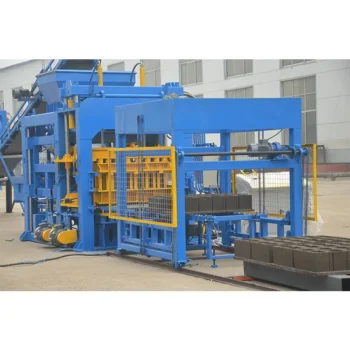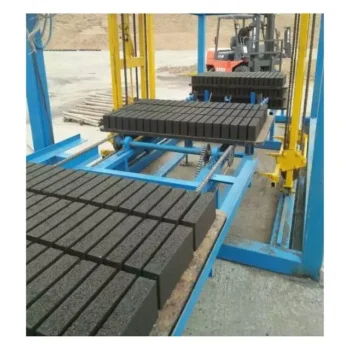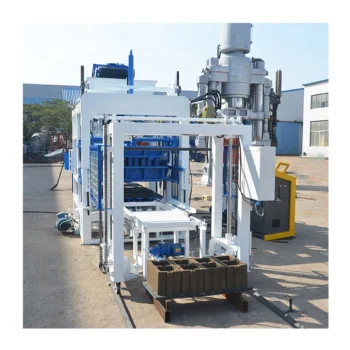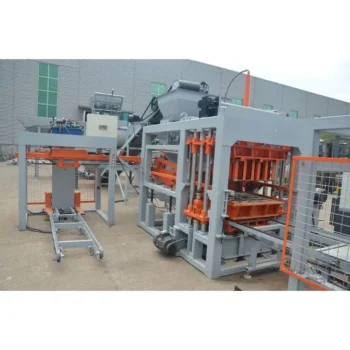
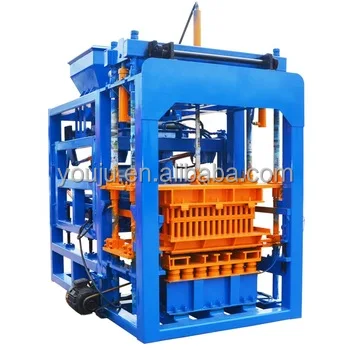
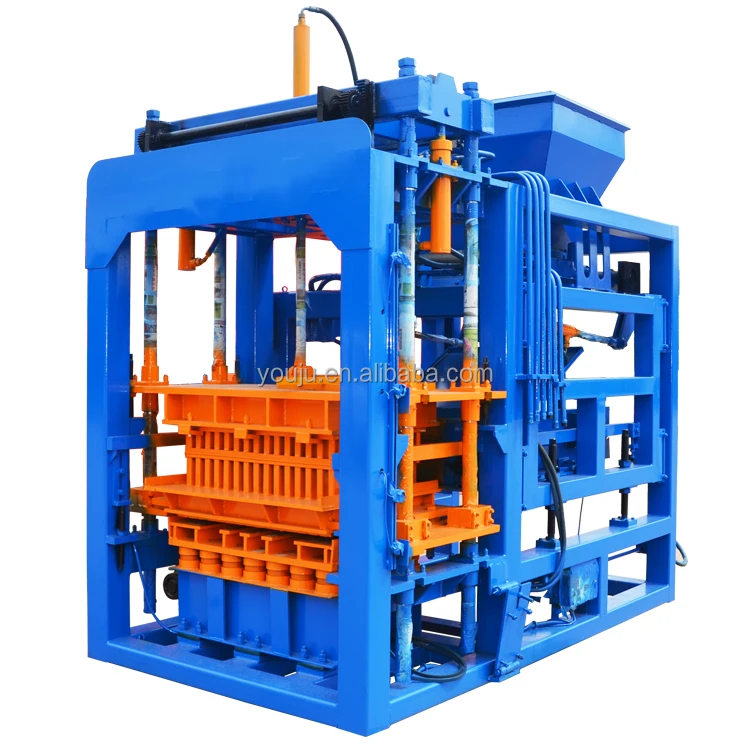
Description
Matched to your block format — QT6-15 specifications are configured against the buyer’s actual mix design, local aggregate and target block format, not a catalogue default, so quoted cycle times reflect the brick you intend to sell.
Technical Specifications
| Parameter | Value |
|---|---|
| Model | QT6-15 |
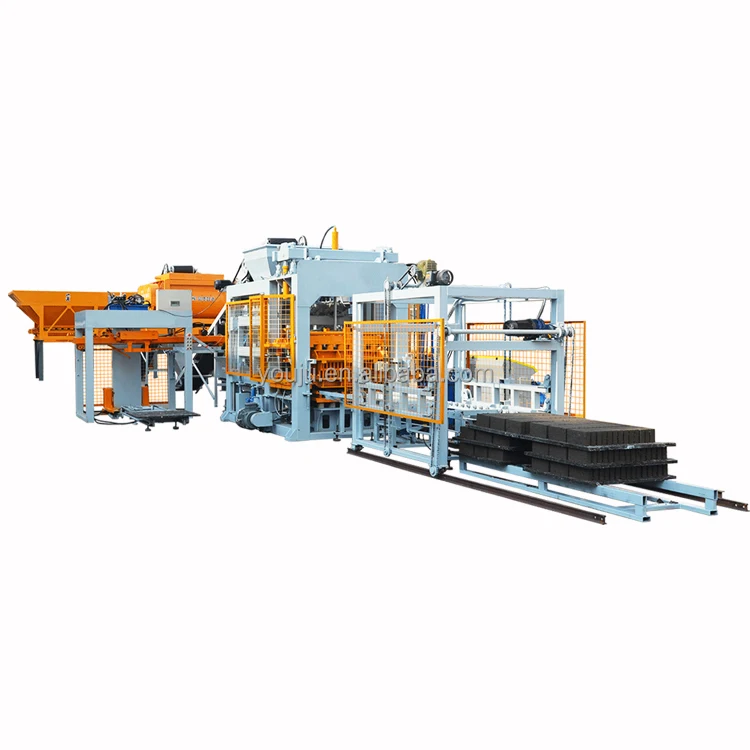
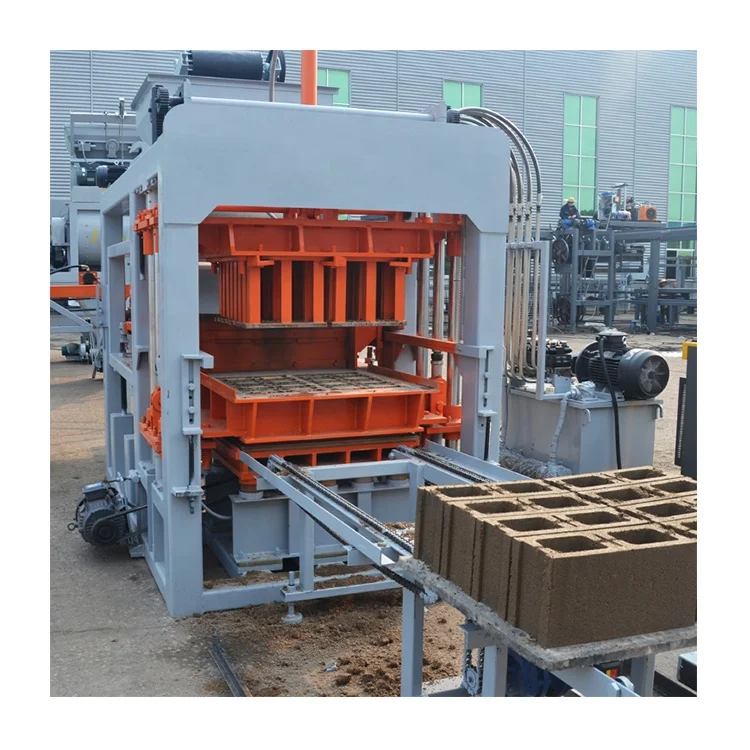
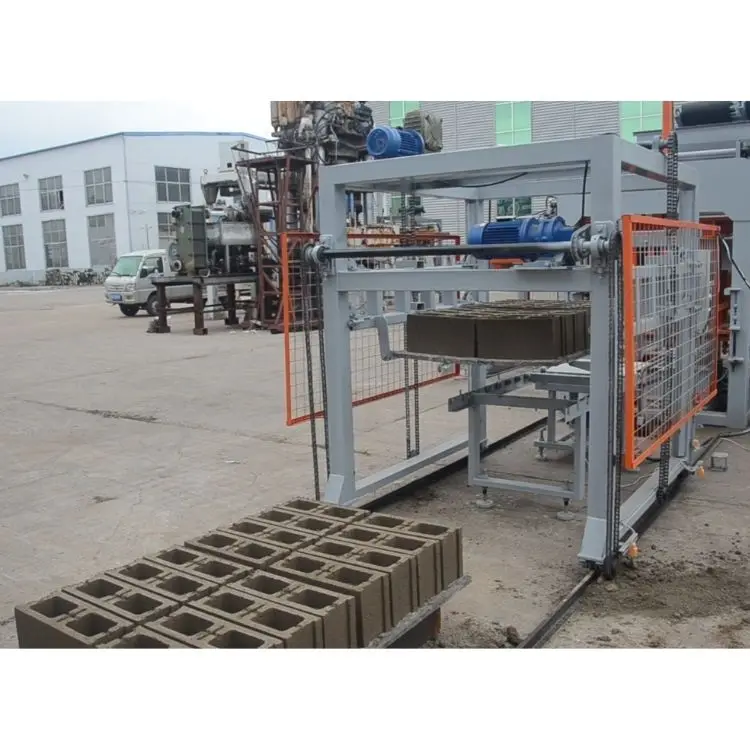
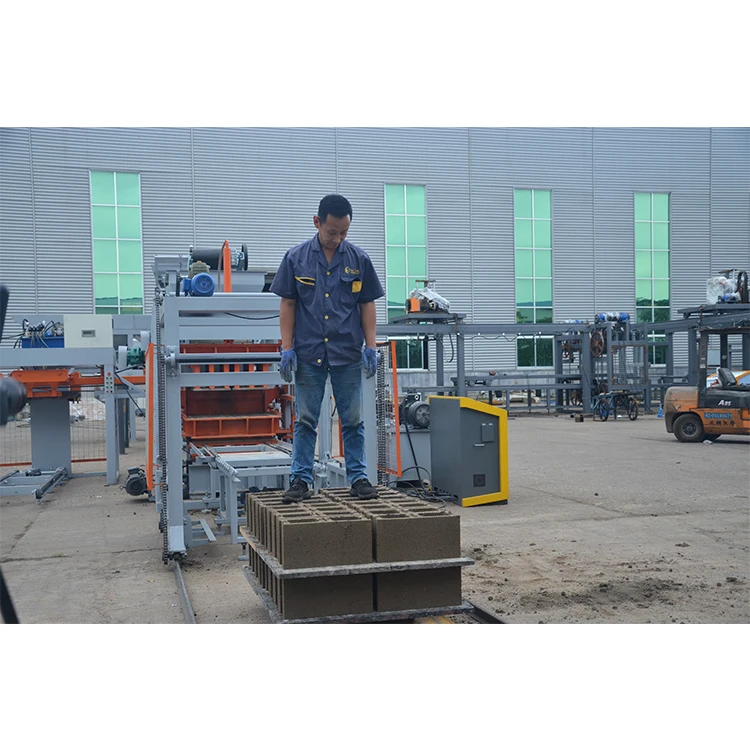
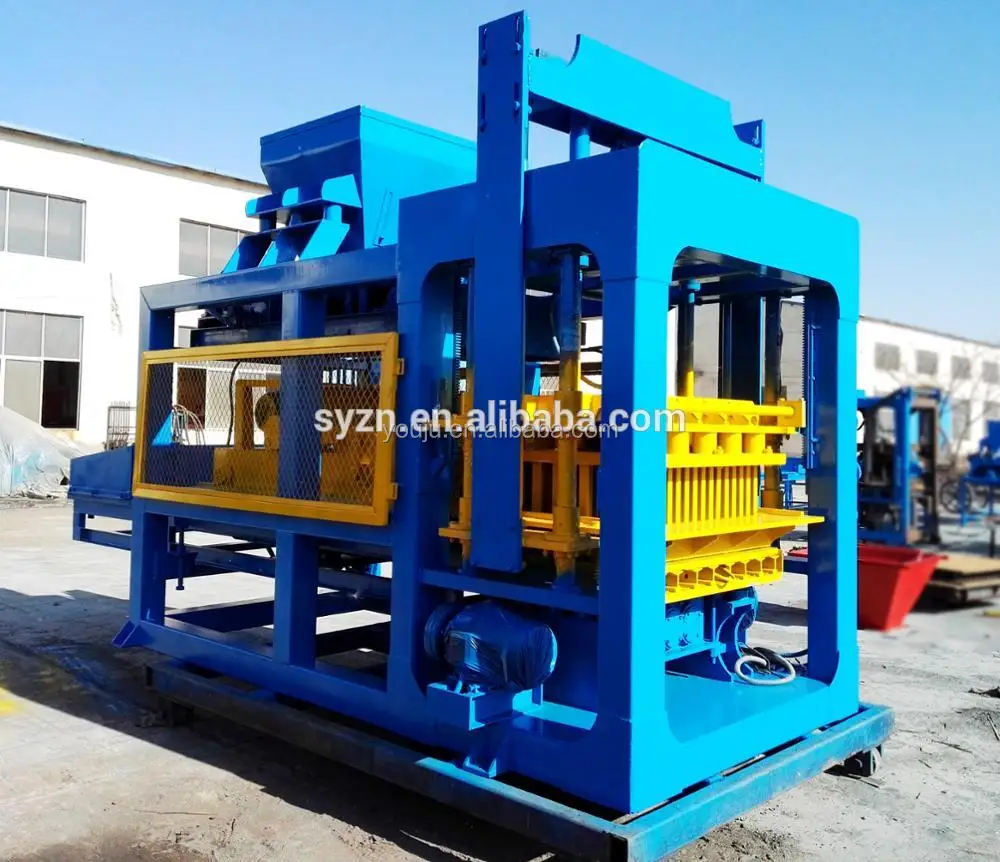
| Product Type | Automatic Hydraulic Concrete Block Making Machine |
| Molding Way | Vibration and hydraulic pressing |
| Rated Pressure | 21 MPa |
| Molding Cycle | 15s – 20s (format dependent) |
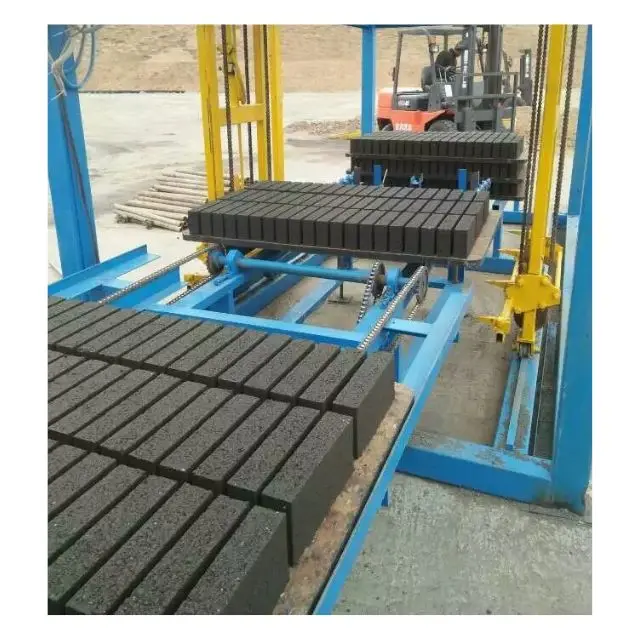
| Pallet Size | 900 × 700 mm |
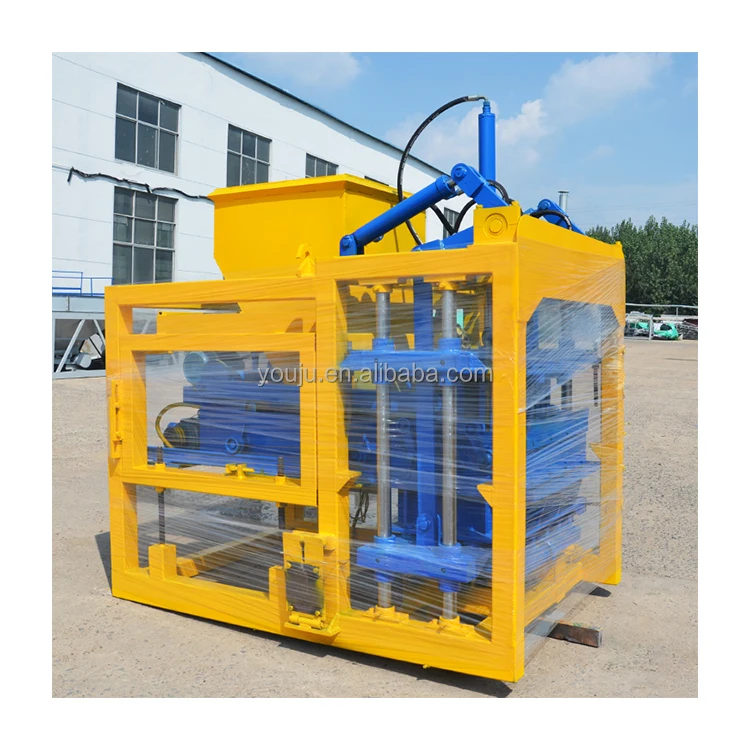
| Main Machine Weight | 6000 kg |
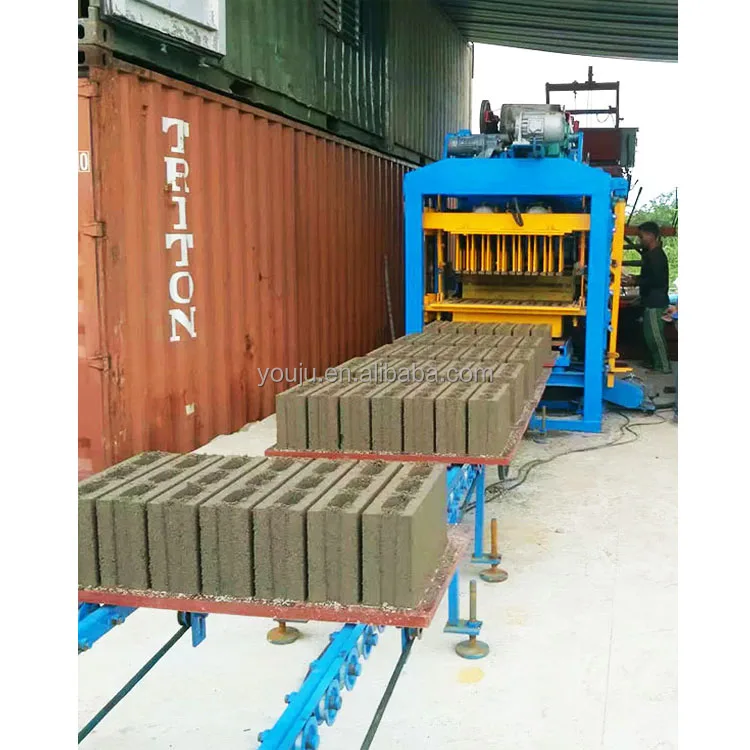
| Output Capacity – Hollow Block | 1440 pcs/h (basis: 400×200×200 mm, 6 pcs per pallet, theoretical) |
| Output Capacity – Paving Brick | 5040 pcs/h (basis: 200×100×60 mm, 21 pcs per pallet, theoretical) |
| Output Capacity – Solid Brick | 7680 pcs/h (basis: 240×115×53 mm, 32 pcs per pallet, theoretical) |
| Control System | PLC (source value — verify against manufacturer catalog) |
| Voltage & Frequency | Customizable to buyer’s local standard |
| Assembly State | Top cylinder removed for container loading; reassembled on site |
| Warranty | 1 year (excluding wearing parts) |
| Standards | CE (stated in source as applicable where required — confirm per order) |
Application Suitability
| Application | Material or Output |
|---|---|
| Hollow block production for building walls | Cement, sand, fly ash, stone powder, slag and similar aggregates |
| Color paving brick and sidewalk paver production | Cement, sand, fly ash, stone powder, slag and similar aggregates |
| Solid brick production | Cement, sand, fly ash, stone powder, slag and similar aggregates |
| Curbstone production | Cement, sand, fly ash, stone powder, slag and similar aggregates |
What "1440 Pieces per Hour" Actually Means for QT6-15 Block Machine Specifications
Capacity figures are meaningless without the block format and pallet configuration stated alongside them.
When suppliers quote a single hourly output for the QT6-15, that number usually assumes a specific hollow block size and a six-cavity mould. Switch to interlocking pavers and the cycle time, pallet load and stacking rhythm all change, so the real daily tonnage can look nothing like the brochure. [NEED_CITE: block machine capacity calculation standards by format] A buyer who sizes a plant on a headline number will find the press waiting on the mixer or the curing racks overflowing before lunch.
Honest Capacity Per Block Format
The QT6-15 block machine specifications separate output by format because the mould cavity count and compaction time vary widely. A hollow block at 400×200×200 mm runs six per pallet on a 900×700 mm board, while the same pallet holds twenty-one paving bricks at 200×100×60 mm. Stating both figures with their basis lets a technical buyer build a realistic production schedule rather than guessing.
Pallet Size Dictates the Curing Yard
A 900×700 mm pallet is not an arbitrary choice — it defines how many blocks cure per rack tier and which forklift tine spacing works. Buyers who confirm pallet dimensions against their existing curing area avoid the cost of rebuilding racks or buying a second forklift after the machine arrives. [NEED_CITE: pallet handling and curing area layout for concrete block plants]
Reading the Pressure and Vibration Numbers
The 21 MPa rated pressure and vibration pressing method together determine green density and demoulding strength. Higher hydraulic pressure compacts finer aggregates more effectively, while vibration frequency must match the gradation of local sand and stone powder. If the mix design uses a coarser slag, the vibration force may need adjustment at the factory before the QT6-15 ships.
The Cost of Skipping Format-Level Sizing
Quoting a single capacity number leads to undersized mixers, insufficient pallet inventory and curing racks that cannot keep pace with the press. The buyer then adds shifts or overtime to meet contract deadlines, eroding the margin the machine was supposed to deliver. [NEED_CITE: production bottlenecks from mismatched block line stations]
Why Buyers Specify Here
Configuration is set against the buyer’s actual mix design and target block format, not a catalogue default. Mould design covers the formats the buyer’s market sells, including custom drawings. Automation level is selectable, so a plant can start semi-automatic and add stackers later. Installation includes operator training on the specific mould set supplied. Documentation covers voltage and PLC language confirmation before the container is sealed.
Documentation & Verification
- Factory test record on your block format and mix design before dispatch
- Mould drawing and format list matching your quotation
- Voltage, frequency and PLC display language written confirmation
- Hydraulic and electrical schematic for local service teams
- Wear parts and mould list with first-order recommendations
Installation, Commissioning & Support
- Top cylinder removed for loading; reassembled on your foundation with anchor bolts to drawing
- 900×700 mm pallet circuit checked against your forklift and curing rack spacing
- PLC language and voltage verified on site before first production run
- Mould change procedure trained with your operators on the supplied format set
- Wear parts list cross-referenced to your local bearing and seal suppliers
What to Include in Your Inquiry
Share the block formats your market moves fastest, the daily volume you need per format and the aggregates you can source locally. State your site voltage, frequency and preferred PLC language so the QT6-15 block machine specifications are locked before production begins. Mention any existing pallets, curing racks or forklifts so the line layout matches your yard.
Frequently Asked Questions
Q: How do I verify QT6-15 capacity for my specific block format?
A: Request a capacity calculation sheet that lists cycle time, pallet count and pieces per pallet for every format you intend to run. The figures should add up to a daily total based on your planned shift length and curing turnover, not a theoretical hourly peak.
Q: Will the vibration force match my local aggregate and mix design?
A: Share your sieve analysis and cement ratio with the supplier before the machine is built. The 21 MPa hydraulic pressure and vibration settings can then be adjusted at the factory, and a sample block test confirms density and demoulding strength before shipment.
Q: How long does a mould change take on the QT6-15?
A: Mould change time depends on the format jump and whether quick-clamp adapters are included in the supply scope. Ask the supplier to demonstrate a change between your two highest-volume formats so you can plan shift scheduling accurately.
Q: Does the 900×700 mm pallet fit my existing curing racks and forklift?
A: Measure your rack tier spacing and forklift tine width before confirming the order. A mismatch means rebuilding racks or buying new handling equipment, which adds cost and delays commissioning after the QT6-15 arrives on site.
Q: Can I confirm voltage and PLC language before the machine ships?
A: Yes — state your local voltage, frequency and preferred control language during the quotation stage. The supplier then includes written confirmation in the documentation pack, avoiding wiring changes or reprogramming after the container is unloaded.