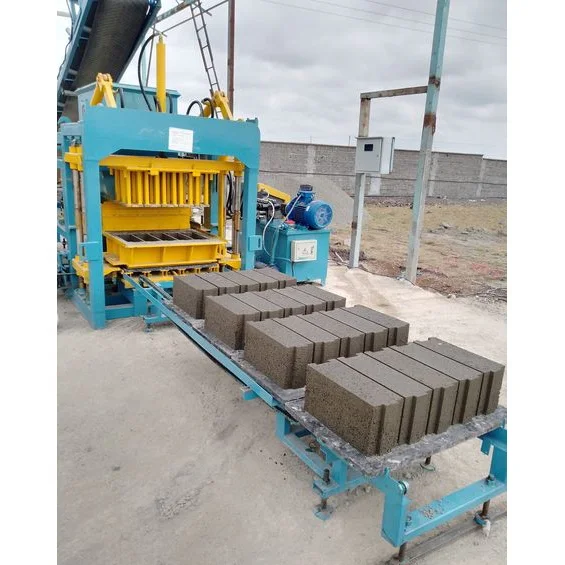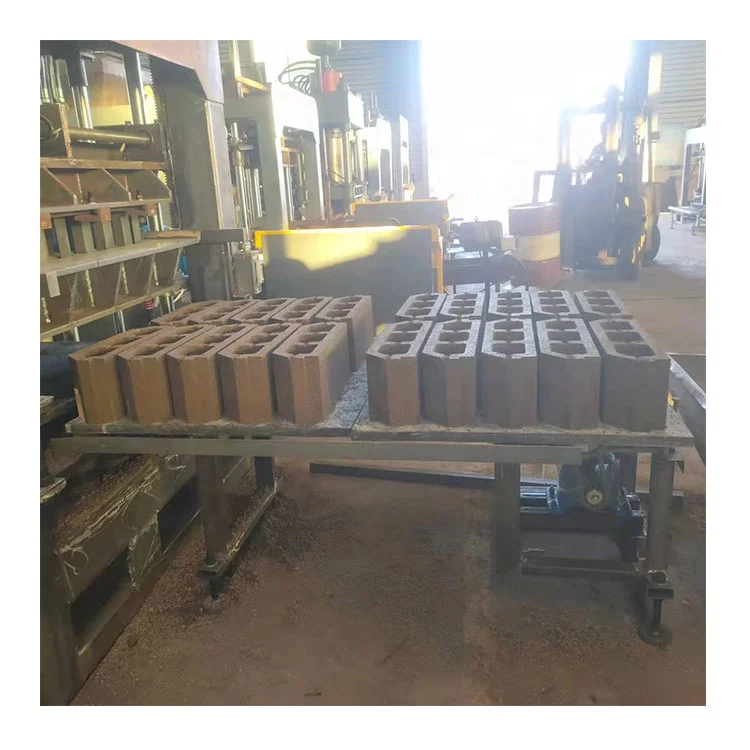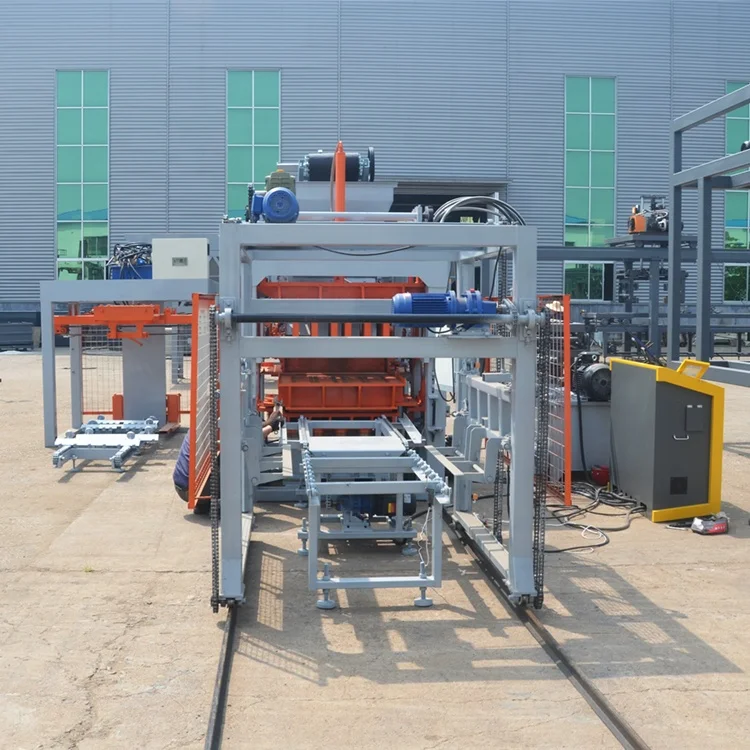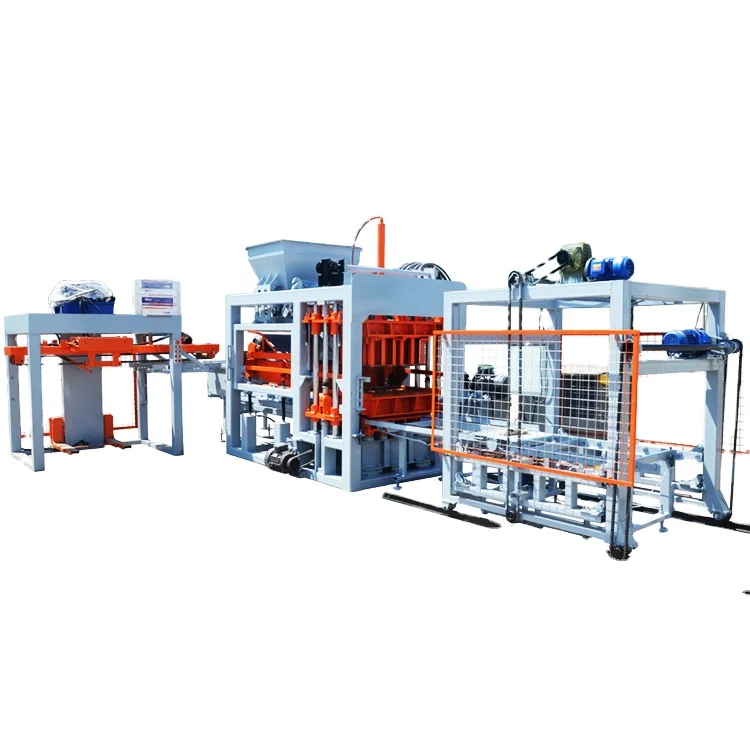
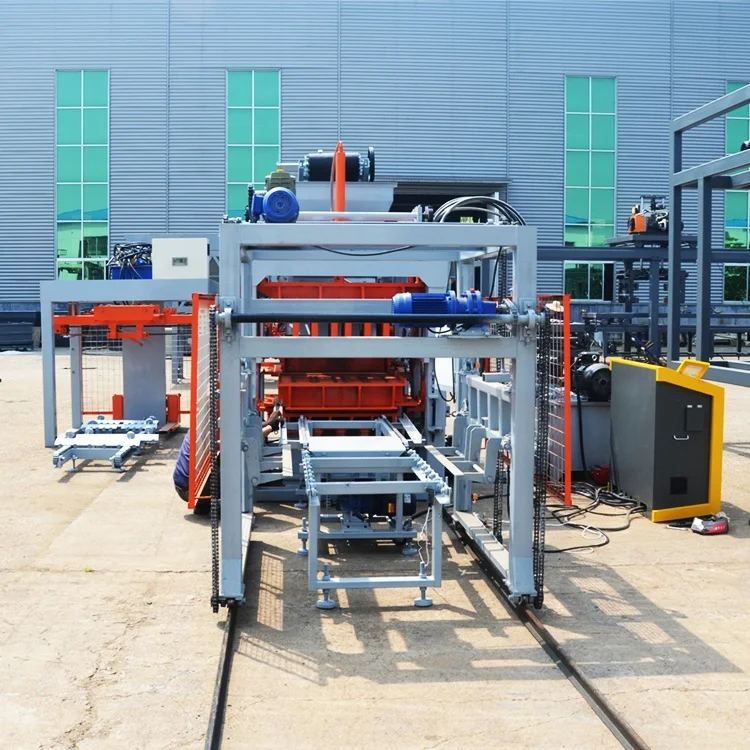


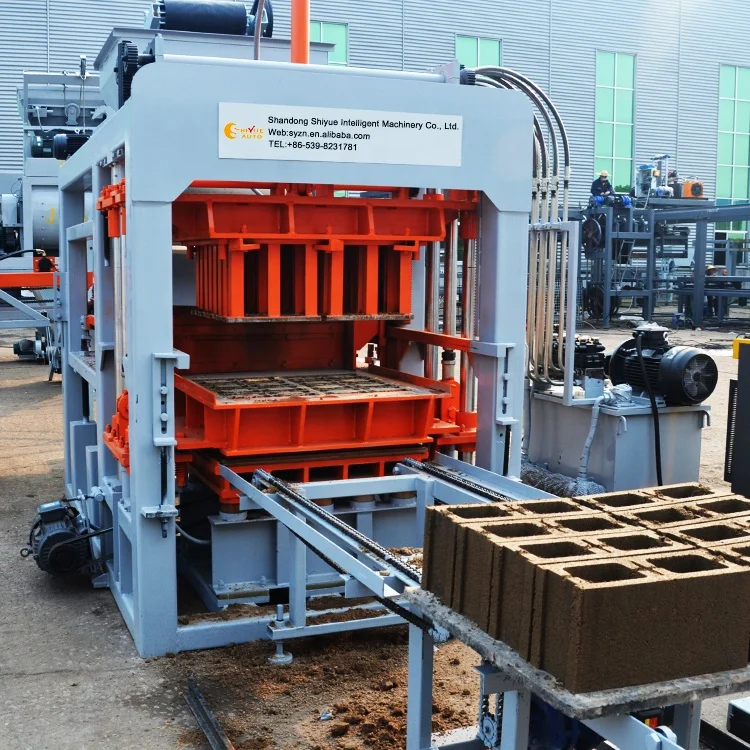

Description
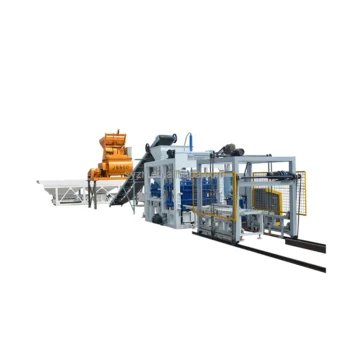
Configuration Set to Block Format and Local Aggregate — The QT6-15 block making machine is sized against the specific hollow block, paver or curbstone you actually sell, with vibration and hydraulic parameters matched to your mix design rather than pulled from a catalogue default.
Technical Specifications
| Parameter | Value |
|---|---|
| Model | QT6-15 |
| Product Type | Fully Automatic Hydraulic Vibration Block Making Machine |
| Overall Dimensions (L×W×H) | 7400×1900×2660 mm |
| Molding Cycle | 15–25 s |
| Vibration Frequency | 4600 r/min |
| Exciting Power (Vibration Force) | 40–50 kN |
| Rated Power | 31.25 kW |
| Mixer Model | JQ350 |
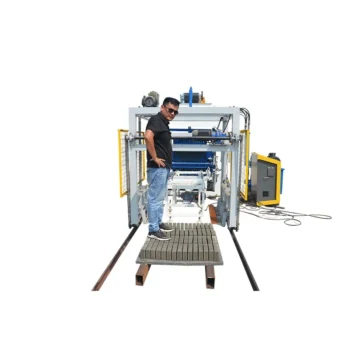
| Pallet Size | 850×550×25 mm |
| Total Weight | 7 T |
| Applied Products | Paver, solid block, hollow block, curbstone |
| Raw Materials | Crushed stones, sand, cement, dust, fly ash |
| Control System | PLC control system |
| Hydraulic Station | High-pressure hydraulic system (included) |
| Included Equipment | Block making machine, hydraulic station, PLC control system, pallet feeder, brick conveyor, block sweeper |
| Free Accessories | Manual hydraulic trolley, spare parts and tools |
| Output (Hollow block 400×200×200 mm) | 9,600–13,440 pcs/8 hr (basis: 15–20 s cycle, cavity count to be confirmed) |
| Output (Hollow block 400×150×200 mm) | 14,400–19,200 pcs/8 hr (basis: 15–20 s cycle, cavity count to be confirmed) |
| Output (Solid brick 240×115×53 mm) | 16,200–19,440 pcs/8 hr (basis: 15–20 s cycle, cavity count to be confirmed) |
| Voltage & Frequency | Configurable to destination market (to be confirmed before dispatch) |
| Automation Level | Fully automatic |
Application Suitability
| Application | Material or Output |
|---|---|
| Hollow block production for building walls | Crushed stone, sand, cement, fly ash mixes in 400×200×200 mm and 400×150×200 mm formats |
| Solid brick manufacturing | Dense aggregate and cement blends for 240×115×53 mm bricks |
| Paver and interlocking block runs | Fine-graded sand and cement for surface-grade paving units |
| Curbstone and kerb production | Coarse aggregate with high cement content for heavy-duty kerbs |
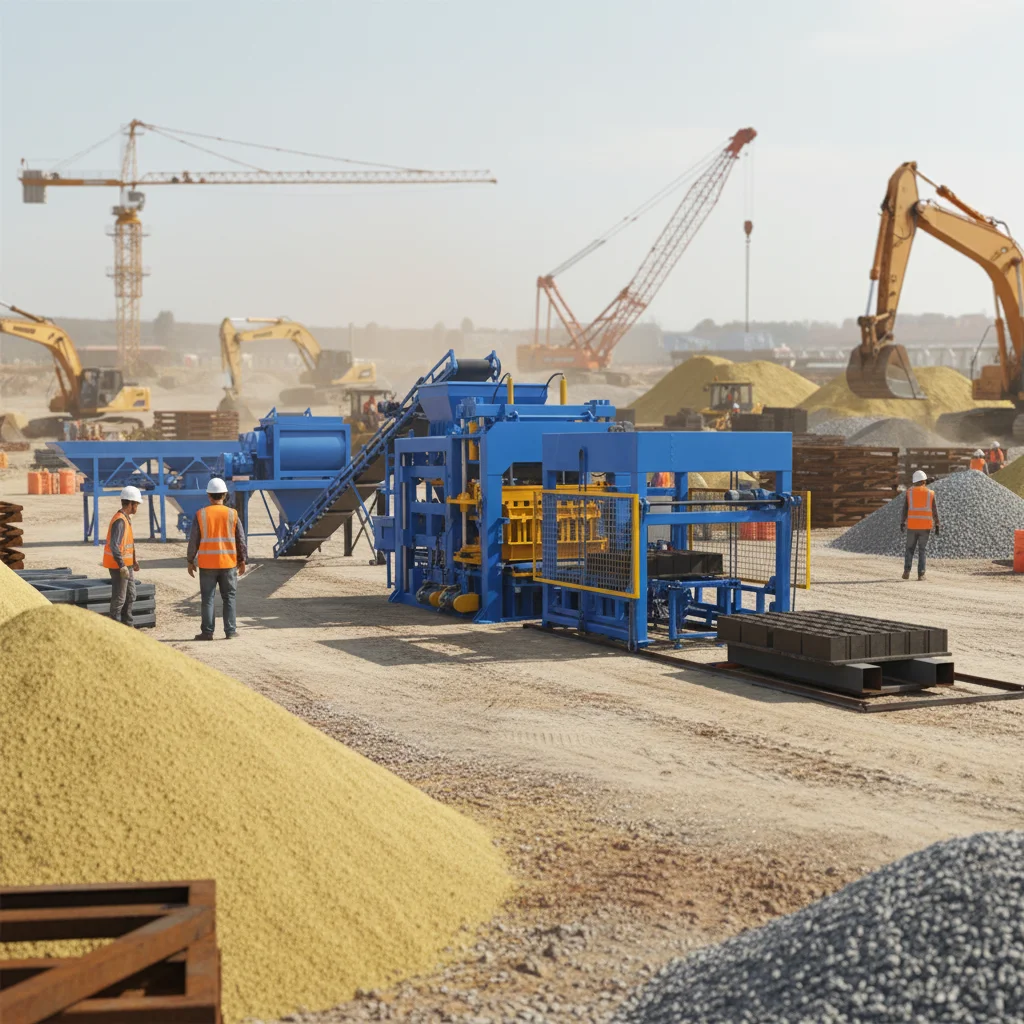
| On-site block production for housing projects | Locally sourced sand and crushed stone adapted to available aggregate gradings |
Why "Pieces per Hour" Means Nothing Without the Format Attached
Every output figure on this page is tied to a specific block size and cycle range, so the number you plan against is the number you actually produce.
A common frustration among block plant buyers is receiving a quotation that promises a high hourly output, only to discover on the production floor that the figure assumed a small solid brick format while the buyer’s market demands large hollow blocks. The QT6-15 block making machine specifications list separate capacities for each format, because a 400×200×200 mm hollow block takes a longer cycle and fills fewer cavities per press stroke than a standard solid brick [NEED_CITE: capacity calculation methodology for hydraulic vibration block machines]. When the cavity count and cycle time are confirmed for your exact mould, the daily target becomes a verifiable plan instead of a catalogue claim.
Mould Format, Cavity Count and the Cycle That Matches Your Mix
The QT6-15 is built around a single mould platform that accepts hollow block, solid brick, paver and curbstone dies. What matters at the ordering stage is not the total number of formats available, but the cavity count and cycle time locked in for the format your market buys most. A six-cavity hollow block mould will deliver a different press output than a four-cavity version, and the vibration duration must be adjusted to the density your aggregate can achieve.
Pallet Size, Curing Area and the Forklift You Already Have
The standard pallet size is 850×550×25 mm. Before the QT6-15 block making machine is dispatched, that dimension must be checked against the curing rack spacing and the fork pocket width of the forklift already on site. A mismatch here means pallets pile up on the factory floor because the racks cannot accept them, or the forklift cannot slide under the loaded pallet without damaging edges [NEED_CITE: pallet handling standards in concrete block plants]. Confirming the pallet specification early avoids a costly rack modification after the machine arrives.
How Vibration Force and Hydraulic Pressure Decide Block Strength
Vibration at 4600 r/min with an exciting force of 40–50 kN compacts the mix into the mould cavity, while the hydraulic station applies top pressure to close the surface and lock the density. If the vibration frequency is too high for a coarse aggregate, the stones fracture and weaken the block; if the hydraulic pressure is too low for a high-fly-ash mix, the green block slumps before it reaches the curing rack. The QT6-15 hydraulic vibration system is adjustable within its rated range so the settings can be matched to your local sand, crushed stone and cement ratio during commissioning.
What Happens When the Mix Design Is Ignored at Quotation Stage
I have watched block producers in Shandong invest in a machine rated for clean river sand, only to find their local sand carries a high clay content that absorbs water differently. The mould fills incompletely, the vibration force cannot push the stiff mix into the corners, and the daily yield drops well below the quoted figure. When the QT6-15 block making machine is configured, the mix design and local aggregate are reviewed before the vibration parameters and mould clearance are finalised [NEED_CITE: effect of aggregate clay content on vibration compaction in block production]. Skipping that step leaves you adjusting on the production floor with a machine that was never set up for your material.
What Sets This QT6-15 Proposal Apart
- Format-first configuration — Capacity is calculated per block format you intend to sell, with the mould cavity count and cycle range stated in the quotation.
- Mix-aware parameter setting — Vibration force and hydraulic pressure are adjusted to the aggregate and cement ratio available at your site, not left at factory defaults.
- Pallet and handling alignment — Pallet dimensions and the included pallet feeder are matched to your curing rack layout and existing forklift before shipment.
- Voltage and PLC language confirmed upfront — Electrical specifications and control display language are locked in during the order stage to prevent commissioning delays.
- Single-focus supplier — Block machinery is the only product line, so the press, mould, pallet and handling equipment are specified as one integrated system.
Documentation & Verification
- Line layout drawing with per-format capacity calculation showing mould cavity count and assumed cycle time
- Mould drawing and format list confirming cavity count for each block type ordered
- Pallet specification sheet matched to buyer’s curing rack and forklift dimensions
- Voltage, frequency and PLC display language confirmation form signed before production
- Factory test record run on buyer’s specified block format before dispatch
- Operation and maintenance manual with wear parts and mould replacement schedule
Installation, Commissioning & Support
- Foundation plan issued early, accounting for the 7 T total weight and 7400 mm machine length to ensure level mounting
- Power supply confirmed at order stage; the 31.25 kW rated load requires a dedicated circuit with correct breaker sizing
- Machine shipped in dismantled modules; reassembly on site follows the included hydraulic and electrical schematics
- First-run commissioning covers vibration frequency and hydraulic pressure tuning to your local mix design
- Operator training includes PLC navigation in the confirmed display language and mould change procedure
- Wear parts list supplied with the free accessories pack; reorder references are in the maintenance manual
Before You Send an Inquiry
To size the QT6-15 correctly for your plant, we ask for the target block format and dimensions, the daily output you need to meet, and a sample or description of the sand and aggregate available locally. Share your existing curing rack dimensions and forklift capacity so the pallet specification can be verified, and confirm the voltage, frequency and preferred PLC display language at your site.
Frequently Asked Questions
Q: How is capacity verified per block format on the QT6-15?
A: Each output figure is calculated from the mould cavity count and the cycle time range for that specific block size. For hollow blocks at 400×200×200 mm, the basis is a 15–20 second cycle. We confirm the cavity count on your mould drawing before quoting, so the daily target is tied to your exact format.
Q: Which mould formats can the QT6-15 run and how long does a change take?
A: The machine accepts hollow block, solid brick, paver and curbstone moulds. Mould change time depends on the quick-clamp system fitted and operator familiarity. We include the change procedure in operator training so the team can handle it within a planned stop.
Q: What pallet size does the QT6-15 require and how does it fit my curing area?
A: Standard pallet size is 850×550×25 mm. We verify this against your curing rack spacing and forklift fork pocket width before dispatch. If your racks require a different dimension, the pallet spec and feeder are adjusted to match.
Q: How are vibration and hydraulic settings matched to local aggregate?
A: The 40–50 kN vibration force at 4600 r/min and the hydraulic pressure are adjustable within their rated range. During commissioning, we run test cycles with your local sand and crushed stone to set the parameters that produce the required block density and strength.
Q: What electrical and control details are confirmed before the machine ships?
A: Voltage, frequency and PLC display language are confirmed in writing before production begins. This prevents wiring mismatches or an unreadable control screen when the QT6-15 block making machine arrives at your site [NEED_CITE: voltage and frequency standards by export market].