

Description
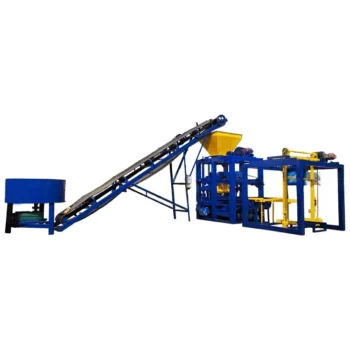
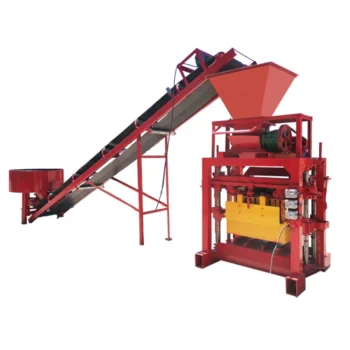
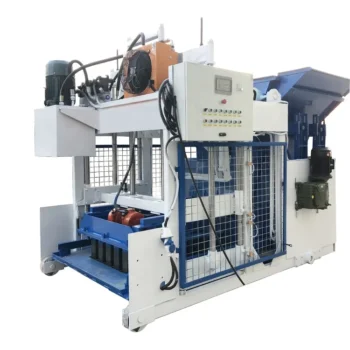
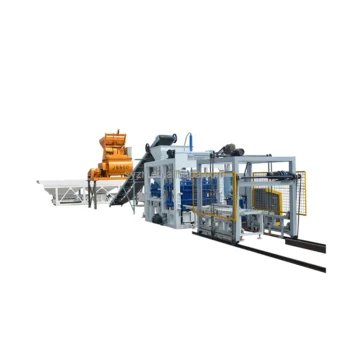
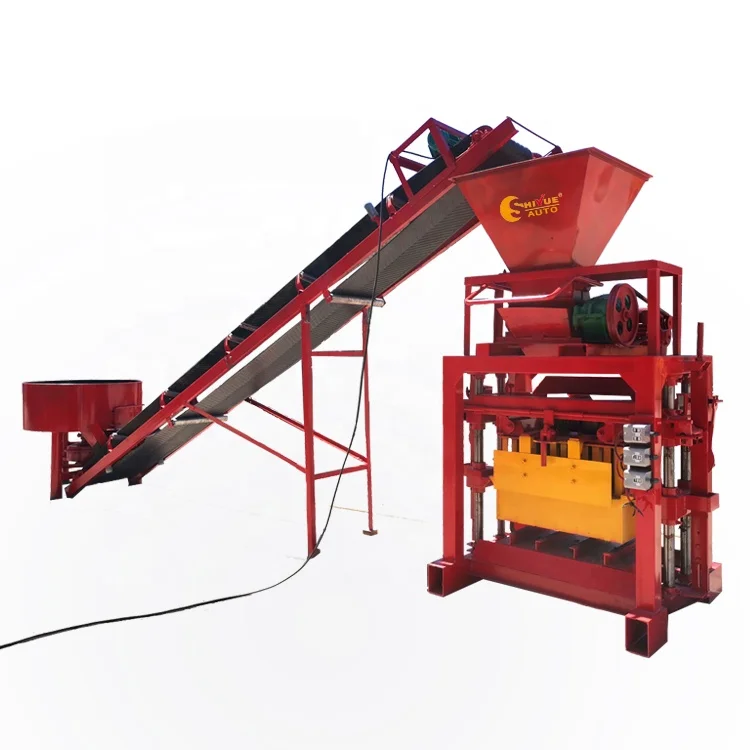
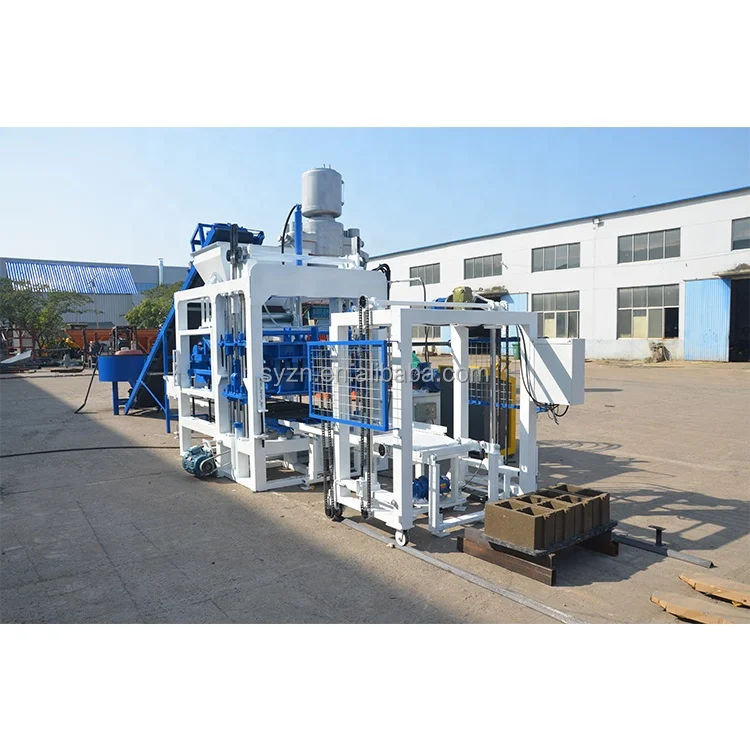
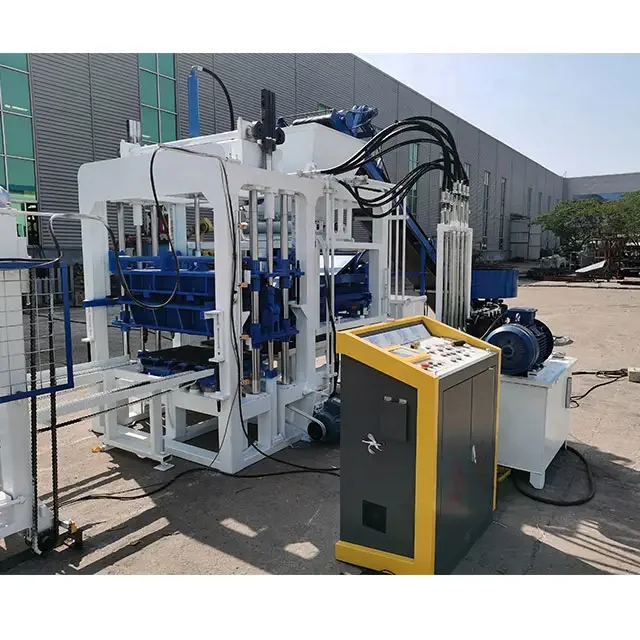
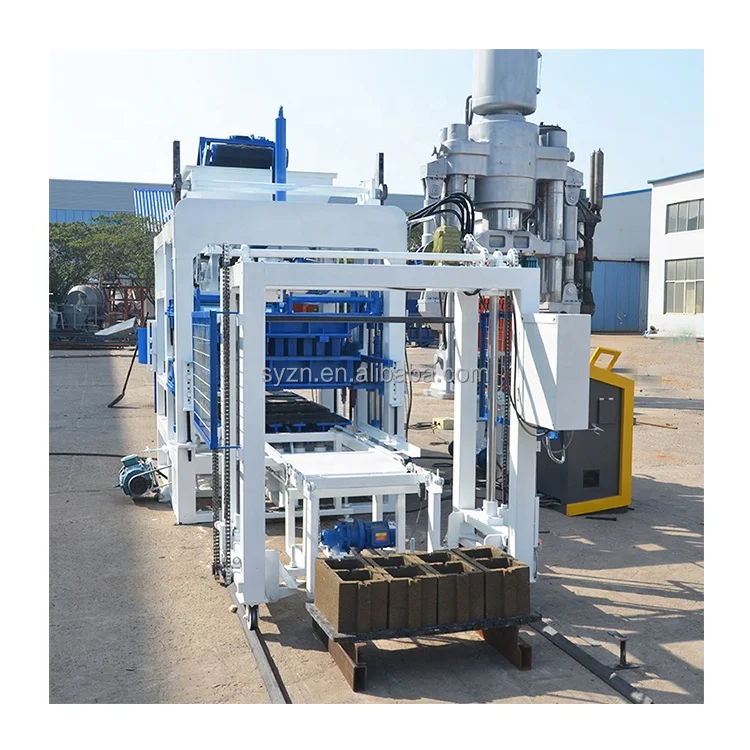
Matched System Design — the QT4-18 block machine, moulds, pallets and handling equipment are specified together as one coordinated production unit rather than assembled from separate suppliers.
Technical Specifications
| Parameter | Value |
|---|---|
| Model | QT4-18 |
| Product Type | Hydraulic Concrete Block Making Machine |
| Overall Dimensions (L×W×H) | 3900×1600×2300 mm |
| Total Weight | 3 T |
| Rated Power | 24 kW |
| Voltage & Frequency | Configurable to buyer’s site requirement (basis to be confirmed) |
| Control System | PLC control system |
| Vibration Force | 40–50 kN |
| Moulding Cycle | 15–25 s (basis to be confirmed per block format and material) |
| Pallet Size | 850×550×25 mm |
| Mixer Model | JQ350 |
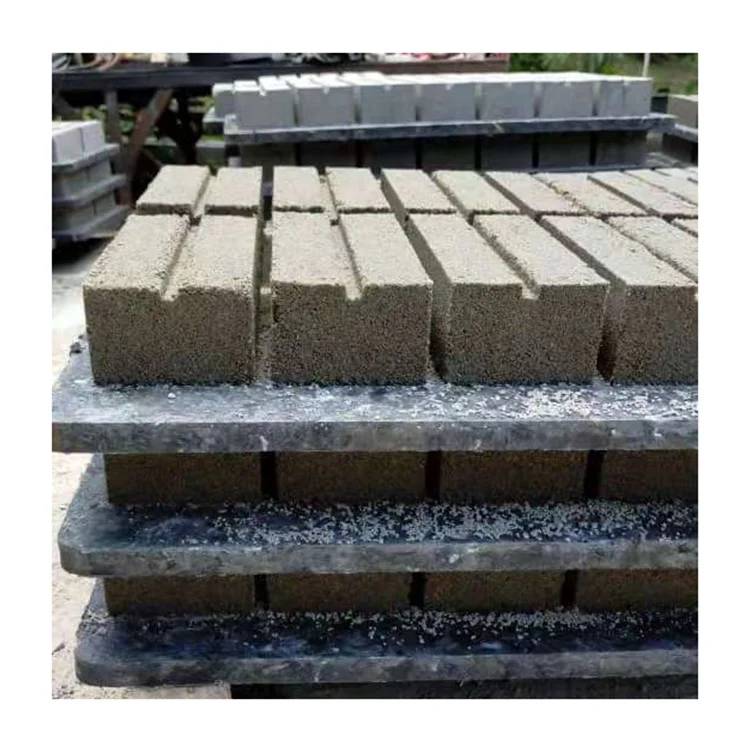
| Available Mould Formats | Paver, solid brick, hollow block, curbstone (mould change required) |
| Output — Hollow Block 400×200×200 mm | 1200–1680 pcs/h (9600–13440 pcs/8hr) |
| Output — Hollow Block 400×150×200 mm | 1800–2400 pcs/h (14400–19200 pcs/8hr) |
| Output — Solid Brick 240×115×53 mm | 3240 pcs/h (16200–19440 pcs/8hr) |
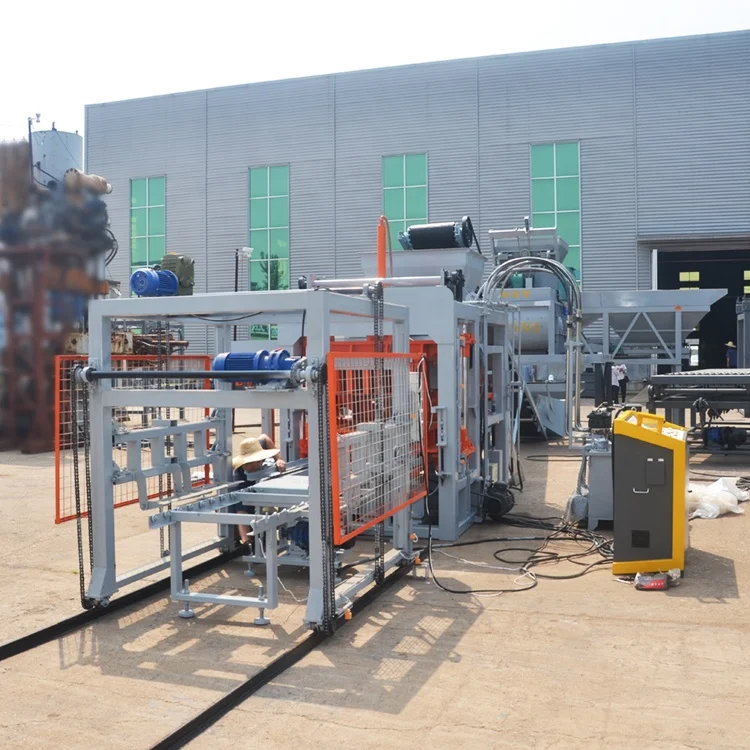
| Automation Level | Semi-automatic with pallet feeder, brick conveyor, block sweeper |
| Stacking Method | Manual with hydraulic trolley included |
| Raw Materials | Crushed stones, sand, cement, dust, fly ash |
Application Suitability
| Application | Material or Output |
|---|---|
| Hollow block production for building walls | Crushed stone, sand, cement, fly ash — 400×200×200 mm or 400×150×200 mm formats |
| Solid brick manufacturing for masonry | Sand, cement, dust — 240×115×53 mm format |
| Paver production for walkways and yards | Crushed stone, sand, cement — format confirmed by mould selection |
| Curbstone production for road edges | Crushed stone, cement — format confirmed by mould selection |
| On-site block production for housing projects | Locally sourced aggregate with cement and fly ash where available |
What "Pieces per Hour" Leaves Out About the QT4-18 Block Machine Specifications
The stated capacity only matters when tied to the exact block format your market actually buys.
I have watched buyers sign off on a block machine quotation showing an impressive hourly figure, then arrive at commissioning to discover that number assumed a thin solid brick — while their customers only order 200 mm hollow blocks. The QT4-18 block machine specifications on this page list output separately for each mould format: 400×200×200 mm hollow, 400×150×200 mm hollow, and 240×115×53 mm solid brick. The spread between these figures is significant, and no single headline number represents all three. When I specify a machine for a buyer, I ask which format will run most shifts, then size the line around that reality [NEED_CITE: realistic daily output calculation methods for concrete block plants].
Matching Mould Format to Market Demand
Buyers in different regions sell very different block formats. In parts of West Africa, 200 mm hollow blocks dominate wall construction, while South Asian markets often move higher volumes of solid brick. The QT4-18 supports paver, solid brick, hollow block, and curbstone moulds, but the cycle time shifts with each format change. Knowing your primary product lets us configure the vibration force and hydraulic pressure around that specific mix and dimension — rather than leaving the QT4-18 block machine set to a catalogue default that may not match your aggregate.
Pallet Size and Your Existing Curing Layout
The 850×550×25 mm pallet is the physical link between the press and your curing area. Before an order goes into production, I check whether that pallet dimension fits the buyer’s existing rack spacing and forklift fork width. A mismatch here means blocks pile on the floor while workers wait for curing space to free up. Confirming pallet compatibility early prevents a bottleneck that no amount of press speed can fix [NEED_CITE: pallet handling and curing area layout planning for block production].
How Vibration Force and Hydraulic Pressure Shape Block Density
The 40–50 kN vibration force works together with hydraulic pressure to compact the mix into the mould cavity. Heavier aggregate like crushed stone needs higher vibration to settle fully, while fly ash blends respond differently. The PLC control system manages the cycle, but the actual settings must reflect the raw materials arriving at your yard — not a generic program. When the vibration and pressure are matched to your local sand and cement grade, the blocks come out with consistent density shift after shift. The JQ350 mixer prepares the batch, and its capacity must keep pace with the press cycle so the hopper never runs dry mid-shift.
The Cost of Skipping Material Testing Before Ordering
I have seen machines arrive on site and struggle to form solid blocks because the local river sand carried high clay content that the original configuration never accounted for. The vibration pressure needed full recalibration, and daily output dropped noticeably until the settings were corrected. Sending raw material samples before the QT4-18 block machine goes into production lets us adjust the vibration force range, cycle timing, and mixer water ratio to your actual aggregate — not a laboratory assumption [NEED_CITE: impact of local aggregate properties on concrete block forming].
Why Buyers Source the Full Line from One Supplier
Block machinery is our single focus, so the QT4-18 press, moulds, pallets, and hydraulic trolley are specified as one matched system. Configuration is set against your actual mix design and target block format rather than a catalogue default. Mould design covers the formats your market sells, including custom drawings when standard dimensions do not apply. The automation level is selectable — a buyer can start with the semi-automatic pallet feeder and conveyor included here, then add automatic stacking later. Installation support includes operator training so your crew knows the mould change procedure and daily maintenance sequence from the first week.
Documentation & Verification
- Line layout drawing stating the block format assumed for each capacity figure
- Mould drawing and format list confirming dimensions your market sells
- Pallet specification sheet with size, material, and thickness matched to your curing setup
- Voltage, frequency, and PLC display language confirmation before production begins
- Factory test record run on your target block format before dispatch
- Hydraulic and electrical schematic for your maintenance team
Installation, Commissioning & Support
- Foundation plan sized for the 3900×1600 mm footprint and 3 T operating weight
- Dedicated power circuit rated for the 24 kW total draw at your confirmed voltage and frequency
- Machine shipped in dismantled state with reassembly supervised on your site
- First-run parameter setting calibrated to your raw material samples and target block format
- Operator training covering mould change, PLC navigation, and daily greasing points
- Wear parts and mould maintenance list provided with the spare parts kit
What We Need to Configure Your QT4-18
To size the line accurately, share your primary block format and the daily volume your market absorbs. Tell us what aggregate is available locally — river sand, crushed stone, fly ash — and send a sample if possible. Confirm your site voltage, frequency, and the language your operators read on a PLC screen. If you already have curing racks or a forklift, send the dimensions so the 850×550×25 mm pallet is verified against your existing equipment before the order enters production.
Frequently Asked Questions
Q: How is QT4-18 output verified per block format, and what cycle time applies?
A: Output is stated separately for each mould format — 400×200×200 mm hollow, 400×150×200 mm hollow, and 240×115×53 mm solid brick. The 15–25 second moulding cycle varies with block thickness and mix design. We confirm the exact cycle time for your primary format during configuration, so the capacity figure you plan around matches the product you actually sell.
Q: How do I confirm the 850×550×25 mm pallet fits my curing area?
A: Send us your curing rack dimensions and forklift fork width. We check pallet spacing against your rack layout and confirm whether the standard pallet size clears your handling equipment. If adjustments are needed, we modify the pallet specification before the order enters production — avoiding a mismatch that would slow curing after arrival.
Q: What mould formats are available, and how long does a change take?
A: The QT4-18 supports paver, solid brick, hollow block, and curbstone moulds. Each mould is designed as a matched set with the press platens and vibration table. Mould change time depends on the format pair and operator familiarity — we cover the procedure during on-site training so your crew can switch formats without losing a full shift.
Q: How is the machine configured for my local raw materials?
A: We request samples of your sand, crushed stone, and any fly ash or dust available locally. The vibration force within the 40–50 kN range and the PLC cycle parameters are then set against your actual mix design. This prevents the common problem where a machine configured for one aggregate type struggles to form consistent blocks with a different material source.
Q: What electrical details must be confirmed before shipment?
A: Voltage, frequency, and PLC display language must be confirmed in writing before production starts. These three items affect the motor winding, transformer specification, and control panel labels. Getting them right before the QT4-18 leaves the factory avoids commissioning delays and rewiring costs once the machine is on your floor.