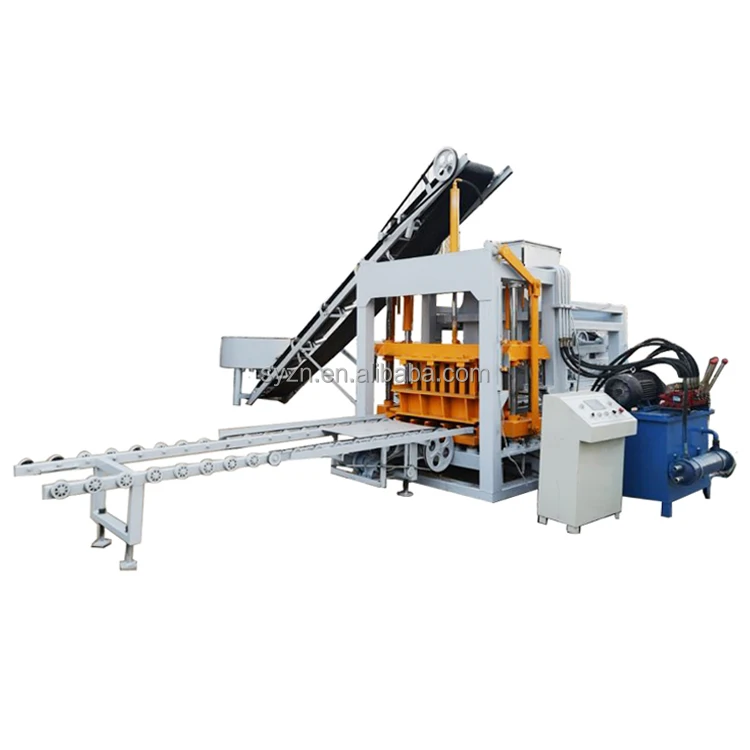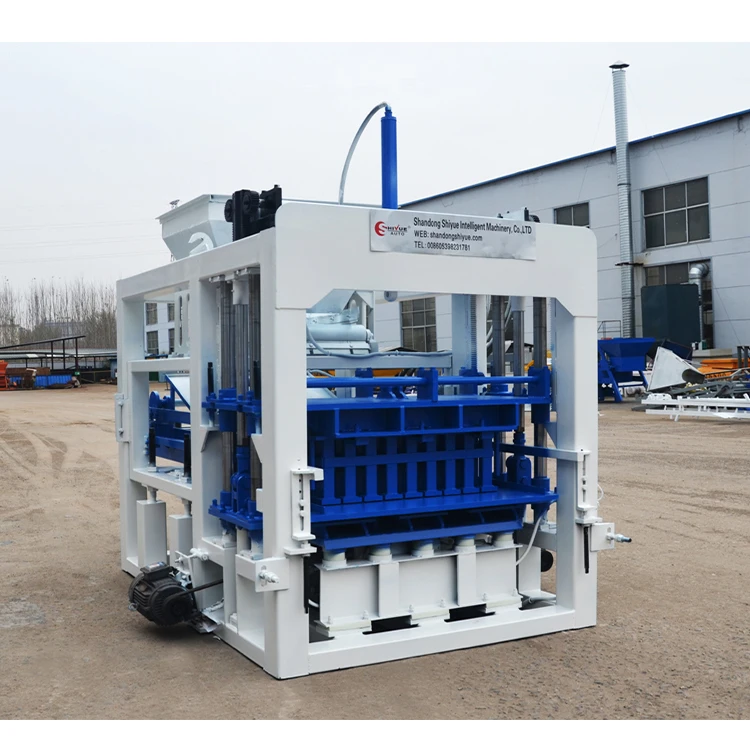
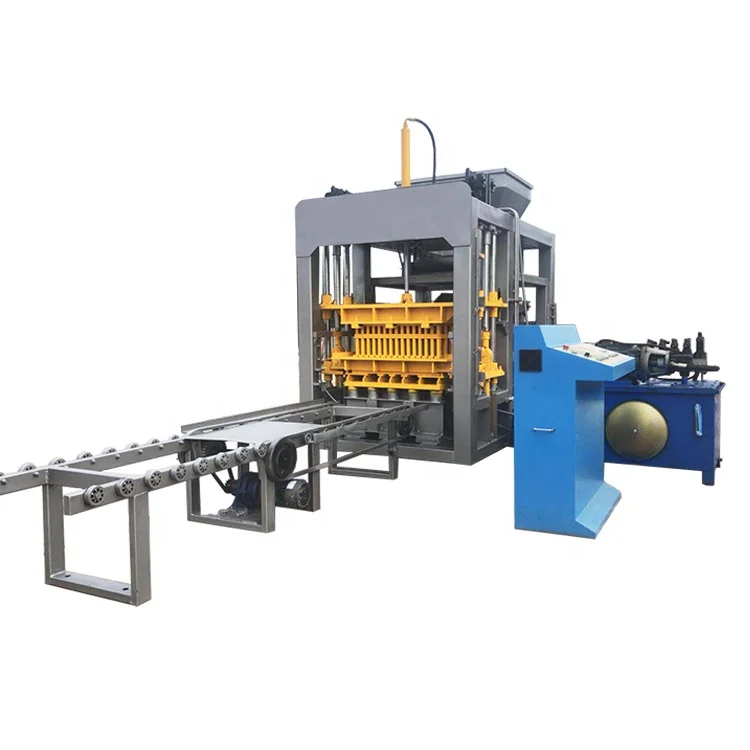
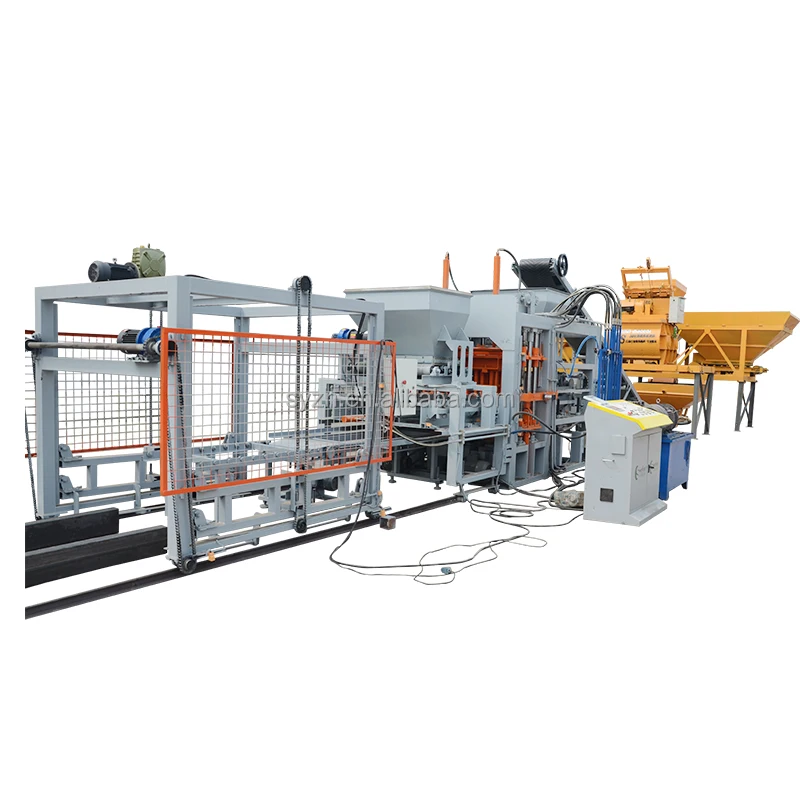

Description
Format-Matched Capacity — Every output figure for the QT5-15 is tied to a specific block dimension, pallet footprint, and cycle range so your daily plan matches the machine you receive.
Technical Specifications
| Parameter | Value |
|---|---|
| Product Type | Automatic Cement Block Making Machine |
| Model | QT5-15 |
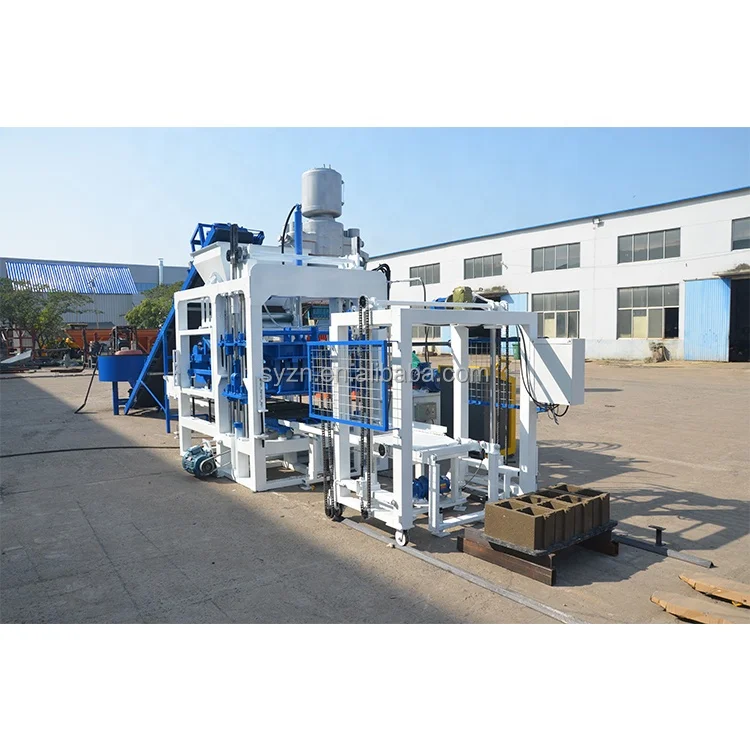
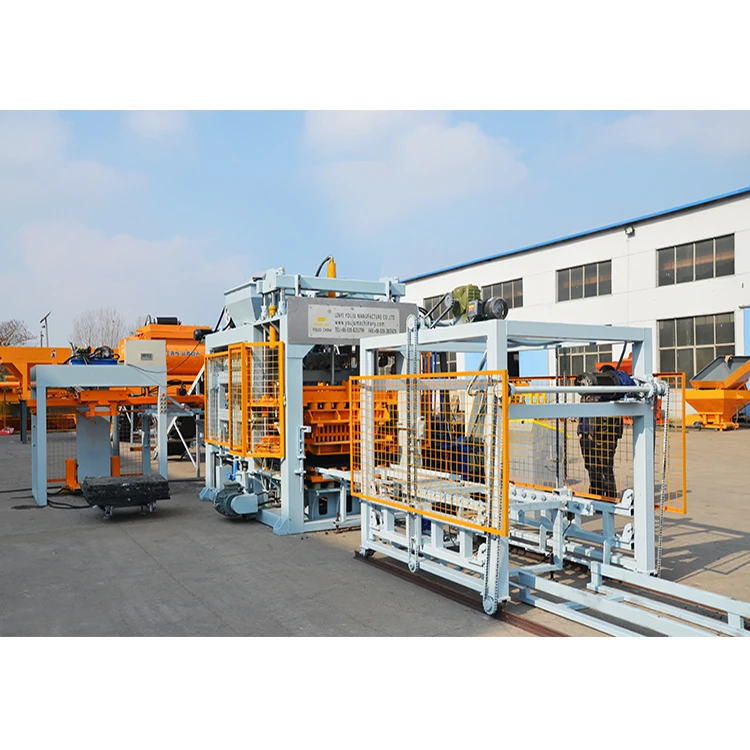
| Overall Dimensions (L×W×H) | 7400×1950×2800 mm |
| Total Mass | 5000 kg |
| Vibration Force | 80 kN |
| Vibration Frequency | 0-60 Hz |
| Vibration Form | Platform Vibration |
| Moulding Mode | Automatic loading, vibration moulding |
| Pallet Size | 1100×550 mm |
| Molding Cycle | 15-20 s |
| Overall Power | 32 kW |
| Demolding Method | Hydraulic |
| Control System | PLC (Programmable Logic Controller) |
| Hydraulic System | Independent integrated hydraulic station |
| Factory Area Required | 1000 m² |
| Block Compressive Strength | >15 MPa |
| Fly Ash Compatibility | up to 70% in mix |
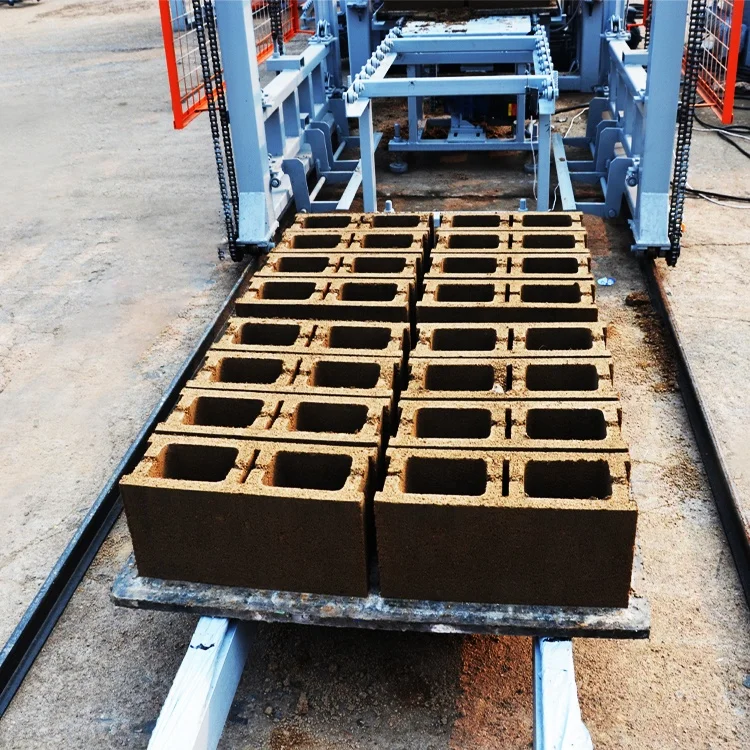
| Output — Hollow Block 400×200×200 mm | 900-1200 pcs/h (5 pcs/mould, 15-20s cycle) |
| Output — Hollow Block 400×150×200 mm | 1080-1440 pcs/h (6 pcs/mould, 15-20s cycle) |
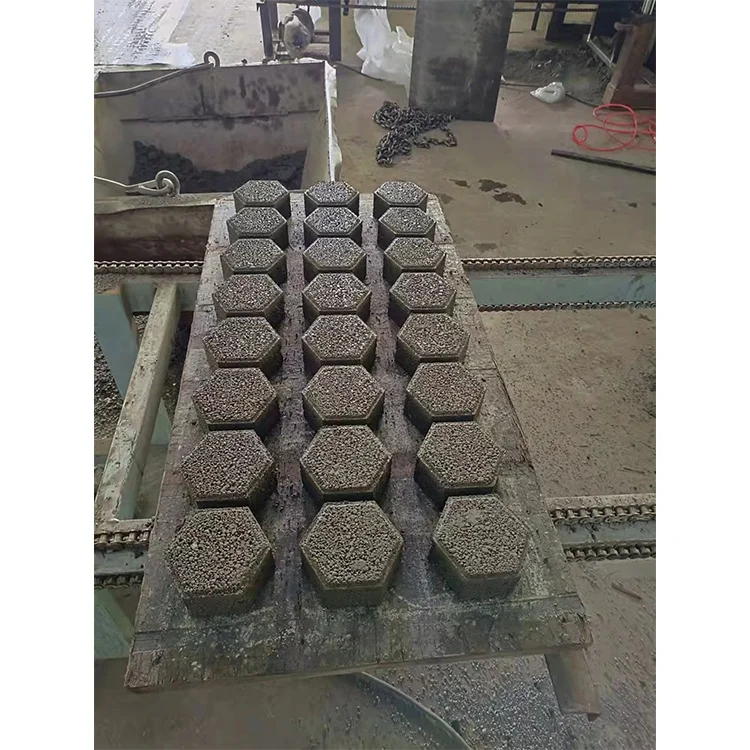
| Output — Solid Brick 240×115×53 mm | 5760-7680 pcs/h (32 pcs/mould, 15-20s cycle) |
| Output — Rectangular Paver 200×100×60 mm | 3600-4500 pcs/h (25 pcs/mould, 20-25s cycle) |
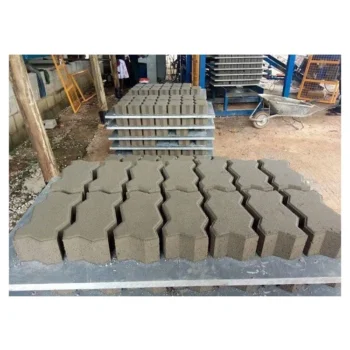
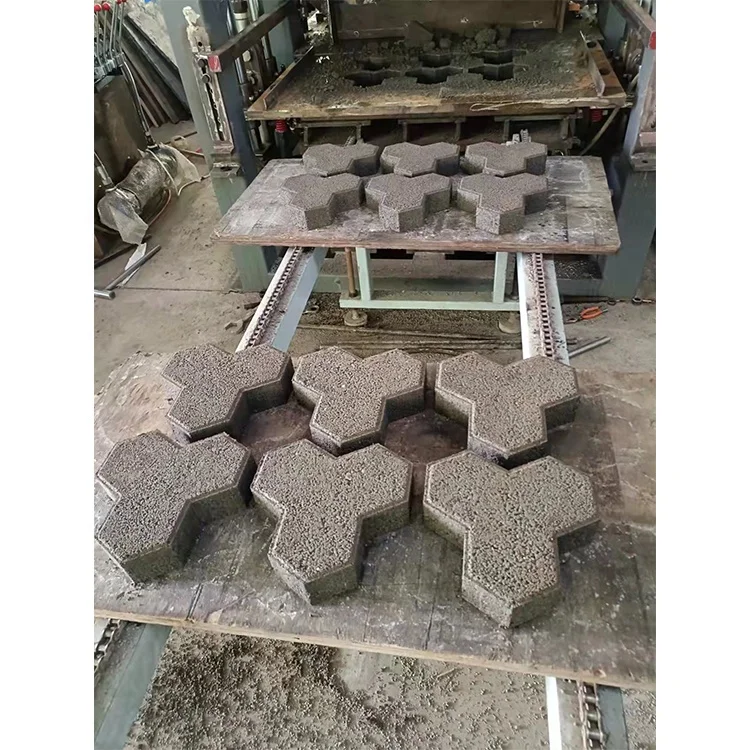
| Output — Zigzag Paver 225×112.5×60 mm | 2304-2880 pcs/h (16 pcs/mould, 20-25s cycle) |
| Voltage & Frequency | To be confirmed per site electrical standard |
| PLC Display Language | To be confirmed with buyer |
| Mould Change Time | To be confirmed |
| Stacking Method | To be confirmed |
| Key Features | Automatic PLC control, approach switch monitoring, independent hydraulic station, CE declaration where applicable |
Application Suitability
| Application | Material or Output |
|---|---|
| Hollow block production | Crushed stone, sand, cement, water; formats 400×200×200 mm and 400×150×200 mm |
| Solid brick production | Standard 240×115×53 mm bricks from fly ash blends (up to 70% fly ash), slag, gangue, and cement |
| Rectangular paving brick | 200×100×60 mm pavers from fine aggregate and cement mixes |
| Interlocking / zigzag paver | 225×112.5×60 mm interlocking profile from crushed stone and cement |
| On-site construction block making | Housing project contractors producing hollow and solid blocks locally across multiple phases |
| Block plant format expansion | Existing producers adding paver formats without purchasing a second press platform |
What "1200 Pieces per Hour" Leaves Out When Sizing an Automatic Cement Block Machine
Capacity means nothing without knowing which block format, mould cavity count, and cycle time produced that number.
I have stood on job sites in East Africa where the owner showed me a quotation listing a single output figure — no format, no mould count, no cycle range — and then watched the crew struggle to reach half that volume once the hollow block mould was loaded. The automatic cement block machine specifications only hold up when every number traces back to a specific product. When a supplier quotes cycles per hour without naming the block size, the daily output you planned around simply will not materialise, and the mismatch only surfaces after the container has been unloaded [NEED_CITE: block machine capacity calculation standards by format and cycle time].
Format-by-Format Output Breakdown
The QT5-15 uses a single 1100×550 mm pallet platform across every mould it accepts. Hollow blocks at 400×200×200 mm run five per mould within a 15-20 second cycle, producing 900-1200 pieces per hour under that configuration. Switch to the 400×150×200 mm cavity layout and you gain one additional block per mould, shifting output to 1080-1440 pieces per hour on the same cycle. Solid bricks at 240×115×53 mm pack thirty-two per mould, which changes the hourly figure dramatically to 5760-7680 pieces. Paver formats slow the cycle slightly to 20-25 seconds: rectangular pavers yield 3600-4500 pieces per hour, while zigzag interlocking pavers produce 2304-2880. Each figure is anchored to a named format, so your production schedule starts from reality rather than a generic claim.
Mould Selection Tied to Your Market
Choosing which moulds to order depends on what your local buyers actually purchase, not on catalogue variety. A block plant serving residential construction may run hollow blocks five days a week and only switch to paver moulds for specific landscaping orders. The QT5-15 keeps all formats on the same pallet size, meaning you do not need a separate pallet inventory when you move between hollow block and paver production. Custom mould designs to buyer drawings are available for markets where local block dimensions differ from the standard formats listed here, and confirming those drawings before production avoids costly rework after delivery [NEED_CITE: block mould dimensional standards across regional markets].
Vibration, Pressure, and Mix Design Alignment
The 80 kN vibration force paired with platform vibration at 0-60 Hz adjustable frequency compacts the mix from below, driving density through the full block height. This matters because fly ash-heavy blends — up to 70% fly ash compatibility — behave differently under vibration than crushed stone aggregates. The PLC coordinates automatic material feeding, vibration duration, and hydraulic demoulding so that each cycle follows the same sequence, supporting batch-to-batch dimensional consistency. When the vibration frequency and hydraulic pressure are matched to your actual aggregate grading and cement ratio, the resulting block compressive strength exceeds 15 MPa. When they are not, you get blocks that crumble at the edges or crack during curing, regardless of how well the press itself is built.
The Hidden Cost of Ignoring Pallet and Voltage Details
Pallet size drives more than mould compatibility — it determines how your curing area is laid out and whether your existing forklift can handle loaded pallets without modification. A 1100×550 mm pallet that does not match your rack spacing or forklift tine width creates a bottleneck downstream of the press that no amount of automation upstream can fix. Voltage and frequency confirmation is equally critical: I once arrived at a site where the control panel displayed entirely in a language the operators could not read, and the commissioning schedule collapsed until the interface was reloaded. Confirming voltage, frequency, and PLC display language in writing before the machine enters production prevents these delays [NEED_CITE: voltage and frequency standards by export market].
Why Buyers Source This Machine Here
Block machinery is the sole focus of Shiyue’s production, so the QT5-15 press, moulds, pallets, and handling equipment are specified as one matched system rather than assembled from unrelated suppliers. Machine configuration is set against your actual mix design and local aggregate, not pulled from a catalogue default. Mould design covers the formats your market sells, with custom drawings accommodated before manufacturing. The automation level is selectable, allowing buyers to begin with semi-automatic pallet handling and move toward fully automatic stacking later. Installation support includes operator training so your crew can run the PLC-controlled cycle and approach switch monitoring from day one.
Documentation & Verification
- Line layout drawing with capacity calculation stated per block format assumed
- Machine specification sheet covering all QT5-15 parameters and configuration choices
- Mould drawing and complete format list for every ordered mould cavity
- Hydraulic and electrical schematic for the independent integrated station
- Factory test record run on your target block format before dispatch
- Voltage, frequency, and PLC control language confirmation document
Installation, Commissioning & Support
- Factory floor requires approximately 1000 m² to accommodate the 7400×1950×2800 mm machine envelope plus curing and pallet circulation space
- Electrical supply must match confirmed voltage and frequency for the 32 kW total power draw with a dedicated circuit
- Machine ships dismantled for container loading and is reassembled on your prepared foundation at arrival
- First-run commissioning covers PLC parameter tuning, approach switch calibration, and hydraulic pressure adjustment to your mix
- Operator training addresses mould changeover procedures, cycle timing, and daily maintenance of the hydraulic station
- Wear parts list and mould inventory provided so replacement scheduling begins before the first breakdown
Before You Request a Quote
To match the QT5-15 to your production requirements, share the block formats your market demands along with target daily output per format. Provide details on your local raw materials — aggregate type, fly ash availability, cement grade — so vibration and hydraulic settings can be configured before build. Confirm your site voltage, frequency, and preferred PLC display language to avoid commissioning delays. If you already operate pallet handling or curing rack systems, include those dimensions so pallet and line layout recommendations align with your existing infrastructure.
Frequently Asked Questions
Q: How is capacity calculated per block format, and what cycle time applies to each?
A: Each output figure is derived from the number of blocks per mould multiplied by the cycle rate per hour. Hollow blocks at 400×200×200 mm run five per mould on a 15-20 second cycle, while pavers use a 20-25 second cycle. The capacity table on this page ties every number to its specific format, cavity count, and cycle range.
Q: What mould formats are available, and can I order custom moulds for my local block dimensions?
A: Standard moulds cover hollow blocks, solid bricks, rectangular pavers, and zigzag interlocking pavers — all on the shared 1100×550 mm pallet. Custom mould designs to buyer drawings are available for markets where local block dimensions differ from these standards. Confirming drawings before production ensures dimensional accuracy on arrival.
Q: How do I match the machine’s vibration force and cycle time to my local aggregate and mix design?
A: The 80 kN vibration force and 0-60 Hz frequency range are configured against your actual aggregate grading, cement ratio, and target block strength. Fly ash blends up to 70% behave differently than crushed stone mixes, so providing your material details before build allows the PLC cycle parameters to be preset for consistent compaction.
Q: What pallet size does the QT5-15 use, and how does it relate to my curing area and existing forklift?
A: All formats share the 1100×550 mm pallet. This dimension affects your curing rack spacing, floor layout within the 1000 m² factory area, and forklift tine compatibility. Sharing your existing handling equipment specifications before ordering ensures the pallet choice integrates with your downstream workflow.