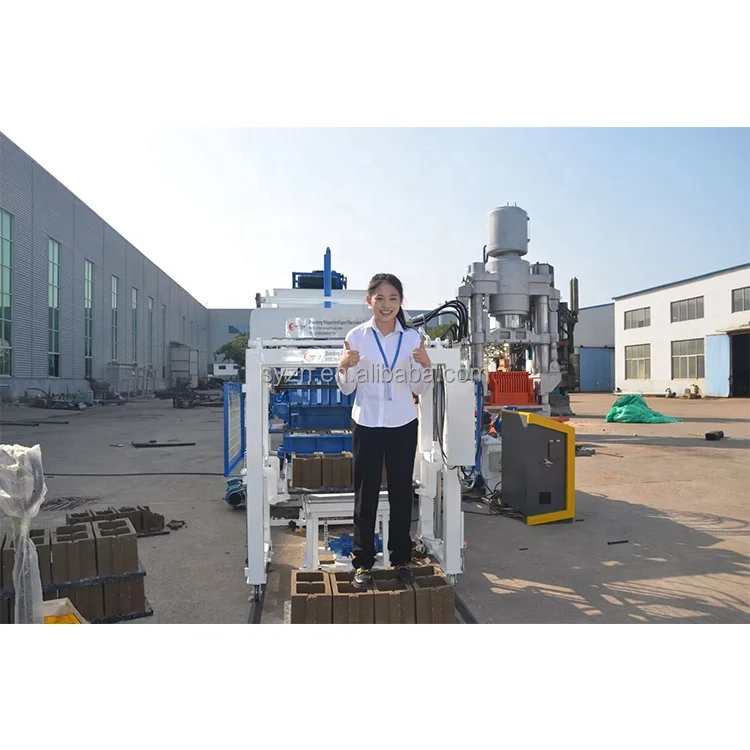


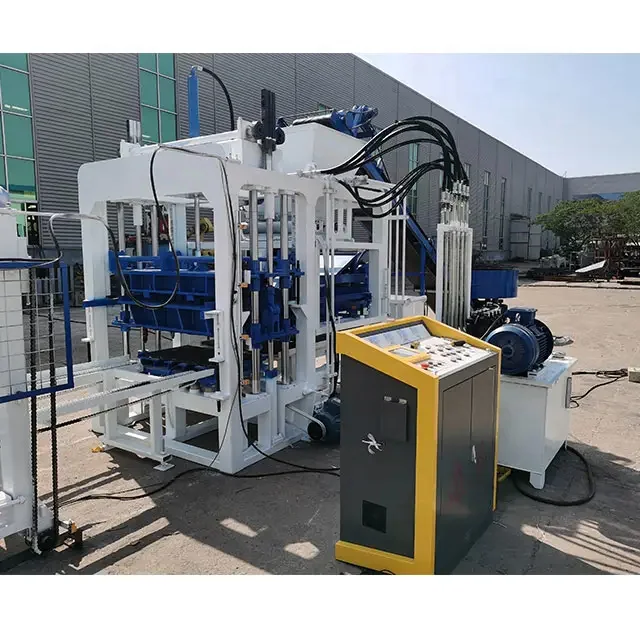
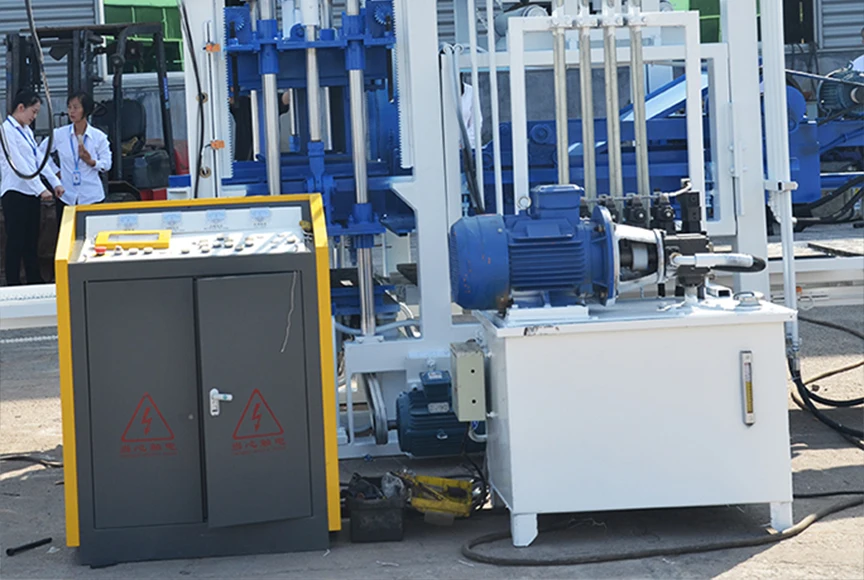
Description
Format-specific capacity — Every QT4-18 output figure is tied to a confirmed block size and cycle time, so daily targets match what the machine actually produces on your site.
Technical Specifications
| Parameter | Value |
|---|---|
| Model | QT4-18 |
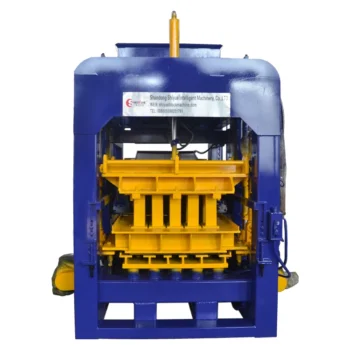
| Product Type | Hydraulic Concrete Block Making Machine |
| Overall Dimensions | 3900 × 1600 × 2300 mm |
| Total Weight | 3 T |
| Molding Cycle | 15–25 s (basis not stated in source — confirm block format / material / thickness) |
| Vibration Force | 40–50 kN |
| Total Power | 24 kW |
| Hydraulic Station | High-pressure hydraulic system, included |
| Control System | PLC control system |
| Mixer Model | JQ350 |
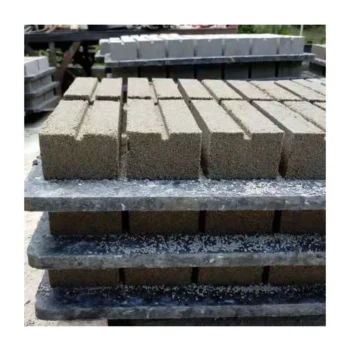
| Pallet Size | 850 × 550 × 25 mm |
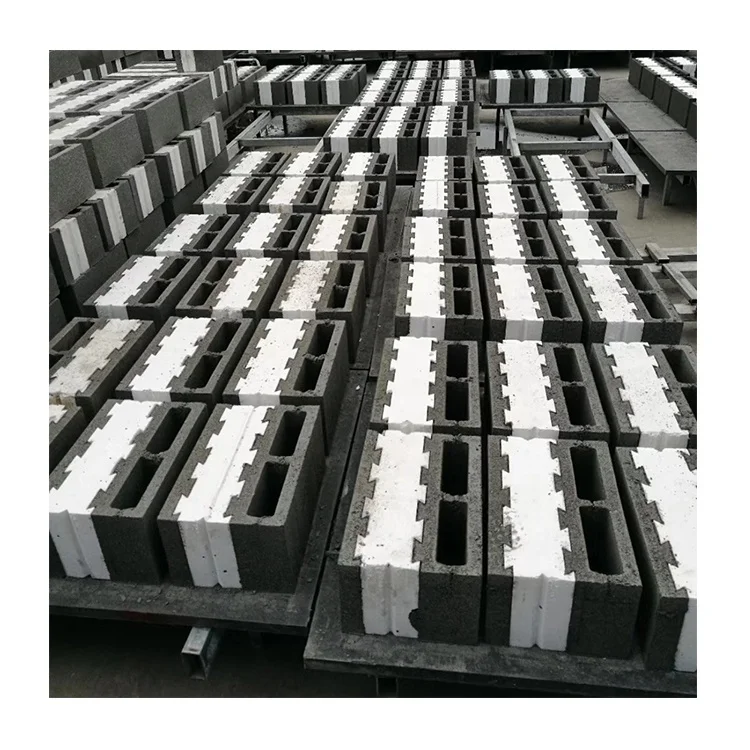
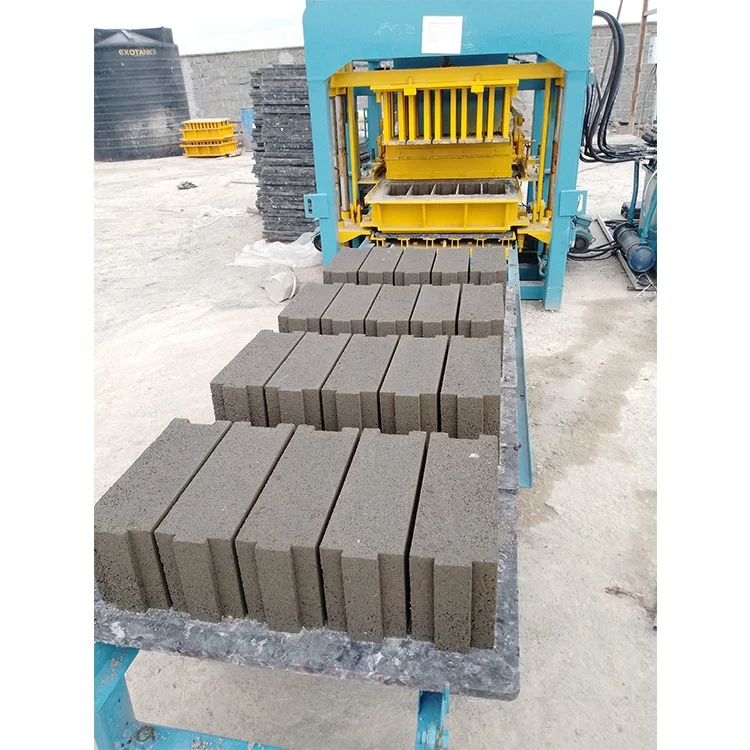
| Applied Products | Paver, solid block, hollow block, curbstone |
| Raw Materials | Crushed stones, sand, cement, dust, fly ash |
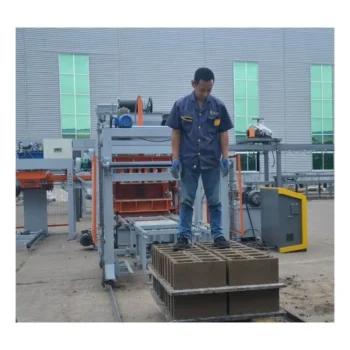
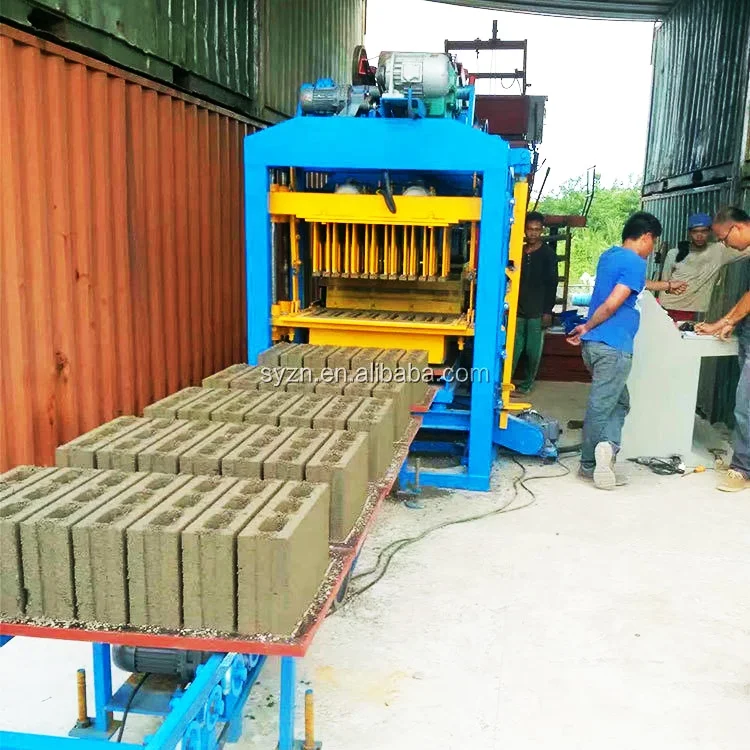
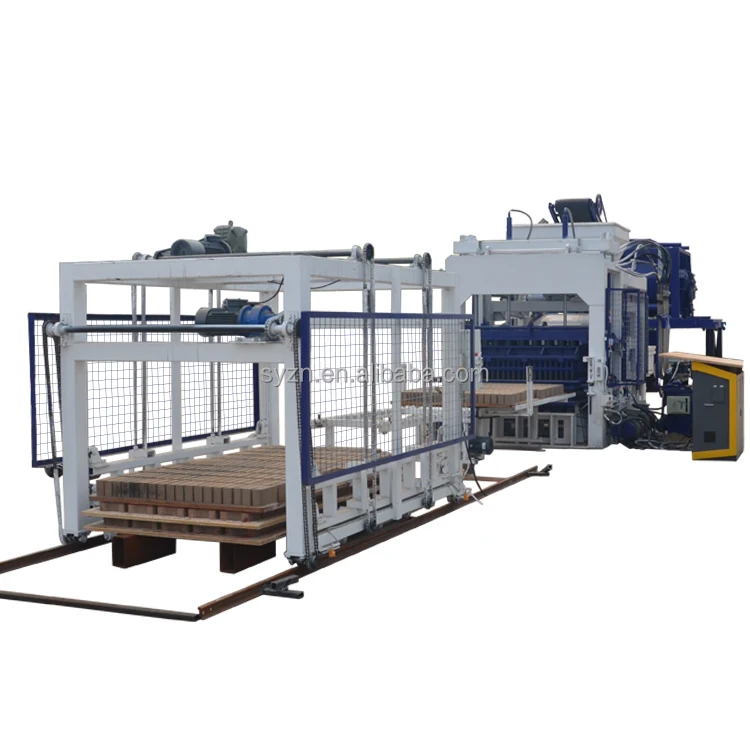
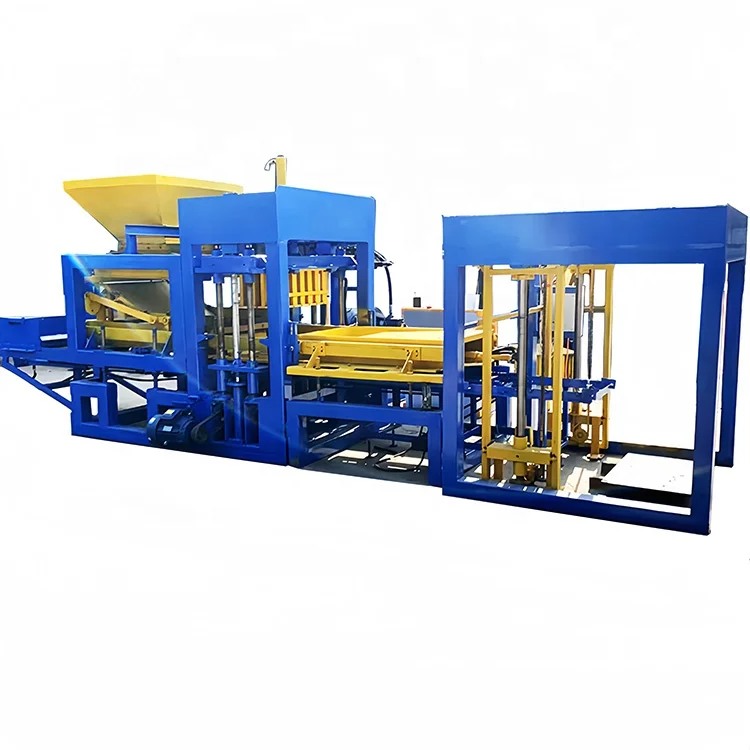
| Included Equipment | Block making machine, hydraulic station, PLC control system, pallet feeder, brick conveyor, block sweeper |
| Free Accessories | Manual hydraulic trolley, spare parts and tools |
| Output: Hollow Block 400×200×200 mm | 1200–1680 pcs/hr, 9600–13440 pcs/8 hr (cycle 15–20 s) |
| Output: Hollow Block 400×150×200 mm | 1800–2400 pcs/hr, 14400–19200 pcs/8 hr (cycle 15–20 s) |
| Output: Solid Brick 240×115×53 mm | 3240 pcs/hr, 16200–19440 pcs/8 hr (cycle 15–20 s) |
| Automation Level | Semi-automatic with hydraulic and PLC control |
| Mould Change | Supported across hollow, solid, paver, curbstone formats |
| Container Loading | Nude packing in 20GP, approx. 500 pcs of pallets loaded |
Application Suitability
| Application | Material or Output |
|---|---|
| Hollow block production for residential and commercial walls | Crushed stone, sand, cement, fly ash — 400×200×200 mm or 400×150×200 mm formats |
| Solid brick manufacturing for load-bearing and partition masonry | Cement, sand, stone dust — 240×115×53 mm standard brick |
| Paver and curbstone production for roads and landscaping | Aggregate-rich mixes with higher cement content for surface durability |
| On-site block production for housing and development projects | Locally sourced sand and crushed stone with portable pallet handling |
| Concrete product manufacturers expanding format range | Mould change across hollow, solid, paver and curbstone on one press |
What "15–25 Seconds Cycle Time" Actually Means for Your Daily Output
Cycle time only matters when tied to a specific block format and mould.
Suppliers often quote the fastest cycle their press can achieve, usually on a small solid brick with minimal vibration. When that same machine runs a 400×200×200 mm hollow block, the cycle stretches because the larger mould cavity needs longer vibration to consolidate the mix. On the QT4-18 block machine specifications, the 15–20 second cycle is stated across three different formats in the capacity table, but real-world timing depends on your aggregate grading and moisture content. I once watched a contractor in Southeast Asia plan an entire curing yard around a headline cycle number, only to find the actual hollow block cycle was closer to the upper end once local sand was introduced. [NEED_CITE: effect of aggregate moisture on block molding cycle time]
Matching the Press to the Block You Actually Sell
A machine is only as productive as the format it runs most hours of the day. The QT4-18 block machine specifications show three distinct output tiers: hollow block at 400×200×200 mm yields 1200–1680 pieces per hour, the narrower 400×150×200 mm hollow block reaches 1800–2400 pieces per hour, and solid brick at 240×115×53 mm delivers 3240 pieces per hour. Each figure assumes a 15–20 second cycle. Before you size your curing racks and pallet inventory, confirm which of these formats dominates your market orders. A plant that runs 80% hollow block will see daily volumes closer to the first tier, regardless of the solid brick headline number.
Pallet Size, Curing Area, and the Forklift You Already Own
The 850 × 550 × 25 mm pallet is the interface between the press and everything downstream. If your existing curing racks are spaced for a different pallet footprint, every wet block coming off the conveyor will need manual re-stacking before it enters the curing zone. Similarly, the forklift tine width and mast height must accommodate loaded pallet stacks at the 3 T machine weight plus wet block mass. I have seen plants in humid tropical climates lose entire production mornings because pallets warped on curing racks that were five centimeters too narrow. Confirm pallet dimensions against your rack spacing and forklift capacity before the QT4-18 ships. [NEED_CITE: pallet dimension standards in concrete block curing systems]
Reading the QT4-18 Specifications Beyond the Brochure Numbers
Vibration force and hydraulic pressure work together to determine block density and compressive strength. The QT4-18 delivers 40–50 kN of vibration force paired with a high-pressure hydraulic station. Higher vibration consolidates fine aggregate into the mould corners, while hydraulic pressure sets the overall compaction. If your local sand is fine-graded with high dust content, the vibration force may need adjustment to prevent segregation. The 24 kW total power rating covers the press, hydraulic pump, and conveyor motors — confirm whether this is rated or peak draw so your electrical panel and dedicated circuit are sized correctly. The JQ350 mixer must produce a consistent batch within the 15–25 second molding cycle window, otherwise the press waits and daily output drops below the capacity table figures. Semi-automatic operation with PLC control means the operator manages pallet loading and block offloading manually while the press cycle, vibration, and hydraulic sequence run automatically.
The Hidden Cost of Skipping Voltage and Language Confirmation
Arriving on site to discover the machine is wired for a voltage your workshop does not supply is a delay no project schedule absorbs gracefully. I configured a line in Indonesia where the factory was wired for 415V three-phase, not the 380V the machine was built for — days were lost on a live construction site rewiring the panel. The QT4-18 ships with a PLC control system, and the display language is set during assembly. If the interface arrives in a language your operators cannot read, the first week of production becomes a translation exercise instead of a ramp-up. Voltage, frequency, and PLC language must be confirmed in writing before production begins. [NEED_CITE: industrial voltage and frequency standards by export destination]
Why Buyers Source This Machine Through a Format-Matched Approach
Configuration starts with your target block format, local aggregate, and daily output requirement rather than a catalogue default. The QT4-18 block machine specifications are verified against the buyer’s actual mix design so vibration force and hydraulic pressure produce consistent block strength from the first batch. Mould design covers the hollow, solid, paver, and curbstone formats your market demands, including custom mould drawings when standard sizes do not match local building codes. Pallet and automation specifications are confirmed alongside the press so the line functions as a matched system instead of assembled components. Factory testing runs your confirmed block format before dispatch, and documentation includes the capacity calculation tied to each format. [NEED_CITE: importance of factory acceptance testing on buyer-specified block formats]
Documentation & Verification
- Line layout and capacity calculation stating the block format assumed for each output figure
- Mould drawing and format list confirming included and optional block sizes
- Voltage, frequency, and PLC display language confirmed in writing before production
- Pallet specification matched to your curing rack system and forklift capacity
- Factory test record on your confirmed block format before dispatch
- Hydraulic and electrical schematic for on-site troubleshooting
Installation, Commissioning & Support
- Foundation pad sized to the 3900 × 1600 mm footprint with anchor bolt layout provided before machine arrival
- Dedicated electrical circuit rated for the 24 kW total power draw at your confirmed voltage and frequency
- Machine arrives in nude packing within a 20GP container with pallets loaded; on-site reassembly required
- First-run commissioning with your local raw materials to verify cycle time and block density
- Operator training on PLC interface, mould change procedure, and daily maintenance schedule
- Spare parts and tool kit included; wear parts list provided for reorder planning
Before You Request a Quote
To configure the QT4-18 for your plant, share the block formats you sell most, your target daily volume per format, and the local raw materials available including aggregate grading and cement type. Confirm your workshop voltage and frequency, the PLC display language your operators need, and the pallet dimensions your existing curing racks and forklift can accommodate. If you are replacing an existing press, note the current mould sizes and any upstream or downstream equipment the new machine must connect to.
Frequently Asked Questions
Q: How is the QT4-18 output capacity calculated, and which block format does each figure assume?
A: Each capacity figure is tied to a specific block size and a 15–20 second cycle. Hollow block at 400×200×200 mm yields 1200–1680 pieces per hour, the 400×150×200 mm format reaches 1800–2400 pieces per hour, and solid brick at 240×115×53 mm delivers 3240 pieces per hour. Your dominant market format determines realistic daily output.
Q: What is the mould change time, and how many formats can one machine run per shift?
A: The QT4-18 supports mould changes across hollow, solid, paver, and curbstone formats. Change time depends on operator familiarity and whether the mould uses a bolt-on or quick-clamp system. Most plants running two formats per shift plan one change at mid-shift to preserve production hours.
Q: How are vibration force and hydraulic pressure matched to local aggregate?
A: The 40–50 kN vibration force and high-pressure hydraulic station are adjusted during commissioning based on your local sand grading, crushed stone size, and cement content. Fine aggregate may require lower vibration to prevent segregation, while coarse aggregate needs higher force for full mould consolidation.
Q: What pallet size does the QT4-18 use, and how does it align with existing equipment?
A: The QT4-18 uses 850 × 550 × 25 mm pallets. Before ordering, verify that your curing rack spacing, forklift tine width, and stack height capacity match these dimensions. Mismatched pallets force manual re-stacking and reduce effective daily output.
Q: Which voltage, frequency, and PLC language options are confirmed before shipment?
A: Voltage, frequency, and PLC display language must be confirmed in writing before production begins. The machine is wired and the control interface is set to your specifications during assembly so commissioning can proceed without electrical modifications or translation delays on site.