
Description
Capacity Stated Per Block Format — every output figure for the QT10-15 is tied to a specific block dimension, mould cavity count and cycle range rather than a single catalogue headline.
Technical Specifications
| Parameter | Value |
|---|---|
| Model | QT10-15 |
| Product Type | Interlocking Concrete Block Making Machine |
| Moulding Cycle (Hollow / Solid) | 15–20 s |
| Moulding Cycle (Paving / Interlocking) | 20–25 s |
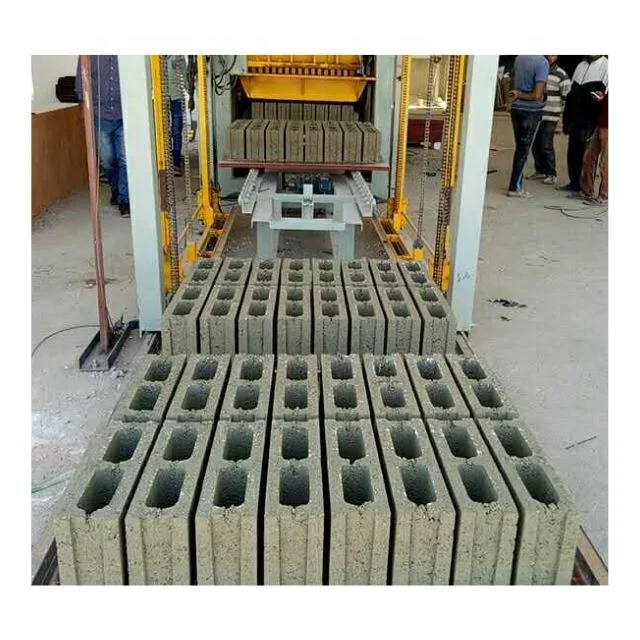
| Output — 400×200×200 mm Hollow Block | 1,800–2,400 pcs/h (10 pcs/mould) |
| Output — 400×150×200 mm Hollow Block | 2,160–2,880 pcs/h (12 pcs/mould) |
| Output — 240×115×53 mm Solid Brick | 8,928–11,160 pcs/h (62 pcs/mould) |
| Output — 200×100×60 mm Paving Block | 5,184–6,480 pcs/h (27 pcs/mould) |
| Output — 225×112.5×60 mm Interlocking Block | 4,032–5,040 pcs/h (24 pcs/mould) |
| Control System | PLC control cabinet |
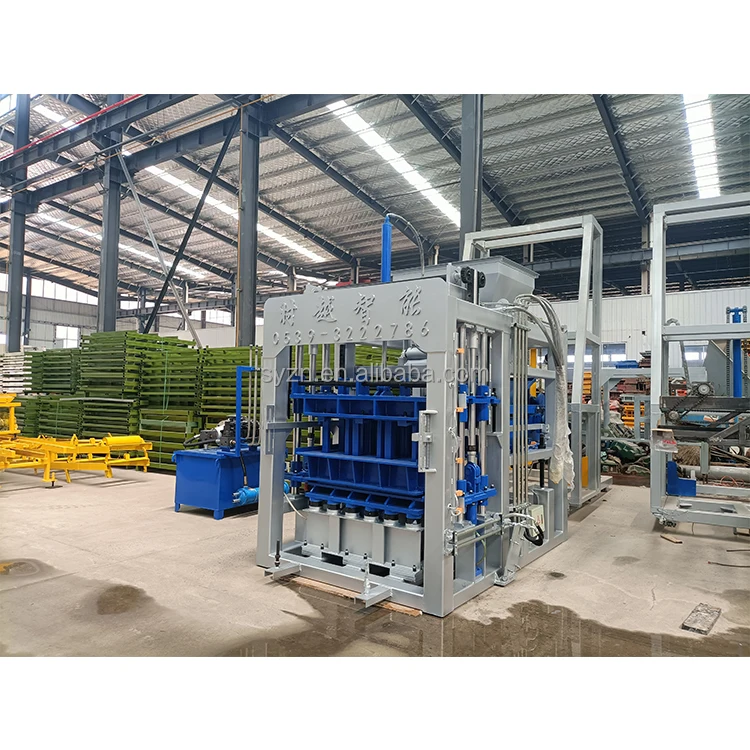
| Hydraulic System | Independent integrated hydraulic station |
| Vibration System | Vertical station mode resonance with automatic FM-AM |
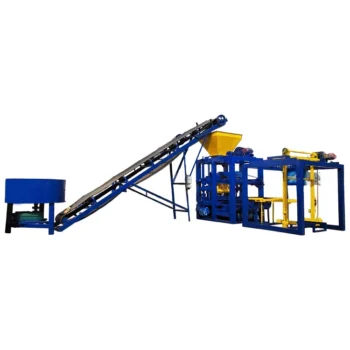
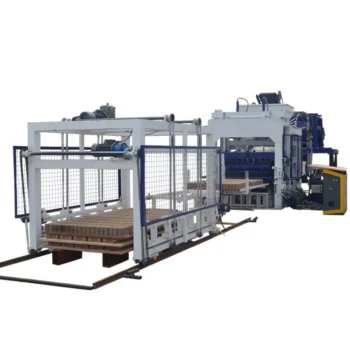
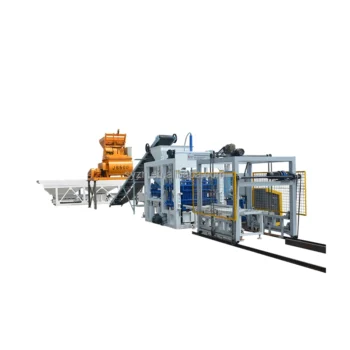
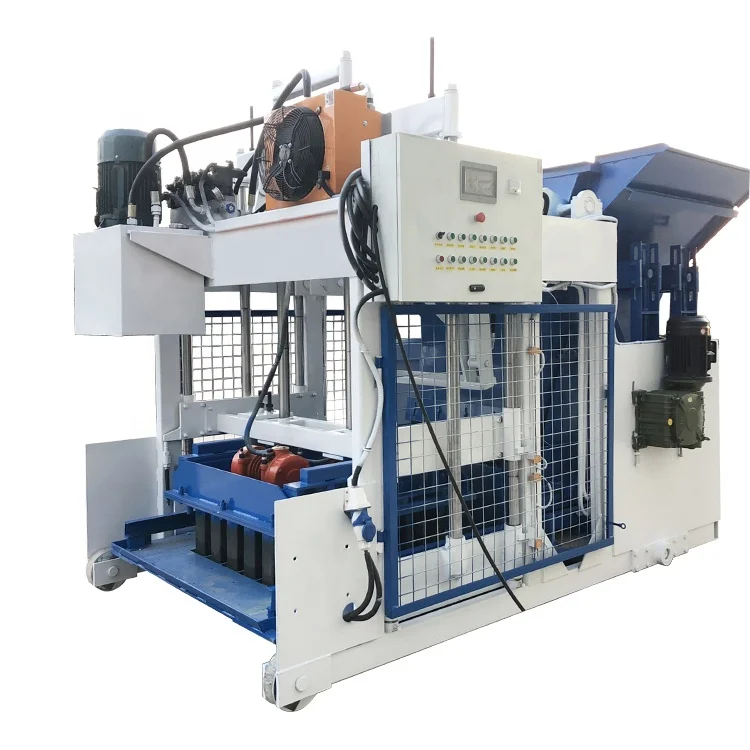
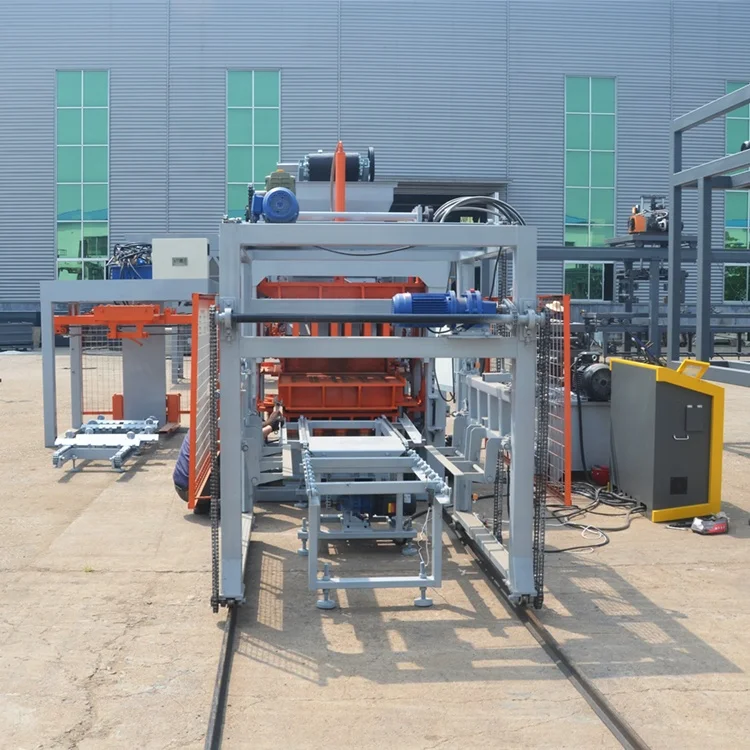
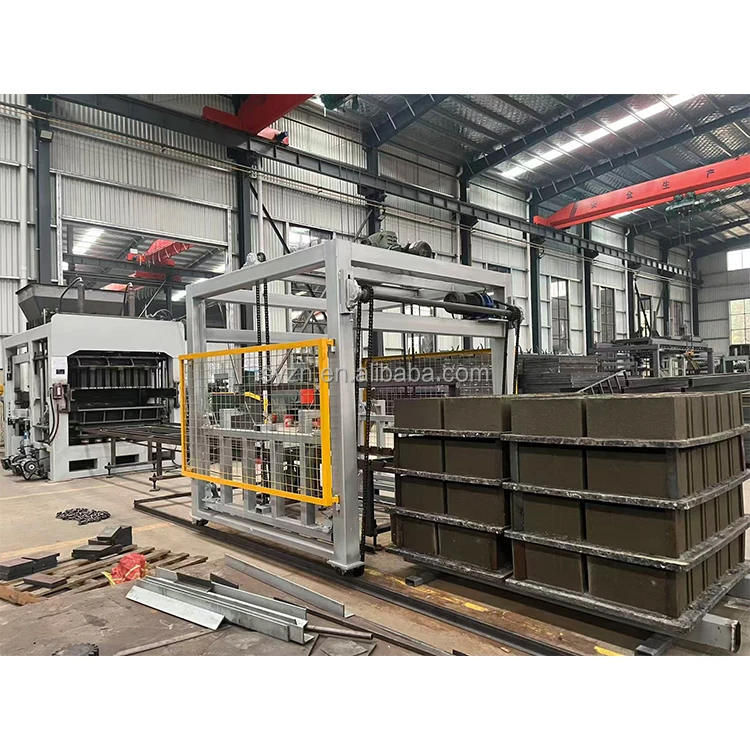
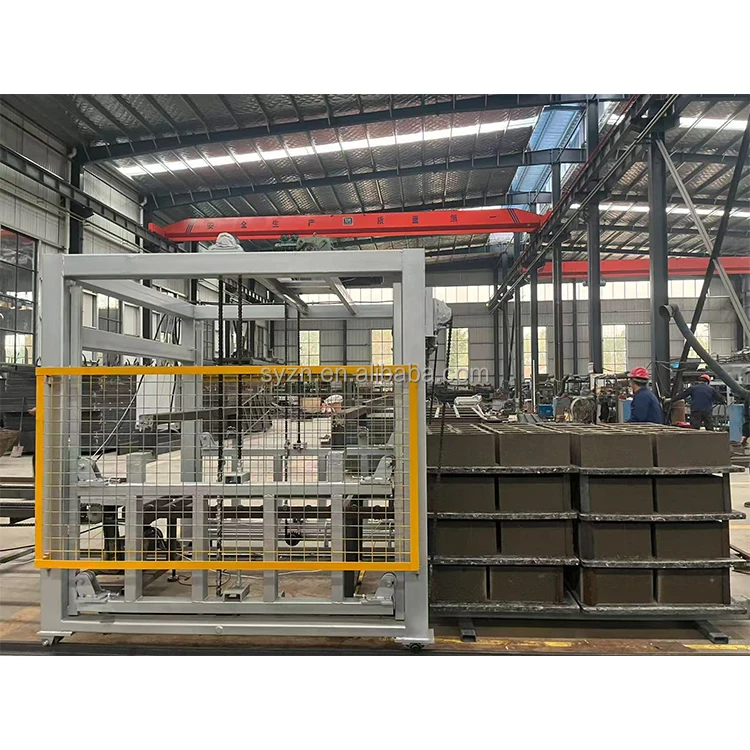
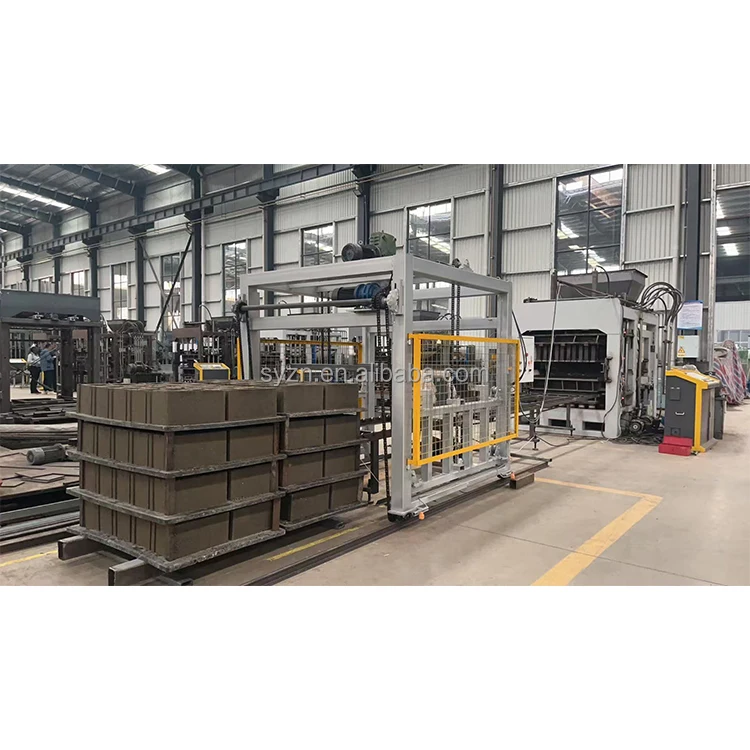
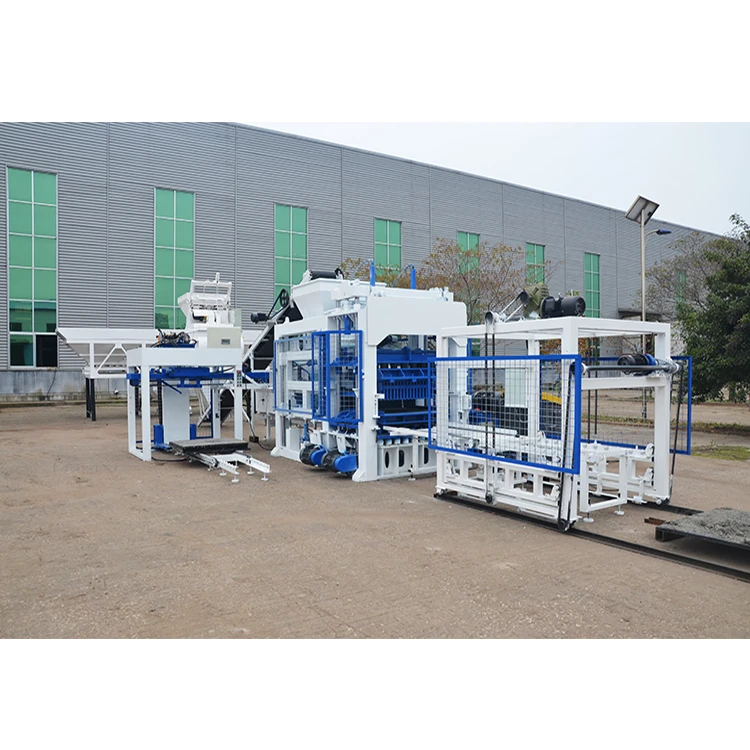
| Core Components | Pallet feed machine, block making machine, storage hopper, conveyor, hydraulic unit, PLC control cabinet |
| Mould Change | Quick replacement for multi-format production (change time to be confirmed) |
| Warranty | 1 year for whole machine (excluding spare parts) |
Application Suitability
| Application | Material or Output |
|---|---|
| Hollow block production | 400×200×200 mm and 400×150×200 mm formats from crushed stone, sand and cement |
| Solid brick production | 240×115×53 mm standard brick from local aggregate blends |
| Paving block production | 200×100×60 mm pavers for walkways, driveways and public areas |
| Interlocking block production | 225×112.5×60 mm interlocking profiles for retaining walls and landscape edging |
| Multi-format switching | Quick mould change across hollow, solid, paving and interlocking profiles on a single host |
Why "Pieces per Hour" Means Nothing Without the Block Format Attached
A capacity number is only honest when the block size, mould cavity count and cycle time sit right next to it.
I once watched a buyer in West Africa receive a block machine rated at an impressive hourly output — the problem was the figure assumed a small solid brick, while his market demanded 200 mm hollow blocks. Real throughput dropped to less than half the quoted number, and the entire curing schedule fell apart. That is exactly the trap the interlocking concrete block making machine specifications for the QT10-15 are designed to prevent: every output figure above names the block format, the mould cavity count and the cycle window so you can map capacity to your actual product mix before the order is placed [NEED_CITE: common buyer complaints on block machine capacity misrepresentation].
Matching the Machine to Your Local Block Market
Buyers sourcing an interlocking concrete block making machine often start by comparing headline output, yet the format their market actually buys determines which row in the capacity table matters. The QT10-15 covers five common formats across hollow, solid, paving and interlocking categories, and each carries its own cycle window and cavity count. Sizing the line starts with identifying which of those formats drives revenue in your region and planning the daily run around that figure.
How Cycle Time Shifts Between Formats
A hollow block releases from the mould faster than a dense interlocking paver because the geometry is simpler and the compaction requirement is lower. On the QT10-15 the cycle stretches from the 15–20 second range for hollow and solid formats to 20–25 seconds for paving and interlocking profiles. That five-second gap compounds over an eight-hour shift, so a plant that runs interlocking blocks all day should calculate daily output on the longer cycle, not the shorter one [NEED_CITE: effect of mould geometry on vibration compaction time].
Reading the Specs That Actually Shape Block Quality
Hydraulic Pressure and Vibration Force Must Work as a Pair
Block density is not set by pressure alone or vibration alone — it is the combination that locks aggregate into a tight matrix. The QT10-15 uses an independent integrated hydraulic station physically separated from the host vibration and dust, which keeps hydraulic response stable across long shifts. Vertical station mode resonance with automatic frequency modulation adjusts vibration to the mould cavity, so a deep hollow block and a thin interlocking paver each receive the compaction profile they need. When hydraulic pressure and vibration are correctly matched to your local aggregate and mix design, the result is consistent compressive strength from the first pallet to the last.
Pallet Size Sets the Ceiling for Every Format You Can Run
Pallet dimensions govern the maximum mould footprint, which in turn decides how many cavities fit per cycle. A pallet chosen without checking your existing curing racks and forklift capacity creates bottlenecks downstream — blocks pile up on the press side because there is nowhere to move them. Confirm pallet size and material against your curing area layout before the machine enters production [NEED_CITE: pallet handling compatibility in block plant design].
What Happens When the Configuration Is Wrong
A machine configured for a mix the buyer cannot source locally forces a costly material change before the first block is produced. Voltage, frequency and PLC display language left unconfirmed until arrival can delay commissioning by weeks while replacement control components are shipped. And when mould wear parts are not included in the initial shipment, the first replacement order sits in international transit while the press stands idle.
Why Buyers Place Repeat Orders on This Platform
Block machinery is the single focus here, so the press, mould, pallet and handling equipment are specified as one matched system rather than assembled from unrelated suppliers. Configuration starts from your actual mix design, local aggregate and target block format instead of a catalogue default. Mould design covers the formats your market sells, including custom profiles drawn to your specifications. The automation level is selectable — start semi-automatic with manual pallet handling and add stacking or cubing modules later. Installation support includes operator training at your site so the crew knows the PLC interface and mould change procedure before handover.
Documentation & Verification
- Line layout and capacity calculation naming the block format assumed for every output row
- Mould drawing and format list confirming included interlocking and paving profiles
- Hydraulic and electrical schematic with voltage, frequency and PLC language confirmed before build
- Factory test record documenting actual cycle time per format before the machine leaves the workshop
- Operation and maintenance manual covering mould change sequence and hydraulic filter intervals
Installation, Commissioning & Support
- Foundation plan matched to the QT10-15 footprint and vibration isolation requirements
- Dedicated electrical circuit sized to the machine rated power and local voltage
- On-site reassembly supervision after container transport and pallet unloading
- PLC language and parameter verification during first-day commissioning
- Operator training on quick mould change procedure and hydraulic station maintenance
- Wear parts and mould list provided at handover for first-year procurement planning
Before You Send an Inquiry
To size the QT10-15 correctly we need to know the specific interlocking or paving block format your market demands, the target daily output, and the local aggregate available for your mix. Share your existing curing rack dimensions and forklift capacity so pallet size can be confirmed, along with the voltage, frequency and PLC display language your site requires. If you have samples of local raw materials, a trial press run will show whether the standard vibration and pressure settings achieve the compressive strength your market expects.
Frequently Asked Questions
Q: How is daily output calculated and which block format does each capacity figure assume?
A: Every output number on this page states the exact block dimensions, mould cavity count and cycle range it is based on. Daily output is derived by multiplying hourly capacity by the planned shift hours, then deducting allowances for pallet loading, mould change and routine stops. Tell us your shift pattern and primary block format so we can project realistic daily volume.
Q: What mould formats are available and what is the realistic mould change time?
A: The QT10-15 supports hollow, solid, paving and interlocking block profiles, and custom moulds can be designed to your drawings. Mould change uses a quick-replacement mechanism; exact changeover time depends on the mould size and operator familiarity. We confirm the figure during factory testing and include it in the test record shipped with the machine.
Q: How are hydraulic pressure and vibration force matched to my local aggregate?
A: We request a sample of your local aggregate and proposed mix design, then run trial press cycles at our workshop. Hydraulic pressure and vibration frequency are adjusted until the target compressive strength is reached. The validated settings are documented in the factory test record and programmed into the PLC before dispatch.
Q: What pallet size does this machine require, and is it compatible with my existing curing area?
A: Pallet dimensions are confirmed during the line layout stage to match the largest mould in your format list. We cross-check those dimensions against your curing rack spacing and forklift capacity so pallets move smoothly from press to curing area without re-handling.
Q: How are voltage, frequency and PLC display language confirmed before the machine is built?
A: These parameters are locked during the quotation stage and written into the purchase specification. The PLC cabinet is wired and labelled for your site voltage and frequency, and the display language is set before the factory test. Any change after production starts requires component replacement and delays shipment.