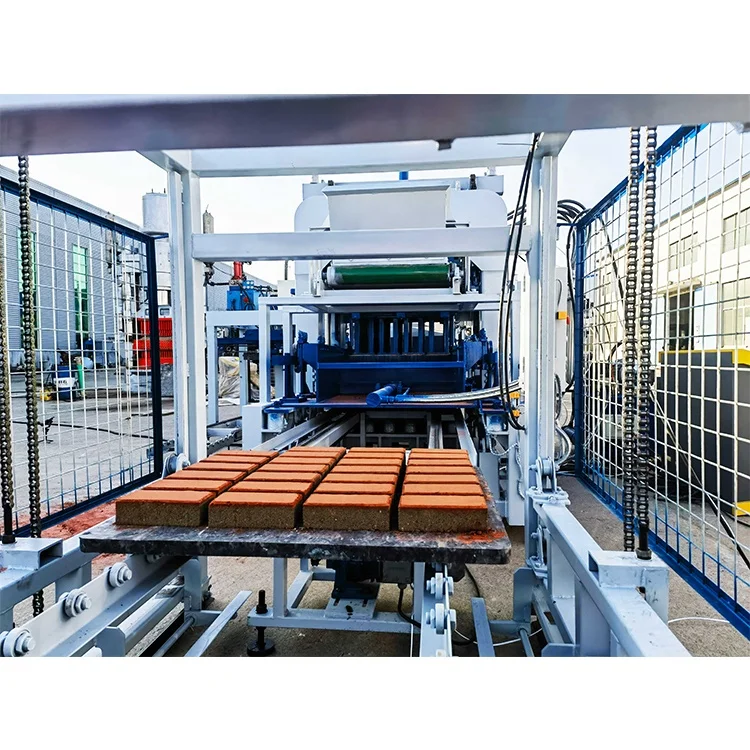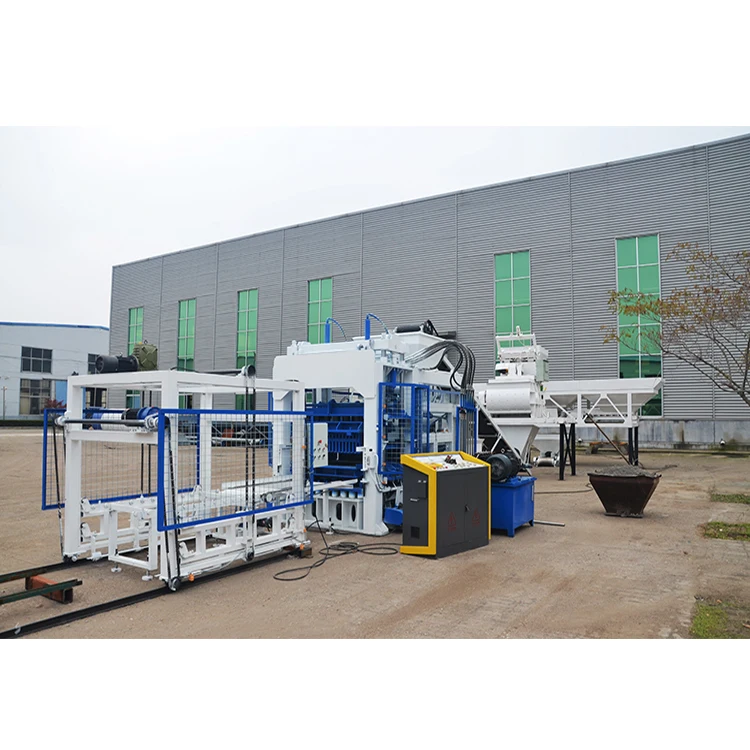
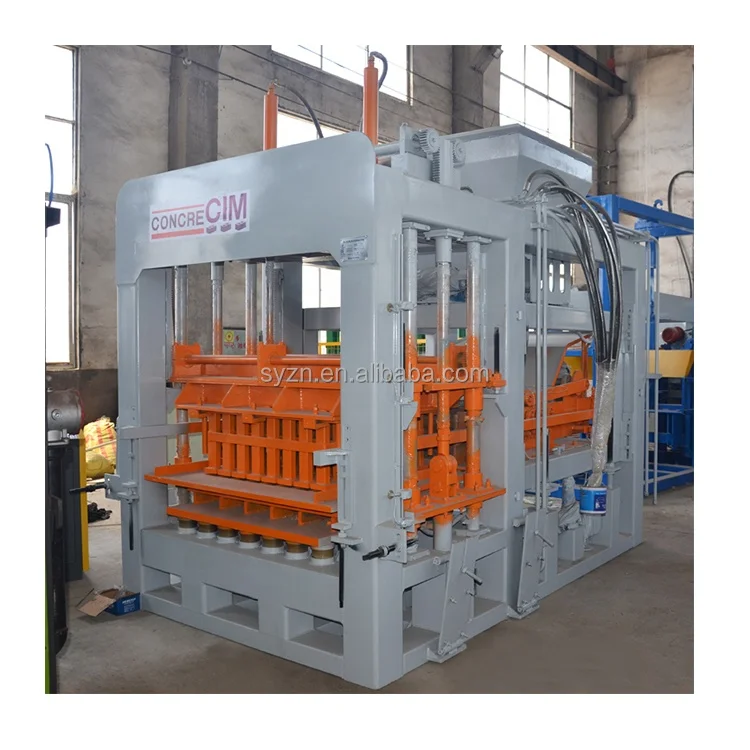
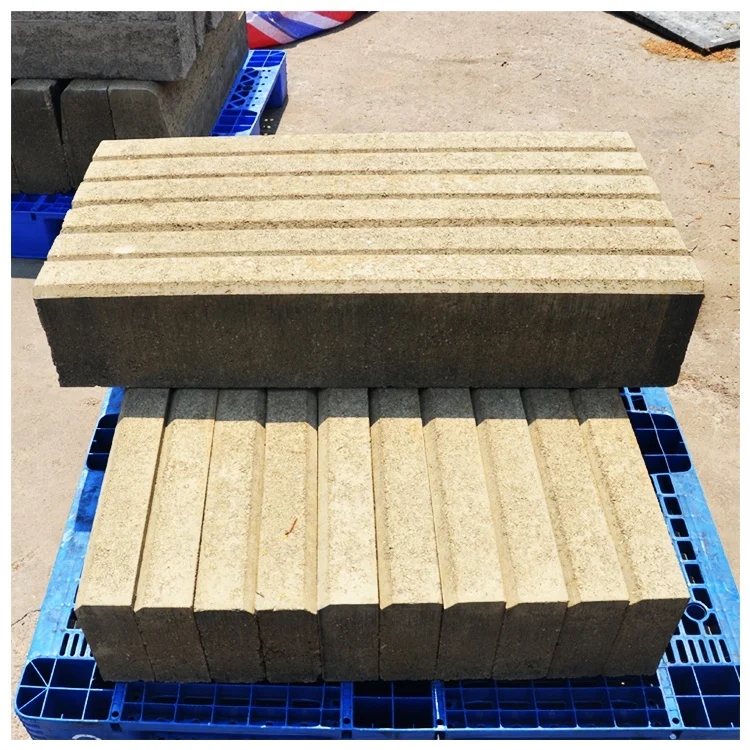
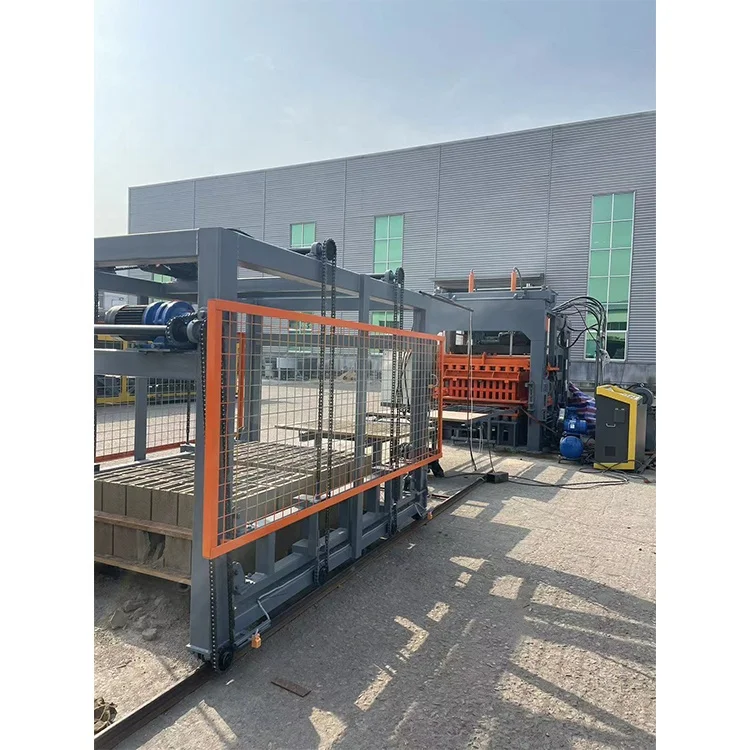
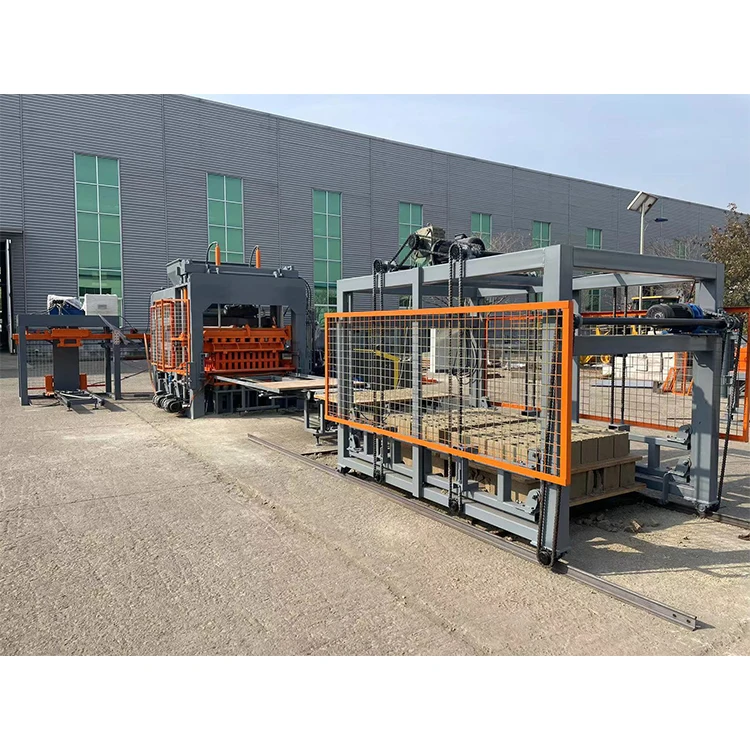
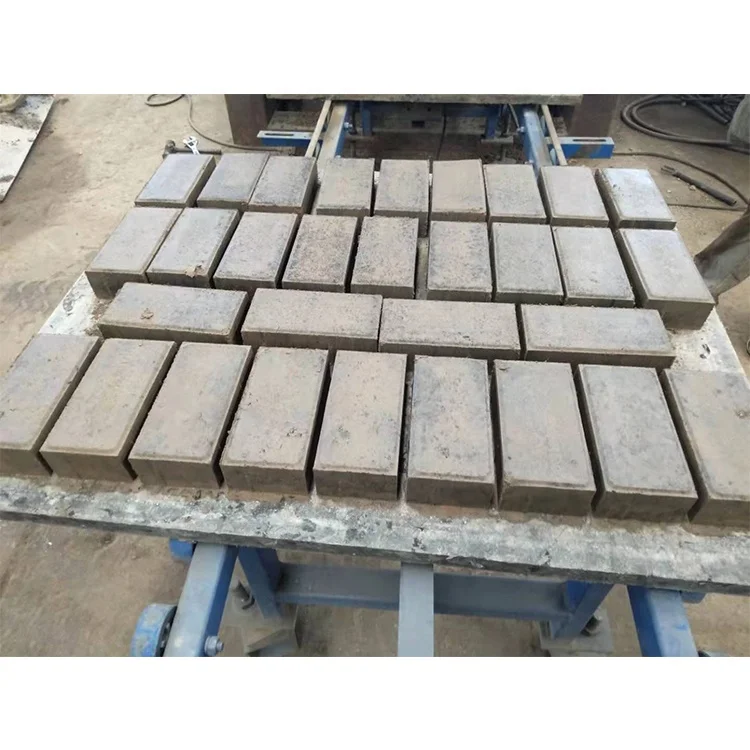
Description
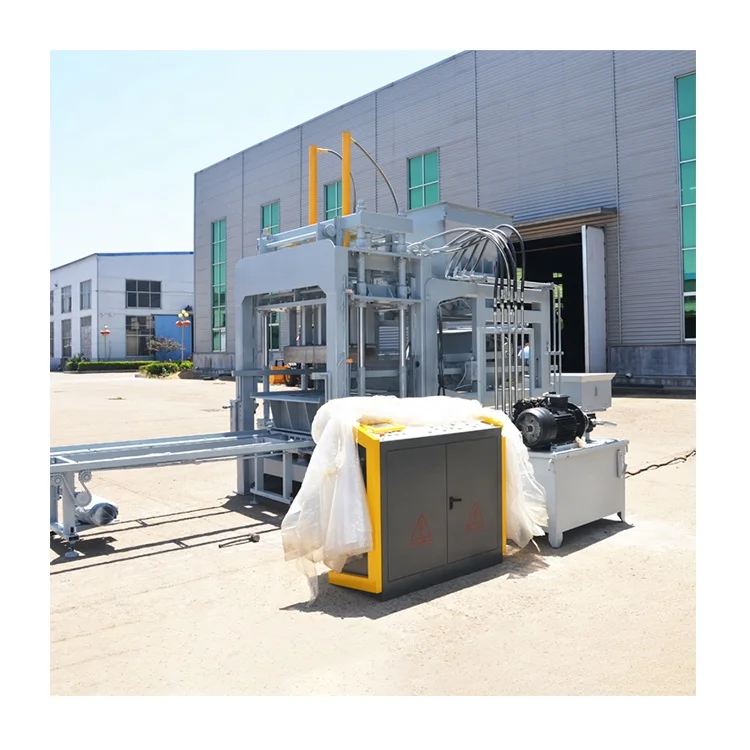
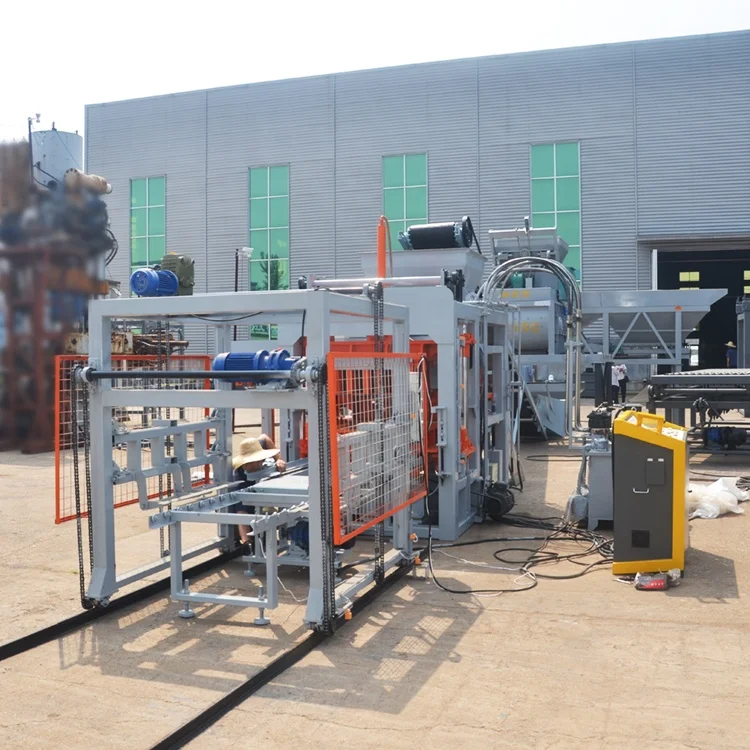
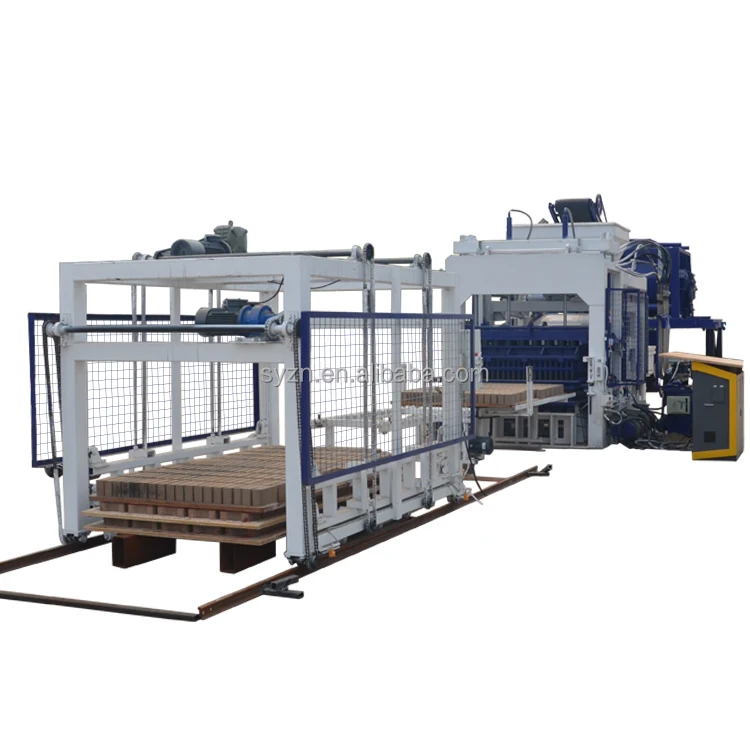
Configured to your format — the QT10-15 block machine is matched to the buyer’s actual mix design, local aggregate, and target block format rather than shipped as a catalogue default.
Technical Specifications
| Parameter | Value |
|---|---|
| Model | QT10-15 |
| Product Type | Automatic Hydraulic Concrete Block Making Machine |
| Control System | PLC control cabinet |
| Hydraulic System | Independent integrated hydraulic station |
| Vibration Mode | Vertical station mode resonance, automatic FM-AM |
| Mould Change System | Quick replacement system (multi-function with one machine) |
| Cycle Time | 15–25s depending on block format |
| Output Capacity — 400×200×200mm hollow block | 1800–2400 pcs/hour (basis: 10 pcs/mould, 15–20s cycle) |
| Output Capacity — 400×150×200mm hollow block | 2160–2880 pcs/hour (basis: 12 pcs/mould, 15–20s cycle) |
| Output Capacity — 240×115×53mm solid brick | 8928–11160 pcs/hour (basis: 62 pcs/mould, 15–20s cycle) |
| Output Capacity — 200×100×60mm paving block | 5184–6480 pcs/hour (basis: 27 pcs/mould, 20–25s cycle) |
| Output Capacity — 225×112.5×60mm paving block | 4032–5040 pcs/hour (basis: 24 pcs/mould, 20–25s cycle) |
| Automation Level | Automatic (pallet feed, material feed, vibration, demoulding) |
| Warranty | 1 year for the whole machine (excluding spare parts) |
| Voltage & Frequency | Configurable to buyer’s local standard (basis to be confirmed) |
| Pallet Size | Sized to curing area and forklift (basis to be confirmed) |
| Hydraulic Pressure | Sized to mix design and target block strength (basis to be confirmed) |
| Vibration Force | Matched to local aggregate and compaction requirement (basis to be confirmed) |
| Standards | CE |
Application Suitability
| Application | Material or Output |
|---|---|
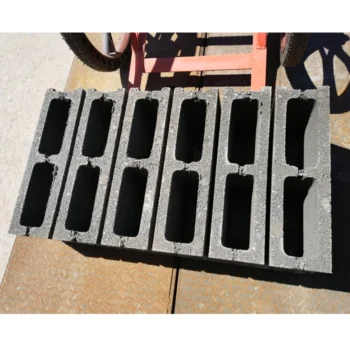
| Hollow block production | Crushed stone, sand, cement, and water for 400×200×200mm and 400×150×200mm formats |
| Solid brick production | Fine aggregate and cement mix for 240×115×53mm standard bricks |
| Paving block production | High-density aggregate blend for 200×100×60mm and 225×112.5×60mm interlocking pavers |
| Construction block plants | Multi-format output across hollow, solid, and paving ranges on a single press |
| On-site block manufacturing | Housing and infrastructure projects requiring format flexibility without a fixed plant change |
What the Cycle Time Actually Tells You About Daily Output
A block machine’s capacity is meaningless without the format and cycle time that produced the number.
I have stood in plants where the owner was promised thousands of blocks per shift, only to watch the line stall because the quoted figure assumed a small solid brick and the buyer was running 200mm hollow blocks. The QT10-15 block machine specifications break down output per format: a 400×200×200mm hollow block at 10 per mould yields a different hourly result than a 240×115×53mm solid brick at 62 per mould, and the cycle time shifts from 15–20 seconds up to 20–25 seconds for denser paving formats. When we quote, the calculation sheet names the exact block, mould cavity count, and cycle window behind every figure [NEED_CITE: honest capacity quoting practices in concrete equipment sales].
Reading Output by Block Format Instead of Headlines
The how to choose automatic block machine question starts with identifying which format earns your revenue. A plant selling 200mm hollow blocks to masonry contractors needs a very different daily run plan than one producing 60mm paving blocks for municipal contracts. The QT10-15 covers both ends, but the shift output separates sharply — hollow blocks at roughly 14,400 to 19,200 pieces per eight-hour shift versus solid bricks exceeding 71,000 pieces on the same timeframe.
Why the Mould Cavity Count Matters More Than Press Size
Two machines can carry the same pallet area yet deliver different throughput because one fits 10 hollow block cavities while the other fits 12. The QT10-15 block machine specifications list mould cavity counts alongside every capacity row, so a technical buyer can project output without guessing. This matters when a municipality issues a paving tender and the plant must confirm it can deliver within the contract window [NEED_CITE: mould cavity count and output correlation in block press design].
Matching Hydraulic Pressure and Vibration to Local Aggregate
Vibration force that compacts river sand cleanly may fail against volcanic scoria or crushed basalt. I once saw a line in southern Europe lose density on pavers because the vibration frequency was set for limestone aggregate, and the local quarry supplied something far harder. The independent integrated hydraulic station on this press sits isolated from the host vibration, and the vertical station mode resonance with automatic FM-AM tuning adjusts compaction across mix variations. Before we lock the configuration, the buyer’s aggregate sample is tested against target block strength and the pressure and vibration values are set to match.
What Specifications Mean on the Production Floor
Hydraulic pressure and vibration force work together — pressure alone leaves voids, vibration alone produces crumbly edges, and the right pairing delivers consistent density through the full block depth. The quick mould change system on the QT10-15 is designed so a plant running hollow blocks in the morning can switch to paving blocks before the second shift, rather than losing a full day to changeover. Pallet size, which must be confirmed with the buyer, determines whether finished blocks travel on the same forklift and into the same curing racks the plant already operates. Voltage and frequency confirmation before production prevents the common arrival-day discovery that the local grid does not match the motor nameplate [NEED_CITE: industrial voltage and frequency mismatch consequences at commissioning].
The Cost of Skipping the Format Conversation
Plants that order on headline capacity alone discover two problems in sequence. First, the daily output on their actual block format falls well below the quoted figure because the seller’s calculation used a smaller, faster-cycling brick. Second, the pallet size arrives mismatched to the curing yard, forcing the buyer to source new pallets or rearrange the entire handling layout. These are avoidable with a line layout and capacity calculation that names the block format behind every number.
Why Configuration Happens Before Production
Block machinery is our single focus, which means the press, mould, pallet, and handling equipment are specified as one matched system. The QT10-15 configuration is set against the buyer’s actual mix design and target block format, not pulled from a default list. Mould design covers the formats the buyer’s market sells, including custom drawings where standard options do not fit. Automation level is selectable, so a plant can begin with automatic pallet feed and material feed now and add stacking and cubing later. Installation support includes on-site commissioning and operator training so the first production run meets the block strength requirement.
Documentation & Verification
- Line layout with capacity calculation naming the assumed block format per output figure
- Mould drawing and format list confirming included and optional cavity sets
- Voltage, frequency, and PLC display language confirmation signed before production
- Hydraulic and electrical schematic for local maintenance and spare parts planning
- Factory test record run on the buyer’s target block format before dispatch
Installation, Commissioning & Support
- Foundation plan sized to the QT10-15 overall dimensions and vibration isolation requirement
- Dedicated power circuit confirmed for the rated load and local voltage standard
- Machine arrives dismantled for container loading with reassembly guided by our technician
- First-run parameter setting tuned to the buyer’s aggregate sample and target block density
- Operator training covering PLC interface, mould change procedure, and daily maintenance checkpoints
- Wear parts list and hydraulic seal kit specified for the first replacement interval
What to Include in Your Inquiry
A useful enquiry names the block format you intend to produce, the daily volume your market requires, and the raw material you plan to source locally. Share your workshop dimensions and curing area layout so the pallet size and line footprint can be matched to what you already have. Confirm the local voltage, frequency, and the language you need on the PLC display to avoid delays when the machine arrives.
Frequently Asked Questions
Q: How is the capacity figure verified for the QT10-15?
A: Each output row in the specification table states the block format, mould cavity count, and cycle time window that produced the number. We provide a capacity calculation sheet with your quotation that names the exact block assumed, so your daily output projection matches the format you actually sell rather than a catalogue headline.
Q: Which mould formats fit the QT10-15, and how does changeover work?
A: The press accepts hollow block, solid brick, and paving block moulds through the quick replacement system. Changeover is designed to complete within a single shift so a plant can run hollow blocks in the morning and paving blocks in the afternoon. Mould drawings are provided before production so the buyer can verify cavity dimensions against local market requirements.
Q: How is the machine adjusted for local aggregate and mix design?
A: Before we lock the QT10-15 configuration, the buyer’s aggregate sample is reviewed against target block strength. The hydraulic pressure and vibration tuning are then set to match that specific material. This prevents the common problem where a machine configured for one region’s sand fails to compact a different region’s crushed stone to the required density.
Q: What pallet size does the QT10-15 require?
A: Pallet dimensions are confirmed with the buyer based on the mould format and the curing area already in use. This ensures the finished blocks travel on the same forklift and fit existing curing racks without requiring a layout change. The pallet material specification is included in the quotation so the buyer can plan replacements.
Q: What electrical and control details are confirmed before shipment?
A: Voltage, frequency, and PLC display language are confirmed in writing before the QT10-15 enters production. This avoids the commissioning delay that occurs when a machine arrives configured for a different grid standard or when the operator cannot read the control screen. The hydraulic and electrical schematic ships with the documentation package for local maintenance planning.