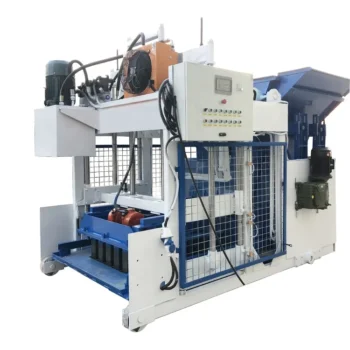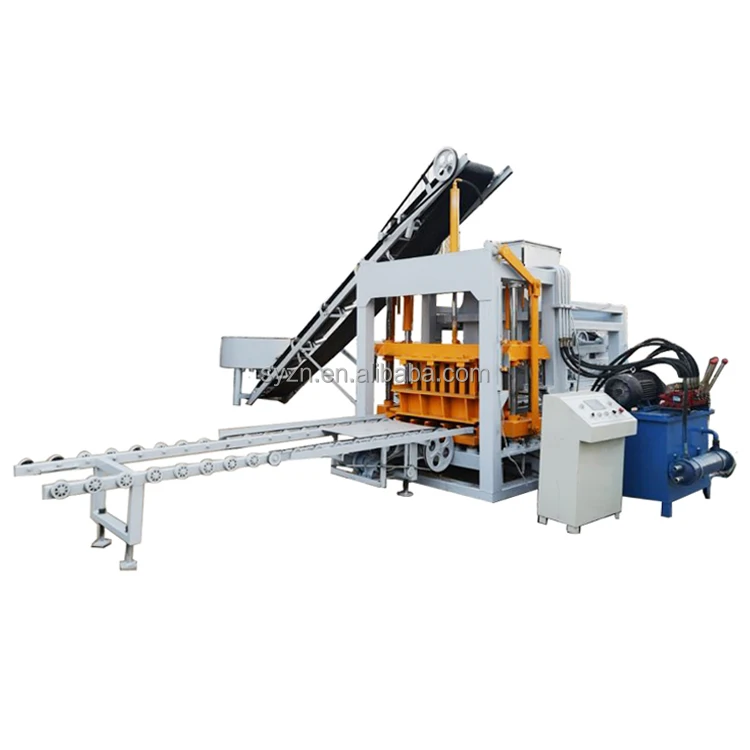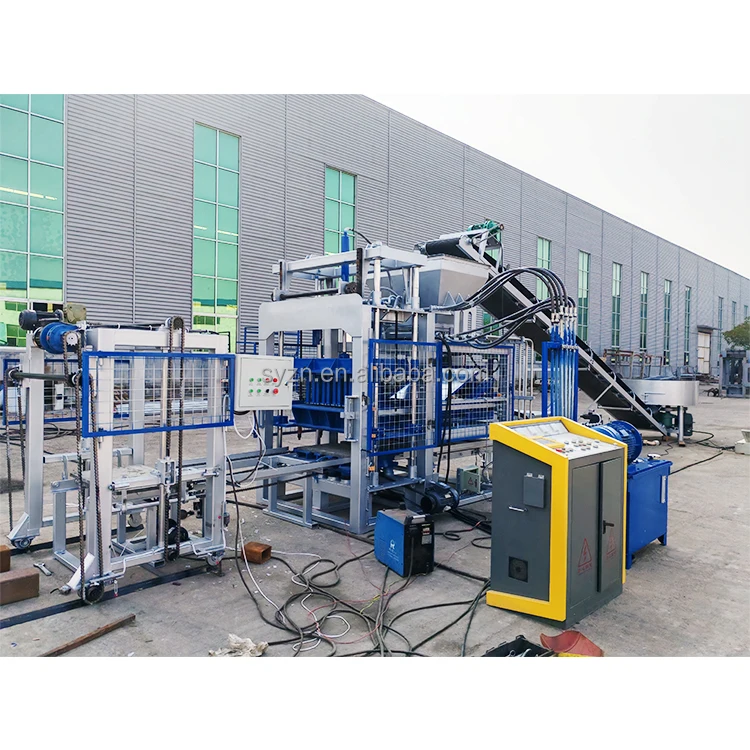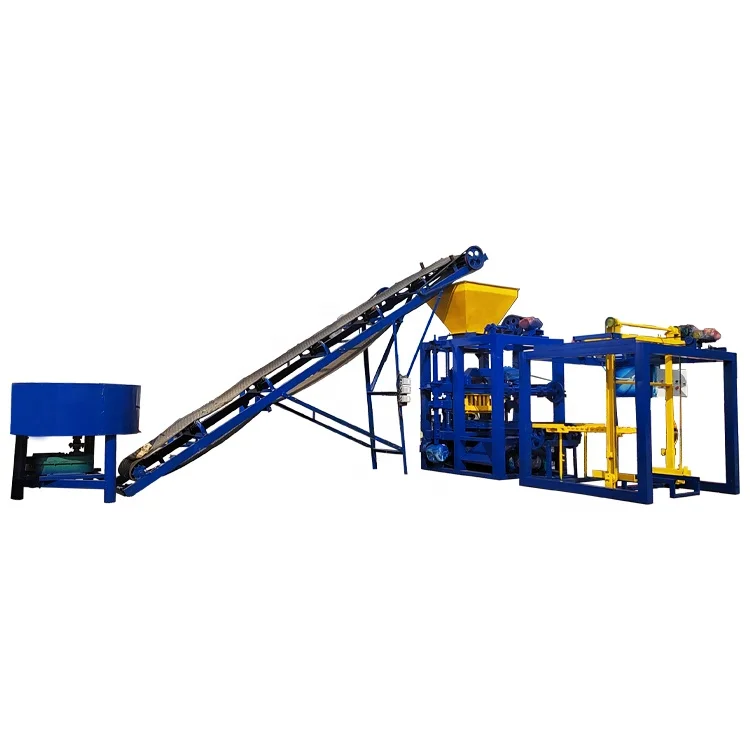

Description
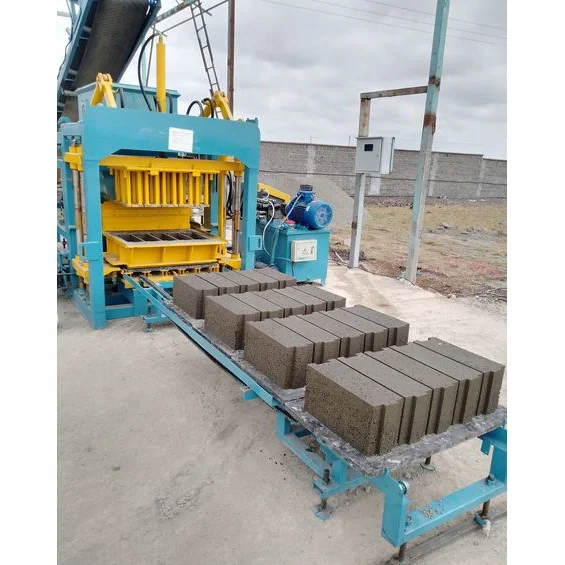
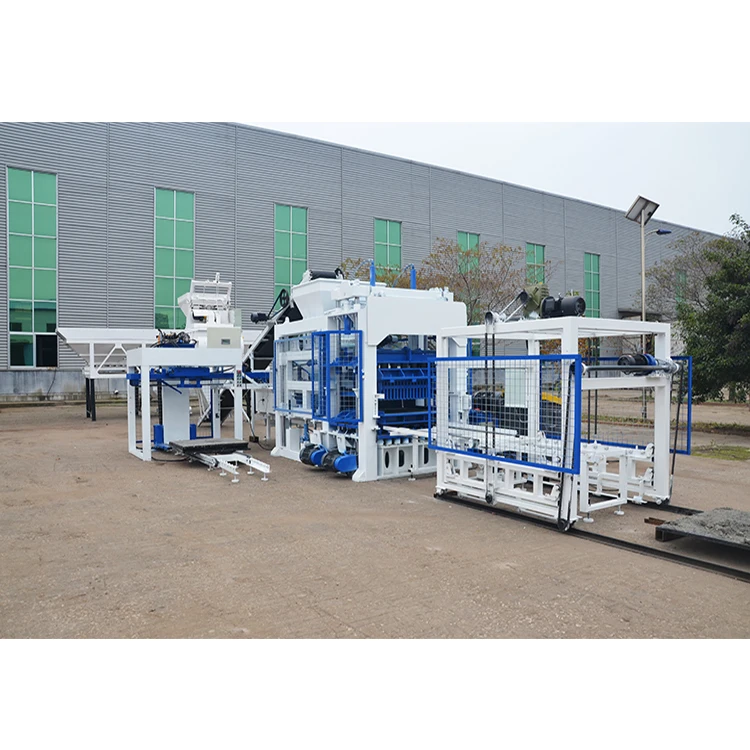
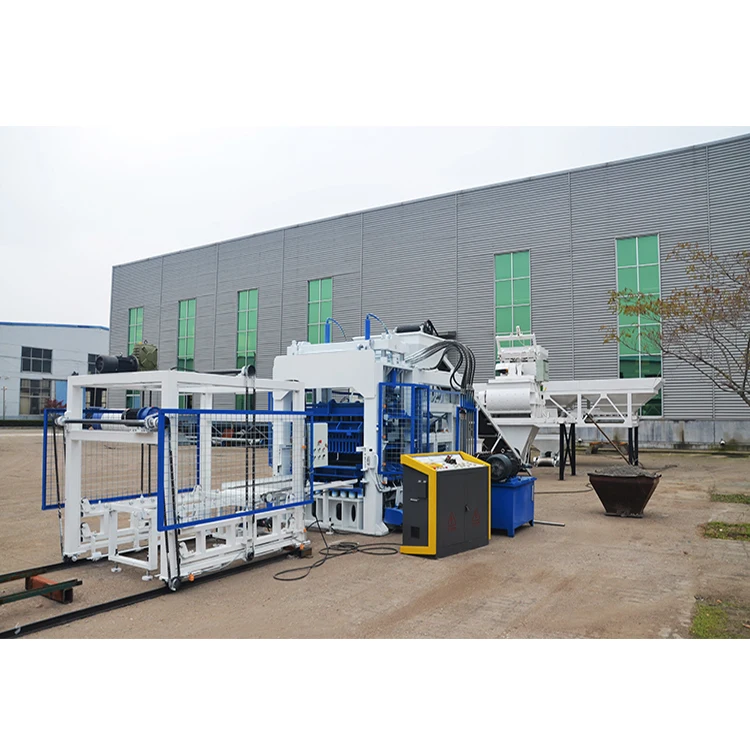
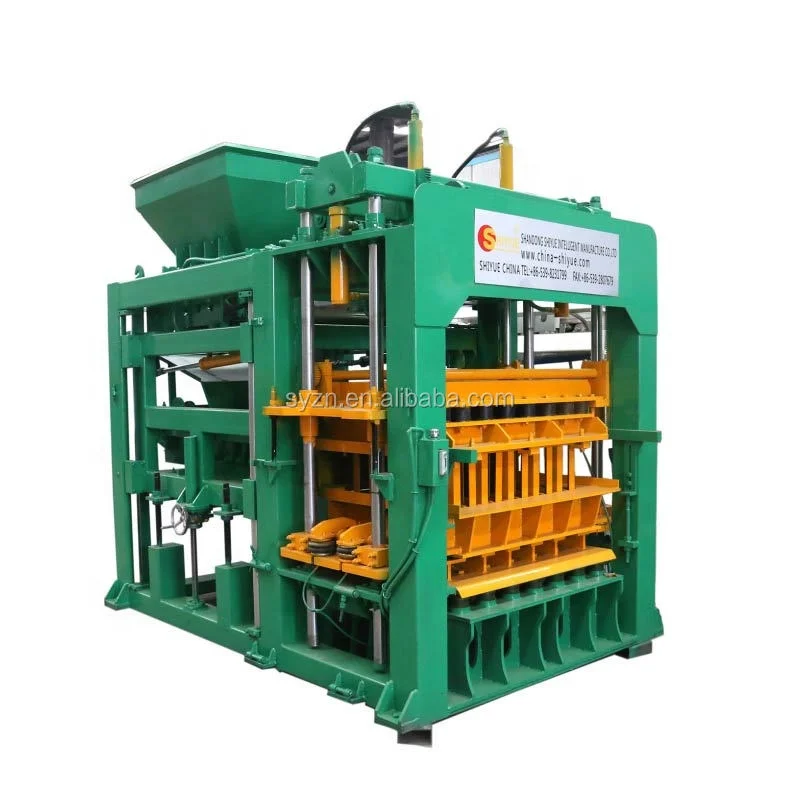
Matched System Configuration — QT10-15 block machine specifications tie every capacity figure to a specific mould format, cycle time, and per-mould quantity rather than a single catalogue peak.
Technical Specifications
| Parameter | Value |
|---|---|
| Model | QT10-15 |
| Product Type | Automatic Block Making Machine |
| Control System | PLC control cabinet |
| Hydraulic System | Independent integrated hydraulic station |
| Vibration Mode | Vertical station mode resonance, automatic FM-AM |
| Mould Formats | Hollow block, multicellular brick, paving brick, standard brick, interlocking brick |
| Cycle Time (Hollow & Solid) | 15–20 seconds |
| Cycle Time (Paving & Interlocking) | 20–25 seconds |
| Output: 400×200×200mm Hollow Block | 1800–2400 pcs/hour, 14400–19200 pcs/8hr (basis: 10 pcs/mould, 15–20s cycle) |
| Output: 400×150×200mm Hollow Block | 2160–2880 pcs/hour, 17280–23040 pcs/8hr (basis: 12 pcs/mould, 15–20s cycle) |
| Output: 240×115×53mm Solid Brick | 8928–11160 pcs/hour, 71424–89280 pcs/8hr (basis: 62 pcs/mould, 15–20s cycle) |
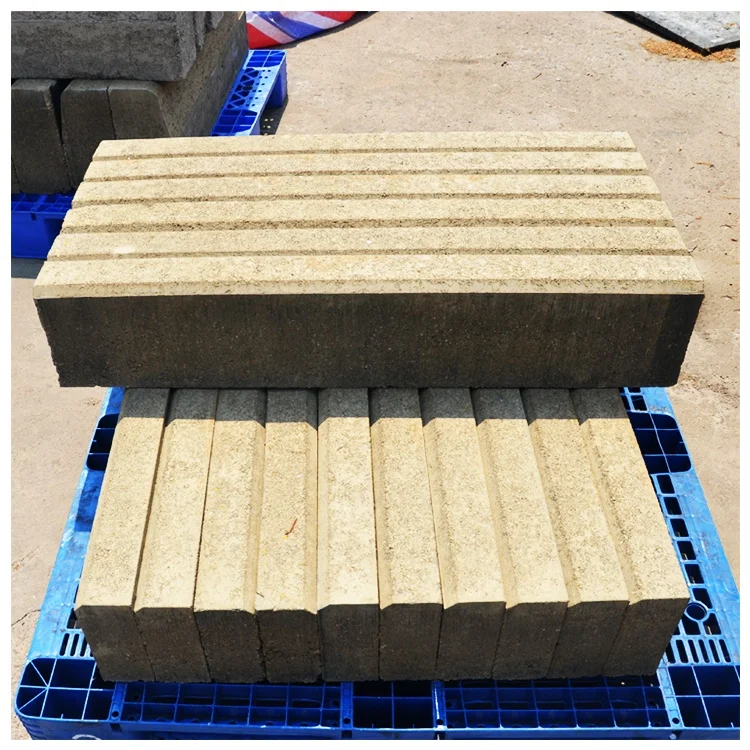
| Output: 200×100×60mm Paving Block | 5184–6480 pcs/hour, 41472–51840 pcs/8hr (basis: 27 pcs/mould, 20–25s cycle) |
| Output: 225×112.5×60mm Interlocking Brick | 4032–5040 pcs/hour, 32256–40320 pcs/8hr (basis: 24 pcs/mould, 20–25s cycle) |
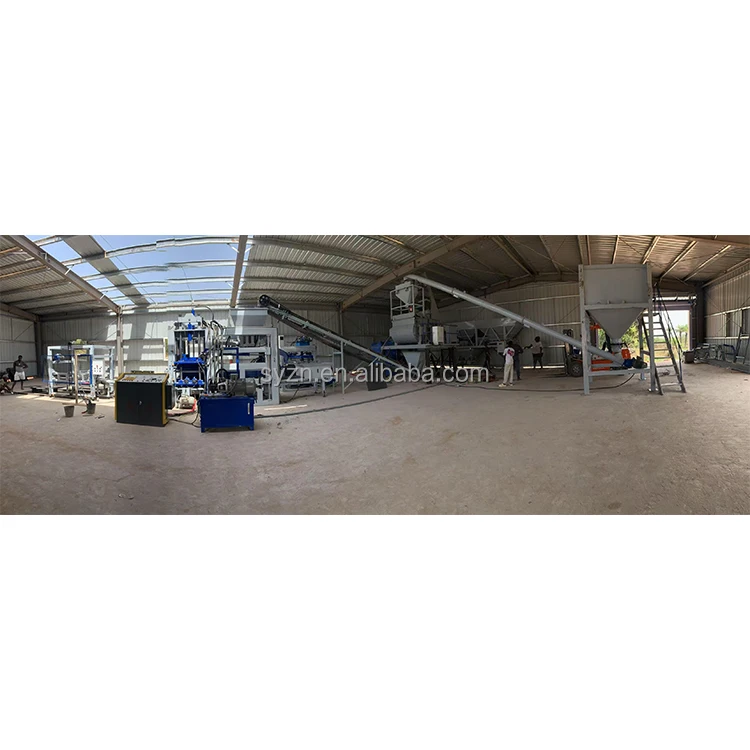
| Components Included | Pallet feed machine, block making machine, storage hopper, conveyor, hydraulic unit, PLC control cabinet |
| Automation Level | Automatic (PLC controlled with pallet feed, storage hopper, conveyor) |
| Rated Power | To be confirmed with manufacturer |
| Voltage & Frequency | To be confirmed with manufacturer |
| Overall Dimensions | To be confirmed with manufacturer |
| Pallet Size | To be confirmed with manufacturer |
| Warranty | 1 year for whole machine (excluding spare parts) |
Application Suitability
| Application | Material or Output |
|---|---|
| Hollow block production | Crushed stone, sand, cement, fly ash aggregates for load-bearing and partition walls |
| Solid standard brick production | Dense aggregate mixes for structural masonry and infill |
| Paving block production | Fine-graded sand and cement blends for pedestrian and vehicular surfaces |
| Interlocking brick production | Laterite, stone dust, and cement blends for dry-stack wall systems |
| Multicellular brick production | Lightweight aggregate or aerated mixes for thermal-insulation wall units |
What the QT10-15 Block Machine Specifications Reveal About Real Output
Every capacity number here is tied to a specific block size, mould count, and cycle time — not a single inflated headline figure.
When a quotation lists only "2400 pieces per hour" without naming the block format, buyers often discover on site that their primary product — say a 200×100×60mm paving block — runs at a different cycle and yields far fewer pieces per shift. The QT10-15 automatic block making machine capacity by format table above prevents that mismatch. I once saw a West African project stall for weeks because the quoted output assumed a hollow block cycle, while the market demanded interlocking pavers that required longer press time [NEED_CITE: block format assumptions in capacity quotations].
How Format Dictates Cycle Time and Daily Throughput
Hollow blocks and solid bricks complete their press cycle in 15–20 seconds on this machine, while paving and interlocking bricks need 20–25 seconds because higher density and surface finish requirements demand extended vibration. The automatic block making machine capacity by format table reflects this difference. A buyer running primarily 200×100×60mm pavers should plan around the 20–25 second cycle, not the faster hollow block rate, when calculating shift output and raw material procurement.
Matching Vibration Profile to Mould Geometry
The vertical station mode resonance system with automatic FM-AM adjusts vibration frequency and amplitude to the mould currently mounted. A tall hollow block mould requires a different energy distribution than a shallow paving block mould. Fixed-vibration machines force operators to compromise on one format [NEED_CITE: vibration tuning for concrete block density consistency]. The QT10-15 block machine specifications include this adaptive vibration so that block strength remains consistent across format changes within the same production shift.
Reading the Hydraulic and Vibration Numbers Together
The independent integrated hydraulic station sits apart from the main press frame, reducing exposure to vibration and dust that degrade valve response over time. Consistent hydraulic pressure is critical because block compressive strength depends on the combination of hydraulic clamping force and vibration energy applied to the mix. If hydraulic pressure drops mid-shift due to contaminated fluid or overheated valves, block density falls regardless of vibration settings. Buyers should request the hydraulic pressure rating and vibration force value together — neither number alone predicts block quality. The QT10-15 automatic block making machine capacity by format figures assume both systems operating at specification.
The Cost of Skipping Pallet and Curing Verification
Pallet size determines how many blocks fit per cycle and how they stack in the curing area. A buyer who selects a pallet that does not match existing curing racks or forklift fork dimensions faces double-handling from day one. Pallet material — timber, steel, or composite — affects block surface finish and pallet lifespan under repeated vibration cycles [NEED_CITE: pallet material selection for concrete block production]. These choices must be locked before production begins, not adjusted after the machine arrives.
Why Configuration Verification Matters Here
Every QT10-15 leaves the factory with mould, pallet, hydraulic, and control parameters set against the buyer’s confirmed mix design and target format. The machine, mould, and handling equipment are specified as a matched system from one source, so cycle time, pallet feed rate, and conveyor speed are synchronized rather than assembled from independent suppliers. Voltage, frequency, and PLC display language are confirmed in writing before the control cabinet is wired. Mould drawings are reviewed with the buyer to confirm that the formats ordered match local market dimensions. Factory test records document actual cycle times on the buyer’s chosen format before the machine is crated.
Documentation & Verification
- Line layout with capacity calculation stating each block format assumed for output figures
- Mould drawing and format list confirming dimensions against your local market standards
- Pallet specification matched to your curing rack spacing and forklift capacity
- Hydraulic and electrical schematic for local maintenance team reference
- Factory test record documenting cycle time on your chosen block format before dispatch
- Voltage, frequency, and PLC display language confirmed in writing prior to wiring
Installation, Commissioning & Support
- On-site assembly required; confirm foundation load-bearing capacity and curing area footprint before arrival
- Dedicated electrical circuit matching confirmed voltage and frequency for the PLC control cabinet and hydraulic station
- Hydraulic station filled and bled on site; first press cycle verified against factory test pressure readings
- PLC parameters tuned to local aggregate and mix design during commissioning, not left at default settings
- Operator training covers mould change procedure, cycle time adjustment, and daily hydraulic fluid inspection
- Wear parts and mould list provided so first replacements can be sourced before production begins
Preparing a Format-Accurate Inquiry
To size the QT10-15 against your actual production plan, share the specific block formats your market buys, the daily volume per format, and your local aggregate type so vibration and hydraulic parameters can be matched before the machine is built. Confirm your site voltage, frequency, and preferred PLC display language at inquiry stage. If you operate existing curing racks or forklifts, provide their dimensions so pallet size can be coordinated.
Frequently Asked Questions
Q: How is QT10-15 capacity verified per block format, and what cycle time applies to each?
A: Each output figure in the specifications is tied to a named block dimension, a per-mould piece count, and a measured cycle range. Hollow blocks and solid bricks run at 15–20 seconds; paving and interlocking bricks run at 20–25 seconds. Buyers receive a capacity calculation sheet stating which format each number assumes, so shift planning matches the product actually being sold.
Q: Which mould formats are standard, and how does format switching affect shift time?
A: The QT10-15 supports hollow block, multicellular brick, paving brick, standard brick, and interlocking brick moulds. Mould change time depends on the locking mechanism and operator familiarity. Buyers should request the documented change procedure and plan format switches at natural shift breaks to avoid losing production hours mid-run.
Q: How should the machine be configured for local aggregate and mix design?
A: Send a sample of your local aggregate and your target mix ratio before production. Vibration frequency, amplitude, and hydraulic pressure are then set against that specific mix during factory testing. This prevents the common problem where a machine configured for clean river sand underperforms when fed high-clay stone dust on site.
Q: What pallet size does the QT10-15 require, and how does it integrate with existing equipment?
A: Pallet size is determined during the proposal stage based on the mould format selected and the buyer’s curing rack dimensions and forklift capacity. Confirming pallet size and material before order placement prevents double-handling and ensures blocks move directly from the press to the curing area without manual re-stacking.
Q: What documentation is provided with the QT10-15 automatic block making machine?
A: Documentation includes a line layout with format-specific capacity calculations, mould drawings, pallet specifications, hydraulic and electrical schematics, factory test records on the buyer’s chosen format, operation and maintenance manuals, and a wear parts list. CE declaration is available where applicable. Voltage and PLC language are confirmed in writing before dispatch.