
Description
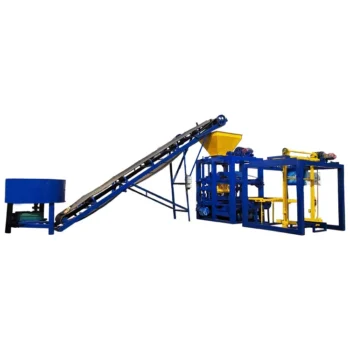
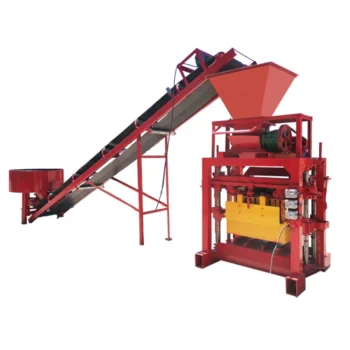
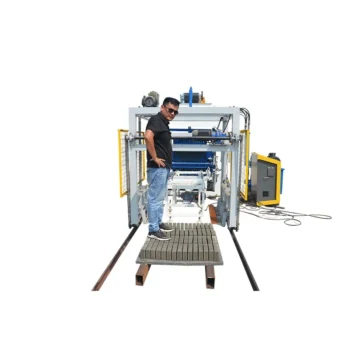
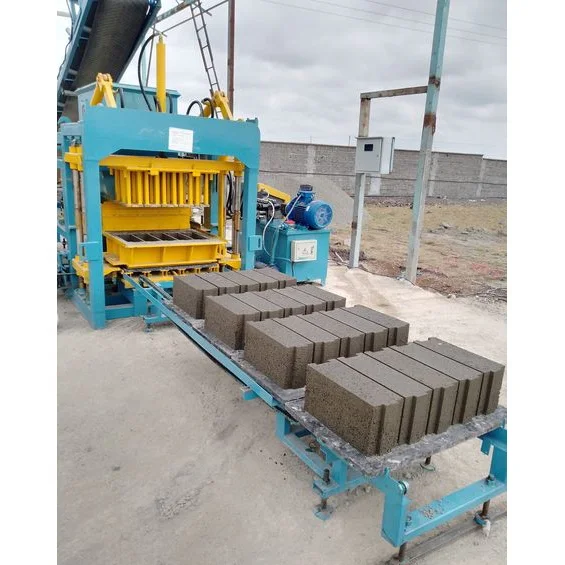
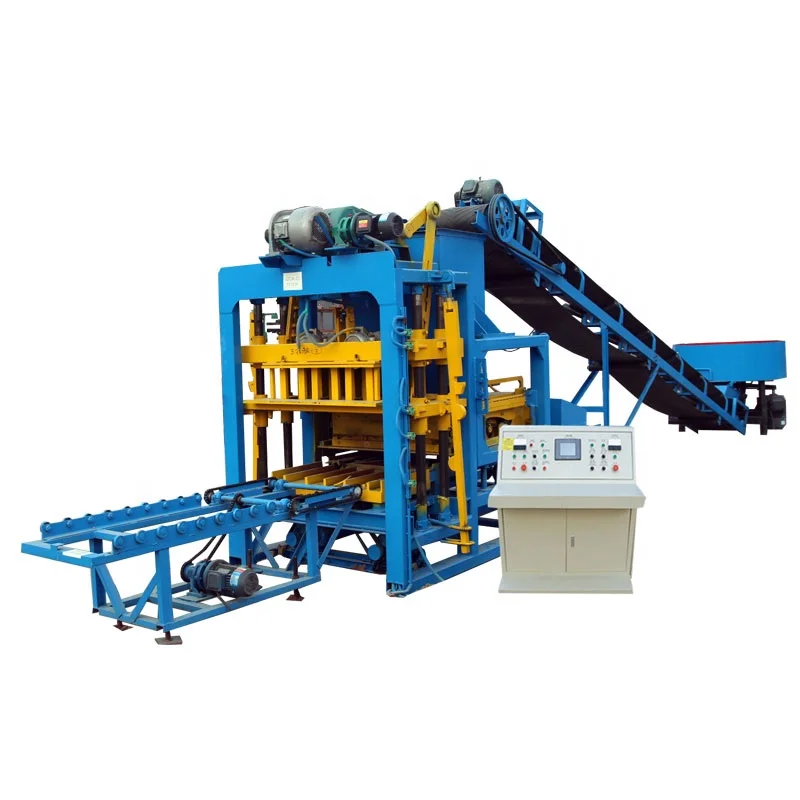
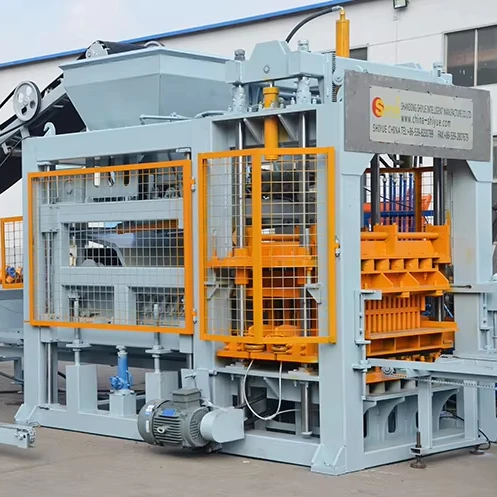
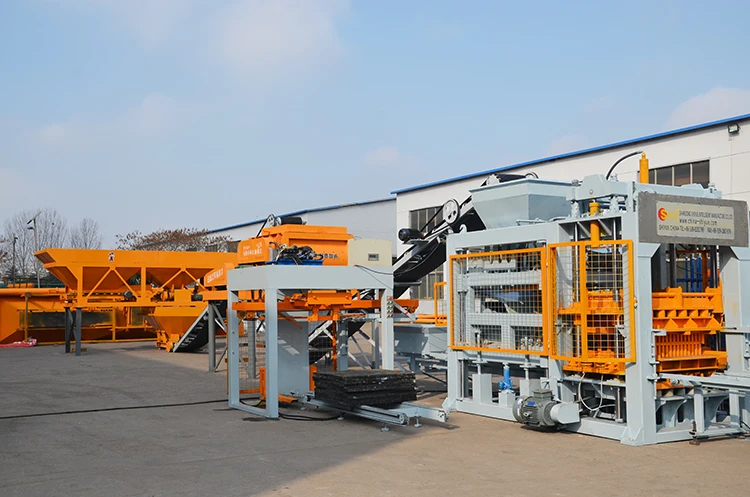
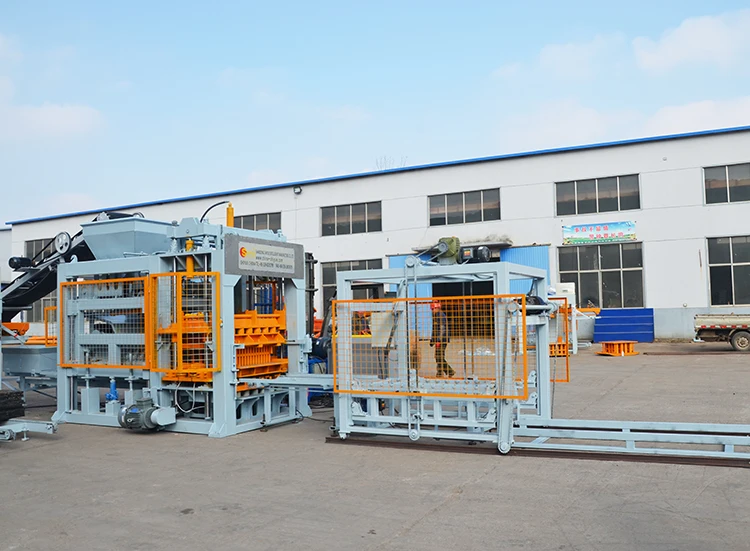
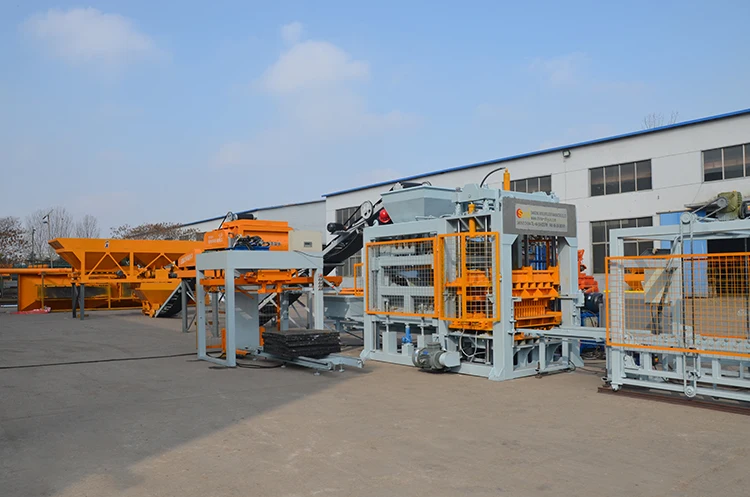
Matched System Design — the QT8-15 block machine, mould, pallet and handling line are specified together against your target block format and local aggregate, so capacity figures reflect what you will actually produce rather than a catalogue maximum.
Technical Specifications
| Parameter | Value |
|---|---|
| Model | QT8-15 |
| Product Type | Automatic Cement Block Making Machine |
| Host Machine Dimensions | 5870 × 2220 × 2850 mm |
| Host Machine Weight | 10 Tons |
| Molding Area | 950 × 900 mm |
| Host Machine Power | 47 kW |
| Vibration Force | 100 kN |
| Vibration Method | Hydraulic + Platform Vibration |
| Vibration Frequency | 2800–4500 Times/Minute |
| Molding Cycle Time | 15 Seconds (basis not stated in source) |
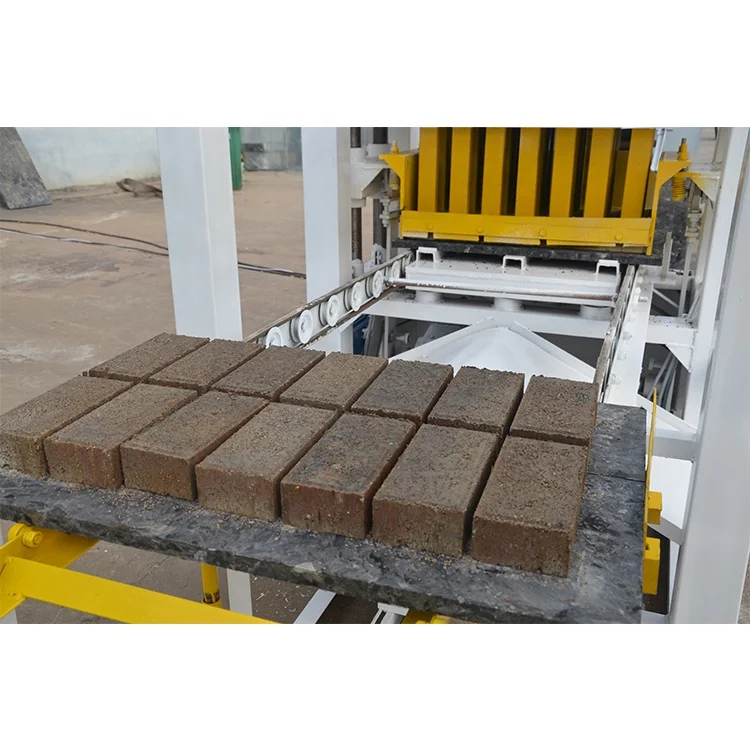
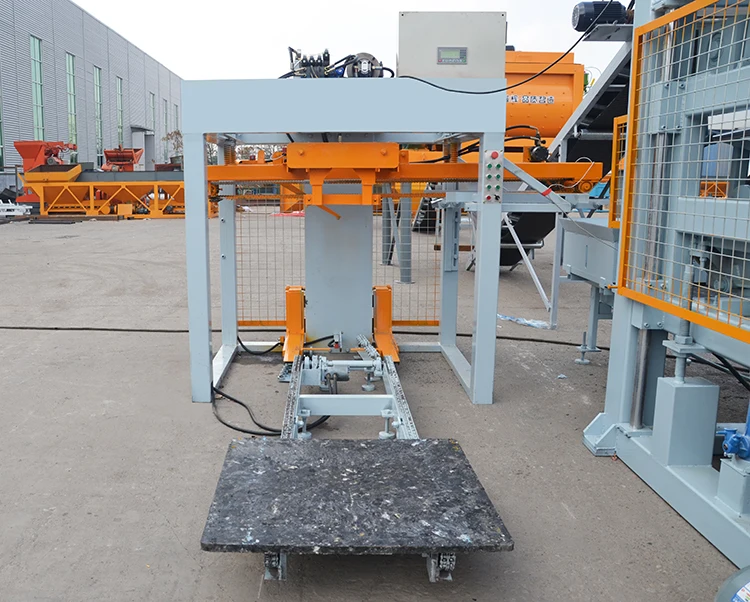
| Pallet Size | 950 × 900 × 25 mm |
| Control System | Siemens PLC with independently developed control program |
| Motor Brand | Germany SIEMENS or CE standard equivalent |
| Travel Switch | France Schneider / Japan Omron |
| Voltage | 220/380/415/440V (Customized) |
| Mould Heat Treatment | Carburizing treatment, hardness 54–58 HRC, lifespan 100,000+ cycles |
| Welding Standard | Carbon dioxide protection welding per CE standards |
| Automation Level | Automatic (pallet feeder, brick receiver, hydraulic station included) |
| Batching Machine | PLD1200, 1200L weigh-batch hopper, ingredient precision ±2% |
| Mixer | JS750, charging volume 1200L, discharging volume 750L, mixing motor 30 kW |
| Stacker | SY-8, power 3 kW, mobile pallet stack, weight 600 kg |
| Color Paver Option | Color feeding system available as add-on |
| Certification | CE |
| Warranty | 1 year for whole machine (excluding spare parts) |
Application Suitability
| Application | Material or Output |
|---|---|
| Hollow block production | Cement, crushed stone, sand, and fly ash blends for load-bearing and partition walls |
| Solid block production | Dense aggregate mixes for structural masonry and foundation work |
| Interlocking brick production | Fine-graded sand-cement mixes for mortarless wall systems |
| Paving block production | High-strength concrete with fine and coarse aggregate for pedestrian and light-traffic surfaces |
| On-site project production | Format-flexible output for housing developments switching between block types as phases progress |
What "15 Seconds per Cycle" Leaves Out About the QT8-15 Automatic Block Making Machine Specifications
Cycle time only matters when tied to a specific block format, mould design, and mix — without those, it is a meaningless number.
Many quotations for block machines quote a single cycle time or a daily output figure without specifying which block format was assumed, what mould was installed, or what aggregate blend was in the hopper. I have stood on job sites where the machine was technically capable but the vibration curve was set for a gravel mix the buyer could not source locally, so every block came out under-pressed and half the run was scrapped before lunch. The QT8-15 automatic block making machine specifications listed above include a 15-second cycle time, but that figure must be confirmed against your actual block format, thickness, and material before it can be translated into a daily production plan. [NEED_CITE: block format impact on cycle time and daily output in concrete masonry production]
Matching Vibration to Your Aggregate, Not a Default Setting
The hydraulic and platform vibration system on the QT8-15 delivers 100 kN of force across a frequency range of 2800 to 4500 cycles per minute. That range exists because different aggregates demand different compaction strategies. River sand with high clay content absorbs vibration energy differently from crushed granite, and a frequency that works for one will leave the other under-consolidated. Before we sign off on a machine configuration, I want to see your actual raw material — because I once spent a full week on site re-tuning pressure curves after a river sand mix with excessive silt turned every parameter assumption upside down. The QT8-15 automatic block making machine specifications become reliable only when paired with a trial run on your specific aggregate blend.
Pallet Sizing as a System Decision, Not an Afterthought
The standard pallet dimension of 950 × 900 × 25 mm was chosen to match the molding area, but the pallet material and thickness must also align with your curing area layout and forklift capacity. Bamboo pallets flex differently under load than PVC or steel-reinforced alternatives, and that flex affects block flatness during the critical first hours of curing. If your existing curing racks were built for a different pallet footprint, every pallet will need to be re-stacked by hand before it enters the rack — negating the benefit of the automatic SY-8 stacker that is part of the grouped equipment. [NEED_CITE: pallet material and curing rack compatibility in block production]
Decoding the Specification Sheet for Real Production Planning
The 47 kW host machine power rating covers the hydraulic station, vibration motors, and travel drives, but the full line draws considerably more when you account for the 30 kW JS750 mixer motor, the PLD1200 batching system, and the SY-8 stacker at 3 kW. Electrical planning must consider the total connected load plus starting surge, not just the press alone. The Siemens PLC with an independently developed control program manages cycle sequencing, but the language of the HMI display must be confirmed before production starts — I have seen machines sit idle for days at commissioning because the operator could not read the fault codes. The mould carburizing treatment reaching 54–58 HRC hardness means the tooling will withstand well over 100,000 cycles, but that lifespan assumes the mould is cleaned and stored properly between format changes rather than left bolted to the press under moisture exposure.
The Hidden Cost of Skipping Format-Specific Capacity Planning
When a machine is ordered based on a single headline output number rather than per-format capacity calculations, the buyer typically discovers the gap during the first month of production. A mould change that was supposed to take twenty minutes stretches into most of a shift because the quick-change system was not specified. The vibration settings that worked for hollow blocks produce cracking in thinner interlocking pavers. The batching accuracy of the PLD1200 at ±2% is sufficient for structural blocks but may need supplementary hand-dosing for color-faced pavers if the color feeding add-on was not included in the original order. [NEED_CITE: common commissioning issues in block machine installations due to incomplete line specification]
Why This QT8-15 Configuration Is Specified Around Your Product
The QT8-15 is not pulled from a catalogue default — machine, mould, pallet, and handling equipment are specified as one matched system so that cycle times at each station align and the press is never left waiting for material or pallets. Configuration is set against your actual mix design, local aggregate, and the block formats your market sells, not a generic setting. Mould design covers the formats you need, including custom drawings when standard options do not match your local building code dimensions. Automation is selectable, so you can begin with the standard pallet feeder and brick receiver and add higher-level stacking or cubing as your plant matures. The PLC program is independently developed, meaning parameter adjustments for new mix designs or formats can be made without waiting for third-party software updates.
Documentation & Verification
- Line layout drawing with capacity stated per block format and assumed cycle time
- Mould drawing and format list confirming every block size included in the quotation
- Hydraulic and electrical schematics showing component brands and circuit protection ratings
- Voltage, frequency, and PLC display language confirmation document signed before production
- Factory test record on your specified block format and mix before dispatch
- Packing photographs showing dismantling state and container loading plan
Installation, Commissioning & Support
- Foundation plan sized for the 5870 × 2220 mm host machine footprint and 10-ton operating weight
- Dedicated circuit planning for 47 kW host plus 30 kW mixer and auxiliary loads at your confirmed voltage
- Machine arrives dismantled with reassembly guided by hydraulic and electrical schematics
- On-site vibration and pressure parameter tuning against your local aggregate during commissioning
- Operator training covering PLC fault reading, mould change procedure, and daily maintenance checks
- Wear parts and mould supply list with lead times for first replacement cycle
What We Need From You to Build an Accurate Quotation
To move past generic specifications and give you a capacity calculation you can actually plan around, we need to know which block formats your market buys most, the local aggregate and cement you will use, and the daily output you are targeting per format. Share your existing curing area dimensions and forklift capacity so we can match pallet specification accordingly. Confirm your site voltage, frequency, and preferred PLC display language early — these details hold up commissioning far more often than machine capability does.
Frequently Asked Questions
Q: How is daily output calculated for each block format on the QT8-15, and what cycle time applies per format?
A: Daily output is calculated by multiplying the cycle time for a specific block format by the number of blocks per mould, then factoring in pallet return time, mould change intervals, and planned maintenance windows. The 15-second base cycle varies by block thickness, height, and mix design, so we provide a per-format breakdown tied to the exact moulds you order.
Q: How do I confirm the mould matches the block sizes my market actually sells?
A: We start with your local building code dimensions and the formats your distributors stock. Mould drawings are submitted for your approval before manufacturing, showing cavity count, block dimensions, and the quick-change mounting interface. Mould change time is stated in the proposal so you can plan format rotation across your production week.
Q: How is vibration force and hydraulic pressure matched to my local aggregate for consistent block strength?
A: We request a sample of your aggregate blend and run trial pressings to map the relationship between vibration frequency, hydraulic pressure, and resulting block density. The 100 kN vibration force and 2800–4500 cycles-per-minute range give us room to adjust. Parameters from that trial are loaded into the PLC before the machine ships. [NEED_CITE: aggregate testing protocols for block machine parameter calibration]
Q: What pallet size and material should I choose given my curing area and handling equipment?
A: The 950 × 900 mm pallet footprint is fixed by the molding area, but material — bamboo, PVC, or composite — is chosen based on your curing rack spacing, ambient humidity during curing, and forklift tine width. We cross-reference your existing handling setup before confirming the pallet specification in the quotation.
Q: How do I confirm voltage, frequency, and PLC language before shipment to avoid commissioning delays?
A: Voltage and frequency are confirmed in writing during the proposal stage, and the PLC HMI language is locked before the control panel is assembled. We supply a confirmation document listing all three so there is no ambiguity when the machine arrives and your electrician begins wiring.