
Description
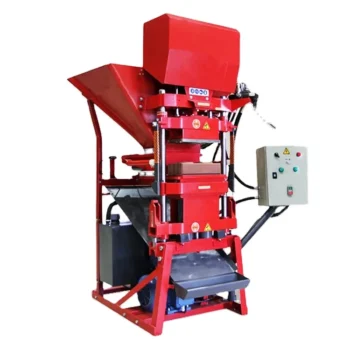
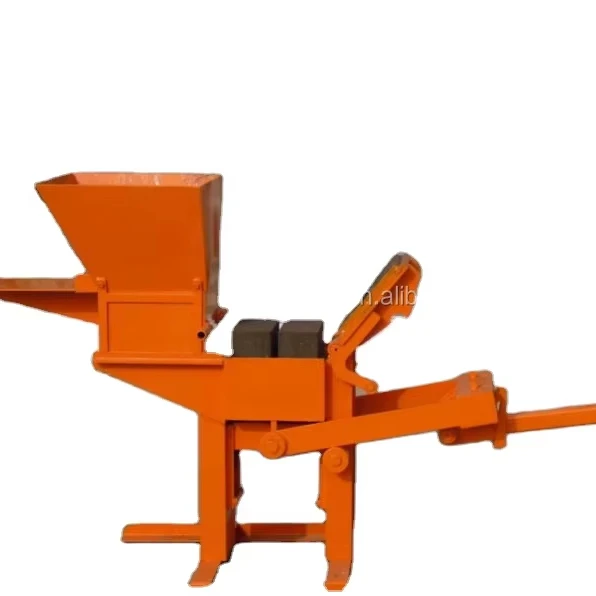
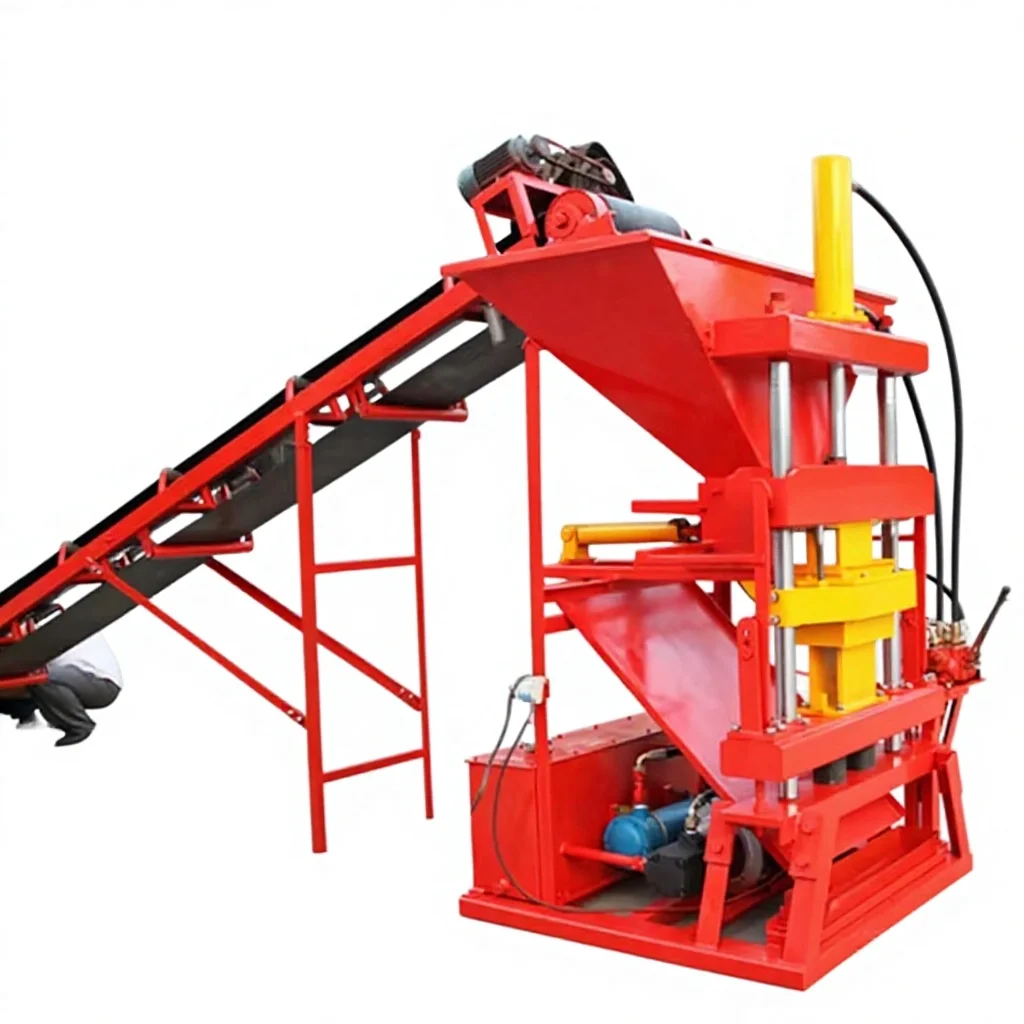
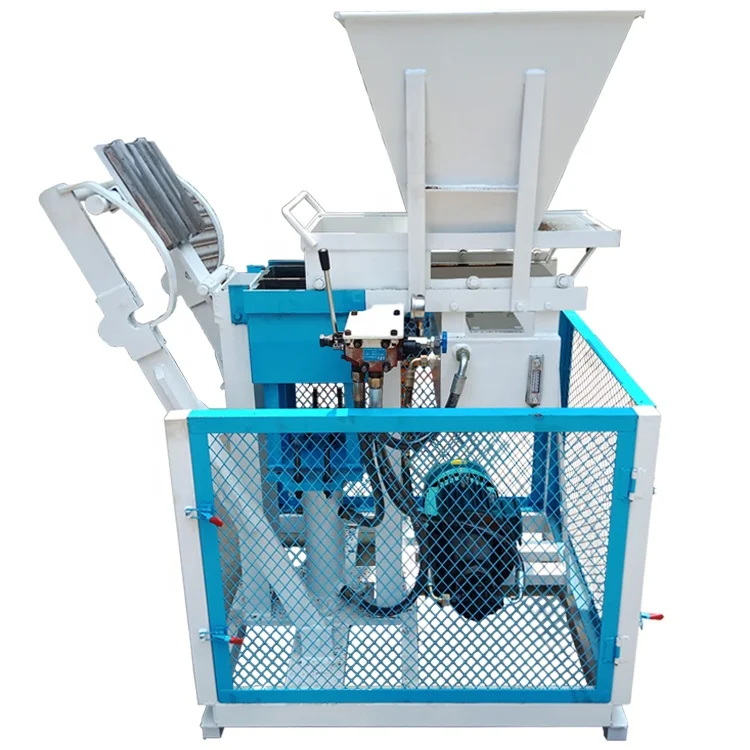
Mould and capacity matched to your block — The ECO BRB clay interlocking block machine is configured around the interlocking profile, hydraulic pressure and cycle time your market actually sells, not a generic catalogue default.
Technical Specifications
| Parameter | Value |
|---|---|
| Model | ECO BRB |
| Product Type | Clay Interlocking Block Machine |
| Overall Dimensions (L×W×H) | 1490 × 980 × 1970 mm |
| Pressure Type | Hydraulic |
| Pallet System | No pallet required (egg-laying type) |
| Molding Cycle | 15–20 s (format and material dependent) |
| Total Power | 4.5 kW |
| Total Mass | 850 kg |
| Raw Material Compatibility | Cement or clay-based mix |
| Daily Capacity | about 3800 pcs/shift (basis not stated in source — confirm block format, material and wall thickness) |
| Warranty | 1 year |
Application Suitability
| Application | Material or Output |
|---|---|
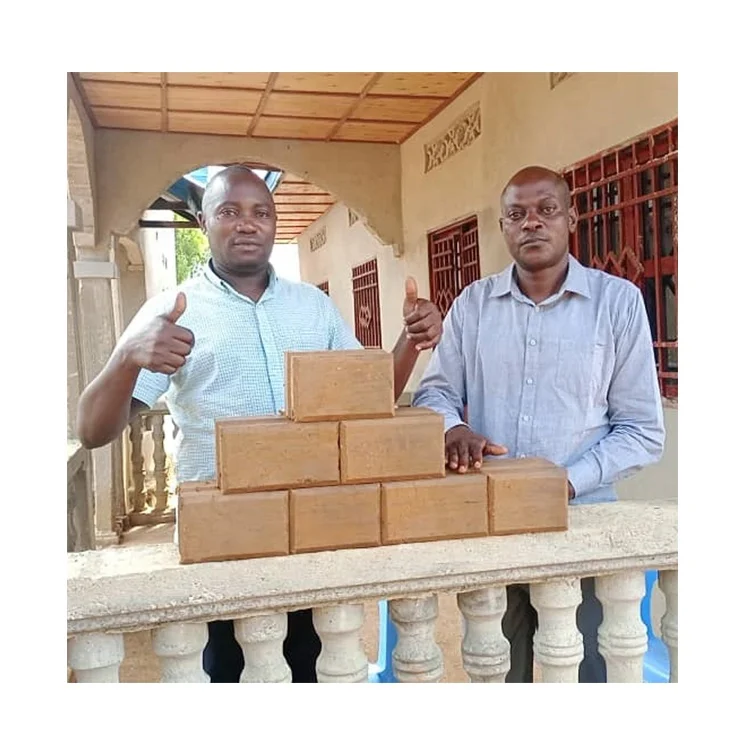
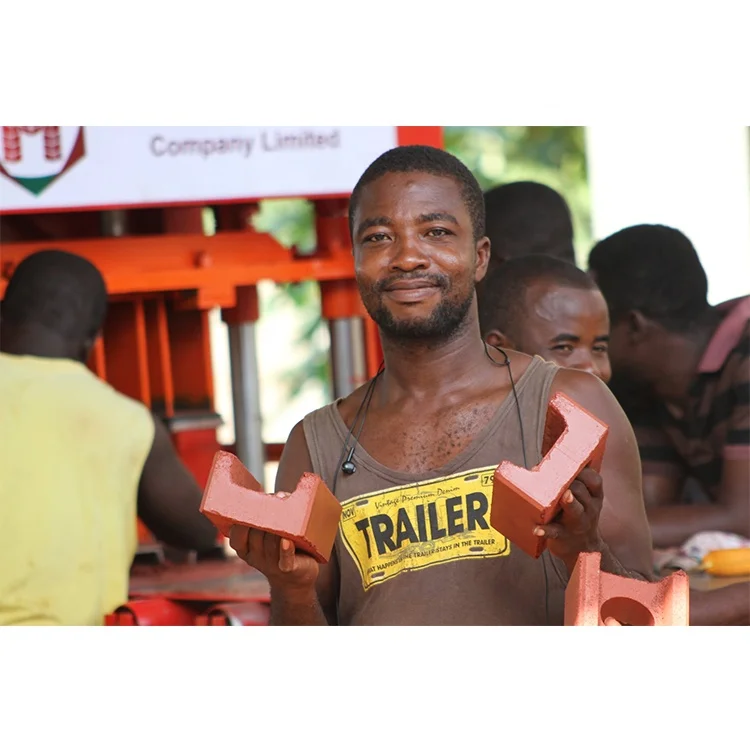
| Interlocking brick production for housing projects | Local clay mixed with a cement binder, laid directly on the ground |
| Paving block manufacturing for walkways and yards | Cement and fine aggregate mix, egg-laying on a prepared concrete floor |
| Solid brick runs for small workshops | Clay or cement-based material where pallet infrastructure is absent |
| On-site production for infrastructure contractors | Soil and cement blends at remote locations without curing rack space |
What "3800 Pieces per Shift" Actually Means for Your Site
A daily capacity figure is only honest when it names the block format, wall thickness and mix it was measured on.
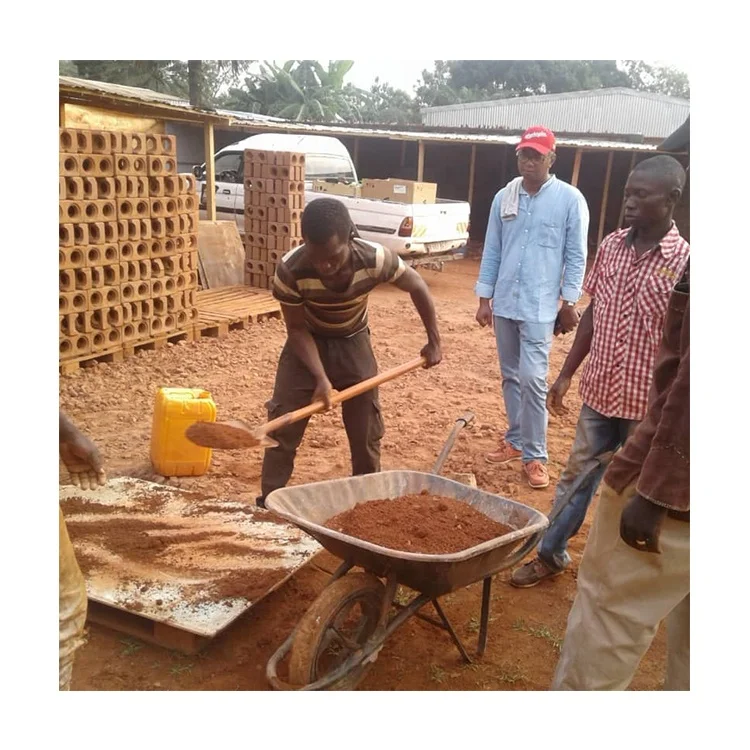
Most clay interlocking block machine quotations lead with a single output number. That number usually assumes a small, thin solid brick running in perfect conditions. Switch to a thicker interlocking profile with deeper cavities and the cycle time stretches, meaning the shift total drops. I recall a contractor in East Africa who ordered an egg-laying press for a housing project, expecting a specific daily volume based on the quoted cycle. His local red clay held more moisture than the standard test material, and the cycle lengthened enough to cut real output noticeably. It took a reset of the vibration parameters and mould clearance to bring production back in line. When evaluating clay interlocking block machine specifications, the conversation must start with your exact block drawing and a sample of your local soil [NEED_CITE: effect of clay moisture content on block molding cycle time].
Cycle Time Read Against the Block Profile
The 15–20 second molding cycle listed for the ECO BRB is a range, and where your production lands within it depends on the interlocking profile. A shallow paver releases quickly, while a tall interlocking brick with deep lug channels needs the hydraulic pressure to hold longer so the green block can stand without slumping. Buyers often compare two machines by their stated cycle alone, but a faster cycle that produces a soft block you cannot stack is no gain at all. The hydraulic pressure and dwell must be set for the specific geometry you intend to run.
Pallet-Free Layout Changes Your Floor Plan
Egg-laying operation means each block is pressed directly onto the ground and the machine moves forward, leaving the block in place to cure. This removes pallets, pallet return conveyors and curing racks from the line entirely. For a contractor setting up on a project site or an entrepreneur with limited workshop floor, that reduction in supporting equipment is the difference between a viable layout and one that simply does not fit. The trade-off is that the curing area must be a flat, prepared surface large enough to hold a full shift of output before the blocks gain enough strength to be moved [NEED_CITE: floor preparation standards for egg-laying block production].
Reading the Core Specifications
The 4.5 kW total power is modest, reflecting the absence of a pallet feed motor, stacker and conveyor drives that a static plant would carry. This makes the ECO BRB suitable for sites where power supply is limited or supplied by a generator. Hydraulic pressure is the primary forming force, and its rating must match the density your interlocking brick specification requires — too low and the block edges crumble when demoulded, too high and fine clay mixes squeeze out of the mould box before full compaction. The 850 kg total mass keeps the machine movable by a small forklift or even manually on its own wheels, which matters when you relocate between project sites. Raw material flexibility between cement and clay allows one machine to serve different markets, but the mix design must be validated with your actual local aggregate before the mould is finalised.
The Cost of Skipping Mix Validation
When the machine arrives configured for a standard mix that your local clay or aggregate cannot replicate, the first production run becomes a troubleshooting exercise. Blocks crack during curing, interlocking lugs break off during handling, or surface finish fails the buyer’s visual standard. The delay is not just lost output — it is the cost of shipping replacement wear parts, the shipping time for a re-cut mould, and the standing time of paid labour waiting for the line to run correctly. These problems are almost always traceable to a specification conversation that never included a local material sample [NEED_CITE: common causes of green block failure in clay interlocking production].
Why Buyers Source This Machine Here
Block machinery is the single focus of the operation, so the press, mould and hydraulic settings are specified as one matched system rather than assembled from separate suppliers. Configuration is set against the buyer’s actual mix design and target block format, not a catalogue default. Mould design covers the interlocking profiles the buyer’s market sells, with custom profiles produced to buyer drawings when a standard catalogue shape does not match. The egg-laying format eliminates pallet infrastructure from the quotation entirely, so the price reflects only what the buyer needs to produce. Installation support includes on-site parameter adjustment for local material conditions, addressing the moisture and aggregate variation that a factory test cannot simulate.
Documentation & Verification
- Machine specification sheet listing hydraulic pressure rating and cycle time per interlocking format
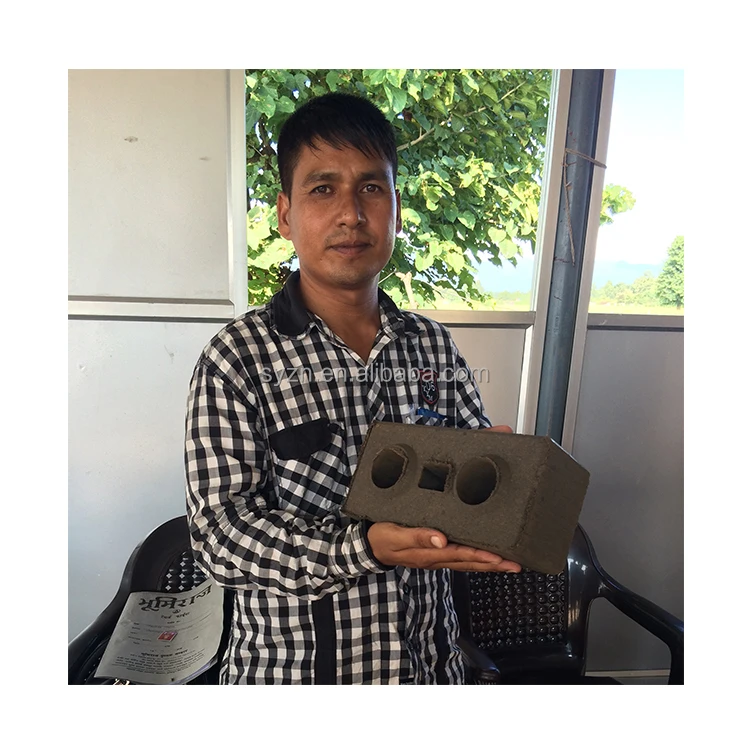
- Mould drawing confirming the interlocking lug profile and cavity dimensions your market requires
- Capacity calculation sheet stating the exact block format assumed for the shift output figure
- Voltage and frequency confirmation record matching your site supply before production begins
- Factory test record on your specified clay or cement mix before dispatch
Installation, Commissioning & Support
- Level concrete floor required for egg-laying; 1490 × 980 mm machine footprint defines the minimum curing bay width
- 4.5 kW total draw needs a dedicated single circuit; generator sizing must account for hydraulic motor inrush current
- Machine ships as one assembled unit at 850 kg; offload with a small forklift or crane at site
- First-run parameter tuning on your local clay or cement mix during commissioning to set hydraulic dwell
- Operator training covers mould change procedure and daily hydraulic oil level check
- Wear parts list supplied at delivery identifying mould liner and hydraulic seal replacement intervals
Starting the Specification Conversation
To size the ECO BRB correctly for your project, share the interlocking brick drawing or photograph that your market sells, along with the wall thickness and any required lug profile. Provide a description of your local clay type and the cement you plan to blend with it, or send a small sample for a test run. Confirm your site voltage and frequency so the motor and control components are wound and rated correctly before the machine leaves the factory.
Frequently Asked Questions
Q: What block format is the daily capacity figure based on?
A: The quoted shift output is based on a specific standard format. When you switch to a larger or thicker interlocking brick, the cycle time extends and daily volume changes. We provide a capacity calculation that names your exact block format, wall thickness and mix, so the number you plan against is the number the machine will deliver on your floor.
Q: How is the mould matched to my local interlocking brick shape?
A: We review the profile, lug pattern and dimensions your market requires. If a standard catalogue mould fits, we supply it directly. If your buyers expect a custom interlocking geometry, we produce the mould to your drawing and test it against your material before the machine ships.
Q: What clay mix does the ECO BRB need to run correctly?
A: The machine handles both clay and cement-based mixes, but the hydraulic dwell and mould clearance must match your specific material. We ask for a local clay sample or a detailed description of your aggregate so the configuration is set before production, avoiding trial-and-error on your site.
Q: Will the machine arrive wired for my site voltage and frequency?
A: Voltage and frequency are confirmed during the specification stage and the motor and control components are wound accordingly. This step happens before production begins so the machine can be commissioned on arrival without waiting for a transformer or rewiring.
Q: How long does a mould change take on the ECO BRB?
A: Mould change involves releasing the retaining bolts, lifting the current mould out and seating the replacement. On a machine of this size the swap can be completed within a single shift break, allowing you to run more than one interlocking or paving format in the same working day when your orders require it.