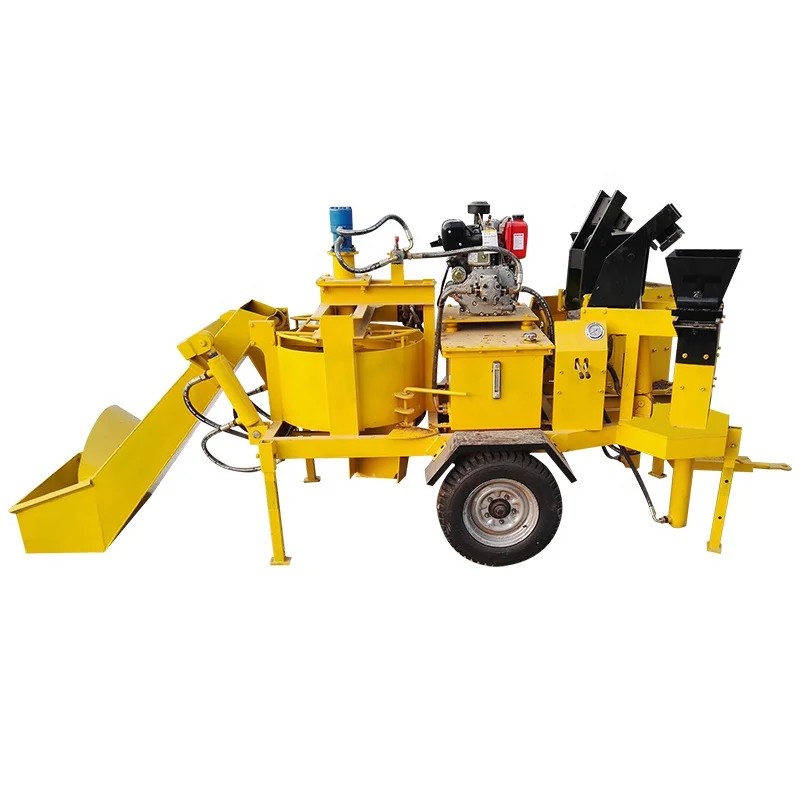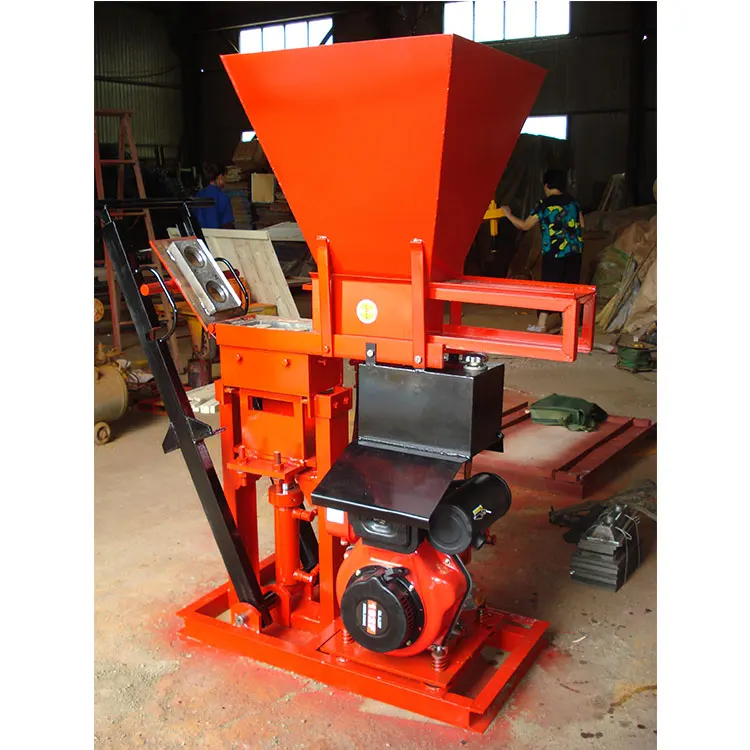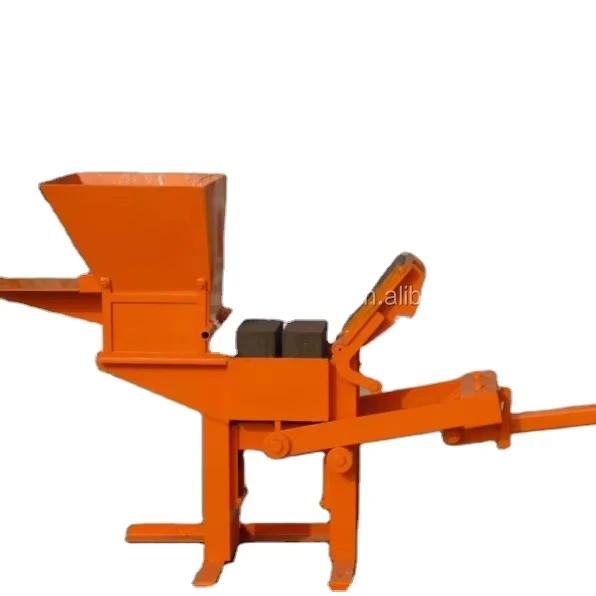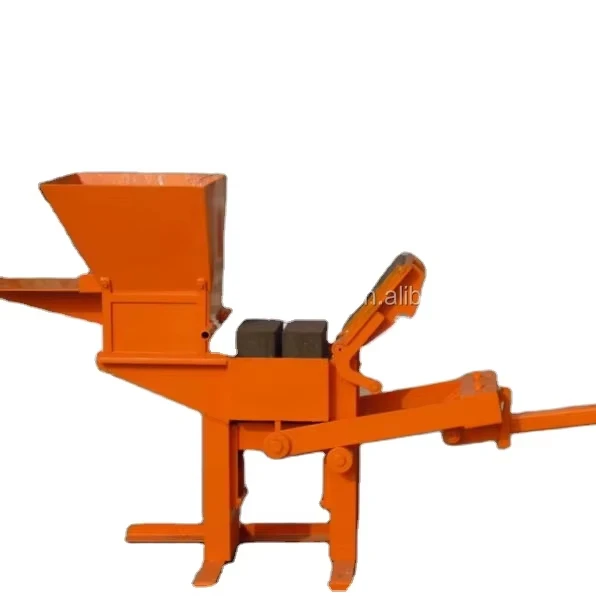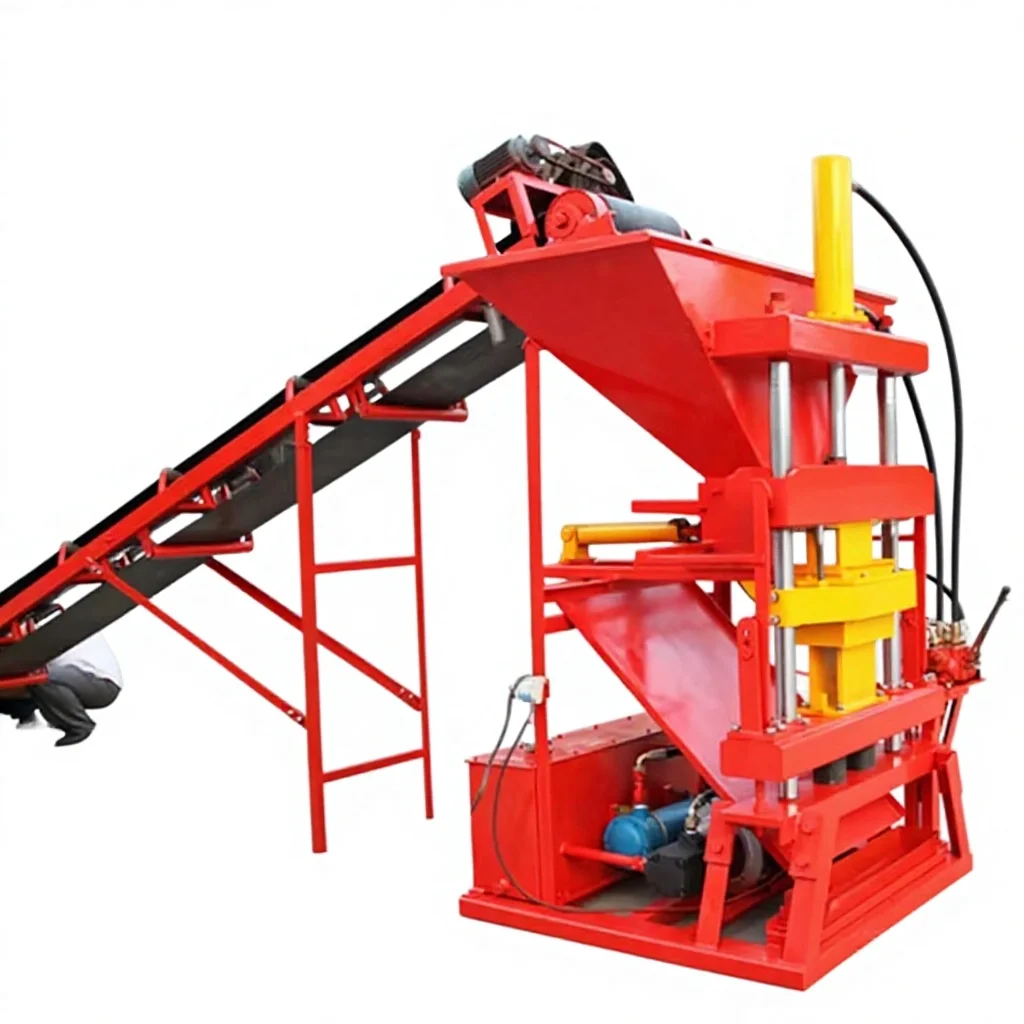
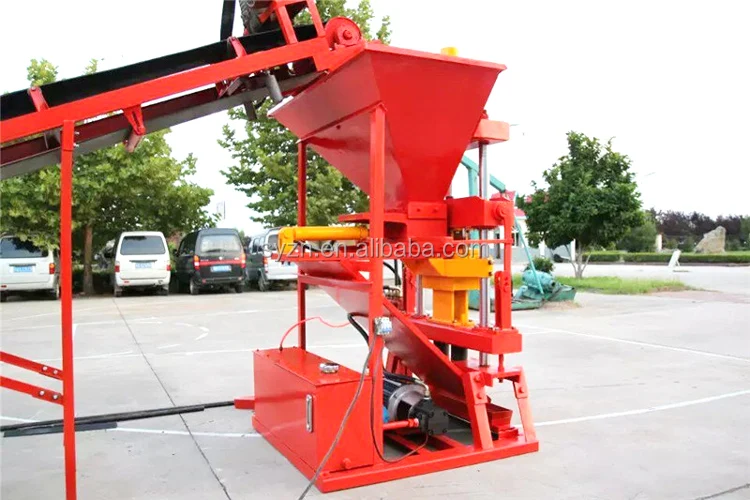
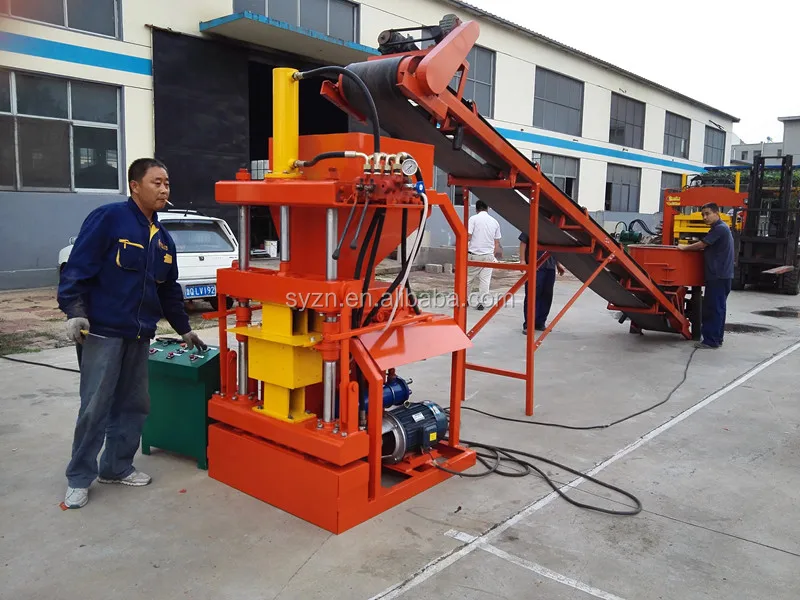
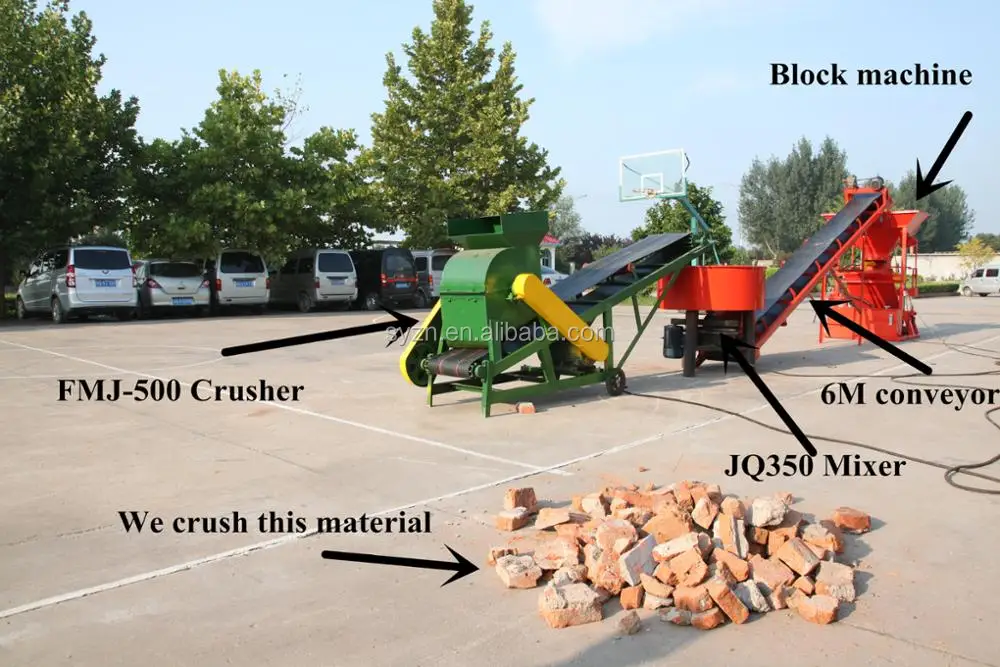
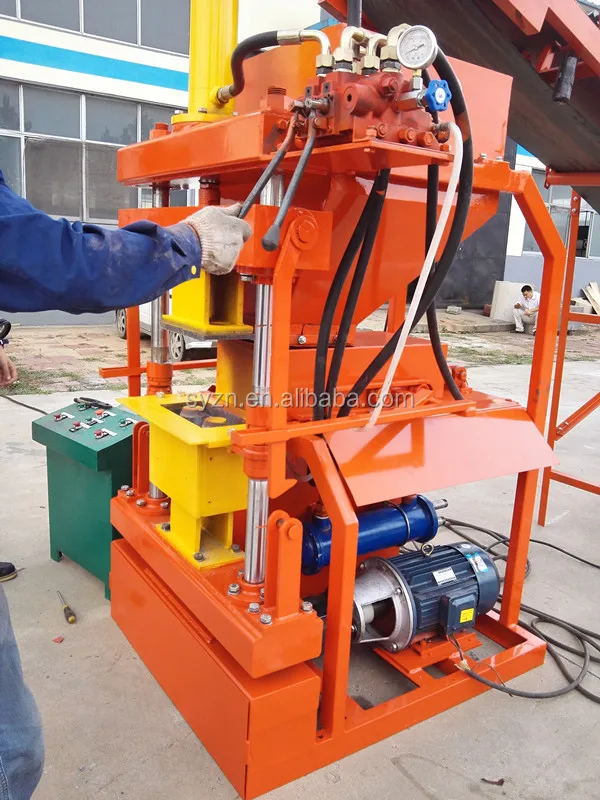
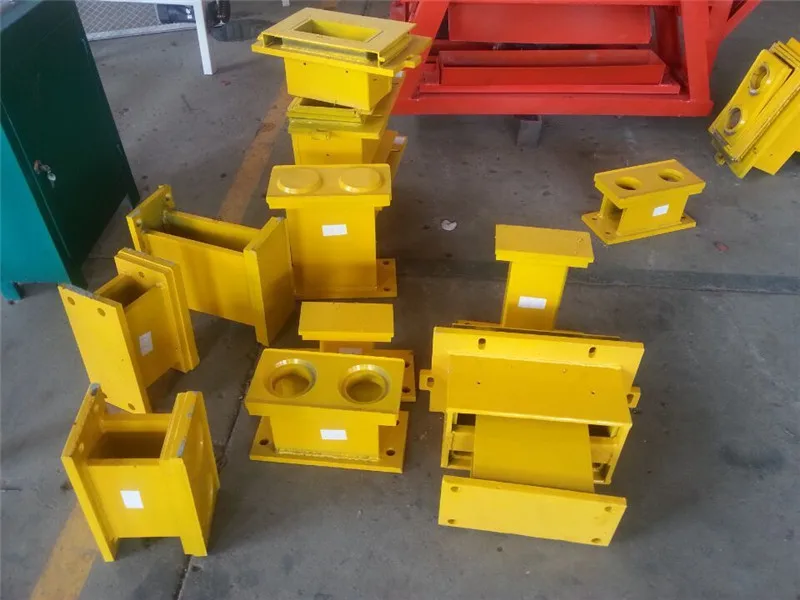
Description
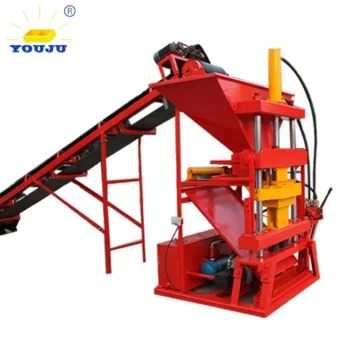
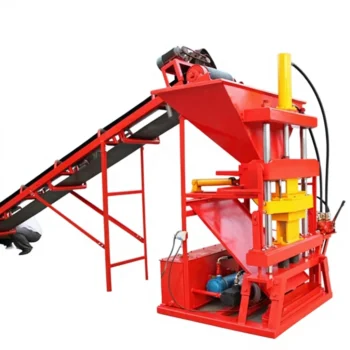
Configuration matched to your local clay — Every ECO 2700 leaving our Linyi workshop is set against the buyer’s actual soil sample and target interlocking profile, not a generic catalogue default.
Technical Specifications
| Parameter | Value |
|---|---|
| Model | ECO 2700 |
| Product Type | Clay Interlocking Brick Making Machine |
| Overall Dimensions (L×W×H) | 1600 × 1300 × 2330 mm |
| Total Mass | 1100 kg |
| Power Source | 7.5 kW / 12 hp diesel engine |
| Hydraulic Pressure | 16 MPa |
| Molding Cycle | 10–15 s per stroke (varies with block format and material proportion) |
| Output Capacity | 2800 pcs/day (basis not stated in source — confirm block format, material, and thickness) |
| Compatible Raw Materials | Clay, cement, sand, soil, shale, fly ash, white lime |
| Achievable Block Strength | Above 12 MPa when mix and pressure are matched |
| Mould Change System | Manual bolt and lever adjustment |
| Hydraulic Oil Cooling | Temperature-controlling switch |
| Automation Level | Manual or semi-automatic operation with hydraulic drive |
Application Suitability
| Application | Material or Output |
|---|---|
| On-site interlocking brick production for housing projects | Locally sourced clay blended with small cement fraction |
| Small workshop adding interlocking format to existing solid block range | Clay, sand, and fly ash mixes with varying plasticity |
| First-line setup for entrepreneurs entering the interlocking brick market | Soil and shale combinations where fired brick is restricted |
| Rural and community building programs using compressed earth blocks | High-clay-content soil stabilized with white lime or cement |
What "2800 Pieces per Day" Actually Means for Your Interlocking Format
Daily output only holds true when the cycle time, mould profile, and clay mix are all stated together.
I have watched buyers receive a machine rated at a headline number, then spend weeks discovering their specific interlocking profile needs a longer compression stroke and a different moisture window. The ECO 2700 clay interlocking brick machine specifications must be read against the exact block you plan to sell — a thinner paving-style interlock cycles differently from a thick load-bearing profile. When the format is not named in the capacity line, the daily number becomes a starting point for negotiation, not a guarantee [NEED_CITE: capacity calculation methods for block making machinery].
Mould Profile Determines the Real Cycle
The 10–15 second molding cycle range exists because each interlocking profile demands a different compression dwell. A simple two-hole interlock with generous draft angles releases quickly, while a multi-key profile with tight interlocking lips requires the hydraulic ram to hold pressure longer so the clay body does not crack on withdrawal. Before we quote a daily figure, we ask for the exact profile drawing or a sample brick from your market so the mould and cycle are paired from the start.
Matching Hydraulic Pressure to Clay Plasticity
Sixteen megapascals of hydraulic pressure sits in the middle of the range for compressed earth and clay-based interlocks. If your local clay has high sand content and low plasticity, running the press at full pressure without adjusting moisture can cause lamination cracks inside the brick. We set the pressure relief valve during the factory test using your shipped soil sample, so the ECO 2700 arrives with a baseline that already accounts for your material rather than a generic red-earth standard.
Reading the Specs That Affect Your Floor Plan
The 1600 × 1300 mm footprint is compact enough for a single-bay workshop, but the 1100 kg mass means the machine needs a level concrete pad rather than compacted earth — vibration during the compression stroke will walk a lightly anchored unit off position over a shift. The temperature-controlling switch on the hydraulic circuit prevents oil thinning in hot climates, which matters when ambient workshop temperatures push past forty degrees and the press is cycling continuously. Pallet size is not listed in the base specification sheet, so confirming the pallet dimension against your existing curing racks and forklift fork width is a necessary step before production begins [NEED_CITE: pallet and curing area compatibility in block plants].
The Cost of Skipping the Soil Sample
Buyers who skip sending a raw material sample before shipment almost always face a commissioning delay. The machine arrives set for a standard clay body, and the local soil turns out to need a higher moisture percentage or a different cement ratio to reach the 12 MPa strength threshold. Reworking the mix on-site burns through raw material, wears the mould faces prematurely, and pushes the first commercial delivery back by days or weeks. We now treat a sample test as a non-negotiable step in the sales sequence [NEED_CITE: raw material variability and block strength consistency].
Why the Specification Conversation Starts Here
We focus on block machinery and nothing else, which means the press, mould, pallet, and handling equipment are specified as a single matched set. The ECO 2700 is configured around the interlocking format your market actually buys, with capacity calculated per profile rather than per generic cycle count. Mould design — including custom profiles from your drawings — is done in-house, so the cavity geometry and the hydraulic stroke are validated together. If your operation grows, the semi-automatic hydraulic drive can be paired with additional pallet handling and stacking equipment later, keeping the initial investment contained while leaving a clear upgrade path.
Documentation & Verification
- Line layout showing the ECO 2700 position, pallet flow, and curing rack spacing
- Capacity calculation sheet naming the exact interlocking profile and mix assumed
- Mould drawing and profile list confirming included and custom formats
- Hydraulic and electrical schematic for on-site troubleshooting
- Factory test record run on your shipped clay sample before dispatch
- Operation and maintenance manual with mould change procedure
Installation, Commissioning & Support
- Concrete pad requirement based on the 1100 kg mass and vibration load during pressing
- Diesel engine fuel specification and spare filter part numbers provided at shipment
- Hydraulic pressure relief valve set to your clay sample test result during factory run
- Mould change training using the bolt-and-lever system so operators can swap profiles independently
- Wear parts list covering mould liners and hydraulic seals with reorder part numbers
- Cooling system check interval for the temperature-controlling switch in high-ambient workshops
What to Send with Your Inquiry
To size the ECO 2700 clay interlocking brick machine specifications to your project, share the interlocking profile drawing or a photograph of a brick currently sold in your market, the local clay or soil type you plan to use, and your target daily output. If your workshop already has curing racks or a specific pallet size in use, include those dimensions so the pallet feeding and handling can be matched. Let us know whether the standard diesel engine suits your site or if an electric motor option with your local voltage and frequency is preferred.
Frequently Asked Questions
Q: What block format is the 2800 pcs/day capacity based on?
A: The source document does not state which interlocking profile or thickness the 2800-piece figure assumes. We calculate realistic daily output only after confirming your exact mould profile, material mix, and target brick thickness, then provide a capacity sheet that names the format behind every number.
Q: Which clay and soil mixes are compatible with the ECO 2700?
A: The press handles clay, soil, shale, fly ash, sand, and cement blends. The critical factor is plasticity — high-sand soils need more cement stabilization and adjusted moisture to reach above 12 MPa. We run your shipped sample on our test rig to confirm the mix before the machine leaves the workshop.
Q: How long does a mould change take on this machine?
A: The ECO 2700 uses a manual bolt and lever adjustment system. A trained operator can typically complete a profile swap within a single shift break once familiar with the procedure. We include the required tool set and a step-by-step changeover guide with each machine shipment.
Q: Is an electric motor option available instead of the diesel engine?
A: Yes, an electric motor can replace the standard 7.5 kW diesel unit. We need your site voltage, frequency, and phase specification confirmed before production so the motor, wiring, and control panel match your supply and avoid commissioning delays on arrival.