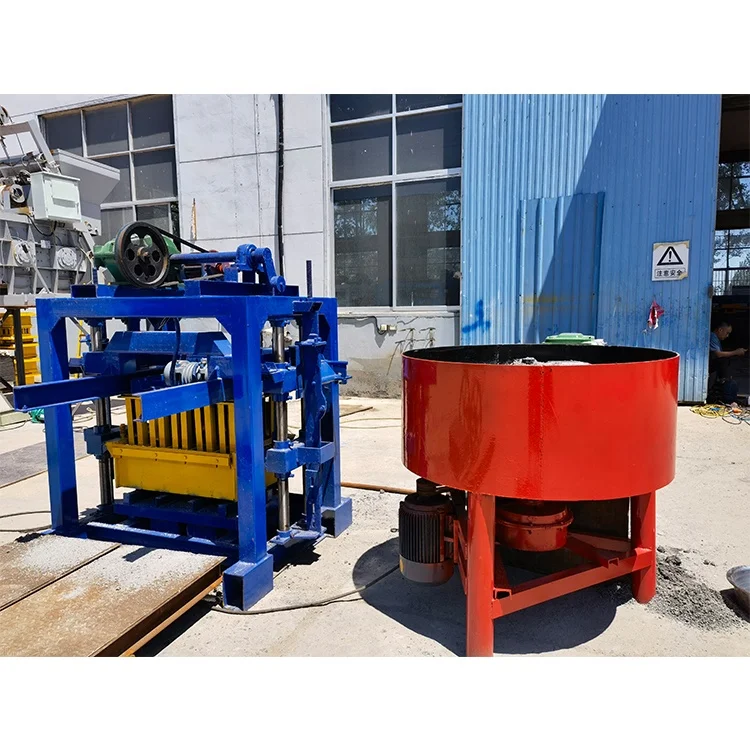
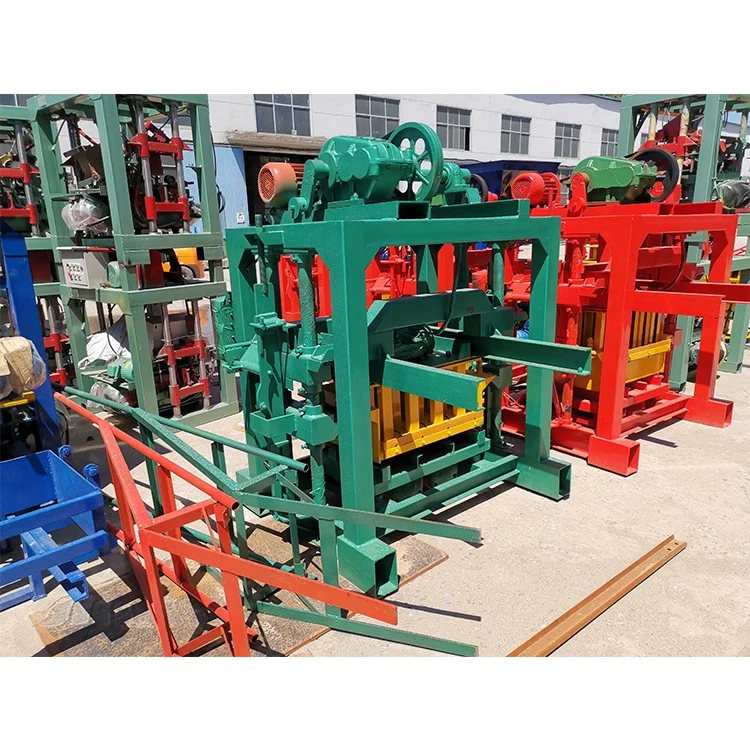
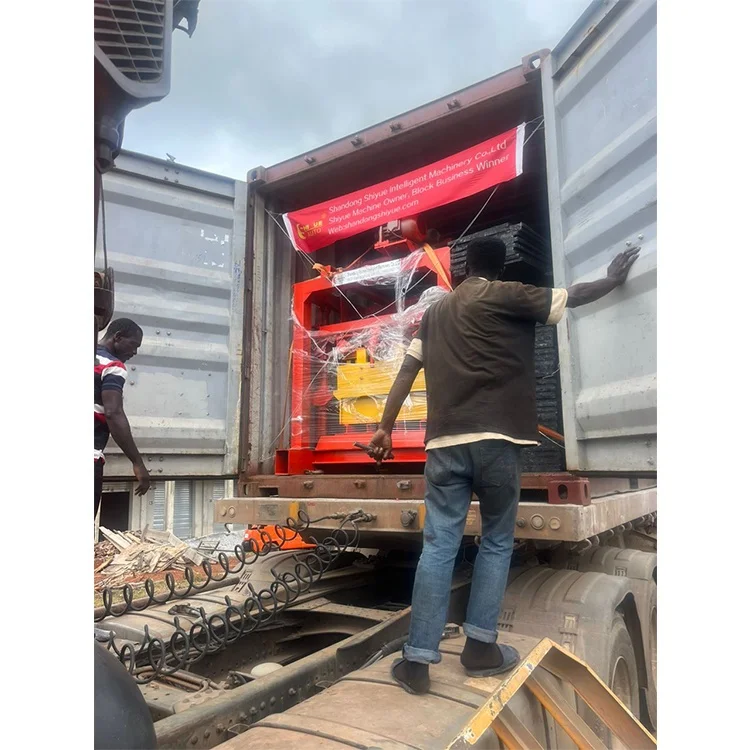
Description
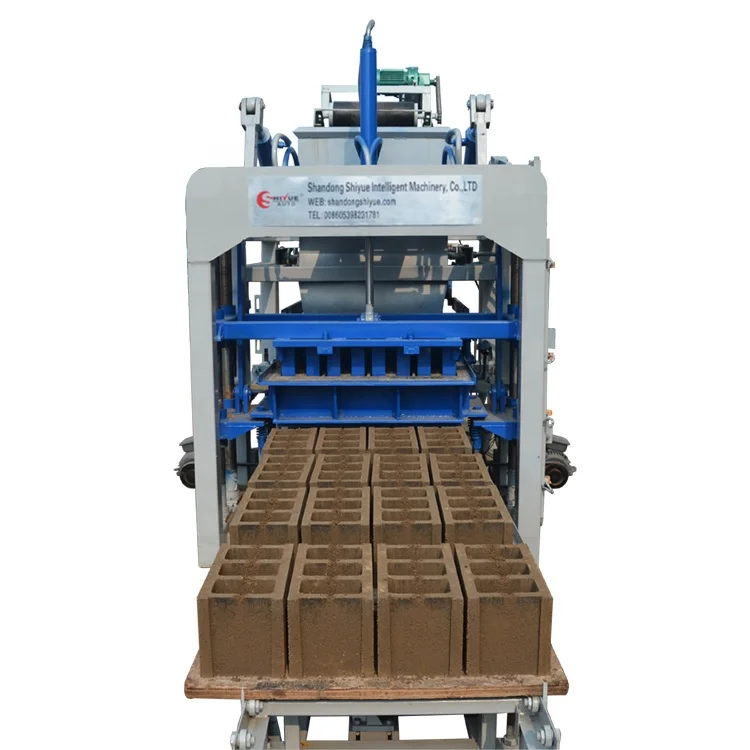
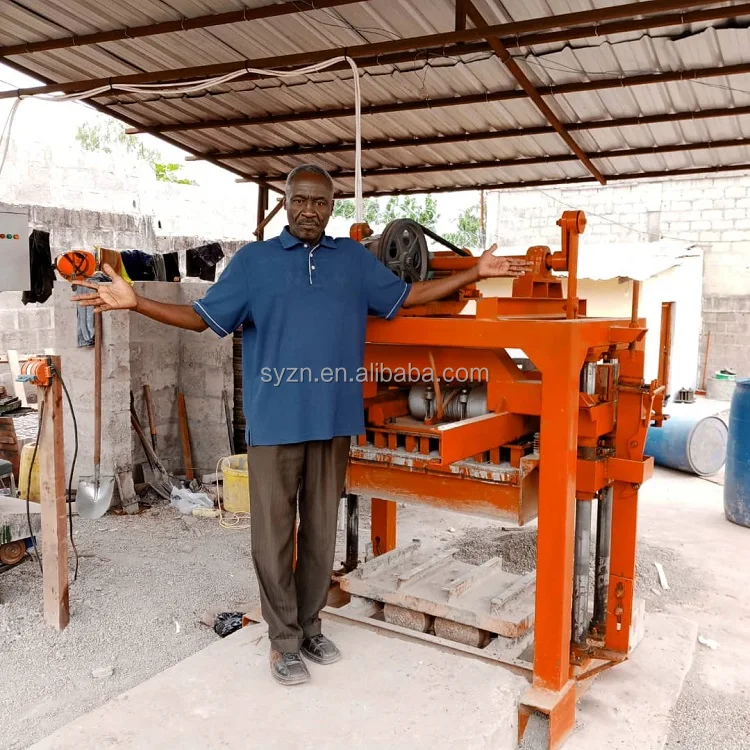
Matched System Sizing — the QTJ4-40 block machine, mould, pallet and handling layout are specified together against your actual block format and local mix design, not pulled from a catalogue default.
Technical Specifications
| Parameter | Value |
|---|---|
| Product Type | Semi-Automatic Concrete Block Making Machine |
| Model | QTJ4-40 |
| Rated Power | 10.4 kW |
| Molding Cycle | 40 s |
| Theoretical Productivity (400×200×200 mm hollow block, 4 pcs/mould) | 360 pcs/h, 2800 pcs/day |
| Theoretical Productivity (400×150×200 mm hollow block, 5 pcs/mould) | 450 pcs/h, 3600 pcs/day |
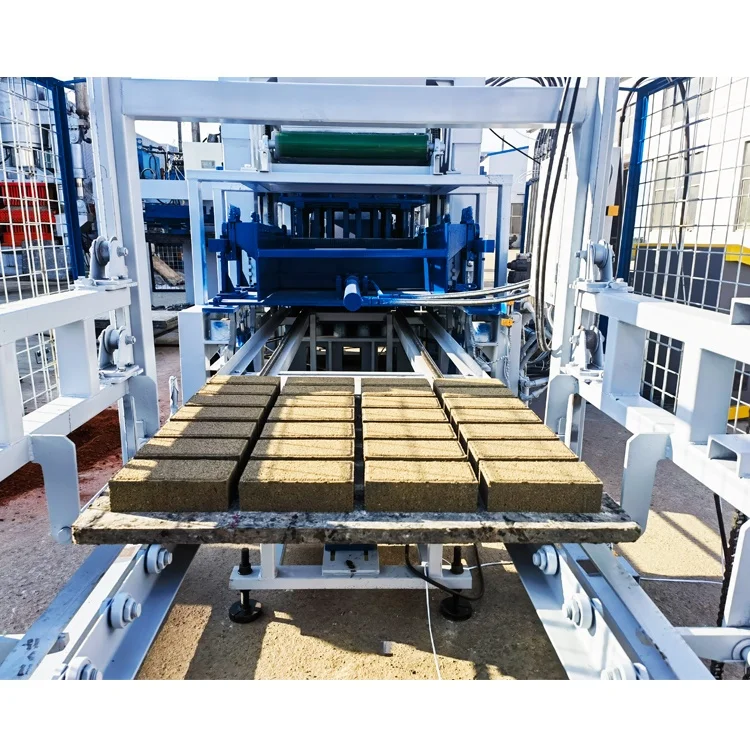
| Theoretical Productivity (225×112.5×60 mm solid brick, 9 pcs/mould) | 800 pcs/h, 6400 pcs/day |
| Overall Dimensions (L×W×H) | 1350 × 1460 × 1800 mm |
| Machine Weight | 1 T |
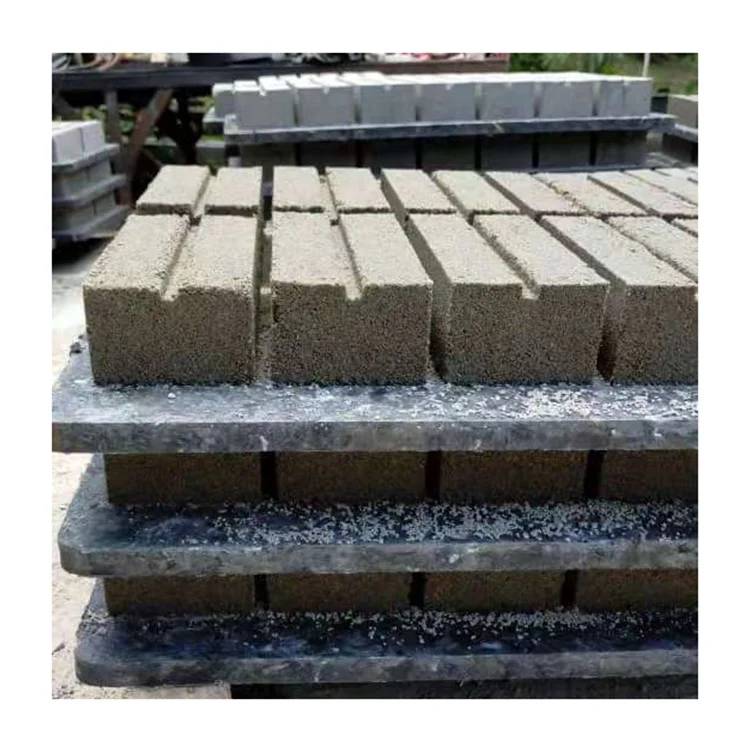
| Pallet Size | 850 × 450 mm |
| Vibration System | Bed mould vertical vibration + upper mould compression vibration |
| Automation Level | Semi-automatic (top die push-pull, automatic scraper) |
| Voltage | Configurable to buyer’s local V/Hz/ph (confirm before order) |
Application Suitability
| Application | Material or Output |
|---|---|
| Small to medium block plants | Hollow blocks and solid bricks from concrete, sand, cement, fly ash |
| On-site contractor production | Housing and development project blocks using locally sourced aggregate |
| First-plant entrepreneurs | Entry-level semi-automatic hollow block and paver production |
| Format expansion for existing plants | Adding solid brick or interlocking formats to a current range |
Why Quoted Output Figures Often Mislead Block Plant Buyers
Every capacity number on this page is tied to an exact block format and mould cavity count.
When suppliers quote the QTJ4-40 block machine specifications as a single daily output figure, they usually omit which block size that number assumes. A machine cycling every 40 seconds produces a very different daily total when running 400×200×200 mm hollow blocks at four pieces per cycle compared to 225×112.5×60 mm solid bricks at nine pieces per cycle. I have watched operators on Southeast Asian sites struggle to meet daily targets because the capacity calculation they were given never matched the format their market actually buys. [NEED_CITE: common causes of block plant output shortfalls]
Mould Format and the Real Cycle-by-Cycle Output
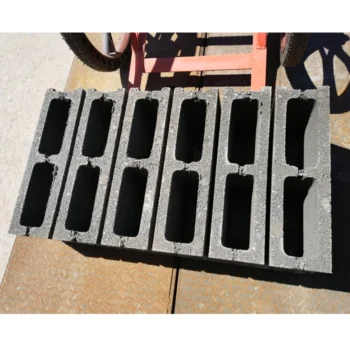
Choosing the right QTJ4-40 block machine specifications starts with the block your market sells, not the headline number on a brochure. The 40-second molding cycle stays constant, but the pieces per mould change everything: four cavities for 400×200×200 mm hollow blocks yield a theoretical 2,800 pieces over an eight-hour shift, while nine cavities for solid bricks push that figure to 6,400. A technical buyer sizing equipment to a specific product can use these per-format figures to plan production without guessing.
Matching Vibration and Pressure to Your Local Aggregate
Dual vibration — vertical bed mould vibration combined with upper mould compression — gives the QTJ4-40 a broader working window across different mix designs. In my experience running trials with volcanic ash and crushed river gravel across Southeast Asia, aggregate shape and grading shift the ideal vibration force and hydraulic pressure settings significantly. When those parameters are not adjusted to the buyer’s actual mix, block density varies from batch to batch and moulds wear out well before their expected service life. [NEED_CITE: effect of aggregate grading on block density and mould wear]
What the Specifications Mean on the Shop Floor
The 10.4 kW rated power keeps energy demand within reach of a standard workshop supply, but the local voltage and frequency must be confirmed before the machine ships — a 380 V / 50 Hz motor rewound for a 440 V / 60 Hz market after arrival causes weeks of commissioning delay. The 850 × 450 mm pallet size determines how many blocks cure per square metre of yard space and whether your existing forklift can handle loaded pallets without modification. Semi-automatic operation with top die push-pull and an automatic scraper removes the heaviest manual steps while keeping the automation upgrade path open for later expansion. Mould change procedure should be verified with the supplier before production so that format flexibility does not come at the cost of a half-shift lost to bolt-on changeover.
The Hidden Cost of Skipping Pallet and Line Matching
When pallet size and material are selected from a default list rather than matched to your curing area and forklift, the press outpaces the yard and operators end up restacking blocks by hand before the concrete has set. I have seen entire production days lost because the curing racks could not accept the pallets the machine was shipping with. Downstream handling — feeding, stacking, curing rack movement — must be planned at the same time as the press itself, or the QTJ4-40 sits idle waiting for the line to catch up. [NEED_CITE: block plant bottlenecks from mismatched pallet and handling equipment]
Why Buyers Specify This Machine Through a Single-Focus Supplier
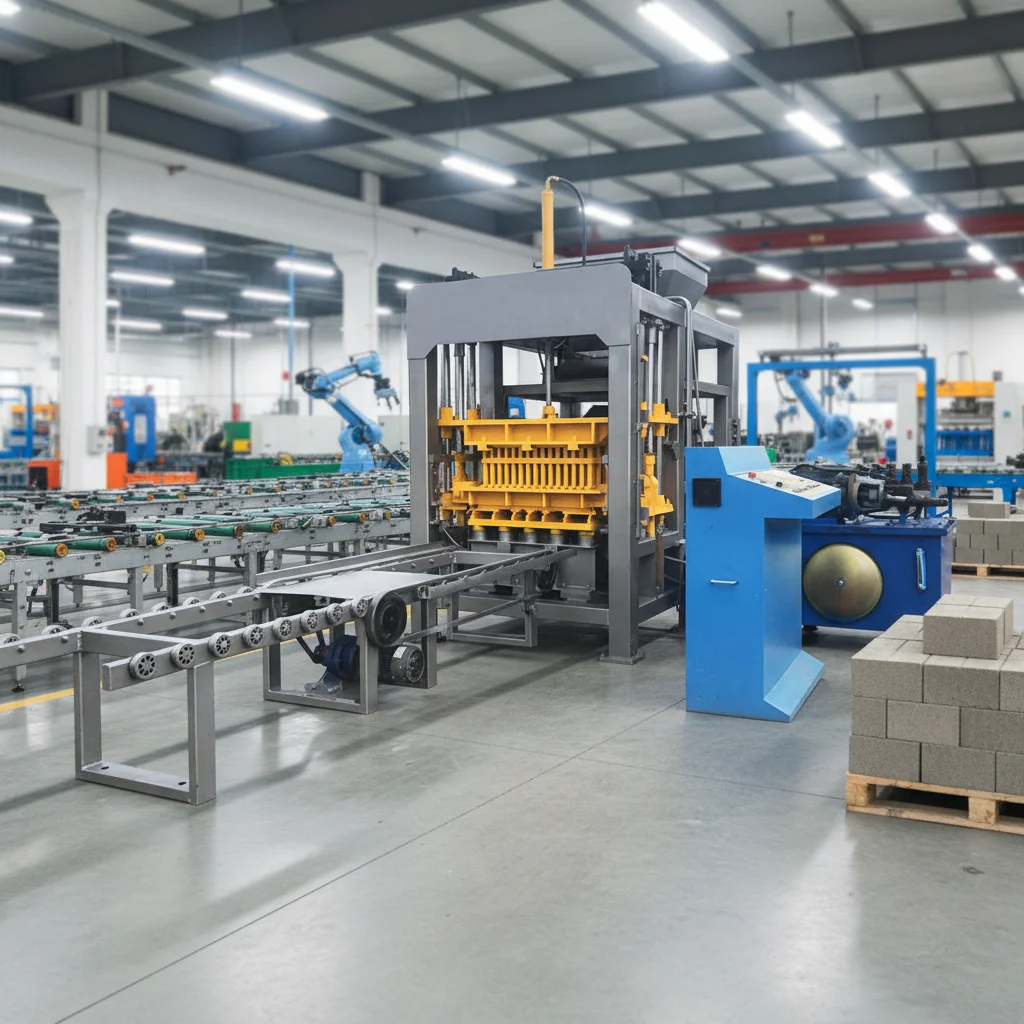
The QTJ4-40, its moulds, pallets and supporting handling equipment are treated as one matched system rather than assembled from separate vendors, so cycle times align across every station. Configuration is set against your actual mix design and target block format, not a catalogue default, which eliminates the costly material substitutions I have seen on sites where the machine was built for an aggregate the buyer could not source locally. Mould design covers the formats your market sells, including custom drawings when standard cavities do not match local block dimensions. Automation level is selectable, so a buyer can start with semi-automatic pallet handling and add automatic stacking later without replacing the press. Factory testing on your specified block format and pallet size is completed before shipment.
Documentation & Verification
- Line layout and capacity calculation stating the exact block format assumed for quoted output
- Mould drawing and format list confirming cavity count before production begins
- Pallet specification matched to your curing area dimensions and forklift capacity
- Voltage, frequency and control display language confirmed in writing before build
- Factory test record on your target block format and mix design before dispatch
Installation, Commissioning & Support
- Foundation pad sized to the 1350 × 1460 mm footprint with vibration isolation
- Dedicated circuit rated for the 10.4 kW draw, voltage and phase verified on arrival
- Mould change procedure walked through with operators during first commissioning day
- Vibration force and hydraulic pressure tuned to your local aggregate trial blocks
- Wear parts and mould replacement list handed over with recommended reorder intervals
What to Include in Your First Inquiry
To size the QTJ4-40 correctly, share your target block format and dimensions, the daily output you need for that specific format, and the raw materials available at your site including aggregate type and grading. Confirm your local voltage, frequency and preferred control display language. If you already have a curing yard and forklift, provide the pallet dimensions those can accept so the line is matched end to end.
Frequently Asked Questions
Q: How is the quoted daily output calculated, and which block format is it based on?
A: Every output figure for the QTJ4-40 is calculated from the 40-second molding cycle multiplied by the pieces per mould for a specific format. For example, 400×200×200 mm hollow blocks at four pieces per cycle give a theoretical 2,800 pieces per eight-hour shift, while 225×112.5×60 mm solid bricks at nine pieces per cycle yield 6,400. Always confirm which format the number assumes.
Q: Which mould formats are available, and how long does a change take?
A: Standard moulds cover hollow blocks, solid bricks and pavers in sizes matching common regional markets, and custom moulds can be built to buyer drawings. Mould change time depends on whether a quick-change or bolt-on system is fitted, so confirm the changeover procedure and tooling before the machine ships.
Q: How do I match vibration and pressure to my local aggregate?
A: Request a trial run using your actual raw material mix before the machine leaves the factory. The dual vibration system — bed mould vertical plus upper mould compression — can then be tuned to your aggregate shape and grading, ensuring consistent block density and avoiding premature mould wear.
Q: What pallet size and material should I choose for my curing setup?
A: The standard pallet is 850 × 450 mm, but the material and thickness must suit your curing yard surface and forklift capacity. Confirm these details during the proposal stage so that pallets, curing racks and handling equipment are specified as one matched set.
Q: What voltage, frequency and control language will the machine ship with?
A: These are configured to your site requirements and must be confirmed in writing before production. Specify your local V/Hz/phase and the language you need on the control display to avoid commissioning delays after the QTJ4-40 arrives.