![QTJ4-40 Concrete Block Making Machine | Technical Guide 长度计算:Q(1)T(2)J(3)4(4)-(5)4(6)0(7) (8)C(9)o(10)n(11)c(12)r(13)e(14)t(15)e(16) (17)B(18)l(19)o(20)c(21)k(22) (23)M(24)a(25)k(26)i(27)n(28)g(29) (30)M(31)a(32)c(33)h(34)i(35)n(36)e(37) (38)|(39) (40)T(41)e(42)c(43)h(44)n(45)i(46)c(47)a(48)l(49) (50)G(51)u(52)i(53)d(54)e(55) 长度55,在50-70之间。 结构:[品类词] [机型号] | [站点修饰词] 机型号QTJ4-40原样保留。 没有禁词。 只输出一行。QTJ4-40 Concrete Block Making Machine | Technical Guide](https://shiyuebrickmachine.com/wp-content/uploads/2026/04/Ha43b61d1d551461b82ff204769acfc30h.webp)
![QTJ4-40 Concrete Block Making Machine | Technical Guide 长度计算:Q(1)T(2)J(3)4(4)-(5)4(6)0(7) (8)C(9)o(10)n(11)c(12)r(13)e(14)t(15)e(16) (17)B(18)l(19)o(20)c(21)k(22) (23)M(24)a(25)k(26)i(27)n(28)g(29) (30)M(31)a(32)c(33)h(34)i(35)n(36)e(37) (38)|(39) (40)T(41)e(42)c(43)h(44)n(45)i(46)c(47)a(48)l(49) (50)G(51)u(52)i(53)d(54)e(55) 长度55,在50-70之间。 结构:[品类词] [机型号] | [站点修饰词] 机型号QTJ4-40原样保留。 没有禁词。 只输出一行。QTJ4-40 Concrete Block Making Machine | Technical Guide - Image 2](https://shiyuebrickmachine.com/wp-content/uploads/2026/04/He7d8065977db4a20b47cd79bc1b84af4E.webp)
![QTJ4-40 Concrete Block Making Machine | Technical Guide 长度计算:Q(1)T(2)J(3)4(4)-(5)4(6)0(7) (8)C(9)o(10)n(11)c(12)r(13)e(14)t(15)e(16) (17)B(18)l(19)o(20)c(21)k(22) (23)M(24)a(25)k(26)i(27)n(28)g(29) (30)M(31)a(32)c(33)h(34)i(35)n(36)e(37) (38)|(39) (40)T(41)e(42)c(43)h(44)n(45)i(46)c(47)a(48)l(49) (50)G(51)u(52)i(53)d(54)e(55) 长度55,在50-70之间。 结构:[品类词] [机型号] | [站点修饰词] 机型号QTJ4-40原样保留。 没有禁词。 只输出一行。QTJ4-40 Concrete Block Making Machine | Technical Guide - Image 3](https://shiyuebrickmachine.com/wp-content/uploads/2026/04/Ha0e2a8124f3a481580bbd2ca14229193k.webp)
![QTJ4-40 Concrete Block Making Machine | Technical Guide 长度计算:Q(1)T(2)J(3)4(4)-(5)4(6)0(7) (8)C(9)o(10)n(11)c(12)r(13)e(14)t(15)e(16) (17)B(18)l(19)o(20)c(21)k(22) (23)M(24)a(25)k(26)i(27)n(28)g(29) (30)M(31)a(32)c(33)h(34)i(35)n(36)e(37) (38)|(39) (40)T(41)e(42)c(43)h(44)n(45)i(46)c(47)a(48)l(49) (50)G(51)u(52)i(53)d(54)e(55) 长度55,在50-70之间。 结构:[品类词] [机型号] | [站点修饰词] 机型号QTJ4-40原样保留。 没有禁词。 只输出一行。QTJ4-40 Concrete Block Making Machine | Technical Guide - Image 4](https://shiyuebrickmachine.com/wp-content/uploads/2026/04/Ha237ee49d93040518219e0fcdd032275L.webp)
![QTJ4-40 Concrete Block Making Machine | Technical Guide 长度计算:Q(1)T(2)J(3)4(4)-(5)4(6)0(7) (8)C(9)o(10)n(11)c(12)r(13)e(14)t(15)e(16) (17)B(18)l(19)o(20)c(21)k(22) (23)M(24)a(25)k(26)i(27)n(28)g(29) (30)M(31)a(32)c(33)h(34)i(35)n(36)e(37) (38)|(39) (40)T(41)e(42)c(43)h(44)n(45)i(46)c(47)a(48)l(49) (50)G(51)u(52)i(53)d(54)e(55) 长度55,在50-70之间。 结构:[品类词] [机型号] | [站点修饰词] 机型号QTJ4-40原样保留。 没有禁词。 只输出一行。QTJ4-40 Concrete Block Making Machine | Technical Guide - Image 5](https://shiyuebrickmachine.com/wp-content/uploads/2026/04/Ha622f00dd1664c4db02ab917b13c30812.webp)
![QTJ4-40 Concrete Block Making Machine | Technical Guide 长度计算:Q(1)T(2)J(3)4(4)-(5)4(6)0(7) (8)C(9)o(10)n(11)c(12)r(13)e(14)t(15)e(16) (17)B(18)l(19)o(20)c(21)k(22) (23)M(24)a(25)k(26)i(27)n(28)g(29) (30)M(31)a(32)c(33)h(34)i(35)n(36)e(37) (38)|(39) (40)T(41)e(42)c(43)h(44)n(45)i(46)c(47)a(48)l(49) (50)G(51)u(52)i(53)d(54)e(55) 长度55,在50-70之间。 结构:[品类词] [机型号] | [站点修饰词] 机型号QTJ4-40原样保留。 没有禁词。 只输出一行。QTJ4-40 Concrete Block Making Machine | Technical Guide - Image 6](https://shiyuebrickmachine.com/wp-content/uploads/2026/04/H6a7c690ba1ab4699a3337940e67dc365K.webp)
Description
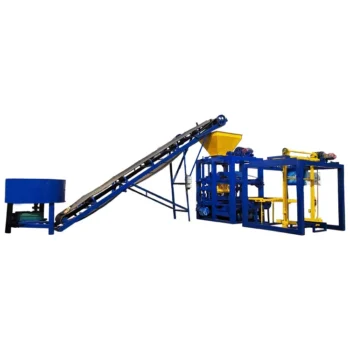
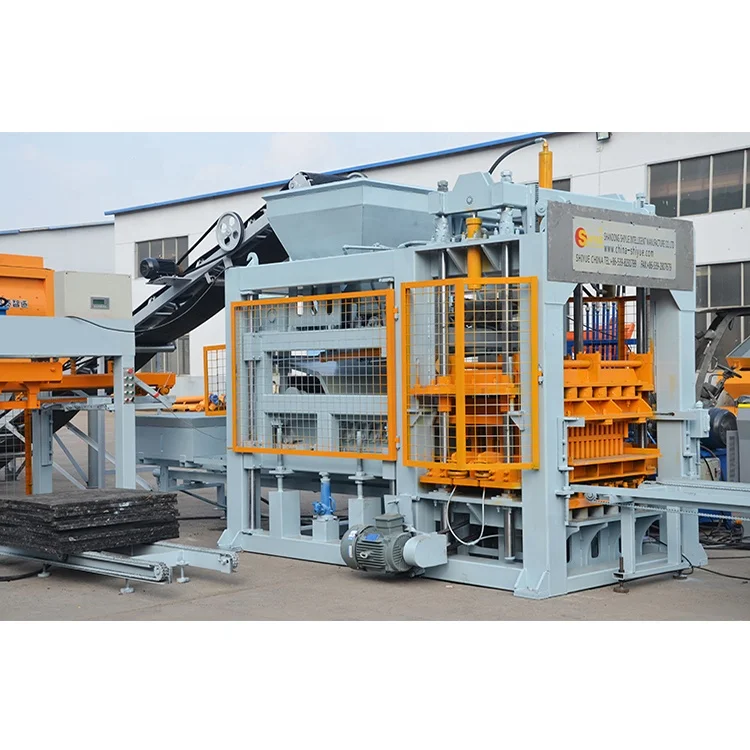
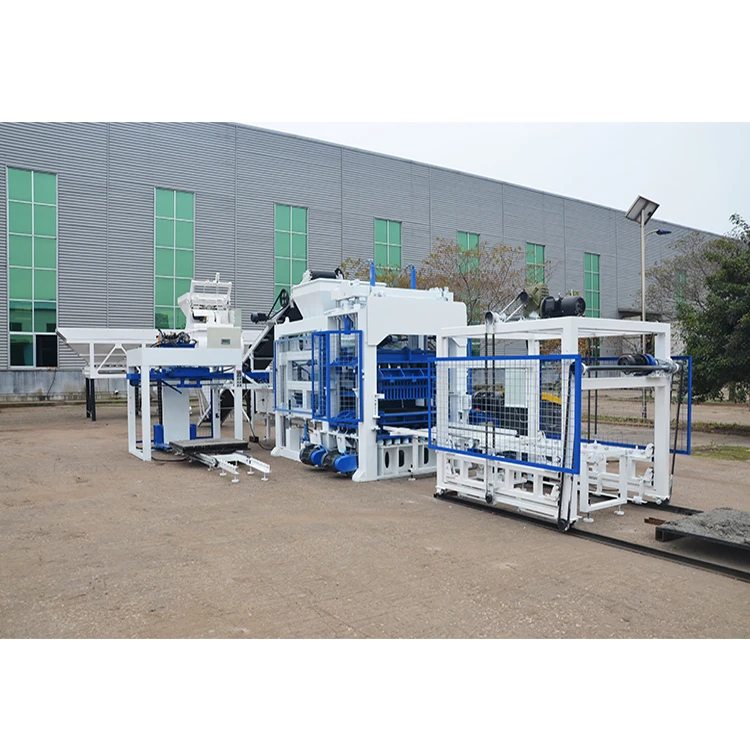
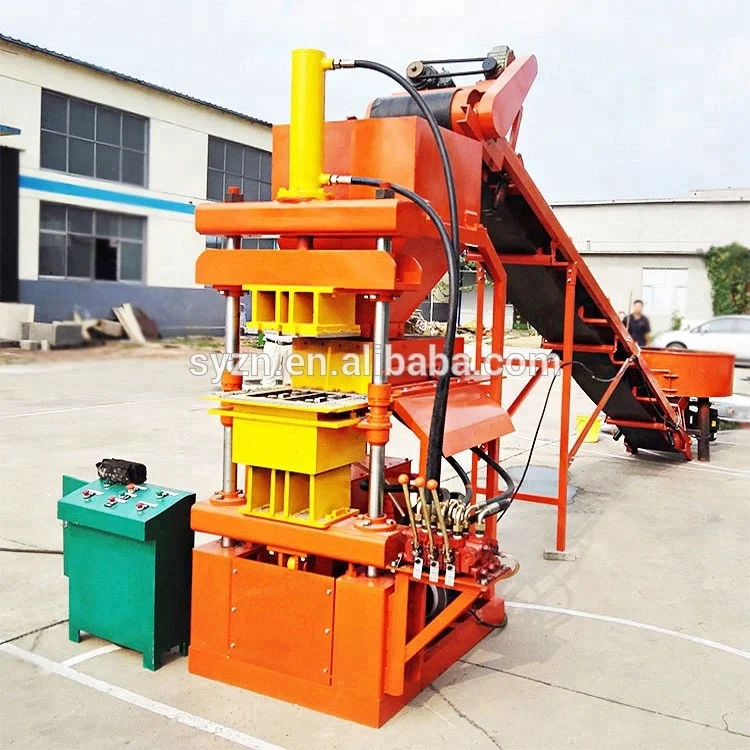
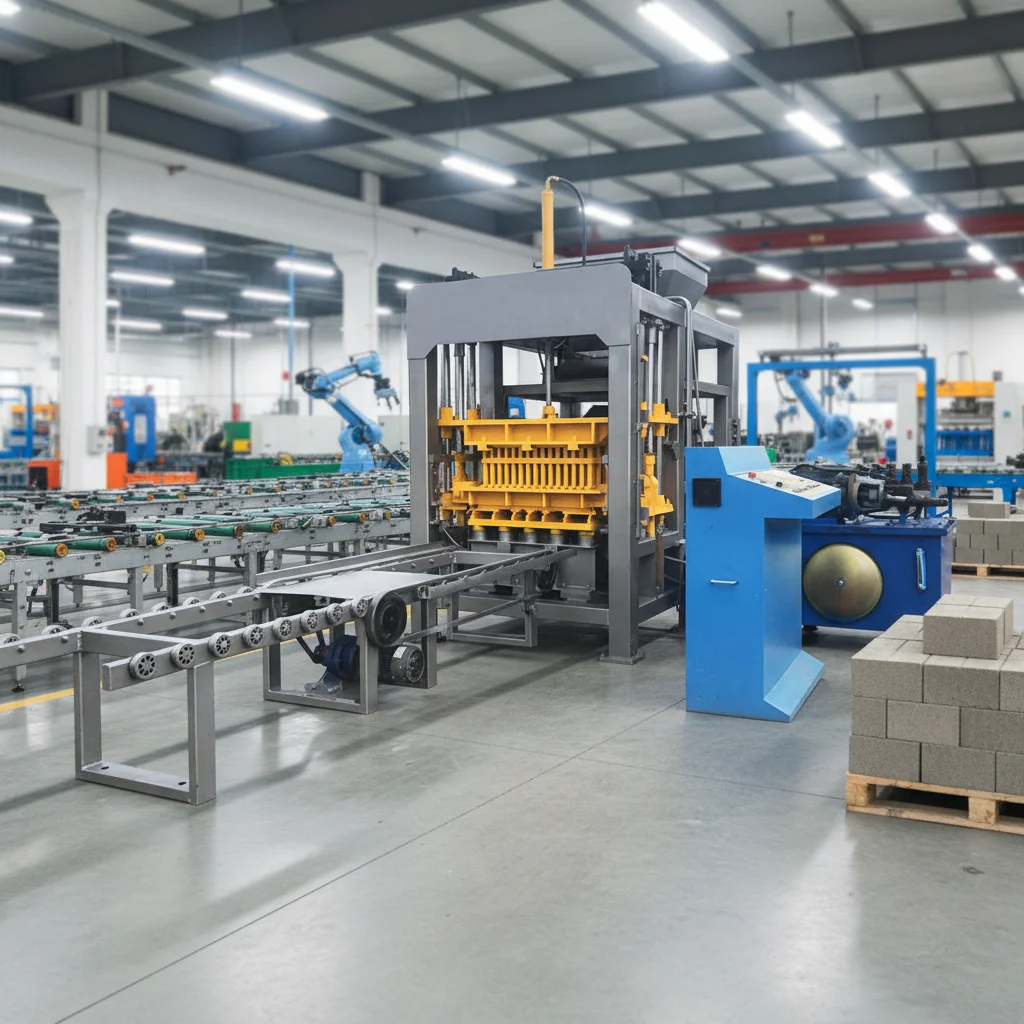
Format-matched configuration — machine, mould, and pallet sized together so daily output reflects the block your market actually sells, not a catalogue default.
Technical Specifications
| Parameter | Value |
|---|---|
| Model | QTJ4-40 |
| Product Type | Semi-Automatic Concrete Block Making Machine |
| Rated Power | 10.4 kW |
| Molding Cycle | 40 s |
| Output Capacity | 2800 pcs/day (based on 400×200×200 mm hollow block, 4 pcs/mould) |
| Output Capacity | 3600 pcs/day (based on 400×150×200 mm hollow block, 5 pcs/mould) |
| Output Capacity | 6400 pcs/day (based on 225×112.5×60 mm solid brick, 9 pcs/mould) |
| Pcs per Hour | 360 pcs/h (based on 400×200×200 mm block) |
| Pcs per Hour | 450 pcs/h (based on 400×150×200 mm block) |
| Pcs per Hour | 800 pcs/h (based on 225×112.5×60 mm brick) |
| Net Weight | 1 T |
| Overall Dimensions | 1350×1460×1800 mm |
| Pallet Size | 850×450 mm |
| Voltage | According to local voltage (basis to be confirmed) |
| Control System | Semi-automatic with top die push-pull and automatic scraper |
| Vibration Method | Bed mould vertical vibration + upper mould compression vibration |
| Raw Materials | Concrete, sand, cement, fly ash, lime, gypsum |
Application Suitability
| Application | Material or Output |
|---|---|
| Hollow block production for small to medium plants | Crushed stone, sand, cement, fly ash mixes |
| Solid brick manufacturing | Cement, sand, lime, and gypsum blends |
| On-site block production for construction contractors | Locally sourced aggregate with cement binder |
| First block plant for entrepreneurs | Standard concrete mix with limited capital investment |
| Format expansion for building material distributors | Interchanging moulds for hollow, solid, and paving formats |
What "360 Pieces per Hour" Leaves Out When Sizing a QTJ4-40 Block Machine
The number only holds true for a specific block format, and swapping moulds changes it entirely.
Suppliers often quote a single throughput figure for the QTJ4-40 concrete block making machine without naming the block size behind it. A buyer expecting 800 pieces per hour may discover that figure applies only to small solid bricks, while the 400×200×200 mm hollow block their market demands yields barely half that rate. I once sent a unit to a yard running river sand with high clay content; the vibration force we set for standard aggregate left blocks cracking at the edges, and throughput dropped to half what the spec sheet promised [NEED_CITE: mix design and aggregate compatibility in block production]. Sizing a plant against the wrong format assumption is one of the most common reasons new operators feel shortchanged after commissioning.
Matching Mould Format to Market Demand
The QTJ4-40 block machine accepts interchangeable moulds for hollow blocks, solid bricks, and paving formats. Each format carries its own cycle time and pieces-per-mould count, which means realistic daily output shifts depending on what your local construction market actually orders. A buyer serving a housing project that specifies 400×150×200 mm hollow blocks will see a different daily figure than one producing 225×112.5×60 mm solid bricks for paving work [NEED_CITE: block format standards by regional construction codes].
Pallet Size and Curing Area Alignment
The 850×450 mm pallet dimension is fixed for this model, and it governs how many blocks cure per rack position. Buyers who already operate a curing yard with forklifts sized for different pallet dimensions face a mismatch that slows handling from the press to the stacking area. Confirming pallet compatibility before ordering avoids the situation where freshly pressed blocks sit on the machine bed waiting for someone to carry them by hand.
How Vibration and Pressure Shape Block Density
The dual vibration system — vertical vibration at the bed mould combined with compression vibration at the upper mould — works alongside hydraulic pressure to compact the mix uniformly. When vibration force and pressure are matched to the buyer’s actual aggregate gradation, blocks emerge with consistent density across their cross-section. Mismatch these settings and edges crumble or cores remain soft, particularly with mixes containing fine materials like fly ash or high-clay sand. The 40-second molding cycle gives the vibration enough dwell time to settle the mix, but only when the force profile fits the material [NEED_CITE: vibration force and hydraulic pressure calibration for block density].
The Hidden Cost of Overlooking Mix Compatibility
When a QTJ4-40 block machine arrives configured for a standard aggregate blend the buyer cannot source locally, the operator either imports costly materials or runs an incompatible mix that produces weak blocks. Edge cracking, inconsistent weight, and rejected batches follow. The cost of reconfiguring vibration settings and sourcing new mould inserts after installation far exceeds the effort of sending a raw material sample before the order is finalized [NEED_CITE: block strength testing against local aggregate sources].
Why Buyers Source This Machine Here
Block machinery remains our single focus, so the QTJ4-40 arrives as a matched system — press, mould, pallet, and handling specified together rather than assembled from separate vendors. We set configuration against the buyer’s actual mix design and target block format, not a catalogue default. Mould design covers the formats the buyer’s market sells, including custom drawings when standard options do not fit. Automation level is selectable, allowing a buyer to start semi-automatic and add automatic stacking later. Installation includes operator training so the team understands mould change procedure, vibration adjustment, and daily maintenance from the first production run.
Documentation & Verification
- Machine specification sheet stating capacity per block format
- Mould drawing and complete format compatibility list
- Pallet specification confirming dimensions and material grade
- Voltage and control display language confirmation before dispatch
- Factory test record run on buyer’s specified block format
- Operation and maintenance manual with wear parts list
Installation, Commissioning & Support
- Foundation pad leveled to accommodate 1350×1460 mm footprint and 1 T operating weight
- Dedicated electrical circuit matching confirmed voltage and frequency for 10.4 kW rated power
- Semi-automatic controls configured with operator display language before dispatch
- First-run vibration force and pressure calibrated to buyer’s submitted mix sample
- Operator training covering mould change, scraper adjustment, and pallet feeding sequence
- Wear parts and mould inventory list provided for first replacement planning
Preparing Your Inquiry
Share the block format your market orders most frequently, the daily volume you need to meet, and a sample or description of your locally available aggregate. Confirm your site voltage, frequency, and preferred control display language so the QTJ4-40 block machine arrives ready to commission without electrical rework.
Frequently Asked Questions
Q: How is daily capacity calculated and which block format does each figure assume?
A: Every output figure for the QTJ4-40 is tied to a specific block size and pieces-per-mould count. The 2800 pcs/day figure assumes 400×200×200 mm hollow blocks at 4 per mould, while 6400 pcs/day assumes 225×112.5×60 mm solid bricks at 9 per mould. Always confirm which format the quoted capacity references before comparing machines.
Q: What mould formats are available and how long does a mould change take?
A: Standard moulds cover hollow blocks, solid bricks, and paving formats compatible with the 850×450 mm pallet. Custom mould designs are available to buyer drawings. Mould change involves removing the upper squeeze head and bed mould assembly; operators trained during commissioning typically complete the swap within a portion of a shift.
Q: How do I confirm pallet size fits my curing area and handling equipment?
A: The QTJ4-40 uses 850×450 mm pallets. Measure your curing rack spacing and forklift tine width before ordering. If your existing yard is set up for a different pallet dimension, discuss alternatives during the quotation stage so block handling remains efficient from press to stack.
Q: What mix design and aggregate should I use for target block strength?
A: Send a sample of your locally available sand, aggregate, and cement so vibration force and pressure can be matched to your material. Mixes with high clay content or unusual fly ash ratios require different settings than standard blends. We calibrate before dispatch and reconfirm during on-site commissioning.
Q: What voltage and control language options are confirmed before shipping?
A: Voltage and frequency are set to match your site supply — confirm these values during the quotation stage. The semi-automatic control display language is also configured before dispatch so operators can read prompts and settings in their working language from the first production day.