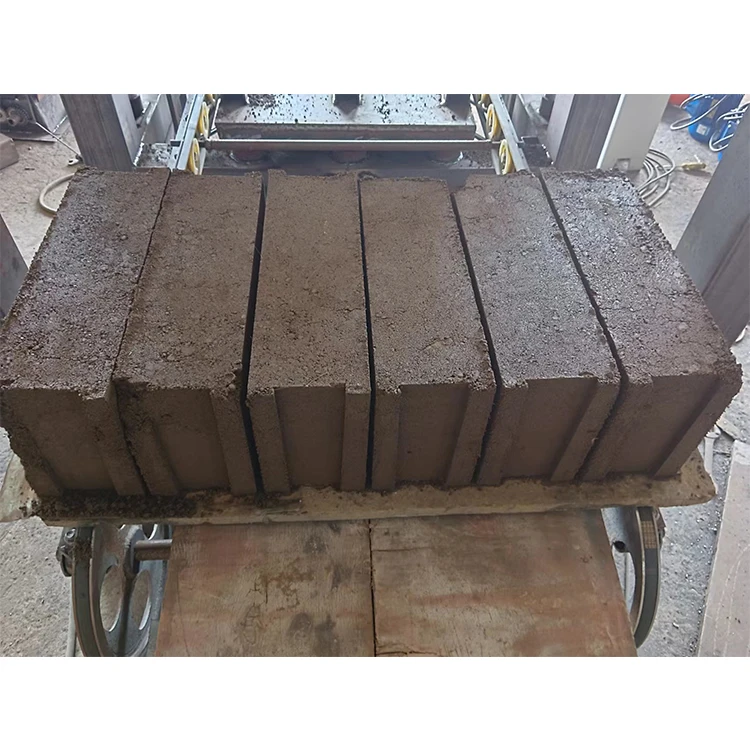


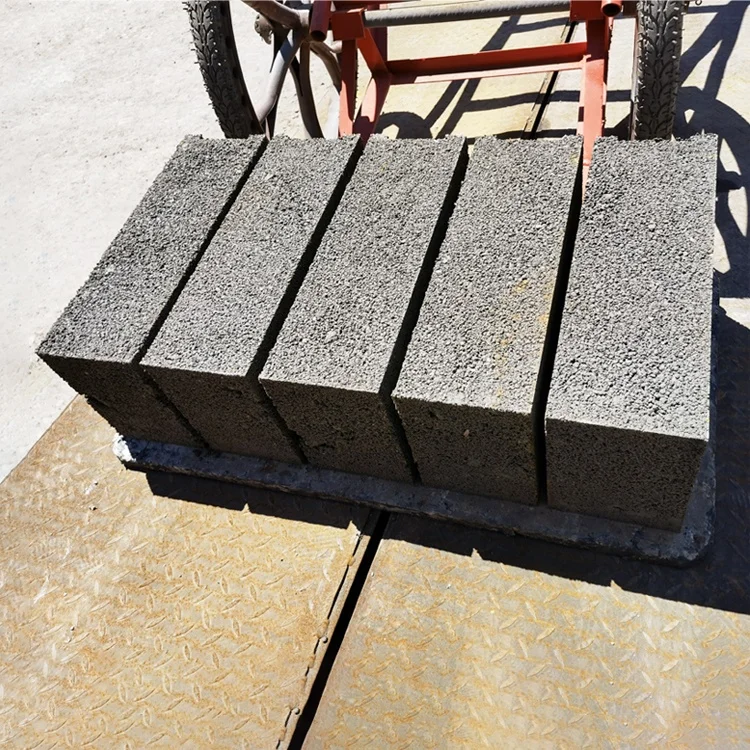
Description
Single-Format Capacity Stated — every cycle time and daily output figure for the QTJ4-40 is tied to a named block dimension and local aggregate sample, not a catalogue blanket number.
Technical Specifications
| Parameter | Value |
|---|---|
| Model | QTJ4-40 |
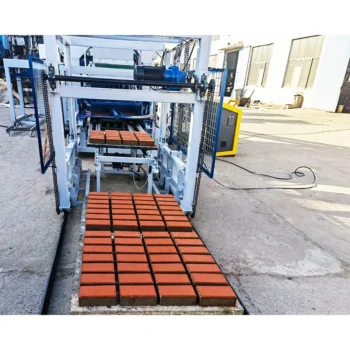
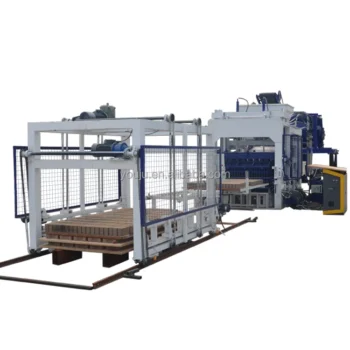
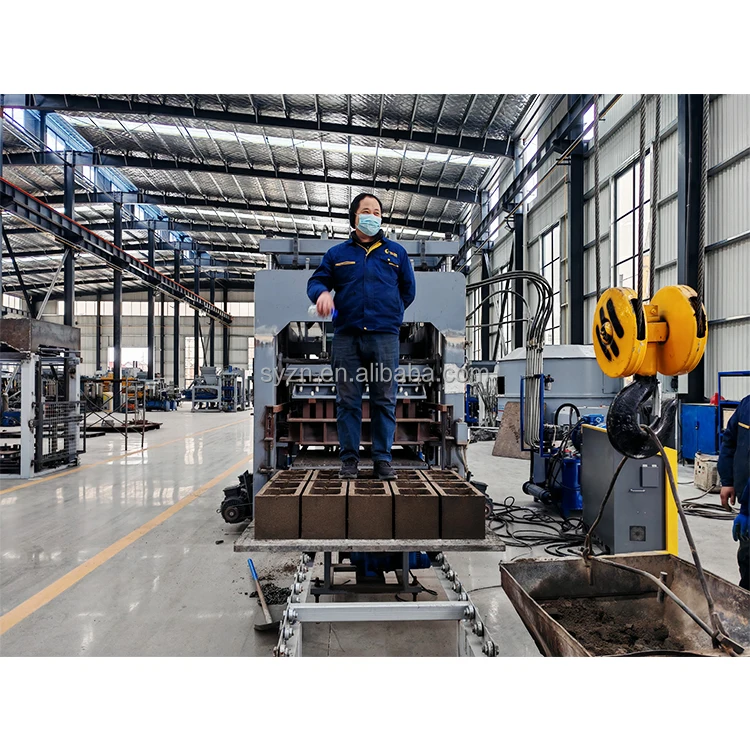
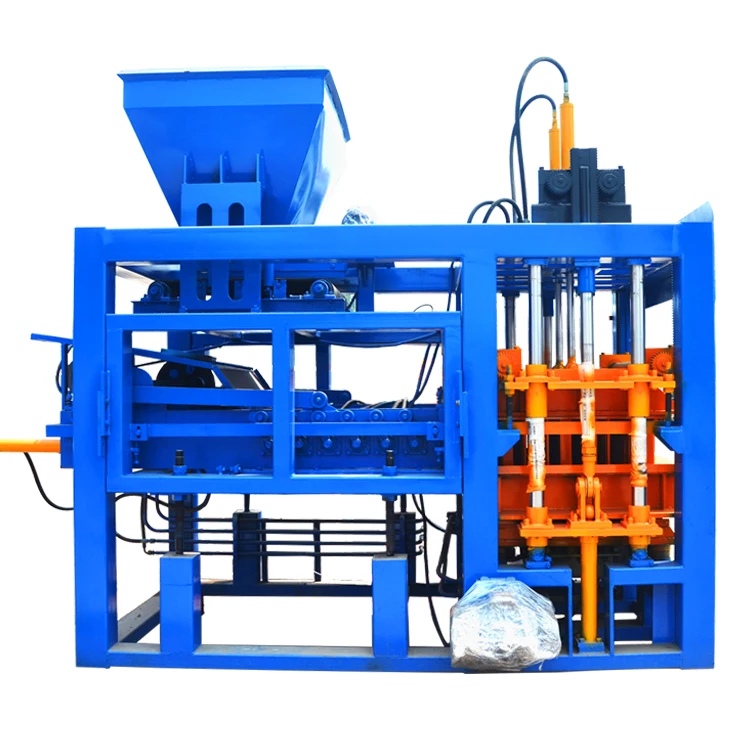
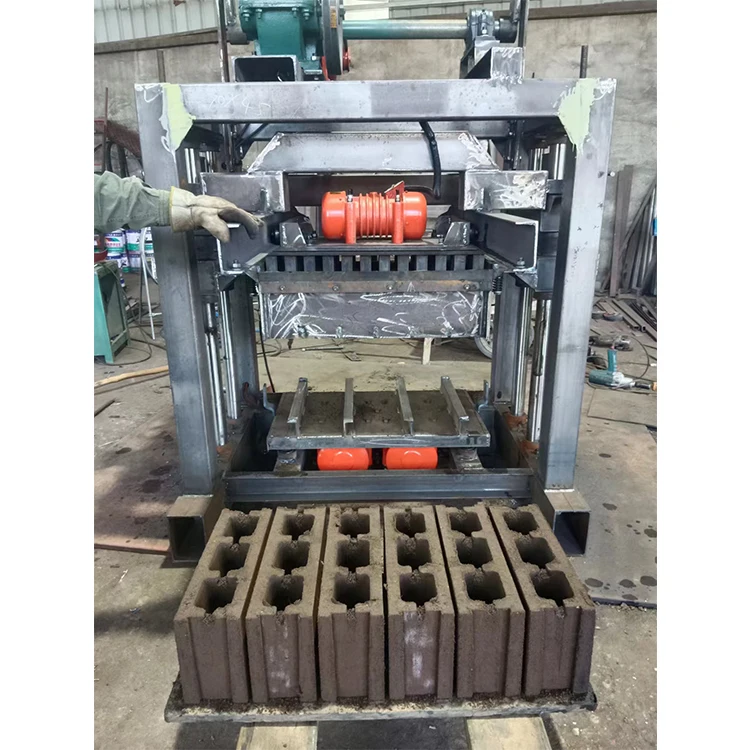
| Product Type | Manual Concrete Block Making Machine |
| Overall Dimensions (L×W×H) | 1350 x 1460 x 1800 mm |
| Pallet Size | 850 x 450 mm |
| Rated Power | 9.5 kW (source value — verify against manufacturer catalog) |
| Vibration Frequency | 2800 RPM |
| Vibration Force | 35 kN |
| Vibration Type | Table vibration feeding, fluctuation vibration molding |
| Control System | Mechanical and electric combination, electrical control components |
| Automation Level | Manual operation with mechanical lifting and electrical interworking |
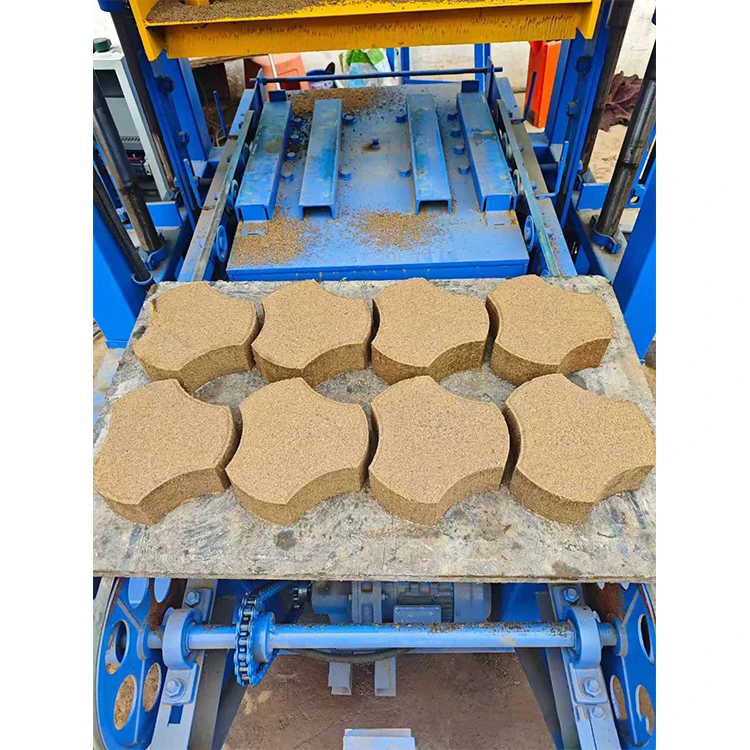
| Mould Format | Hollow block, paver block (mould changeable) |
| Output Capacity | 2880 pcs/day (basis not stated in source — confirm block format / material / thickness) |
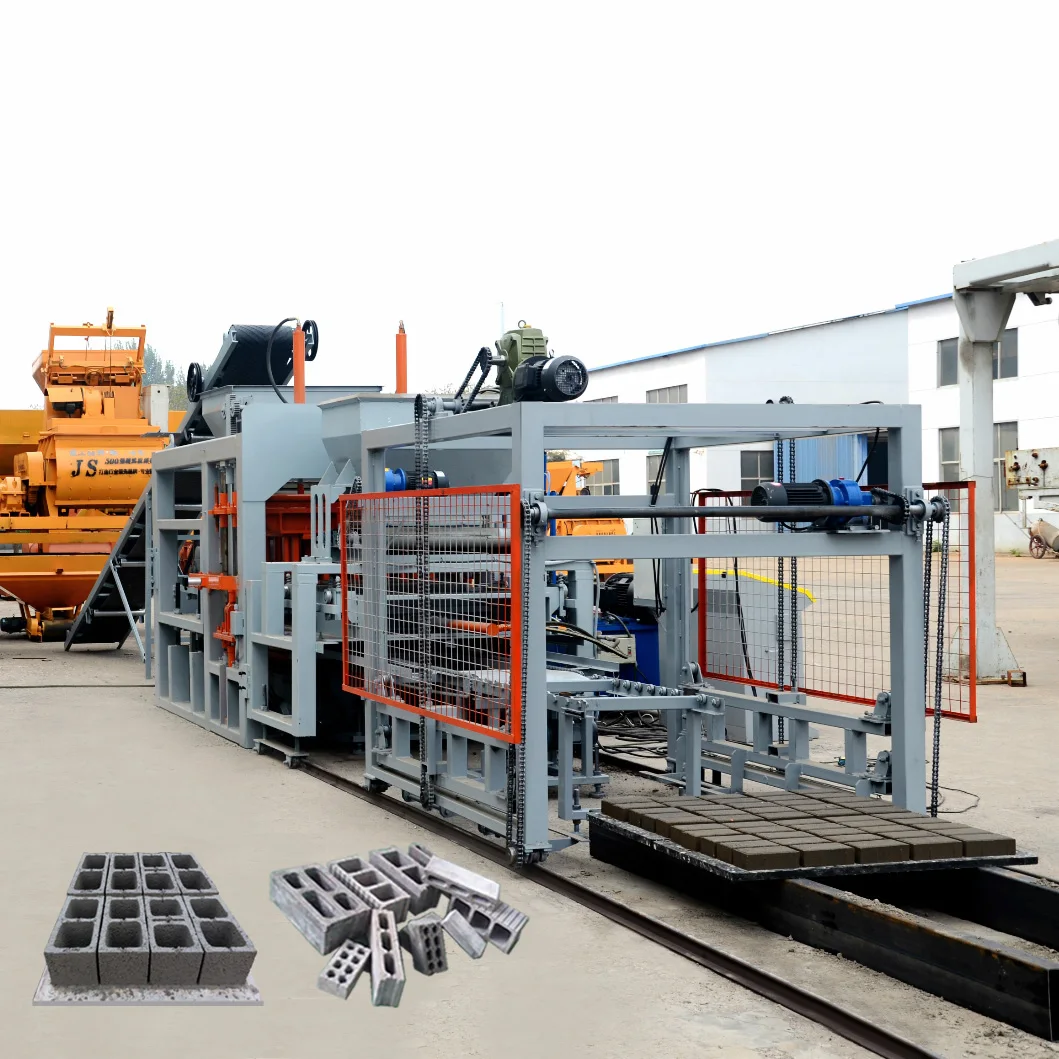
| Assembly State | Requires on-site assembly (main machine, mixer, electrical switch) |
| Recommended Mixer | Vertical type 350 |
| Voltage & Frequency | Requires three-phase four-wire, 100A leakage protector (exact V/Hz to be confirmed) |
| Hydraulic Pressure | Not applicable (mechanical vibration type) |
| Stacking Method | Manual |
Application Suitability
| Application | Material or Output |
|---|---|
| Small-scale hollow block plant | Cement, crushed stone, sand, and local aggregate |
| On-site production for building contractors | Hollow blocks from site-available sand and gravel |
| Paver block manufacturing for landscaping | Cement, fine aggregate, and pigment for colored pavers |
| First block plant for entrepreneurs | Low-investment entry using manual pallet handling |
What "2880 Pieces per Day" Actually Means for the QTJ4-40 Block Machine Specifications
A daily output figure is only as honest as the block format it assumes.
When a supplier quotes a number like 2880 pieces per day without naming the block size, wall thickness, and curing cycle behind it, the real output on your product format can fall noticeably short. I have watched a contractor in the Gulf receive a machine rated for a certain hourly cycle, only to discover that their specific hollow block — thicker walls, denser desert aggregate — added seconds to every press cycle and cut daily volume substantially. The QTJ4-40 block machine specifications must therefore be read against your actual target format: a 400×200×200 mm hollow block will yield a very different daily count than a 200×100×60 mm paver, and the 35 kN vibration force interacts differently with each mix design [NEED_CITE: effect of aggregate grading on block compaction cycle time].
Matching Vibration Force to Your Local Aggregate
The QTJ4-40 delivers 35 kN of vibration force through a table vibration feeding and fluctuation vibration molding system. This mechanical vibration approach works well with standard cement-sand-gravel mixes, but the actual block strength you achieve depends heavily on whether your local aggregate has been tested against this force level. Desert sand, for instance, tends to be finer and more rounded than crushed river gravel, requiring either an adjusted mix ratio or a different compaction approach to reach the same compressive strength. Before we confirm the QTJ4-40 block machine specifications for your order, we run a sample of your raw material through a trial press to verify that the vibration profile produces blocks meeting your local building code.
Pallet Sizing and the Curing Area You Already Have
The 850 x 450 mm pallet is the physical interface between the machine and everything that happens afterward — stacking, curing, and transport. If your existing curing racks are designed for a different pallet footprint, or your forklift tines are spaced for a wider pallet, you will face daily friction that no machine specification sheet warns you about. We confirm your pallet material preference — treated timber, bamboo composite, or steel — against your curing climate and handling equipment before the order goes into production. Getting the pallet size wrong means either rebuilding your curing area or living with inefficient handling for the life of the plant [NEED_CITE: pallet material selection and curing humidity in arid climates].
Reading the Power and Control Package
The rated power of 9.5 kW drives the vibration motor and the mechanical lifting system through a combined mechanical-electrical control panel. The interworking devices built into the electrical control components prevent certain operator errors — for example, the system will not allow the vibration cycle to start if the mould is not properly seated. This matters on a manually operated machine because the operator controls the sequence, and a missed step can damage the mould or produce a batch of under-compacted blocks. The machine requires a three-phase four-wire supply with a 100A leakage protector, but the exact voltage and frequency must be confirmed for your country’s grid before the electrical panel is wired. Shipping a machine configured for 380V/50Hz to a site running 440V/60Hz will burn out the vibration motor within the first week [NEED_CITE: voltage and frequency standards by export market].
The Cost of Skipping the Mix Trial
When a block machine arrives configured for a standard mix that the buyer cannot source locally, the choices are expensive: import the specified aggregate at a premium, reformulate the mix and hope the vibration force still compacts it properly, or watch block strength vary from batch to batch. On a mechanical vibration machine like the QTJ4-40, there is no hydraulic pressure to compensate for a poorly matched mix — the 35 kN vibration force and 2800 RPM frequency are fixed, so the mix must be tuned to the machine, not the other way around. Buyers who skip the sample trial often discover the problem only after the first production run, when breakage rates climb and the curing yard fills with blocks that will not pass a compressive strength test.
Why Source the QTJ4-40 Here
Our single focus on block machinery means the QTJ4-40 is never quoted as a standalone press — the mould, pallet, and recommended vertical type 350 mixer are specified together as one matched system. We configure the machine against your actual mix design and target block format, running a trial with your local aggregate sample before finalizing the capacity calculation. Mould design and supply covers the formats your market actually sells, including custom drawings if your region demands a non-standard hollow block dimension. The automation level is selectable: you can start with the QTJ4-40 in its manual configuration and later add pallet feeding or stacking equipment as your plant grows. Every machine ships with installation guidance and operator training so your team understands the mechanical-electrical interworking system from the first shift.
Documentation & Verification
- Line layout showing the QTJ4-40 footprint with 850×450 mm pallet flow path
- Capacity calculation sheet stating block format assumed for daily output
- Mould drawing and format list for your selected hollow and paver dimensions
- Pallet specification including material grade matched to your curing climate
- Voltage and control language confirmation record before panel wiring
- Factory test record on your specific mix design before dispatch
Installation, Commissioning & Support
- On-site assembly of main machine, mixer, and electrical switch by trained technician
- Three-phase four-wire connection verified against your local 100A leakage protector rating
- Vibration motor rotation direction confirmed before first production cycle
- Mould change procedure demonstrated with your selected hollow and paver formats
- Mechanical-electrical interworking devices tested for each operator safety sequence
- Wear parts list provided covering vibration table springs and mould liner plates
What We Need to Configure Your Machine
To move from a general inquiry to a confirmed specification, we need your target block formats with exact dimensions, your daily output requirement stated per format, and a sample of the aggregate and sand you plan to use. Tell us the voltage and frequency at your site, the language you need on the electrical control panel, and whether your curing area is indoors or open-air. If you have existing pallets or curing racks, share their dimensions so we can confirm compatibility with the 850×450 mm pallet size.
Frequently Asked Questions
Q: The output is listed as 2880 pcs/day — which block format does that assume?
A: That figure must be confirmed against a specific block dimension and mix design. For the QTJ4-40, a 400×200×200 mm hollow block will produce a different daily count than a smaller paver format. We recalculate capacity once your target block size and local aggregate are known, so the number we quote reflects your actual product, not a catalogue default.
Q: Will the 850×450 mm pallet fit my existing curing racks and forklift?
A: That depends on your current setup. Before production, we ask for the dimensions of your curing racks and the tine spacing of your forklift. If there is a mismatch, we can adjust the pallet specification or advise on curing area modifications so the QTJ4-40 pallet integrates smoothly with your handling workflow.
Q: Is 35 kN vibration force enough for my local aggregate?
A: It depends on the grading and particle shape of your material. Desert sand, for example, is finer and rounder than crushed gravel and may require mix adjustments to achieve full compaction at 35 kN. We test your aggregate sample on a trial press before confirming the machine, ensuring block strength meets your local building standard.
Q: What voltage does the QTJ4-40 require?
A: The machine needs a three-phase four-wire supply with a 100A leakage protector, but the exact voltage and frequency must be matched to your country’s grid. Common configurations include 380V/50Hz and 440V/60Hz, among others. We confirm this before wiring the electrical panel to avoid motor damage on commissioning.
Q: How long does a mould change take on this machine?
A: The QTJ4-40 uses a mechanical mould change procedure with manual lifting. The actual time depends on the operator’s familiarity and the specific mould set. During commissioning, our technician trains your team on the changeover sequence so format switching does not consume a disproportionate share of your production shift.