Description
Mould-to-market matching — Every QTJ4-24 configuration starts with the block format your local buyers actually pay for, so cycle time and daily output are calculated against named cavity counts rather than a single inflated figure.
Technical Specifications
| Parameter | Value |
|---|---|
| Model | QTJ4-24 |
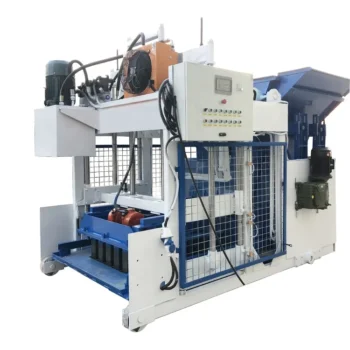
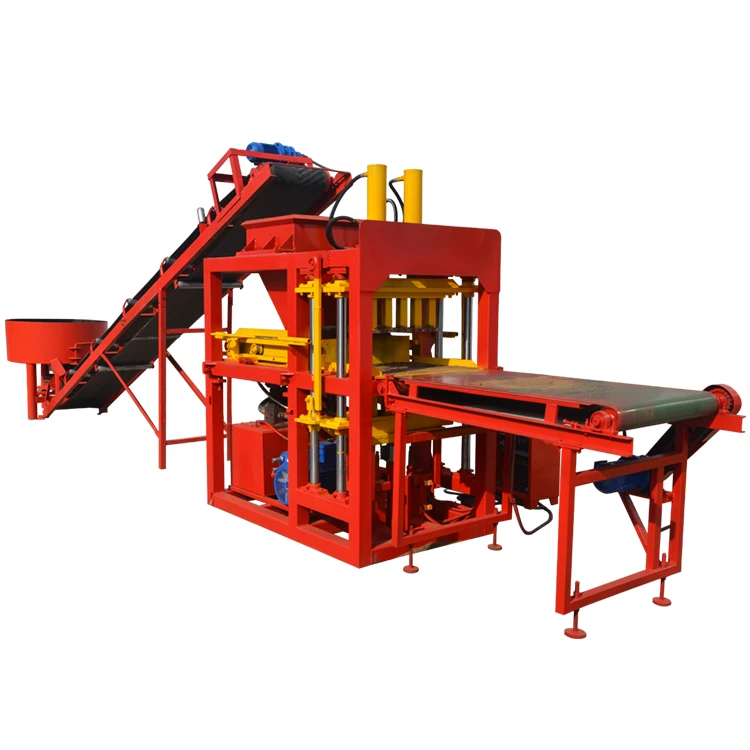
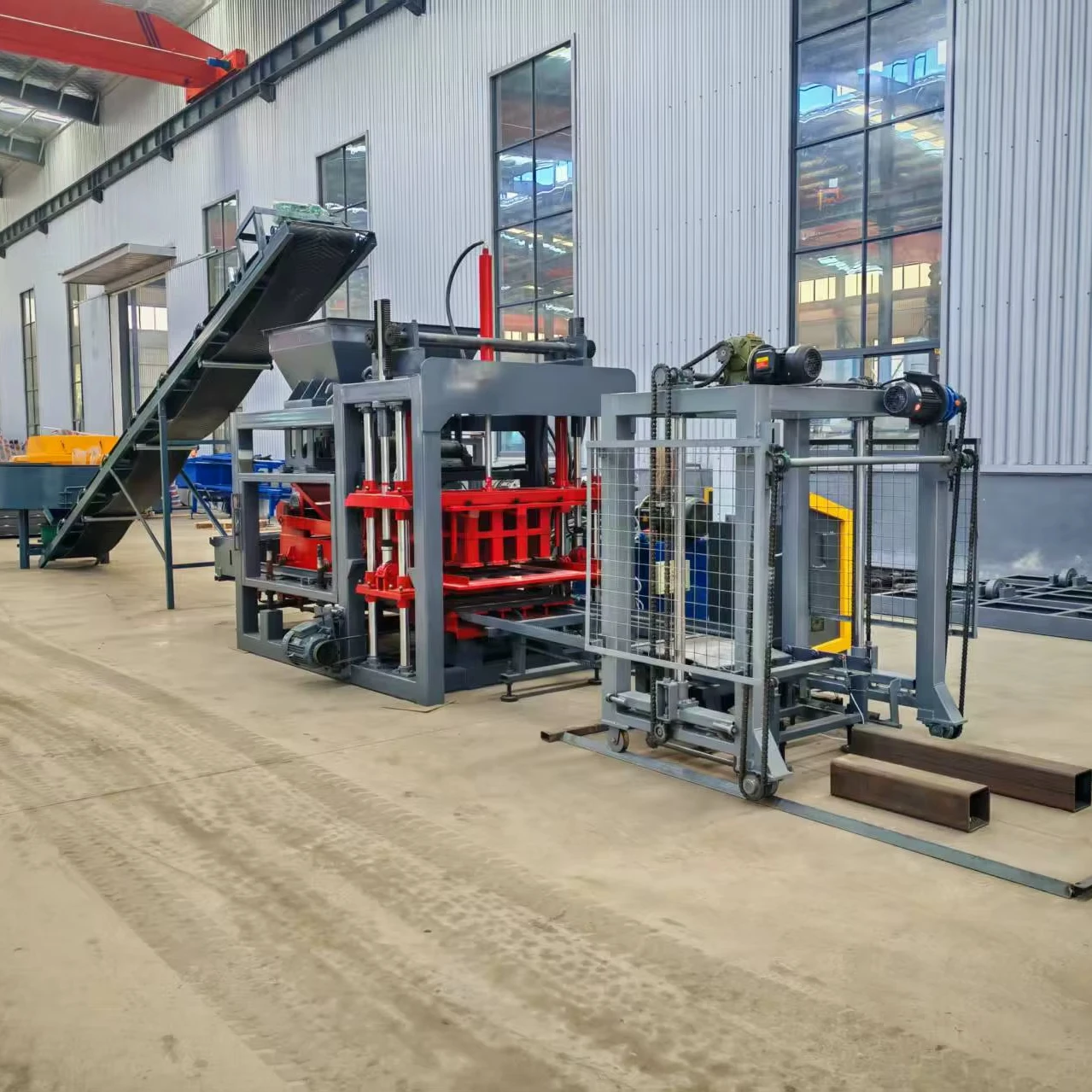
| Product Type | Semi-Automatic Concrete Block Making Machine |
| Machine Type | Stationary table vibration concrete block machine |
| Automation Level | Semi-automatic (mechanical + manual) |
| Main Machine Power | 11.95 kW |
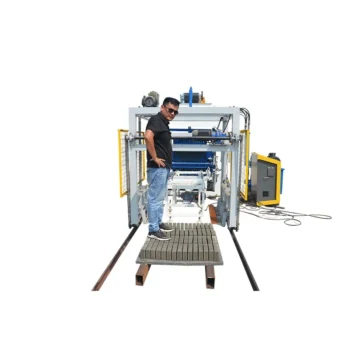
| Overall Dimensions (L×W×H) | 3600 mm × 1700 mm × 2560 mm |
| Total Mass | 3.5 T |
| Pallet Size | 900 mm × 450 mm |
| Molding Cycle | 24–26 s |
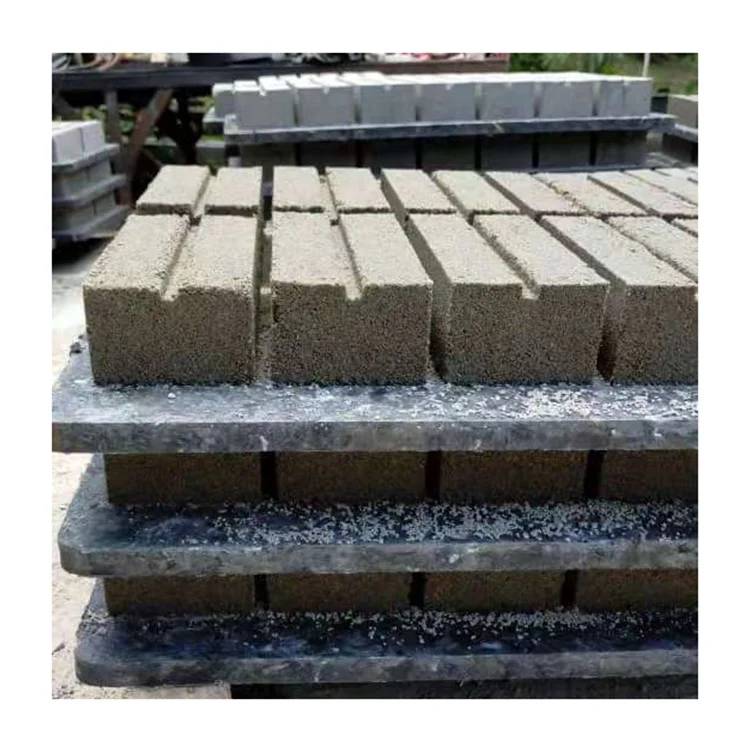
| Mould Format Options | 400×200×200 mm (4 pcs/mould), 390×240×190 mm (3 pcs/mould), 390×120×190 mm (6 pcs/mould), 240×115×53 mm (21 pcs/mould) |
| Vibration System | Table vibration feeding + fluctuation vibration molding |
| Feeding Method | Manual feeding, two feed way options |
| Control System | Electrical control with mechanical interlock (PLC brand/language basis to be confirmed) |
| Voltage & Frequency | Configurable per destination market (basis to be confirmed) |
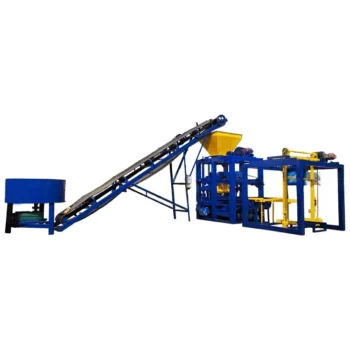
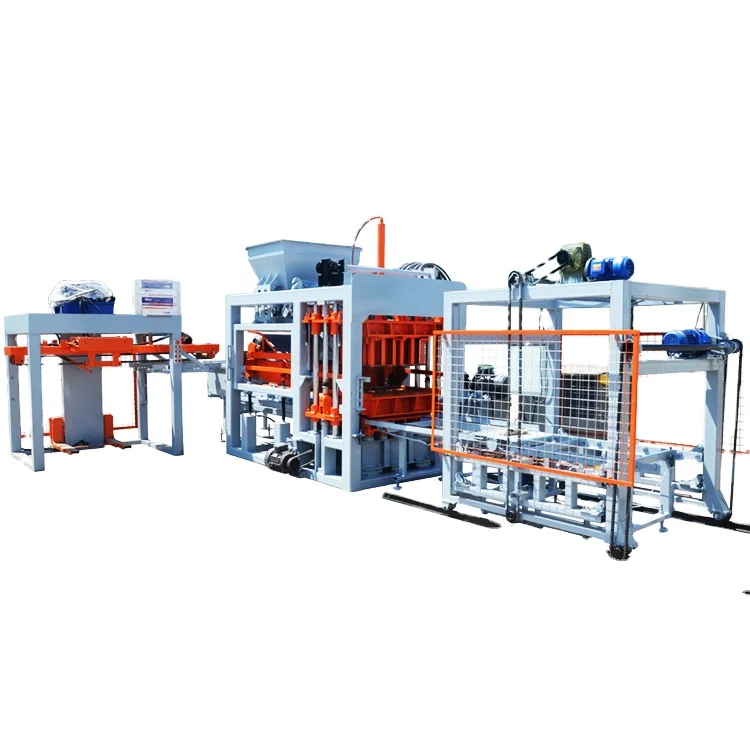
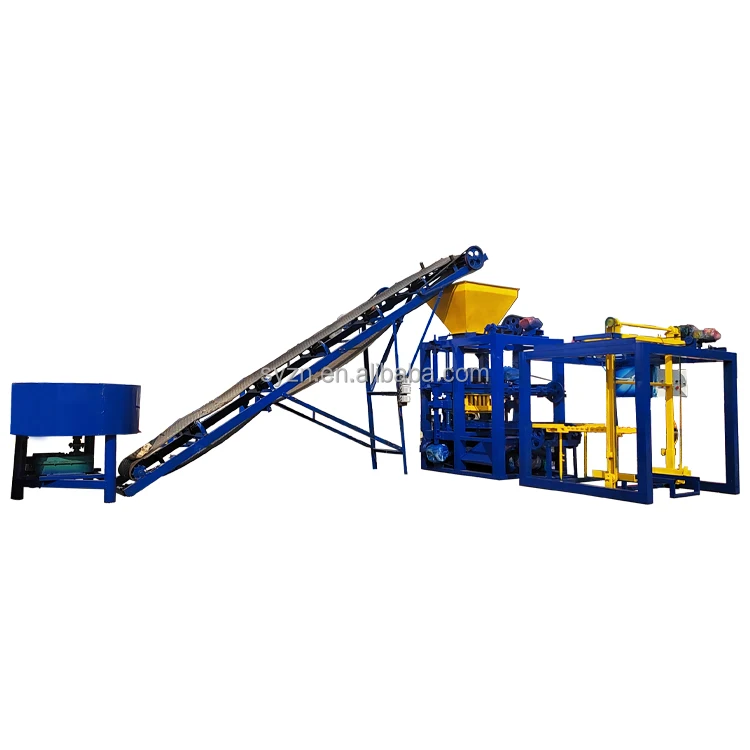
| Line Composition | Compatible with J350/JQ350 or JQ500 mixer and 6 m / 8 m belt conveyor |
| Hydraulic Pressure | Value to be confirmed with manufacturer |
| Vibration Force | Value to be confirmed with manufacturer |
| Mould Change Time | Value to be confirmed with manufacturer |
| Output Capacity | Varies by block format and shift hours (basis to be confirmed) |
| Wiring Spec (as supplied) | Main machine 3×6 mm², Mixer 3×4 mm², Conveyor 3×2.5 mm², General power 3×16 mm² |
| Assembly State | Requires on-site installation on precast concrete ground |
| Warranty | 1 year for the whole machine (excluding spare parts) |
Application Suitability
| Application | Material or Output |
|---|---|
| Hollow block production | Crushed stone, sand, cement, and lightweight aggregate mixes |
| Solid standard brick production | Dense aggregate and cement blends for load-bearing walls |
| Paving block production | High-strength cement and fine aggregate for interlocking formats |
| Multicellular brick production | Mixed aggregate blends for partition and infill blocks |
| Small-scale block plants | First plant setups producing multiple formats on limited footprint |
| Contractor on-site production | Housing and development projects with local material sourcing |
What "Cycles per Hour" Leaves Out About the QTJ4-24 Block Machine Specifications
A cycle time means nothing until you know which block size is sitting on the pallet.
I have watched buyers sign off on a quoted output number, then arrive at commissioning to discover the figure was based on a small solid brick while they needed 400×200×200 hollow blocks for their market. The QTJ4-24 block machine specifications list four distinct mould formats, each with a different cavity count. A 24–26 s cycle producing four hollow blocks per press is a very different daily total from the same cycle producing twenty-one standard bricks. Without that distinction written into the contract, capacity claims become guesses [NEED_CITE: block machine output calculation standards per format].
Mould Formats Drive the Real Output Number
The QTJ4-24 accommodates moulds from 400×200×200 mm hollow blocks down to 240×115×53 mm standard bricks. Each format changes the pieces-per-press figure, so the same molding cycle delivers different daily volumes depending entirely on the cavity count. Buyers who need both hollow blocks and pavers should confirm mould change time before committing, because a changeover that consumes most of a shift cancels the flexibility the second mould was supposed to provide.
Pallet Size Must Match Your Curing Layout
The 900×450 mm pallet is the physical link between press output and your curing racks. If your existing forklift tines or rack spacing were sized for a different pallet dimension, every cured load becomes a manual re-stack. Confirming pallet size against your curing area before the QTJ4-24 block machine specifications are finalized avoids a bottleneck that no amount of press speed can fix [NEED_CITE: pallet handling compatibility in block plants].
Vibration and Pressure Set Block Strength, Not Just Shape
Table vibration feeding combined with fluctuation vibration molding compacts the mix in two stages. The vibration force and hydraulic pressure must match the buyer’s specific aggregate — whether river sand, crushed volcanic rock, or recycled concrete. A setting calibrated for one material may leave blocks under-compacted when a different local aggregate is used, leading to strength failures that only appear after curing.
When the Wrong Configuration Becomes a Costly Fix
A machine set up for a mix the buyer cannot source locally forces either a material change or a production halt. I have seen projects delayed because the voltage and frequency were assumed rather than confirmed in writing, leaving the control panel incompatible with the site supply on arrival. Wiring on this model runs 3×6 mm² for the main machine and 3×16 mm² for general power — specifications that must align with the local electrical standard before the machine leaves the factory [NEED_CITE: voltage and frequency standards by export market]. Mould wear parts ordered late mean the first replacement arrives weeks after production should have started.
Why Buyers Spec the Line Here
Shandong Shiyue Intelligent Machinery treats the QTJ4-24 as part of a matched system: mixer, conveyor, pallets, and press are configured together so cycle times align. Mould design follows the buyer’s market formats, including custom drawings when the standard four options do not cover a local requirement. Automation level is selectable, allowing a semi-automatic start with a defined upgrade path. Factory testing runs on the buyer’s target block format before dispatch, and installation support includes operator training on the actual mix being used.
Documentation & Verification
- Line layout stating output per block format assumed
- Mould drawing and format list with quotation
- Voltage, frequency, and control language written confirmation
- Factory test record on buyer’s target block type
- Hydraulic and electrical schematic with wiring specs
- Packing photographs before container loading
Installation, Commissioning & Support
- Precast concrete ground required for 3600×1700 mm footprint
- Dedicated circuit matching confirmed voltage and 11.95 kW main draw
- On-site assembly of table vibration and feeding stations
- Mixer discharge timing aligned to 24–26 s press cycle
- Operator training on mould change and mechanical interlock
- Wear parts list covering vibration pads and mould liners
What to Include in Your Inquiry
Provide the block formats your market sells and the daily volume you need for each. State your local aggregate type and cement source so the vibration and pressure settings can be matched before build. Confirm the site voltage, frequency, and preferred control display language to avoid commissioning delays.
Frequently Asked Questions
Q: How is the daily output of the QTJ4-24 calculated, and which block format is each figure based on?
A: Output depends on the mould cavity count and shift hours. A 24–26 s cycle with a four-cavity hollow block mould produces fewer pieces than the same cycle with a twenty-one-cavity standard brick mould. We calculate capacity for each format separately and state the assumption in the line layout document so the number matches your actual product mix.
Q: How do I match the 900×450 mm pallet to my existing curing racks and forklift?
A: Measure your rack spacing and forklift tine width before ordering. If your current setup uses a different pallet dimension, blocks will need manual re-stacking after curing. We confirm pallet size against your curing layout during the proposal stage so the press output flows straight into your existing handling equipment.
Q: What voltage, frequency, and control language will the machine be shipped with?
A: These are confirmed in writing before production. The electrical system supports configurable voltage and frequency for the destination market, and the control display language is set to the operator’s preference. Wiring specifications are included in the documentation package for local electrician reference.
Q: Which mixer and conveyor models are matched to this press?
A: The QTJ4-24 is compatible with a J350, JQ350, or JQ500 mixer and a 6 m or 8 m belt conveyor. The mixer batch volume and conveyor feed rate are selected so discharge timing aligns with the 24–26 s molding cycle, preventing the press from waiting between strokes.