


Description
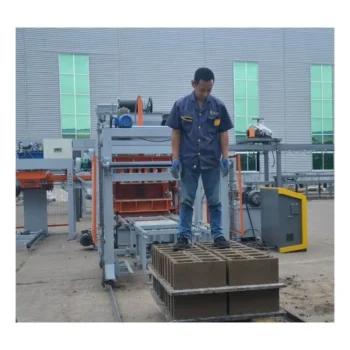
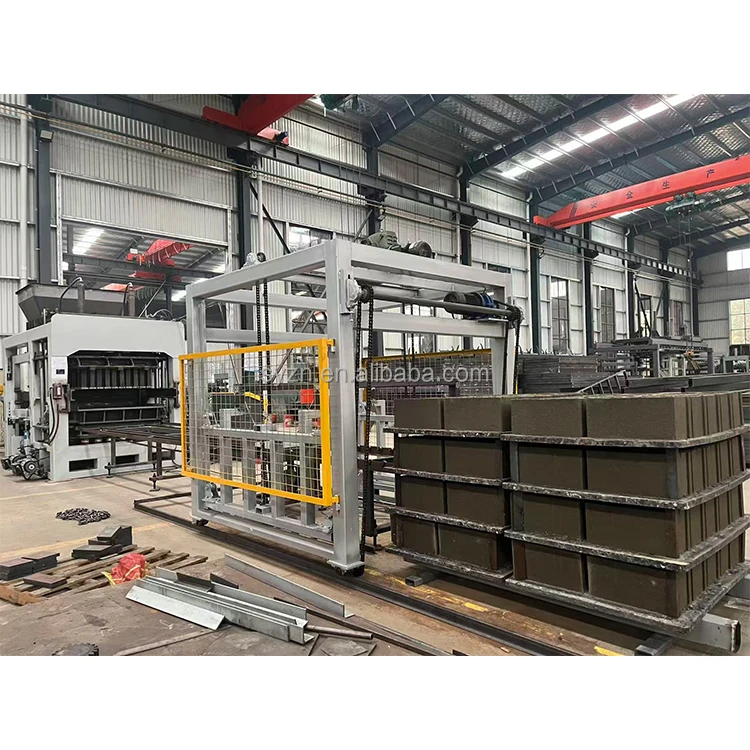
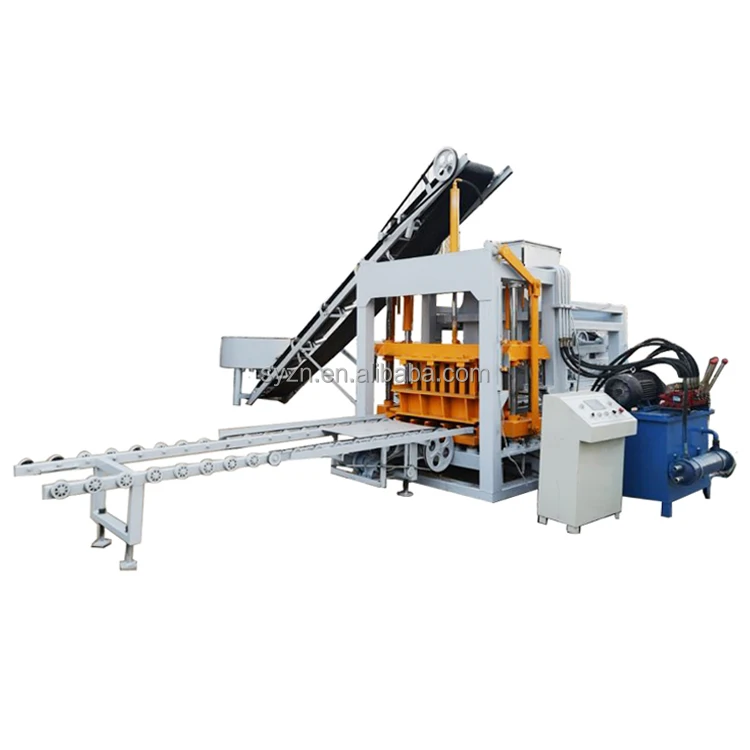
Matched System Design — Every component from the QT4-20 press to its moulds, pallets, and handling equipment is specified together against your local aggregate and target block format, not sourced separately and forced to fit.
Technical Specifications
| Parameter | Value |
|---|---|
| Model | QT4-20 |
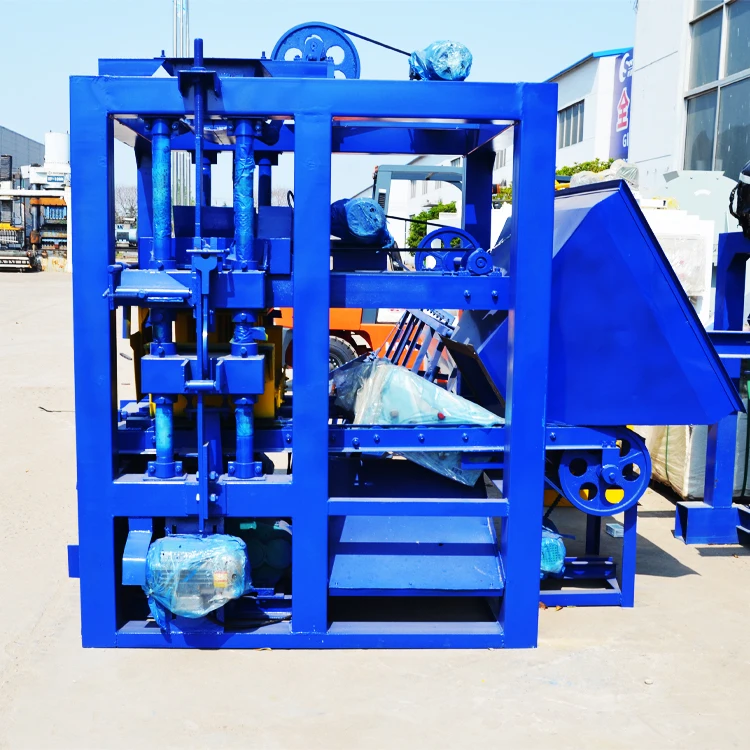
| Product Type | Hydraulic Concrete Block Making Machine |
| Overall Dimensions (L×W×H) | 7100 × 1600 × 2610 mm |
| Rated Hydraulic Pressure | 16–21 MPa |
| Main Vibration Form | Platform Vibration |
| Vibration Frequency | 4600 r/min |
| Vibration Force | 45 kN |
| Pallet Size | 1020 × 570 mm |
| Molding Cycle | 20–30 s (basis not stated in source — confirm per block format and material) |
| Overall Power | 27.5 kW |
| Total Mass | 6 T |
| Demolding Method | Hydraulic |
| General Water Consumption | 12 T/Day |
| Factory Area Required | 500 m² |
| Automation Level | Semi-automatic (configuration to be confirmed at inquiry) |
| Warranty | 1 Year |
Application Suitability
| Application | Material or Output |
|---|---|
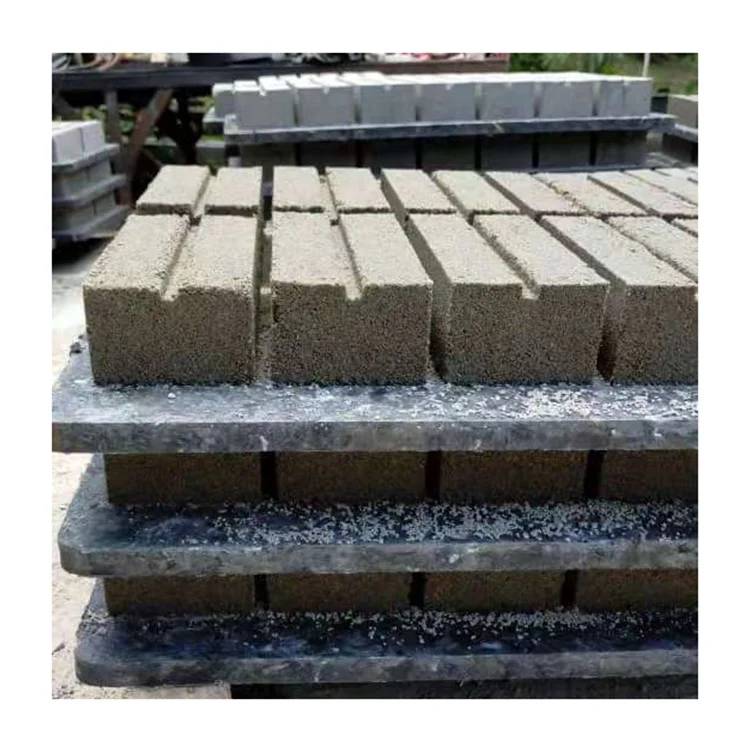
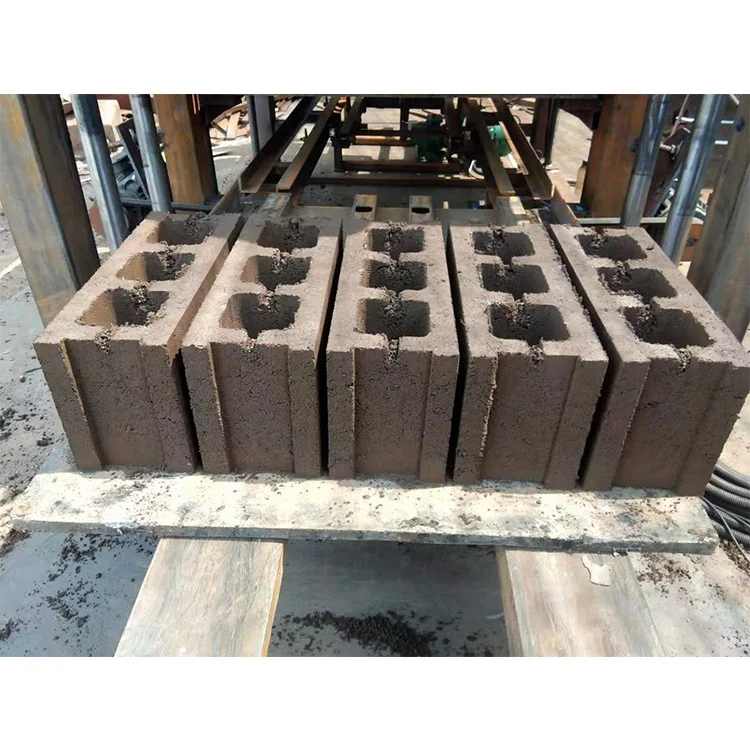
| Hollow block production | Crushed stone, sand, cement, fly ash |
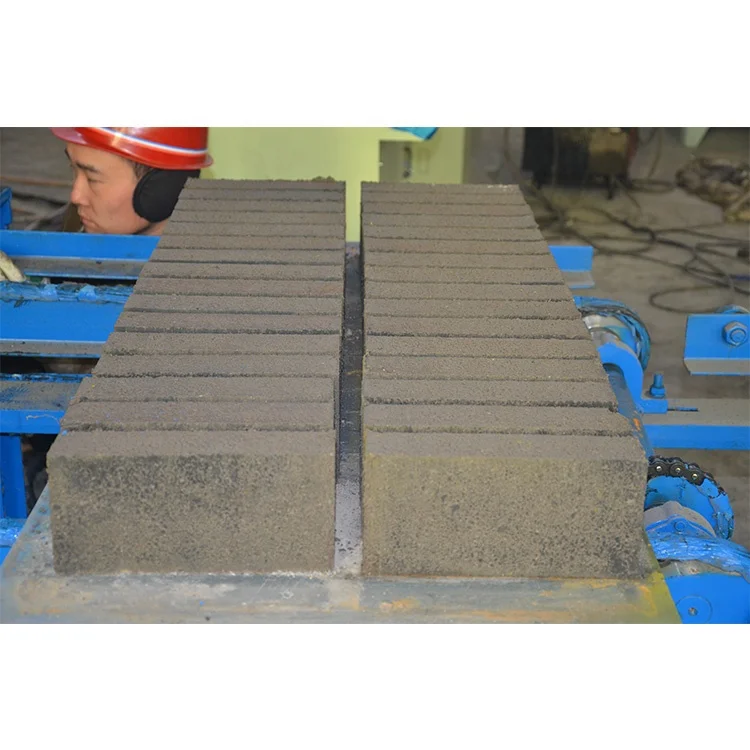
| Solid block production | Gravel, sand, cement blends |
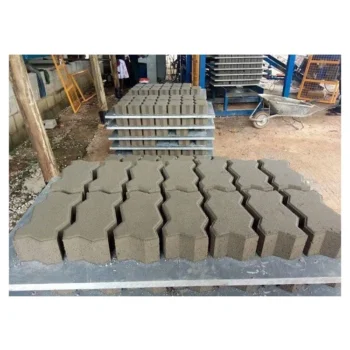
| Paving block and colored paver production | Fine aggregate, cement, pigment additives |
| Interlocking brick production | Sand, dust, cement mixtures |
| Kerbstone and curb production | Coarse aggregate, cement, slag |
What "Cycle Time" Actually Means for QT4-20 Block Machine Specifications
A 20–30 second cycle on paper becomes a full shift of idle workers if nobody confirmed which block format and mix design that number assumes.
Catalogue sheets for the QT4-20 block machine specifications often list a single molding cycle range without tying it to a specific block height, wall thickness, or aggregate blend. I have walked onto sites where the press was running, but the batching station could not keep up because the local sand carried high clay content and the mix needed more water than the original recipe allowed. The crew spent half the day waiting for material while the machine sat idle. Honest capacity planning starts by naming the exact format — hollow, solid, paver, interlocking — and testing the local aggregate before a cycle time is written into any quotation [NEED_CITE: aggregate testing standards for concrete block production].
Matching Vibration and Pressure to Your Mix
The QT4-20 pairs a rated hydraulic pressure of 16–21 MPa with 45 kN of vibration force delivered through platform vibration at 4600 r/min. These two forces must work together: hydraulic pressure compacts the mix from above while vibration settles the aggregate from below. If the local crushed stone is angular and poorly graded, the vibration frequency may need adjustment to fill the mould cavity completely before the pressure stroke finishes. A mismatch shows up as blocks with weak corners or inconsistent density from one batch to the next.
Pallet Size and Curing Area Alignment
The standard pallet size on the QT4-20 block machine specifications is 1020 × 570 mm. Before confirming an order, this dimension must be checked against the curing racks already on site and the forklift tine spacing in the yard. I have seen plants receive a machine only to discover that their existing curing racks were built for a different pallet footprint, forcing a full rack rebuild or a daily hand-stacking routine that erased the semi-automatic advantage. Pallet material — bamboo, PVC, or steel — also affects how long the pallets survive under repeated vibration and moisture exposure in the curing zone [NEED_CITE: pallet material service life in concrete block curing environments].
Reading the Core Numbers Behind Block Quality
Hydraulic Pressure, Vibration Force, and Block Density
In concrete block making, density is what gives a block its compressive strength. The 16–21 MPa hydraulic pressure range on the QT4-20 provides the clamping force needed during the press stroke, while the 45 kN vibration force at 4600 r/min settles the mix into every corner of the mould. When these two values are correctly matched to the buyer’s mix — particularly the cement-to-aggregate ratio and maximum aggregate size — the result is a block that meets local building code strength requirements without over-cementing. Over-cementing drives up material cost without adding proportional strength.
Mould Change and Format Flexibility
The QT4-20 can produce hollow blocks, solid blocks, pavers, interlocking bricks, and curbstones through mould changes. The practical value of format flexibility depends entirely on how long a mould swap takes on the shop floor. If a changeover consumes most of a shift, the buyer ends up dedicating the machine to a single format and losing the versatility they paid for. Mould drawings and format lists should be reviewed at the inquiry stage so that the physical swap procedure — bolt pattern, alignment pins, hydraulic hose routing — is understood before the machine arrives.
The Cost of Skipping Configuration Checks
When the Wrong Specification Becomes a Daily Problem
Choosing a pallet size without measuring the curing area means either rebuilding racks or stacking blocks by hand. Leaving voltage and frequency unconfirmed until the machine arrives can delay commissioning by weeks while a transformer or variable-frequency drive is sourced locally. Specifying a mix design the buyer cannot source means paying premium prices for imported aggregate or accepting blocks that fail compression tests. Each of these oversights compounds across every production day [NEED_CITE: common commissioning delays in exported block making equipment].
Why Buyers Source This Machine Here
Block machinery is the single focus of this operation, which means the QT4-20 press, its moulds, pallets, and supporting handling equipment are specified as one matched system rather than assembled from separate suppliers. Machine configuration is set against the buyer’s actual mix design and local aggregate, not pulled from a catalogue default. Mould design covers the formats the buyer’s market actually sells, with custom mould work available to buyer drawings. Automation level is selectable, so a buyer can start semi-automatic and add automatic stacking or cubing later. Installation support includes on-site commissioning and operator training so the crew knows how to run the machine from day one.
Documentation & Verification
- Line layout and capacity calculation stating the specific block format assumed for the QT4-20
- Machine specification sheet covering hydraulic pressure, vibration force, and pallet dimensions
- Mould drawing and format list confirming block dimensions and custom mould availability
- Pallet specification matching size and material to the buyer’s curing area and forklift
- Voltage, frequency, and control language confirmation issued before production begins
- Factory test record demonstrating cycle operation on the agreed block format
Installation, Commissioning & Support
- Foundation pad sized to the QT4-20 footprint of 7100 × 1600 mm with level tolerance confirmed
- Dedicated power circuit rated for 27.5 kW total draw with correct voltage and frequency
- Machine arrives partially dismantled for container loading; reassembly supervised on site
- First-run commissioning includes pressure and vibration tuning to the buyer’s confirmed mix
- Operator training covers mould change procedure, daily maintenance, and hydraulic system checks
- Wear parts and mould replacement list provided with the operation and maintenance manual
Before You Request a Quote
To size the QT4-20 accurately, share the specific block format your market sells most — hollow, solid, paver, or interlocking — along with the target daily output for that format. Provide a sample or description of the local aggregate you plan to use, including any fly ash or slag content. Confirm the voltage, frequency, and preferred control display language for your site, and note the curing rack dimensions and forklift specifications already in place.
Frequently Asked Questions
Q: How is QT4-20 capacity calculated per block format, and what cycle time applies to each?
A: The 20–30 second molding cycle range must be tied to a specific block format, height, and mix design. At the inquiry stage, we provide a written capacity calculation that names the exact format — such as a 400 × 200 × 200 mm hollow block — and states the expected output per shift based on that format, not a blanket hourly figure.
Q: What mould formats are available, and can custom moulds be designed to buyer drawings?
A: Standard moulds cover hollow blocks, solid blocks, pavers, interlocking bricks, and curbstones sized to common market dimensions. Custom moulds can be designed and manufactured to buyer-supplied drawings, with mould change hardware and alignment details confirmed before production so swap procedures are understood in advance.
Q: How do I confirm pallet size matches my curing racks and forklift?
A: The standard pallet size is 1020 × 570 mm. Before order confirmation, we ask for your curing rack dimensions and forklift tine spacing to verify compatibility. Pallet material — bamboo, PVC, or steel — is also selected based on your curing environment and expected service conditions.
Q: What voltage, frequency, and control language options are confirmed before shipment?
A: Voltage, frequency, and control display language are confirmed in writing before production begins. This prevents commissioning delays caused by mismatched electrical supply or unreadable interface text once the machine arrives at your site.
Q: How is the machine configured to match my local aggregate and mix design?
A: During the inquiry process, we review your local aggregate type, grading, and any supplementary materials like fly ash or slag. Hydraulic pressure and vibration settings are then matched to that specific mix, ensuring consistent block density and strength rather than relying on a generic catalogue recipe.