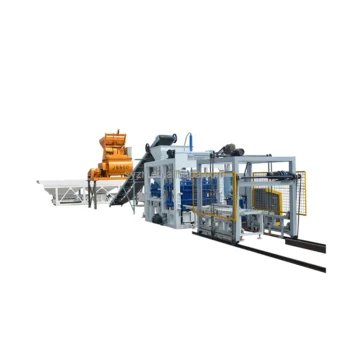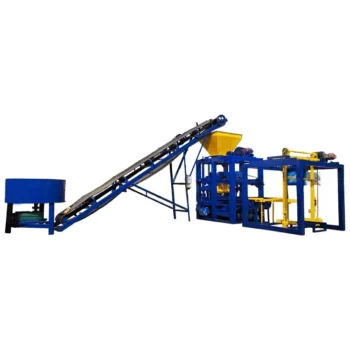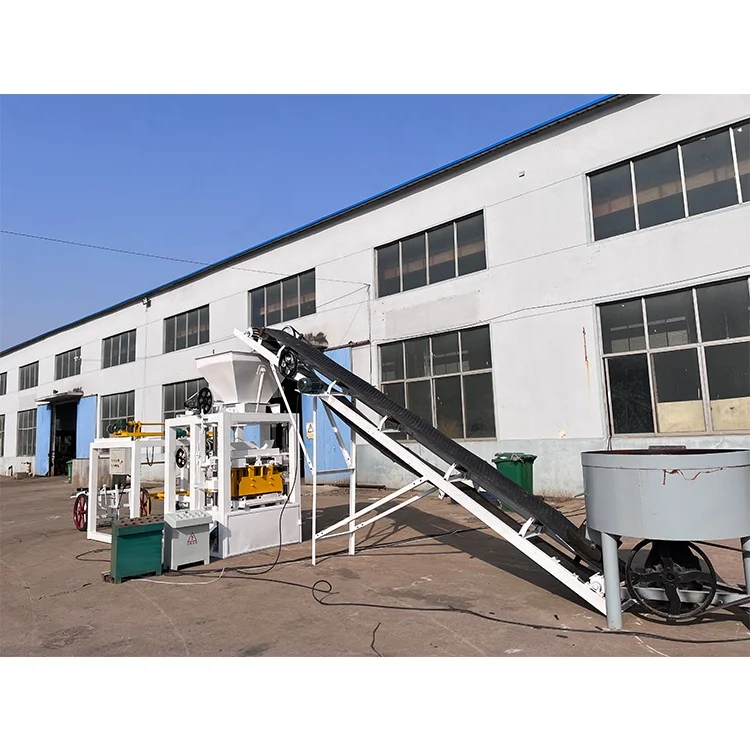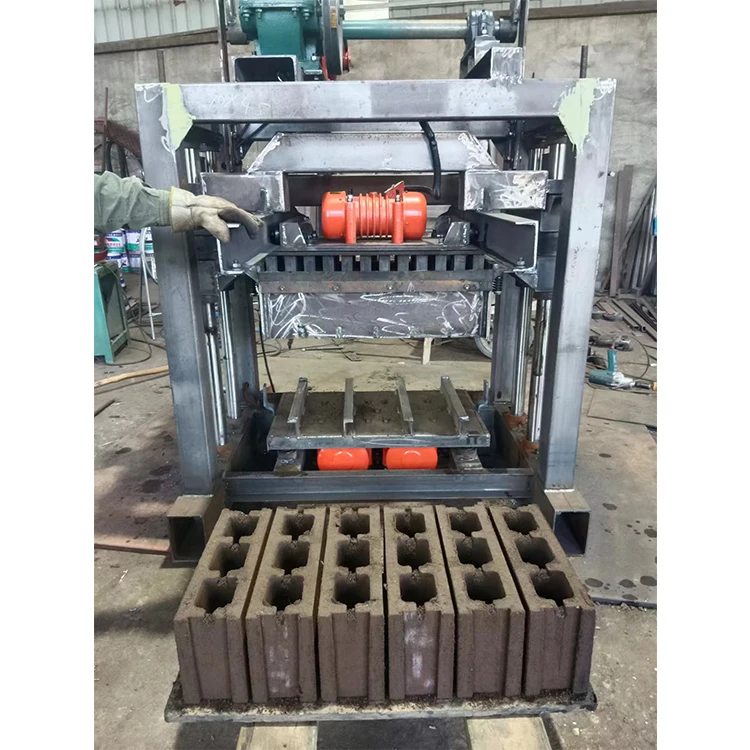
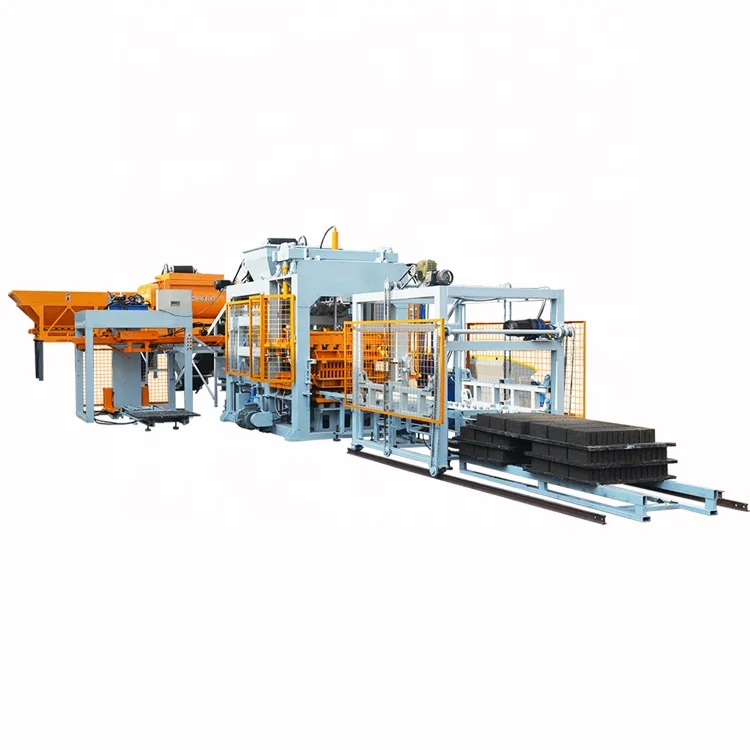
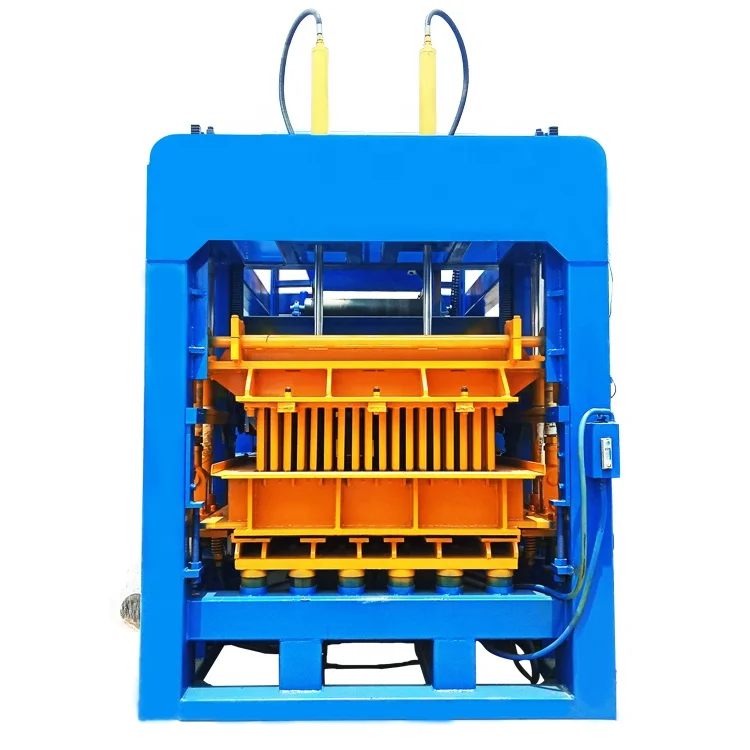
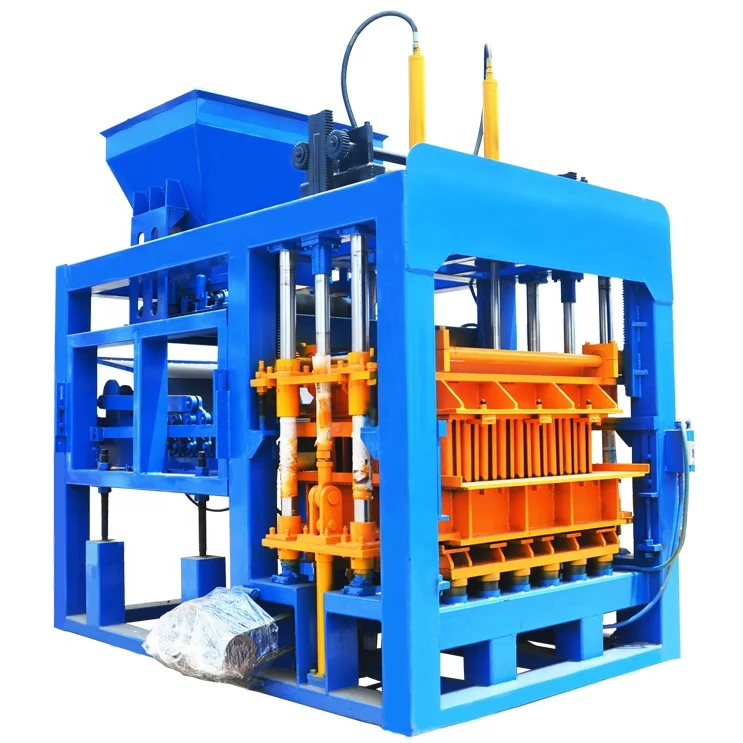
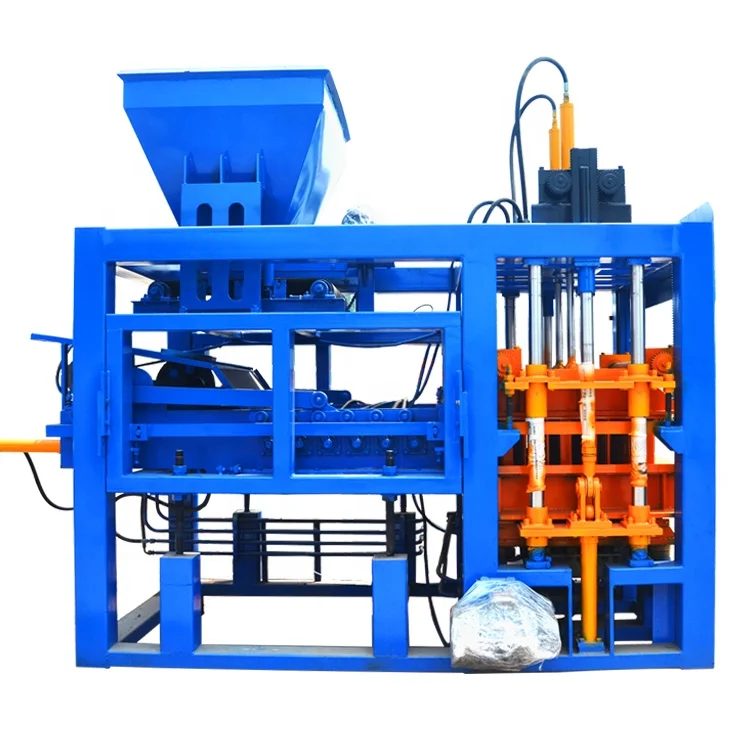
Description
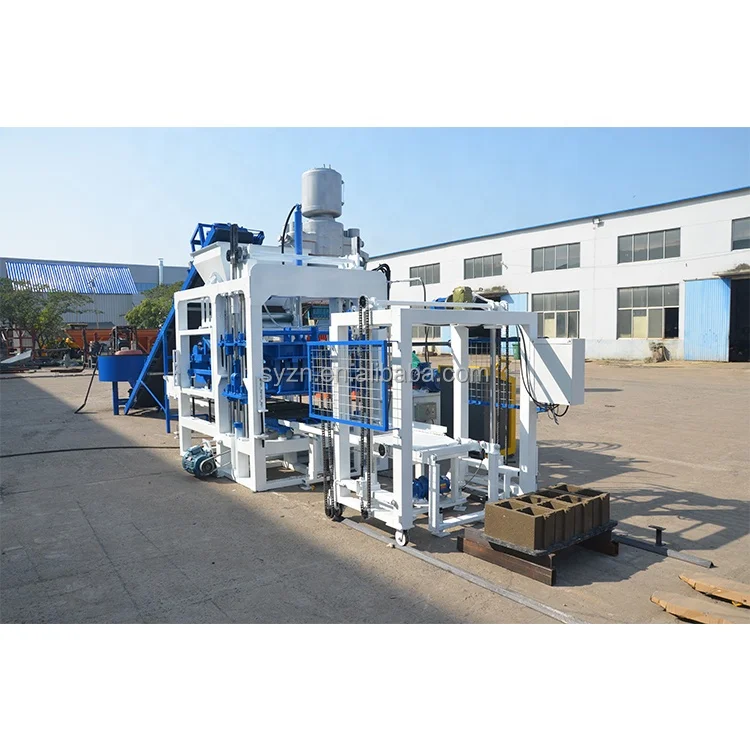
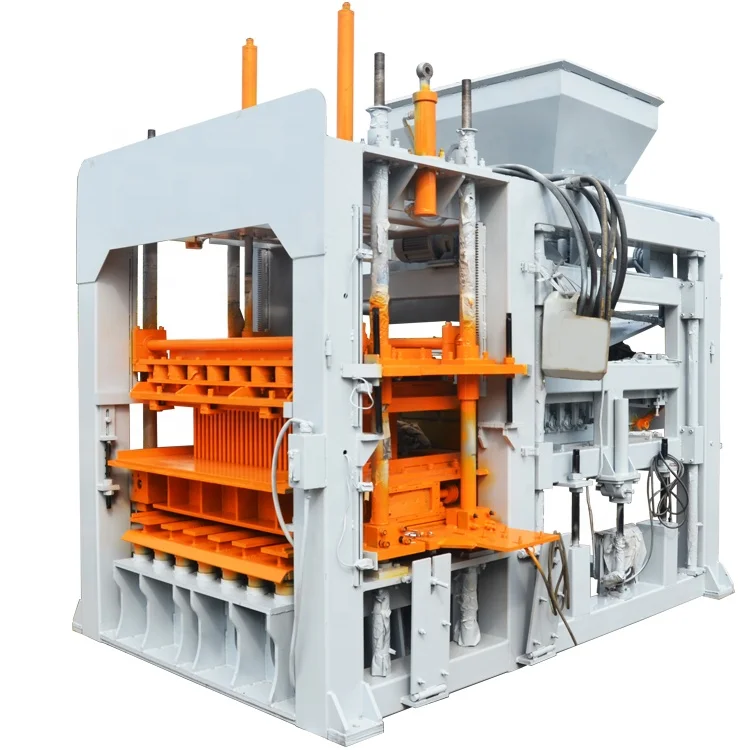
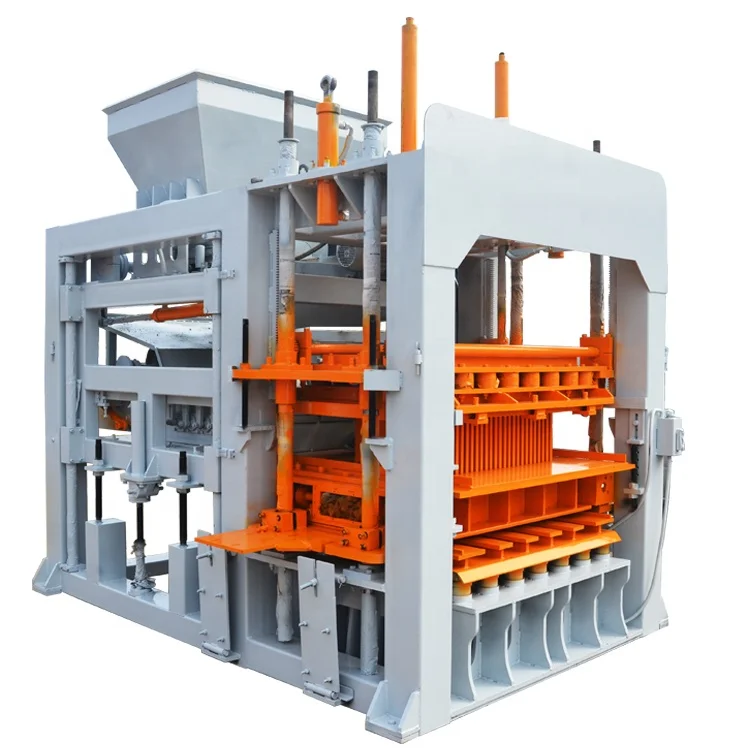
Matched Vibration to Aggregate — QT8-15 block machine specifications pair 21 MPa hydraulic pressure with adjustable 2800–4500 r/min platform vibration, set against your local mix rather than a catalogue default.
Technical Specifications
| Parameter | Value |
|---|---|
| Model | QT8-15 |
| Product Type | Automatic Concrete Block Making Machine |
| Overall Dimensions (L×W×H) | 8300×1860×3000 mm |
| Rated Pressure | 21 MPa |
| Main Vibration Form | Platform Vibration |
| Vibration Frequency | 2800–4500 r/min |
| Vibration Force | 45 kN |
| Pallet Size | 950×900 mm |
| Molding Cycle | 15–20 s |
| Overall Power | 55.5 kW |
| Total Mass | 8 T |
| Demolding Method | Hydraulic |
| Factory Area | 300 m² |
| Output Capacity | (basis to be confirmed — depends on block format, material and wall thickness) |
Application Suitability
| Application | Material or Output |
|---|---|
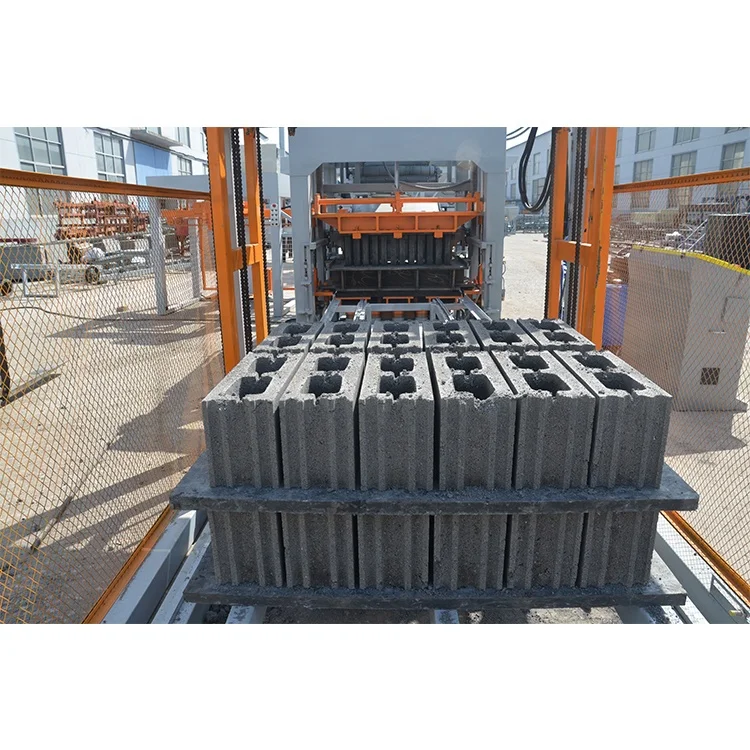
| Hollow block production | Crushed stone, sand, cement, fly ash, gravel, slag |
| Solid block manufacturing | Standard aggregate mixes and lightweight fill |
| Paving block and colored paver runs | Fine aggregate with pigment additives |
| Interlocking brick formation | Cement-bound granular base materials |
| Curbstone pressing | High-strength concrete with coarse gravel |
What "15–20 Second Cycle" Leaves Out in QT8-15 Block Machine Specifications
A cycle time only matters when tied to the exact block format and wall thickness you intend to produce.
Quoting molding cycles without naming the format misleads buyers into projecting daily volumes that never materialize on the shop floor. A 15-second cycle on a thin paver cannot be applied to a deep-core hollow block, yet catalogue sheets often present a single range as if it covers every mould on the pallet. When vibration force and hydraulic pressure are not adjusted to the buyer’s specific aggregate, the resulting blocks crack or fail drop tests, forcing the plant to slow the press and lose the very output the spec sheet promised [NEED_CITE: concrete block compressive strength testing standards].
Matching Vibration and Pressure to Local Aggregate
Platform vibration on the QT8-15 operates across 2800–4500 r/min, allowing the frequency to be tuned to the particle size and shape of the aggregate available in your region. Coarse volcanic rock demands different energy transfer than fine river sand, and running a single default setting leads to weak compaction or surface spalling. The 21 MPa hydraulic pressure works in tandem with vibration to consolidate the mix, and both parameters must be validated against your actual raw material before the machine leaves the factory.
Pallet Size and Curing Area Alignment
The 950×900 mm pallet defines not only the mould footprint but also how many blocks travel to the curing area per cycle. If your existing racks or forklift tines are sized for a different pallet dimension, every loaded board becomes a handling bottleneck. Confirming pallet material — bamboo, steel, or PVC — against the weight of wet blocks and the rack spacing in your curing zone prevents costly re-racking after the first production day [NEED_CITE: pallet load capacity in concrete block curing systems].
Reading the Core Parameters for Real Output
The 55.5 kW total power must cover vibration motors, hydraulic pump, and material feeding simultaneously, so peak draw during startup should be verified against your site transformer. The 45 kN vibration force determines how densely aggregate particles pack inside the mould cavity, directly affecting block weight and compressive strength. Hydraulic demolding, rather than mechanical ejection, reduces corner damage on thin-wall hollow blocks, which preserves the format tolerance your market requires. QT8-15 block machine specifications list a 300 m² factory area, giving enough space for the press, pallet return loop, and raw material batching without congestion.
When the Wrong Configuration Reaches the Site
Selecting a pallet material without weighing wet block load leads to warped boards that jam the return conveyor. Setting vibration frequency for standard sand when the local quarry supplies angular crushed stone produces blocks that crumble at the edges during handling. Voltage and PLC display language left unconfirmed before shipment stall commissioning while control panels are reprogrammed on site [NEED_CITE: industrial machinery voltage and frequency compatibility].
Why Sourcing This Press Here Matters
Block machinery is our single focus, so the QT8-15 is specified as one matched system — press, mould, pallet, and handling — rather than assembled from separate suppliers. Configuration is set against your actual mix design and target format, not a catalogue default. Moulds for every format you sell locally, including custom designs from your drawings, are supplied with the machine. Automation level is selectable, allowing a plant to start semi-automatic and add stacking later. Installation support and operator training ensure the first production shift yields sellable blocks.
Documentation & Verification
- Line layout with capacity stated per block format and pallet cycle
- Machine spec sheet confirming hydraulic pressure and vibration frequency range
- Mould drawing and format list matching your local market products
- Pallet specification covering size, material, and load rating
- Voltage, frequency, and PLC language confirmation before production
- Factory test record on your raw material mix prior to dispatch
Installation, Commissioning & Support
- Foundation must support 8 T total mass across the 8300×1860 mm footprint
- Dedicated circuit sized for 55.5 kW peak draw with correct voltage and frequency
- Pallet return loop and feeder aligned during on-site assembly
- First-run parameters set against your local aggregate and mix proportions
- Operator training covering mould change, hydraulic adjustment, and daily checks
- Wear parts list provided with recommended reorder intervals
Before You Send the Inquiry
Share the block format and wall thickness that dominate your local sales, along with the daily volume you need to sustain. Confirm the aggregate type you can source and its typical moisture content. Specify site voltage, frequency, and the language your operators read so the control panel arrives ready to run [NEED_CITE: industrial equipment export documentation requirements].
Frequently Asked Questions
Q: How is daily output calculated per block format on the QT8-15?
A: Output is derived from the molding cycle for a specific block size, the number of blocks per 950×900 mm pallet, and the number of productive hours per shift. Each format — hollow, paver, interlocking — has a different cycle and cavity count, so a single hourly figure cannot apply across all moulds.
Q: Which mould formats fit the 950×900 mm pallet, and are custom moulds possible?
A: Standard formats include hollow blocks, solid blocks, paving blocks, interlocking bricks, and curbstones sized to the pallet footprint. Custom moulds can be designed from buyer-supplied drawings, with cavity layout and wall thickness verified against the 21 MPa pressure and 45 kN vibration range.
Q: How do hydraulic pressure and vibration force match different aggregates?
A: The 21 MPa pressure and adjustable 2800–4500 r/min vibration are set after reviewing the buyer’s local aggregate type and mix proportions. Coarse or lightweight materials need different energy transfer settings to reach target compressive strength without surface damage.
Q: What is the actual mould change time, and are special tools required?
A: Mould change duration depends on the format and fastener type. Standard moulds on the QT8-15 use common bolt patterns, and the hydraulic demolding system simplifies removal. Exact change time is confirmed per mould drawing supplied with the quotation.
Q: How are pallet size and material chosen for existing curing setups?
A: The 950×900 mm pallet must align with the buyer’s curing rack spacing and forklift tine width. Material — bamboo, steel, or PVC — is selected based on wet block weight and the handling method already in use at the plant.