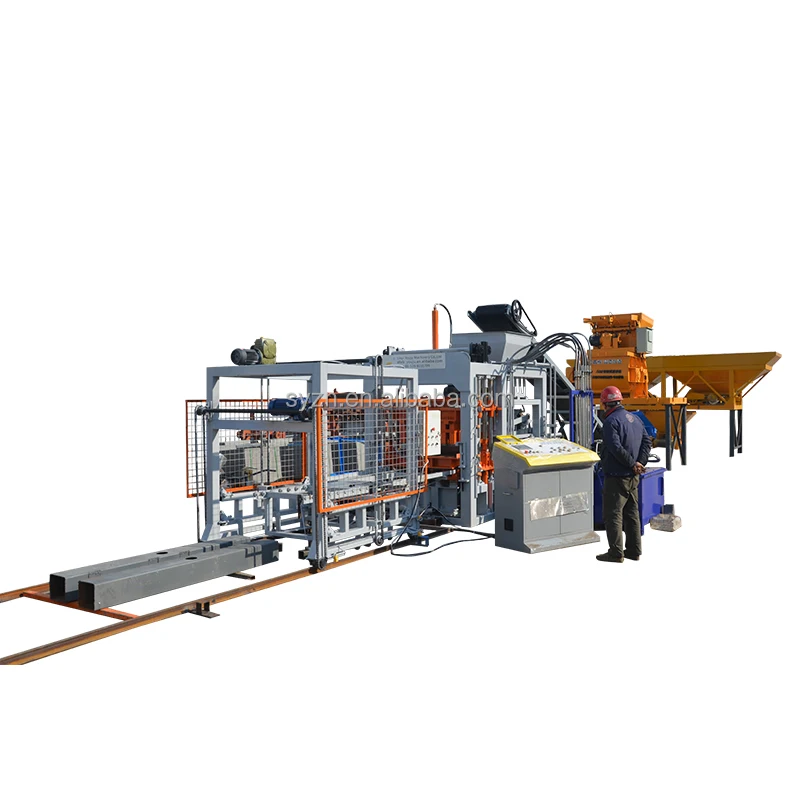
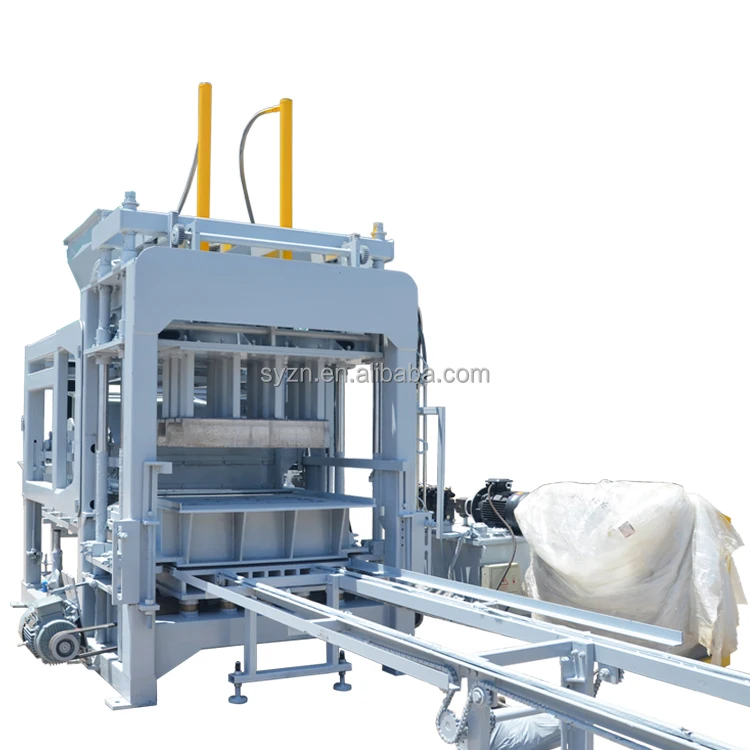
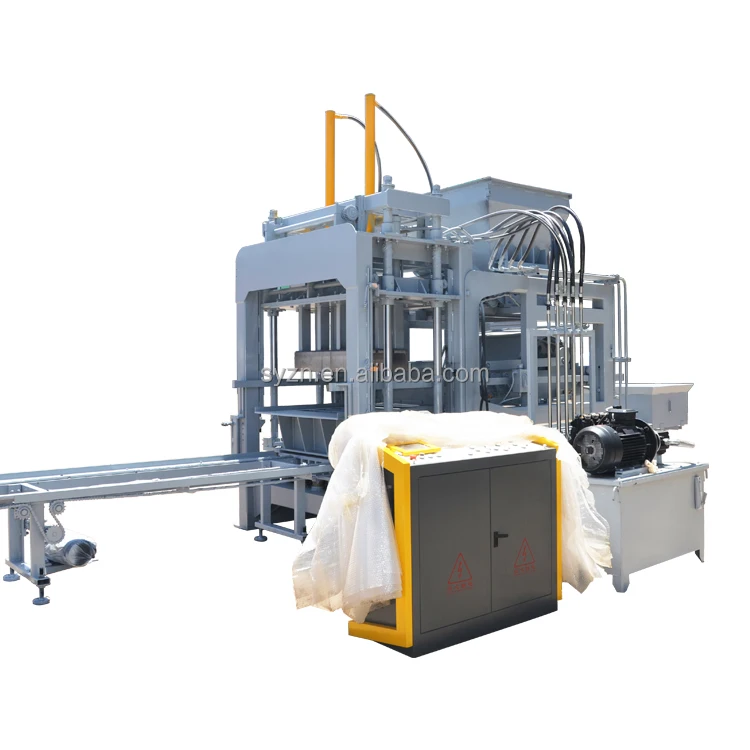
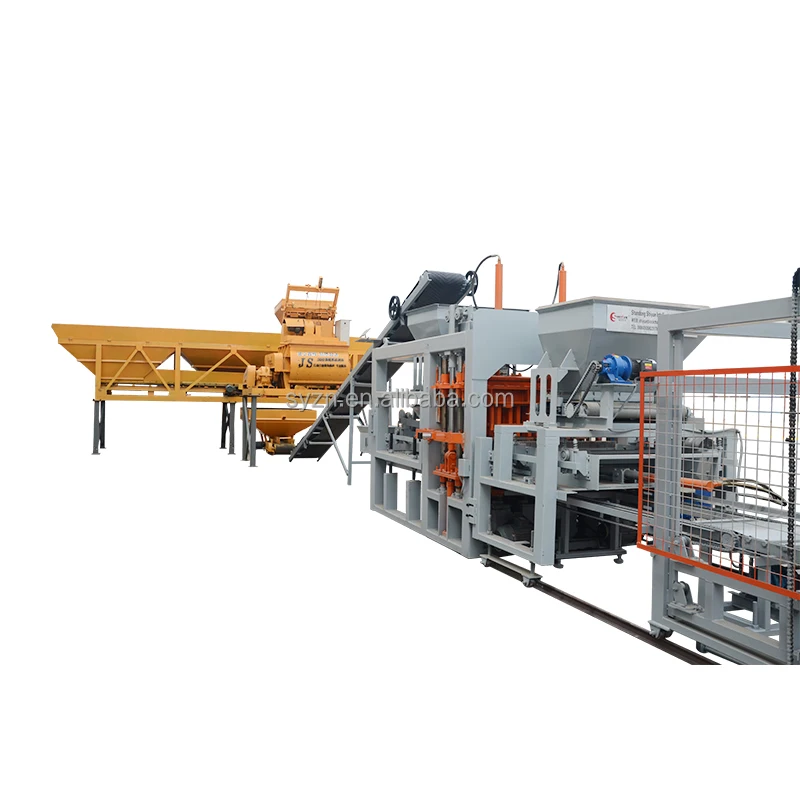
Description
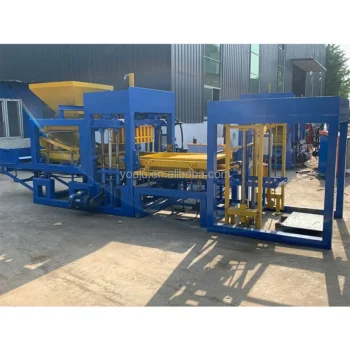
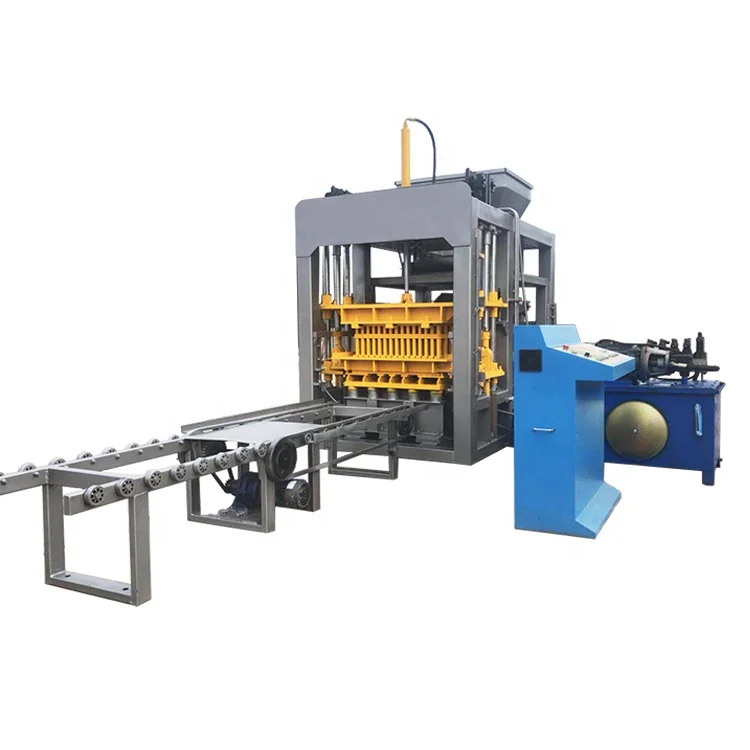
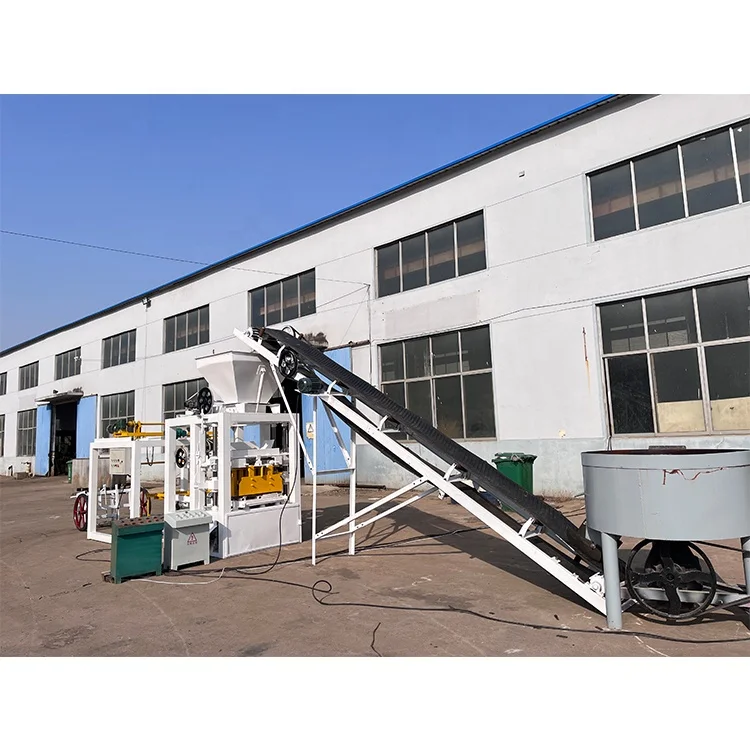
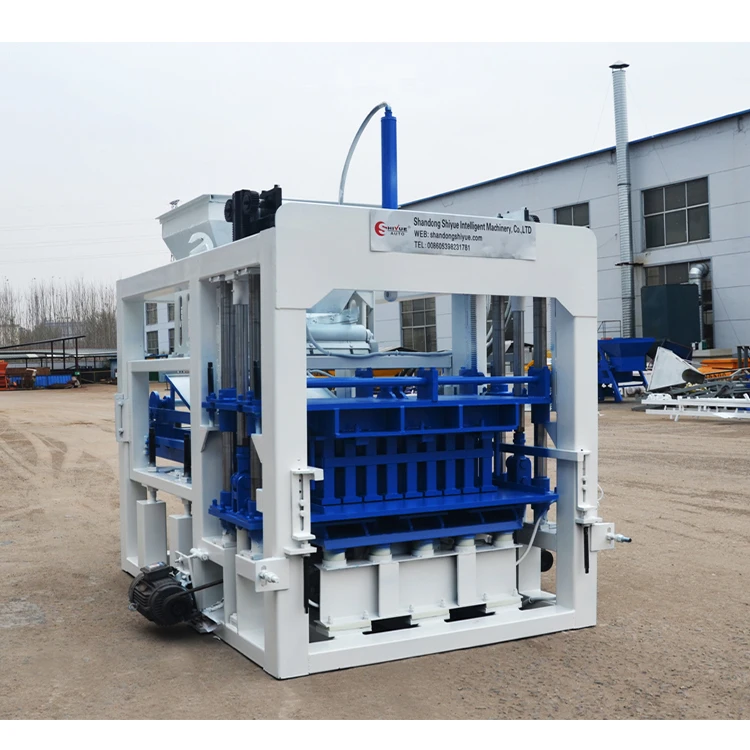
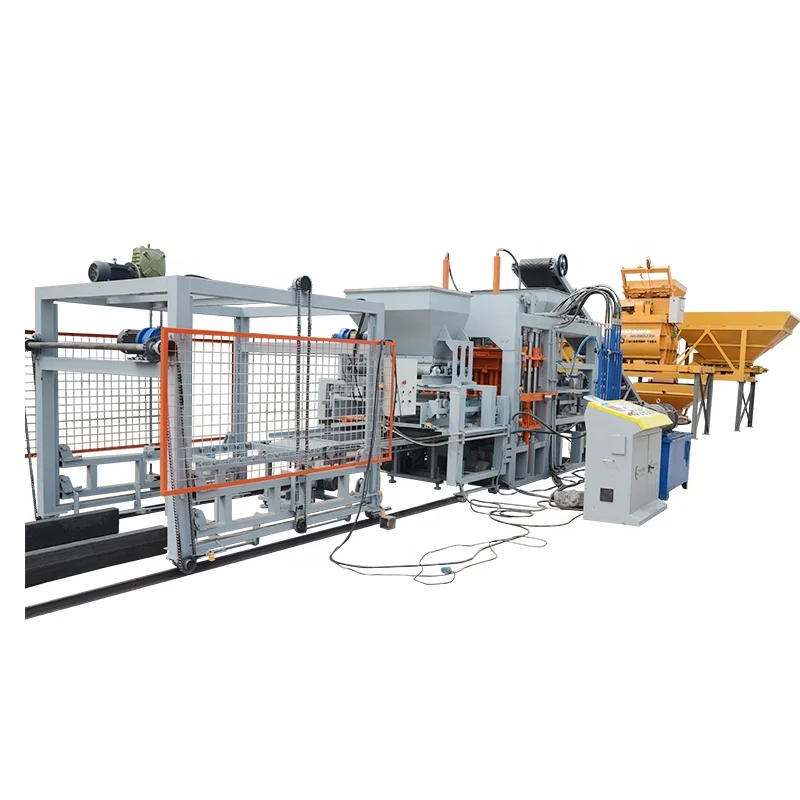
Matched System Design — The QT7-15 block machine, mould, pallet, and handling equipment are specified together against your actual mix design and target block format, preventing the common mismatch where standalone components fail to deliver rated output.
Technical Specifications
| Parameter | Value |
|---|---|
| Model | QT7-15 |
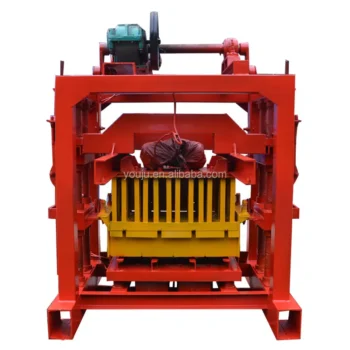
| Product Type | Automatic Hydraulic Hollow Block Making Machine |
| Host Machine Dimensions | 3200 × 2300 × 2750 mm |
| Host Machine Weight | 6 Tons |
| Molding Area | 1150 × 700 mm |
| Host Machine Power | 45 kW |
| Vibration Force | 100 kN |
| Vibration Method | Hydraulic + Platform Vibration |
| Vibration Frequency | 2800 – 4500 Times/Minute |
| Molding Period | 15 Seconds (basis not stated in source — confirm block format / material / thickness) |
| Pallet Size | 1150 × 700 × 25 mm |
| Control System | Siemens PLC with independently developed control program |
| Motor | Germany SIEMENS or CE standard brand |
| Travel Switch | France Schneider and Japan Omron |
| Voltage | 220 / 380 / 415 / 440V (Customized) |
| Mould Heat Treatment | Carburizing, 54 – 58 HRC, lifespan >100,000 cycles |
| Automation Level | Automatic |
| Batching Machine | PLD1200, 1200L Hopper, ±2% Precision |
| Mixer | JS500, 500L Discharge, 25 m³/h Capacity |
| Stacker | SY-4, 3 kW |
Application Suitability
| Application | Material or Output |
|---|---|
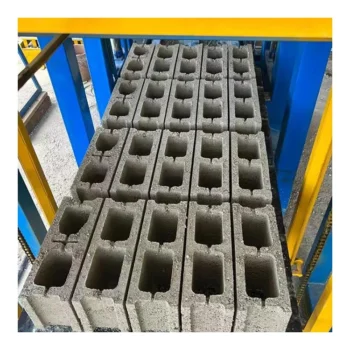
| Hollow Block Production | Concrete, cement, and local aggregates (e.g., crushed stone, river sand) |
| Solid Block Production | Dense concrete mixes for load-bearing walls |
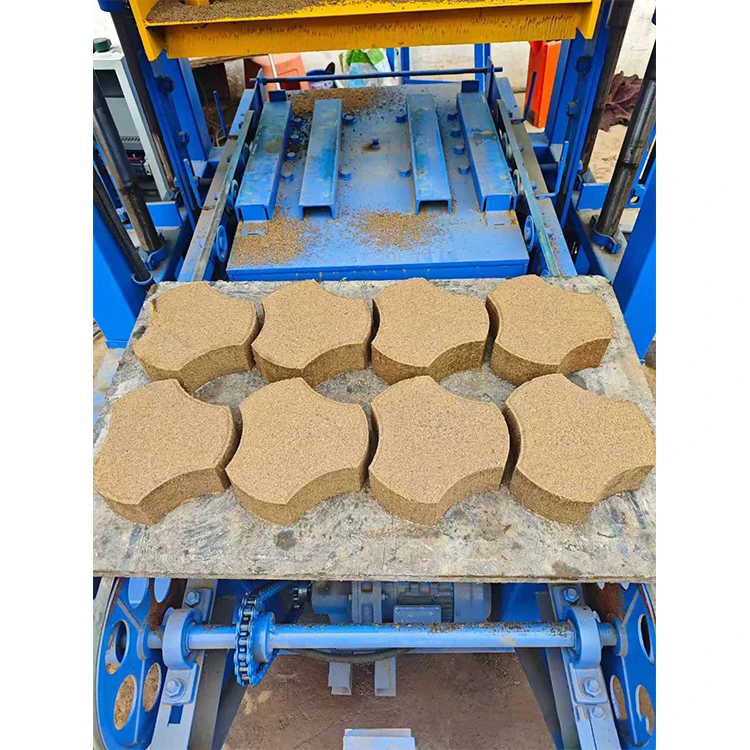
| Paving Block Production | High-strength concrete for interlocking pavers |
| Color Paver Production | Face-mix concrete with pigments for architectural finishes |
Why "15 Seconds per Cycle" Means Nothing Without a Block Format
A cycle time is only valid for a specific block dimension and mix design.
When you evaluate hollow block making machine specifications, a generic cycle figure can be misleading. If the machine is running a small solid paver, 15 seconds might be achievable, but a large hollow block with thick walls requires more vibration time and hydraulic pressure to compact the concrete fully. I have seen buyers sign contracts based on a 15-second promise, only to find their actual cycle stretching to 25 seconds once their local aggregate — which might be more abrasive or have different moisture retention — is introduced to the hopper. [NEED_CITE: concrete curing and compaction standards for block production].
Matching Vibration Force to Your Aggregate Density
The QT7-15 generates 100 kN of vibration force at frequencies between 2800 and 4500 times per minute. This range is necessary because different local aggregates behave differently under vibration. If your region uses volcanic ash or lightweight aggregates, the vibration profile must be adjusted to avoid segregating the mix, which leads to weak blocks. Conversely, heavy crushed granite requires sustained high-frequency vibration to interlock particles and eliminate voids. The hydraulic platform vibration ensures this force is transmitted through the mould evenly, maintaining consistent density across every pallet.
Pallet Size and Curing Area Integration
The standard pallet size of 1150 × 700 × 25 mm dictates your entire downstream logistics chain. Before ordering, you must verify that this pallet dimension fits your existing curing racks and that your forklift tines are spaced to handle it. If the pallets are too large for your curing chamber, you will be forced to stack them on the floor, losing the vertical space required for a high-capacity stationary plant. This is a frequent oversight when buyers focus solely on the press and neglect the material flow after the block is formed.
Interpreting the Batching and Mixing Capacity
The line includes a PLD1200 batching machine with ±2% ingredient precision and a JS500 mixer capable of 25 m³/h. In practice, the mixer’s 500L discharge volume determines the maximum batch size per cycle. If your hollow block making machine specifications require a specific water-to-cement ratio that is difficult to achieve with a 500L batch, you may need to adjust the batching logic. The PLD1200’s 4×2.5 m³ storage hoppers allow for three different aggregate species, which is sufficient for most standard concrete mixes but may require external silos if you are using specialized additives or face-mix pigments. [NEED_CITE: concrete batching precision requirements for structural blocks].
The Hidden Cost of Ignoring Mould Change Time
Buyers often purchase a machine for its format flexibility, only to discover that changing the mould takes most of a shift. If the QT7-15 is not specified with a quick-change mould system suited to your operator’s skill level, you will lose production hours every time you switch from hollow blocks to pavers. This downtime cancels out the theoretical capacity of the machine and forces you to keep dedicated machines for each format. [NEED_CITE: mould change systems and production scheduling in block plants].
Why a Matched Line Outperforms Component Assembly
When the QT7-15 is configured as a standalone press, the risk of bottlenecking at the feeder or stacker is high. By supplying the PLD1200, JS500, and SY-4 stacker as a matched system, the cycle times of each station are synchronized. The stacker’s 3 kW motor is rated to handle the output weight of a full shift without overheating, while the hydraulic trolley ensures pallets are returned to the feeder without manual intervention. This prevents the press from idling while waiting for empty pallets, which is the most common cause of output falling short of the quoted figure.
Documentation & Verification
- Line layout and capacity calculation stating the block format assumed for each output tier.
- Mould drawing and format list confirmed against your local market requirements.
- Pallet specification (1150 × 700 × 25 mm) verified against your curing area dimensions.
- Voltage and PLC display language confirmation sheet signed before production begins.
- Factory test record showing actual cycle times on a sample block format.
- Hydraulic and electrical schematic with CE-standard component identification.
Installation, Commissioning & Support
- Workshop area of 200 m² required for the host machine and immediate pallet circulation.
- Power supply must accommodate 45 kW host plus 18.5 kW mixer on separate breakers.
- Voltage customized to 220/380/415/440V before shipment to avoid transformer delays.
- Siemens PLC program calibrated to your specific block format and mix design.
- Mould carburizing treatment (54–58 HRC) ensures over 100,000 cycles before replacement.
- Training provided on quick mould change procedures and hydraulic pressure adjustment.
Prepare Your Inquiry Data
To provide an accurate capacity calculation, please specify the exact block dimensions you intend to produce and the local aggregate type available at your site. We also need to know your workshop ceiling height to confirm the stacker clearance, and your local voltage frequency to configure the Siemens PLC and motor correctly. If you have existing curing racks, provide their internal dimensions so we can verify pallet compatibility.
Frequently Asked Questions
Q: How is the QT7-15 daily output calculated, and which block format does each capacity figure assume?
A: Daily output is calculated by multiplying the cycle time for a specific block format by the number of blocks per pallet, then factoring in shift duration and mould change intervals. A 15-second cycle may apply to a small paver, but a 400mm hollow block will have a different cycle. We provide a capacity table listing the output for each format you intend to produce.
Q: How do I confirm the right mould format, pallet size, and block strength requirement for my local market?
A: We review your local building codes for compressive strength requirements and the block dimensions that sell in your market. The 1150 × 700 mm pallet is then checked against your curing racks. If your market requires a non-standard block, we design a custom mould to your drawings.
Q: What voltage, frequency, and PLC display language options are available, and when must they be confirmed?
A: The QT7-15 supports 220/380/415/440V configurations. The Siemens PLC display language can be set to your operator’s preference. These details must be confirmed before the control panel is wired in our factory to avoid commissioning delays after the machine arrives at your site.
Q: How long does a mould change take on the QT7-15, and what formats can one machine run?
A: Mould change time depends on the quick-change system selected and operator training. The machine can run hollow, solid, paving, and interlocking blocks, provided each mould is designed for the 1150 × 700 mm molding area. We specify the change procedure to fit your production schedule.
Q: What is the mould lifespan under my local aggregate conditions, and when will the first replacement parts be needed?
A: Moulds undergo carburizing treatment to 54–58 HRC, supporting over 100,000 cycles. However, highly abrasive aggregates can accelerate wear. We review your material sample to estimate lifespan and provide a wear parts list so you can plan inventory before production starts.