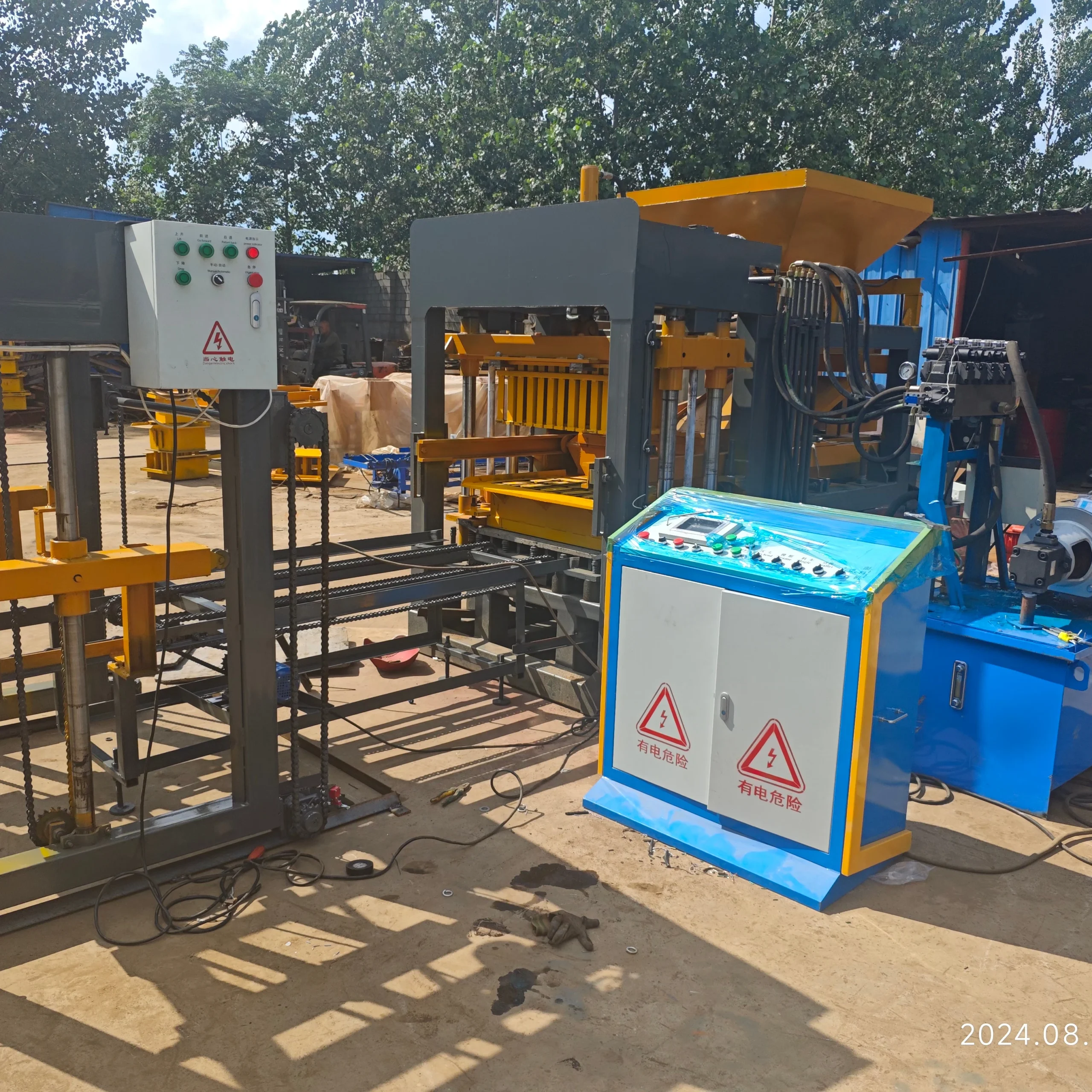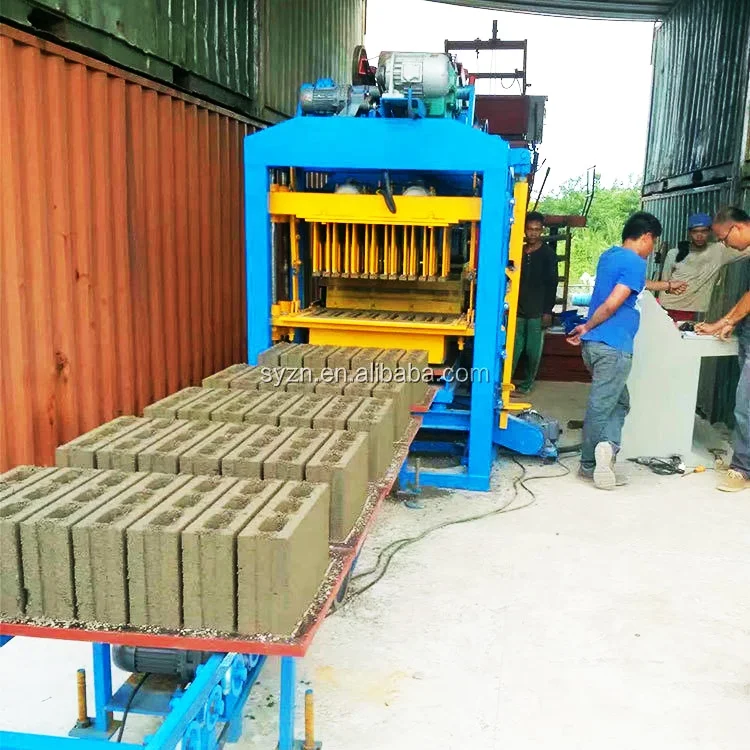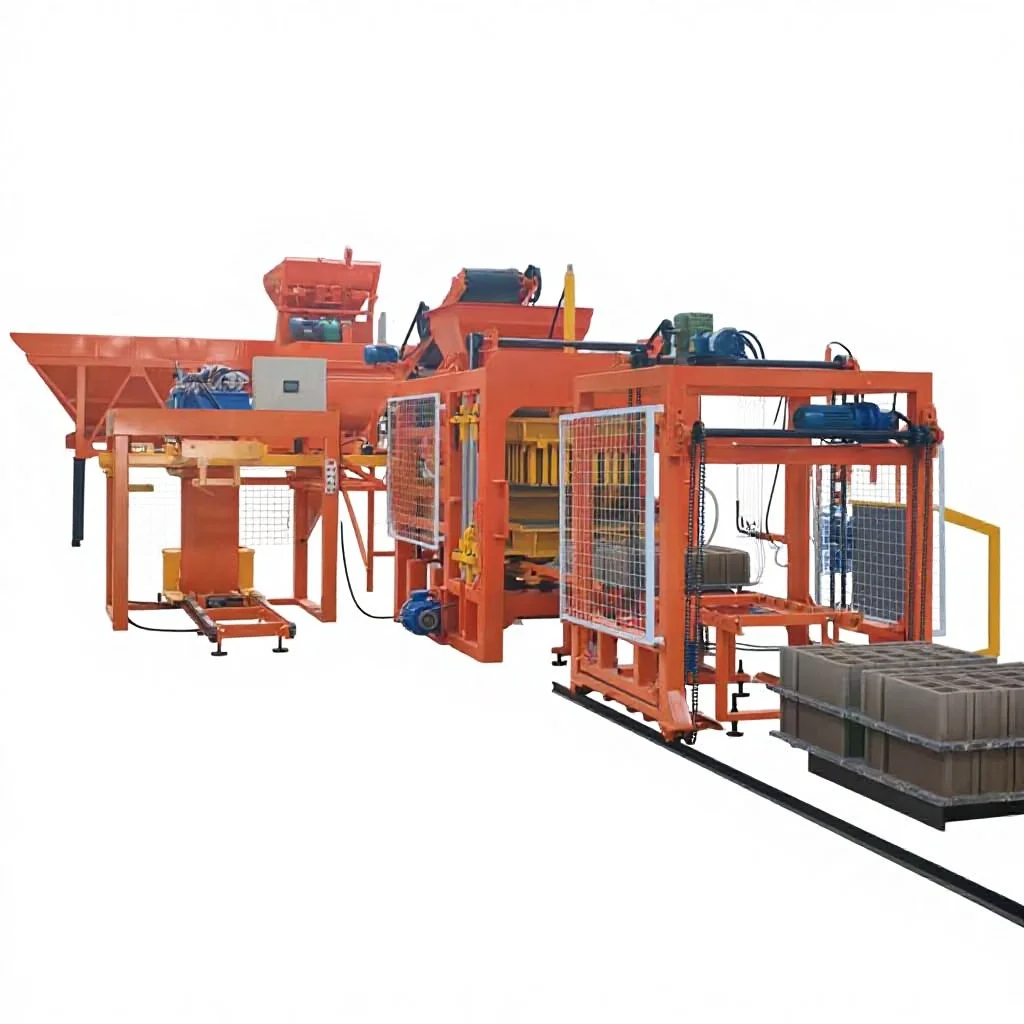
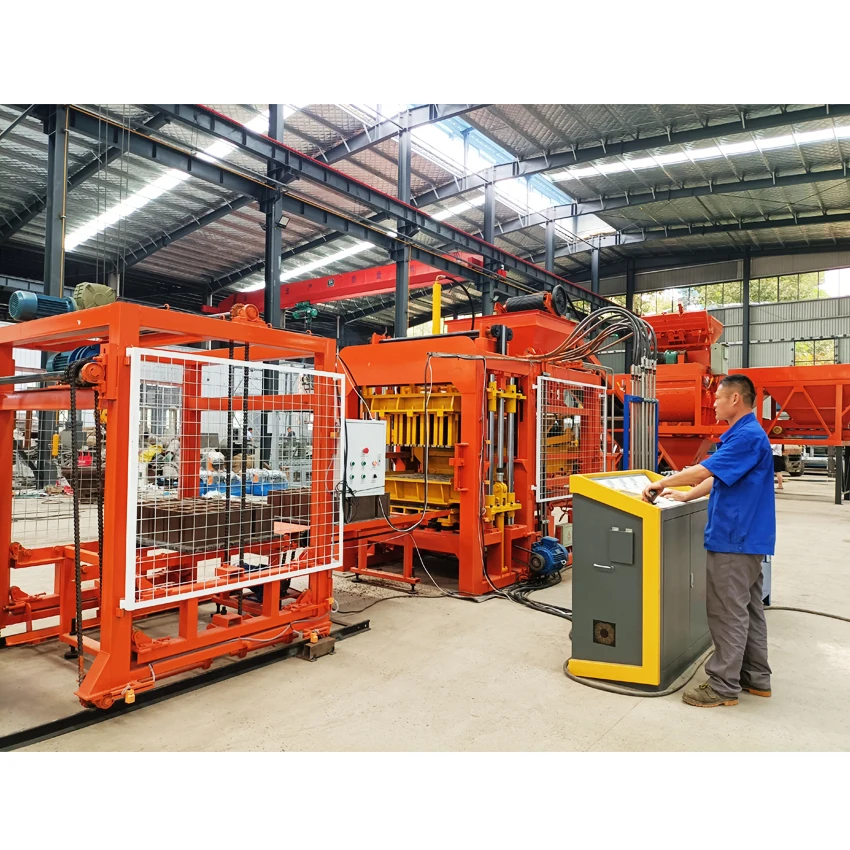


Description
Format-Specific Capacity Data — every QT6-15 output figure is tied to a stated block format and cycle time, so daily production can be calculated against the products your market actually sells.
Technical Specifications
| Parameter | Value |
|---|---|
| Model | QT6-15 |
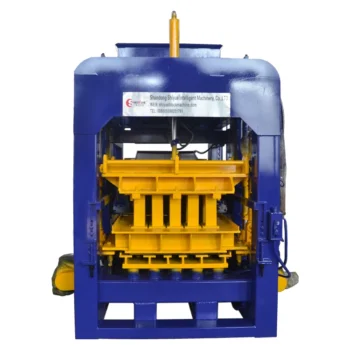
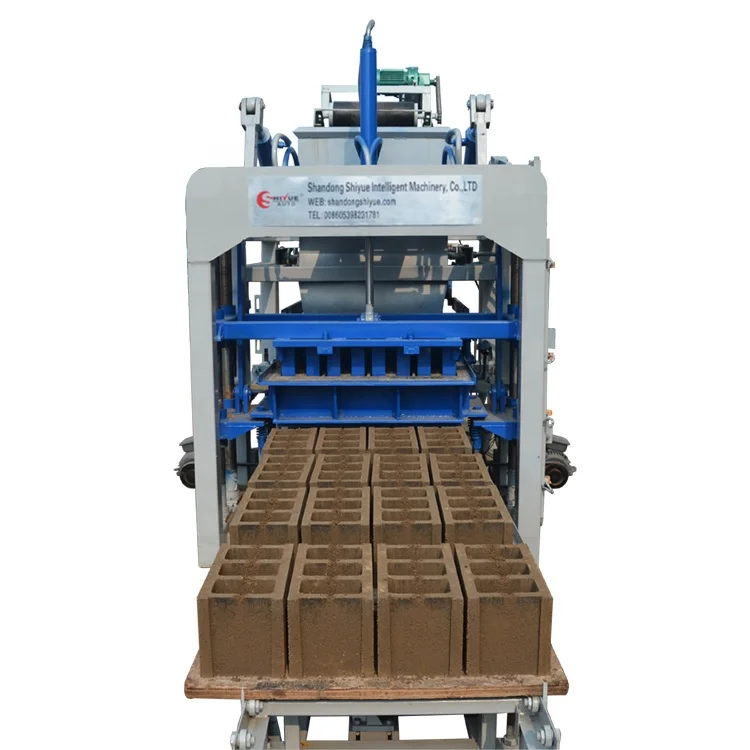
| Product Type | Hydraulic Concrete Block Making Machine |
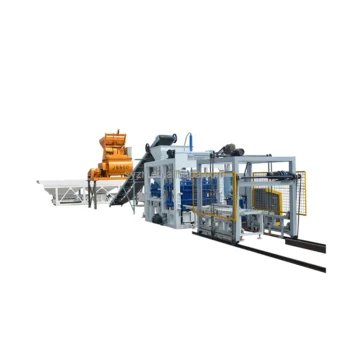
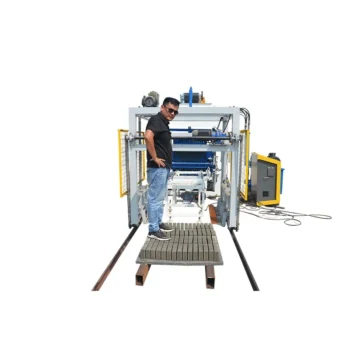
| Overall Dimensions (L×W×H) | 8200×1700×2950 mm |
| Pallet Size | 880×850 mm |
| Vibration Force | 45 kN |
| Vibration Frequency | 0-60 Hz |
| Vibration Form | Platform Vibration |
| Moulding Mode | Automatic loading, vibration moulding |
| Molding Cycle | 15-20 s (basis not stated in source — confirm block format / material / thickness) |
| Overall Power | 37 kW |
| Total Mass | 7 T |
| Demolding Method | Hydraulic |
| Control System | PLC with touch screen HMI and fault diagnosis |
| Hydraulic System | Independent integrated hydraulic station |
| Recommended Factory Area | 1200 m² |
| Block Compressive Strength | >15 MPa (source value — verify against manufacturer catalog) |
| Output — Hollow Block 400×200×200 mm | 1080-1440 pcs/h, 6 pcs/mould, 15-20 s cycle |
| Output — Hollow Block 400×150×200 mm | 1440-1920 pcs/h, 8 pcs/mould, 15-20 s cycle |
| Output — Solid Brick 240×115×53 mm | 5760-7680 pcs/h, 32 pcs/mould, 15-20 s cycle |
| Output — Rectangular Paver 200×100×60 mm | 2160-2880 pcs/h, 21 pcs/mould, 20-25 s cycle |
| Output — Zigzag Paver 225×112.5×60 mm | 2160-2880 pcs/h, 15 pcs/mould, 20-25 s cycle |
Application Suitability
| Application | Material or Output |
|---|---|
| Hollow block production for regional construction | Crushed stone, cement, and local aggregate blends in 400×200×200 mm and 400×150×200 mm formats |
| Solid brick manufacturing | Cement-reduced mixes with sand and fine aggregate in 240×115×53 mm standard brick |
| Rectangular paving block for walkways and yards | Aggregate and cement blends in 200×100×60 mm interlocking paver format |
| Zigzag paving block for driveways and roads | Sand, crushed stone, and cement in 225×112.5×60 mm interlocking paver format |
| Industrial waste utilization in block production | Waste ash and slag blended with cement for hollow and solid block formats |
What "Cycles per Hour" Leaves Out When You Size a QT6-15 Block Machine
A cycle time only means something when you know which block format and mix design it was measured against.
Buyers often see a single output number quoted for a block machine and assume it applies to every mould they plan to run. In practice, a hollow block with thicker walls needs longer vibration and higher hydraulic pressure than a standard paver, which changes the achievable cycle time entirely [NEED_CITE: block format impact on cycle time and daily output]. When the QT6-15 block machine specifications are reviewed without linking each figure to a specific format, the resulting production plan falls short of what the site actually needs to deliver.
Matching Pallet Size to Your Curing Yard and Handling Equipment
The QT6-15 runs on 880×850 mm pallets, and that dimension determines more than the mould cavity layout. Your existing curing racks, forklift tines, and stacking area must accommodate this pallet footprint without modification. Buyers who skip this check before ordering often discover on commissioning day that their forklift cannot enter the curing aisle or that rack spacing needs to be rebuilt. Confirming pallet compatibility early avoids rework that delays production start.
Aligning Vibration Force with Local Aggregate and Mix Design
The 45 kN platform vibration force on this machine must be tuned to the density and particle shape of your local raw materials. River sand with high silt content behaves differently under vibration than washed crushed stone, and a setting that works for one will produce weak or cracked blocks with the other [NEED_CITE: aggregate grading and vibration force matching in block production]. The QT6-15 block machine specifications list a 0-60 Hz adjustable frequency range precisely because this parameter is not one-size-fits-all — it is a starting point that must be validated with your actual mix on site.
Reading the Cycle Time by Block Format
Hollow blocks in 400×200×200 mm format run at a 15-20 second cycle, yielding six pieces per mould, while rectangular pavers at 200×100×60 mm need 20-25 seconds per cycle across twenty-one cavities. These differences exist because thicker-walled hollow blocks require sustained vibration to compact the mix evenly, whereas thinner pavers need extended pressure to achieve surface density and interlocking edge accuracy. Understanding which cycle time applies to which format is the only honest way to calculate your daily output and plan deliveries to job sites.
The Hidden Cost of Ignoring Format-Specific Capacity
When a machine is selected based on a single headline output figure, the buyer often discovers after installation that the block format their market actually demands runs at a slower cycle than the one used for the quotation. This means daily output drops, delivery commitments slip, and additional shifts are added to compensate — all of which erode the margin the investment was supposed to create [NEED_CITE: mismatched block format capacity and project delivery timelines]. Sizing the QT6-15 against your top-selling format, not the fastest one, keeps the production plan realistic from the first week.
Why Buyers Source This Machine Here
Block machinery is the single focus of this operation, so the QT6-15 is specified as a matched system — press, mould, pallet, and handling equipment are selected together rather than assembled from disconnected suppliers. Each configuration starts with the buyer’s actual mix design and target block format instead of a catalogue default. Moulds for the formats your market sells are designed and supplied in-house, including custom drawings when standard sizes do not match. The automation level is selectable, allowing a buyer to begin with semi-automatic pallet handling and move to full stacking later. Installation support includes operator training so the crew can run the machine independently after commissioning.
Documentation & Verification
- Line layout drawing with capacity calculated per block format and cycle time
- Mould drawing and format list confirming included sizes and custom options
- Pallet specification sheet matched to 880×850 mm dimensions and material grade
- Hydraulic and electrical schematic for the independent integrated station
- Voltage, frequency, and PLC display language confirmation record
- Factory test record showing output on agreed block format before dispatch
Installation, Commissioning & Support
- Foundation plan sized for 8200×1700 mm footprint and 7 T operating mass
- Dedicated power circuit rated for 37 kW overall load at confirmed voltage
- Machine arrives dismantled for container loading with reassembly on site
- PLC touch screen configured in buyer’s language before production begins
- Operator training covers mould change procedure and hydraulic station checks
- Wear parts and mould inventory list supplied for first replacement interval
- Curing area layout guidance based on 880×850 mm pallet flow and rack spacing
What We Need to Size Your Configuration
To prepare a proposal that reflects your actual production conditions, share the block format your market sells most, the daily output you need to sustain, and the local raw materials available at your site. Confirm your existing voltage and frequency supply along with the PLC language your operators will use. If you already have curing racks or a forklift in place, send the dimensions so pallet compatibility can be checked before the machine is built.
Frequently Asked Questions
Q: How is capacity verified per block format on the QT6-15?
A: Each output figure is tied to a specific block format, mould cavity count, and cycle time range. For example, 400×200×200 mm hollow blocks run six per mould at 15-20 seconds, while rectangular pavers run twenty-one per mould at 20-25 seconds. A capacity calculation document is provided showing the assumed format for every line of the output table.
Q: How should vibration force be matched to my local aggregate?
A: The 45 kN platform vibration system and 0-60 Hz frequency range are adjusted based on your mix design and aggregate type. High-silt river sand needs different settings than washed crushed stone. During commissioning, test blocks are produced with your actual materials and the vibration parameters are tuned until compressive strength meets your local standard.
Q: What does a mould change involve on this machine?
A: The QT6-15 uses a hydraulic demolding system, and mould change involves releasing the clamp bolts, lifting the current mould out, and lowering the replacement mould into position. The exact time depends on the crew’s familiarity with the procedure, which is covered during on-site operator training. Mould drawings and format lists are supplied so your team knows which sizes are available.
Q: Is the 880×850 mm pallet compatible with my existing curing setup?
A: This must be verified before ordering. Share your curing rack spacing, forklift tine width, and stacking area dimensions so compatibility can be confirmed. If adjustments are needed, the pallet material and size can be discussed during the configuration stage to match your handling infrastructure without requiring yard modifications.
Q: What electrical and control details must be confirmed before production?
A: Voltage, frequency, and PLC display language are confirmed before the machine enters production. This prevents commissioning delays caused by mismatched power supply or an interface the operators cannot read. The confirmation record is included in the documentation package shipped with the machine.