

Description
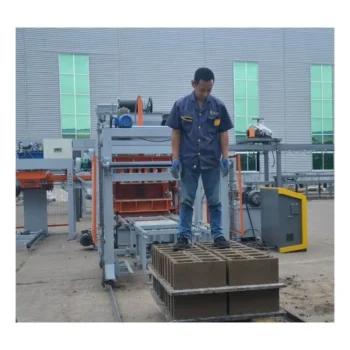
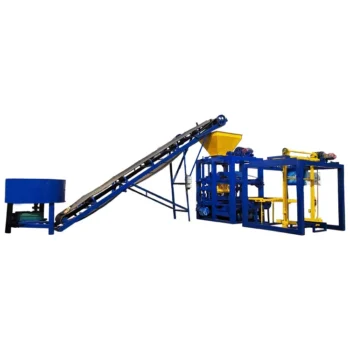
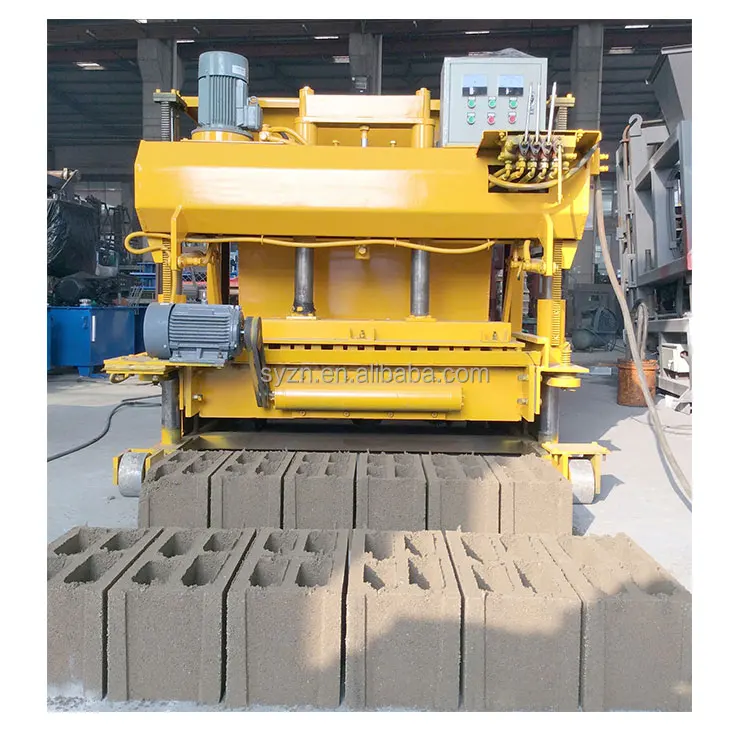
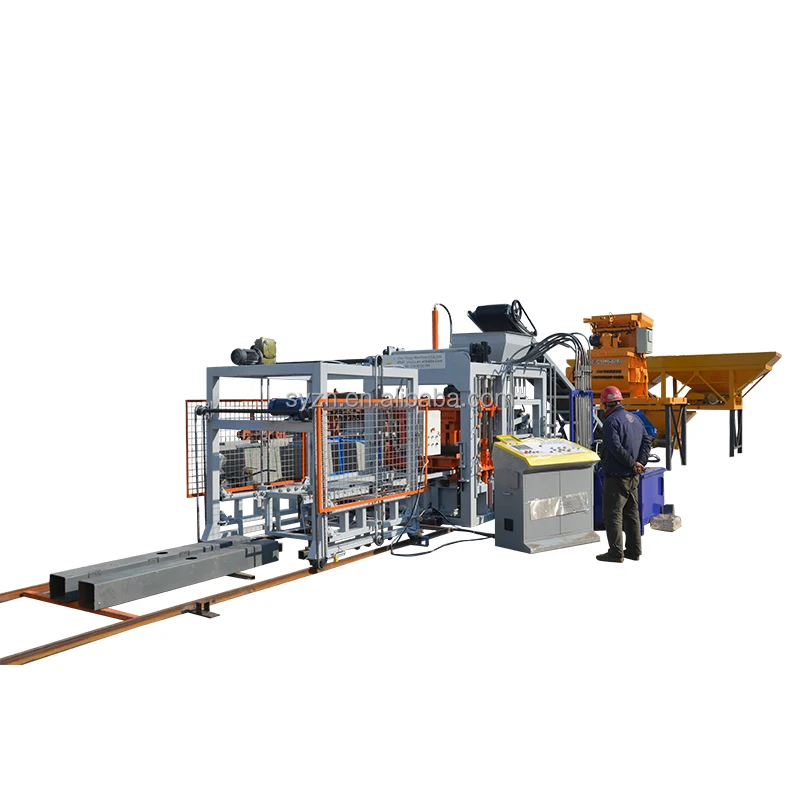
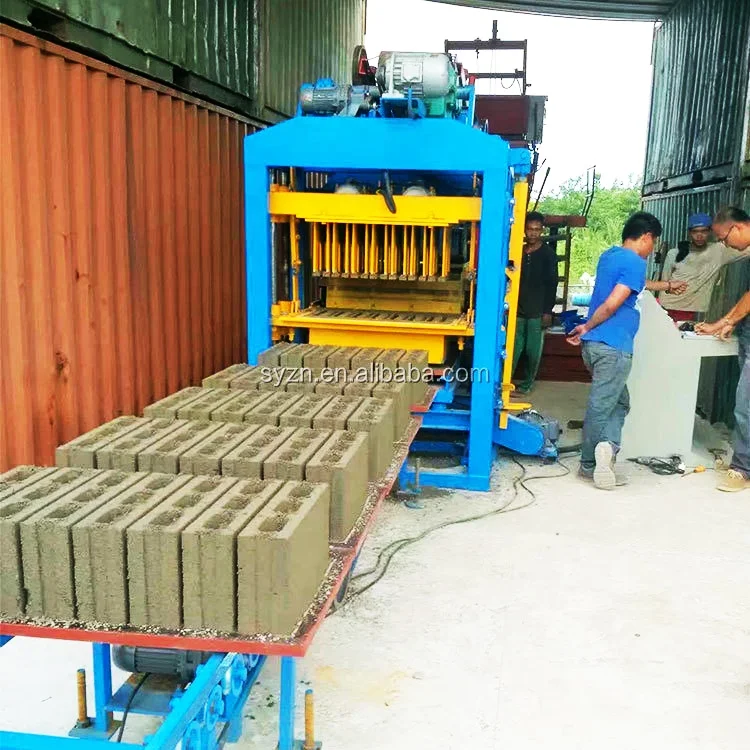
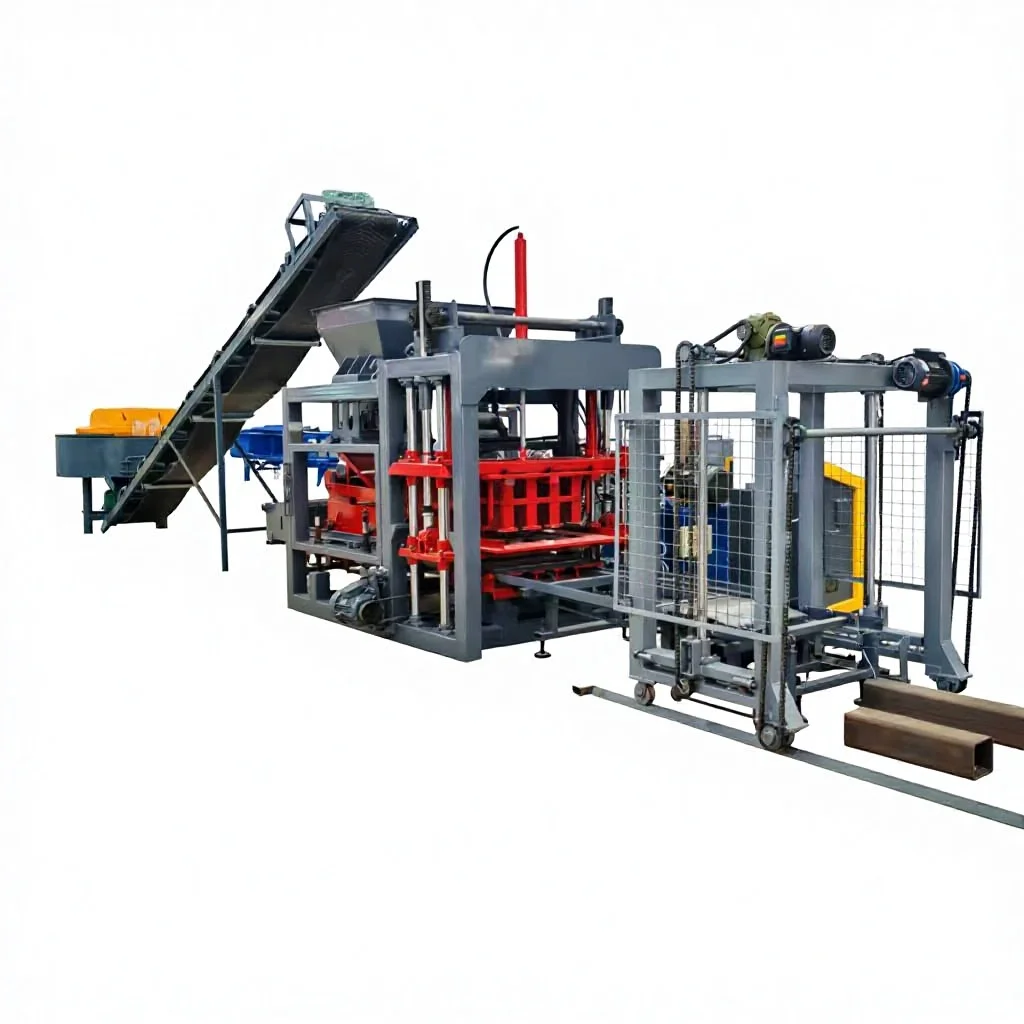
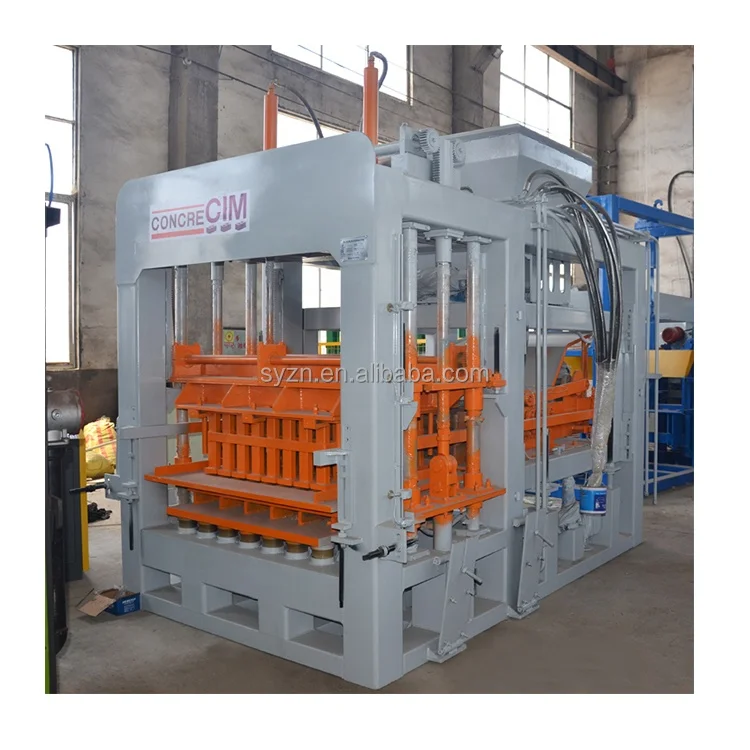
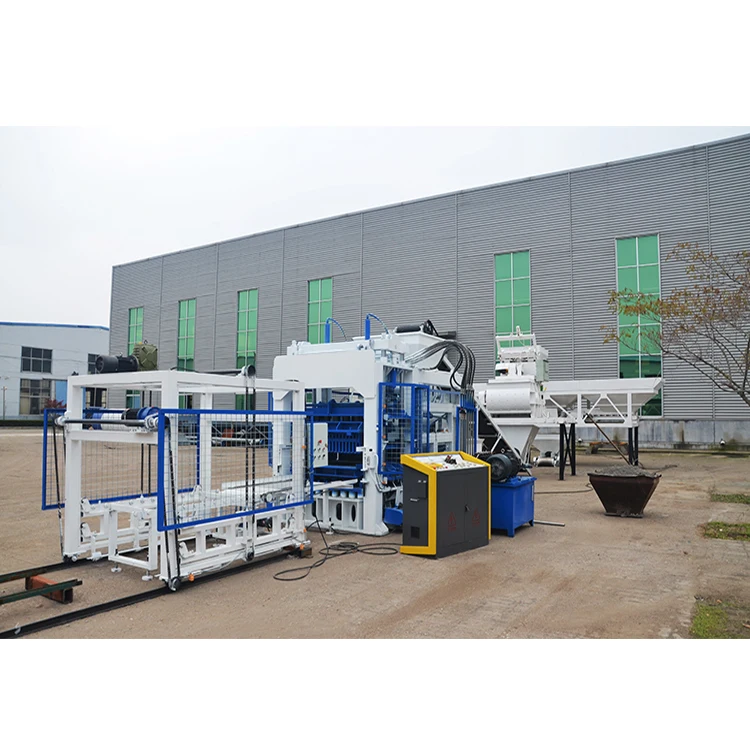
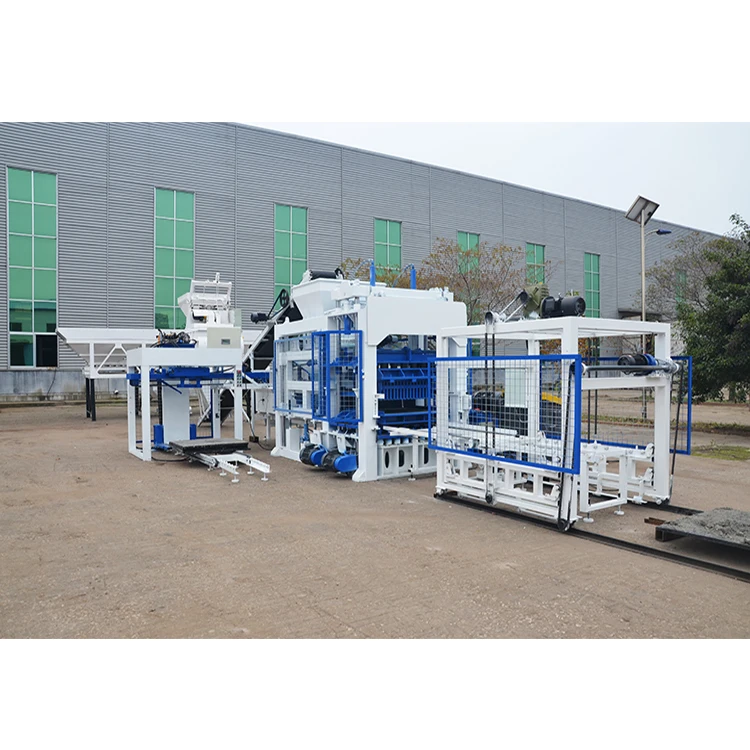
Single-Focus Block Machinery — QT10-15 hydraulic block machine configured around your actual block format and local mix, with mould and pallet specified as one system rather than sourced separately.
Technical Specifications
| Parameter | Value |
|---|---|
| Model | QT10-15 |
| Product Type | Automatic Hydraulic Block Making Machine |
| Moulding Cycle | 15–20 s (hollow blocks) / 20–25 s (paving blocks) |
| Output Capacity | 1,800–2,400 pcs/h (based on 400×200×200 mm hollow block, 10 pcs/mould) |
| Output Capacity | 2,160–2,880 pcs/h (based on 400×150×200 mm hollow block, 12 pcs/mould) |
| Output Capacity | 8,928–11,160 pcs/h (based on 240×115×53 mm solid brick, 62 pcs/mould) |
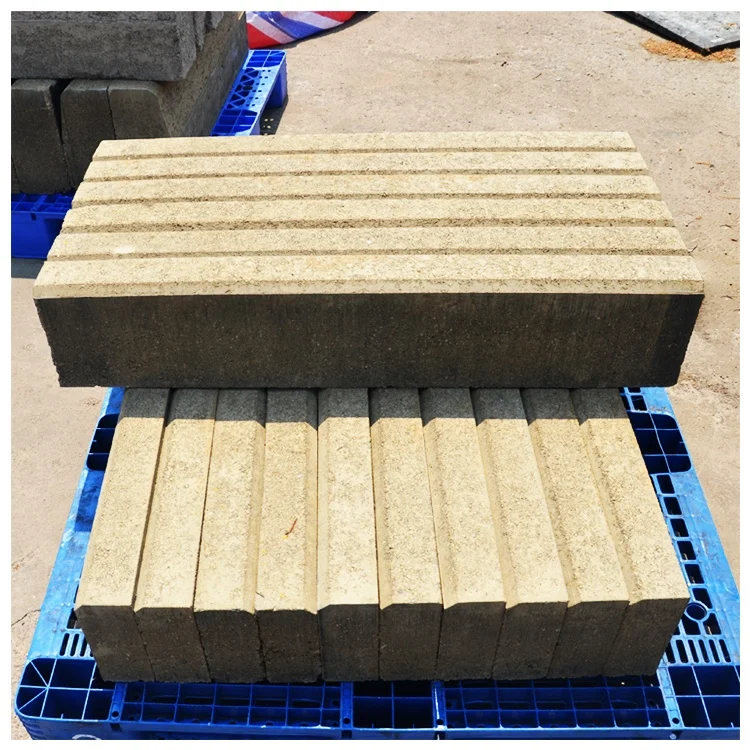
| Output Capacity | 5,184–6,480 pcs/h (based on 200×100×60 mm paving block, 27 pcs/mould) |
| Output Capacity | 4,032–5,040 pcs/h (based on 225×112.5×60 mm interlocking brick, 24 pcs/mould) |
| Control System | PLC control cabinet |
| Hydraulic System | Independent integrated hydraulic station |
| Vibration System | Vertical station mode resonance, automatic FM-AM |
| Mould Format | Hollow block, solid brick, paving block, interlocking brick, multicellular brick |
| Mould Change System | Simple replacement for quick format adjustment |
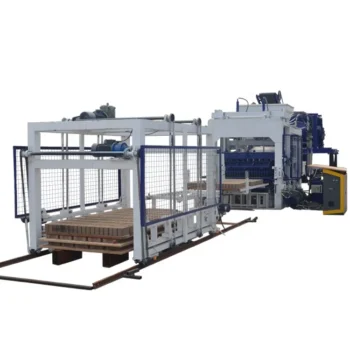
| Line Components | Pallet feed machine, block making machine, storage hopper, conveyor, hydraulic unit, PLC control cabinet |
| Automation Level | Automatic (with PLC, automatic pallet feeding) |
| Voltage & Frequency | Configurable — confirm before production |
| Rated Power | (verify against manufacturer catalog) |
| Overall Dimensions | (verify against manufacturer catalog) |
| Net Weight | (verify against manufacturer catalog) |
| Hydraulic Pressure | (verify against manufacturer catalog) |
| Vibration Force | (verify against manufacturer catalog) |
| Warranty | 1 year for whole machine (excluding spare parts) |
Application Suitability
| Application | Material or Output |
|---|---|
| Hollow block production plants | Crushed stone, cement, sand, fly ash — 400×200×200 mm and 400×150×200 mm standard |
| Solid brick manufacturing | Clay-replacement aggregates, cement — 240×115×53 mm |
| Paving block production | High-density concrete mixes — 200×100×60 mm interlock and rectangular |
| Interlocking brick for roads and landscaping | Graded aggregate and cement — 225×112.5×60 mm |
| Multicellular brick for wall construction | Lightweight aggregate blends, cement |
What "1,800 Pieces per Hour" Actually Means for the QT10-15
Every capacity figure for the QT10-15 automatic block making machine specifications is tied to a specific block format, mould cavity count, and cycle time — not a single headline number.
When a quotation says "1,800 pieces per hour" without stating which block that assumes, the real daily output can fall far short of what a plant operator planned for. I have stood on shop floors in Latin America where the river sand had high clay content, the vibration force could not compact the mix to target density, and the daily tally was barely half the brochure figure. The QT10-15 capacity table above lists five separate formats with their own cycle ranges and mould cavity counts so you can match the number to the block you actually sell [NEED_CITE: block density testing standards for concrete masonry units].
Cycle Time by Block Format — Honest Numbers
A hollow block measuring 400×200×200 mm moulds in 15–20 seconds with 10 cavities, yielding 1,800–2,400 pieces per hour on the QT10-15 automatic block making machine specifications. Switch to a 200×100×60 mm paving block at 27 cavities and the cycle extends to 20–25 seconds, producing 5,184–6,480 pieces per hour. Each format has a different vibration demand and compaction profile; the vertical station resonance system with automatic FM-AM adjusts frequency and amplitude to match.
Mould Selection Against Your Market Reality
The block format your market demands is the starting point, not an afterthought. If your region sells 400×150×200 mm hollow blocks rather than the more common 400×200×200 mm, the 12-cavity mould shifts hourly output to 2,160–2,880 pieces — a different daily planning number altogether. Custom mould design to buyer drawings is available for non-standard formats, so the machine arrives configured for your actual product range rather than a catalogue default [NEED_CITE: mould engineering tolerances for concrete block production].
How Vibration and Hydraulic Pressure Interact With Your Mix
Block strength depends on vibration force and hydraulic pressure working together against the specific aggregate gradation and moisture content in your area. The QT10-15 uses an independent integrated hydraulic station that is physically separated from the vibration table, preventing resonance interference and dust contamination from degrading valve response over time. If your local sand carries high fines, the automatic FM-AM vibration control can compensate within its operating range, but the starting configuration must be set against an actual mix sample and trial pressing. Pallet size also affects heat and moisture dissipation during curing; confirm dimensions against your existing curing racks and forklift capacity before the pallet order is placed.
The Hidden Cost of a Mismatched Configuration
When voltage, frequency, and PLC display language are not confirmed before production, the machine arrives and sits idle while the electrician sources a transformer or the operator struggles with an unfamiliar interface. I have seen commissioning delayed by days over a language mismatch on the control screen. Similarly, if the pallet size does not match the curing area layout, blocks are stacked by hand at the end of the line — negating the automation you paid for [NEED_CITE: voltage and frequency standards by export market].
Why Buyers Source This Machine Here
Block machinery is the single product focus at Shiyue, meaning the press, mould, pallet, and handling equipment are specified as one matched system rather than assembled from separate suppliers. Configuration is set against the buyer’s actual mix design, local aggregate, and target block format — not a catalogue default. Mould design covers the formats the buyer’s market sells, including custom drawings for non-standard dimensions. Automation level is selectable so a buyer can start with automatic pallet feeding and add stacking later. Installation support includes on-site commissioning and operator training so the QT10-15 runs at validated cycle times from day one.
Documentation & Verification
- Line layout with capacity calculation stating the block format assumed
- Machine specification sheet covering hydraulic and electrical parameters
- Mould drawing and format list matching your target block dimensions
- Factory test record demonstrating actual cycle time on your block format
- Voltage, frequency, and PLC display language confirmation before production
- Operation and maintenance manual with wear parts and mould replacement list
Installation, Commissioning & Support
- Foundation must accommodate the full line footprint including pallet feed and conveyor sections
- Dedicated electrical circuit sized to the QT10-15 rated power with confirmed voltage and frequency
- Machine ships dismantled; on-site assembly and alignment of vibration table and hydraulic station required
- First-run commissioning includes cycle time validation against the agreed block format and mix design
- Operator training covers PLC interface navigation, mould change procedure, and daily maintenance checkpoints
- Wear parts list and mould inventory provided for first replacement planning
What to Include in Your Inquiry
To receive a configuration proposal with an honest capacity calculation, share your target block format and dimensions, expected daily output, and local raw material details including aggregate type and moisture range. Confirm your site voltage, frequency, and preferred PLC display language. If you have existing pallets, curing racks, or forklifts, provide their specifications so the pallet and handling equipment match your current setup.
Frequently Asked Questions
Q: How is the QT10-15 capacity calculated for my specific block format?
A: Each capacity figure is based on a defined block dimension, mould cavity count, and cycle time range. Tell us the exact format you produce — for example, 400×150×200 mm hollow blocks — and we provide the matching output rate from the table, adjusted for your mix characteristics after reviewing a material sample.
Q: Can you supply custom moulds for non-standard block sizes?
A: Yes. If your market requires dimensions outside the standard hollow, solid, paving, or interlocking range, we design moulds to your drawings. The mould drawing and format list are confirmed before production so the machine ships ready for your actual product lineup.
Q: How long does a mould change take on the QT10-15?
A: The simple replacement system allows a trained operator to swap moulds within a shift. Exact time depends on the format change and whether pallet size also changes. We cover the procedure during on-site operator training so your team can handle it independently.
Q: Will the vibration force match my local aggregate and mix design?
A: The vertical station resonance system with automatic FM-AM adjusts within its operating range. We review your mix sample and local aggregate properties before setting the initial vibration and hydraulic parameters. If your sand carries high fines, we adjust the configuration to maintain block density and strength targets.