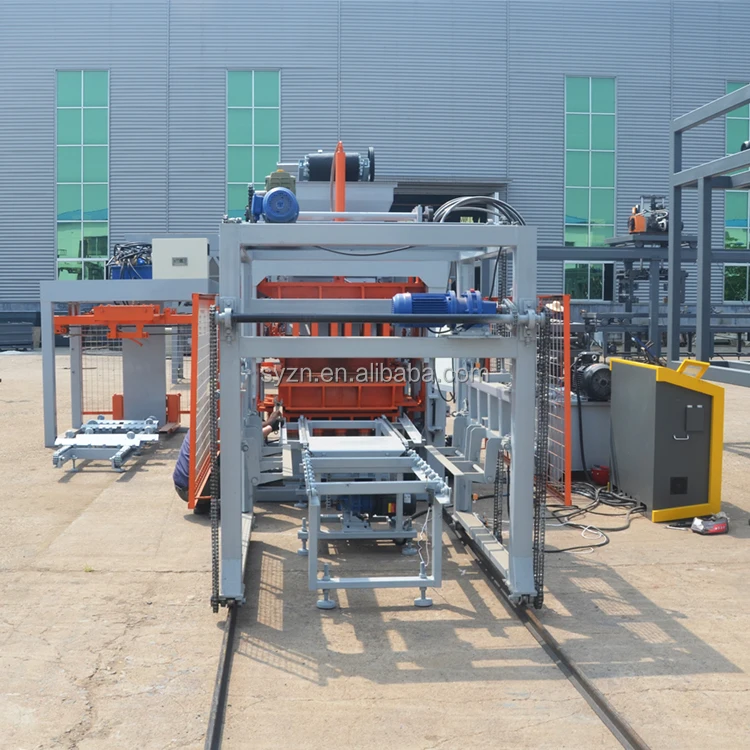
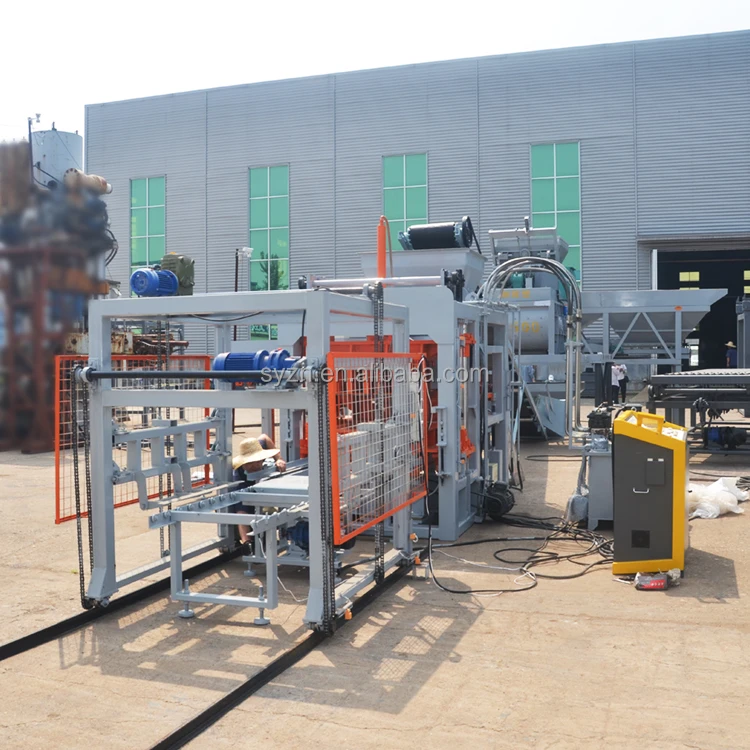
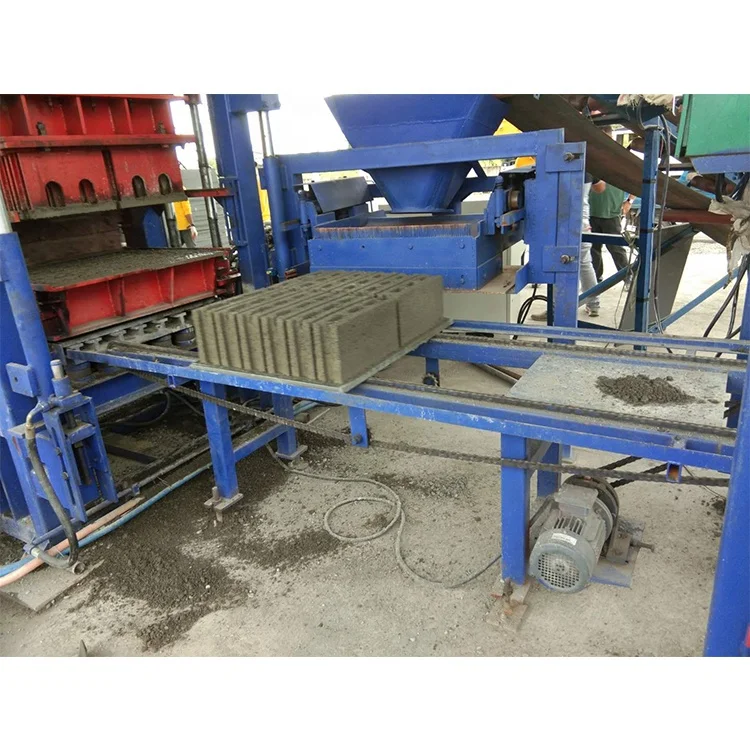
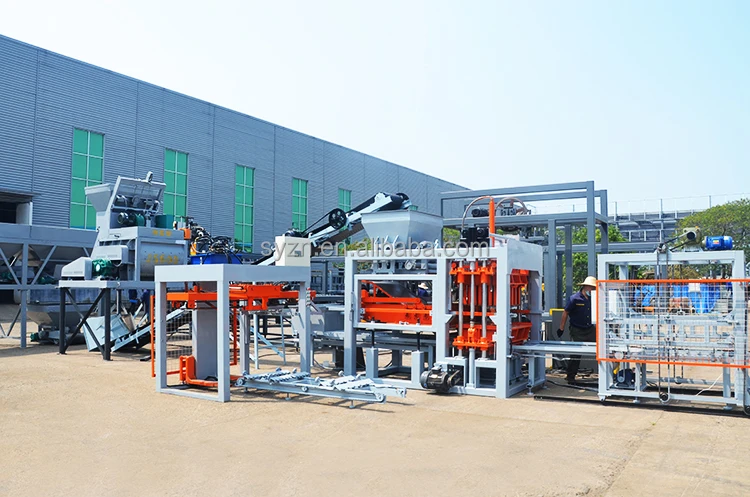
Description
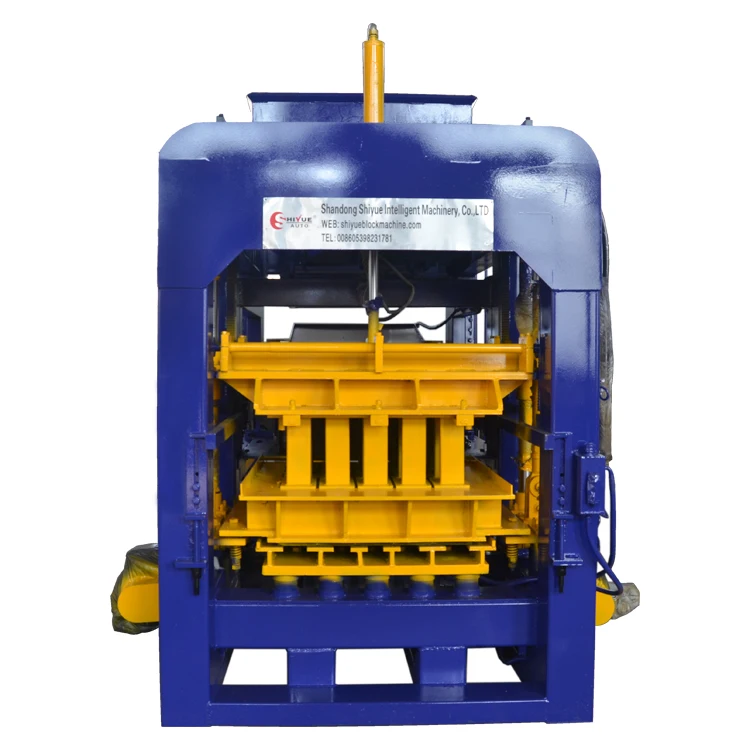
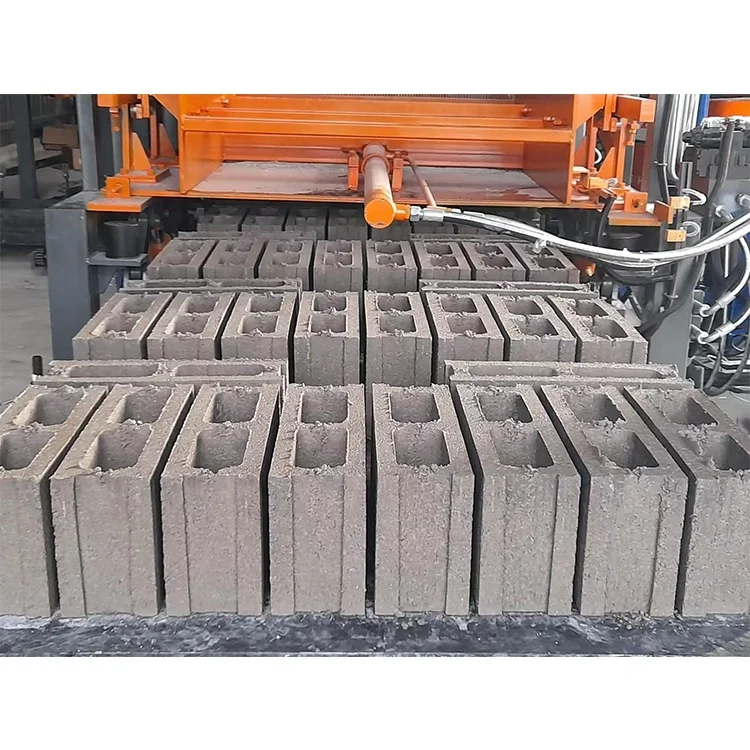
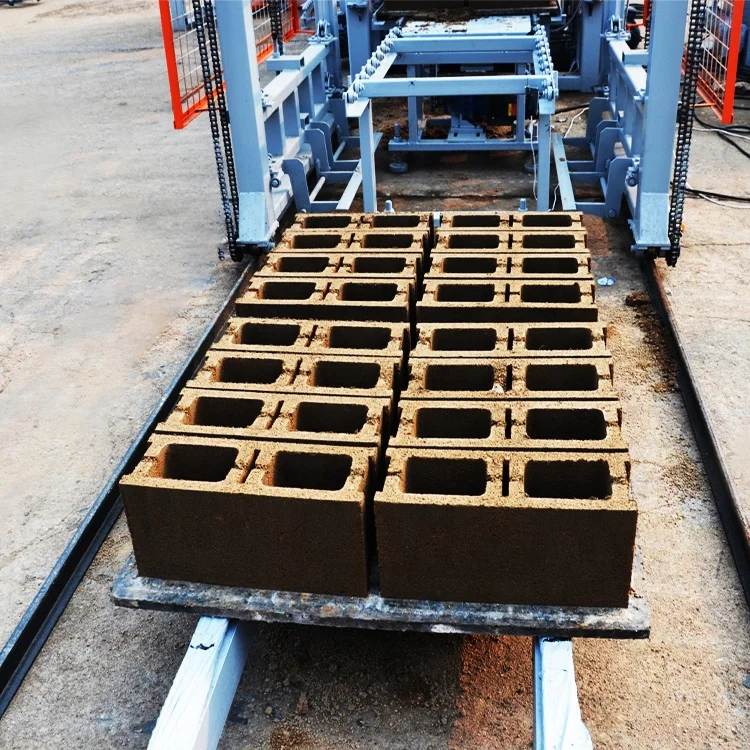
Mould and format matching — The QT6-15 block machine is configured around the exact hollow block, solid brick, or paver format your market actually sells, with pallet size, vibration force, and cycle time aligned to that specific product rather than a generic catalogue rating.
Technical Specifications
| Parameter | Value |
|---|---|
| Model | QT6-15 |
| Product Type | Automatic Concrete Block Making Machine |
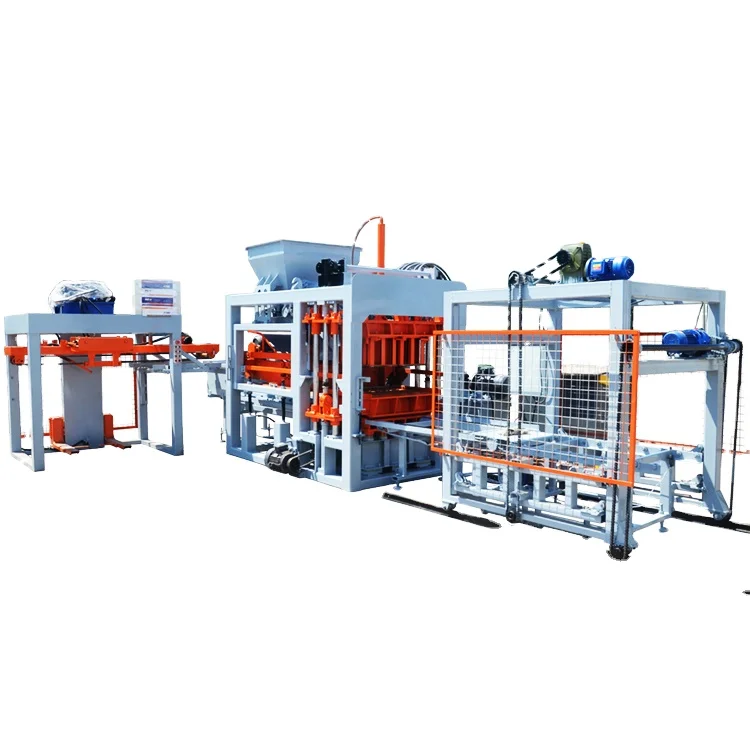
| Overall Dimensions (L×W×H) | 8200×1700×2950 mm |
| Total Mass | 7 T |
| Vibration Form | Platform Vibration |
| Vibration Frequency | 0-60 Hz |
| Vibration Force | 45 kN |
| Moulding Mode | Automatic loading, vibration moulding |
| Demolding Method | Hydraulic |
| Pallet Size | 880×850 mm |
| Molding Cycle | 15-25 s (varies by block format and material) |
| Overall Power | 37 kW |
| Control System | PLC with touch screen, fault diagnosis, safe logic interlock |
| Hydraulic System | Independent integrated station, isolated from dust and vibration |
| Factory Area Required | 1200 m² |
| Raw Material Adaptability | Waste ash, slag, various aggregates |
| Block Compressive Strength | >15 MPa (source value — verify against manufacturer catalog) |
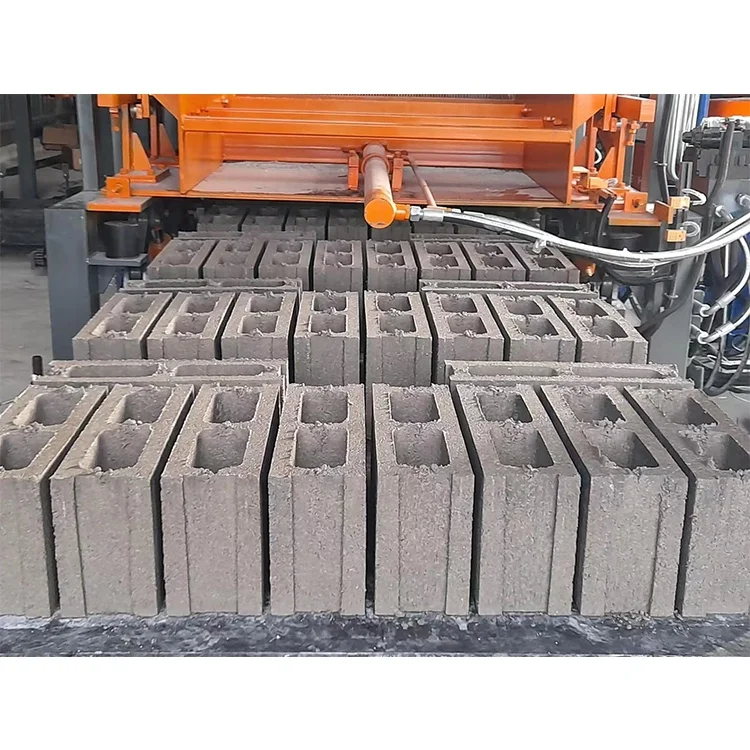
| Output — Hollow Block 400×200×200 mm | 6 pcs/mould, 8640-11520 pcs/8hr (based on 15-20s cycle) |
| Output — Hollow Block 400×150×200 mm | 8 pcs/mould, 11520-15360 pcs/8hr (based on 15-20s cycle) |
| Output — Solid Brick 240×115×53 mm | 32 pcs/mould, 46080-61440 pcs/8hr (based on 15-20s cycle) |
| Output — Rectangular Paver 200×100×60 mm | 21 pcs/mould, 17280-23040 pcs/8hr (based on 20-25s cycle) |
| Output — Zigzag Paver 225×112.5×60 mm | 15 pcs/mould, 17280-23040 pcs/8hr (based on 20-25s cycle) |
| Warranty | 1 year for whole machine (excluding spare parts) |
Application Suitability
| Application | Material or Output |
|---|---|
| Hollow block production for masonry walls | Crushed stone, sand, cement, waste ash blends |
| Solid brick manufacturing | Dense aggregate and cement mixes |
| Rectangular and zigzag paving blocks | Fine aggregate with cement for high-strength surface courses |
| On-site production for housing projects | Locally sourced gravel, slag, or recycled aggregate |
| Multi-format concrete product plants | Interchangeable moulds across hollow, solid, and paver formats |
Why "Pieces per Hour" Means Nothing Without the Block Format
A capacity figure that does not name the block format it was measured on is the single most common cause of buyer disappointment.
I have watched buyers sign off on a QT6-15 block machine specifications sheet that promised impressive hourly output, only to discover on commissioning day that the number assumed a small solid brick while their market runs 200 mm hollow blocks. The cycle time is longer, the mould holds fewer pieces, and the daily total can fall to less than half of what was expected. That mismatch is not a machine fault — it is a quotation fault [NEED_CITE: common causes of block plant underperformance in emerging markets]. Every capacity number on this page states the exact format and cycle range it was calculated on.
Pallet Size Determines Which Formats Actually Fit
The QT6-15 uses an 880×850 mm pallet. That dimension governs how many block cavities fit per mould, which paver patterns can be laid out, and whether the cured product will stack on your existing racks. Before the machine ships, the pallet size must be checked against the curing area spacing and forklift tine width already in your yard. A mismatch here does not show up in the factory test — it shows up on day one of production when pallets will not slot into the curing rack.
Cycle Time Varies by Format, Not Just by Machine
The QT6-15 block machine specifications list a 15-20 second cycle for hollow and solid formats but a 20-25 second cycle for pavers. That difference comes from the higher compaction density pavers require and the additional vibration settling time. When you plan shift output, the paver cycle must be used — not the hollow block figure — if pavers are your primary product [NEED_CITE: block cycle time variation by product format and aggregate gradation].
Vibration Force and Mix Design Must Be Matched
The platform delivers 45 kN of vibration force across a 0-60 Hz frequency range, with an independent hydraulic station isolated from dust and main-machine vibration. That isolation keeps hydraulic response consistent across long shifts. But the force only produces blocks above 15 MPa when the mix design — cement content, aggregate grading, moisture — is tuned to the vibration profile. I have seen sites where a high-clay local aggregate absorbed water differently, leaving blocks under-compacted until the mix was corrected. Always send a raw material sample or lab report before the mould is finalized.
Reading the Specs That Actually Matter for Format Selection
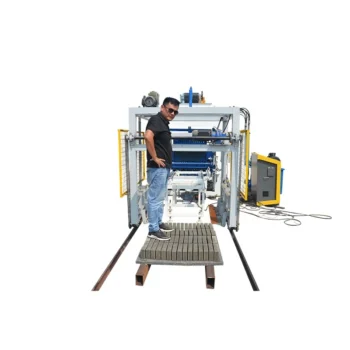
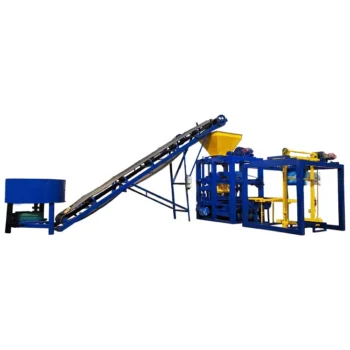
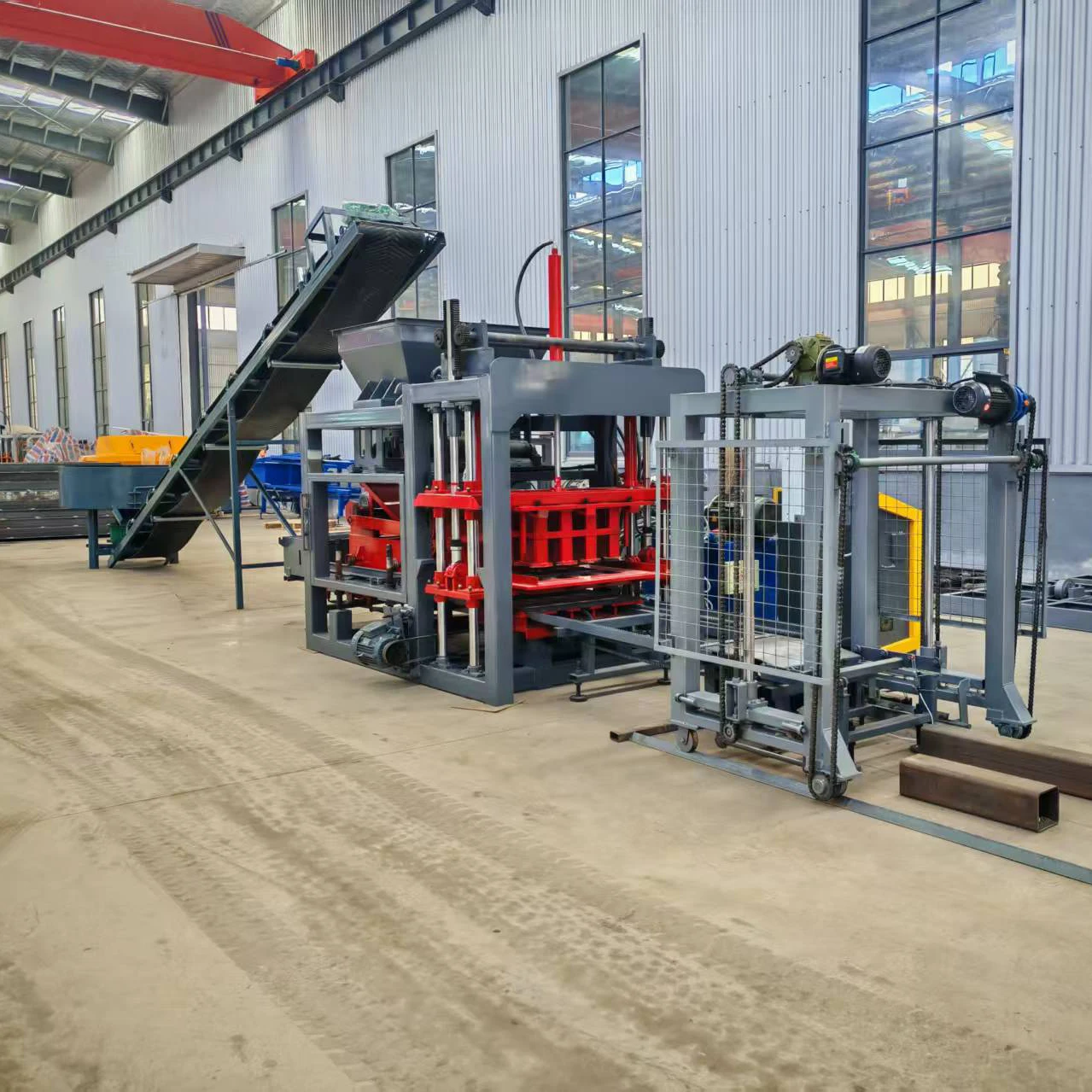
The 8200 mm machine length, 37 kW total power draw, and 1200 m² factory footprint define the physical envelope you must plan around. The PLC touch screen with fault diagnosis and safe logic interlock means the control system can halt the press if a pallet is misaligned, preventing mould damage during an automatic run. The hydraulic demolding method pulls the mould box clean off the green block without drag marks — important when producing smooth-face pavers where surface finish is a selling point. The 7-tonne machine mass provides the dead weight needed to resist vibration transfer to the foundation, but it also means your floor slab must be engineered to carry that point load without settling.
What Happens When the Mould Is Wrong for the Market
Buying a machine without confirming the mould format against local demand means you may produce a hollow block that local builders will not specify. The block might be structurally sound but dimensionally incompatible with the lintels, reinforcement, and coursing heights used in your region. The cost is not the mould — it is the weeks of unsold inventory sitting on the yard. I always ask buyers for the exact block drawing or a photo of the product currently selling in their market before we quote the mould set [NEED_CITE: regional hollow block dimension standards and market preferences].
Why This Configuration Approach Works for Format-Specific Buyers
Block machinery is the only product line here, so the QT6-15 is specified as a matched system — machine, mould, pallet, and handling — rather than assembled from separate suppliers. Configuration is set against your actual mix design and target block format, not a catalogue default. Mould design covers the formats your market sells, including custom drawings when standard options do not match. The automation level is selectable, so a plant can start with semi-automatic pallet handling and add automatic stacking later. Installation support includes operator training focused on the specific formats you will run.
Documentation & Verification
- Line layout with capacity calculation stating the block format assumed for each output figure
- Mould drawing and format list showing included and optional moulds with cavity count
- Pallet specification sheet cross-referenced to curing rack spacing and forklift capacity
- Hydraulic and electrical schematic with voltage and PLC language confirmed before production
- Factory test record run on the buyer’s target block format before dispatch
- Wear parts and mould maintenance list with replacement intervals
Installation, Commissioning & Support
- Foundation slab must carry 7 T point load across the 8200×1700 mm footprint
- 37 kW power supply requires a dedicated circuit with confirmed voltage and frequency
- Machine ships dismantled for container loading; reassembly on site with alignment checks
- PLC language and fault diagnosis screen configured to operator preference before shipping
- First-run commissioning includes cycle time verification on the buyer’s target block format
- Mould and hydraulic wear parts list supplied with recommended stock quantities
What We Need to Size the QT6-15 to Your Product
To move from a general quotation to a format-specific configuration, share the exact block or paver dimensions your market demands, the local aggregate type and grading you will use, and your target daily output per format. We also need your site voltage and frequency, the PLC display language your operators prefer, and the pallet handling equipment already in your yard so the pallet spec aligns with your existing setup.
Frequently Asked Questions
Q: How is QT6-15 capacity calculated per block format, and why does the same machine show different hourly outputs?
A: Capacity is derived from the number of pieces per mould multiplied by the number of cycles achievable in an hour. Hollow blocks at 15-20 seconds per cycle produce a different hourly total than pavers at 20-25 seconds because pavers need longer vibration settling. Every output figure here names the format and cycle range it assumes.
Q: How do I confirm the mould format matches the block dimensions my local market actually sells?
A: Send a drawing, a sample block, or a photograph with measurements of the product your builders currently specify. We then design the mould cavity to those exact dimensions and confirm the layout on the 880×850 mm pallet before production begins.
Q: What pallet size does the QT6-15 use, and how do I check it fits my existing curing setup?
A: The pallet is 880×850 mm. Measure your curing rack slot width and spacing, and check your forklift tine length and capacity. If your racks were built for a different pallet, we can discuss whether a rack modification or a pallet size adjustment is the simpler fix.
Q: How does local aggregate and mix design affect block strength and cycle time on this machine?
A: High-clay or high-fines aggregates absorb more water, which changes compaction behaviour under the 45 kN vibration force. The mix must be adjusted so the block reaches target strength above 15 MPa. Send a raw material report so the vibration frequency and cycle time can be set to match your specific blend.
Q: What is the mould change procedure, and can I order custom moulds to my own drawings?
A: The mould bolts to the vibration platform and connects to the hydraulic demolding system. Change time depends on the format and operator familiarity. Custom moulds are designed to buyer drawings, and the cavity layout is confirmed against the pallet size before manufacturing begins.