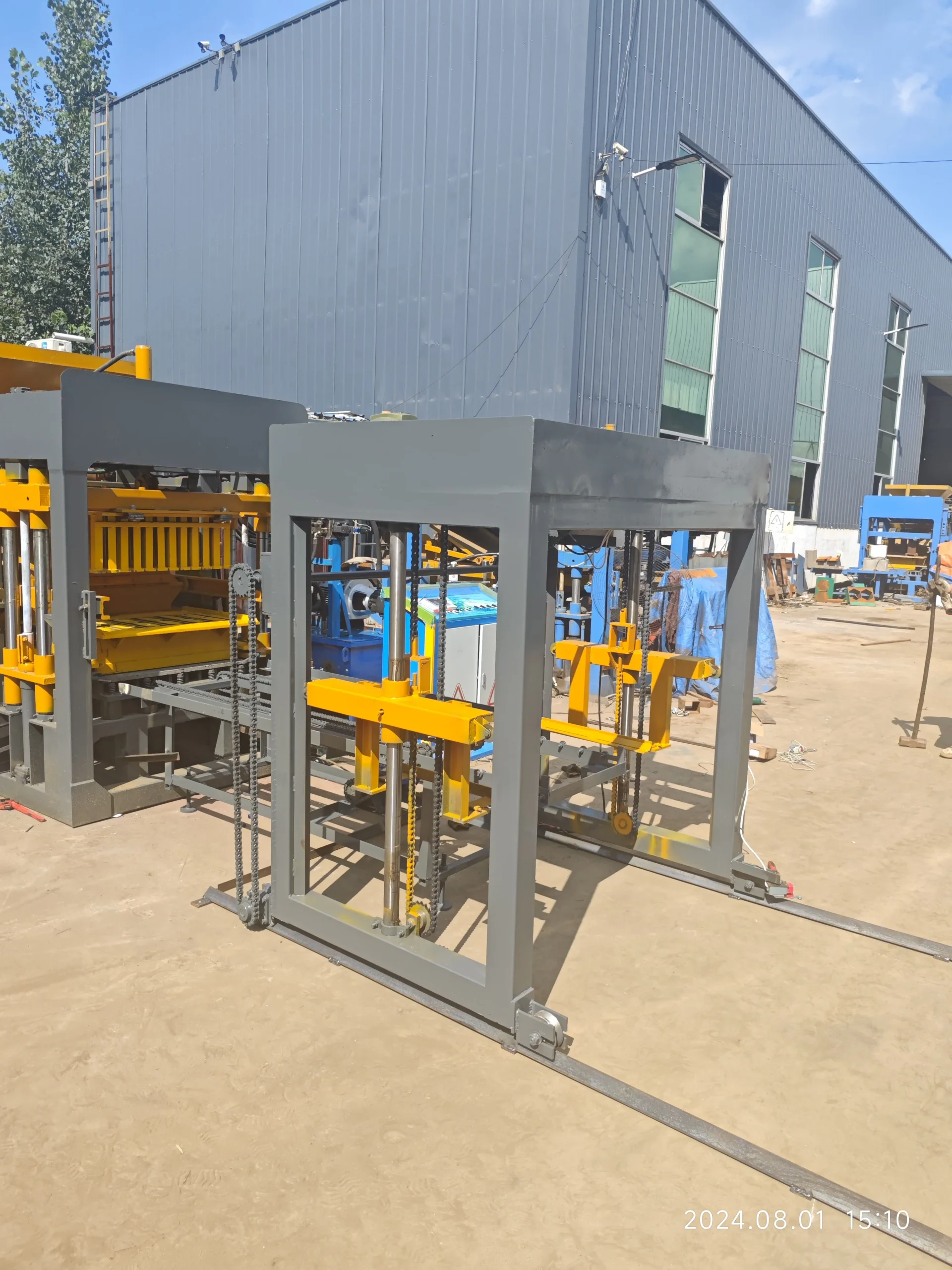
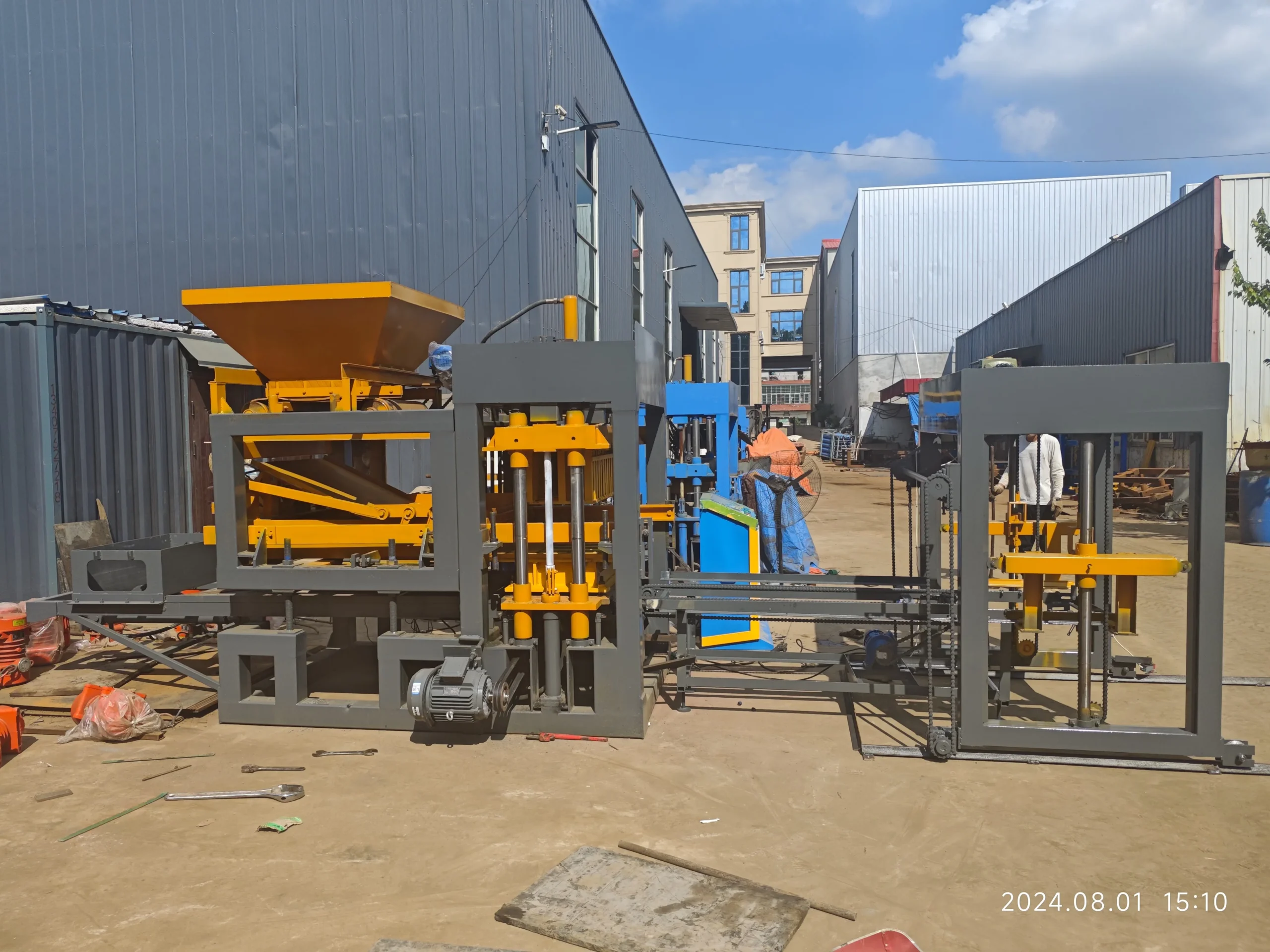
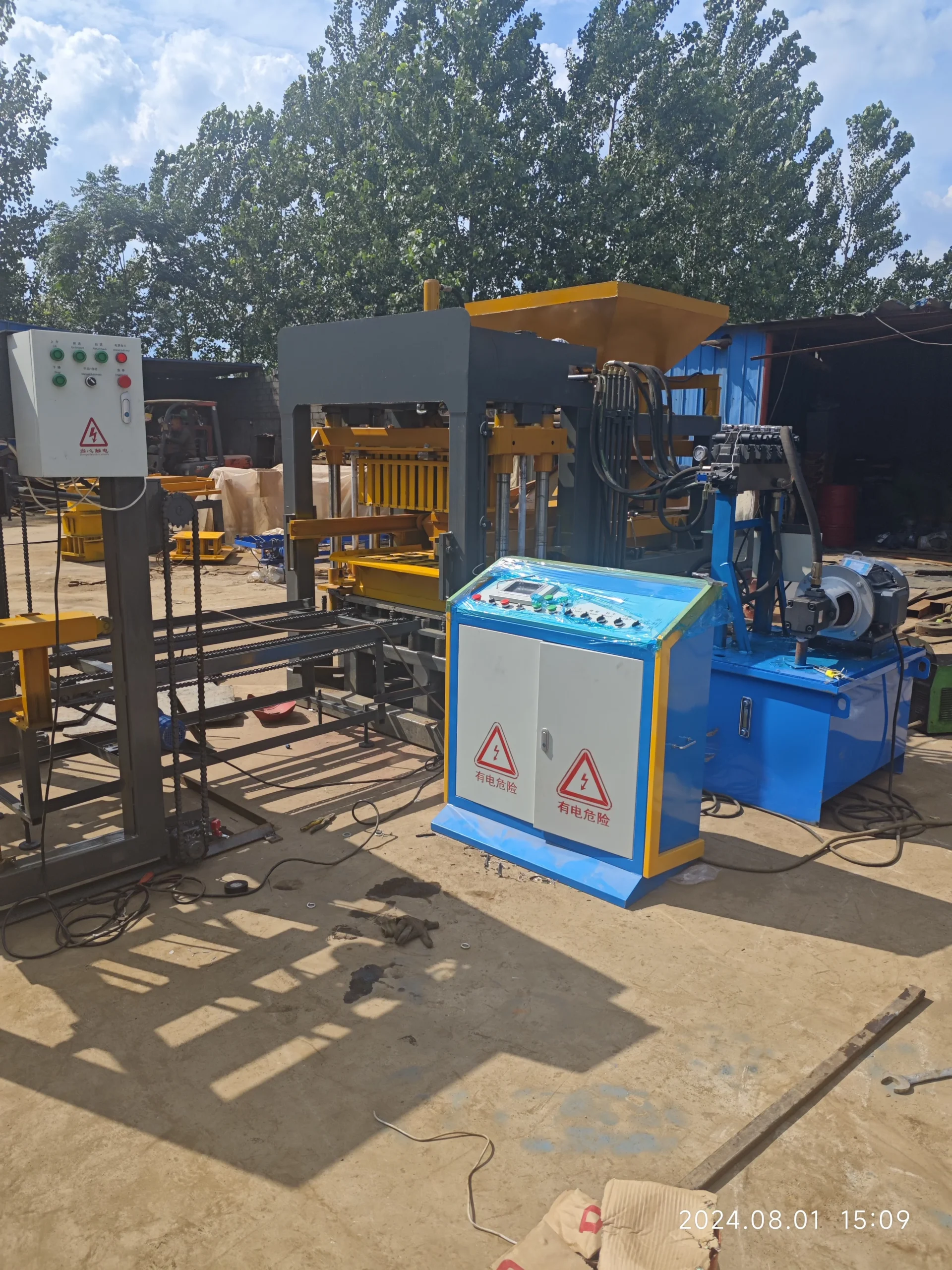
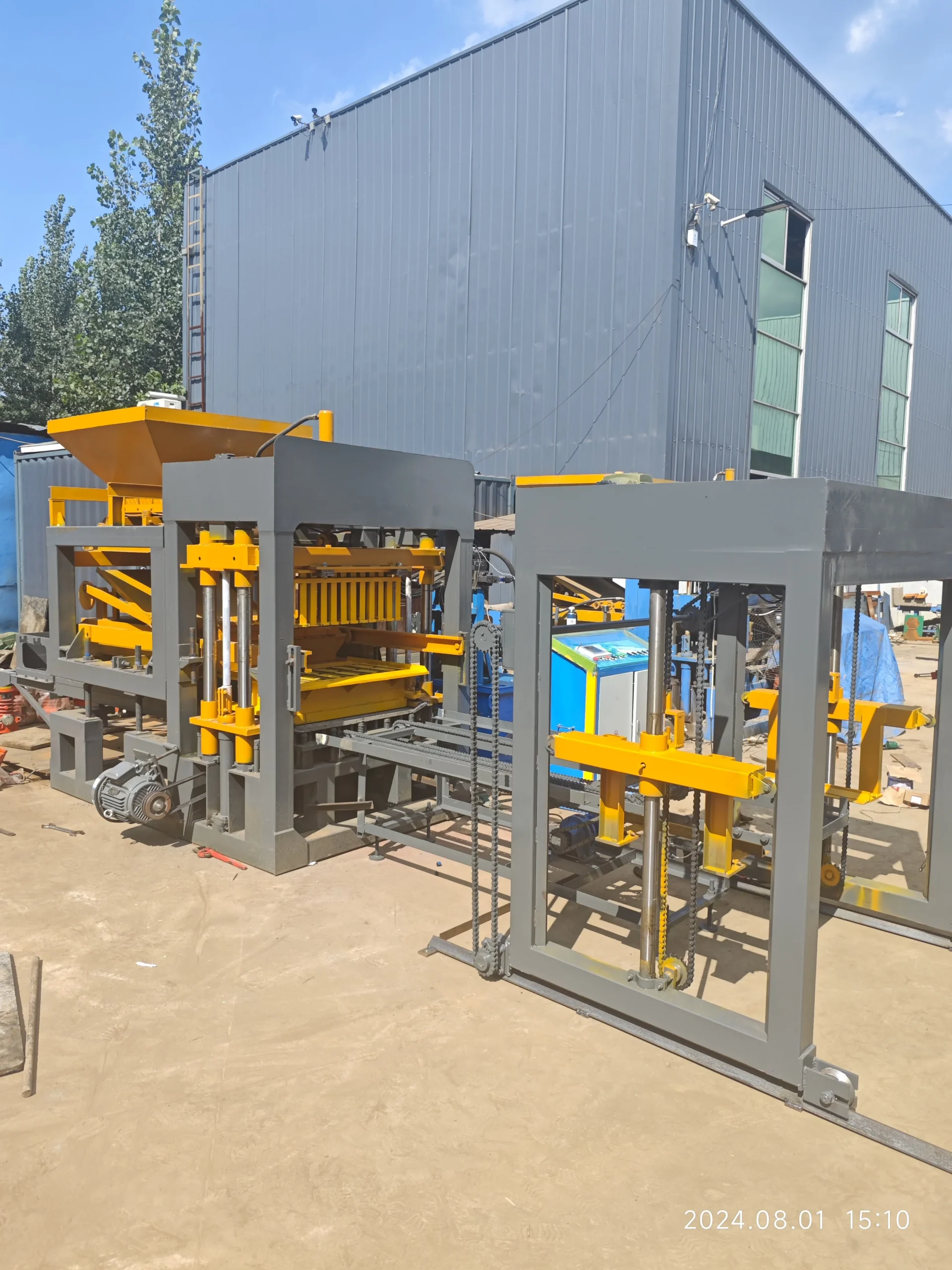
Description
Matched System Sizing — the QT4-18 block making machine is configured against your actual mix design and local aggregate before the vibration force and hydraulic pressure are locked in, so block strength stays consistent from the first pallet to the last.
Technical Specifications
| Parameter | Value |
|---|---|
| Model | QT4-18 |
| Product Type | Concrete Block Making Machine |
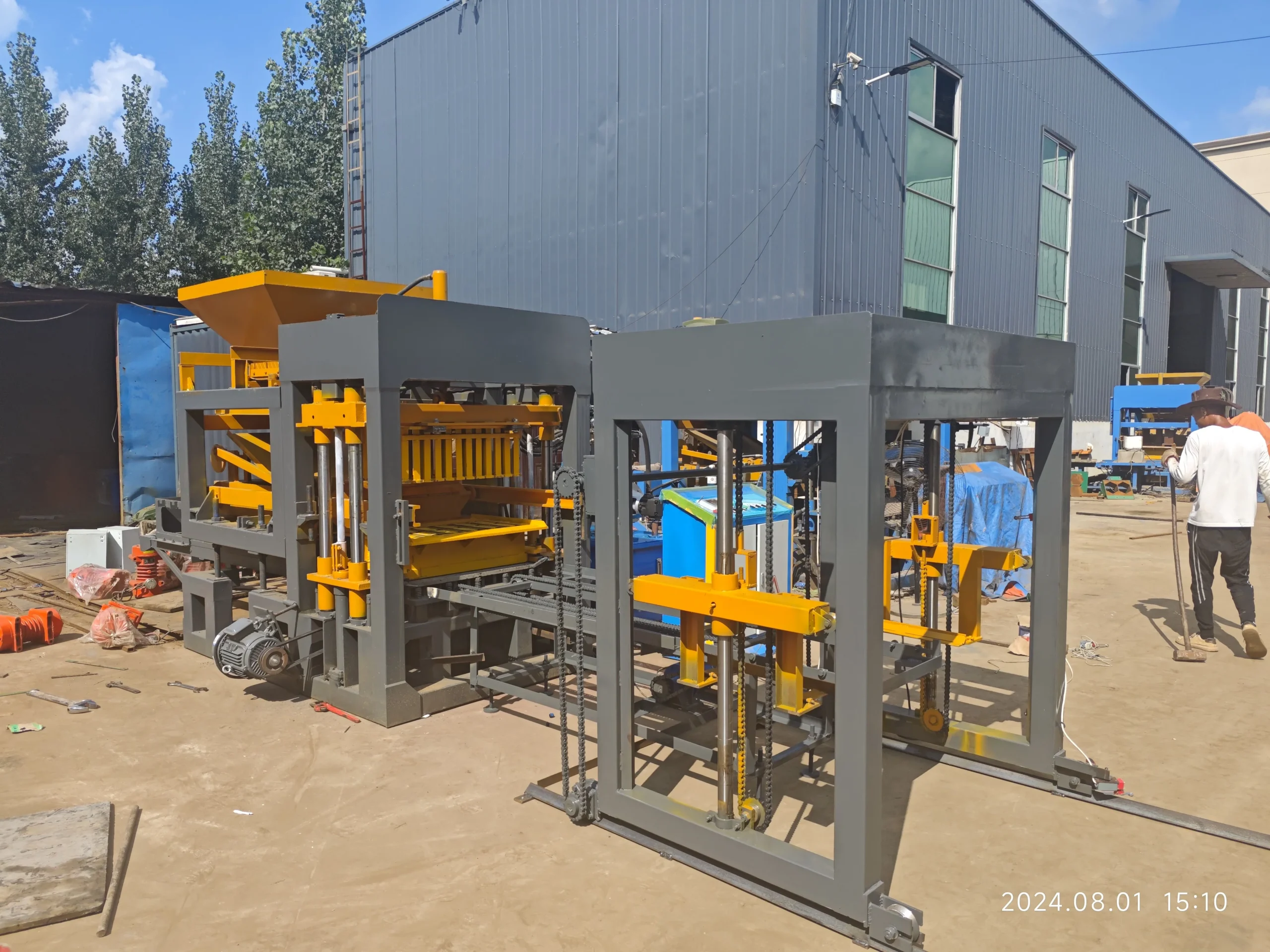
| Overall Dimensions (L×W×H) | 3900 × 1600 × 2300 mm |
| Molding Cycle | 15–25 s depending on block format and mix |
| Vibration Force | 40–50 kN |
| Vibration Type | Bed mould vertical vibration with upper mould compression vibration |
| Rated Power | 24 kW |
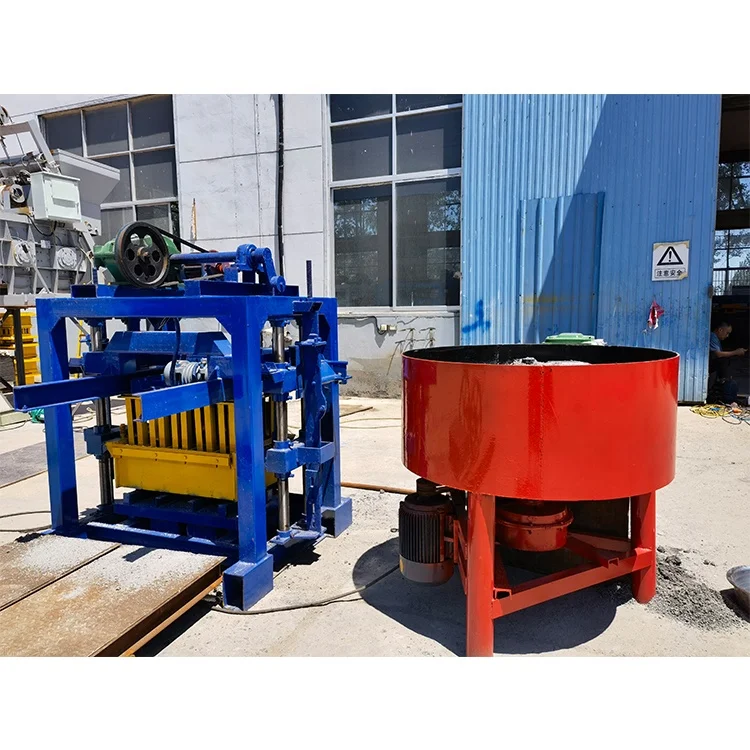
| Mixer Model | JQ350 |
| Pallet Size | 850 × 550 × 25 mm |
| Total Weight | 3 T |
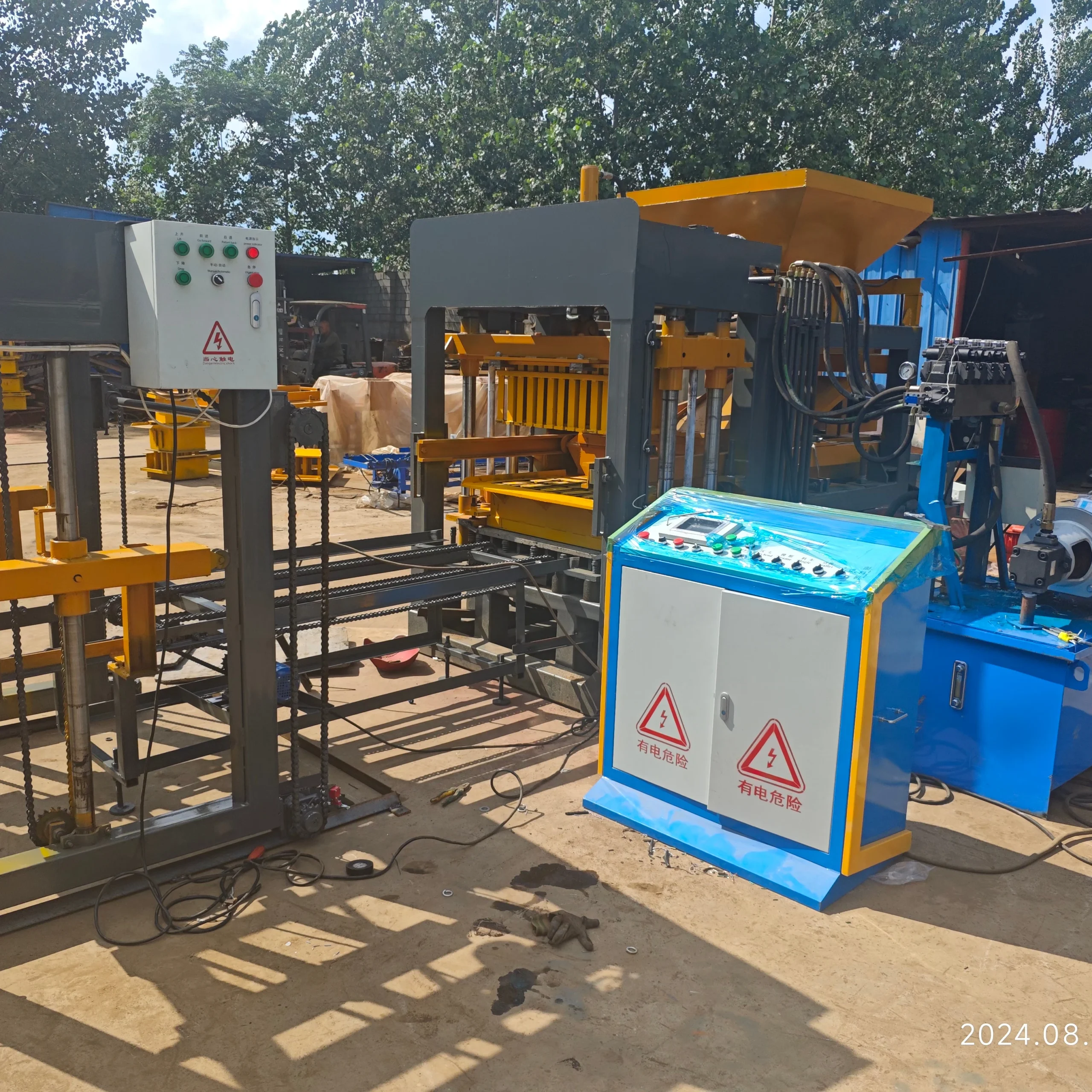
| Hydraulic Station | Equipped |
| Automation Level | Semi-automatic |
| Output — Hollow Block 400×200×200 mm | 1200–1680 pcs/hr (basis: 15–20 s cycle) |
| Output — Hollow Block 400×150×200 mm | 1800–2400 pcs/hr (basis: 15–20 s cycle) |
| Output — Solid Brick 240×115×53 mm | 3240 pcs/hr (basis: 15–20 s cycle) |
| Daily Output (8 hr shift) | 9600–19440 pcs depending on block format |
| Applied Products | Hollow block, solid brick, paver, curbstone |
| Raw Materials | Crushed stones, sand, cement, dust, fly ash |
Application Suitability
| Application | Material or Output |
|---|---|
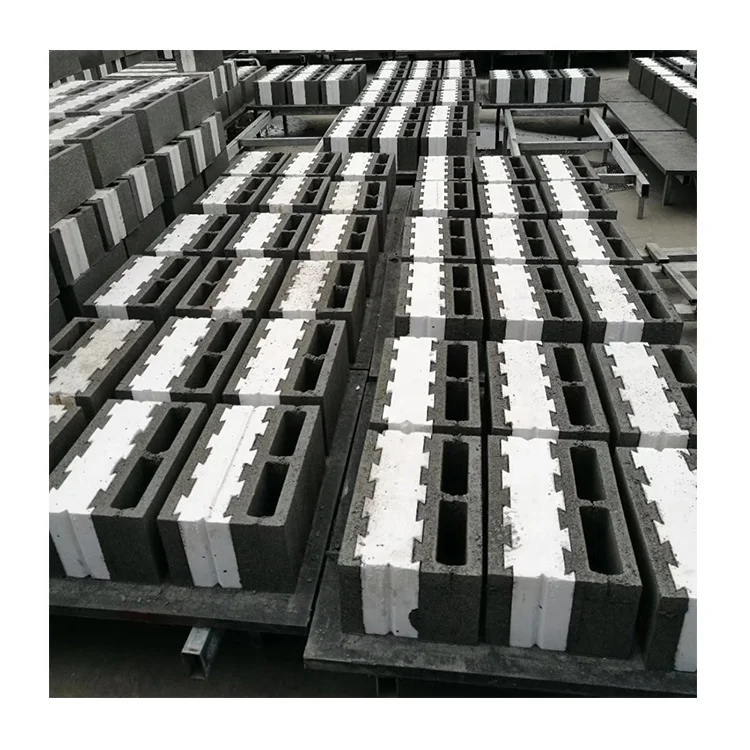
| Hollow block production for wall construction | Crushed stone, sand, cement and fly ash in 400×200×200 mm or 400×150×200 mm formats |
| Solid brick manufacturing for load-bearing walls | Cement and fine aggregate in 240×115×53 mm standard brick format |
| Paver production for driveways and walkways | Crushed stone and sand mix with pigment for coloured paving blocks |
| Curbstone forming for road and kerb projects | Coarse aggregate and cement in heavy-duty kerb profiles |
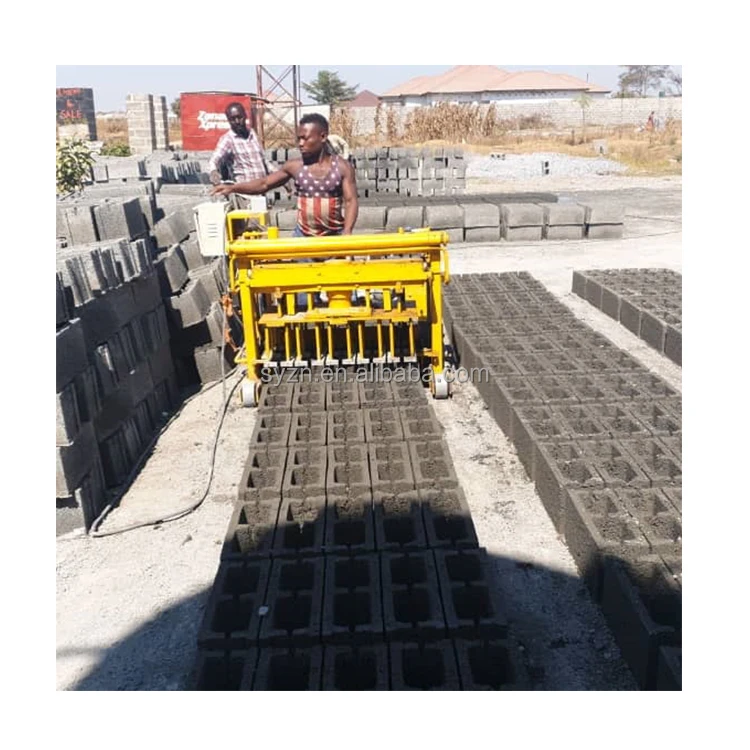
| On-site block production for housing projects | Locally sourced aggregate and cement with semi-automatic pallet handling |
What the Headline Capacity Number Hides About the QT4-18 Block Making Machine Specifications
A single output figure tells you nothing unless it names the block format, the cycle time, and the mould behind it.
I have watched buyers compare two quotations on a number like "10 000 blocks per day" without ever asking which block size that assumed. On the QT4-18 block making machine, output ranges from 1200 to 3240 pieces per hour depending on whether you are pressing a 400×200×200 mm hollow block or a 240×115×53 mm solid brick. That is a massive gap, and it only becomes visible once the format is named. [NEED_CITE: common block machine misquotation practices in export markets]
When the mould, the cycle time, and the mix design are left out of the conversation, the daily output figure on paper almost never survives contact with the shop floor.
Honest Capacity Stated Per Block Format
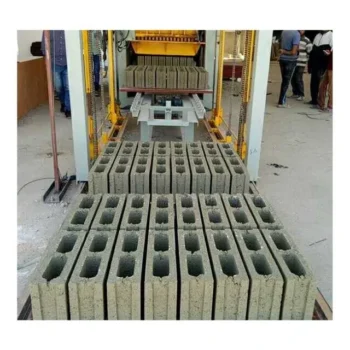
The QT4-18 block making machine specifications are only meaningful when tied to a specific product. At a 15–20 second cycle, a 400×200×200 mm hollow block yields 1200–1680 pieces per hour, while the same machine pressing a smaller 400×150×200 mm hollow block reaches 1800–2400 pieces per hour. Switch the mould to a 240×115×53 mm solid brick and the number climbs to 3240 pieces per hour. Every one of those figures assumes the same QT4-18 block making machine, the same pallet size, and the same vibration system — the only variable is the format sitting in the press.
Vibration and Pressure Tuned to Your Mix, Not a Default
Block strength does not come from the machine alone. It comes from matching the 40–50 kN vibration force and the hydraulic pressure to the density and gradation of your local aggregate. A crushed stone mix with high fines content behaves differently under vibration than a clean sand mix, and the QT4-18 block making machine must be set accordingly. The bed mould vertical vibration combined with upper mould compression vibration gives two forces working together, but the settings only produce consistent density when the operator has a mix design to work from. [NEED_CITE: effect of aggregate gradation on concrete block compressive strength]
Reading the Specifications That Actually Matter
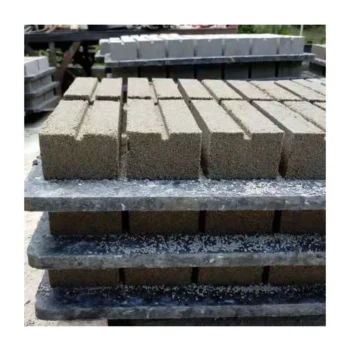
The 850 × 550 × 25 mm pallet size is not just a machine dimension — it determines how many blocks fit on each pallet, how many pallets your curing area can hold, and whether your existing forklift can handle the loaded weight. A pallet chosen without checking these three things will bottleneck the entire line long before the press itself becomes the constraint. The 24 kW rated power tells you the electrical supply requirement; confirm whether that figure represents continuous draw or peak demand before sizing your transformer. The JQ350 mixer must keep pace with the 15–25 second molding cycle, and its batch volume should be cross-checked against the raw material feed rate so the press never sits idle waiting for the next batch. The 3 T total weight is light enough for a concrete slab foundation without deep footings, but the vibration force still requires a level, cured base to transmit energy into the mould evenly rather than losing it to a flexing floor.
The Cost of Choosing the Wrong Configuration
Select a pallet material that warps under moisture and the blocks will cure unevenly, producing a batch where half the output fails a drop test. Run a mix design that the local quarry cannot supply consistently and the vibration settings that worked in the factory test will produce under-density blocks within a week. Leave the pallet handling and stacking out of the quotation and the labour required to move 9600 blocks by hand at the end of every shift will erase whatever you saved on the machine price. [NEED_CITE: hidden costs of incomplete block plant specifications]
Why Source This Machine From a Single-Focus Supplier
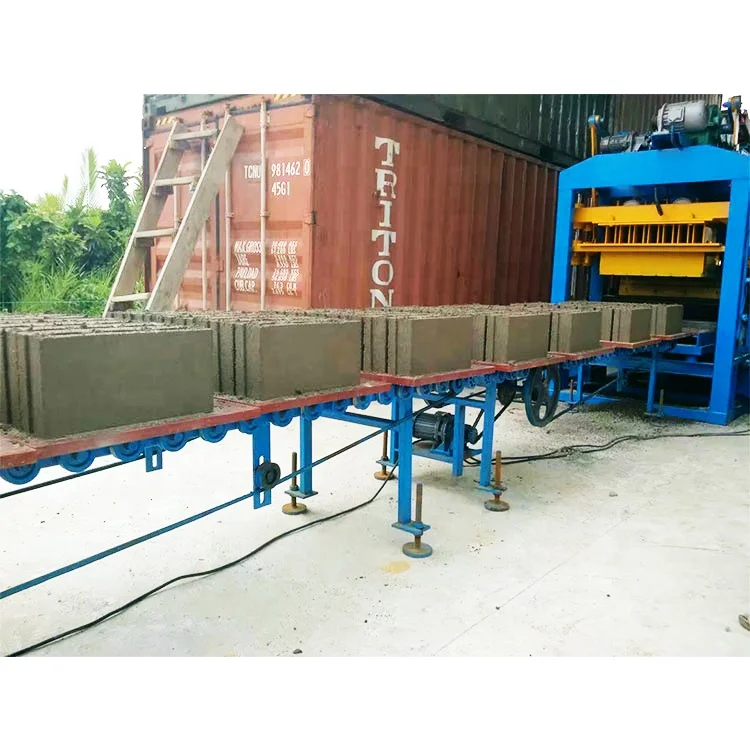
Block machinery is the only product category in the factory, which means the QT4-18 is specified as a matched system rather than assembled from unrelated components. The mould design covers hollow blocks, solid bricks, pavers and curbstones, with custom drawings available when your market sells a format that is not in the standard list. The configuration starts from your local aggregate and target block format, not a catalogue default that assumes conditions on the other side of the world. Automation is selectable, so a buyer can begin with semi-automatic pallet handling and add automatic stacking later as volume grows. Installation support includes operator training so the crew understands mould change procedure and vibration adjustment before the first production run.
Documentation & Verification
- Line layout with capacity calculation stated per block format, not one headline number
- Mould drawing and format list confirming exact block dimensions your market sells
- Pallet specification cross-checked against your curing area and forklift capacity
- Hydraulic and electrical schematic with voltage and frequency confirmed before production
- Factory test record on your target block format before dispatch
- Wear parts and mould list identifying first replacement items before shipment
Installation, Commissioning & Support
- 3900 × 1600 mm footprint requires a level cured concrete slab with adequate drainage
- 24 kW rated power needs a dedicated circuit with correct voltage and frequency confirmed
- Machine ships partially dismantled for container loading, reassembled on site
- Vibration force and hydraulic pressure set against your mix during commissioning
- Operator training covers mould change procedure and pallet handling sequence
- Wear parts list provided so spares are ordered before the first replacement falls due
What We Need From You to Size This Correctly
Send the block formats your market actually sells, the daily volume you need to hit, and a sample or description of the aggregate available locally. Tell us the voltage and frequency at your site and the language your operators read, so the control panel is built accordingly. If you already have a curing yard and a forklift, share the dimensions and capacity so the pallet size is chosen to fit what you have, not the other way around.
Frequently Asked Questions
Q: How is QT4-18 capacity verified per block format, and what sits behind each output figure?
A: Every output figure states the block format, the mould, and the cycle time assumed. For example, 1200–1680 pieces per hour applies to a 400×200×200 mm hollow block at a 15–20 second cycle. No single headline number is quoted without those conditions attached.
Q: Which mould formats are available, and how long does a mould change take on site?
A: Standard moulds cover hollow block, solid brick, paver and curbstone profiles. Custom moulds can be designed from buyer drawings. Mould change time depends on operator familiarity, but the QT4-18 is designed for bolt-on mould mounting rather than full press disassembly.
Q: How is pallet size chosen to match my curing area and forklift?
A: The 850 × 550 × 25 mm pallet is the standard, but the final choice considers your curing rack spacing, yard dimensions, and forklift capacity. The pallet specification is confirmed before production so nothing arrives that your existing handling cannot support.
Q: How is the machine configured against my local aggregate for consistent block strength?
A: We review your local material — crushed stone type, sand gradation, fly ash source — and set vibration force and hydraulic pressure accordingly. The QT4-18 block making machine specifications are only locked once the mix design is confirmed, not before.
Q: What documentation is provided before shipment?
A: You receive a line layout with per-format capacity calculation, mould drawings, hydraulic and electrical schematics, a factory test record on your block format, and a wear parts list. Voltage, frequency, and control language are confirmed in writing before production begins.