
Description
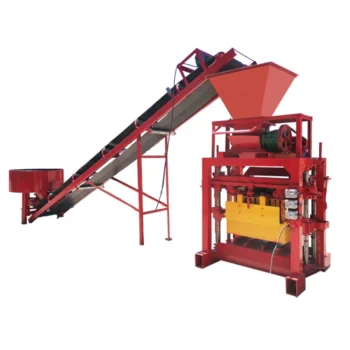
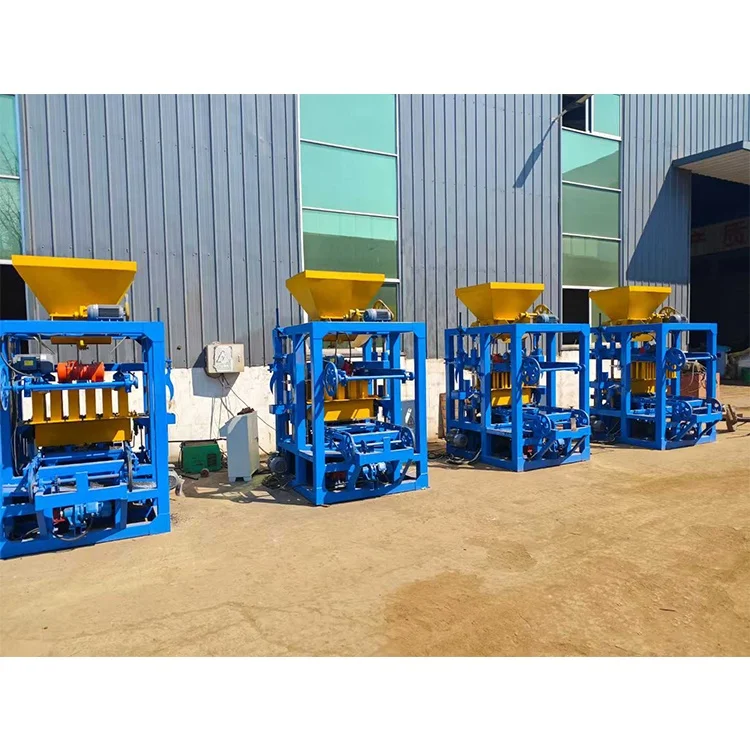
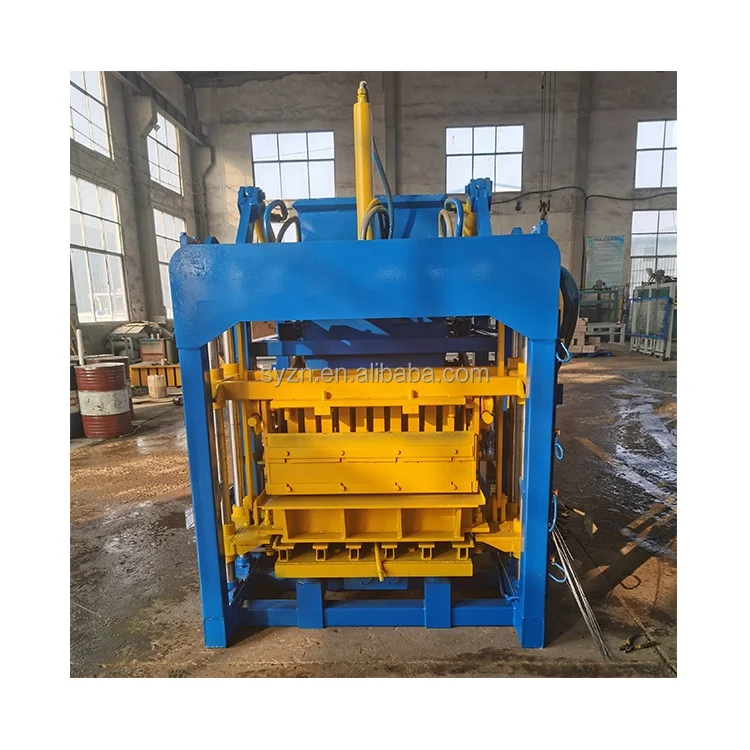
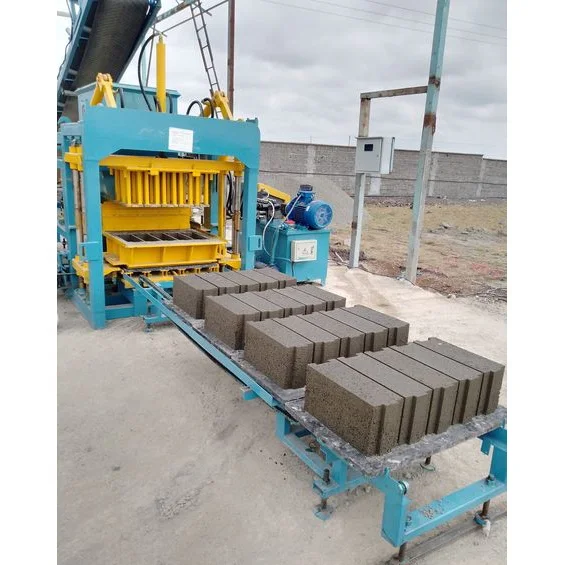
Matched System Sizing — the QT4-15A automatic block machine is configured against your local aggregate and target block format, not pulled from a catalogue default.
Technical Specifications
| Parameter | Value |
|---|---|
| Product Type | Automatic Concrete Block Making Machine |
| Model | QT4-15A |
| Overall Dimensions (L×W×H) | 7100×1600×2610 mm |
| Total Weight | 3 T |
| Molding Cycle | 15–25 s |
| Vibration Frequency | 4600 r/min |
| Vibration Force (Exciting Power) | 40–50 kN |
| Total Power | 18.45 kW |
| Mixer Model | JQ350 |
| Pallet Size | 850×550×25 mm |
| Control System | PLC control system |
| Hydraulic Station | High-pressure hydraulic system included |
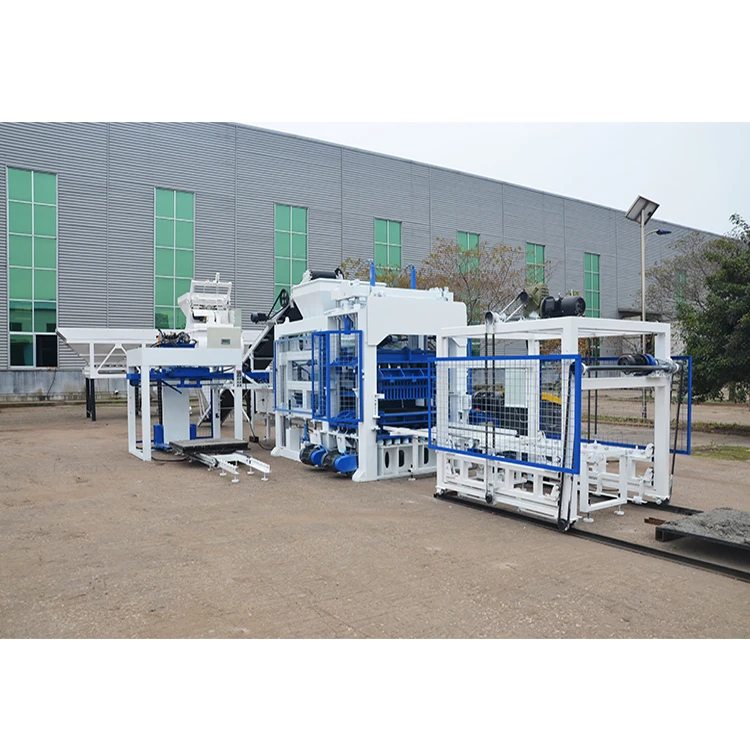
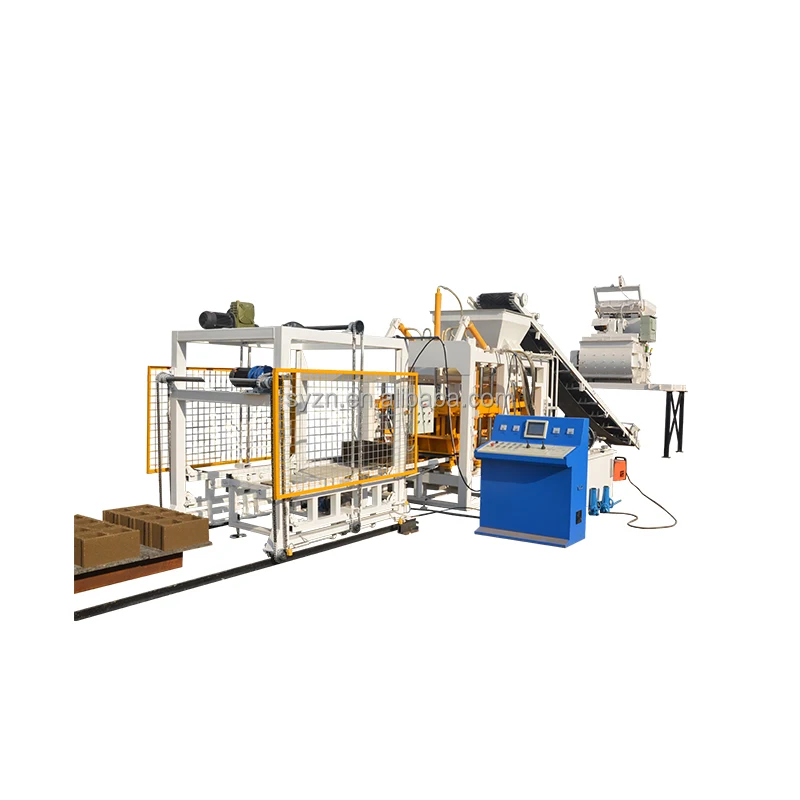
| Included Line Equipment | Block making machine, hydraulic station, PLC control system, pallet feeder, brick conveyor, block sweeper |
| Output — Hollow Block 400×200×200 mm | 4 pcs/mould, 408 pcs/h, 3264 pcs/8hr |
| Output — Hollow Block 400×150×200 mm | 5 pcs/mould, 510 pcs/h, 4080 pcs/8hr |
| Output — Solid Brick 240×115×53 mm | 18 pcs/mould, 2100 pcs/h, 17000 pcs/8hr |
| Voltage & Frequency | To be confirmed before commissioning |
| PLC Display Language | To be confirmed before commissioning |
| Mould Change Time | To be confirmed with manufacturer |
| Hydraulic Pressure (MPa) | To be confirmed with manufacturer |
| Stacking Method | To be confirmed (manual or automatic) |
| Certification | CE declaration where applicable — verify for this model |
Application Suitability
| Application | Material or Output |
|---|---|
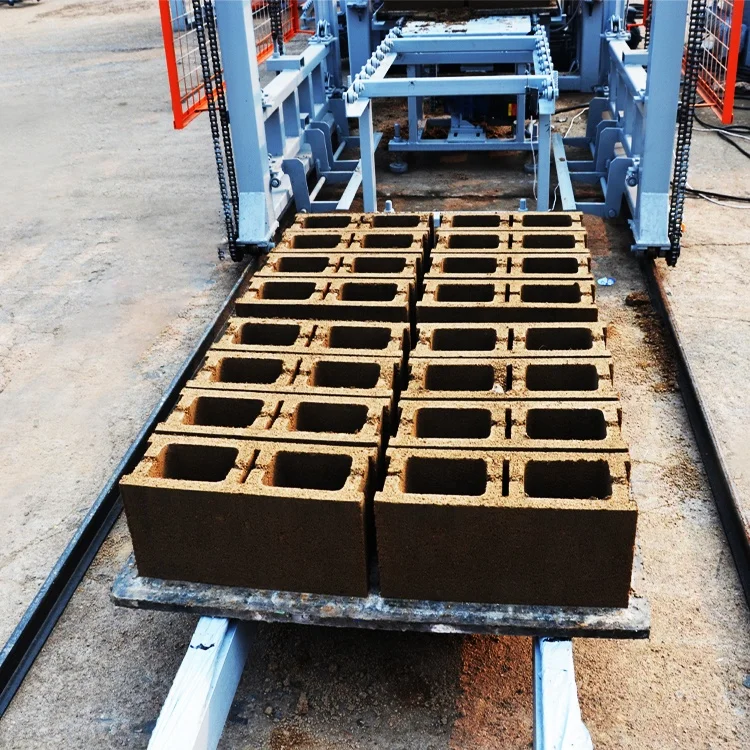
| Hollow block production | Crushed stone, sand, cement, fly ash and dust aggregates; 400×200×200 mm and 400×150×200 mm formats |
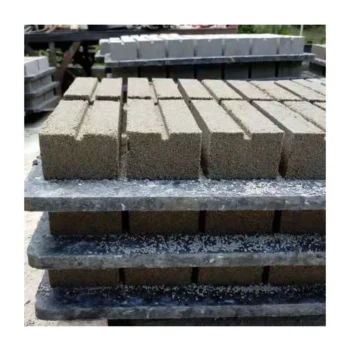
| Solid brick manufacturing | Standard 240×115×53 mm format from cement and local sand or crushed stone mixes |
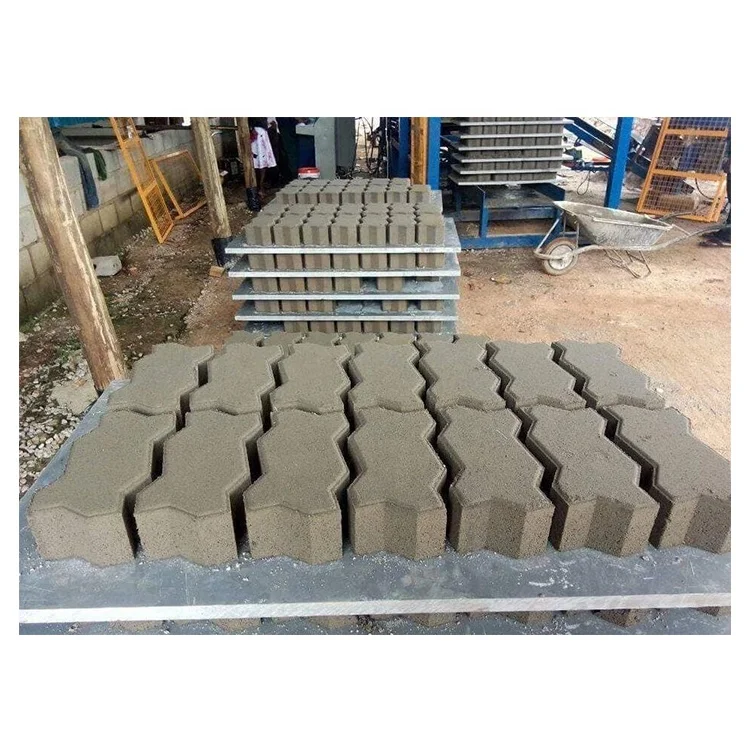
| Paver and kerbstone production | Format change via mould swap on the same machine platform |
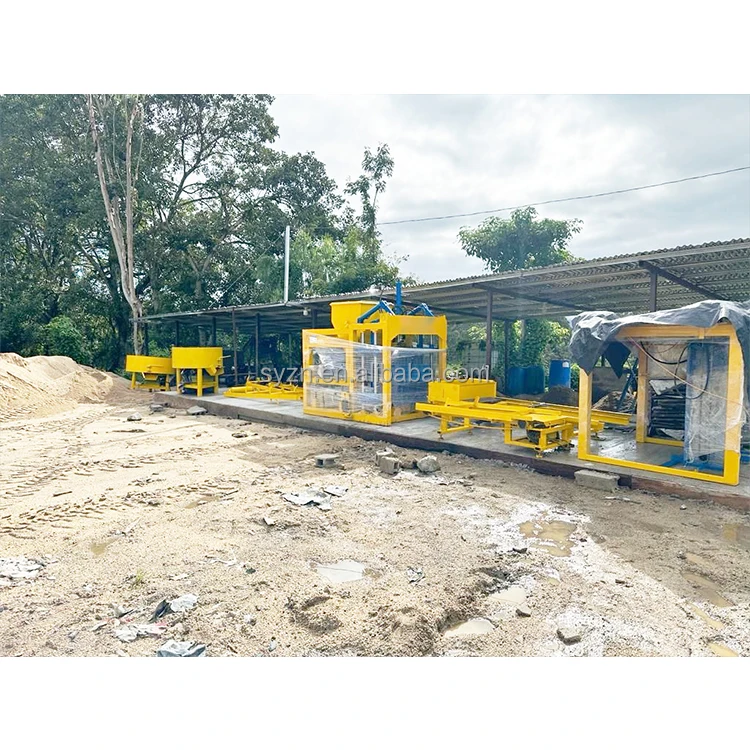
| First block plant setup | Semi-automated line with pallet feeder, conveyor and sweeper for reduced manual handling |
| On-site contractor production | Construction contractors producing blocks at project location using locally available aggregates |
What "408 Blocks per Hour" Actually Means on the QT4-15A
Output only holds true when the block format, mix design and vibration force are matched to your material.
I once stood in a yard watching an operator pull hollow blocks off a machine that looked identical on paper to this one. The blocks crumbled at the edges the moment the forklift moved them. The supplier had quoted a headline capacity based on a standard sand mix, but the yard was using volcanic rock dust with completely different compaction behaviour. The vibration force had never been adjusted for it [NEED_CITE: aggregate-specific vibration tuning for block compaction]. The QT4-15A block machine specifications list output per format — 408 pcs/h for 400×200×200 mm hollow blocks, 510 pcs/h for 400×150×200 mm, and 2100 pcs/h for 240×115×53 mm solid bricks — so you can size your daily target against the product you actually sell, not an abstract best-case figure.
Mould Flexibility and Format Coverage
The QT4-15A supports hollow blocks in two standard dimensions, solid bricks, pavers and kerbstones through mould changes on the same press. This matters when your market demands multiple formats and your investment cannot stretch to a dedicated machine per product. The 850×550×25 mm pallet size sets the maximum mould footprint, which determines how many units you can produce per cycle. Buyers adding kerbstone or interlocking paver production to an existing block range should confirm the mould drawing matches their local standard dimensions before the order enters production.
Pallet Handling and Line Continuity
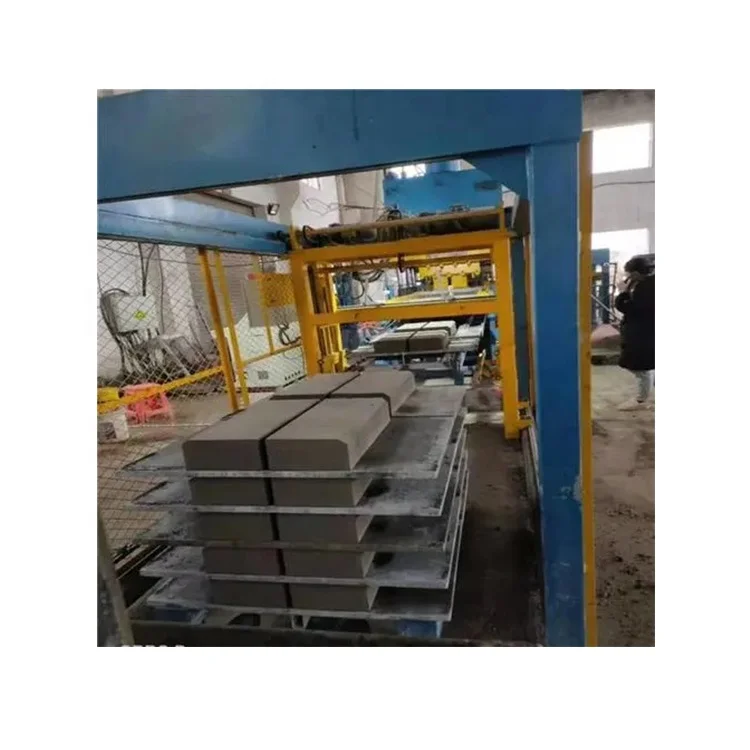
A block press only runs as fast as its pallet supply allows. The included pallet feeder, brick conveyor and block sweeper keep the QT4-15A cycle running without the operator stepping in to clear debris or manually feed boards. On sites where I have watched pallet handling become the bottleneck, the press sits idle while a worker runs a handcart back from the curing rack. The 15–25 second moulding cycle is realistic only when the upstream mixer and downstream curing area can keep pace [NEED_CITE: block line throughput balance across stations].
Vibration Force, Hydraulic Pressure and Block Density
The 40–50 kN vibration force at 4600 r/min works in combination with the hydraulic station to compact the mix into a dense block. Vibration alone does not guarantee strength — it must be paired with adequate hydraulic pressure and a mix design that responds to that specific energy input. The 18.45 kW total power covers the press, mixer JQ350 and conveying equipment running together. When the local aggregate is heavier or more angular than standard river sand, the vibration frequency and pressure must be retuned or the block will be under-compacted internally while appearing acceptable on the surface. The PLC control system allows parameter storage so that once the correct settings for each mix are found, they can be recalled for repeat batches without operator guesswork.
When the Wrong Pallet Size Derails a Whole Yard
Pallet dimensions are one of the most overlooked specifications in block machine procurement. If the 850×550×25 mm pallet does not match your existing curing racks, every board has to be restacked by hand before it enters the curing zone. I have seen yards buy a machine and then spend weeks fabricating new rack brackets because the pallet was 30 mm wider than what their forklift tines could handle [NEED_CITE: pallet dimension compatibility with curing infrastructure]. The cost of the machine was settled months before anyone measured the curing area.
Why Configuration Starts with Your Aggregate Sample
A block machine configured for one material profile does not automatically perform well with another. This is why the inquiry process asks for your target block format, daily output requirement, local raw material type and site conditions before any quotation is issued. The QT4-15A block machine specifications are a starting framework, not a finished prescription. Once your aggregate sample and mix proportions are known, the vibration force, hydraulic pressure and cycle timing can be set to produce blocks that hold their strength from the press to the wall [NEED_CITE: block strength testing by local aggregate and compaction method]. The machine, mould, pallet and handling equipment are then specified as one matched system rather than sourced from separate vendors who each optimise for their own component.
Documentation & Verification
- Line layout drawing with capacity stated per your target block format
- Mould drawing and format list matching your market dimensions
- Pallet specification sheet with dimensions and material grade confirmed
- Hydraulic and electrical schematic for your site voltage and frequency
- PLC display language confirmation before production begins
- Factory test record on your specified block format before dispatch
Installation, Commissioning & Support
- Foundation plan based on the 7100×1600 mm footprint and 3 T operating weight
- Electrical supply specification for the 18.45 kW total load at your local voltage and frequency
- Machine assembly from shipping condition with hydraulic station and pallet feeder alignment
- First-run parameter tuning against your actual mix design and aggregate sample
- PLC control system training covering cycle adjustment, fault codes and mould-change sequence
- Wear parts list and mould maintenance schedule provided at handover
Before You Send the Inquiry
To move from a catalogue specification to a machine configured for your operation, share your primary block format and target daily output, the type and source of your local aggregate, your available workshop footprint and ceiling height, and your site voltage and frequency. If you already operate curing racks or forklifts, include those dimensions so the pallet specification can be verified against them before production.
Frequently Asked Questions
Q: How is the output capacity of the QT4-15A calculated, and which block format does each figure assume?
A: Output is stated separately for each block format rather than as a single headline number. For the 400×200×200 mm hollow block the figure is 408 pieces per hour based on 4 pieces per mould, while the 240×115×53 mm solid brick yields 2100 pieces per hour at 18 per mould. The moulding cycle of 15–25 seconds underpins these figures and must be verified against your specific mix.
Q: What mould formats are available, and how long does a mould change take on this machine?
A: The QT4-15A accepts moulds for hollow blocks in two standard sizes, solid bricks, pavers and kerbstones. Custom mould designs based on buyer drawings are also available. Mould change time depends on the specific format and should be confirmed during the specification stage so you can plan your production schedule realistically.
Q: What voltage and PLC language options are confirmed before shipment?
A: Voltage, frequency and PLC display language are not preset — they must be confirmed to match your site electrical supply and operator requirements before the machine enters production. This step prevents commissioning delays that occur when a machine arrives with the wrong voltage configuration or an unreadable control interface.
Q: How do I match the vibration force and hydraulic pressure to my local aggregate and mix design?
A: The 40–50 kN vibration force and hydraulic pressure must be tuned to the density and particle shape of your specific aggregate. Provide a sample of your local material during the inquiry stage so the machine parameters can be adjusted before shipping, ensuring block strength meets your market standard from the first production run.