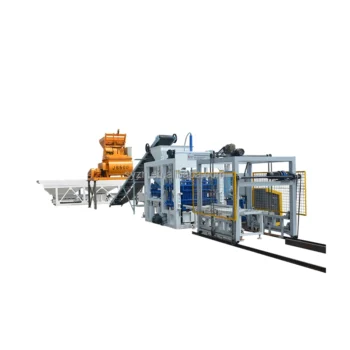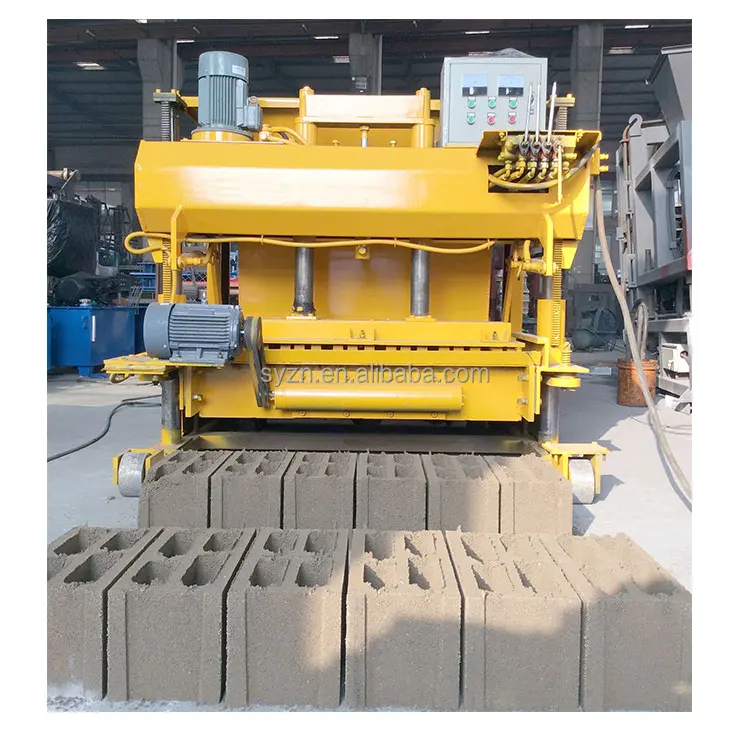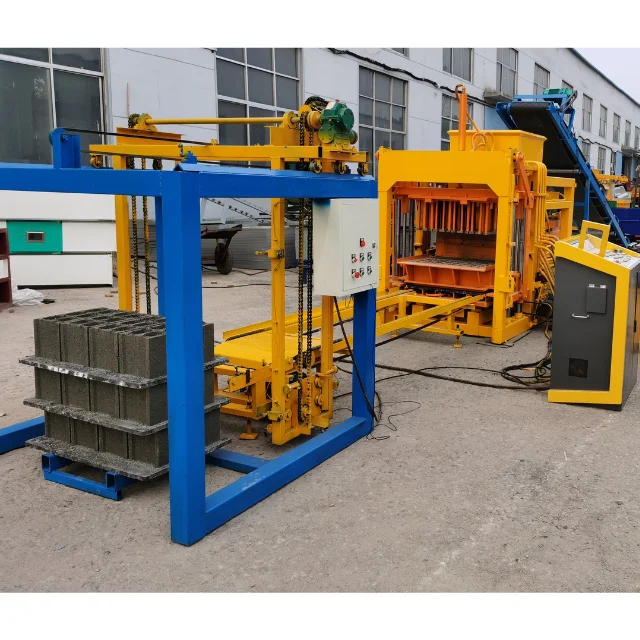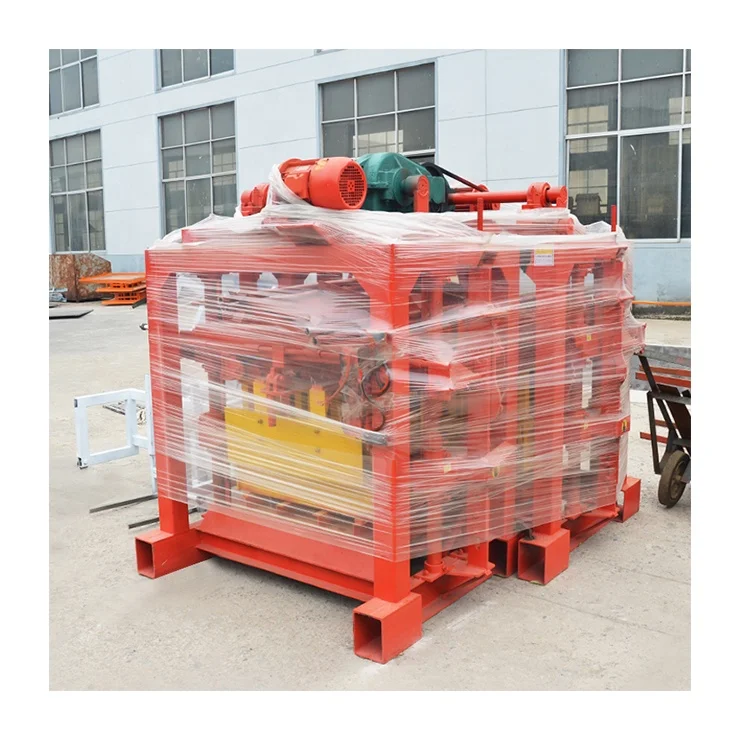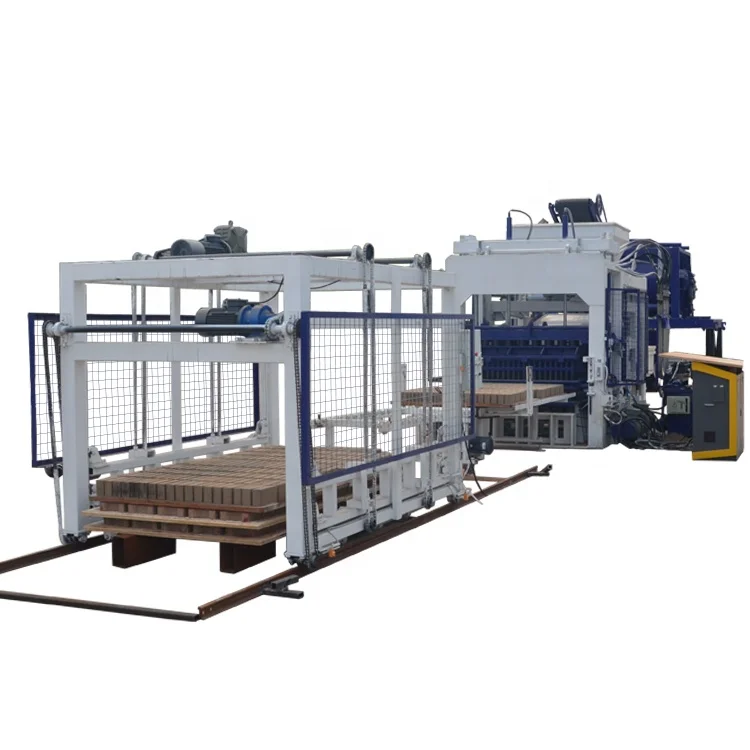
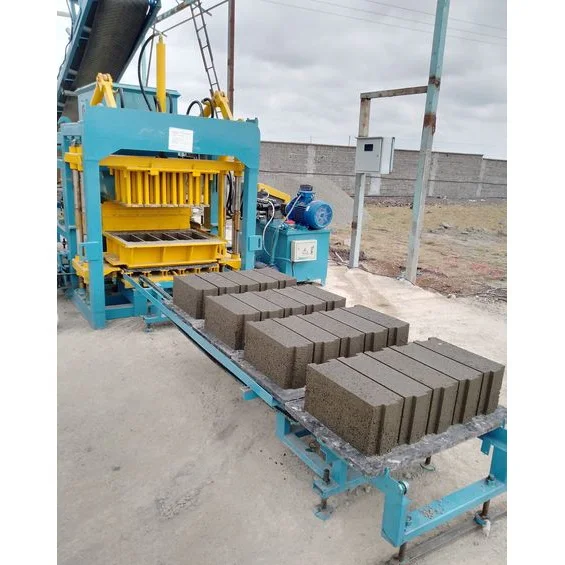
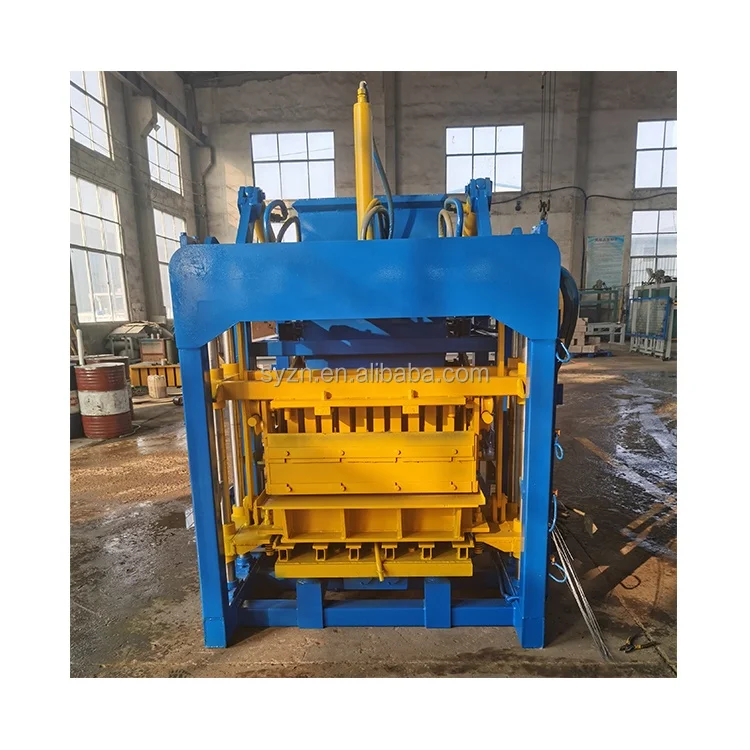


Description
Matched System Sizing — every QT4-15 proposal we issue calculates output against your specific block format, local aggregate, and 850x550x25mm pallet footprint, not a generic brochure figure.
Technical Specifications
| Parameter | Value |
|---|---|
| Model | QT4-15 |
| Product Type | Automatic Concrete Block Making Machine |
| Overall Dimensions (L×W×H) | 7100 x 1600 x 2610 mm |
| Molding Cycle | 15–25 seconds (dependent on block format and mix) |
| Vibration Frequency | 4600 r/min |
| Exciting Power (Vibration Force) | 40–50 kN |
| Total Power | 18.45 kW |
| Mixer Model | JQ350 |
| Pallet Size | 850 x 550 x 25 mm |
| Total Weight | 3 T |
| Output Capacity (Hollow Block 400×200×200mm) | 408 Pcs/Hr, 3264 Pcs/8hr |
| Output Capacity (Hollow Block 400×150×200mm) | 510 Pcs/Hr, 4080 Pcs/8hr |
| Output Capacity (Solid Brick 240×115×53mm) | 2100 Pcs/Hr, 17000 Pcs/8hr |
| Hydraulic Station | Equipped (high pressure, stable operation) |
| Vibration Type | Bed mould vertical vibration and upper mould compression vibration |
| Applied Products | Paver, solid, hollow, curbstone |
| Raw Materials | Crushed stones, sand, cement, dust, fly ash |
Application Suitability
| Application | Material or Output |
|---|---|
| Hollow Block Production (400×200×200mm & 400×150×200mm) | Crushed stones, sand, cement, fly ash |
| Solid Brick Manufacturing (240×115×53mm) | Cement, sand, stone dust |
| Paving Stone & Curbstone Production | Aggregates, cement, pigment (for colored pavers) |
| Mid-Scale Commercial Block Plants | Daily shift output matched to 850x550x25mm pallet logistics |
Why Quoted Cycle Times Fail on Site
The molding cycle is a function of your mix design, not just the machine’s vibration motor. When a technical buyer evaluates the QT4-15 Automatic Concrete Block Making Machine specifications, the 15-25 second range looks predictable. However, that range assumes a specific aggregate gradation and moisture content. If your local sand retains more water or your volcanic ash replacement behaves differently than standard fly ash, the mix requires longer vibration to achieve target density. The press then waits for the material to consolidate, pushing actual cycle times past the brochure maximum and cutting daily volume [NEED_CITE: impact of aggregate moisture on concrete block cycle time].
Aligning Vibration Force with Block Density Requirements
The dual vibration system on this QT4-15 block machine combines bed mould vertical vibration with upper mould compression. This setup forces the concrete mix into the mould corners while compressing the top surface. For hollow blocks requiring high compressive strength, the 40-50 kN exciting power must be calibrated against the cement-to-aggregate ratio. If the force is too low for a stiff mix, the block edges crumble during demoulding; if too high for a wet mix, the block slumps before curing begins.
Mould Change Realities and Format Flexibility
Switching from a 400×200×200mm hollow block mould to a paver mould involves more than unbolting the squeeze head. The 850x550x25mm pallet must remain perfectly aligned with the new mould cavity to prevent material spillage and uneven compaction. Buyers planning multi-format production need to verify the mould change procedure and required tools before installation, as complex changeovers can consume a significant portion of a production shift [NEED_CITE: typical mould change duration for mid-tier block machines].
Interpreting the QT4-15 Power and Vibration Specs
The 18.45 kW total power rating includes the main press motors, the JQ350 mixer, and the hydraulic station. This is a critical figure for sizing your plant’s electrical supply and dedicated circuit breakers. The 4600 r/min vibration frequency is optimized for standard concrete mixes; running consistently outside this range due to incorrect pulley setups or motor replacements accelerates bearing wear. The hydraulic station provides the clamping force that keeps the mould sealed during intense vibration, preventing flash formation on the block edges.
The Cost of Ignoring Pallet and Curing Logistics
A common failure in plant planning is ordering a machine without confirming that the 850x550x25mm pallets fit the existing curing racks and forklift tines. If the pallets are too heavy or the wrong material, manual handling slows down the entire line, creating a bottleneck right after the press. The machine may complete its cycle, but wet blocks sit on the vibrating table waiting for pallet space, forcing the operator to halt the automatic feed.
Why Sizing Matters More Than Brochure Claims
We specify the QT4-15 against the buyer’s actual target block format and local raw material samples.
- Single Focus on Block Lines: The press, pallets, and handling equipment are matched as one system, preventing interface gaps between the mixer and the press.
- Format-Specific Capacity Calculations: Proposals state the exact block dimensions used for the output calculation, removing guesswork from feasibility studies.
- Mould Design for Local Markets: We supply moulds for the specific hollow or paving formats your region demands, including custom drawings for non-standard interlocking shapes.
- Automation Scalability: The system allows starting with semi-automatic pallet handling and upgrading to full stacking later without replacing the core press.
Documentation & Verification
- Line layout calculating capacity specifically for your target hollow or solid block dimensions.
- Mould drawings confirming cavity count and compatibility with 850x550x25mm pallets.
- Hydraulic and electrical schematics matching your site’s voltage and frequency requirements.
- Factory test record showing cycle times using a mix design similar to your local aggregate.
- Operation manual detailing the mould change sequence and vibration force adjustment.
Installation, Commissioning & Support
- Foundation must support the 7100x1600mm footprint and dynamic vibration loads of the 3T unit.
- Dedicated power circuit required for the 18.45 kW total load, including the JQ350 mixer.
- Vibration frequency calibrated on-site to 4600 r/min after verifying local power stability.
- Hydraulic pressure set to match the specific mould cavity depth and block density target.
- Operator training covers the dual vibration system controls and safe mould changeover procedures.
- Wear parts list provided for high-friction areas on the bed mould and squeeze head.
Next Steps for Technical Buyers
To receive an accurate configuration for the QT4-15 Automatic Concrete Block Making Machine, please provide the exact dimensions of the blocks you intend to sell and a sample analysis of your local aggregate. Specify your available curing area to ensure the 850x550x25mm pallet strategy aligns with your logistics.
Frequently Asked Questions
Q: How is the real daily output calculated for different block formats on the QT4-15?
A: The output varies significantly by mould. For a 400×200×200mm hollow block, the rate is 408 pieces per hour. For a smaller 240×115×53mm solid brick, it reaches 2100 pieces per hour. These figures assume the 15-25 second molding cycle is maintained without pallet handling delays.
Q: What is the mould change time, and does it require specialized tools?
A: Changing the mould and squeeze head on this QT4-15 block machine typically requires standard hand tools and alignment checks to ensure the new mould sits perfectly on the 850x550x25mm pallet. Operators must also adjust the vibration parameters and hydraulic pressure settings for the new block geometry.
Q: How do we match the vibration force to our local aggregate mix?
A: The 40-50 kN exciting power and 4600 r/min frequency are calibrated during commissioning. If your local stone or sand differs from standard test materials, the vibration time and pressure must be adjusted to achieve target block strength without causing surface cracking or edge spalling [NEED_CITE: concrete block vibration calibration for local aggregates].
Q: Is the 850x550x25mm pallet size compatible with standard curing racks?
A: This pallet size is designed for mid-scale plants. Before ordering, you must verify that your curing chamber shelves and forklift forks can accommodate these dimensions and the weight of the wet concrete blocks, ensuring smooth transfer from the press to the curing area.