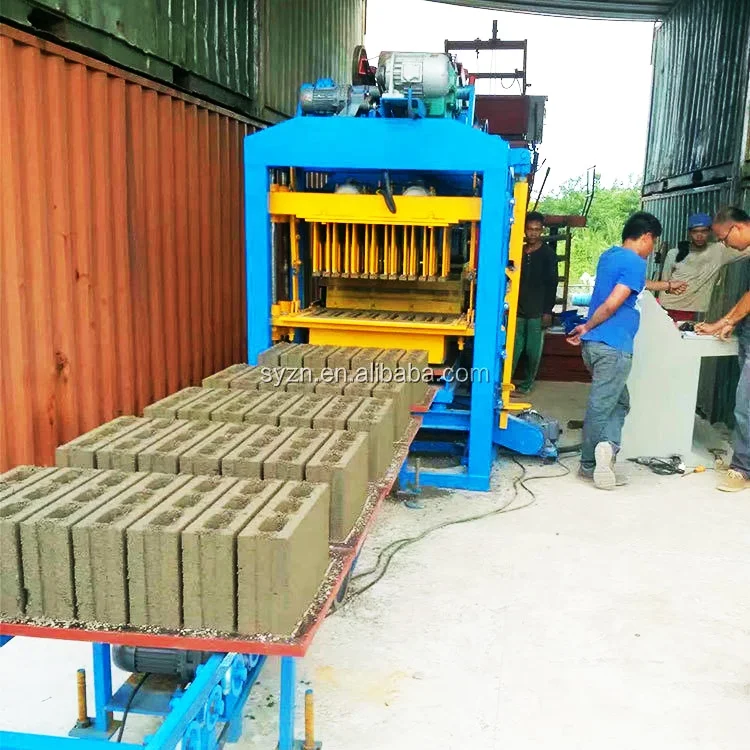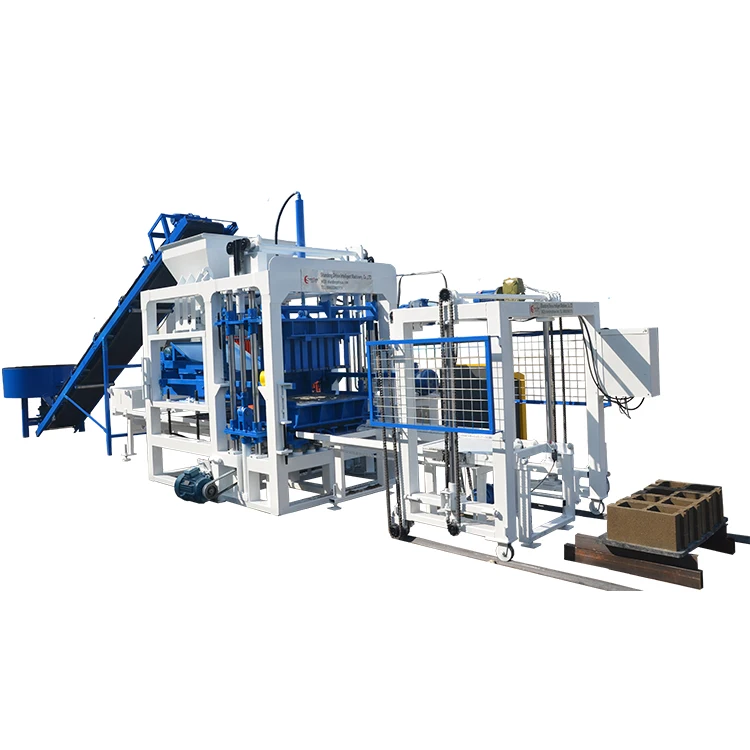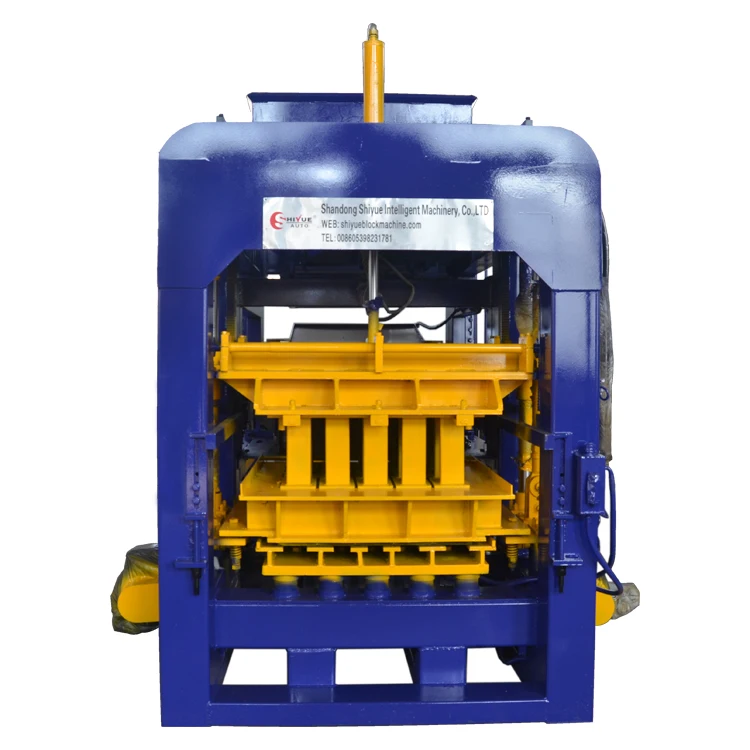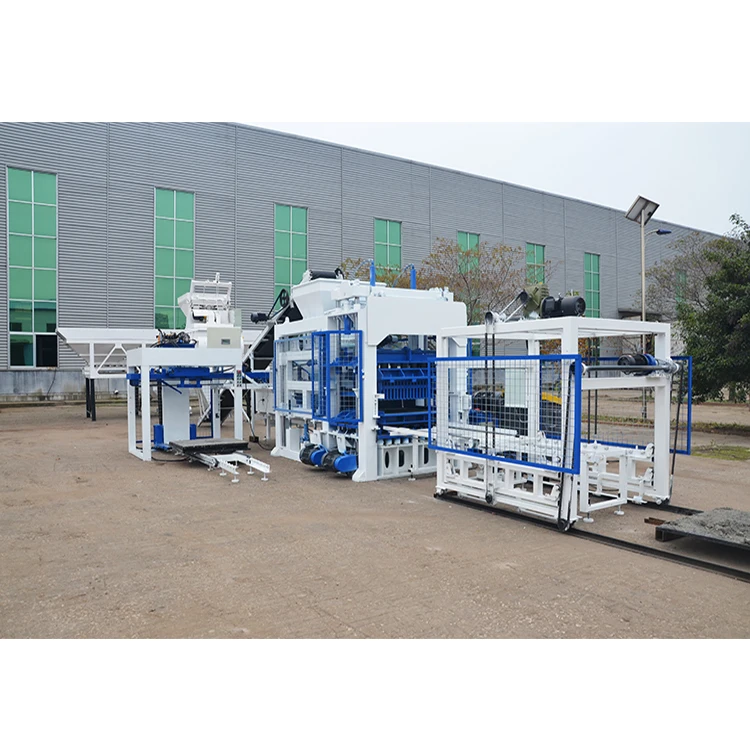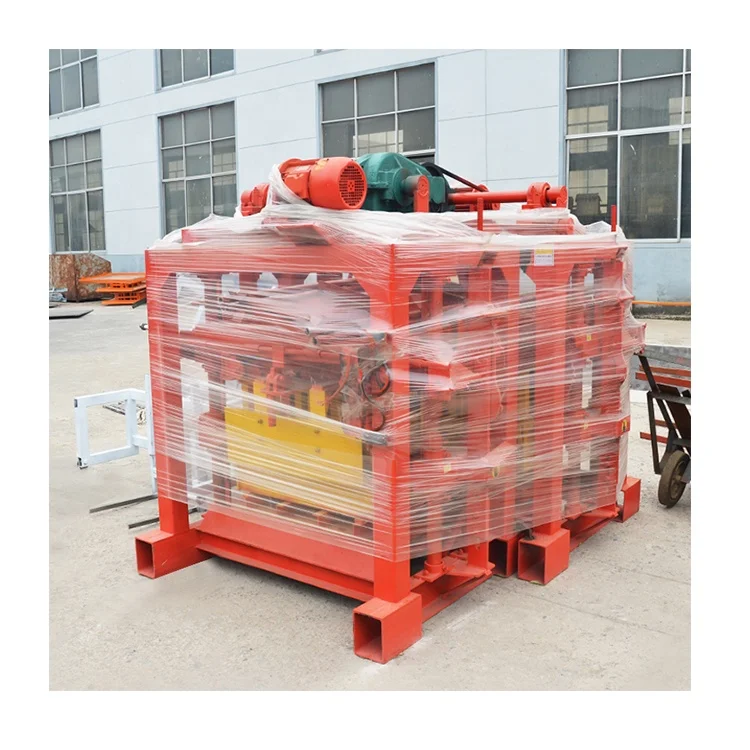
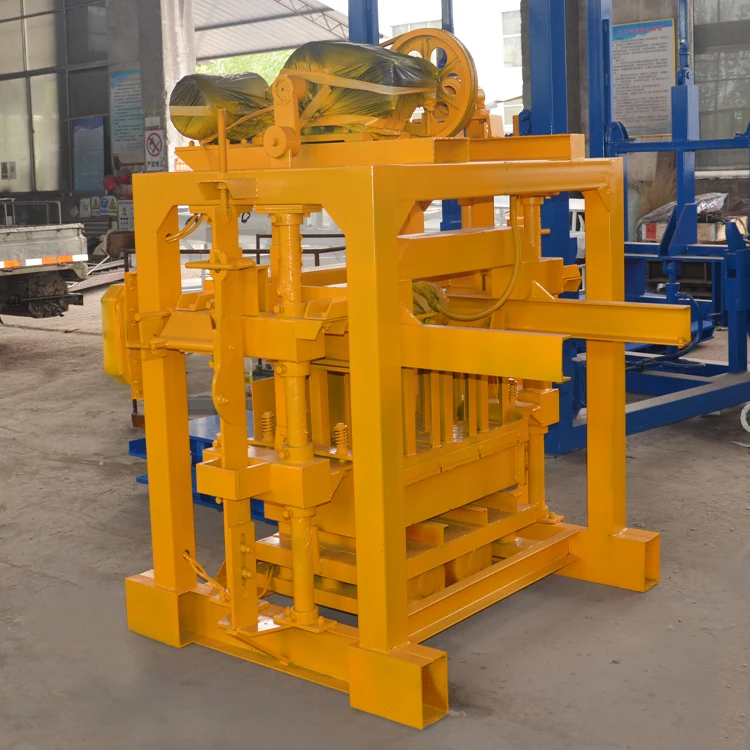

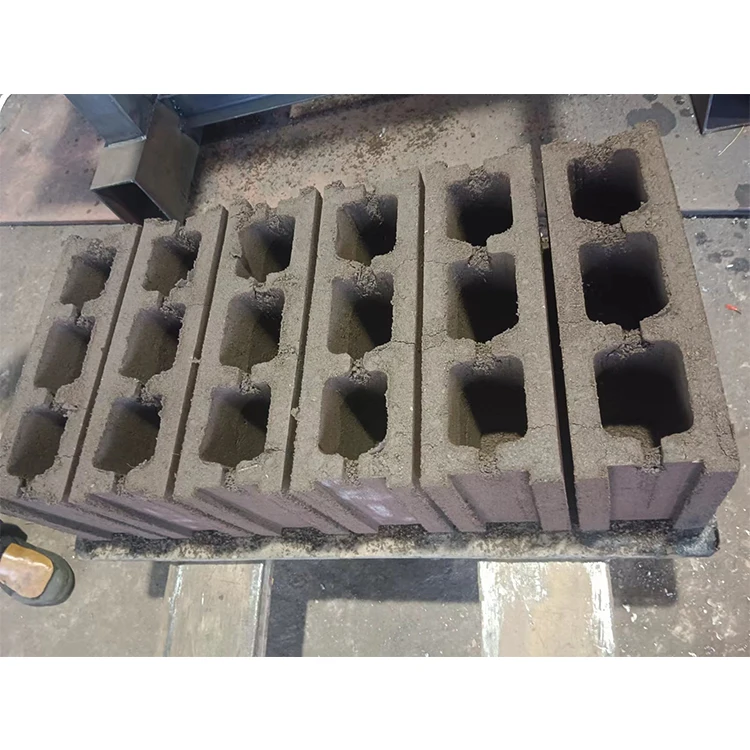
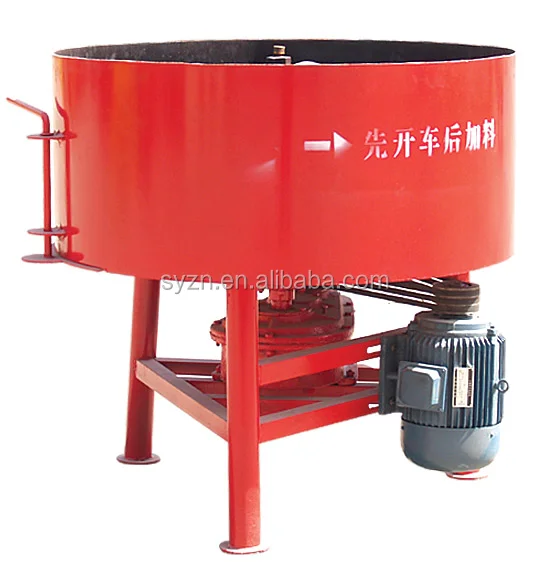
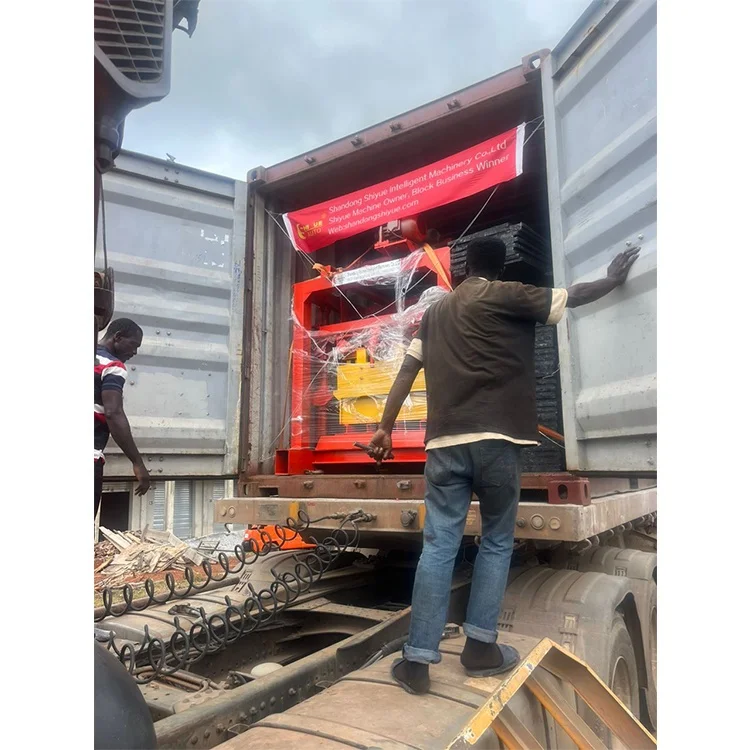
Description
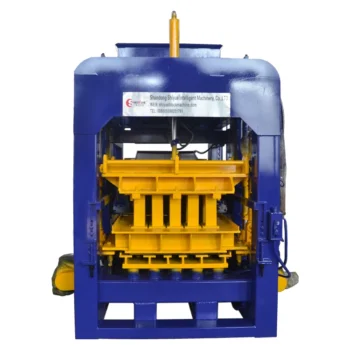
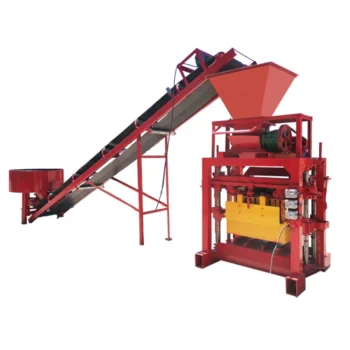
Mould matched to your mix — we configure the QTJ4-40 semi-automatic block machine vibration force, pallet size and cycle time against the block format you actually sell, not a catalogue default.
Technical Specifications
| Parameter | Value |
|---|---|
| Model | QTJ4-40 |
| Product Type | Semi-Automatic Concrete Block Making Machine |
| Rated Power | 9.5 kW |
| Molding Cycle | 40 s |
| Output Capacity | 2000–2500 pcs / 8 hours (basis not stated in source) |
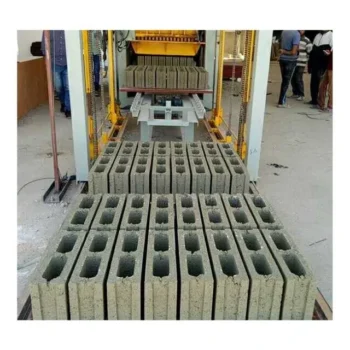
| Theoretical Output (Hollow Block) | 360 pcs/h, 2800 pcs/day based on 400×200×200 mm, 4 pcs/mould |
| Theoretical Output (Solid Brick) | 800 pcs/h, 6400 pcs/day based on 225×112.5×60 mm, 9 pcs/mould |
| Raw Materials | Concrete, sand, cement, fly ash, lime, gypsum |
| Machine Weight | 1 T |
| Overall Dimensions | 1350 × 1460 × 1800 mm |
| Pallet Size | 850 × 450 mm |
| Vibration System | Bed mould vertical vibration + upper mould compression vibration |
| Control System | Semi-automatic operation with top die push/pull and automatic scraper |
| Automation Level | Semi-automatic |
| Assembly State | Fully assembled |
Application Suitability
| Application | Material or Output |
|---|---|
| Small-scale hollow block production | Crushed stone, sand, and cement mixes for 150mm and 200mm wall formats |
| Solid brick manufacturing | Fly ash, lime, and gypsum blends for standard masonry units |
| Interlocking paver production | Pigmented concrete mixes for pedestrian and light-traffic paving |
| On-site contractor block making | Local river sand and aggregate for immediate project use |
Why "2800 Pieces a Day" Can Be Misleading Without the Right Format
Quoted output only holds if the machine is tuned to your exact block size and aggregate type.
Many buyers purchase a QTJ4-40 semi-automatic block machine expecting a fixed daily yield, only to find the actual output drops significantly once they switch to a different block format or use local sand with higher clay content. The cycle time of 40 seconds assumes a specific material flow and vibration response; if the mix is too sticky or too dry, the scraper cannot fill the mould consistently, leading to weak corners and rejected blocks. [NEED_CITE: impact of aggregate clay content on concrete block compressive strength]
Vibration Force Must Match the Block Format
The QTJ4-40 uses a dual vibration system: vertical vibration from the bed mould and compression vibration from the upper mould. For a 400×200×200 mm hollow block, this combination compacts the concrete into the corners of the four cavities. If the vibration is too low for a dense aggregate mix, the block will demould with soft edges. If it is too high for a lightweight fly ash mix, the material may segregate before the top die applies pressure.
Pallet Size Defines Your Curing Area Layout
The 850 × 450 mm pallet size determines how many blocks you can cure per square meter and whether your existing forklift can handle the loaded racks. A pallet that is too large for your curing yard means wasted space; one that is too small means more trips per shift. We confirm the pallet dimensions against your actual site layout before the QTJ4-40 semi-automatic block machine specifications are finalized. [NEED_CITE: concrete block curing area planning and pallet circulation]
How the 40-Second Cycle Time Translates to Real Output
The 40-second molding cycle is the time from the scraper filling the mould to the top die retracting. For a solid brick mould with 9 cavities, this yields a theoretical 800 pieces per hour. However, this does not include the time for the operator to manually place the next pallet and remove the finished one. In a semi-automatic configuration, the operator’s speed directly affects the actual hourly output, especially when switching between the 4-cavity hollow block mould and the 9-cavity solid brick mould.
The Cost of Ignoring Local Aggregate Properties
If the QTJ4-40 is set up for a clean, graded sand but your local supplier delivers material with high silt content, the vibration force will not compact the mix properly, and the blocks will crumble during handling. This is not a machine fault; it is a configuration mismatch. Adjusting the vibration parameters or changing the mix ratio on-site can take days of trial and error, costing lost production time. [NEED_CITE: vibration parameter adjustment for varying aggregate moisture and fines]
Why Configuration Matters More Than Catalogue Specs
We supply the QTJ4-40 as a matched system: the machine, the mould, and the pallet are selected together based on your target block format and local raw materials. Our documentation includes a capacity calculation that states the exact block size assumed for each output tier, so you know what to expect before the machine arrives. We also confirm the voltage, frequency, and control language before production begins, avoiding delays during commissioning.
Documentation & Verification
- Line layout showing the 850×450mm pallet flow and curing rack capacity.
- Capacity calculation stating the block format and cycle time for each output tier.
- Mould drawing confirming cavity count for hollow block and solid brick formats.
- Factory test record on your specific mix design before dispatch.
- Voltage and control language confirmation sheet.
- Operation manual covering manual pallet handling and mould change procedures.
Installation, Commissioning & Support
- Foundation pad leveling for the 1350×1460mm machine footprint to ensure vibration stability.
- Dedicated 9.5 kW circuit with the confirmed local voltage and frequency.
- Vibration parameter tuning against your local aggregate during the first production run.
- Operator training on top die push/pull timing and automatic scraper adjustment.
- Mould change practice for switching between hollow block and solid brick formats.
- Wear parts list including scraper blades and vibration motor mounts.
Sizing the Machine to Your Project Needs
To determine if the QTJ4-40 is the right fit for your plant, we need to know the specific block format you intend to produce, the daily volume required, and the type of local aggregate available. Please provide your target block dimensions, the raw materials you plan to use, and your existing curing area dimensions so we can confirm the pallet layout.
Frequently Asked Questions
Q: How is the daily output figure calculated for the QTJ4-40?
A: The theoretical output of 2800 pieces per day for hollow blocks is based on a 400×200×200 mm block with 4 cavities per mould and a 40-second cycle time. This figure assumes continuous operation and does not include time for pallet handling or mould changes, which vary based on the operator’s speed and the specific block format being produced.
Q: Can the 850×450mm pallet size be changed to fit my curing racks?
A: The pallet size is matched to the mould footprint and the machine’s feeding mechanism. While we select the pallet material and thickness based on your curing method, changing the pallet dimensions would require a different mould and machine configuration. We confirm the pallet size against your existing racks before the order is finalized.
Q: How does the vibration system handle different raw materials?
A: The dual vibration system applies both vertical and compression force to compact the mix. If your local aggregate has high clay content or different moisture levels, the vibration parameters may need adjustment to ensure proper density. We tune these settings during commissioning based on your specific material test.
Q: What is involved in changing the mould on this semi-automatic machine?
A: The QTJ4-40 uses a manual mould change system. The operator unbolts the current mould, lifts it out, and secures the new one, then adjusts the scraper height and vibration time for the new format. This process allows you to switch between hollow blocks and solid bricks, though it requires downtime during the shift.
Q: What electrical specifications are confirmed before shipment?
A: We confirm the exact voltage, frequency, and control language required for your local power grid and operators before the machine is built. This ensures the 9.5 kW motor and control box are compatible with your site, preventing commissioning delays upon arrival. [NEED_CITE: industrial voltage standards for concrete machinery export]