

Description
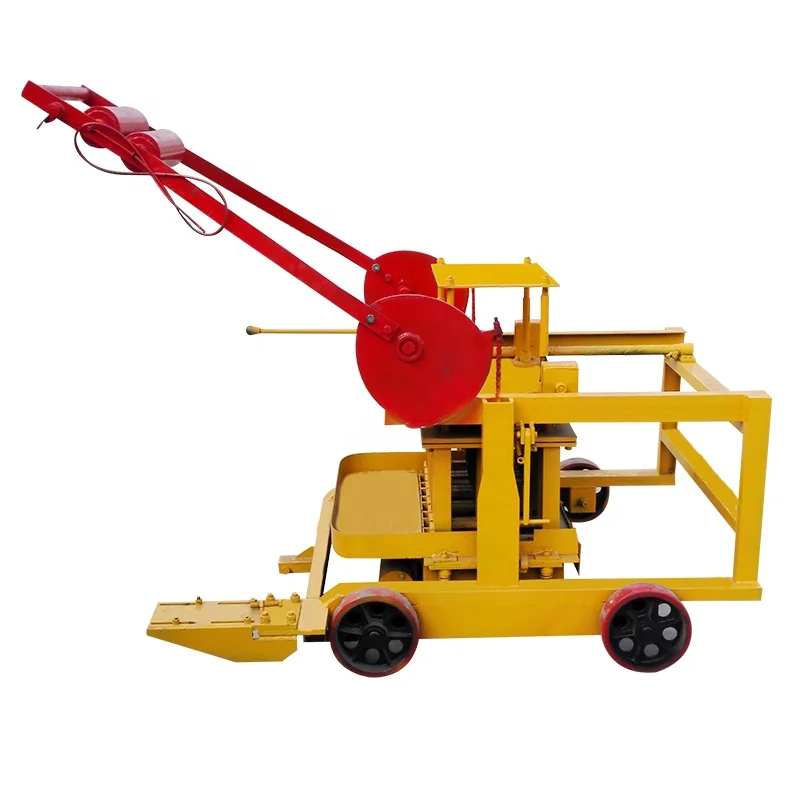
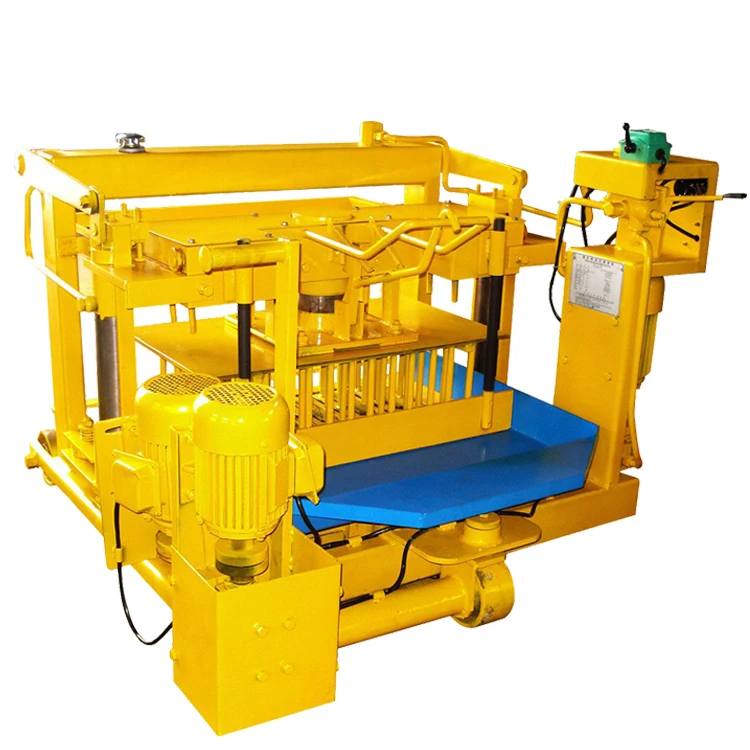
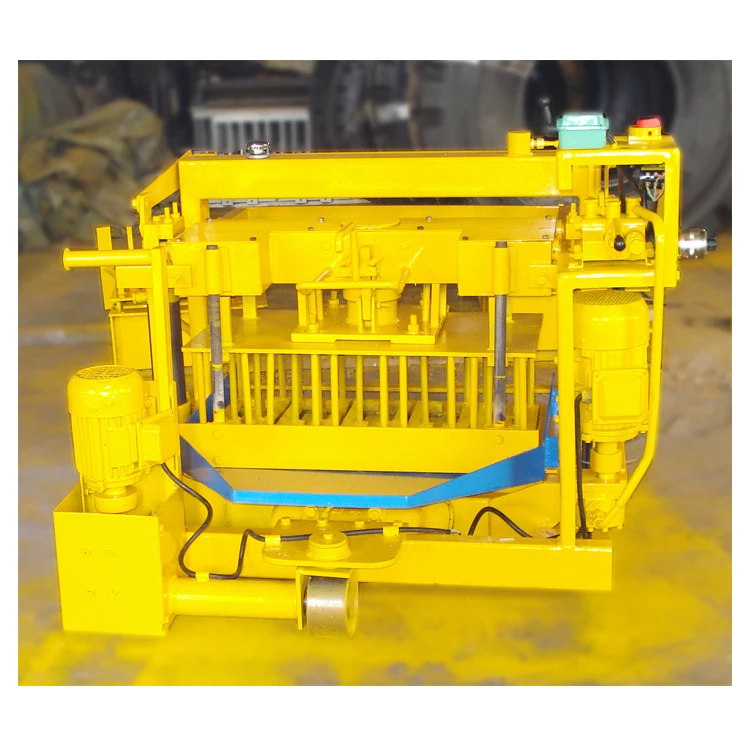
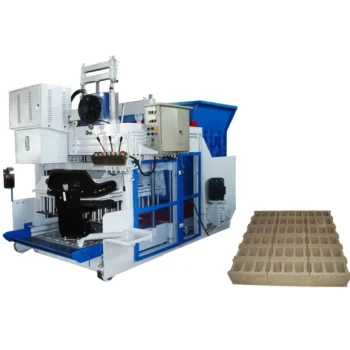
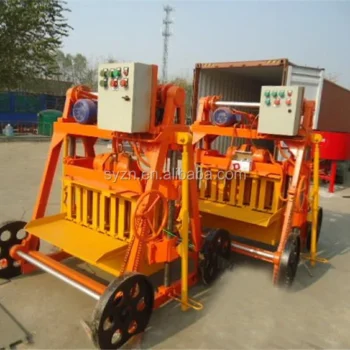
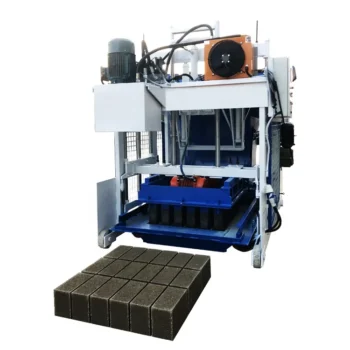
Matched Moulding System — the QMY4-30 mobile block machine is specified against your actual block format, local aggregate and curing conditions, not a catalogue default.
Technical Specifications
| Parameter | Value |
|---|---|
| Model | QMY4-30 |
| Product Type | Mobile Cement Block Making Machine |
| Overall Dimensions (L×W×H) | 1300×1500×1000 mm |
| Host Machine Power | 5.95 kW |
| Overall Power | 5.95 kW |
| Rated Pressure | 6–8 MPa |
| Main Vibration Form | Moulding Vibration |
| Vibration Frequency | 4500 r/min |
| Vibration Force | 28.6 kN |
| Pallet Size | No pallets required (egg-laying type) |
| Molding Cycle | 15–25 s (basis not stated in source — confirm block format / material / thickness) |
| Molding Area | 400×800 mm |
| Demolding Method | Hydraulic |
| Mixer Model | JQ350 |
| General Water Consumption | 4 T/day |
| Total Mass | 950–1000 kg |
| Factory Area Recommendation | 500 m² |
| Applied Products | Concrete blocks, hollow blocks, solid blocks, pavers, interlocking blocks |
| Raw Materials | Crushed stone, sand, cement, dust, fly ash, gravel, slag, and other aggregates |
| Warranty | 1 Year |
| Certification | ISO9001 / CE / SGS |
| Assembly State | Shipped as complete unit |
| Voltage & Frequency | Basis to be confirmed per target market |
| Control System | Basis to be confirmed per target market |
Application Suitability
| Application | Material or Output |
|---|---|
| On-site hollow block production at housing projects | Crushed stone, sand, cement with local aggregate gradation |
| Solid block manufacturing for masonry contractors | River sand, gravel, cement blends |
| Interlocking brick production for landscaping and paving | Fly ash, stone dust, cement mixes |
| Paver production for walkways and plazas | Fine aggregate, cement, pigment additives |
| Small-scale block yard for first-time entrepreneurs | Locally sourced sand, slag, or gravel with cement binder |
What "15–25 Seconds per Cycle" Actually Means for Your Output
The molding cycle only translates to daily capacity when tied to a specific block format, wall thickness, and aggregate density.
Many mobile block machine specifications list a cycle range without stating which block it was measured on. A 15-second cycle might apply to a thin interlocking paver, while a 400 mm hollow block with thick walls can push the same machine toward the upper end of that range — or beyond it. On a job site in Ecuador, I watched a contractor lose almost half a day’s expected output because the cycle time had been quoted on a format his market never bought. Before you sign, confirm what the mobile block machine specifications how to choose should actually include: the block format, the mix, and the curing method you will run every day [NEED_CITE: block cycle time dependency on format and mix design].
Matching Vibration Force to Your Local Aggregate
The QMY4-30 delivers 28.6 kN of vibration force at 4500 r/min through the mould itself. That frequency works well for standard sand-cement mixes with moderate particle sizes, but coarser aggregates — volcanic ash, crushed river gravel with large stone fractions — need the vibration matched to their packing behavior. If the frequency is too high for a coarse mix, the larger particles bounce instead of settling, leaving voids inside the block. If it is too low, fine material does not fluidize, and the block comes out under-compacted. Getting this right at the quotation stage avoids discovering the problem on the first production day.
Mould Area and Format Flexibility on a Mobile Platform
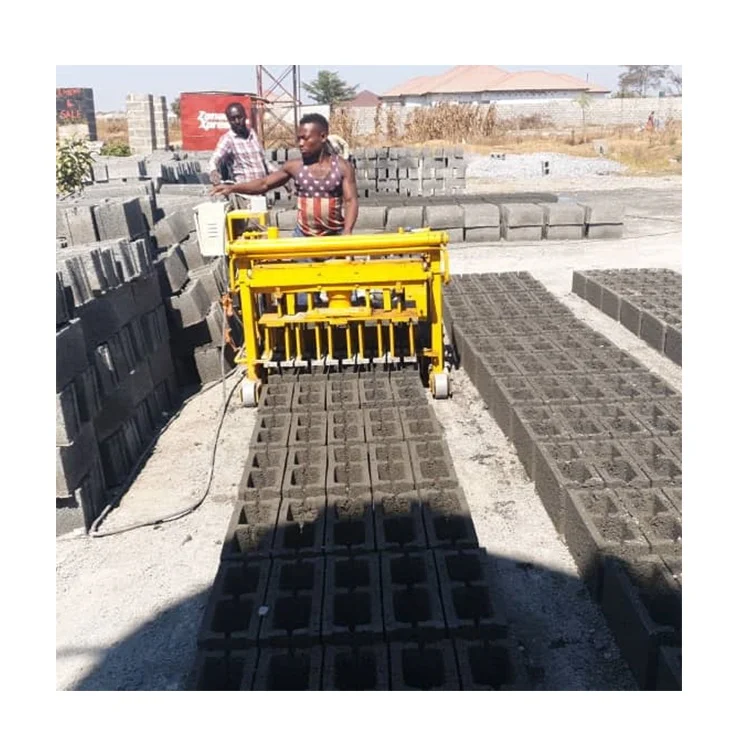
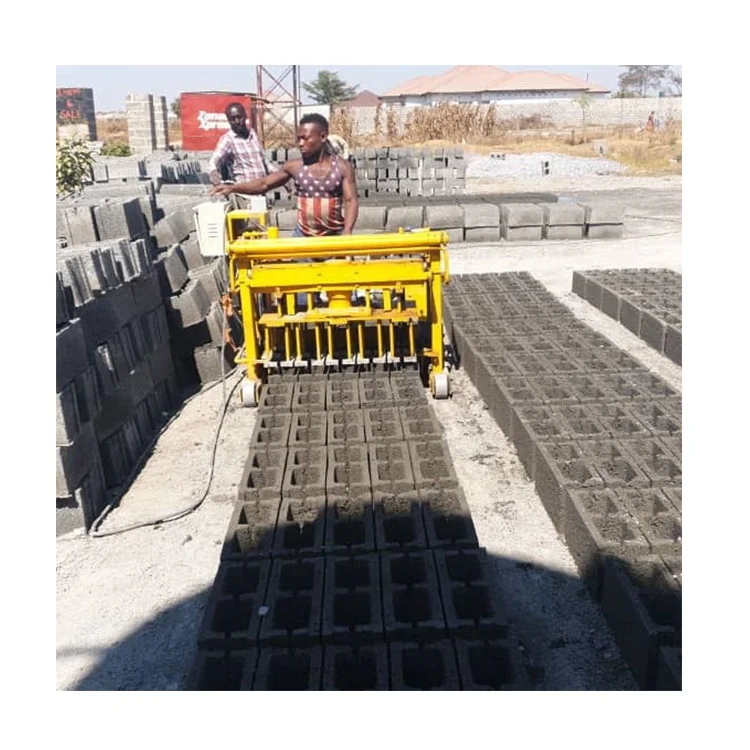
With a 400×800 mm molding area, this machine can accommodate multiple cavity layouts: two large hollow blocks, four to six solid blocks, or a full bed of interlocking pavers per cycle. The egg-laying design means the machine moves forward after each press, depositing blocks directly onto the ground. That eliminates pallet investment entirely, but it also means your curing area must be flat, clean, and prepared to accept blocks straight from the mould. The format you sell most should drive which mould is ordered first, not which one happens to be in stock [NEED_CITE: mobile egg-laying block machine curing surface requirements].
Reading the Pressure and Vibration Numbers Together
Rated pressure sits at 6–8 MPa, applied hydraulically during demolding. Vibration force alone does not determine block density; the hydraulic pressure and vibration must work in sequence — vibration fluidizes the mix, then pressure consolidates it before the mould lifts. A machine with strong vibration but weak pressure produces blocks that look solid on the outside but crumble under load. Conversely, high pressure without adequate vibration traps air pockets. The QMY4-30 pairs both systems on one frame so the operator does not have to balance two separate machines. This matters especially when you switch between a lightweight fly ash mix and a dense gravel mix on the same day.
The Hidden Cost of Ignoring Voltage Confirmation
Arriving at a job site to find the local supply is 220 V single-phase when the machine was built for 380 V three-phase is more common than it should be. The QMY4-30’s 5.95 kW motor and hydraulic pump demand stable three-phase power; running it on an under-rated generator causes the vibration motor to stall mid-cycle, leaving half-pressed blocks in the mould. By the time an electrician rewires the panel or a larger generator is rented, the crew has lost days of production. Voltage, frequency, and plug type must be confirmed before the machine enters production — not after it clears customs [NEED_CITE: voltage and frequency standards by export market].
Why Source This Machine Through Shiyue Machinery
The QMY4-30 is configured as a matched system — host machine, mixer, mould, and handling are specified together rather than assembled from unrelated suppliers. Capacity calculations are stated per block format so you know what to expect before the machine ships. Mould design follows your market’s actual product range, including custom drawings when standard formats do not cover what your buyers demand. Automation level is selectable, allowing you to start with manual operation and add automatic features later. Installation support includes on-site commissioning and operator training so your crew is producing saleable blocks within the first week.
Documentation & Verification
- Machine specification sheet listing confirmed block formats and per-format cycle data
- Mould drawing with cavity layout matched to your requested block dimensions
- Hydraulic and electrical schematic showing confirmed voltage, frequency, and phase
- Factory test record run on the block format you will produce at commissioning
- Pallet-free curing surface preparation guide specific to the egg-laying layout
- Operation and maintenance manual with wear parts list and replacement intervals
Installation, Commissioning & Support
- 500 m² flat curing area required; ground must be level to accept blocks directly from the 1300×1500 mm machine footprint
- Three-phase power supply confirmed before dispatch; 5.95 kW total draw requires dedicated circuit protection
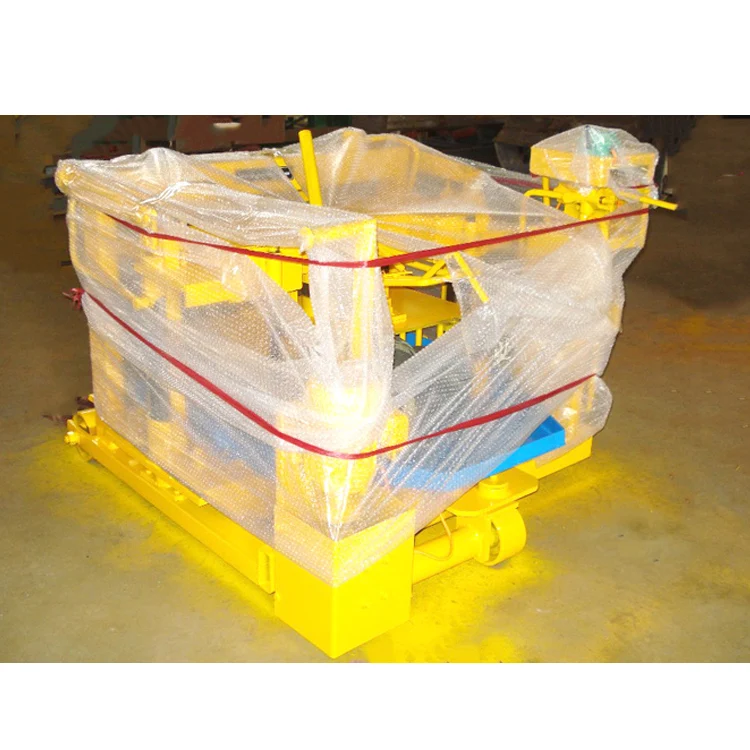
- Shipped as a complete single unit; no on-site structural assembly beyond positioning and utility connection
- JQ350 mixer commissioned alongside the host to verify mix consistency before first block run
- Operator training covers mould change procedure, hydraulic pressure adjustment, and vibration timing for each block format
- Wear parts and hydraulic seal kit included with first shipment to cover initial operating period
Before You Request a Quote
Tell us the exact block format your market buys most — dimensions, wall thickness, and whether it is hollow, solid, interlocking, or a paver. Share a sample or lab report of your local aggregate so the mix can be matched to the vibration profile. Confirm your site’s available voltage, frequency, and whether you plan to run from grid power or a generator.
Frequently Asked Questions
Q: How is the daily output of the QMY4-30 calculated for my specific block?
A: Daily output depends on the block format, mix density, and curing method. The 15–25 second molding cycle is a range; the exact figure is confirmed only after we know your block dimensions and wall thickness. We provide a capacity table per format so you can plan realistic production shifts before the machine arrives.
Q: What aggregate gradation works best with this machine’s vibration frequency?
A: The 4500 r/min moulding vibration suits standard sand and fine crushed stone. Coarser materials like large-fraction volcanic ash or oversized gravel may need frequency adjustment or a different vibration profile. Share your local aggregate sieve analysis at inquiry stage so we match the system to your material.
Q: Which mould formats can I run on the 400×800 mm molding area?
A: The molding area supports hollow blocks, solid blocks, interlocking bricks, and pavers. Cavity count and arrangement vary by format — a hollow block mould may produce two units per cycle while a paver mould produces several. Custom mould designs are available based on your drawings and market requirements.
Q: Does egg-laying operation mean I need no ground preparation at all?
A: You avoid pallet costs, but the curing surface still needs to be flat, compacted, and free of debris. Uneven ground causes blocks to crack or tilt during demolding. We provide a curing area preparation guide covering surface grading, drainage, and protection from weather during the initial set period.

![Mobile Egg-Laying Block Machine QMJ4-45 | Technical Guide 记录ID 81394 数字之和 = 8+1+3+9+4 = 25 25 mod 6 = 1 → 句式: [站点修饰词] [品类词] for [应用或物料] 目标站 shiyuebrickmachine.com → 技术选型类角色 → 池: Specifications / Technical Guide / Model Selection 25 mod 3 = 1 → Technical Guide Technical Guide Mobile Egg-Laying Block Machine QMJ4-45 for Hollow Block](https://shiyuebrickmachine.com/wp-content/uploads/2026/04/H90feaec218fb491da0439250475a08abT.webp)