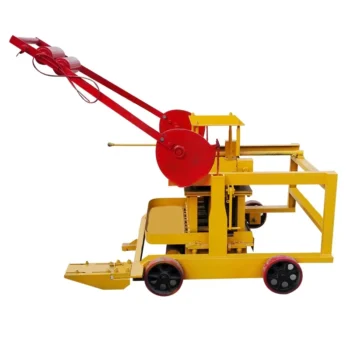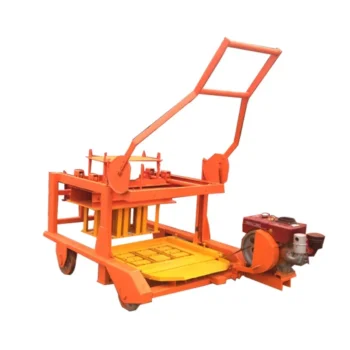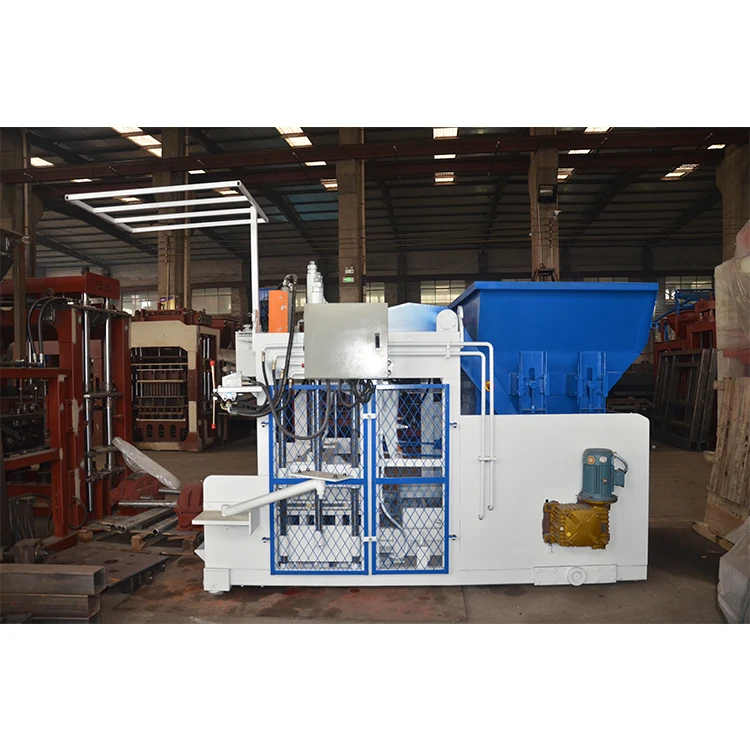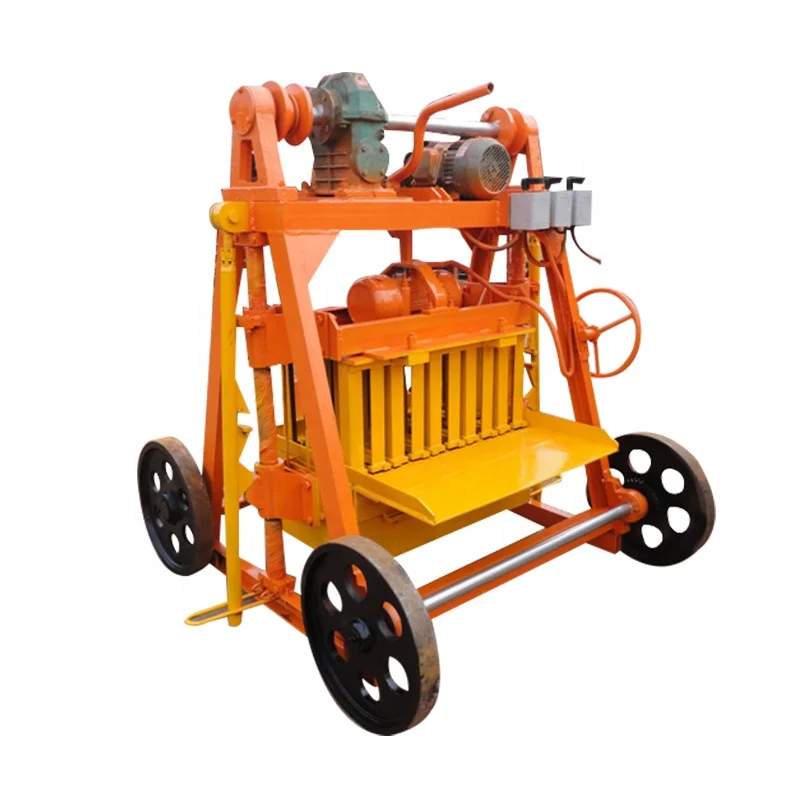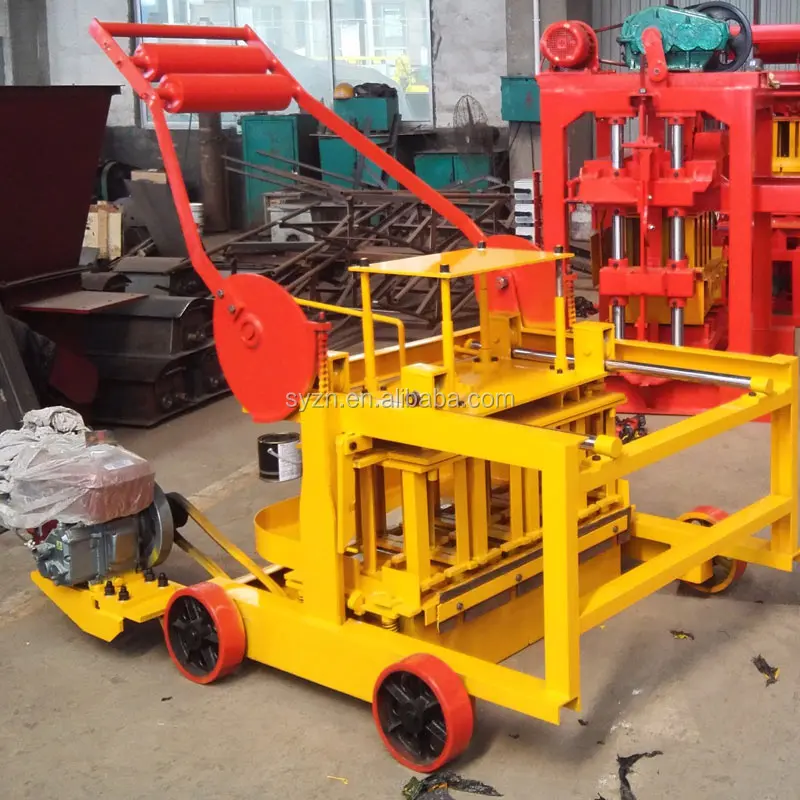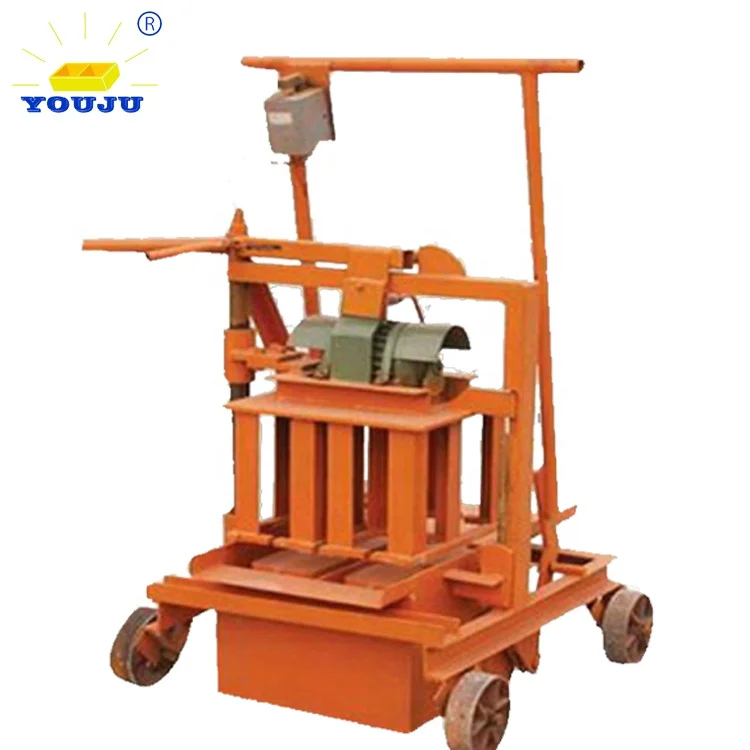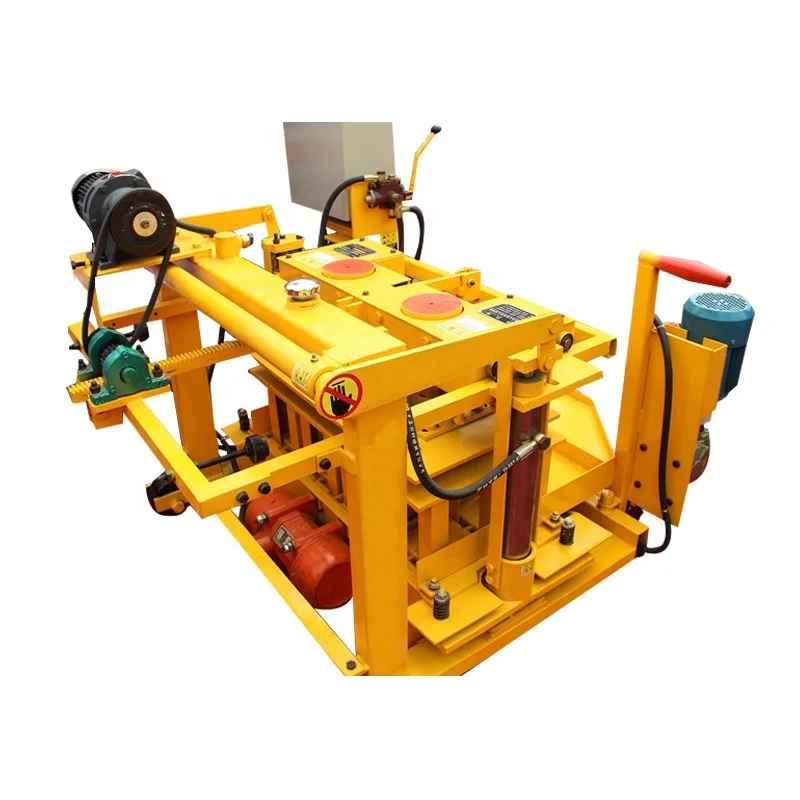
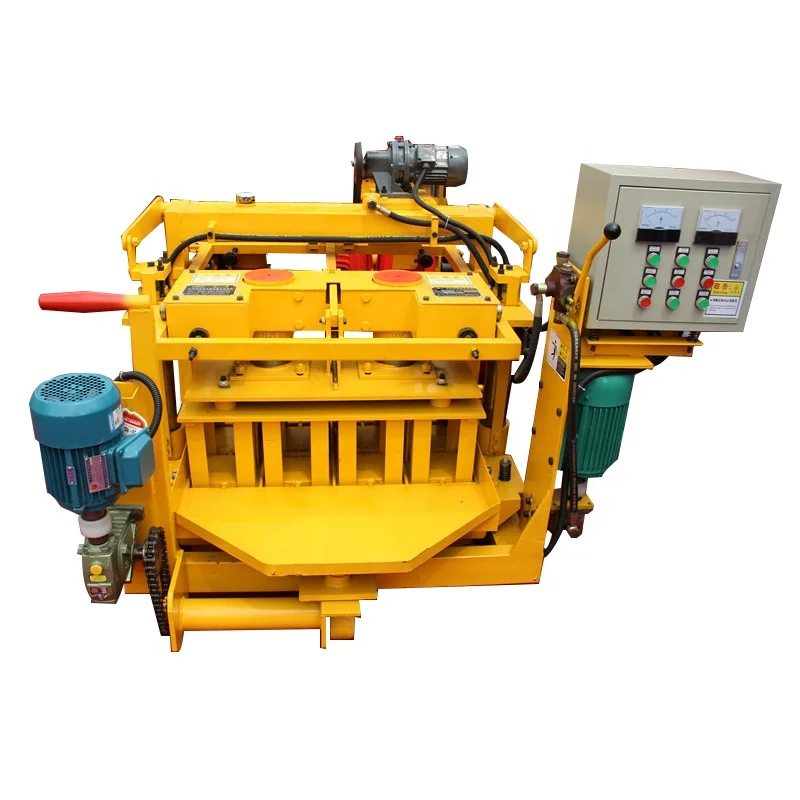
Description
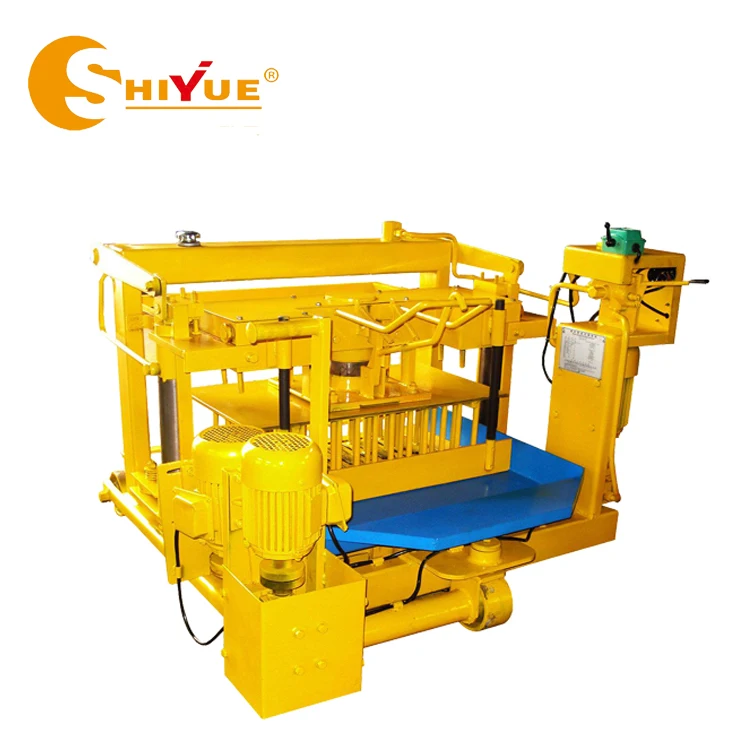
Format-First Sizing — we match the QMY4-30 mobile block machine to your target hollow, solid, or paving block dimensions and calculate realistic daily output per format, rather than quoting a single misleading peak capacity figure.
Technical Specifications
| Parameter | Value |
|---|---|
| Model | QMY4-30 |
| Product Type | Mobile Hydraulic Block Making Machine |
| Overall Dimensions (L×W×H) | 1300 x 1500 x 1000 mm |
| Net Weight | 950–1000 kg |
| Hydraulic Method | Mold Vibration |
| Exciting Power | 28.6 kN |
| Excitation Frequency | 4500 r/min |
| Total Power | 5.95 kW |
| Molding Cycle | 30 s (basis to be confirmed by block format and material) |
| Output Capacity | 3000 pcs/day at 8 hours (basis not stated in source — confirm block format, material, and thickness) |
| Raw Material Compatibility | Concrete, sand, cement, fly ash, lime, gypsum, and similar aggregates |
| Transmission Type | Hydraulic / Manual |
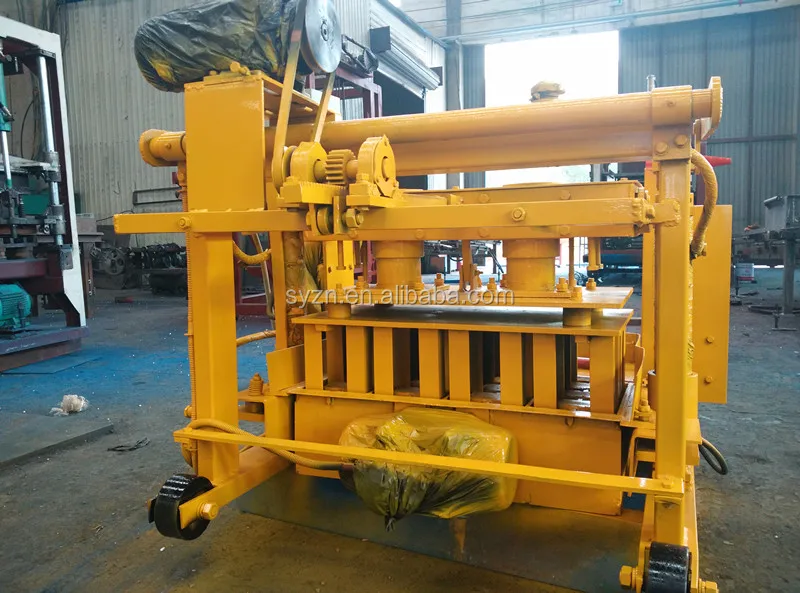
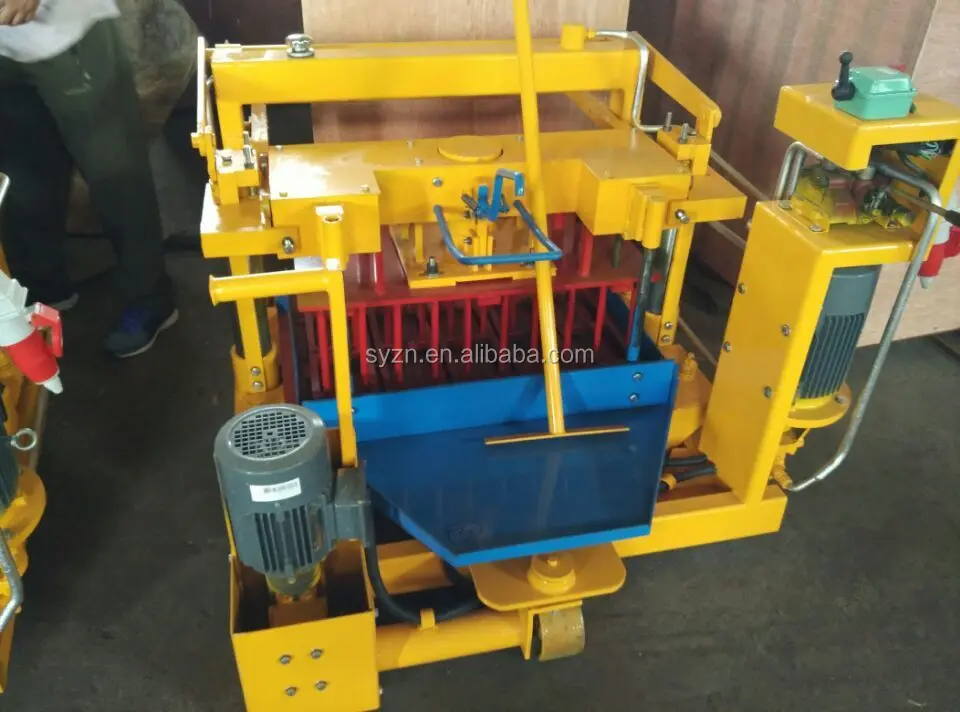
| Machine Type | Mobile (Egg-laying) |
Application Suitability
| Application | Material or Output |
|---|---|
| Hollow block production for residential and commercial walls | Crushed stone, sand, and cement mixes |
| Solid block manufacturing for load-bearing structures | Dense aggregate blends with cement binder |
| Paving block and kerbstone forming for walkways and yards | Fine sand and cement with pigment additives |
| On-site production at remote construction projects | Locally sourced aggregate with portable cement supply |
| Small contractor and first-time entrepreneur block ventures | Variable mix designs depending on regional material availability |
What "3000 Pieces Per Day" Actually Means for Mobile Block Machine Specifications
Daily output is only meaningful when tied to the exact block format, wall thickness, and mix design you intend to run.
Most mobile block machines on the market quote a peak cycle rate tested on a small solid paver or thin block, and that number collapses when you switch to the hollow blocks your customers actually order. A 30-second molding cycle on a lightweight 100mm solid block behaves very differently from the same cycle on a 200mm hollow block with thicker walls and heavier aggregate. I have watched contractors in West Africa receive machines that performed perfectly during factory testing with standard sand, only to discover that their local red clay required adjusted vibration force and longer curing to prevent edge cracking. Without format-specific capacity data, buyers end up with equipment that cannot meet the demand they planned around [NEED_CITE: block format impact on cycle time and daily output].
Matching Mould Selection to the Blocks Your Market Demands
The QMY4-30 supports interchangeable mould boxes for hollow blocks, solid blocks, and paving blocks, so the machine can shift formats as your product mix changes. What matters is confirming the mould drawing against your local construction codes and the dimensions your masons and builders actually specify. A machine configured for a block size that does not sell locally is a machine sitting idle between format runs.
Vibration Force and Hydraulic Pressure Must Match Your Aggregate
The 28.6 kN exciting power at 4500 r/min controls how densely the mix consolidates inside the mould. If your local aggregate is heavier or more angular than standard test sand, the vibration force may need to be paired with a specific hydraulic pressure setting to achieve adequate block density without surface cracking. This is why requesting a sample test with your actual material is the most important step before finalizing the mobile block machine specifications [NEED_CITE: vibration and pressure matching for local aggregate types].
Reading the Specs That Actually Determine Block Quality
The excitation frequency of 4500 r/min and exciting power of 28.6 kN together define the compaction energy delivered to the mix during each cycle. Higher frequency with insufficient force leaves voids in hollow block walls; excessive force at low frequency can cause mould wear and inconsistent edges. The 30-second molding cycle is achievable on lighter formats, but heavier hollow blocks with thicker face shells often require a longer cycle to allow full vibration settlement. The hydraulic and manual dual transmission means the machine can continue operating during power interruptions by switching to manual mode, a practical safeguard on decentralized sites where grid stability is unreliable. The total power draw of 5.95 kW keeps generator requirements modest, which matters when the machine operates from a portable diesel set rather than a fixed grid connection.
The Cost of Skipping Format-Specific Verification
When a mobile block machine arrives configured for a default mix that does not match locally available aggregate, the buyer faces a choice: import the correct sand and cement blend at considerable added cost, or attempt to adjust machine parameters on the fly with inconsistent results. Blocks that crack during curing or fail compressive strength tests damage the producer’s reputation with local contractors, and rework consumes more material and labor than a proper upfront sample test would have required. Mould changes that take most of a shift because the quick-change mechanism was not verified during factory testing eliminate the format flexibility the buyer paid for [NEED_CITE: consequences of mismatched mix design on block integrity].
Why This Configuration Approach Matters
Block machinery is the single focus here, so the machine, mould, pallet, and handling requirements are specified as one matched system rather than assembled from separate suppliers. The QMY4-30 configuration is set against your actual mix design, local aggregate characteristics, and target block format instead of a catalogue default. Mould design covers the formats your market sells, including custom drawings when standard sizes do not align with local building codes. Automation level is selectable, so a buyer can begin with manual pallet handling and add semi-automatic feeding later as production volume grows. Installation and commissioning support includes operator training so the crew understands how vibration settings and cycle timing interact with different mix consistencies.
Documentation & Verification
- Machine specification sheet with capacity stated per block format and wall thickness
- Mould drawing and format list matched to your local construction dimension standards
- Hydraulic and electrical schematic confirming voltage, frequency, and control display language
- Factory test record run on sample material matching your local aggregate where provided
- Wear parts and mould replacement list with part numbers for future ordering
Installation, Commissioning & Support
- Compact 1300 x 1500 mm footprint requires only a level, compacted ground surface for egg-laying operation
- 5.95 kW total power draw runs from a portable generator rated for continuous duty at your local voltage and frequency
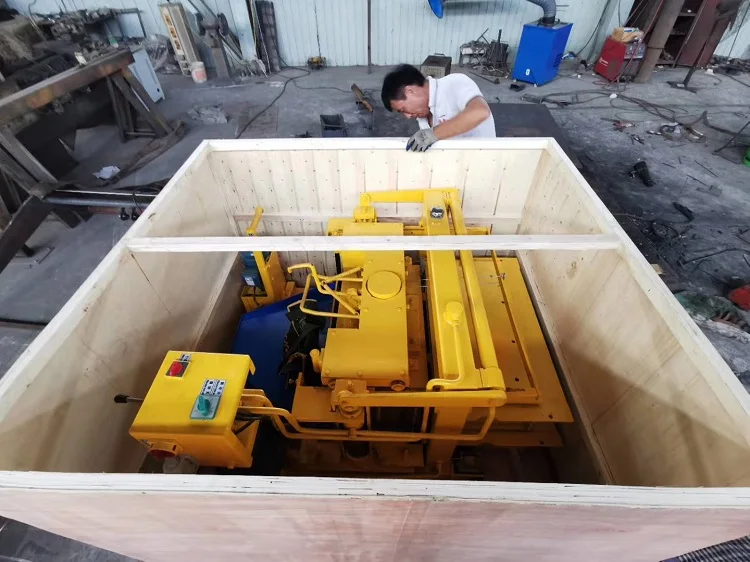
- Machine ships partially assembled; on-site setup covers mould installation and hydraulic line connections
- First-run commissioning includes vibration force calibration against your specific mix design and block format
- Operator training covers mould change procedure, cycle time adjustment, and manual transmission fallback operation
- Wear parts list provided at delivery for scheduling first replacement of vibration pads and mould liners
What We Need to Size the QMY4-30 Correctly
To provide an accurate configuration, share the specific block formats and dimensions your market requires, along with the daily volume you plan to produce per format. Include a sample or analysis of your local aggregate and sand so the vibration force and cycle timing can be matched before shipment. Confirm your site voltage, frequency, and any requirements for control panel language so commissioning proceeds without delays.
Frequently Asked Questions
Q: How is daily output calculated for different block formats on the QMY4-30?
A: Output depends on the block dimensions, wall thickness, and mix density. A 30-second cycle applies to lighter solid blocks, while hollow blocks with thicker face shells require longer vibration time per cycle. We provide a capacity calculation sheet stating daily output separately for each format you intend to produce, based on your confirmed mix design and target block dimensions.
Q: How long does a mould change take on this mobile block machine?
A: Mould change time depends on the quick-change mechanism configuration and operator familiarity. With the standard mould box on the QMY4-30, an experienced operator can complete a format switch within a timeframe that allows same-day production of multiple block types. We recommend verifying the change procedure during commissioning and training your crew on the specific steps.
Q: How do I match vibration force to my local aggregate?
A: The 28.6 kN exciting power at 4500 r/min must be paired with the right hydraulic pressure for your aggregate density and particle shape. Heavier or more angular stone requires different settings than fine sand. We request a material sample before configuration so these parameters are set and tested at the factory rather than adjusted through trial and error on-site.
Q: Can the QMY4-30 operate in areas with unstable power supply?
A: Yes. The machine offers hydraulic and manual dual transmission, allowing production to continue manually if electrical power drops or the generator fails. The 5.95 kW total power requirement is compatible with portable diesel generators, making it suitable for remote construction sites where grid connection is unavailable or unreliable.