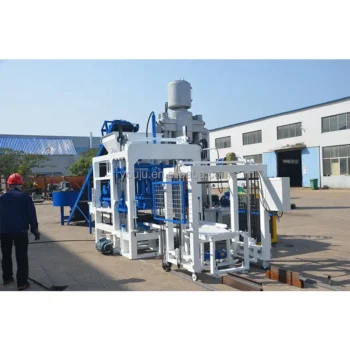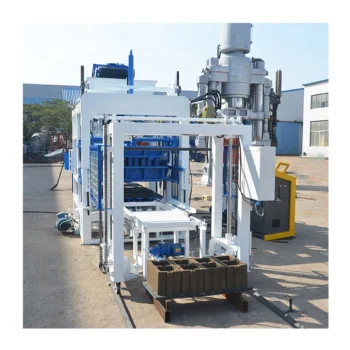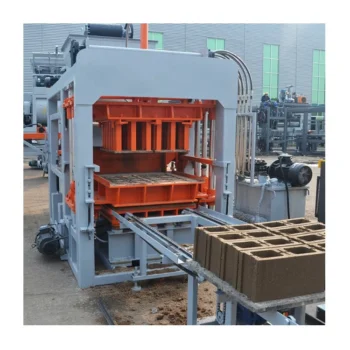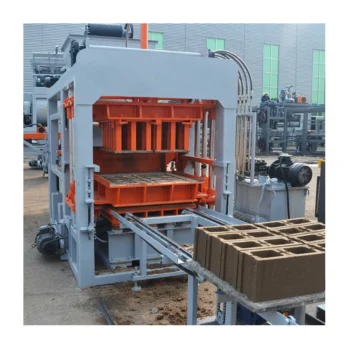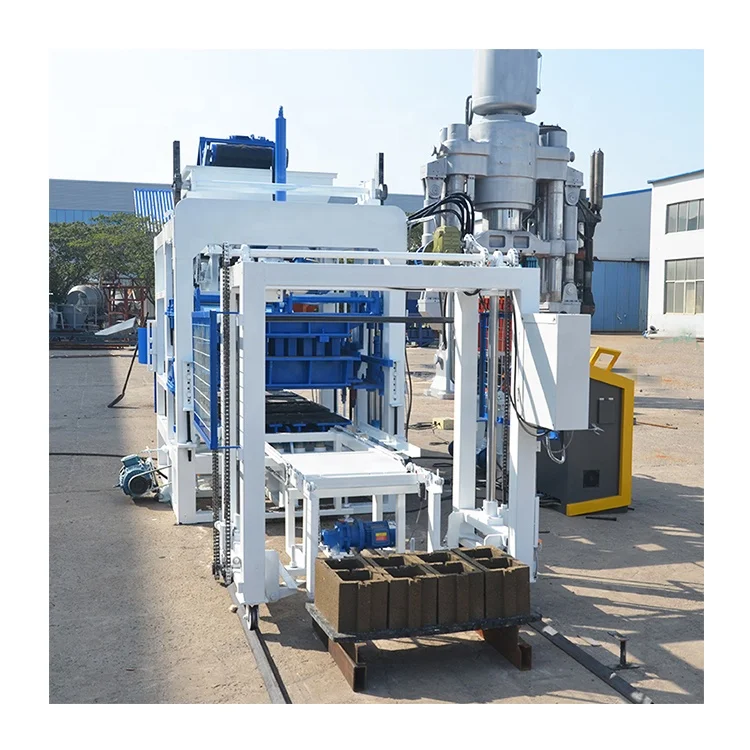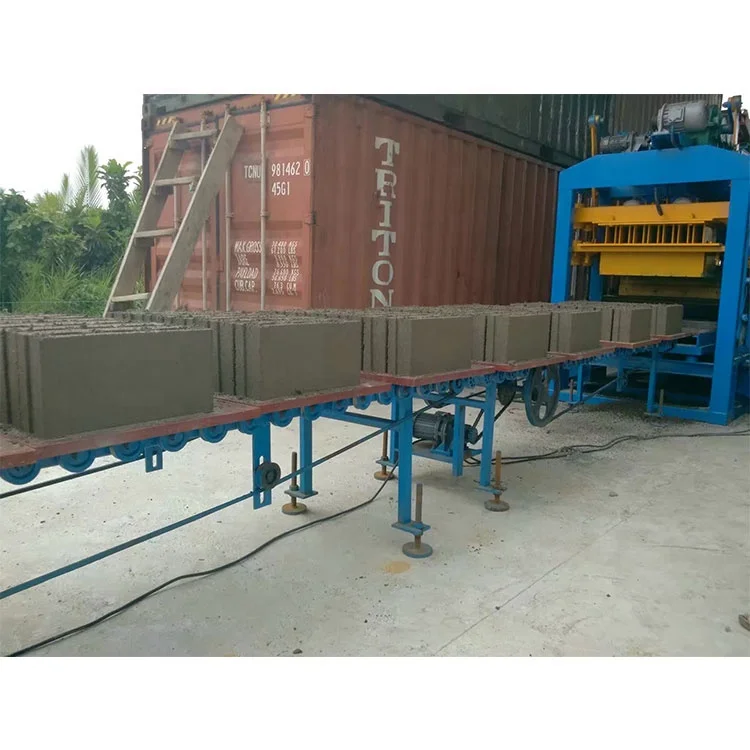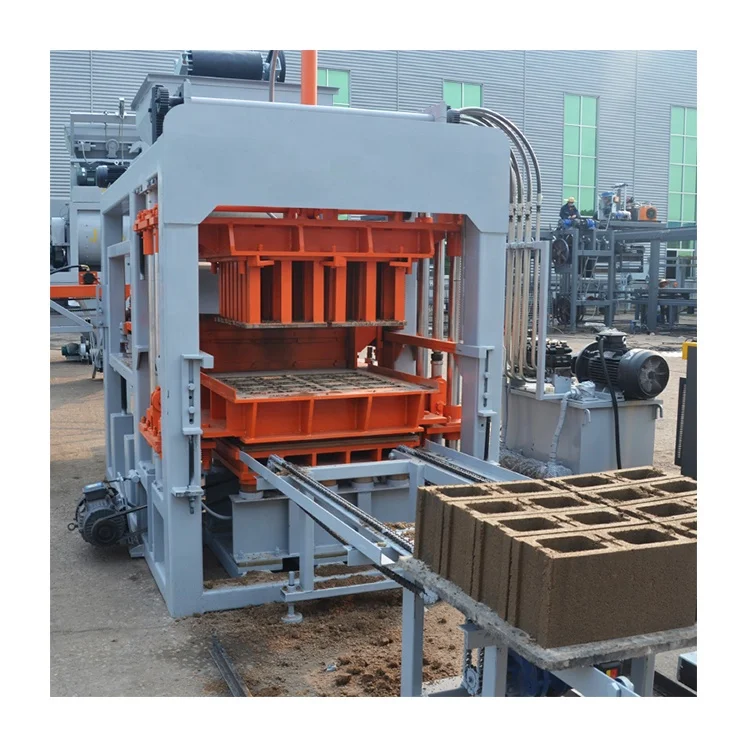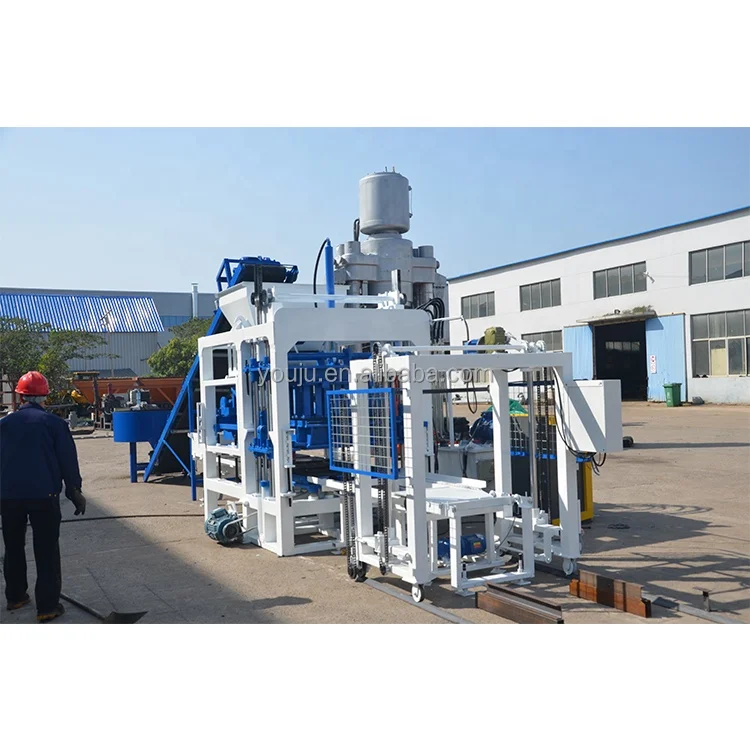
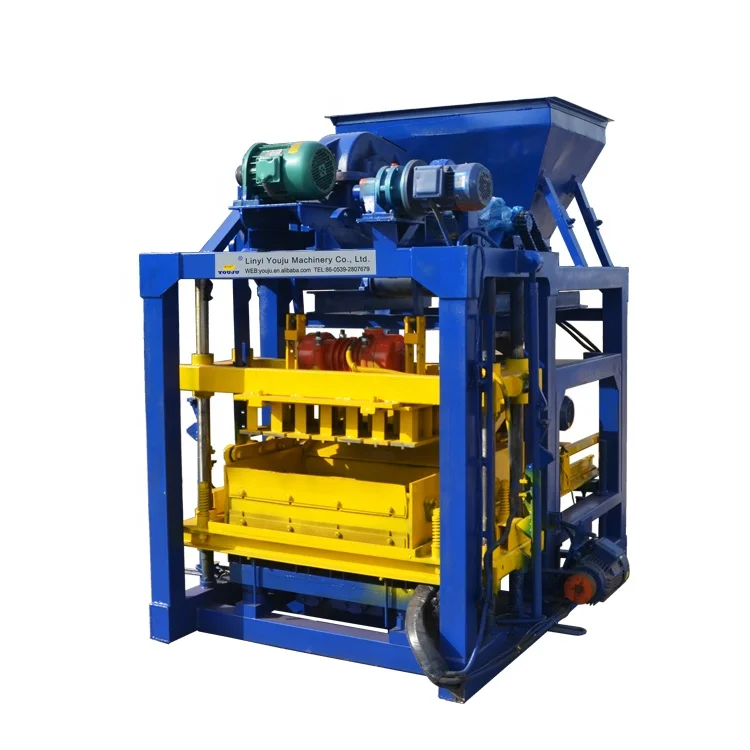
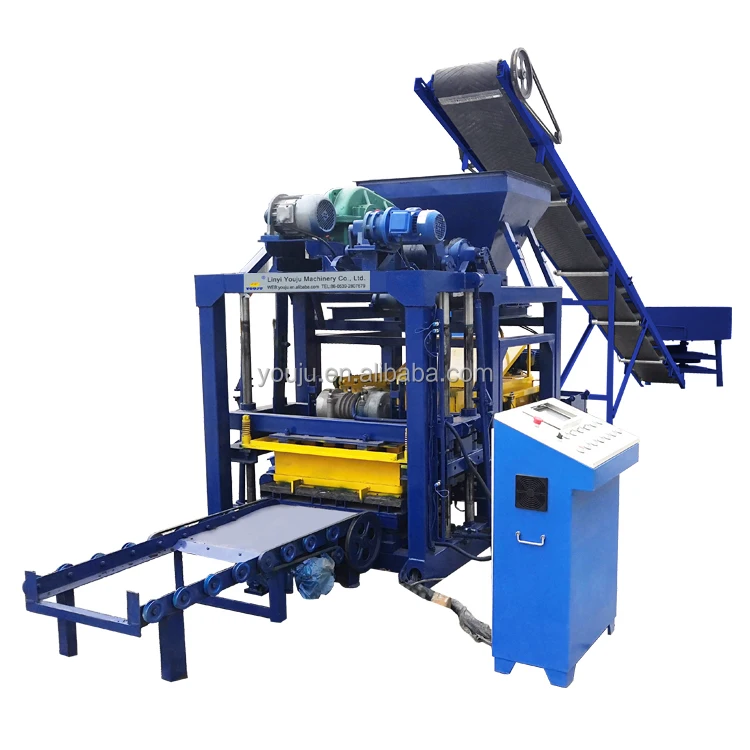
Description
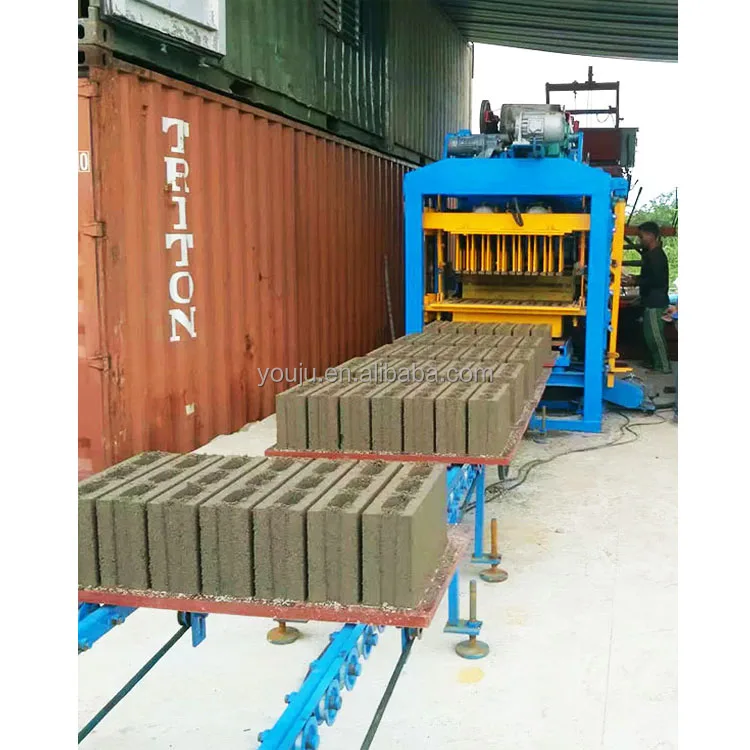
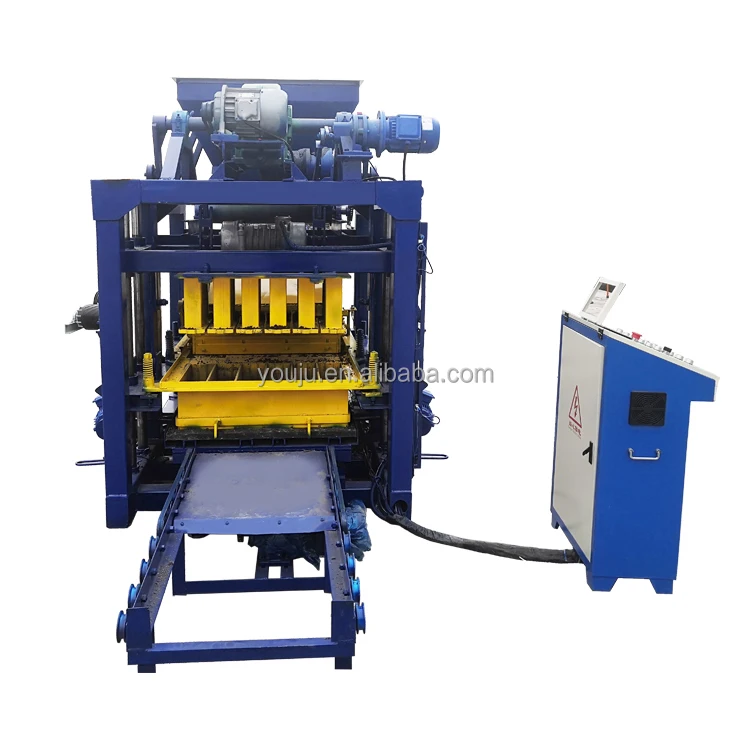
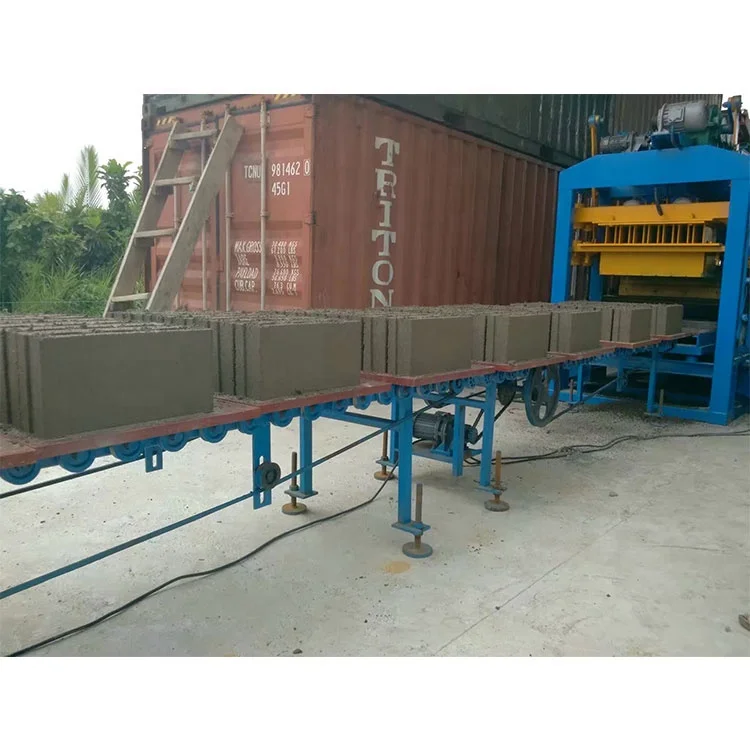
Matched System Integrity — Every QTJ4-25 semi automatic block machine specification is configured against your target block format, local aggregate properties, and existing curing infrastructure before quotation, not pulled from a generic catalogue default.
Technical Specifications
| Parameter | Value |
|---|---|
| Model | QTJ4-25 |
| Product Type | Semi-Automatic Concrete Block Making Machine |
| Overall Dimensions (L×W×H) | 3000×1800×2680 mm |
| Total Mass | 3.5 T |
| Overall Power | 16.58 kW |
| Vibration Force | 60 kN |
| Main Vibration Form | Platform Vibration |
| Vibration Frequency | 2800–4500 r/min |
| Pallet Size | 850×480 mm |
| Molding Cycle | 25 s |
| Demolding Method | Mechanical |
| Guide Column | Four-column with overlong guide design, chrome-plated surface |
| Frame Material | National standard manganese steel |
| Factory Area Required | 300 m² |
| Output Capacity | 580 pcs/h (based on 400×200×200 mm hollow block, 4 pcs/mould) |
| Output Capacity | 1400 pcs/h (based on 240×115×90 mm multi-cellular brick, 9 pcs/mould) |
| Output Capacity | 3300 pcs/h (based on 240×115×53 mm solid brick, 21 pcs/mould) |
| Daily Output (8 h) | 4640 pcs (400×200×200 mm hollow block) |
| Daily Output (8 h) | 11200 pcs (240×115×90 mm multi-cellular brick) |
| Daily Output (8 h) | 26400 pcs (240×115×53 mm solid brick) |
| Warranty | 1 year for the whole machine (excluding spare parts) |
Application Suitability
| Application | Material or Output |
|---|---|
| Small to medium block production plants | Concrete hollow blocks from crushed stone, sand, cement, and fly ash |
| On-site construction block manufacturing | Solid bricks and interlocking blocks using locally sourced gravel and stone dust |
| First plant setup by entrepreneurs | Paving blocks and colored pavers from slag and cement mixes |
| Product range expansion for distributors | Curbstones and multi-cellular bricks on exchangeable mould platforms |
What "580 Pieces per Hour" Actually Means for the QTJ4-25
Capacity only matters when tied to the exact block format and mould cavity count you intend to run.
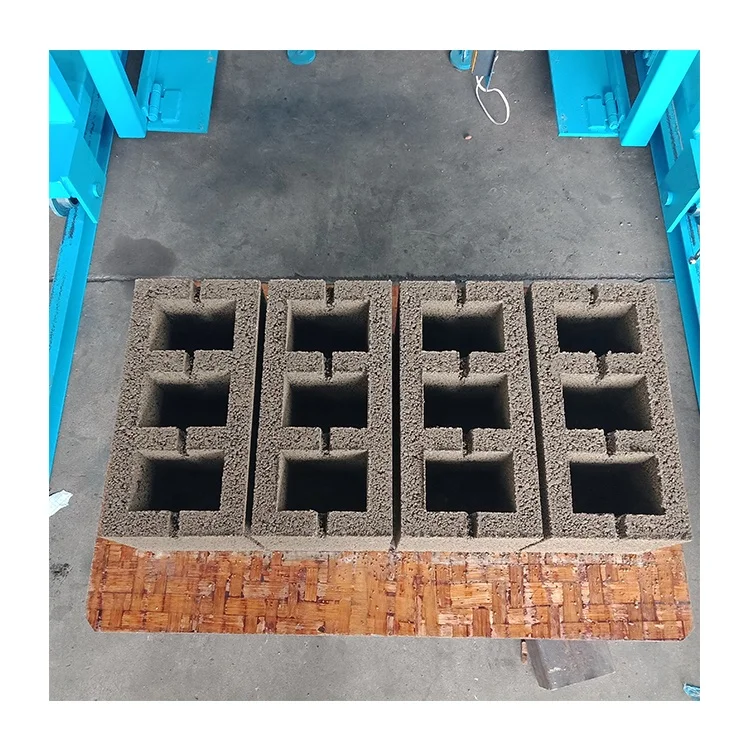
I have stood on project sites where the QTJ4-25 semi automatic block machine specifications promised a certain hourly output, only to find the operator running a completely different block size than the one behind the quoted number. A 400×200×200 mm hollow block with four cavities per mould cycles very differently from a 240×115×53 mm solid brick with twenty-one cavities. The vibration time, pressure holding duration, and demolding sequence all shift. Without naming the block format behind every capacity claim, a buyer is essentially guessing at daily throughput [NEED_CITE: common capacity misrepresentation in block machine quotations].
Format-Specific Capacity Transparency
The QTJ4-25 semi automatic block machine specifications list three distinct output rates, each anchored to a named block dimension and mould configuration. This means a buyer producing 400×200×200 mm hollow blocks can plan around 4640 pieces per eight-hour shift, while a plant focused on 240×115×53 mm solid bricks targets 26400 pieces over the same period. The difference is not a marketing adjustment; it reflects the actual mould cavity count and the 25-second molding cycle applied to each format.
Matching Vibration Force to Local Aggregate
The 60 kN vibration force generated through dual motors on the platform, combined with an upper mould vibration motor, must be tuned to the density and particle size of the buyer’s local raw material. River sand with high clay content requires longer vibration exposure than clean crushed stone dust. On one installation in South Asia, the standard cycle time produced under-compacted blocks until we extended the vibration duration to account for the local sand’s moisture retention. That adjustment changed the realistic daily output, which is why the QTJ4-25 semi automatic block machine specifications should always be validated against a physical sample of the buyer’s intended mix [NEED_CITE: effect of aggregate clay content on block compaction cycle time].
Pallet Size and Curing Area Alignment
The 850×480 mm pallet size determines how many wet blocks enter the curing area per cycle and how those pallets stack on standard curing racks. If a buyer’s existing forklift and curing yard were set up for a different pallet dimension, every pallet must be manually repositioned after demolding. The mechanical demolding system on this machine drops finished blocks onto pallets that then travel to the curing zone, so pallet compatibility with downstream handling equipment is a prerequisite for maintaining the quoted cycle rhythm.
Chrome-Plated Guide Columns and Mould Alignment
The four-column guide system with an overlong guide design and chrome-plated surface resists wear across thousands of daily cycles. Mould alignment directly affects block dimensional consistency; even slight column distortion causes uneven wall thickness in hollow blocks and rejected batches. The national standard manganese steel frame provides the rigidity needed to keep the vibration platform stable under the 60 kN force, preventing frame flex that would otherwise accelerate guide column wear and shorten mould service life.
The Cost of Skipping the Mix Design Conversation
Buyers who confirm a machine order without submitting a local aggregate sample often discover during commissioning that the default vibration frequency and cycle time produce blocks that fail compressive strength tests. The result is a production halt while parameters are re-tuned on site, sometimes requiring mould modifications or raw material substitutions that add weeks of delay. A 300 m² factory footprint sits idle during that period, and the project timeline absorbs the full impact [NEED_CITE: commissioning delays caused by unverified raw material compatibility in block plants].
Why Sourcing Here Reduces Configuration Risk
Block machinery is our single focus, so the machine, mould, pallet, and handling equipment are specified as one integrated system. We configure the QTJ4-25 against the buyer’s actual mix design and target block format rather than shipping a catalogue default. Mould design covers the formats the buyer’s local market demands, including custom drawings when standard options do not match. Automation level is selectable, meaning a buyer can start with semi-automatic operation and plan a future upgrade path. Installation support includes operator training at the site, and mould wear parts availability is confirmed before the deposit is placed.
Documentation & Verification
- Line layout with capacity calculation naming the exact block format behind each output figure
- Mould drawing and format list showing cavity count per block type before production
- Pallet specification sheet matched to buyer’s curing rack and forklift dimensions
- Voltage, frequency, and control language confirmation document signed before manufacturing
- Factory test record on buyer’s specified block format before container loading
Installation, Commissioning & Support
- 300 m² factory area with level concrete foundation required before the 3.5 T machine arrives
- 16.58 kW overall power demand needs a dedicated circuit matching confirmed voltage and frequency
- Mechanical demolding system calibrated on site to match local mix design and cycle parameters
- Operator training covers mould changeover procedure and vibration frequency adjustment for different formats
- Wear parts list and mould replacement schedule provided with operation and maintenance manual
- Chrome-plated guide column inspection routine established during commissioning for long-term alignment accuracy
Preparing Your Inquiry
To move from the QTJ4-25 semi automatic block machine specifications to a firm quotation, we need your target block format and dimensions, the local raw materials you intend to use, and your available workshop area. Please also confirm your site’s voltage and frequency standard, along with the control panel language preference for your operators. If you have existing curing racks or forklifts, share their dimensions so the pallet specification aligns with your current infrastructure.
Frequently Asked Questions
Q: How is the QTJ4-25 capacity verified for my specific block format?
A: Each capacity figure in the QTJ4-25 semi automatic block machine specifications names the exact block size and mould cavity count it was measured on. We do not quote a single generic cycles-per-hour number. Your target block format determines the realistic hourly and daily output, and we confirm this through a test run with your local material sample before finalizing the order.
Q: Which voltage and frequency configurations are available for the QTJ4-25?
A: Voltage and frequency are confirmed in writing before production begins, matched to your destination country’s electrical standard. This prevents commissioning delays that commonly occur when machines arrive with incompatible power specifications. The control panel language is also confirmed at this stage to ensure your operators can read all interface prompts.
Q: What mould formats can the QTJ4-25 run and how long does a changeover take?
A: The machine accepts exchangeable moulds for hollow blocks, solid bricks, pavers, interlocking blocks, and curbstones. Mould changeover time depends on the specific format pair and operator familiarity. We provide a format list and mould drawing with your quotation so you can plan production scheduling around realistic changeover intervals.
Q: How do I match the machine to my local raw material and mix design?
A: Send us a sample of your intended aggregate and cement mix. We test the vibration force and cycle time against that material to confirm block strength and surface finish. The 60 kN vibration platform and adjustable frequency range allow tuning for materials from clean crushed stone to higher-clay river sand.
Q: What documentation and spare parts support comes with the machine?
A: Every shipment includes a factory test record, hydraulic and electrical schematics, an operation and maintenance manual, and a wear parts list with mould replacement availability schedule. Documentation is specific to your configured machine, not a generic brochure, and covers the exact block formats and mould set included in your order.