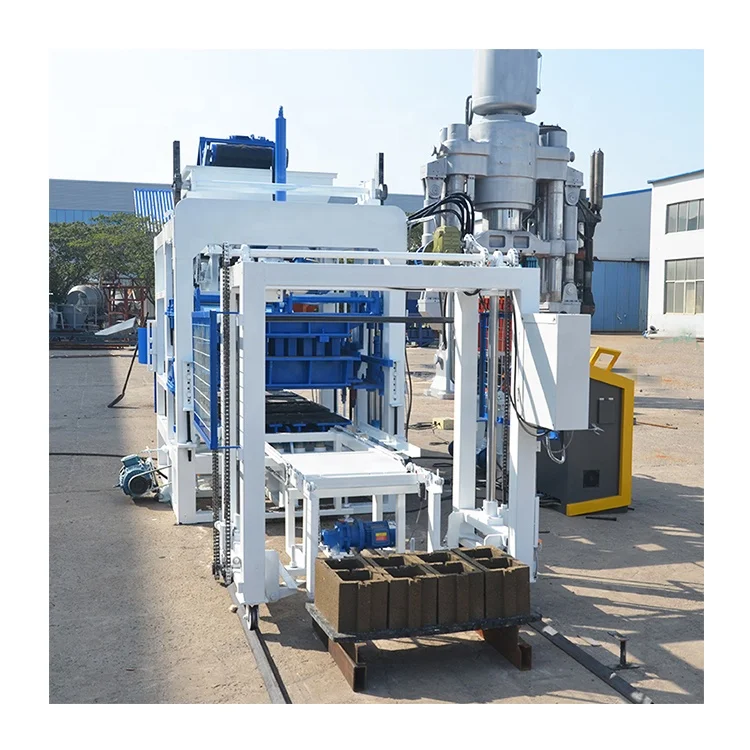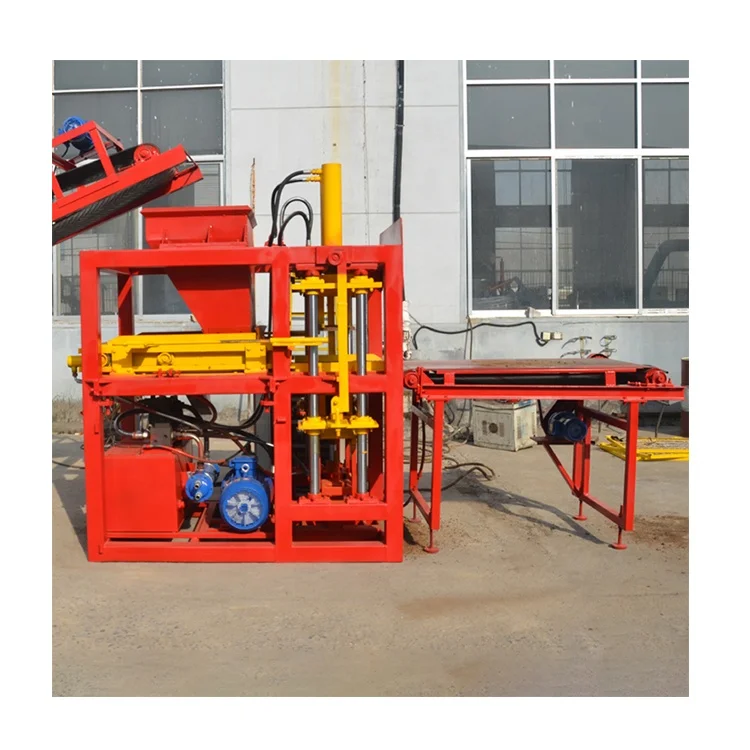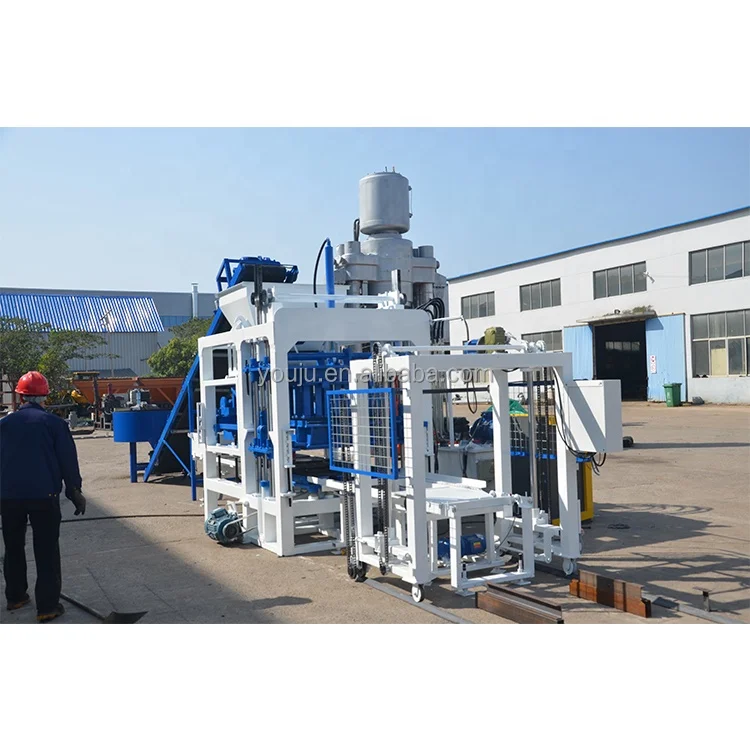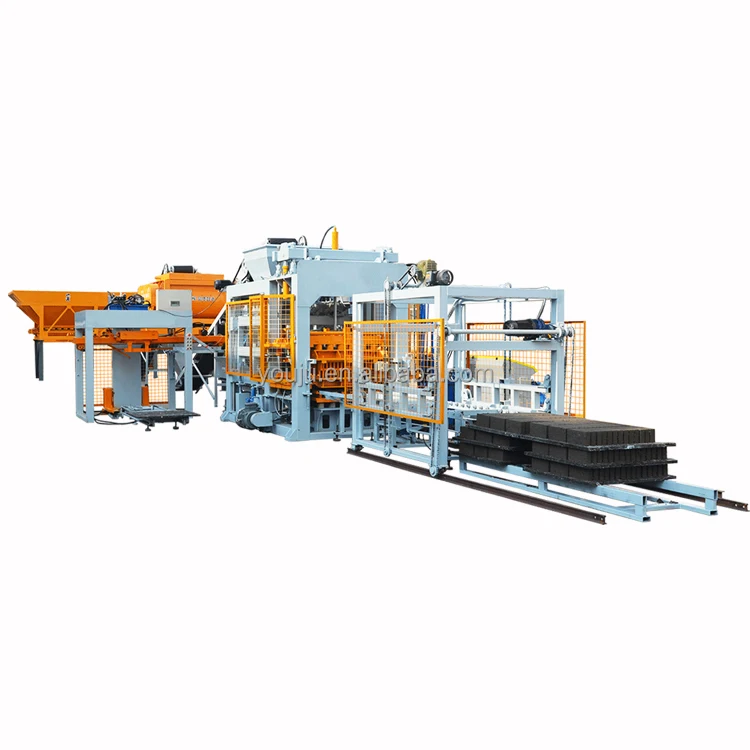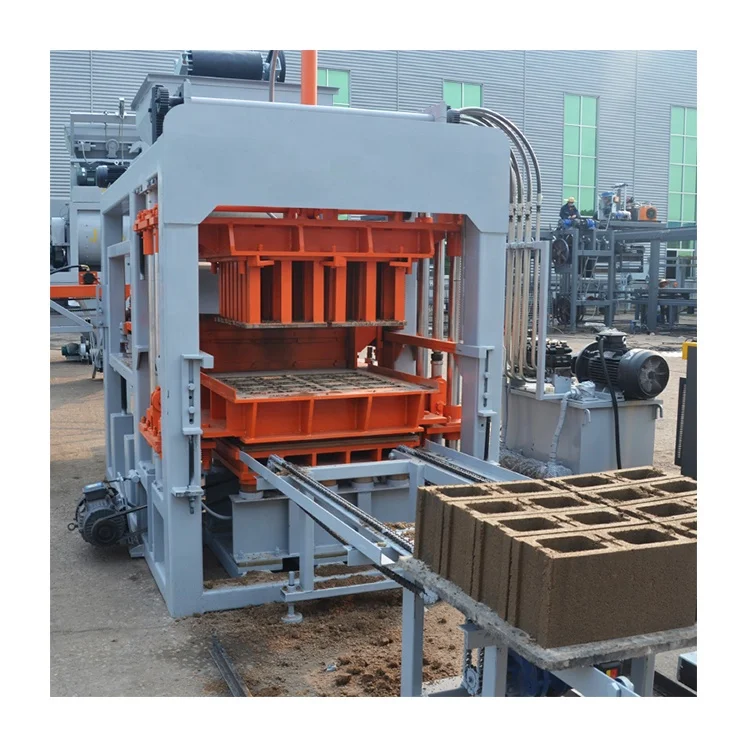
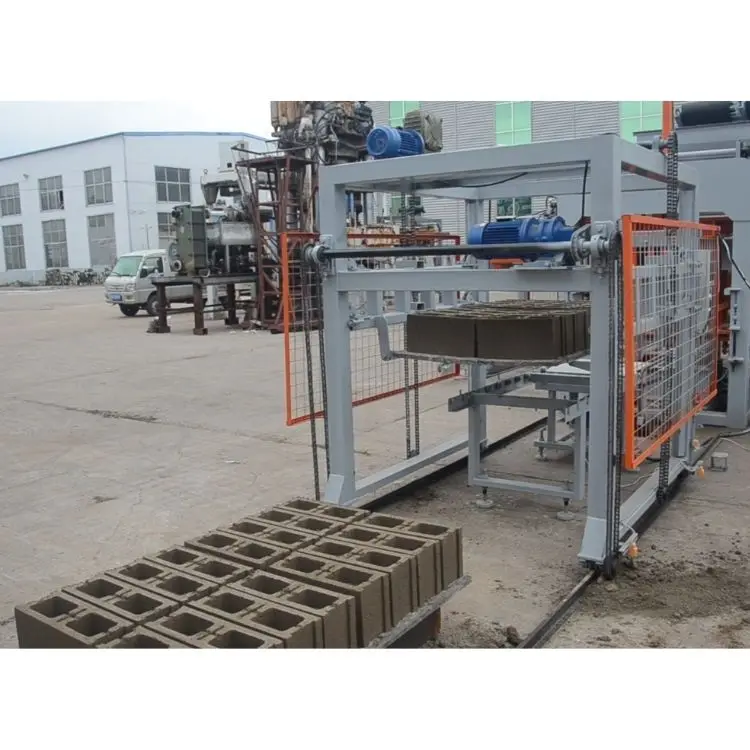
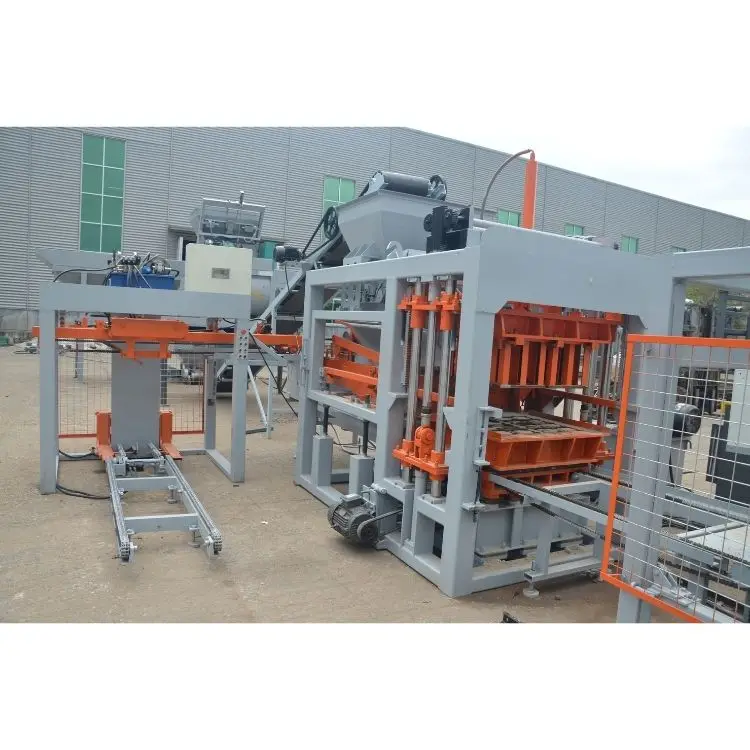
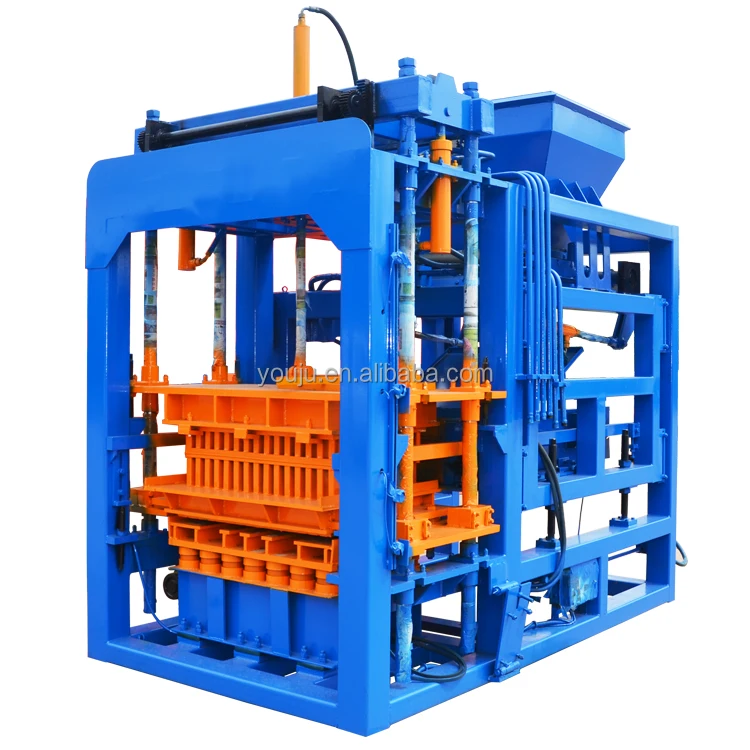
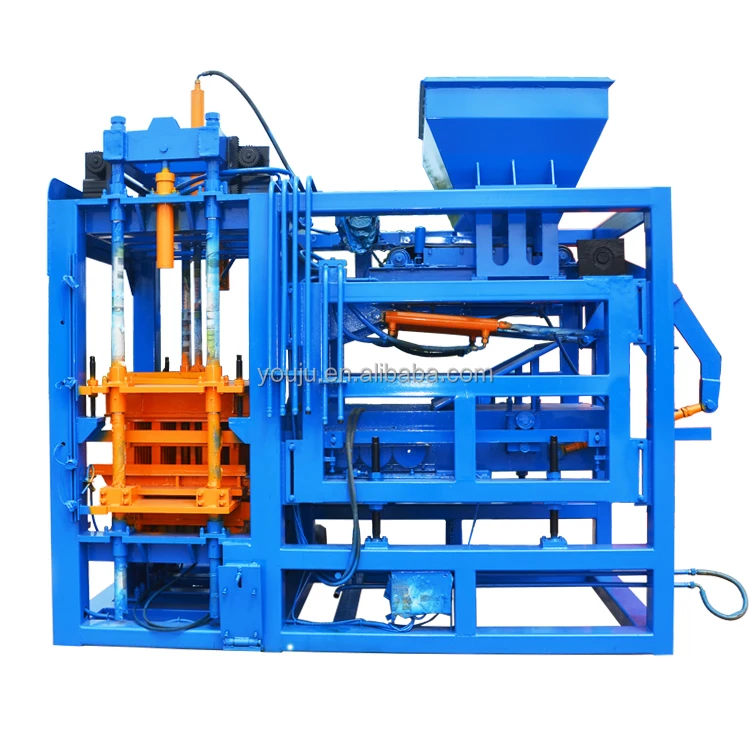
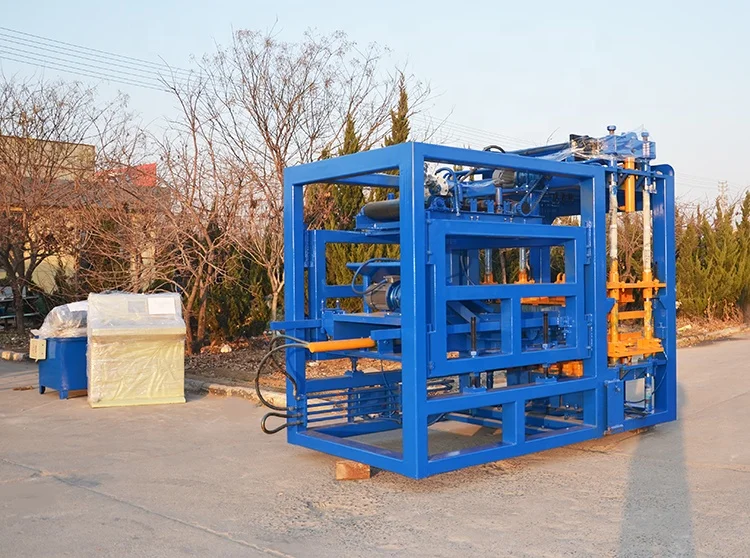
Description
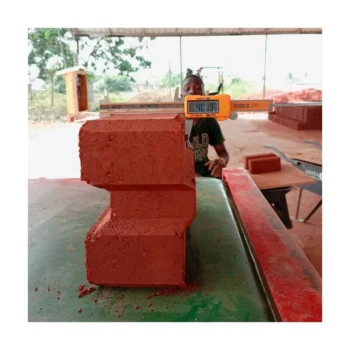
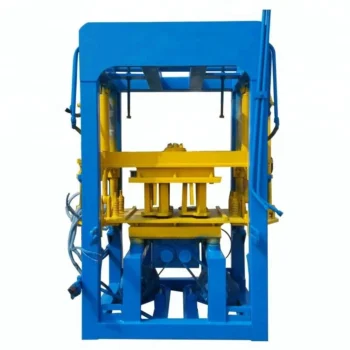
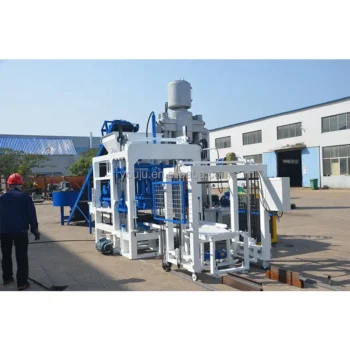
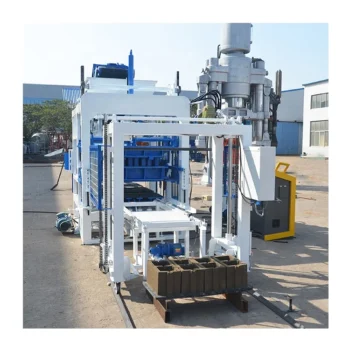
Mould and capacity matched to your block format — cycle time and daily output are stated per block size and material, not as a single misleading catalogue figure, so your QT6-15 block making machine specifications align with what your market actually buys.
Technical Specifications
| Parameter | Value |
|---|---|
| Model | QT6-15 |
| Product Type | Automatic Concrete Block Making Machine |
| Molding Way | Vibration and hydraulic pressing |
| Rated Pressure | 21 MPa |
| Molding Cycle | 15s–20s (basis not stated in source — confirm block format / material / thickness) |
| Pallet Size | 900×700 mm |
| Main Machine Weight | 6,000 kg |
| Output Capacity – Hollow Block | 1,440 pcs/h (based on 400×200×200 mm, 6 pcs/pallet) |
| Output Capacity – Paving Brick | 5,040 pcs/h (based on 200×100×60 mm, 21 pcs/pallet) |
| Output Capacity – Solid Brick | 7,680 pcs/h (based on 240×115×53 mm, 32 pcs/pallet) |
| Daily Output (8h) – Hollow Block | 11,520 pcs (based on 400×200×200 mm) |
| Daily Output (8h) – Paving Brick | 40,320 pcs (based on 200×100×60 mm) |
| Daily Output (8h) – Solid Brick | 61,440 pcs (based on 240×115×53 mm) |
| Automation Level | Automatic (simple line: mixer, conveyor, stacker; full line adds batching, silo, pallet loader, separator) |
| Raw Materials | Cement, sand, fly ash, stone powder, slag |
| Voltage & Frequency | Customizable to buyer’s local standard (source value — verify against manufacturer catalog) |
| Warranty | 1 year (excluding wearing parts) |
Application Suitability
| Application | Material or Output |
|---|---|
| Hollow block production for load-bearing and partition walls | Crushed stone, sand, cement, fly ash blends |
| Paving brick production for sidewalks and plazas | Stone powder, sand, cement with pigment layers |
| Solid brick production for structural masonry | Sand, slag, cement at higher pressure settings |
| Interlocking brick and kerbstone production | Custom mould formats with adjusted cycle times |
| On-site block production for housing projects | Locally sourced aggregate matched to mix design |
What "Pieces per Hour" Leaves Out When Choosing a QT6-15
Capacity only means something when tied to the exact block format, mould, and material you plan to run.
Most quotations list a single throughput number without saying which block size it assumes. A buyer expecting hollow block output at a paving brick cycle will find the real daily tally far short of plan. I have watched a production line stall because the quoted capacity was based on a lightweight aggregate mix the buyer could not source locally, forcing an unplanned material switch that altered block density and compressive strength. The QT6-15 block making machine specifications on this page separate each figure by format so your planning starts from the product you actually sell. [NEED_CITE: common discrepancies between quoted and actual block machine output]
How Block Format Determines Real Cycle Time
The QT6-15 uses combined vibration and hydraulic pressing at a rated 21 MPa. A thin paving brick releases from the mould faster than a tall hollow block because the fill depth and compaction path differ. Each format on the table above carries its own piece-per-pallet count, which is why the hourly and daily figures vary across formats. When you review QT6-15 block making machine specifications, compare the cycle time that matches your primary product rather than the shortest cycle listed.
Why Pallet Size Must Match Your Curing Yard
The standard 900×700 mm pallet sets the footprint of every block leaving the press. If your curing racks, forklift tines, or drying yard were laid out for a different dimension, you will either waste floor space or handle blocks twice. Before the order is confirmed, the pallet specification — size, material, and thickness — should be verified against your existing infrastructure so the line integrates without a site redesign. [NEED_CITE: pallet handling compatibility in block plant layout]
Reading the Pressure and Vibration Numbers Together
A rated hydraulic pressure of 21 MPa provides the static compaction force, while the vibration system settles aggregate particles before the press closes fully. The balance between these two forces must match the buyer’s mix design. A dry, coarse volcanic aggregate needs higher vibration energy to fill the mould corners, whereas a fine sand-and-fly-ash blend relies more on hydraulic squeeze. Getting this balance wrong leads to blocks that crumble at the edges or show inconsistent density across the pallet. That is why I always request a sample of the buyer’s local raw material and run a small batching trial before finalising the QT6-15 configuration.
The Cost of Skipping Mix-Design Verification
When a machine is configured for a generic catalogue mix rather than the buyer’s actual aggregate, the consequences surface on the first production day. Block strength varies pallet to pallet, surface finish shows open voids, and mould wear accelerates because the aggregate abrasion profile was never accounted for. Correcting the problem after commissioning means shipping new wear parts, adjusting hydraulic valve settings on site, and in some cases re-ordering moulds that suit a revised mix proportion. [NEED_CITE: effect of aggregate variation on block compressive strength]
Why Configuration Transparency Matters Here
Block machinery is the single focus of this production line, meaning the press, mould, pallet, and handling equipment are specified as one matched system. Each QT6-15 quotation states output per block format with the mould and cycle time that produced that figure. Pallet size and material are confirmed against the buyer’s curing area and forklift before the order enters production. Voltage, frequency, and control display language are verified for the destination site, reducing commissioning delays. The automation level is selectable — a buyer can start with a simple mixer-and-conveyor arrangement and add automatic pallet loading or block-pallet separation later, keeping initial investment aligned with actual volume needs.
Documentation & Verification
- Line layout with capacity calculation stating the block format assumed for each output figure
- Mould drawing and format list with cycle time per block type
- Pallet specification sheet covering size, material, and load rating
- Hydraulic and electrical schematic with voltage and frequency confirmation
- Factory test record run on a mix proportion close to the buyer’s raw material
- Operation and maintenance manual in the buyer’s preferred language
Installation, Commissioning & Support
- Foundation drawing provided for the 6,000 kg main frame, specifying slab thickness and anchor bolt pattern
- Voltage and frequency confirmed before wiring; dedicated circuit sized to the hydraulic pump motor
- Machine shipped in dismantled modules to fit standard containers, with reassembly supervised on site
- First-run commissioning includes mould alignment, vibration amplitude tuning, and cycle timing per block format
- Operator training covers mould change procedure, hydraulic pressure adjustment, and daily greasing points
- Wear parts list and mould inventory supplied with recommended reorder intervals
Preparing Your Inquiry
To size the QT6-15 accurately, share the primary block format your market demands, the target daily output in that format, and the raw materials available at your site. Include your local voltage, frequency, and any existing pallet racking or forklift dimensions so the pallet specification aligns. If you plan to produce multiple formats, list each one so mould compatibility and changeover requirements can be assessed.
Frequently Asked Questions
Q: How is QT6-15 capacity verified, and what block format does each output figure assume?
A: Each capacity figure on this page is tied to a specific block size and piece-per-pallet count — for example, 1,440 hollow blocks per hour assumes a 400×200×200 mm block with six pieces per pallet. We provide a line layout that states which format every number is based on, so your daily plan matches reality.
Q: Which mould formats are available, and what is the realistic daily output per format?
A: Moulds cover hollow blocks, solid bricks, paving bricks, interlocking bricks, and kerbstones. Daily output varies by format; an eight-hour shift produces 11,520 hollow blocks or 40,320 paving bricks at the stated cycle times. Custom mould drawings can be prepared to your market dimensions.
Q: How should the 900×700 mm pallet size be matched to my curing area and forklift?
A: We verify your existing rack spacing, forklift tine width, and yard dimensions before confirming pallet size and material. If your site uses a different standard, the pallet specification is adjusted so blocks move from press to curing without double-handling or floor-space waste.
Q: What mix design and local aggregate should I confirm before the machine is configured?
A: Provide a sample or lab report of your local sand, crushed stone, fly ash, or slag. We run a batching trial to match hydraulic pressure and vibration force to your material, ensuring consistent block density and avoiding strength variation once production starts.
Q: What is the mould change procedure and expected changeover time on the QT6-15?
A: The mould is unbolted from the vibration table and lifted out with a hoist, then the replacement mould is aligned and secured. Changeover time depends on operator familiarity and whether the next mould is pre-staged; we provide a step-by-step procedure in the manual and train your team during commissioning.