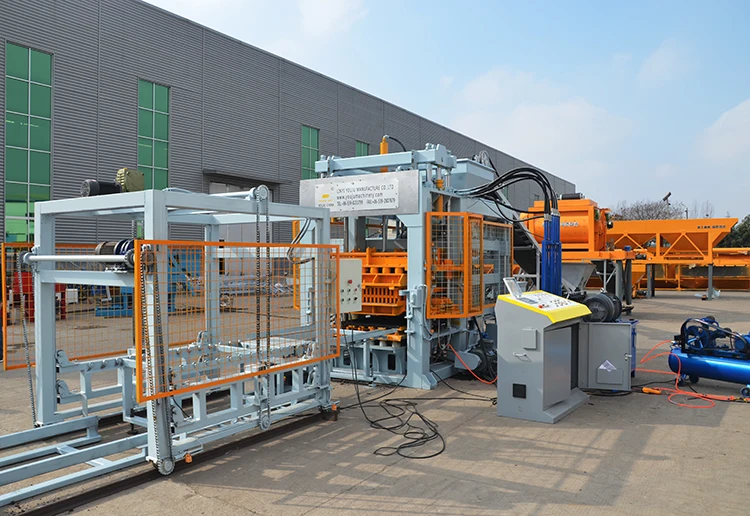
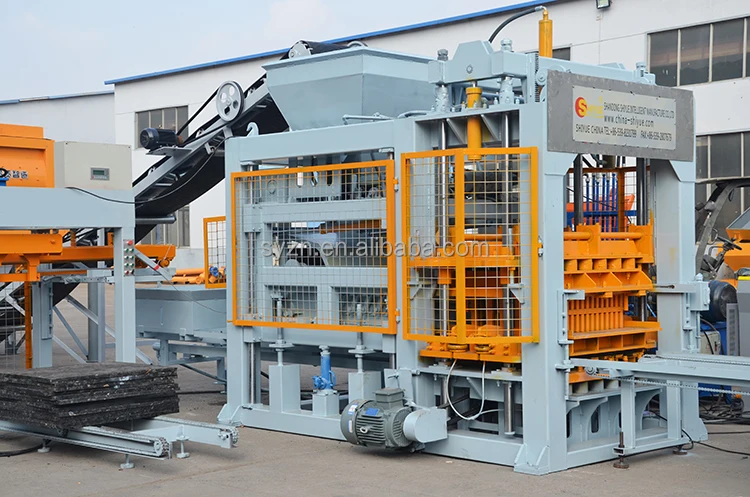
Description
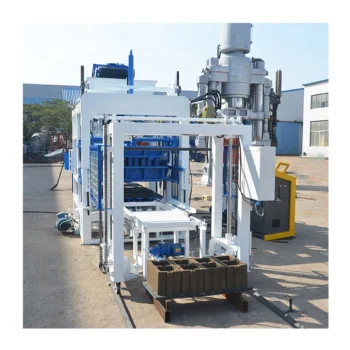
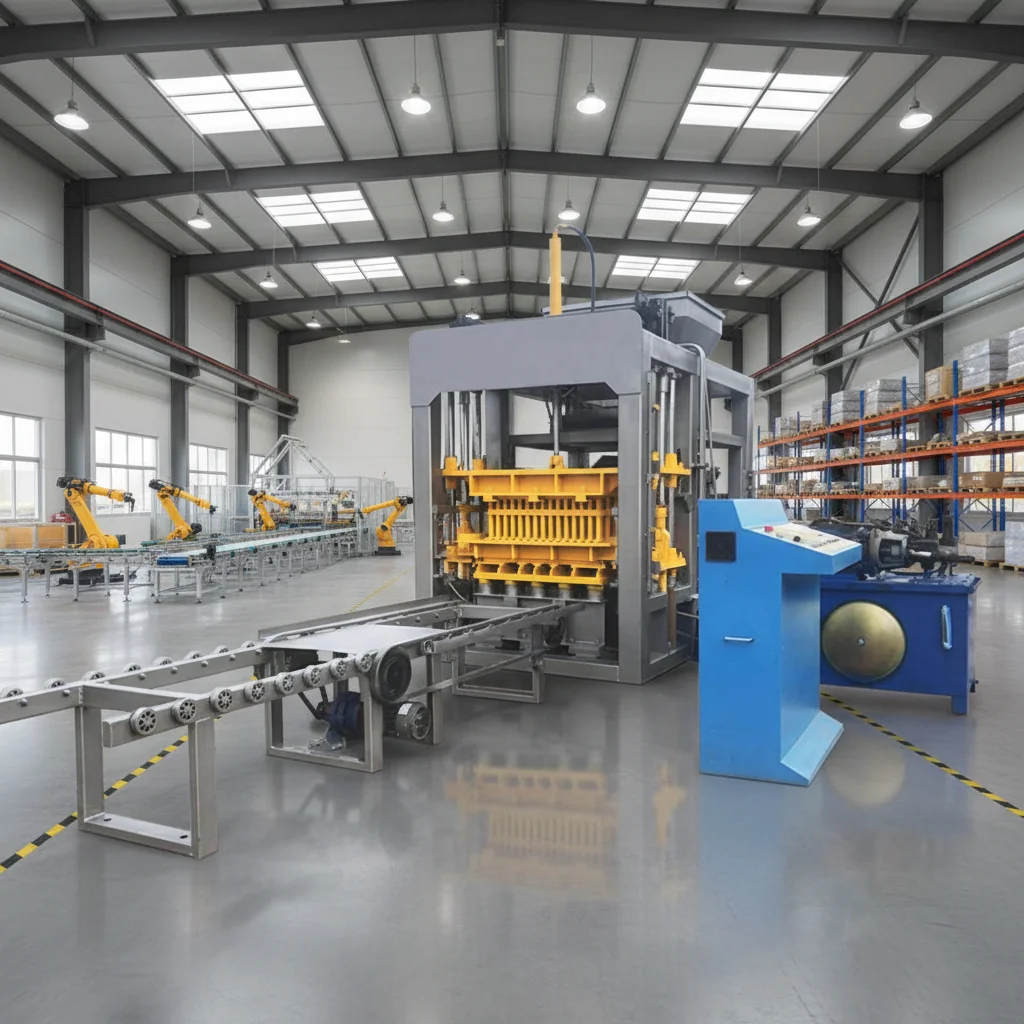
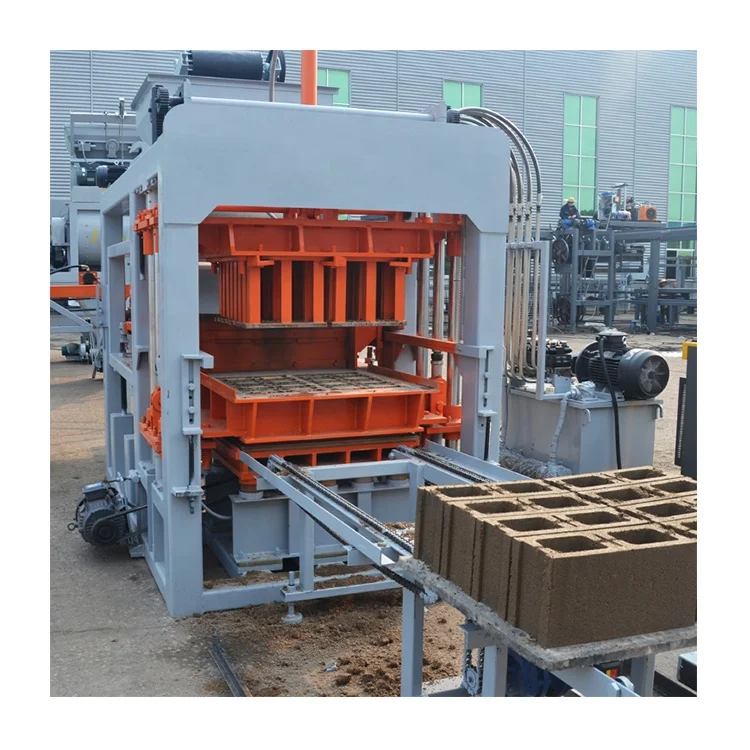
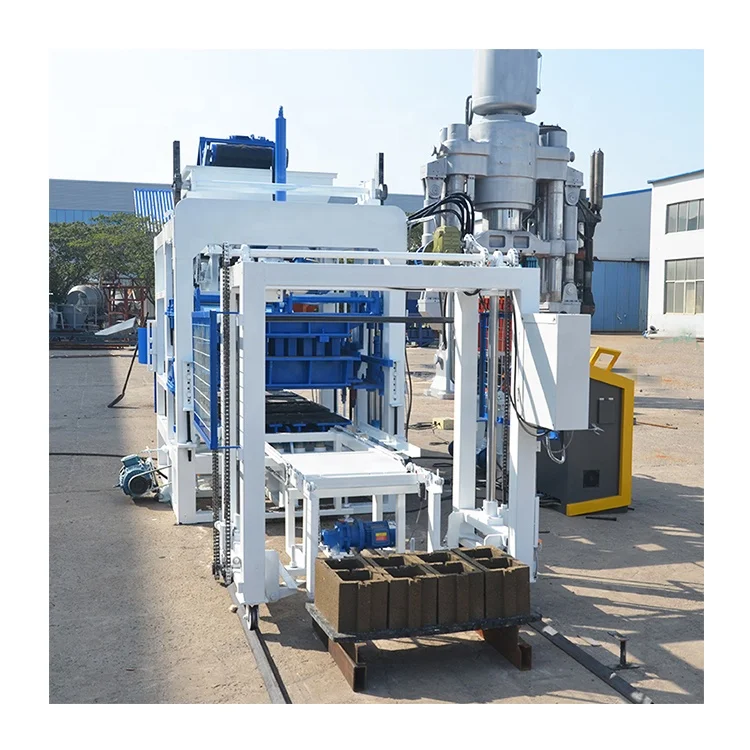
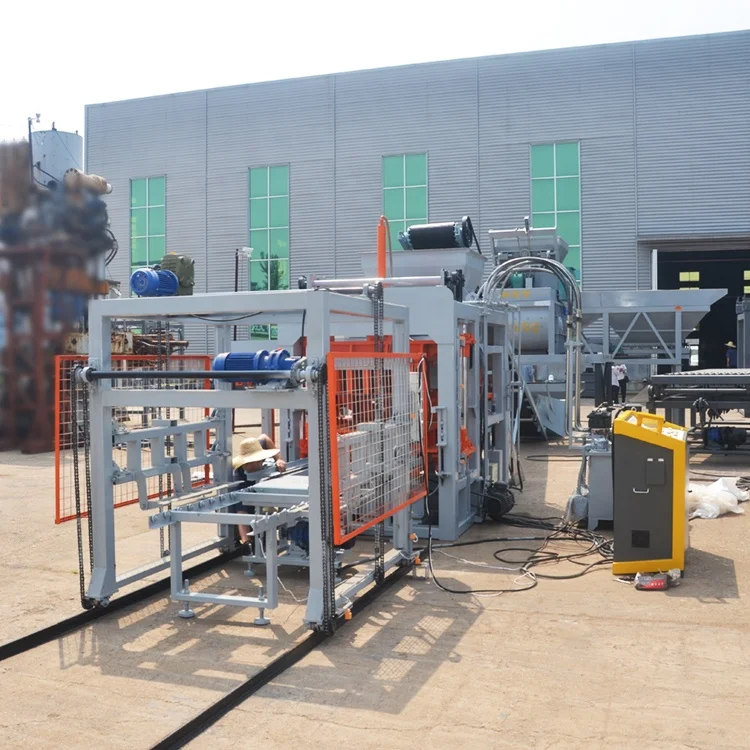
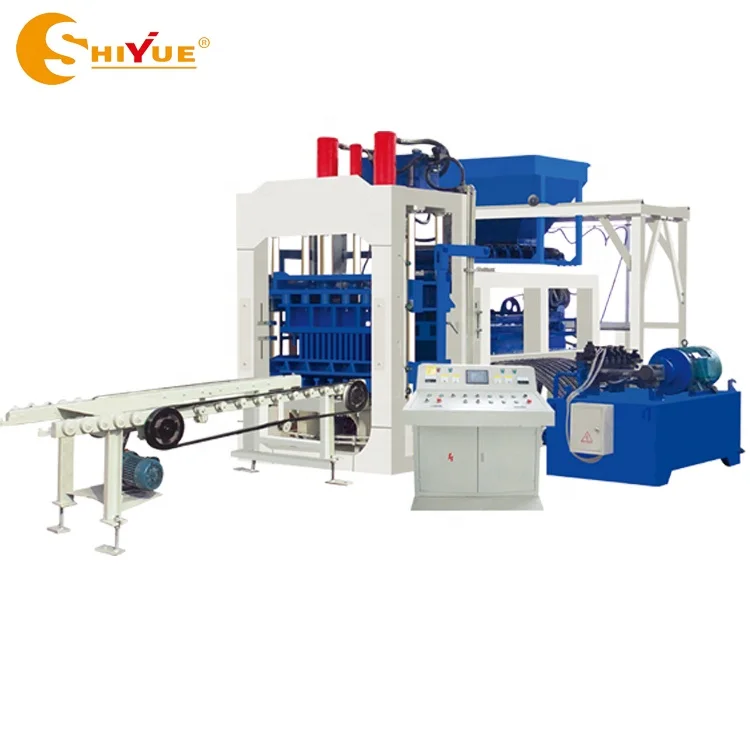
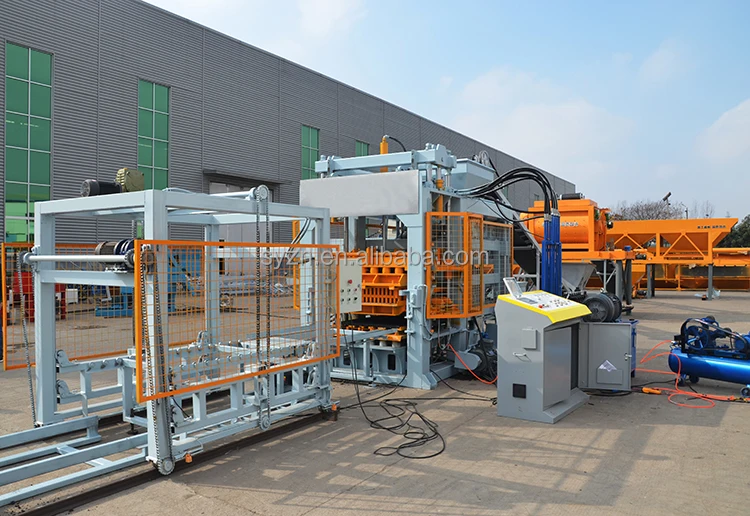
Matched System Sizing — the QT8-15 automatic block making machine is specified against the buyer’s target block format, local aggregate, and pallet handling setup rather than assembled from catalogue defaults.
Technical Specifications
| Parameter | Value |
|---|---|
| Model | QT8-15 |
| Product Type | Automatic Block Making Machine |
| Control System | PLC with Siemens electronics, remote diagnostic capable |
| Motor Brand | Siemens |
| Motor Power | 37 kW |
| Rated Hydraulic Pressure | 21 MPa |
| Vibration Force | 100 kN |
| Pallet Size | 950 × 900 mm |
| Overall Dimensions (L×W×H) | 8300 × 1860 × 3000 mm |
| Net Weight | 15 t |
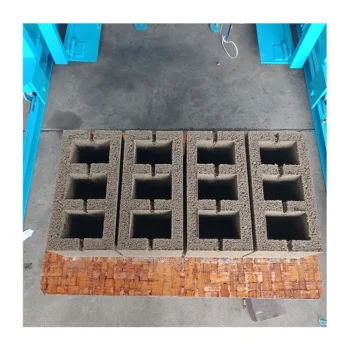
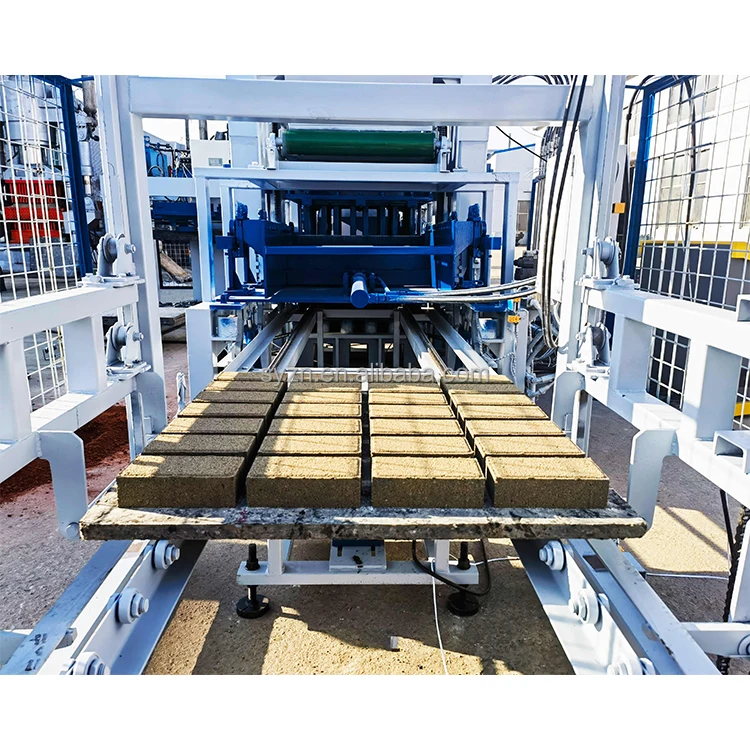
| Mould Format — Hollow Block | 390 × 190 × 190 mm, 8 pcs/mould |
| Mould Format — Solid Block | 240 × 115 × 53 mm, 39 pcs/mould |
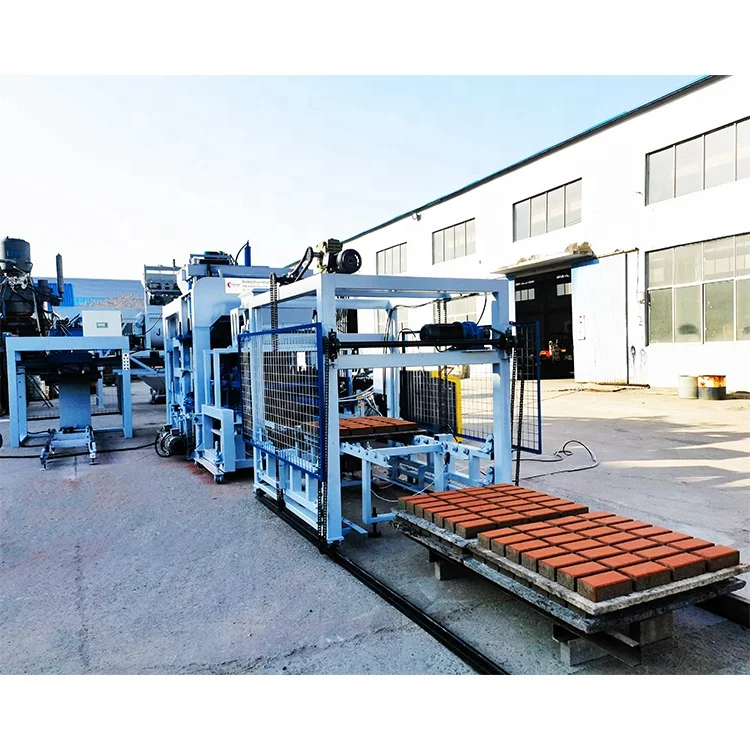
| Mould Format — Interlock Paver | 225 × 112.5 × 60 mm, 18 pcs/mould |
| Color Feeder | Included for pigment application |
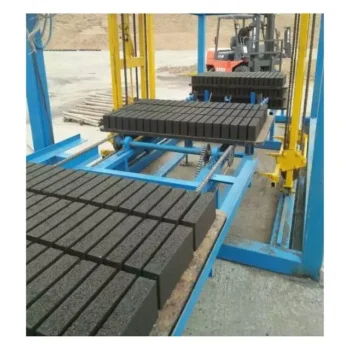
| Stacker | Included for pallet lifting |
| Cycle Time per Format | basis not stated in source — confirm block format and material |
| Output Capacity | basis not stated in source — confirm block format and material |
| Voltage & Frequency | basis not stated in source — confirm with buyer’s site |
Application Suitability
| Application | Material or Output |
|---|---|
| Hollow block production | Crushed stone, river sand, and cement for structural masonry |
| Solid brick production | Fine aggregate blends for load-bearing and partition walls |
| Colored interlock paver | Pigmented face mix over standard concrete base course |
| Kerbstone and grass block | Coarse aggregate with adjusted moisture for large-format moulds |
What "QT8-15 Automatic Block Making Machine Specifications" Often Leave Out
Capacity figures without a block format attached are marketing, not engineering.
I spent years on the assembly floor before moving into technical specification. One project for a West African client stands out — the machine ran perfectly on standard river sand during factory testing, but the local volcanic scoria aggregate was coarse and highly absorbent. Block strength dropped sharply on arrival, and two containers of product had to be reworked. The QT8-15 automatic block making machine specifications matter, but they must be validated against what actually flows through the hopper at your plant. Mismatched vibration force and hydraulic pressure against an untested mix design is the most common reason a new press underperforms [NEED_CITE: field failure patterns in exported concrete block machinery].
Mould Format Defines Real Output
The QT8-15 carries an 8-cavity mould for 390×190×190mm hollow blocks, a 39-cavity mould for standard solid bricks, and an 18-cavity mould for S-shape interlock pavers. Each format produces a different number of pieces per cycle, so daily throughput depends entirely on which mould runs on a given shift. Buyers evaluating the QT8-15 automatic block making machine should request a capacity calculation that states the assumed block format, cycle time, and shift length side by side.
Vibration and Pressure Against Your Aggregate
Vibration force at 100 kN and rated hydraulic pressure at 21 MPa are the two parameters that determine green block density. With fine river sand, these settings compact well and produce consistent strength. Switch to a porous local aggregate without adjusting the ratio, and the same force crushes the mix rather than consolidating it. The control system allows parameter adjustment, but the starting point must be calculated from a sample of the buyer’s actual raw material [NEED_CITE: relationship between aggregate grading and required compaction force].
Why Pallet Size Deserves Attention Before the Order
The 950×900mm pallet is not an arbitrary choice — it must match the curing rack spacing and the forklift tine width already in use at the plant. A pallet that is too wide for existing racks forces the buyer to rebuild the curing area before the first block can be stacked. Confirming pallet dimensions against the site layout is a step that prevents costly rework after the machine arrives.
The Hidden Cost of Overlooking Voltage and Language
Commissioning delays are rarely caused by the press itself. More often, the machine arrives with a voltage rating that does not match the site transformer, or the PLC display defaults to a language the operator cannot read. These are confirmable details, yet they surface after the container has already sailed. A written confirmation of voltage, frequency, and PLC display language before production begins removes the most common source of arrival-day friction [NEED_CITE: export machinery commissioning delay causes].
Why Buyers Source This Machine Here
The press, mould, pallet, stacker, and color feeder are specified as a matched set from one source, so cycle times and mechanical interfaces align without cross-vendor coordination. Each configuration is set against the buyer’s target block format and local aggregate, not pulled from a catalogue default. Mould design covers the formats the buyer’s market actually sells, with custom drawings available when a non-standard size is needed. Automation level is selectable, allowing a semi-automatic start with a defined upgrade path. Installation support includes on-site commissioning and operator training so the first production shift is not a learning experiment.
Documentation & Verification
- Line layout with capacity calculation stating the block format assumed for each output figure
- Mould drawing and format list covering every block type the buyer’s market requires
- Voltage, frequency, and PLC display language confirmation issued before production
- Factory test record run on the specified pallet size before dispatch
- Wear parts and mould list supplied alongside the quotation
Installation, Commissioning & Support
- Foundation plan sized to the 8300×1860mm footprint and 15 t operating weight
- Power supply confirmation for 37 kW motor draw with dedicated circuit breaker
- Machine dismantled for container loading and reassembled on-site with alignment checks
- First-cycle commissioning with vibration and pressure settings adjusted to local mix
- Operator training covering mould change procedure and PLC navigation in confirmed language
- Wear parts list with reorder intervals for hydraulic seals and mould liners
What to Include in Your Inquiry
Provide the block formats your market sells, the target daily volume for each format, and a description of the local aggregate including particle size and moisture behaviour. Include the site voltage and frequency, preferred PLC display language, and any existing curing racks or forklifts the pallet must match. If you have a target block strength requirement, share the test standard your market follows.
Frequently Asked Questions
Q: How is output capacity verified for the QT8-15?
A: Each capacity figure is tied to a specific mould format and stated cycle time. We provide a written calculation showing pieces per mould, cycles per hour, and shift length for the block type you will actually produce, so the daily number on the proposal matches what runs on the floor.
Q: How do I match vibration force and pressure to my aggregate?
A: Share a sample description of your local aggregate — particle size range, absorbency, and any admixtures in use. The 100 kN vibration and 21 MPa hydraulic pressure can then be calibrated against your mix design to hit the target green block strength without crushing or under-compacting.
Q: What is the realistic mould change time?
A: Mould change time depends on the change system fitted and operator familiarity. We state the expected changeover duration for your configuration in the proposal, along with a format list so you can plan how many block types to run in a single shift.
Q: Are pallets and stacking equipment matched to my site?
A: The 950×900mm pallet and included stacker are confirmed against your existing curing rack spacing and forklift capacity before order. This prevents a situation where the machine produces blocks but the handling system downstream cannot receive them.
Q: What electrical details are confirmed before shipment?
A: Voltage, frequency, and PLC display language are confirmed in writing before the machine enters production. This step eliminates the most common cause of commissioning delay when the machine arrives at the buyer’s site.