Description
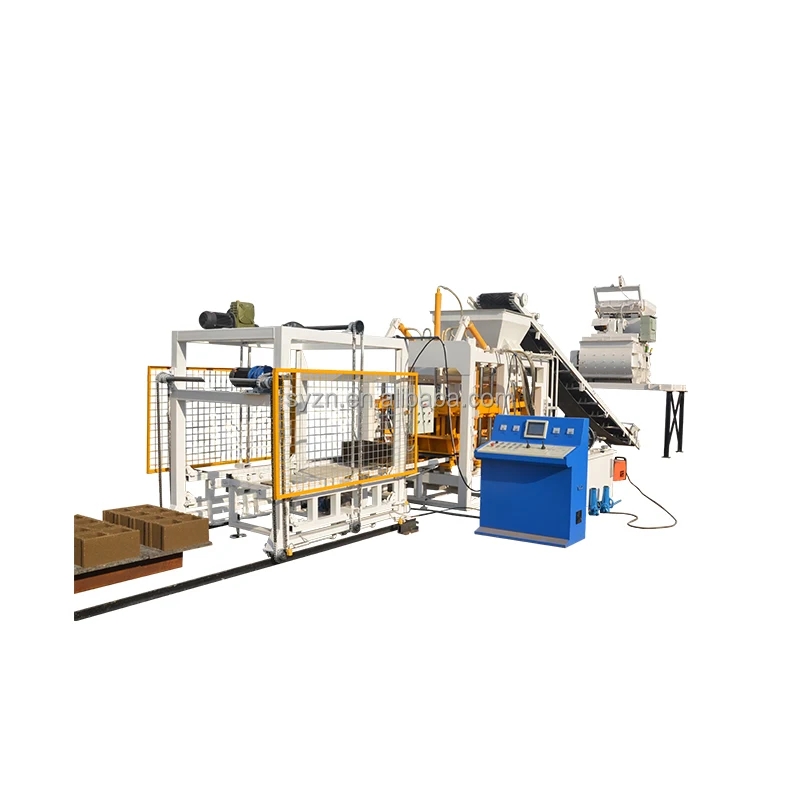
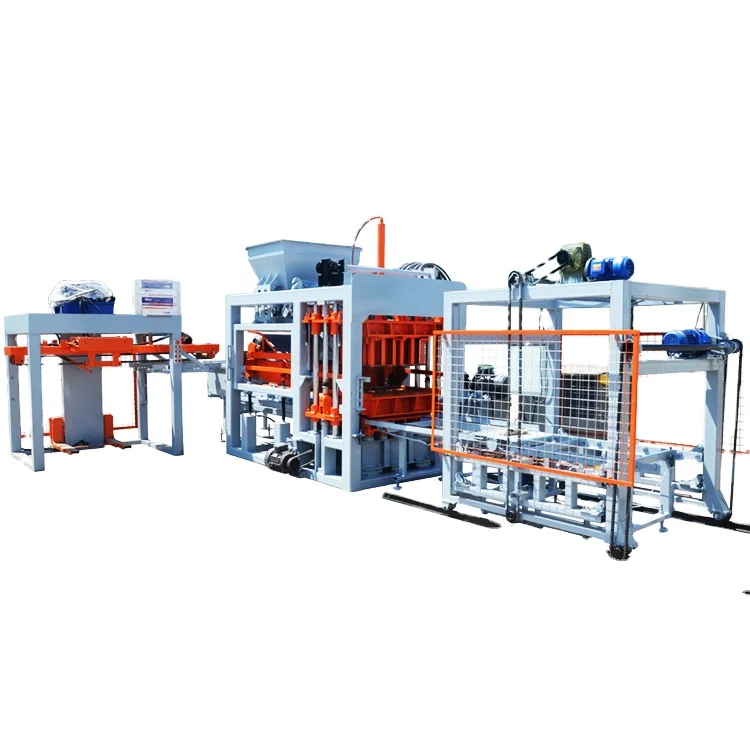
Matched to Your Mix — QT7-15 block machine specifications are locked to your target block format, local aggregate and vibration requirements before production starts, not quoted from a generic catalogue sheet.
Technical Specifications
| Parameter | Value |
|---|---|
| Model | QT7-15 |
| Product Type | Concrete Block Making Machine |
| Pallet Size | 1150x700mm |
| Molding Cycle | 15-20s (basis not stated in source — confirm block format / material / thickness) |
| Overall Power | 45KW |
| Vibration Force | 100KN |
| Total Mass | 8T |
| Vibration Frequency | 0-60HZ |
| Vibration Form | Platform Vibration |
| Demolding Method | Hydraulic |
| Control System | PLC with touch screen interface |
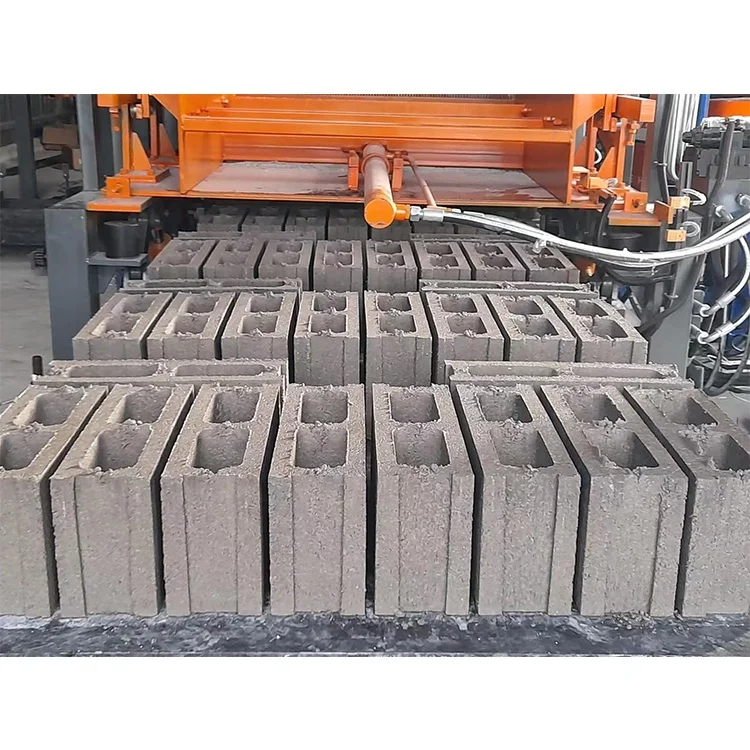
| Output Capacity (400x200x200mm hollow block) | 1260-1680 pcs/hour |
| Output Capacity (400x150x200mm hollow block) | 1440-1920 pcs/hour |
| Output Capacity (200x100x60mm rectangular brick) | 3888-4860 pcs/hour |
| Mould Change System | Quick replacement design |
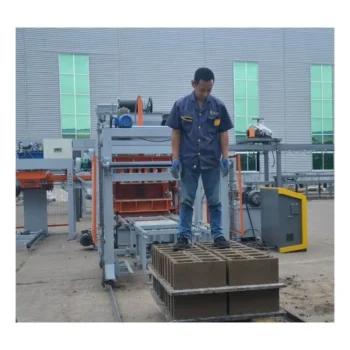
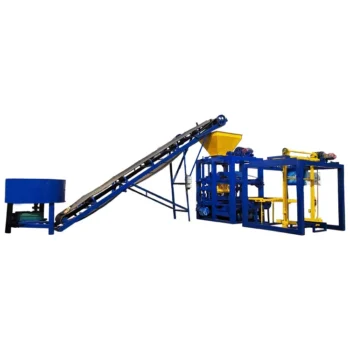
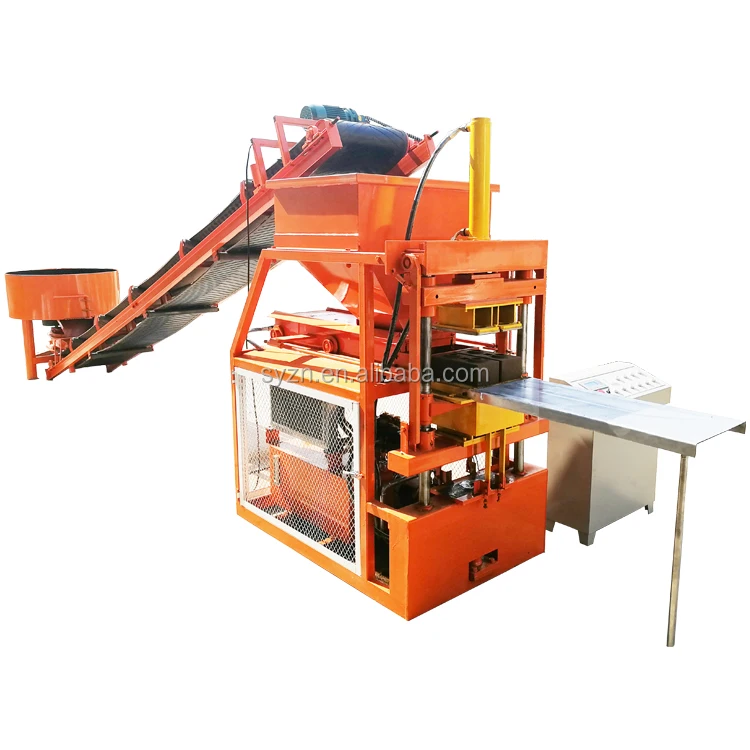
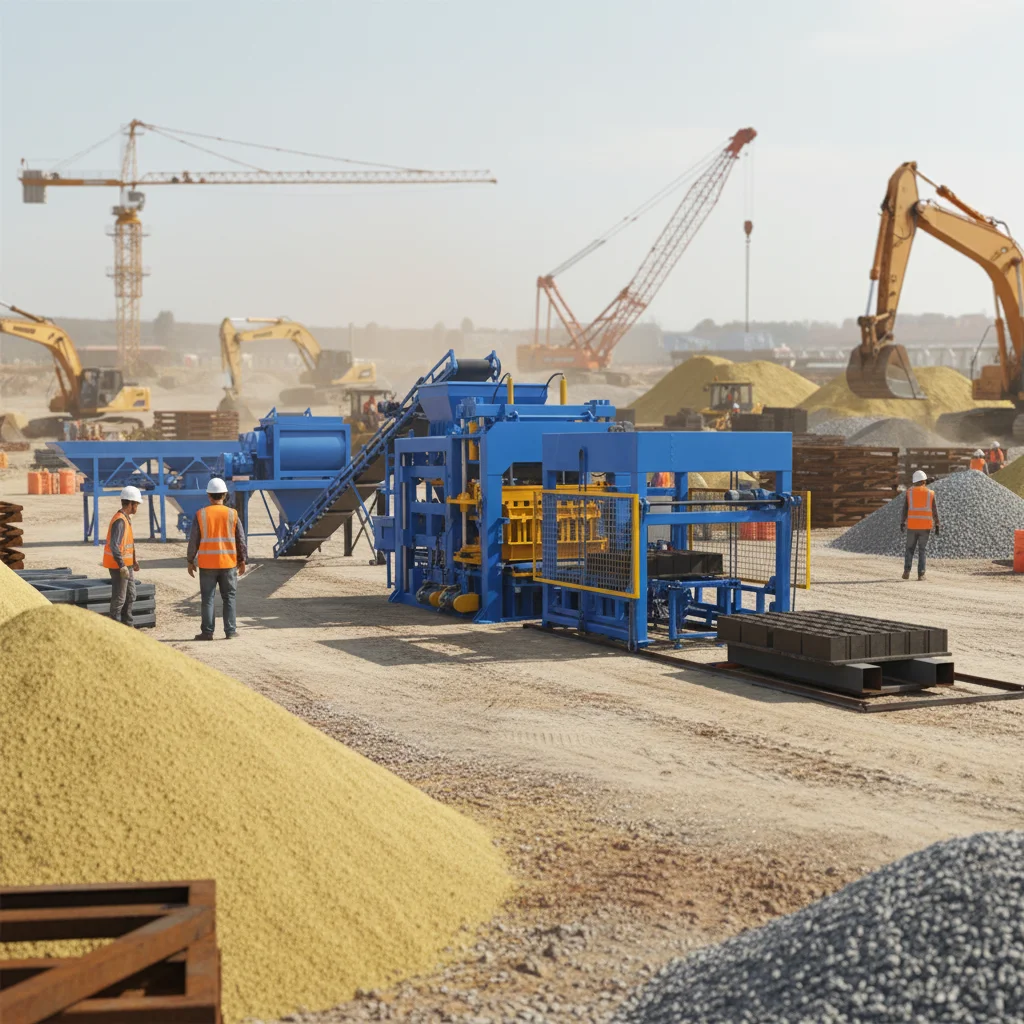
| Assembly State | Main unit, pallet feed machine, storage hopper, conveyor, hydraulic unit, PLC cabinet |
| Standards | CE |
Application Suitability
| Application | Material or Output |
|---|---|
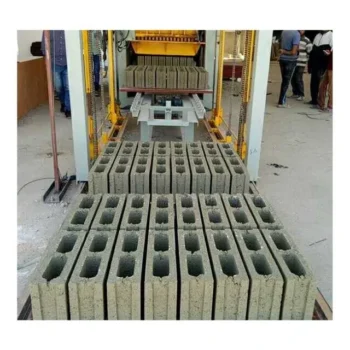
| Hollow block production | 400x200x200mm and 400x150x200mm formats for structural and partition walls |
| Solid block production | Dense concrete from crushed stone, sand and cement for load-bearing applications |
| Paving brick production | 200x100x60mm rectangular bricks from fine aggregate and cement for pedestrian and light vehicle areas |
| Interlocking brick production | Custom mould formats for dry-stack or mortared retaining wall systems |
What "15-20 Seconds per Cycle" Actually Means for Your Output
Cycle time is meaningless without the block format and mix design that produced it.
The QT7-15 block machine specifications list a 15-20 second molding cycle, but that figure was measured under specific conditions. When a buyer in East Africa ran volcanic pumice aggregate instead of the river sand used in our factory test, the same machine required longer vibration to reach target density, pushing cycle times well beyond the quoted range. Daily output dropped to barely half the expected figure. The machine was not faulty — the configuration was simply never matched to that buyer’s actual material. This mismatch happens far more often than equipment suppliers acknowledge [NEED_CITE: frequency of capacity shortfalls caused by unverified aggregate substitution in block production].
Matching Vibration Force to Your Aggregate Type
The platform vibration system on the QT7-15 delivers 100KN of force across a 0-60HZ adjustable frequency range. That adjustability matters because different aggregates compact at different frequencies. Lightweight materials like pumice or expanded clay require longer vibration at lower frequency to avoid crushing the aggregate structure, while dense crushed granite needs higher frequency to achieve full compaction. The QT7-15 block machine specifications include this frequency range so operators can tune the press to their specific mix rather than running a fixed setting that suits only one material type.
Why Pallet Size Decides Your Curing Layout
The 1150x700mm pallet dimension is not arbitrary. It determines how many blocks sit on each board, how those boards stack in the curing area, and which forklift pocket spacing you need. A buyer who already owns a curing yard designed for 1000x600mm pallets will face either wasted board area or a complete yard redesign if they accept a default pallet size without checking. The QT7-15 ships with pallets matched to its mold cavity layout, but the curing and handling side of the plant must be planned around that same dimension before the machine arrives [NEED_CITE: pallet sizing standards and curing yard layout practices in concrete block manufacturing].
Reading the Specs That Actually Affect Block Quality
Hydraulic demolding combined with 100KN vibration force determines the green strength of each block at the moment it leaves the mold. If vibration is insufficient for the mix density, blocks crack during demolding or crumble on the pallet. If hydraulic pressure is too low, the block does not reach full compaction before release. The 45KW overall power rating covers the hydraulic pump, vibration motors, conveyor and PLC cabinet simultaneously — undersizing any one circuit starves the others during peak draw. The PLC touch screen interface stores process parameters per mould, so switching from 400x200x200mm hollow blocks to 200x100x60mm paving bricks recalls the correct vibration time, pressure and frequency without manual guesswork. Quick mould replacement means that changeover happens within the shift rather than consuming it.
The Cost of Skipping Configuration Before Order
Buyers who select a block machine on cycle time alone often discover after commissioning that their local aggregate requires a different vibration profile, their curing racks do not match the pallet size, and their electrical supply cannot handle the 45KW load at the available voltage. Each of these issues causes weeks of delay. Voltage and frequency must be confirmed against the buyer’s site supply before the motor and transformer are sourced. The PLC display language must be set to the operator’s working language, or training becomes a translation exercise on the factory floor. These are not minor details — they are the difference between a machine that produces blocks on day one and one that sits idle while components are reordered [NEED_CITE: common commissioning delays in exported concrete block machinery due to unconfirmed electrical and control specifications].
Why Buyers Specify With Us
Every QT7-15 is configured against the buyer’s target block format and local raw material sample, not shipped at a catalogue default. Mould design covers the exact dimensions the buyer’s market demands, including custom drawings when standard formats do not match local building codes. The pallet size, automation level and handling equipment are specified as one system so the press is never waiting on manual board feeding or hand-stacking. Factory test records document cycle time and block density using the buyer’s confirmed mix parameters before dispatch. Installation support includes operator training on mould changeover and PLC parameter adjustment so the crew can manage format switches independently from the first week.
Documentation & Verification
- Line layout and capacity calculation stating the block format assumed for each output figure
- Mould drawing and format list confirming every cavity dimension before steel is cut
- Pallet specification matched to your existing curing rack spacing and forklift capacity
- Factory test record documenting cycle time and block density with your confirmed mix
- Hydraulic and electrical schematic with voltage, frequency and PLC language confirmed
- Operation and maintenance manual with wear part part numbers and replacement intervals
Installation, Commissioning & Support
- Foundation plan for the 8T main unit with pallet feed machine and conveyor footprint
- Dedicated electrical circuit sized for the 45KW total load at your confirmed voltage and frequency
- Assembled main unit shipped with PLC cabinet, hydraulic unit and storage hopper separated for container loading
- On-site commissioning including vibration frequency tuning to your local aggregate and mix design
- Operator training on PLC touch screen process parameter input, storage and fault diagnosis
- Quick mould change procedure training so your crew can switch formats within a single shift
- Wear parts and mould supply list with part numbers for first replacement ordering
What We Need to Configure Your QT7-15
Send us your target block formats with exact dimensions, the daily output you need per format, and a sample or description of your local aggregate type. Confirm your site voltage, frequency and the language your operators will use on the PLC display. If you have an existing curing area or forklift fleet, share the pallet dimensions and rack spacing so we match the handling equipment to what is already on the ground.
Frequently Asked Questions
Q: How is the capacity calculated for different block formats on the QT7-15?
A: Each output figure is tied to a specific block size. The 1260-1680 pieces per hour rate applies to 400x200x200mm hollow blocks, while 200x100x60mm rectangular bricks run at 3888-4860 pieces per hour on the same pallet cycle. These figures assume the moulding cycle and mix design used during factory testing. Your local aggregate may require cycle adjustment, so we confirm capacity against your material before quoting.
Q: What mould formats are available and what is the mould change time?
A: The QT7-15 accepts moulds for hollow blocks, solid blocks, paving bricks and interlocking formats. The quick replacement system allows a trained operator to change moulds within the shift. We supply standard cavity layouts for common dimensions and build custom moulds to buyer drawings when local building codes require non-standard sizes.
Q: How do I match the pallet size to my existing curing area and handling equipment?
A: The QT7-15 uses 1150x700mm pallets. Before ordering, measure your curing rack spacing and forklift fork width to confirm compatibility. If your existing infrastructure uses a different size, we discuss whether adjusting the curing layout or modifying the pallet feed system is the more practical solution for your plant.
Q: Can the machine be configured for my local raw material and aggregate type?
A: Yes. The vibration frequency is adjustable from 0-60HZ and the hydraulic pressure is tunable to match your specific aggregate density and mix design. We request a material sample or detailed aggregate description so the factory test replicates your production conditions, and the PLC stores the confirmed parameters for each mould format.
Q: What block strength can I expect with my specific mix design and vibration settings?
A: Block strength depends on the combination of cement content, aggregate grading, water ratio and the vibration force applied. The QT7-15 delivers 100KN of platform vibration with hydraulic compaction. We test your mix on the machine before dispatch and document the achieved compressive strength so you know what to expect from your exact material at the confirmed cycle settings.