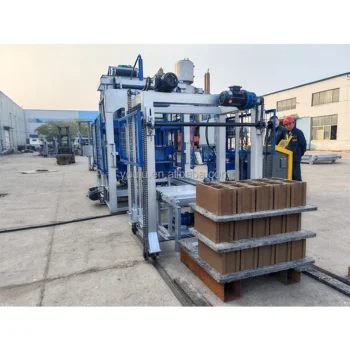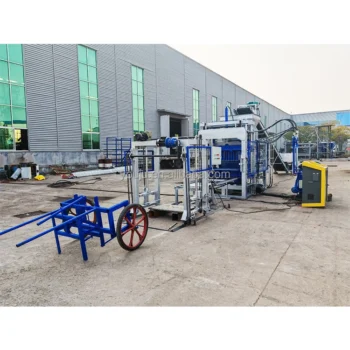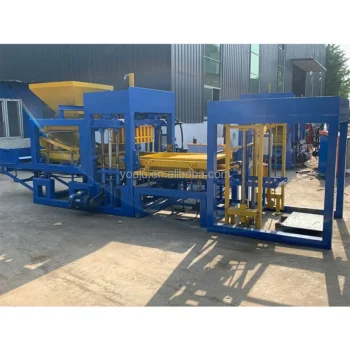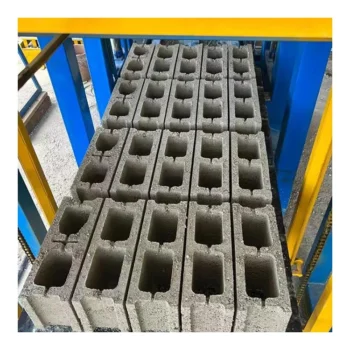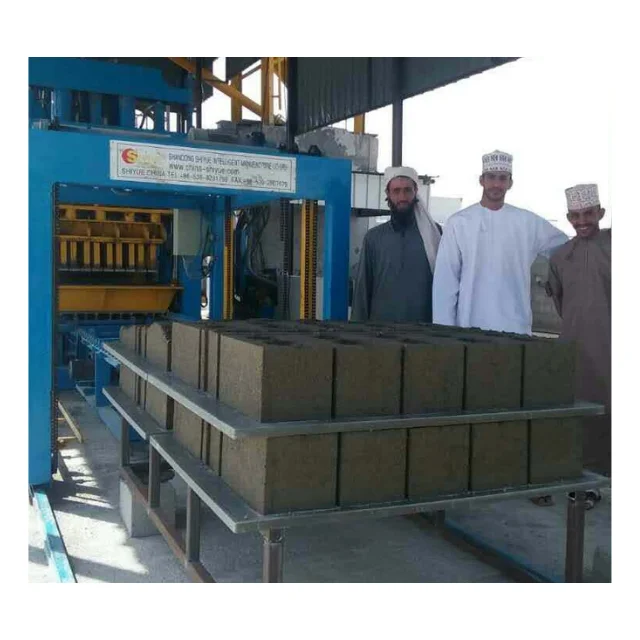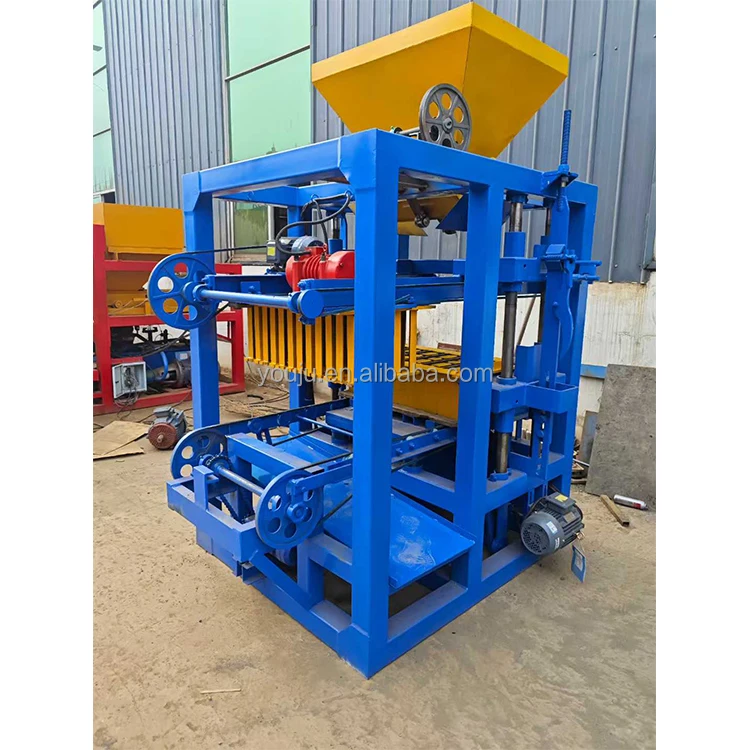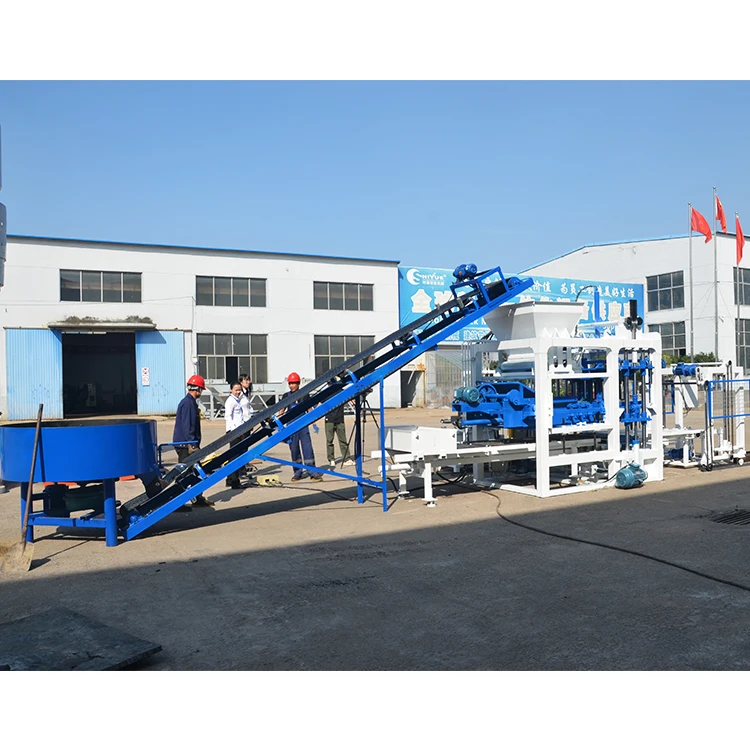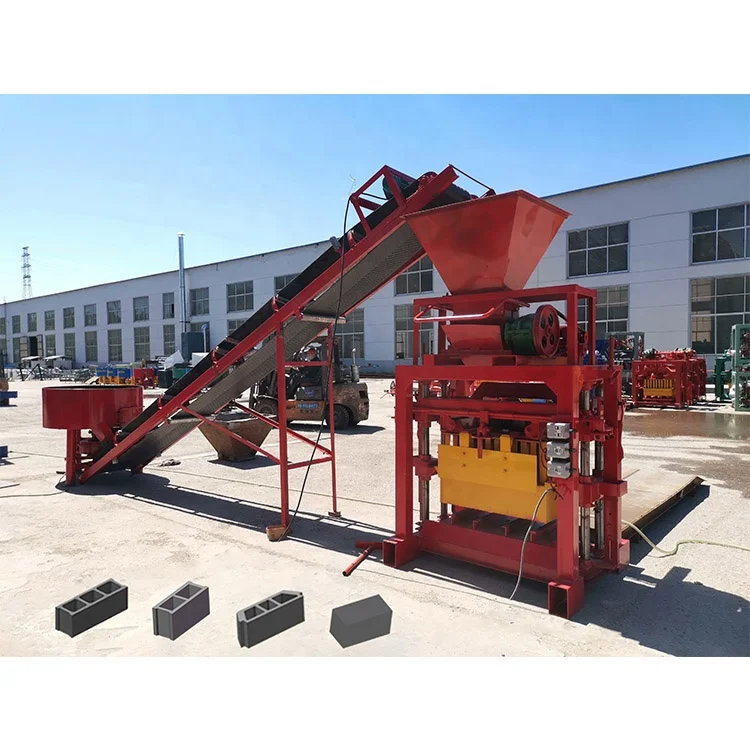
Description
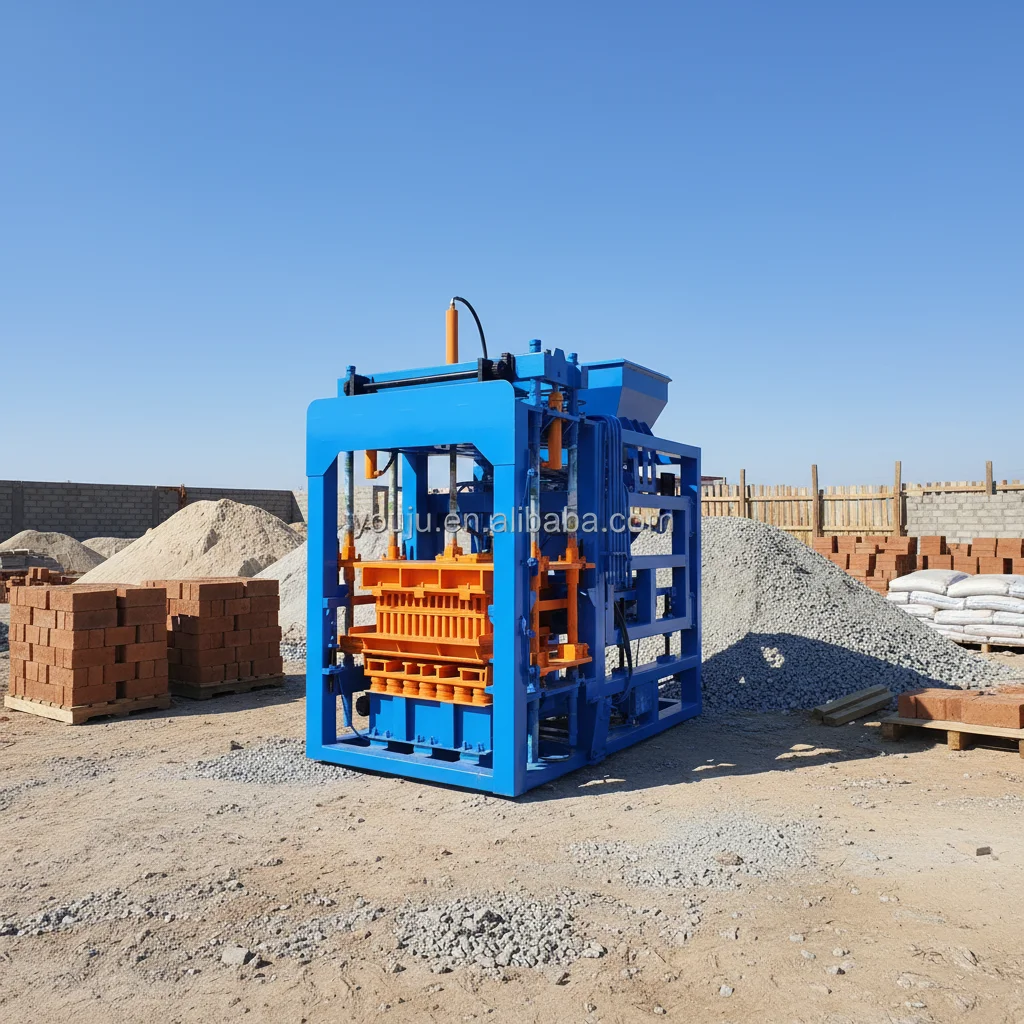
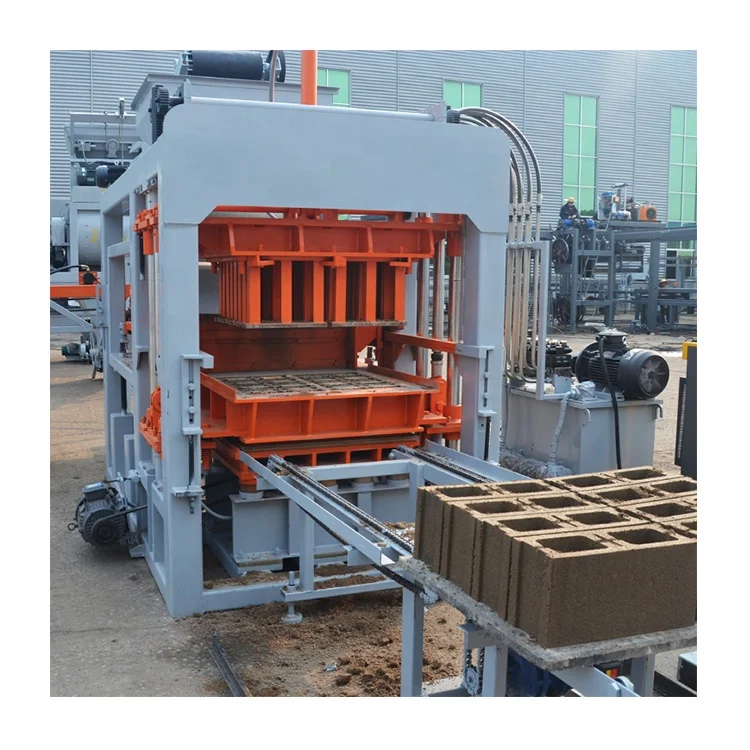
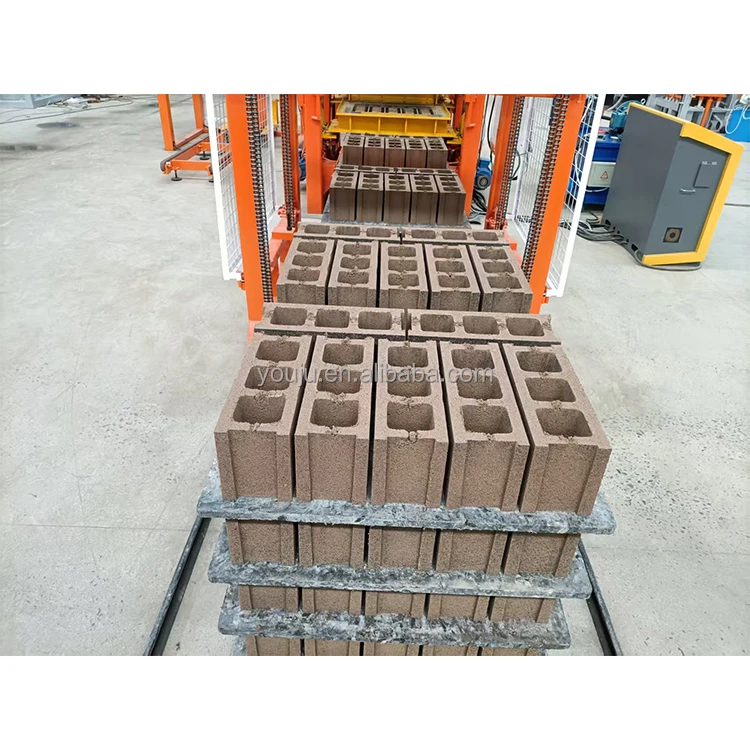
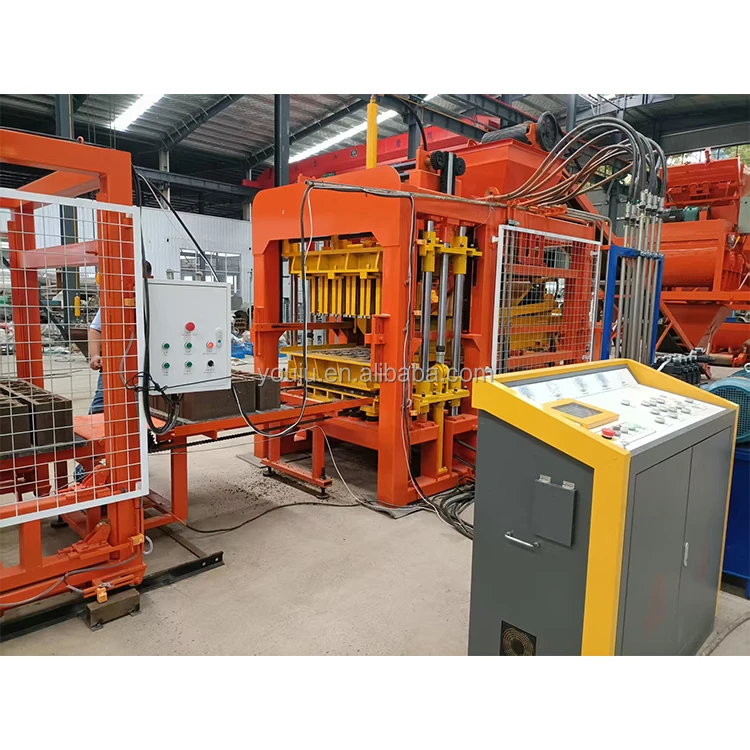
Matched system configuration — The QT6-15 stationary block machine is supplied with mould, pallet and mix design verified as one working unit against your local aggregate and target block format.
Technical Specifications
| Parameter | Value |
|---|---|
| Model | QT6-15 |
| Product Type | Stationary Hydraulic Concrete Block Making Machine |
| Overall Dimensions (L×W×H) | 7100 × 1500 × 3000 mm |
| Rated Pressure | 21 MPa |
| Main Vibration Form | Platform vibration |
| Vibration Frequency | 4500–5100 r/min |
| Pallet Size | 880 × 850 mm |
| Moulding Cycle | 15–25 s |
| Overall Power | 31.25 kW |
| Net Weight | 8700 kg |
| Control System | PLC intelligent control with human-machine dialogue interface |
| Automation Level | Fully automatic, hydraulic drive |
| Mould Format | Interchangeable moulds for hollow block and solid brick (specific formats and cycle time per format: basis to be confirmed) |
| Output Capacity | Productivity table available per confirmed block format (basis to be confirmed) |
| Block Strength Claim | Hollow blocks 8–10 MPa; Solid bricks 10–20 MPa (verify against buyer mix design) |
| Raw Material Ratio | Cement 8–10%, Sand 30–40%, Stone 50–60% (verify against local aggregate) |
| Raw Material Consumption | 150–190 T per day (basis not stated in source — confirm block format / operating hours / mix design) |
| Water Consumption | 3–5% of raw material weight |
| Standards | CE (verify certificate validity for this model) |
Application Suitability
| Application | Material or Output |
|---|---|
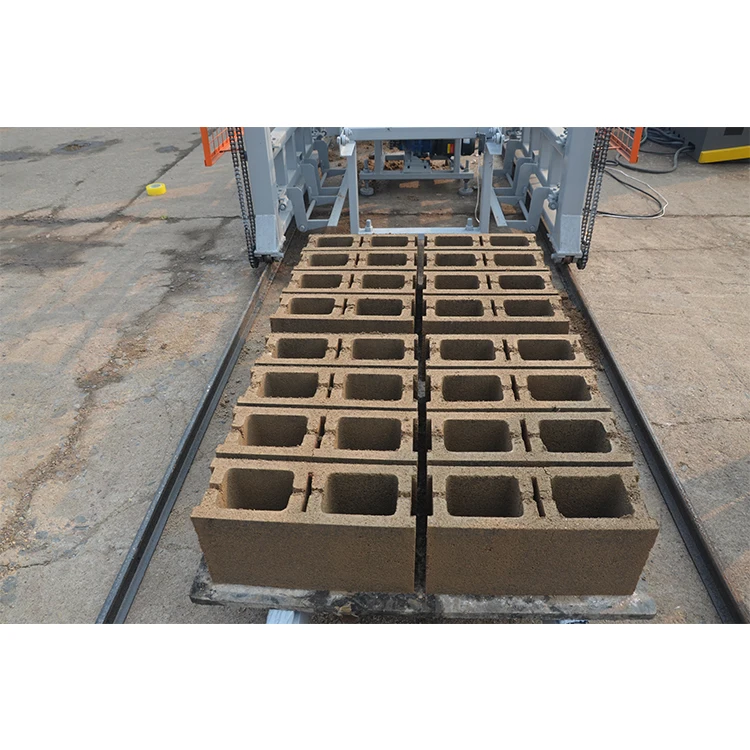
| Hollow concrete block production | Cement, crushed stone, sand — block strength 8–10 MPa depending on mix |
| Solid brick production | Cement, fine aggregate — block strength 10–20 MPa depending on mix |
| Block and paver production plants | Continuous operation with interchangeable moulds across formats |
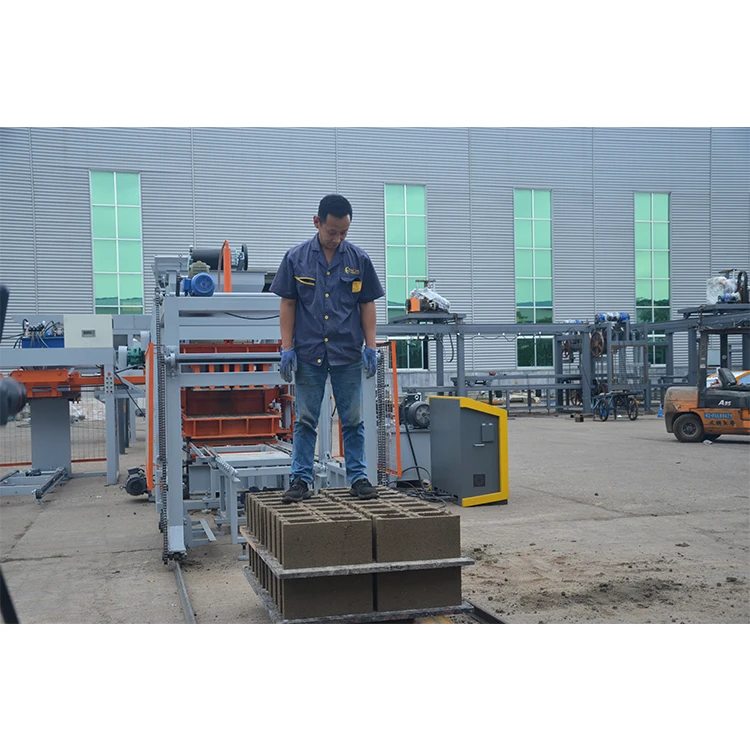
| On-site construction block manufacturing | Fixed installation with pallet-based curing and handling |
What "15-Second Cycle Time" Leaves Out About the QT6-15 Stationary Block Machine
Cycle time means nothing until you name the block format it was measured on.
A fifteen-second cycle on a small solid brick is not the same fifteen-second cycle on a 200 mm hollow block. I have seen buyers compare two quotations side by side, pick the one with the shorter cycle number, and then discover that number assumed a completely different product than what their market actually sells. The daily output of a QT6-15 stationary block machine depends entirely on which format sits on the pallet, how dense the mix needs to be, and whether the hydraulic pressure and vibration frequency are adjusted for that specific geometry. Without naming the format, a cycle time figure is just a catalogue placeholder [NEED_CITE: block format assumptions in capacity quotations].
How the Vibration and Pressure Pair Determines Block Density
The QT6-15 stationary block machine delivers platform vibration at 4500–5100 r/min combined with a rated hydraulic pressure of 21 MPa. Vibration frequency controls how thoroughly the mix settles into the mould cavity, while hydraulic pressure compacts it from above. If the vibration is high but the pressure is low, the block surface may look dense while the core remains loose. Matching both parameters to your aggregate particle size and cement ratio is the difference between blocks that pass a compression test and blocks that crumble at the curing rack.
Why the Pallet Size Must Be Confirmed Before the Order
The fixed pallet size of 880 × 850 mm determines not only which moulds can run on the machine but also how those loaded pallets move through the curing area. A buyer who already owns forklifts designed for a different pallet dimension will spend time and money retrofitting the handling side of the plant after the QT6-15 stationary block machine arrives. The pallet size also sets the maximum mould footprint, which directly limits how many block cavities fit in one press cycle. Confirming this dimension early avoids a mismatch between the press output and the downstream curing and stacking workflow [NEED_CITE: pallet and curing area compatibility in block plants].
Reading the Specifications That Actually Shape Daily Output
The moulding cycle range of 15–25 seconds covers multiple block formats, but the actual cycle for your product depends on fill depth and compaction requirements. A taller hollow block needs longer vibration to fully settle the mix around the core pins, pushing the cycle toward the upper end of the range. The overall power rating of 31.25 kW reflects the combined load of the hydraulic pump, vibration motor and conveyor drives — a figure that matters when sizing the dedicated electrical circuit at the plant. The PLC control with human-machine dialogue interface stores cycle parameters per mould, so an operator switching from hollow block to solid brick can recall the proven settings rather than adjusting by guesswork. Machine weight at 8700 kg provides the mass needed to absorb vibration without transmitting it into the foundation, reducing the structural requirements of the installation floor compared to lighter machines in this output tier.
The Cost of Skipping the Mix Design Step
A machine configured for a clean, well-graded aggregate will underperform when fed material with high clay or silt content. The vibration parameters that produce strong blocks with a clean mix will leave muddy aggregate poorly compacted, resulting in blocks that fail strength tests even though the machine settings look correct on paper. I have seen a buyer lose the first two months of production because the mix design was never validated against local material before the QT6-15 stationary block machine was shipped [NEED_CITE: aggregate quality impact on block compressive strength]. The cost shows up as wasted cement, rejected batches and lost market trust, not as a line item on the quotation.
Why Buyers Source This Machine Here
Block machinery is the single focus of the production team behind the QT6-15 stationary block machine, which means the press, mould, pallet and handling equipment are specified as one coordinated system rather than assembled from unrelated suppliers. Each configuration is set against the buyer’s actual mix design and target block format, not pulled from a catalogue default. Mould design and supply cover the formats the buyer’s market actually sells, with custom drawings available when standard options do not match. The automation level can be selected so a plant can start with semi-automatic operation and add stacking or cubing functions later. Installation and commissioning support includes operator training so the crew knows how to run each format from the first week.
Documentation & Verification
- Line layout and capacity calculation stating the exact block format for every output figure
- Mould drawing and format list confirming block dimensions and change procedure per mould
- Voltage, frequency and PLC display language confirmed in writing before production starts
- Factory test record with block strength results from a trial run on buyer-supplied mix design
- Hydraulic and electrical schematic with component identification for on-site troubleshooting
- Operation and maintenance manual with wear parts list and recommended replacement intervals
Installation, Commissioning & Support
- Foundation pad sized to the 7100 × 1500 mm footprint with allowance for pallet return conveyor
- Dedicated electrical circuit rated for the 31.25 kW total load at confirmed local voltage and frequency
- Machine shipped in sections with reassembly guided by the hydraulic and electrical schematic
- First production run supervised with PLC parameters stored per mould format for repeatable output
- Operator training covers mould change procedure, PLC interface navigation and daily maintenance checks
- Wear parts list provided with recommended stock levels for hydraulic seals and vibration mounts
What We Need to Build Your Configuration
Before we size the QT6-15 stationary block machine for your plant, share the specific block formats your market demands, the daily output you need per format, and any existing pallet or curing infrastructure already on site. We also need your local voltage and frequency, the preferred PLC display language, and a sample or test report of the aggregate you plan to use. With those details, the proposal can include a capacity calculation tied to your actual products rather than generic figures.
Frequently Asked Questions
Q: How is QT6-15 output capacity calculated, and which block format is each figure based on?
A: Output capacity is calculated per block format, not as a single blanket number. The capacity document we provide states the exact block dimensions, mould cavity count and cycle time used for each figure. This means you can see the daily output for hollow blocks separately from solid bricks, each based on the cycle time that format actually requires on the QT6-15.
Q: Which mould formats are available, and how long does a change take?
A: The QT6-15 accepts interchangeable moulds for hollow blocks, solid bricks and other concrete masonry units that fit the 880 × 850 mm pallet. Mould change time varies by format complexity and the quick-release mechanism fitted. We confirm the procedure and expected changeover duration for each mould in the format list before shipment.
Q: How is the machine configured to match my local aggregate and target block strength?
A: We ask for a material test report or sample of your aggregate before finalizing the vibration frequency and hydraulic pressure settings. The PLC stores separate parameter sets for each block format, so the operator can recall the proven configuration rather than adjusting manually. A factory test run on your mix design produces block strength data for your review before dispatch.
Q: What pallet size does the QT6-15 use, and how should it match my plant?
A: The QT6-15 runs on a fixed 880 × 850 mm pallet. This dimension determines the maximum mould footprint and must align with your curing rack spacing and forklift fork width. Confirming pallet compatibility before the order prevents handling mismatches after the machine arrives at your site.
Q: What voltage, frequency and PLC language options are confirmed before shipment?
A: We confirm your local voltage, frequency and preferred PLC display language in writing before production begins. These parameters are recorded in the technical agreement so the motor, control panel and interface match your site conditions on arrival, avoiding delays from transformer replacements or language adjustments during commissioning.