
Description
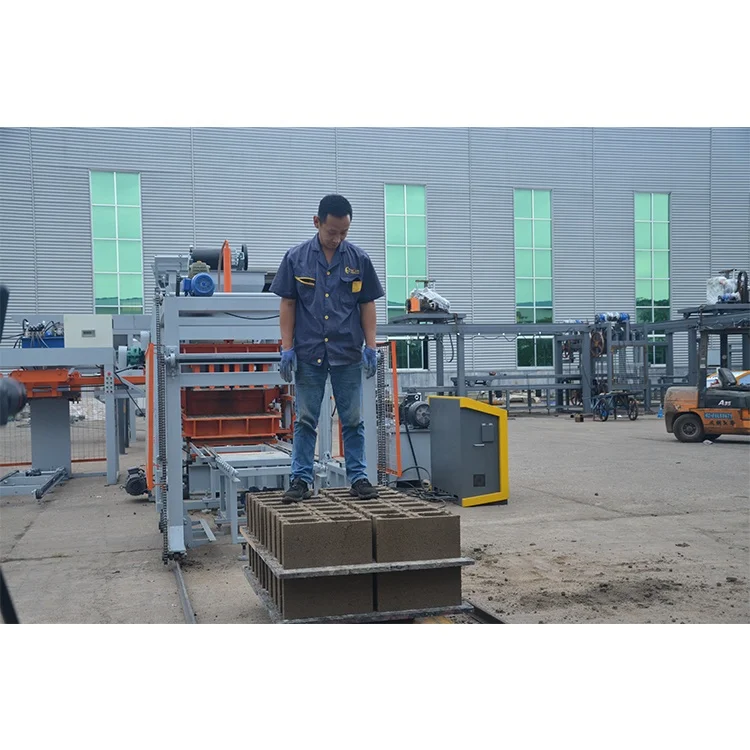
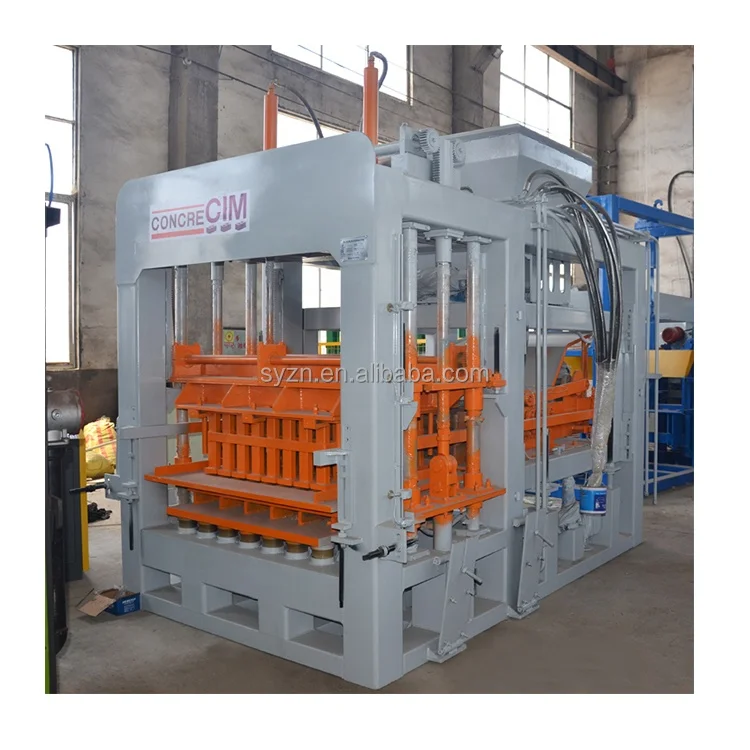
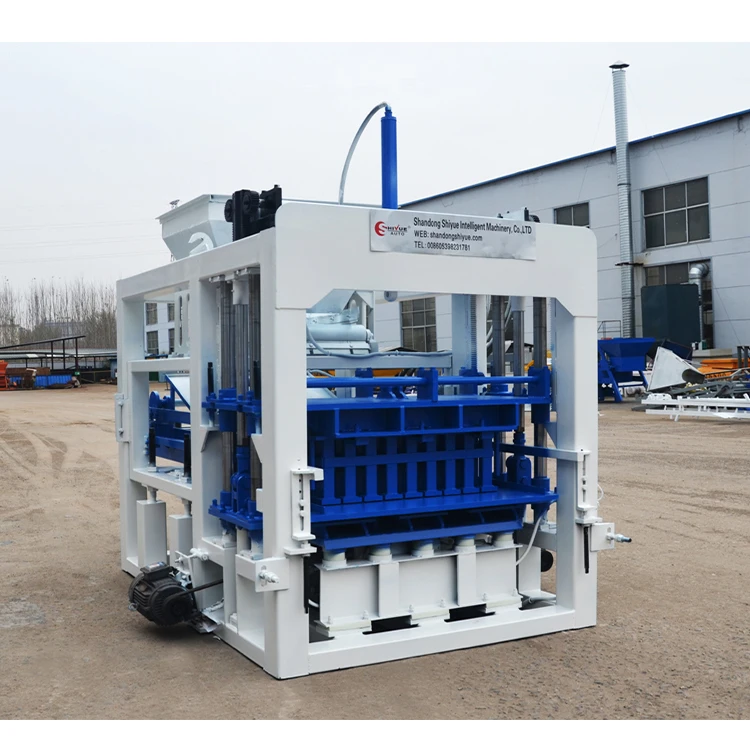
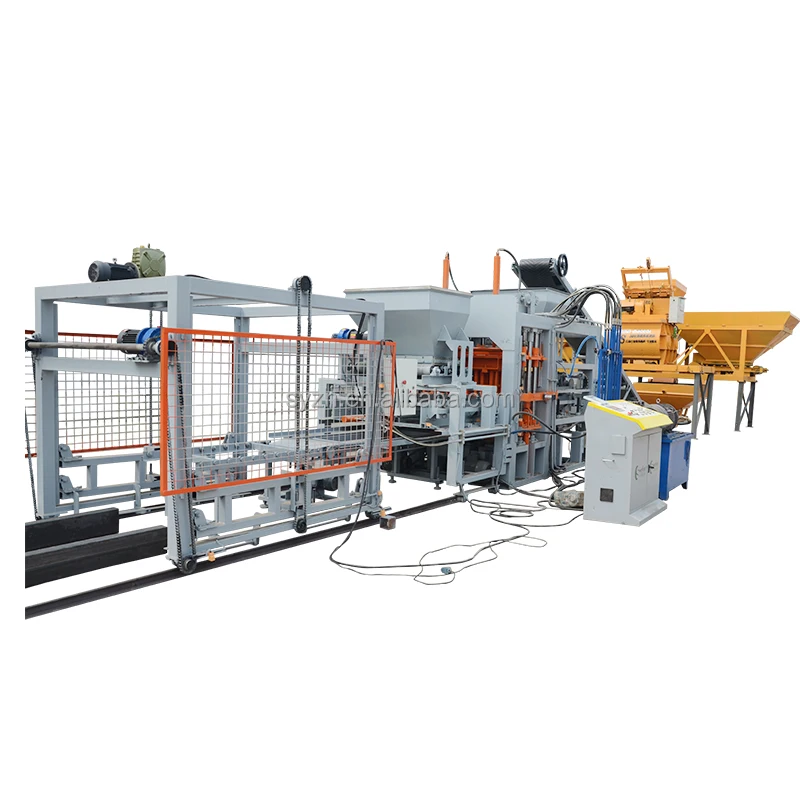
Matched System Configuration — machine, mould, pallet and handling specified as one integrated line for the QT5-15, so capacity calculations reflect the exact block format you produce rather than a catalogue default.
Technical Specifications
| Parameter | Value |
|---|---|
| Model | QT5-15 |
| Product Type | Automatic Cement Block Making Machine |
| Overall Dimensions (L×W×H) | 7400×1950×2800 mm |
| Vibration Frequency | 0-60 Hz |
| Vibration Form | Platform Vibration |
| Vibration Force | 80 kN |
| Moulding Mode | Automatic loading, vibration moulding |
| Pallet Size | 1100×550 mm |
| Molding Cycle | 15-20 s (hollow/solid), 20-25 s (pavers) |
| Overall Power | 32 kW |
| Total Mass | 5000 kg |
| Demolding Method | Hydraulic |
| Control System | PLC with touch screen interface |
| Hydraulic System | Independent integrated hydraulic station |
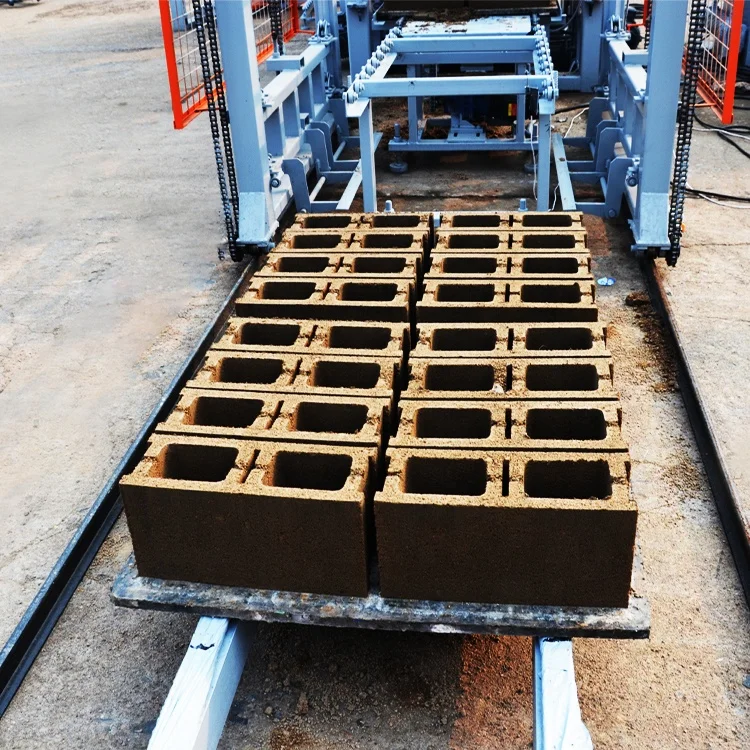
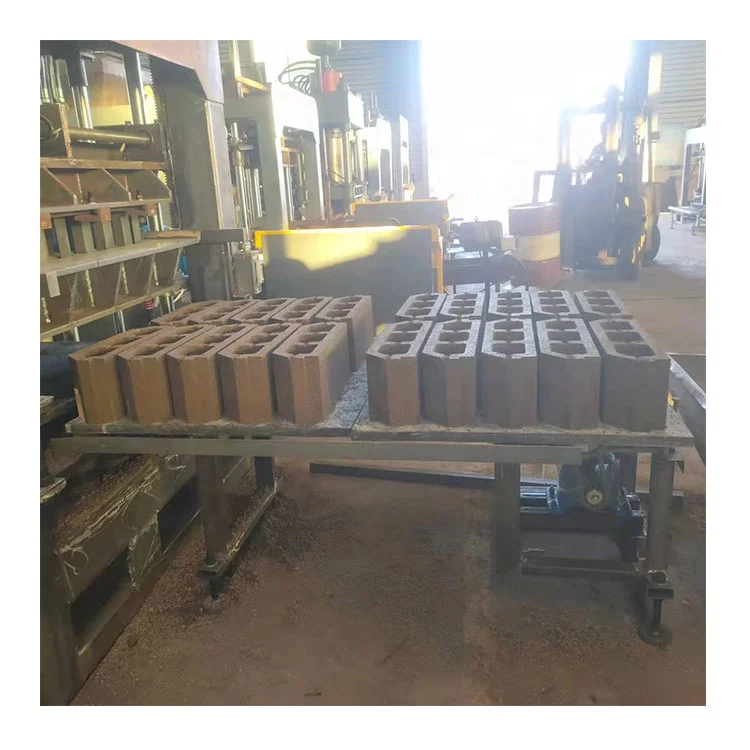
| Output — Hollow Block 400×200×200 mm | 900-1200 pcs/h, 5 pcs/mould, cycle 15-20 s |
| Output — Hollow Block 400×150×200 mm | 1080-1440 pcs/h, 6 pcs/mould, cycle 15-20 s |
| Output — Solid Brick 240×115×53 mm | 5760-7680 pcs/h, 32 pcs/mould, cycle 15-20 s |
| Output — Rectangular Paver 200×100×60 mm | 3600-4500 pcs/h, 25 pcs/mould, cycle 20-25 s |
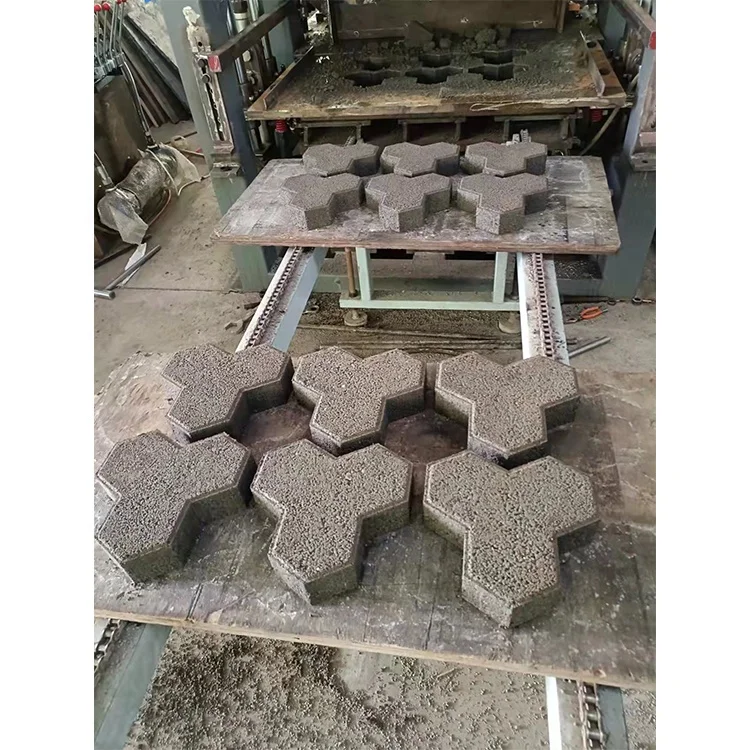
| Output — Zigzag Paver 225×112.5×60 mm | 2304-2880 pcs/h, 16 pcs/mould, cycle 20-25 s |
| Block Compressive Strength | >15 MPa |
| Fly Ash Compatibility | Up to 70% fly ash content in mix |
| Factory Area Required | 1000 m² |
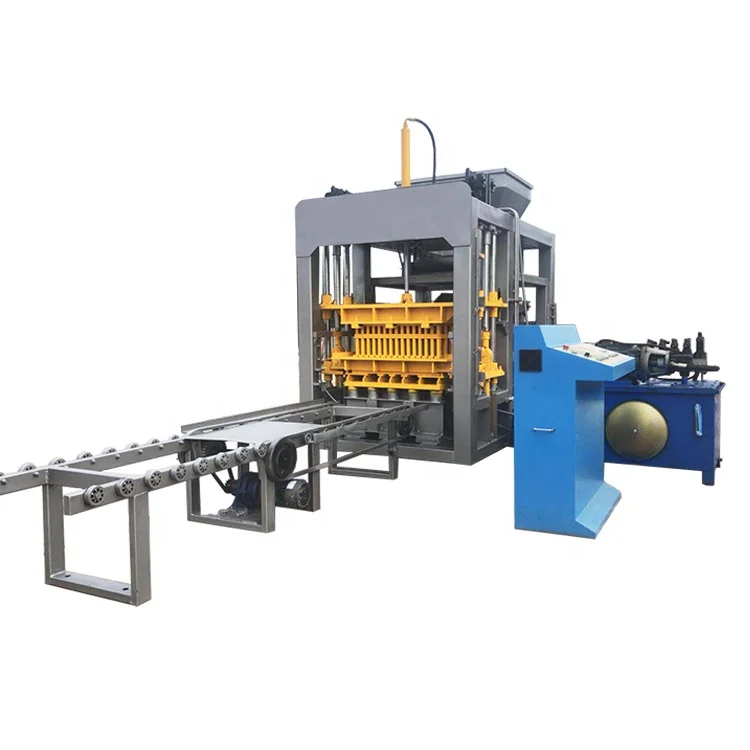
| Line Components | Pallet feed machine, block making machine, storage hopper, conveyor, hydraulic unit, PLC control cabinet |
| Warranty | 1 year (excluding spare parts) |
| Voltage & Frequency | To be confirmed before ordering |
| PLC Display Language | To be confirmed before ordering |
| Mould Change Time | To be confirmed against manufacturer catalog |
| Stacking Method | To be confirmed — manual or automatic |
Application Suitability
| Application | Material or Output |
|---|---|
| Hollow block production for residential and commercial walls | Crushed stone, sand, cement, water; fly ash blends up to 70% |
| Solid brick manufacturing for load-bearing and partition walls | Sand, crushed stone, cement, slag, gangue |
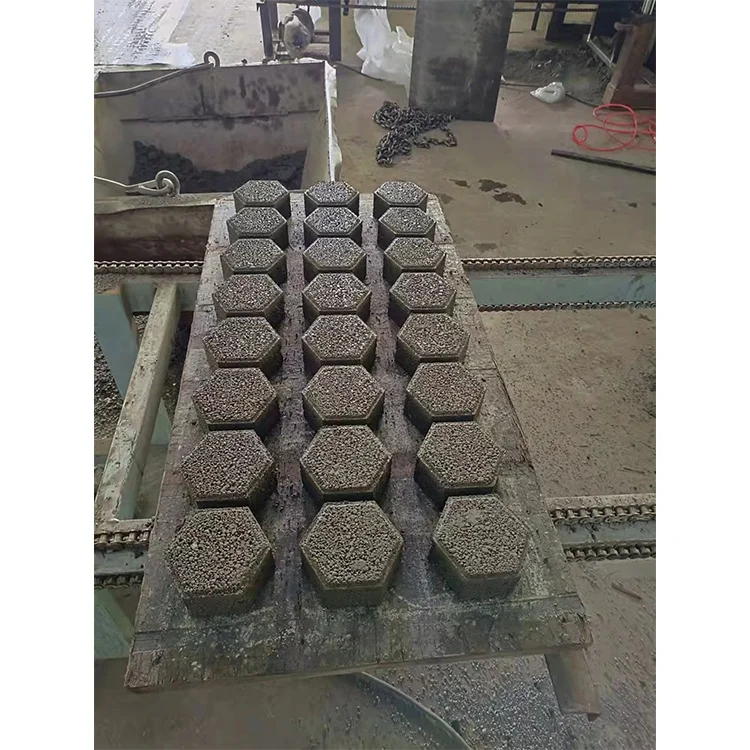
| Rectangular and zigzag paver production for roads and walkways | Fine aggregate, cement, pigment for colored pavers |
| On-site block production for housing and development projects | Locally sourced aggregate matched to available materials |
| Format expansion for existing concrete product plants | Custom mould designs based on buyer drawings |
What "900-1200 Pieces per Hour" Actually Means for Your Plant
Every automatic cement block machine specifications sheet quotes a headline number — the question is which block format that number assumes.
I have watched buyers receive a QT5-15 block machine capacity by format brochure showing peak output, then discover on commissioning day that their primary product — say a 400×150×200 mm hollow block — runs a different cycle and produces a different count per mould. The daily output they planned their logistics around falls short, and the curing area sits half-empty. [NEED_CITE: mismatched capacity expectations in block machine procurement] The honest approach is to state output per format with the mould count and cycle range that figure is based on, which is exactly how the QT5-15 is presented here.
Honest Capacity Figures Tied to Each Block Format
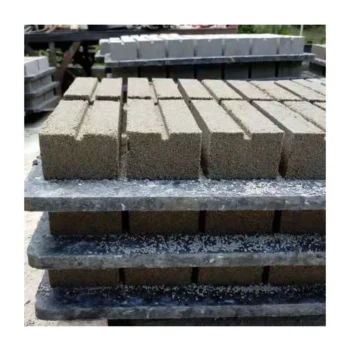
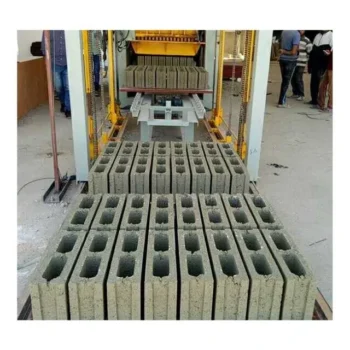
The QT5-15 produces 900-1200 hollow blocks per hour based on a 400×200×200 mm format with 5 cavities per mould and a 15-20 second cycle. Switch to the 400×150×200 mm hollow block and the mould carries 6 cavities, yielding 1080-1440 pieces per hour on the same cycle range. For solid bricks at 240×115×53 mm, 32 pieces per mould push output to 5760-7680 per hour. Paver formats shift to a 20-25 second cycle because the surface finish demands longer vibration, so rectangular pavers at 200×100×60 mm deliver 3600-4500 pieces per hour from 25 cavities.
Matching Mould Selection to the Products Your Market Buys
A machine is only as flexible as its mould inventory. The QT5-15 platform vibration table and 1100×550 mm pallet accommodate formats from large hollow blocks down to small interlocking pavers, but each format requires its own mould tooling. Custom mould design to buyer drawings is available for formats outside the standard range. The key decision before ordering is confirming which formats your local construction market actually demands, because every additional mould represents both tooling cost and a format changeover on the production floor. [NEED_CITE: mould changeover frequency in multi-format block plants]
Reading the Specs That Determine Your Actual Output
Platform vibration at 0-60 Hz with 80 kN force is the mechanism that compacts the mix into the mould cavity. The frequency range allows tuning to different aggregate gradations — coarser crushed stone typically needs higher amplitude at lower frequency, while fine sand and fly ash blends respond to higher frequency. The 1100×550 mm pallet size is not arbitrary; it governs how many blocks fit per mould and must align with your curing rack dimensions and forklift tine spacing. The independent hydraulic station powers both the mould clamping and demoulding, and its pressure rating must match the compaction force needed for your target block strength of >15 MPa. The 32 kW total power draw covers the vibration motors, hydraulic pump, conveyor and PLC cabinet together.
When the Wrong Configuration Costs You a Month of Production
Buying a block machine on headline capacity alone creates downstream problems that surface weeks after commissioning. A pallet size chosen without regard to your existing curing racks means blocks must be restacked by hand before curing, negating the automation you paid for. Voltage and frequency left unconfirmed until the machine arrives can delay first production while transformers or motor rewinds are arranged locally. [NEED_CITE: commissioning delays from unconfirmed electrical specifications] A PLC display in a language your operators cannot read turns a simple fault diagnosis into a phone call across time zones. These are not theoretical risks — they are the most common reasons a block plant sits idle after installation.
Why Sourcing the QT5-15 Here Reduces Configuration Risk
Block machinery is our single focus, so the QT5-15 is specified as a matched system — press, mould, pallet and handling — rather than assembled from separate suppliers. Every configuration is set against your actual mix design and local aggregate, not a catalogue default. Mould design covers the formats your market sells, including custom drawings for non-standard block sizes. Automation level is selectable, allowing a buyer to start with semi-automatic pallet handling and add stacking later. Installation support includes operator training on your specific formats and mix, not a generic machine overview. [NEED_CITE: matched system approach in block machinery procurement]
Documentation & Verification
- Line layout with capacity calculation stating block format assumed for each output figure
- Mould drawing and format list confirming included and custom-designed block sizes
- Pallet specification matched to curing rack system and forklift capacity
- Voltage, frequency and PLC language confirmation document before production
- Factory test record on your target block format before dispatch
- Operation and maintenance manual with wear parts and mould replacement list
Installation, Commissioning & Support
- Foundation plan sized to the QT5-15 footprint of 7400×1950 mm with vibration isolation
- Dedicated electrical circuit rated for 32 kW total draw at confirmed voltage and frequency
- Machine arrives with hydraulic station and PLC cabinet pre-assembled for faster connection
- First-run commissioning includes cycle tuning to your local aggregate and mix design
- Operator training covers mould change procedure, PLC fault reading and daily maintenance
- Wear parts list with hydraulic seals and vibration motor bearings identified for local sourcing
What We Need to Quote the Right Configuration
To size the QT5-15 to your plant, share the block formats your market demands with target daily volumes, the raw materials available locally including aggregate type and any fly ash or slag content, and your existing curing area layout. Confirm the voltage and frequency at your site along with the preferred PLC display language. If you already operate forklifts or curing racks, provide their specifications so the pallet size can be matched accordingly.
Frequently Asked Questions
Q: How is daily output calculated for each block format, and what cycle time does each figure assume?
A: Every output figure states the block dimensions, cavity count per mould and cycle range it is based on. For example, 900-1200 hollow blocks per hour assumes a 400×200×200 mm format, 5 cavities and a 15-20 second cycle. Paver formats run a 20-25 second cycle due to surface finish requirements. Daily output then depends on your shift length and operational efficiency.
Q: Which mould formats are included as standard, and what is the lead time for a custom mould drawing?
A: Standard moulds cover the hollow block, solid brick and paver formats listed in the specifications table. Custom moulds are designed to buyer drawings for formats outside this range. Lead time for custom tooling depends on complexity and is confirmed during the proposal stage, separately from the machine build schedule.
Q: How does the pallet size relate to my curing area and the forklift I already have on site?
A: The 1100×550 mm pallet determines block layout per mould and must physically fit your curing rack shelves and match your forklift tine spacing. We confirm pallet dimensions against your existing equipment before production to avoid restacking by hand after the machine delivers output.
Q: What mix designs and local aggregates has the QT5-15 been configured for?
A: The machine handles crushed stone, sand, cement, slag, gangue and fly ash blends up to 70% fly ash content. The 0-60 Hz vibration frequency range and 80 kN force are tuned during commissioning to match your specific aggregate gradation and target compressive strength above 15 MPa.
Q: How long does a mould change take, and does the quoted cycle time include format changeover?
A: The QT5-15 supports simple mould replacement for format switching, but exact changeover time depends on the mould size and operator familiarity. Quoted cycle times reflect production running on a single format and do not include the changeover period between formats.