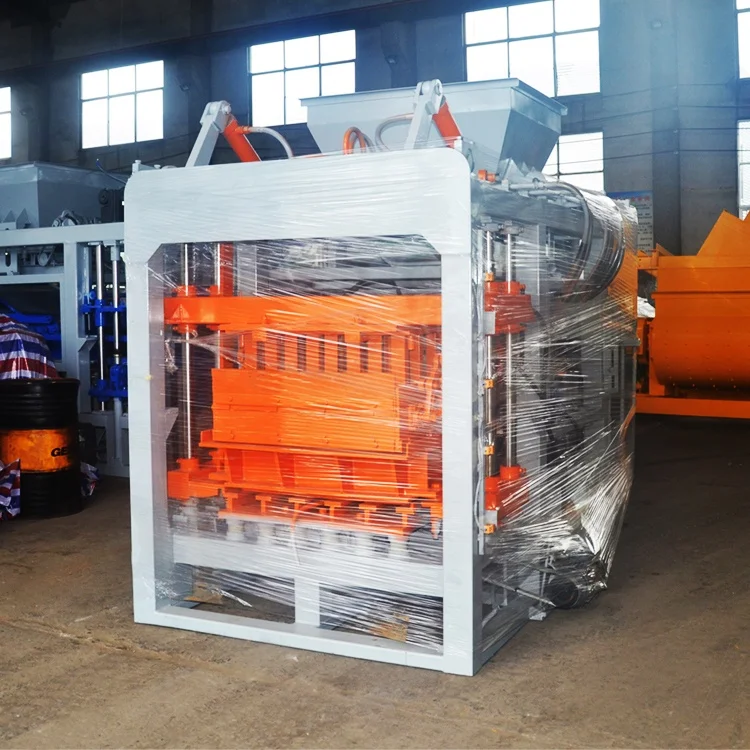
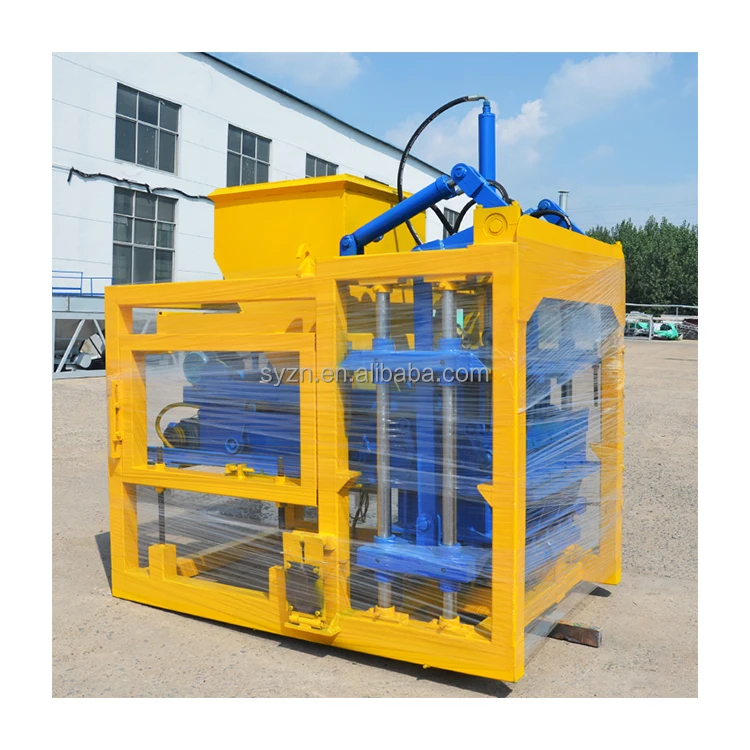
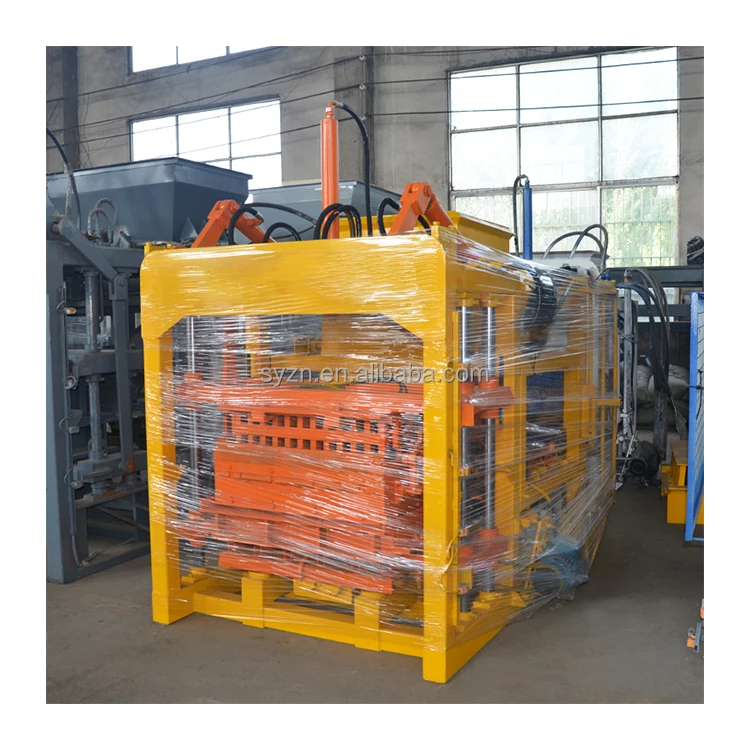

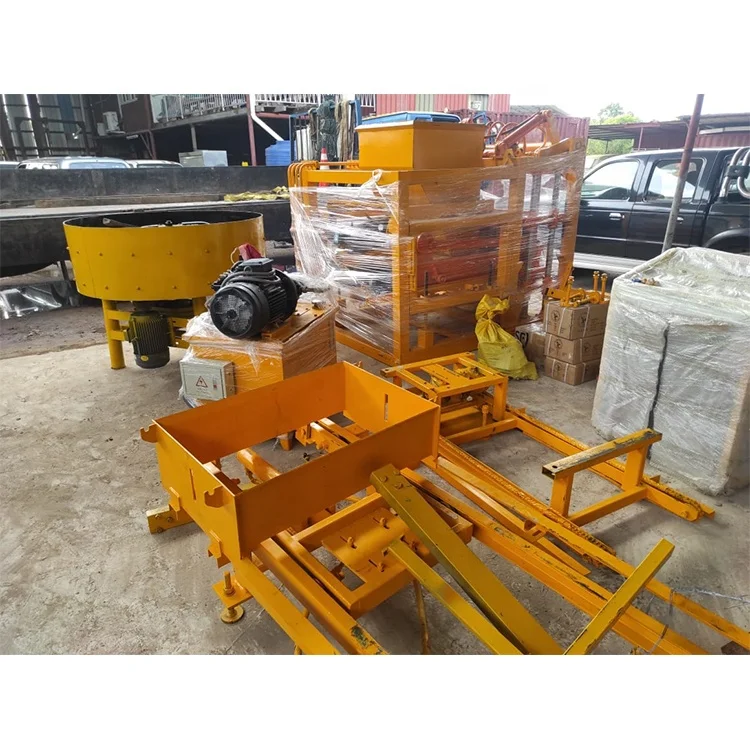
Description
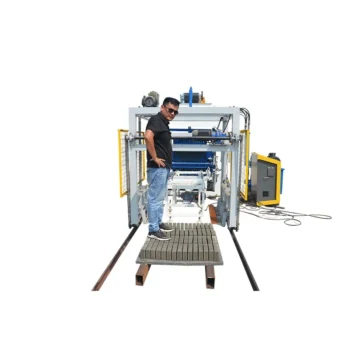
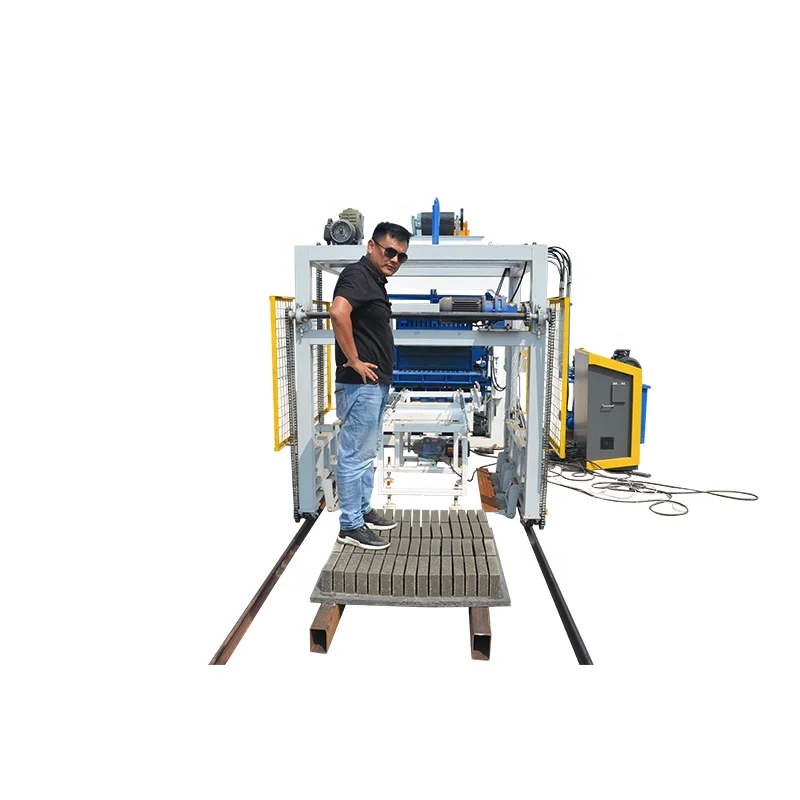
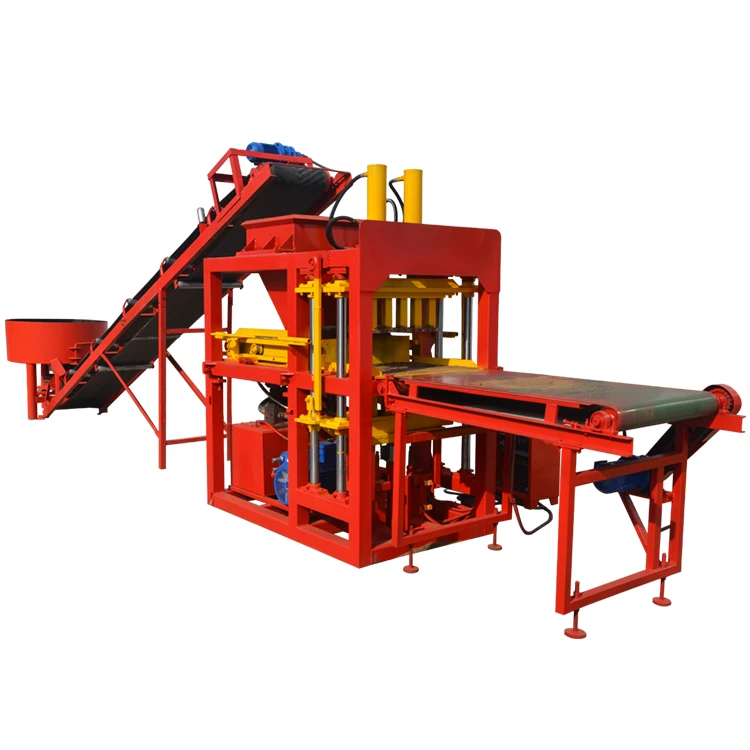
Honest capacity by format — Every output figure for the QT4-15A hydraulic block making machine specifications is tied to a named block size, not a single catalogue claim, so buyers plan daily capacity against what their market actually sells.
Technical Specifications
| Parameter | Value |
|---|---|
| Product Type | Hydraulic Block Making Machine |
| Model | QT4-15A |
| Overall Dimensions (L×W×H) | 7100 x 1600 x 2610 mm |
| Total Weight | 3 T |
| Molding Cycle | 15–25 s |
| Vibration Frequency | 4600 r/min |
| Exciting Power | 40–50 KN |
| Total Power | 18.45 kW |
| Hydraulic Pressure | source value — verify against manufacturer catalog |
| Mixer Model | JQ350 |
| Pallet Size | 850 x 550 x 25 mm |
| Control System | PLC control system |
| Automation Level | Semi-automatic with hydraulic station and PLC |
| Stacking Method | Manual |
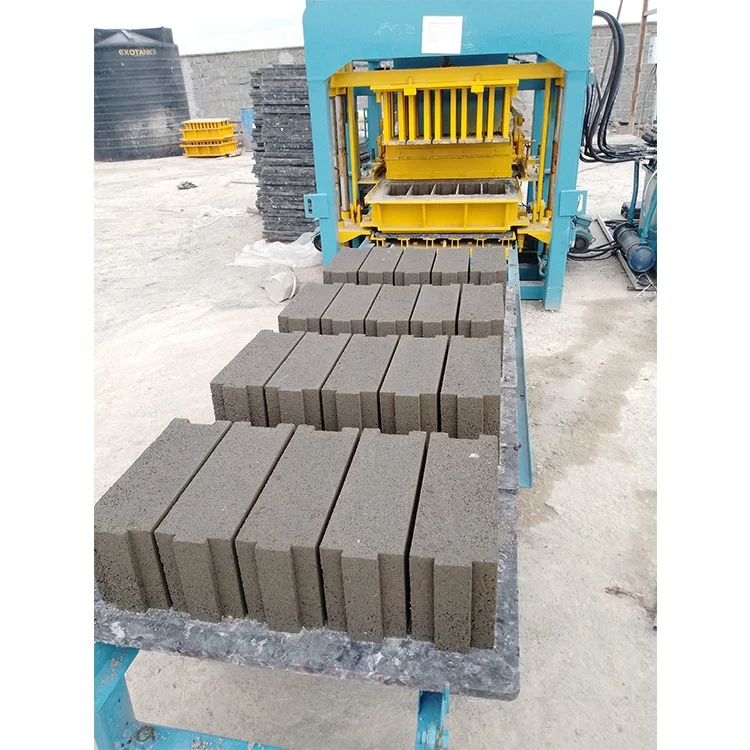
| Output Capacity (Hollow 400×200×200 mm) | 408 pcs/hr (basis: stated block format) |
| Output Capacity (Hollow 400×150×200 mm) | 510 pcs/hr (basis: stated block format) |
| Output Capacity (Solid Brick 240×115×53 mm) | 2100 pcs/hr (basis: stated block format) |
| Daily Output — 8 hr (Hollow 400×200×200 mm) | 3264 pcs |
| Daily Output — 8 hr (Hollow 400×150×200 mm) | 4080 pcs |
| Daily Output — 8 hr (Solid 240×115×53 mm) | 17000 pcs |
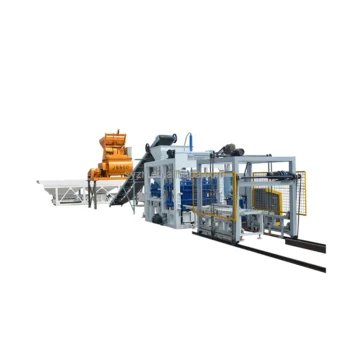
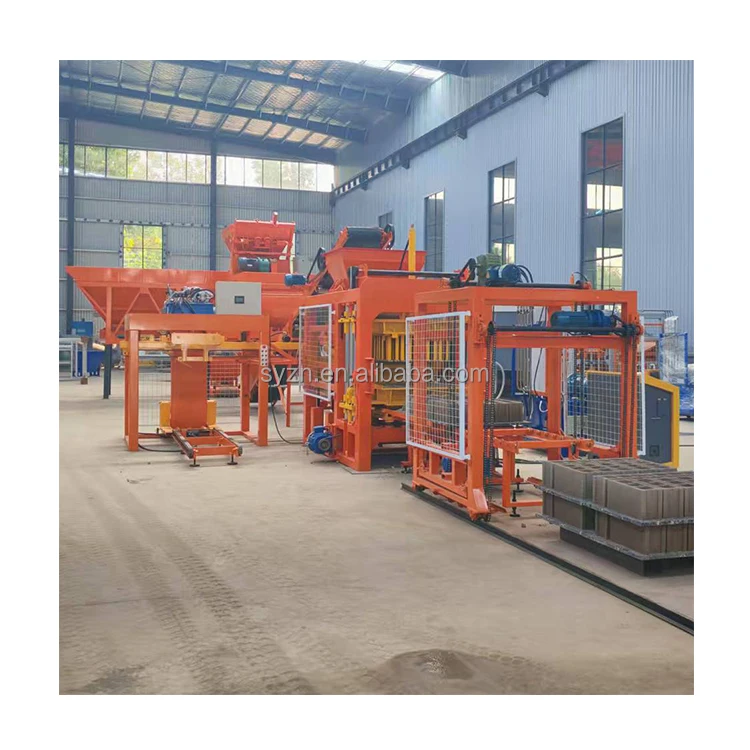
| Included Equipment | Block making machine, hydraulic station, PLC control system, pallet feeder, brick conveyor, block sweeper |
| Free Accessories | Manual hydraulic trolley, spare parts and tools |
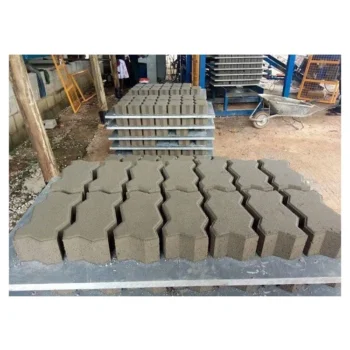
| Applied Products | Paver, solid block, hollow block, curbstone |
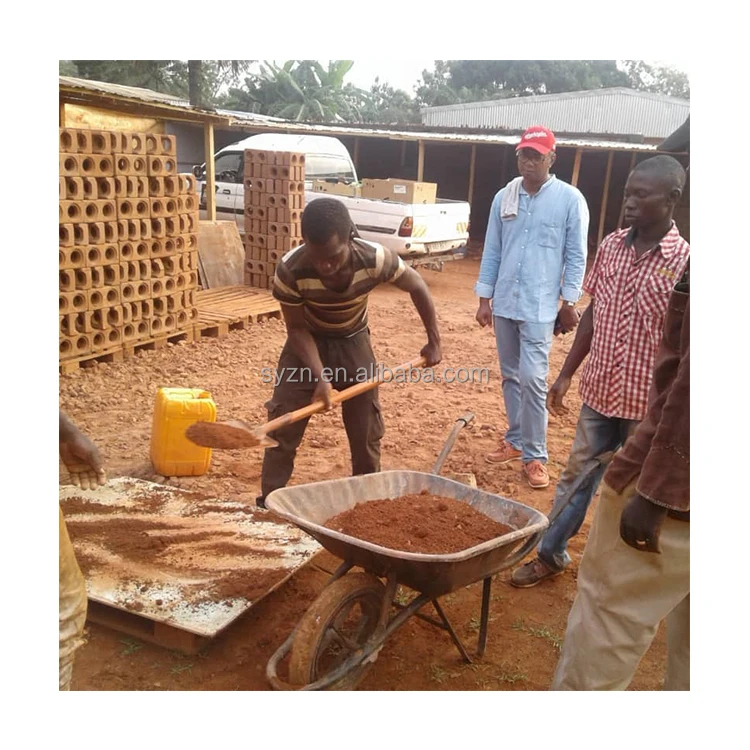
| Raw Materials | Crushed stones, sand, cement, dust, fly ash |
Application Suitability
| Application | Material or Output |
|---|---|
| Hollow block production for wall construction | Crushed stone, sand, cement, fly ash blends |
| Solid brick manufacturing for load-bearing structures | Standard concrete mix with local aggregate |
| Paver and interlocking brick production | Fine aggregate with cement for surface finish |
| Kerbstone and curb production for roadworks | Dense mix design with coarse crushed stone |
| On-site block production for housing projects | Locally sourced sand and cement with site mixer |
What "Pieces per Hour" Actually Means for the QT4-15A Hydraulic Block Making Machine Specifications
Output numbers are meaningless unless the block format is named alongside them.
When a quotation states a single capacity figure, it almost always assumes the smallest or lightest format the press can run. A buyer expecting that throughput on large hollow blocks will see daily production fall noticeably short of plan. The QT4-15A hydraulic block making machine specifications address this by listing three separate output rates — each tied to a specific block dimension and molding cycle. Before any order is placed, the buyer should confirm which format drives their revenue and plan capacity around that number, not the headline figure [NEED_CITE: common capacity misrepresentation in block machine quotations].
Matching Cycle Time to the Format You Sell
The QT4-15A runs a 15–25 second molding cycle, but that range depends heavily on block geometry and mix consistency. A solid brick at 240×115×53 mm compacts quickly and exits at the shorter end of the cycle, while a 400×200×200 mm hollow block requires longer vibration to consolidate the thin walls. The vibration frequency of 4600 r/min with 40–50 KN exciting power is configured for standard concrete mixes. When local aggregate differs — laterite soil instead of crushed granite, for example — vibration parameters need adjustment to maintain wall density and compressive strength across every batch.
Pallet Size and What It Dictates Downstream
The 850×550×25 mm pallet is the foundation the wet block sits on through curing. This dimension must match the curing rack spacing and the forklift tine width the buyer already operates. A mismatch means either buying new handling equipment or watching pallets jam on racks designed for a different size. The pallet material — bamboo, PVC, or steel — affects weight, service life, and how the block releases after curing. These decisions should be confirmed before the QT4-15A hydraulic block making machine enters production, because pallets are consumed continuously and replacement cost adds up [NEED_CITE: pallet material selection for concrete block curing].
Reading the Specification Sheet Beyond the Numbers
The total power of 18.45 kW covers the hydraulic station, vibration motor, mixer feed, and PLC panel running together. Buyers should verify that their site electrical supply can sustain this draw continuously, not just at startup. The JQ350 mixer included in the line handles standard concrete batches, but its capacity sets the upper limit on how fast fresh mix reaches the hopper — if mixing falls behind, the press sits idle between cycles. Semi-automatic operation with PLC control means the pressing sequence is automated while pallet handling and stacking remain manual, which defines how many operators the line requires per shift.
When the Wrong Configuration Costs More Than the Machine
A block machine configured for a standard sand mix arrives at a site where only red soil and crusher dust are available. The vibration force that produced strong blocks in the factory now leaves walls crumbly. Moulds wear faster against abrasive local aggregate, and replacement parts were not included in the original order. Commissioning stalls because the voltage on site is 415V/50Hz but the machine was built for 380V. These are not hypothetical problems — they show up repeatedly when specifications are confirmed by catalogue default rather than by the buyer’s actual conditions [NEED_CITE: commissioning delays caused by unconfirmed site electrical standards].
Why Buyers Specify This Line Here
Block machinery is a single focus for this operation, so the QT4-15A press, moulds, pallets, and handling equipment are matched as one system rather than assembled from unrelated suppliers. Configuration is set against the buyer’s mix design and target block format, not a generic brochure setting. Mould design covers the formats the buyer’s market demands, with custom drawings available for non-standard shapes. The automation level is selectable — a buyer can begin with semi-automatic operation and add stacking or cubing later as production volume grows. Factory testing runs the exact block format and pallet size the buyer has confirmed, so the machine arrives already proven on the specified product.
Documentation & Verification
- Line layout showing press placement, pallet flow, and curing rack arrangement for the QT4-15A footprint
- Capacity calculation sheet stating block format and cycle time assumed for each output figure
- Mould drawing and format list confirming which block shapes the quotation covers
- Pallet specification including material grade, thickness tolerance, and weight per piece
- Voltage, frequency, and PLC display language confirmation recorded before production begins
- Factory test record on the buyer’s specified block format with dimensional measurements
Installation, Commissioning & Support
- Foundation plan sized to the 7100×1600 mm footprint with anchor bolt locations for the 3 T frame
- Electrical supply requirements confirmed for 18.45 kW total draw including dedicated hydraulic circuit
- Machine shipped in dismantled state with reassembly sequence documented for site crew
- First-run commissioning on buyer’s actual raw material with vibration and pressure parameters adjusted
- Operator training covering PLC interface, mould change procedure, and daily maintenance checkpoints
- Wear parts list with hydraulic seal and vibration motor brush replacement intervals specified
What to Include with Your Inquiry
To size the QT4-15A correctly, share the block formats your market sells along with realistic daily volume targets for each. Specify the raw materials available locally — type of sand, aggregate gradation, cement grade — so vibration force and hydraulic pressure can be matched before the machine is built. Confirm your site voltage, frequency, and preferred PLC display language early, and note any existing pallets, curing racks, or forklifts so the pallet size and handling equipment align with what you already operate.
Frequently Asked Questions
Q: How is the output capacity of the QT4-15A verified, and what block format does each figure assume?
A: Each output figure is stated against a specific block dimension — 400×200×200 mm hollow, 400×150×200 mm hollow, or 240×115×53 mm solid brick. The molding cycle ranges from 15 to 25 seconds depending on format and mix. Daily output is calculated on an 8-hour shift. Buyers should plan around the format they actually sell, not the highest number on the sheet.
Q: Which mould formats are available, and what is the realistic mould change time on site?
A: Standard moulds cover hollow blocks, solid bricks, pavers, and curbstones on the same press. Custom moulds can be designed to buyer drawings. Mould change time depends on operator familiarity and whether quick-release fittings are specified — this should be confirmed before ordering so format switching fits within a single shift rather than consuming production time.
Q: How should pallet size and material be chosen to match existing curing infrastructure?
A: The standard 850×550×25 mm pallet must align with the buyer’s curing rack spacing and forklift tine width. Material options include bamboo, PVC, and steel, each with different weight, lifespan, and block-release characteristics. Confirming these details before production avoids costly handling equipment changes after the machine arrives on site.
Q: What voltage, frequency, and PLC language options are available, and when must they be confirmed?
A: Voltage and frequency are configured to the buyer’s site supply and must be confirmed before production begins — changes afterward delay commissioning. The PLC display language is set during assembly. Providing these details at the inquiry stage ensures the QT4-15A arrives ready to run without electrical modifications or language barriers on the control panel.
Q: How is vibration force matched to local aggregate and mix design?
A: The 4600 r/min vibration frequency and 40–50 KN exciting power are baseline settings for standard concrete mixes. When local aggregate differs — such as laterite, crusher dust, or recycled material — vibration parameters require adjustment to maintain block density and wall strength. This is addressed during commissioning using the buyer’s actual raw material on site.