Description
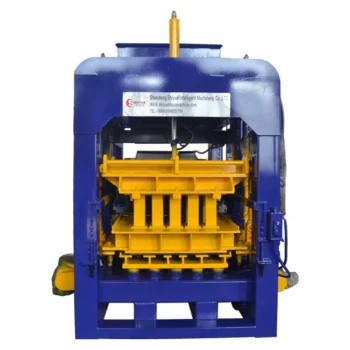
Format-Specific Capacity — cycle time, mould cavity count and pallet size for the QT4-15A are stated per block format, not as a single catalogue figure, so daily output calculations match your actual product mix.
Technical Specifications
| Parameter | Value |
|---|---|
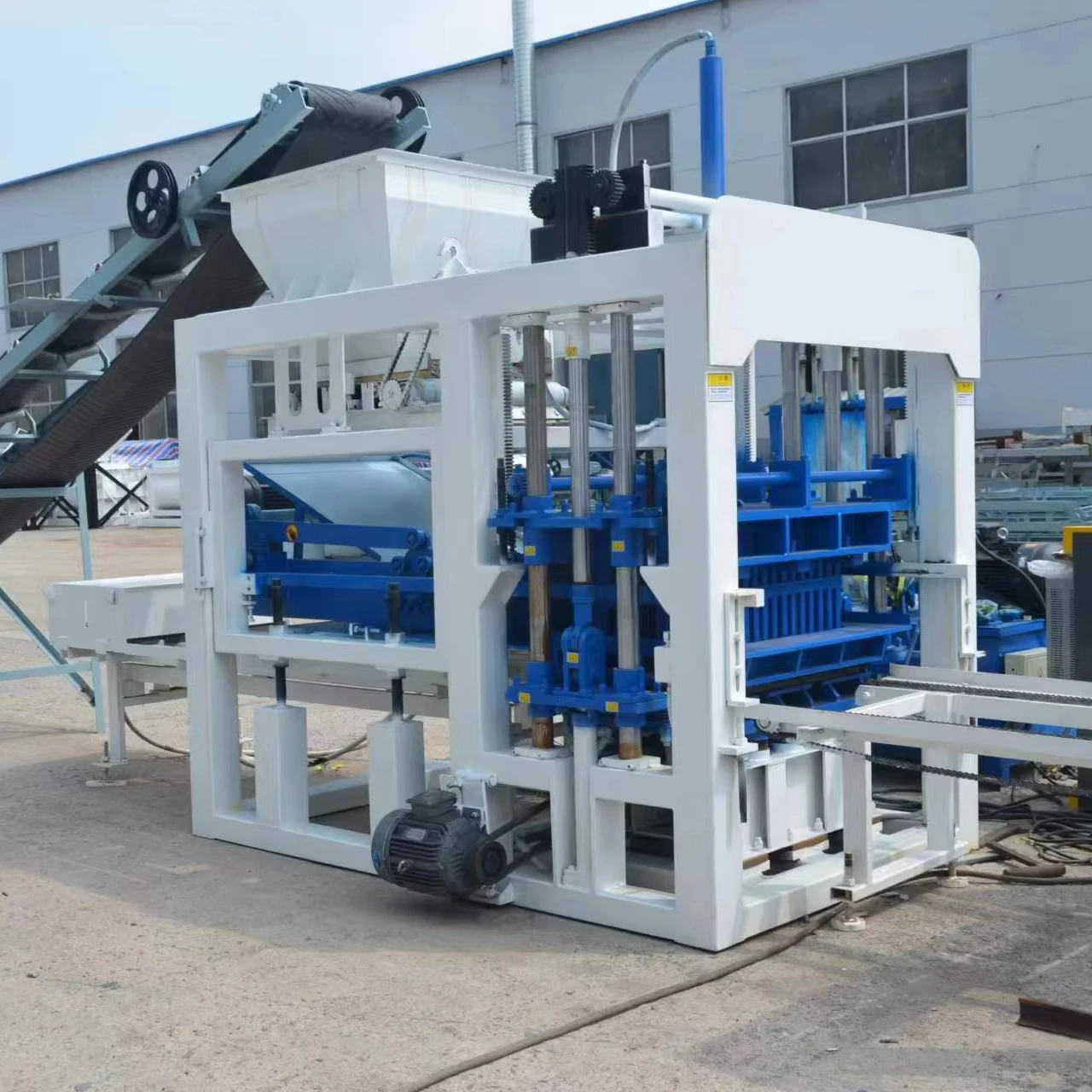
| Model | QT4-15A |
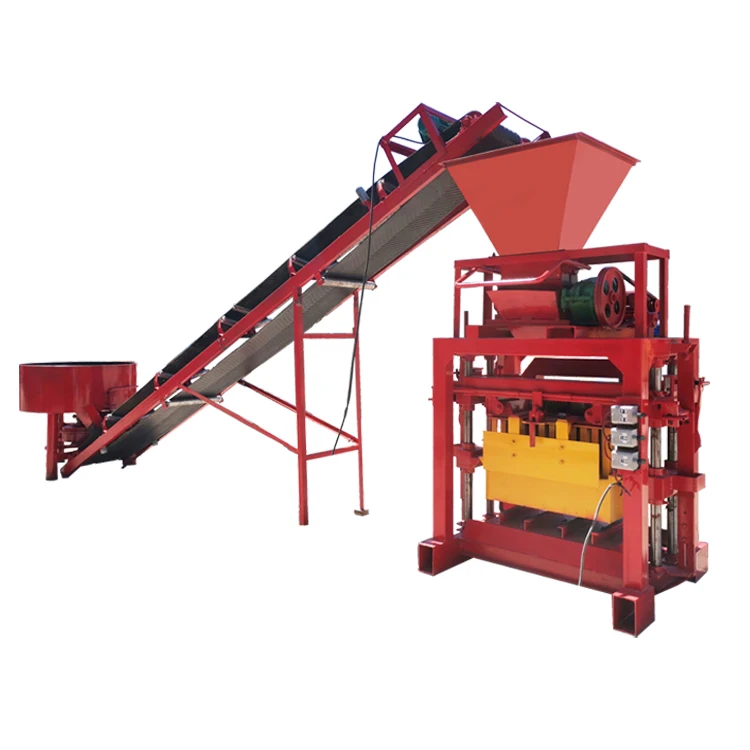
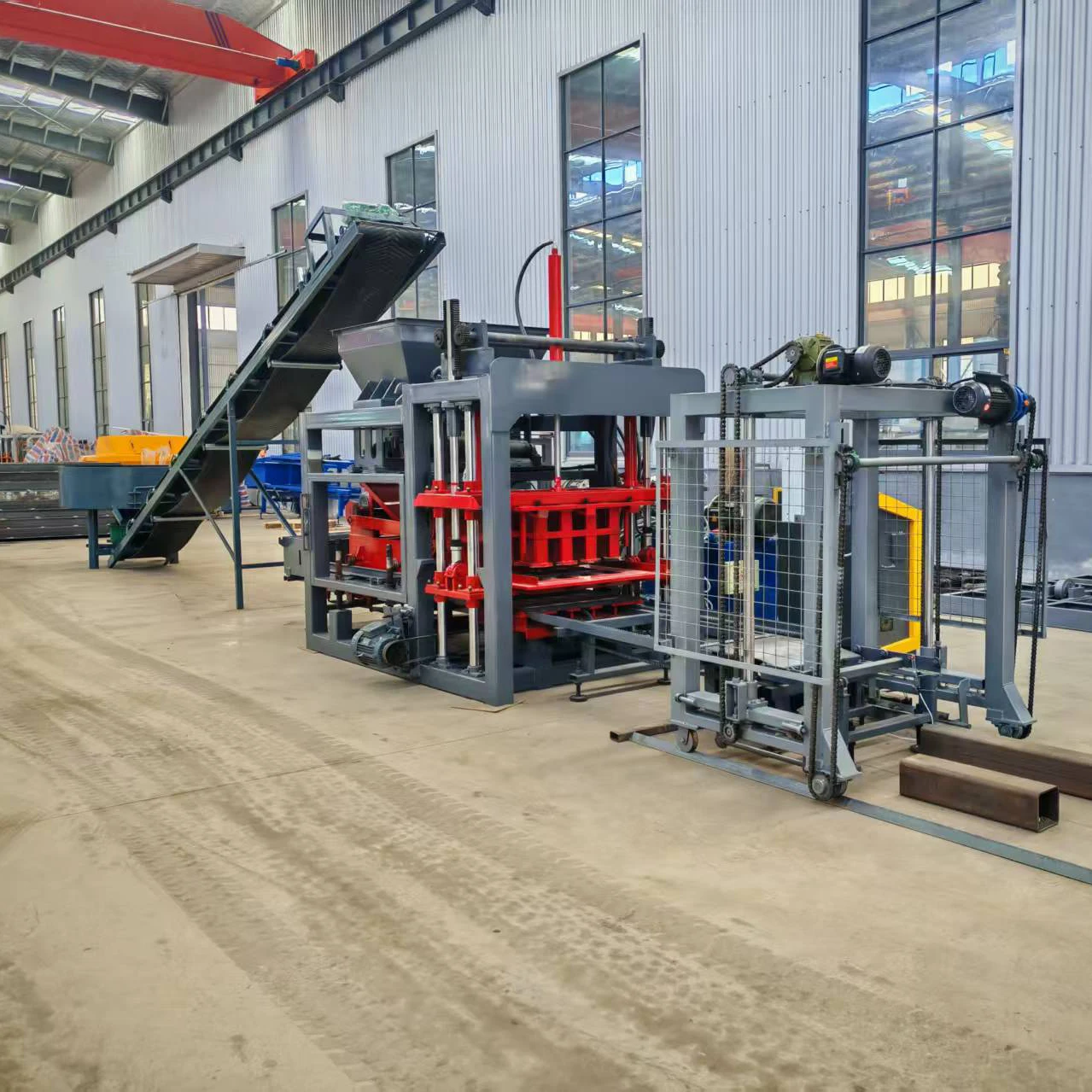
| Product Type | Fully Automatic Concrete Block Making Machine |
| Overall Dimensions (L×W×H) | 4100×1600×2600 mm |
| Rated Pressure | 16–21 MPa |
| Main Vibration Form | Platform Vibration |
| Vibration Frequency | 4200 r/min |
| Vibration Force | 55 kN |
| Pallet Size | 880×550 mm |
| Molding Cycle | 25–30 s (basis not stated in source) |
| Overall Power | 18.45 kW |
| Total Mass | 4 T |
| Demolding Method | Hydraulic |
| Factory Area | 300 m² |
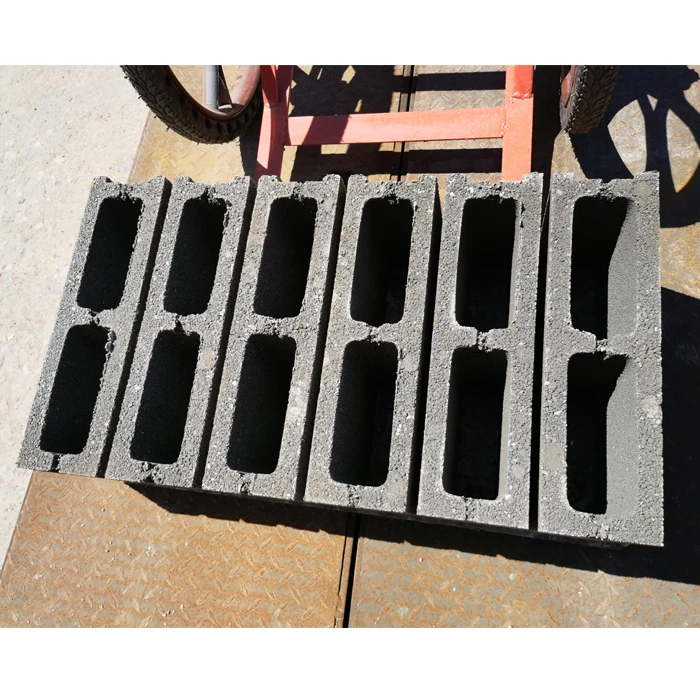
| Applied Products | Concrete hollow blocks, solid blocks, pavers, interlocking blocks, curbstone, colored pavers |
| Raw Materials | Crushed stone, sand, cement, dust, fly ash, gravel, slag |
| Automation Level | Fully Automatic |
| Mould Format | Custom moulds per buyer drawings |
| Warranty | 1 year (excluding spare parts) |
| Loading | 1×40HQ container (basic equipment) |
Application Suitability
| Application | Material or Output |
|---|---|
| Hollow block production for regional construction markets | Crushed stone, sand, cement mixes with local aggregate |
| Solid block manufacturing for load-bearing walls | Fly ash, gravel, slag blended with cement |
| Paving block and colored paver runs for municipal projects | Fine sand, cement, pigment with platform vibration |
| Interlocking brick production for landscaping and housing | Crushed stone and cement with custom mould cavities |
| Curbstone forming for road and infrastructure contractors | Coarse aggregate, cement with extended cycle settings |
| On-site block production for housing development contractors | Locally sourced sand and gravel with mobile plant layout |
Why "25–30 Seconds per Cycle" Can Mislead Your Output Plan
The QT4-15A block machine specifications only translate to daily output when tied to a specific block format, wall thickness, and mix design.
Manufacturers quote molding cycles as a single range without stating which block format that figure assumes. A 25-second cycle might apply to a thin paver, while a 200 mm hollow block on the same press could need 30 seconds or more — cutting your hourly output by a meaningful margin. I have seen buyers order machines based on a headline cycle time, then discover their primary product runs slower than the brochure suggested. The vibration force, hydraulic pressure, and raw material behavior all shift depending on what you are actually pressing. That is why the QT4-15A block machine specifications should always be read alongside a format-specific capacity sheet. [NEED_CITE: how block format and thickness affect cycle time on hydraulic vibration presses]
Mould Cavity Count and Format Matching
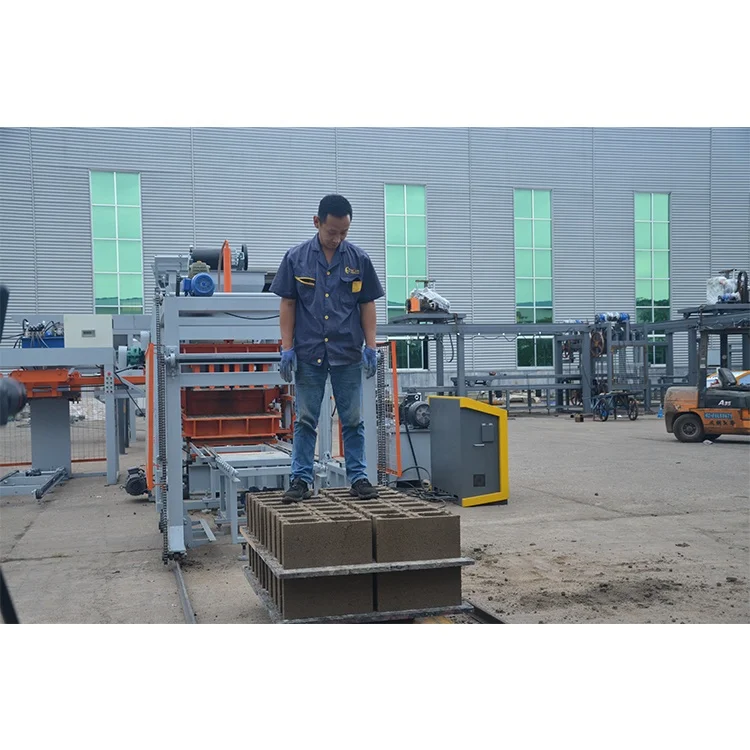
Every block format your market sells requires its own mould, and each mould has a different cavity count on the 880×550 mm pallet. A hollow block mould might place four cavities per cycle, while a paver mould could fit significantly more across the same pallet area. The QT4-15A accepts custom moulds built to buyer drawings, which means the cavity count — and therefore the pieces-per-cycle figure — is determined by your product range, not by a default catalogue entry. Before confirming an order, we map each target format to its mould layout and state the realistic pieces per cycle for that exact product.
Vibration Force and Hydraulic Pressure Against Local Aggregate
The 55 kN vibration force and 16–21 MPa rated pressure must be matched to the density and abrasiveness of the aggregate available at your site. If your local crushed stone has a high clay or silt content, the mix behaves differently under vibration — the material may not consolidate properly at standard settings, leading to weak blocks that fail drop tests. I once worked on a shipment where the buyer’s stone dust had a high fines content, and the standard vibration profile produced blocks that crumbled at the edges. Adjusting the vibration frequency and pressure curve to that specific mix solved the problem, but it required knowing the material before the machine left the factory. The QT4-15A block machine specifications are a starting point; the final settings depend on your raw material trial. [NEED_CITE: effect of aggregate fines content on block compressive strength]
Interpreting the Core Parameters for Daily Production
The 4200 r/min vibration frequency works alongside the 55 kN force to compact the concrete mix within the mould. Higher frequency with lower force suits fine-grained mixes like paver production, while denser hollow block mixes need the full pressure range to achieve structural strength. The 880×550 mm pallet size directly determines how many blocks fit per cycle and must align with your curing rack dimensions and forklift capacity — a pallet that does not match your existing handling equipment creates a bottleneck downstream. The 300 m² factory area requirement includes space for the press, mixer, pallet return system, and initial curing, so your site plan should account for the full footprint. Total mass of 4 T affects foundation design; the concrete pad must handle dynamic vibration loads, not just static weight.
What Happens When Pallet and Mould Are Not Specified Together
When a buyer receives a quotation that lists the press alone, the pallet size, mould cavity count, and handling equipment are left to assumption. The result is a machine that arrives without the right pallets for the curing racks already built on site, or moulds that produce a format the local market does not buy. I have seen production lines sit idle for weeks while replacement pallets were shipped overseas, because the original order never confirmed pallet dimensions against the buyer’s existing forklift and rack system. The QT4-15A is specified as a matched set — press, mould, pallet, and handling — so each component fits the others before the container is loaded. [NEED_CITE: common causes of block plant commissioning delays related to mismatched pallets]
Why Buyers Specify With Us
Block machinery is our single focus, so the QT4-15A is never quoted as a standalone press — machine, mould, pallet, and handling are configured as one system. Every configuration starts with your actual mix design and local aggregate, not a default catalogue setting. Mould design covers the formats your market sells, including custom drawings for non-standard block shapes. The automation level is selectable, meaning a buyer can start with semi-automatic pallet handling and add automatic stacking later as production scales. Installation support includes operator training on your specific mould set and material profile.
Documentation & Verification
- Line layout showing QT4-15A footprint with capacity calculated per block format
- Mould drawing and format list with cavity count for each product type
- Pallet specification confirming size, material, and thickness against your curing racks
- Hydraulic and electrical schematic with confirmed voltage and control language
- Factory test record using your target mix design before dispatch
- Packing photographs and customs documentation for the 40HQ container load
Installation, Commissioning & Support
- Concrete foundation designed for 4 T dynamic load and platform vibration forces
- Dedicated power circuit matching confirmed voltage and 18.45 kW total draw
- Machine arrives dismantled in one 40HQ container with reassembly on site
- First-run commissioning with vibration and pressure tuned to your local aggregate
- Operator training covering mould change procedures and cycle settings per format
- Wear parts list and hydraulic seal kit supplied for initial maintenance cycles
What to Include in Your Inquiry
To size the QT4-15A correctly for your production, share the block formats you plan to sell, the target daily output per format, and a sample of your local raw materials. Confirm your site voltage, frequency, and preferred PLC display language so the control system is built to match. Let us know your existing curing area dimensions and forklift capacity so the pallet specification aligns with your handling setup. If you have drawings for non-standard block shapes, include those with your first message.
Frequently Asked Questions
Q: What block format is the 25–30 s molding cycle based on, and what is the realistic daily output?
A: The 25–30 s cycle is a general range; the actual cycle time depends on block format, wall thickness, and mix design. We provide a capacity calculation sheet that states the cycle time and daily output for each specific block format you plan to produce, based on your raw material trial and mould cavity count.
Q: Which moulds are included with the QT4-15A, and can I order custom formats?
A: The QT4-15A accepts custom moulds built to your drawings. We include a mould format list showing cavity count per product, and we can design moulds for any block shape your local market requires, from standard hollow blocks to interlocking pavers and curbstones.
Q: How do vibration force and hydraulic pressure match my local aggregate and mix design?
A: The 55 kN vibration force and 16–21 MPa pressure range are starting points. We test your actual raw material sample to determine the optimal vibration profile and pressure settings, then confirm these values in the factory test record before the machine ships.
Q: Is the 880×550 mm pallet compatible with my existing curing area and handling equipment?
A: Pallet size must match your curing racks and forklift. We confirm pallet dimensions, material, and thickness against your site equipment during the configuration stage, so the pallets integrate with your existing handling system without modification.
Q: What documentation confirms capacity per format, mould list, and pallet specification before shipment?
A: Before dispatch, you receive a line layout with format-specific capacity calculations, mould drawings with cavity counts, a pallet specification sheet matched to your curing setup, and a factory test record run on your target mix design.