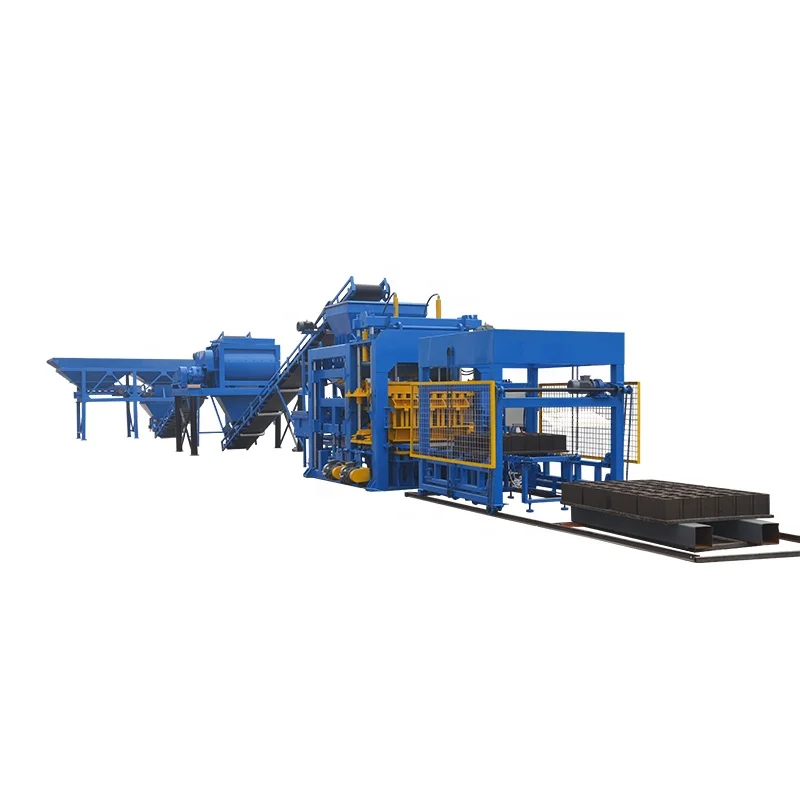
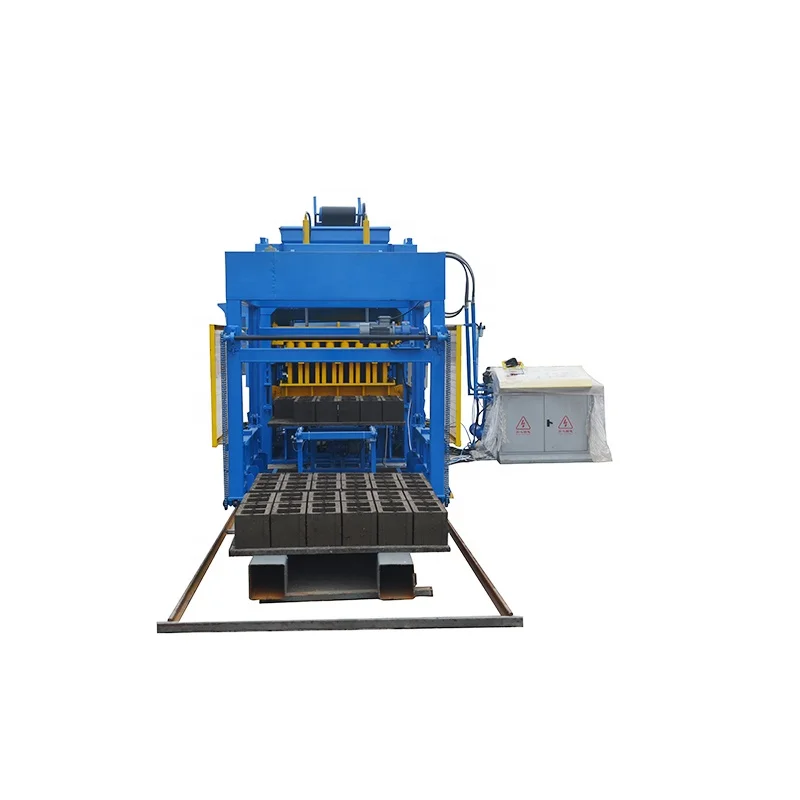


Description
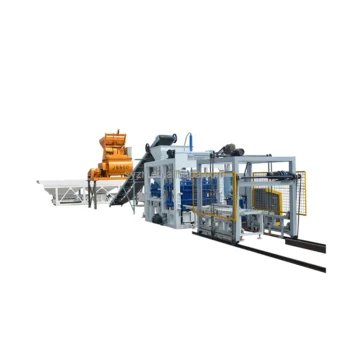
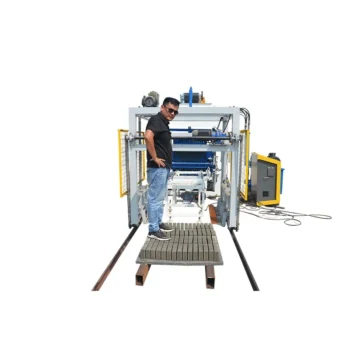
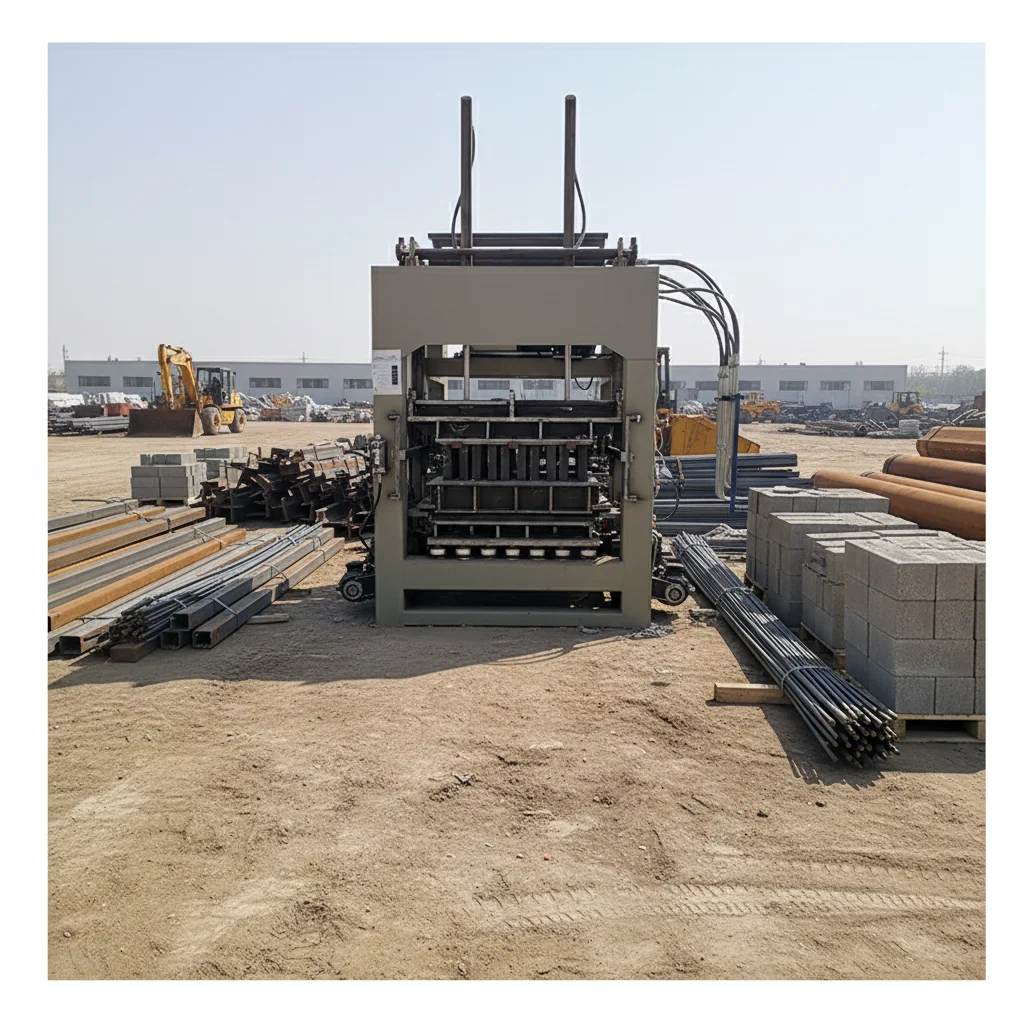
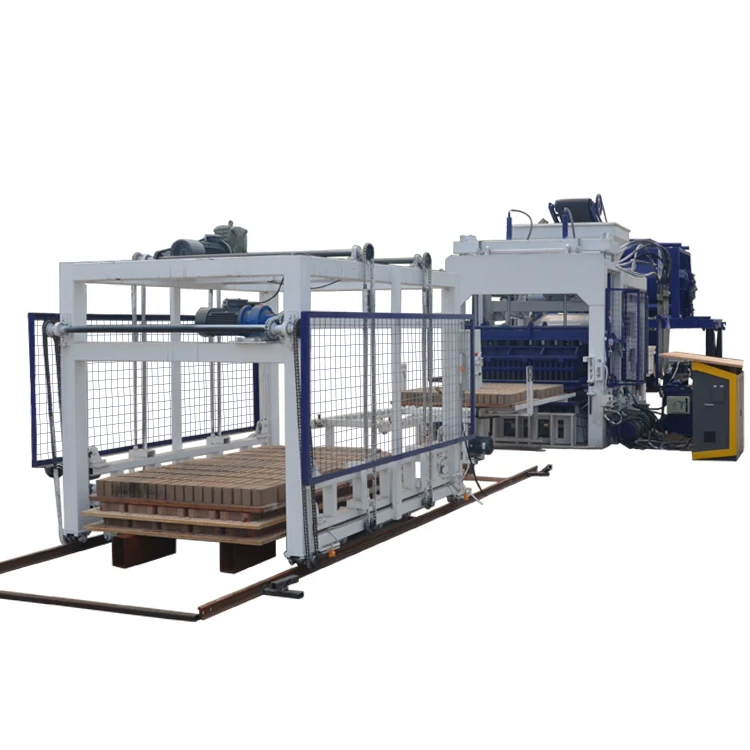
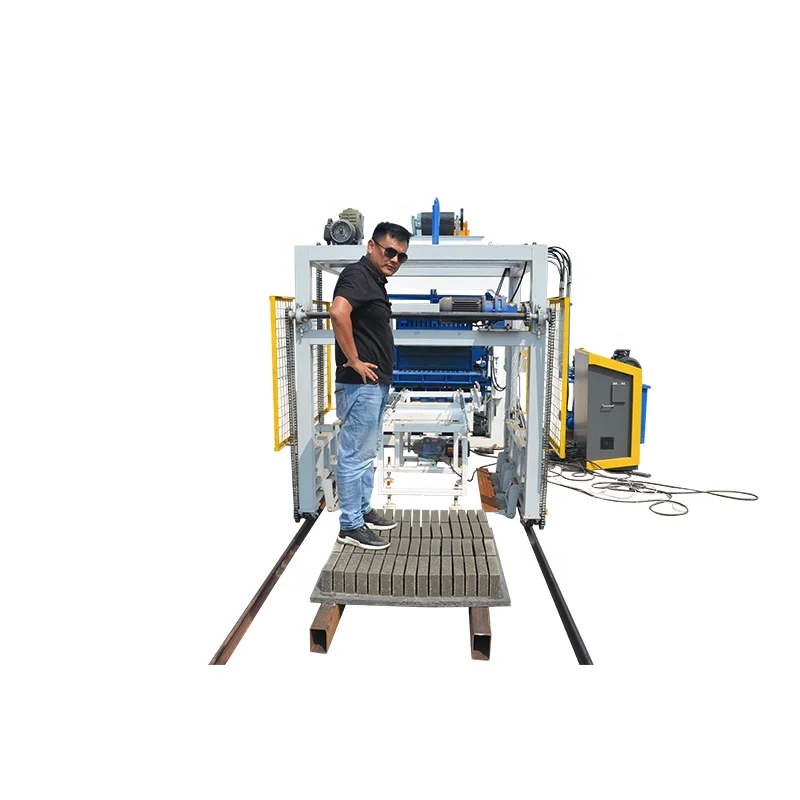
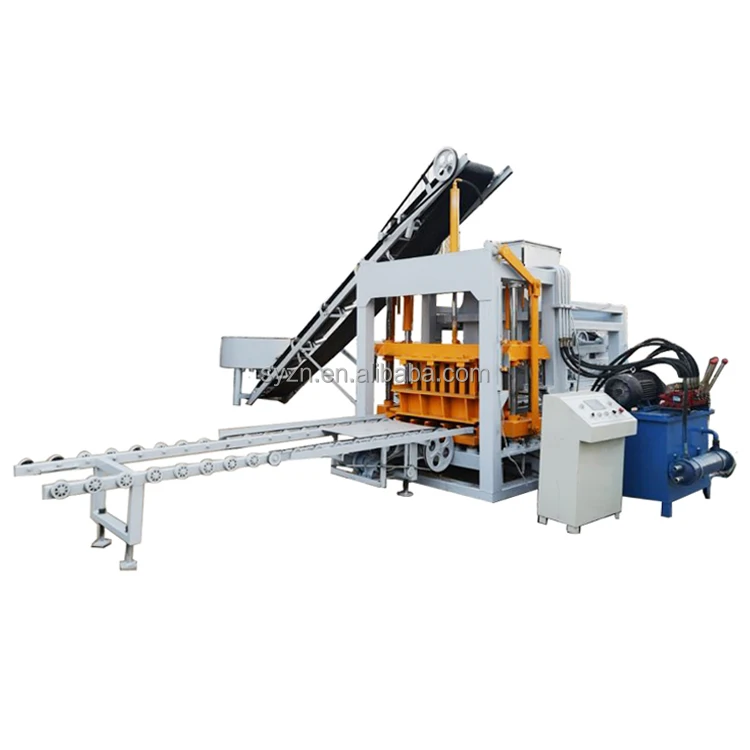
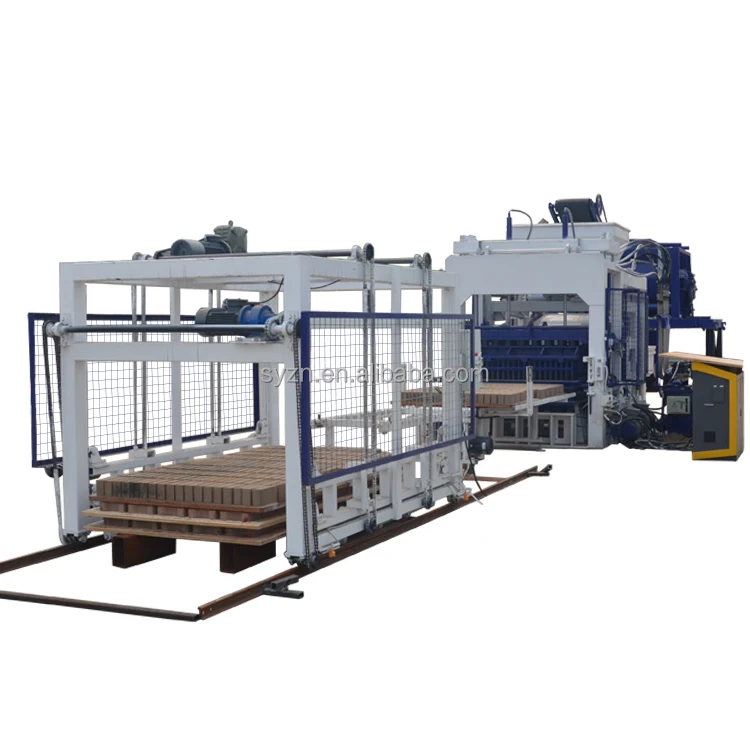
Matched System Integration — every QT12-15 configuration pairs the press, pallet, mould and handling equipment as one tested unit, sized against your target block format and local aggregate rather than a catalogue default.
Technical Specifications
| Parameter | Value |
|---|---|
| Model | QT12-15 |
| Product Type | Concrete Block Making Machine |
| Total Power | 62 kW |
| Pallet Size | 1300 × 900 mm |
| Moulding Cycle | 15–30 seconds (basis not stated in source — confirm block format, material and thickness) |
| Vibration Type | Table vibration |
| Vibration Acceleration | 20g |
| Vibration Force | 120 kN (source value — verify against manufacturer catalog) |
| Voltage | Customized to local industrial supply |
| Mould Compatibility | Custom-built to buyer’s block dimensions |
| Block Formats | Hollow blocks, solid blocks, interlocking bricks, wall blocks, porous bricks, pavement bricks, slope protection bricks |
Application Suitability
| Application | Material or Output |
|---|---|
| Hollow block production for residential and commercial walls | Crushed stone, sand, cement and fly ash mixes |
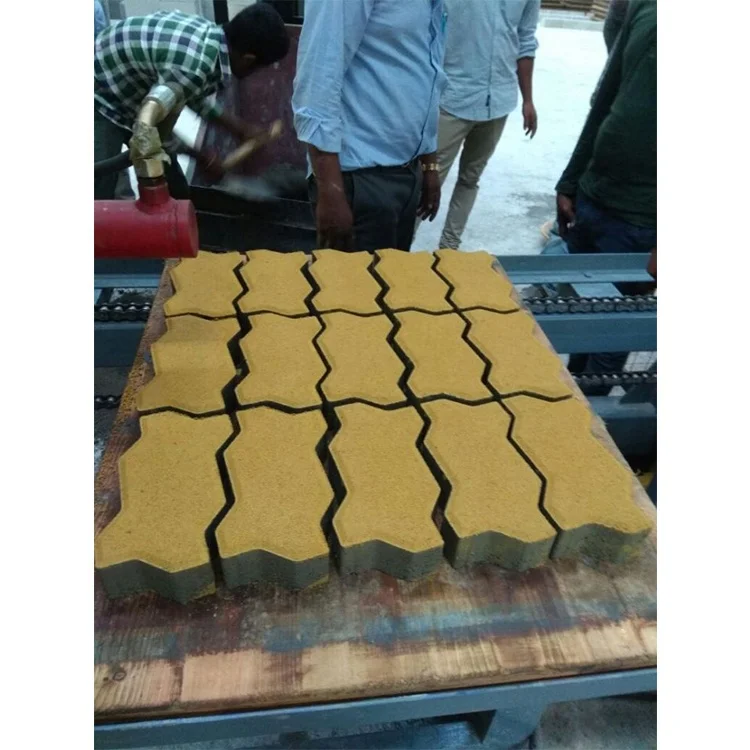
| Interlocking pavement brick manufacturing for driveways and walkways | Fine aggregate and cement with pigment additives |
| Porous brick production for permeable urban surfaces | Graded aggregate blends designed for water infiltration |
| Slope protection brick forming for embankments and retaining walls | Heavy-weight concrete mixes with coarse aggregate |
| Solid block manufacturing for load-bearing structures | Dense aggregate and cement at higher compaction |
What "15 to 30 Seconds" Really Means for Your Daily Output
A cycle time is only honest when tied to the exact block format it assumes.
I have watched buyers sign contracts based on a headline cycle number, then discover during commissioning that the figure applied to a thin paver rather than the 200 mm hollow block their market actually demanded. The QT12-15 block making machine specifications must be read with the block format in view, because the difference between a 15-second paver cycle and a 30-second hollow block cycle can halve your realistic daily output. When I review a project, the first question is always which block the buyer sells most of, not what the brochure leads with [NEED_CITE: block format assumptions in capacity quoting]. Without that anchor, no capacity number means anything on the shop floor.
Mould Selection Against Your Market Reality
The QT12-15 supports a wide range of mould formats — hollow, solid, interlocking, porous and slope protection — but each format changes the cycle dynamics. A human wall block draws a different vibration profile and press time than a pavement brick. This is where the QT12-15 block making machine specifications matter most: choosing the right mould is not about how many formats the machine can run, but which ones your local construction market actually orders in volume.
Pallet Size as a Line-Wide Constraint
The 1300 × 900 mm pallet defines how many blocks are formed per cycle, but it also dictates your curing rack dimensions, forklift capacity and the footprint of your drying yard. A buyer who confirms pallet size early avoids discovering that their existing handling equipment cannot move a loaded pallet, or that the curing area must be rebuilt to match [NEED_CITE: pallet and curing area compatibility in block plants]. The QT12-15 block making machine specifications lock this dimension in, so the entire downstream layout must be designed around it before the machine ships.
How Vibration and Pressure Shape Block Strength
Table vibration at 20g acceleration, supported by four-axis vibration technology, distributes excitation force across the pallet surface to compact the mix uniformly. The 120 kN vibration force works together with hydraulic pressure — a parameter to be confirmed for your specific configuration — to determine the density and compressive strength of each block. In practice, I have seen the same mix produce acceptable pavers but under-strength hollow blocks when the vibration-to-pressure ratio was not adjusted for the mould cavity depth. The QT12-15 block making machine specifications list the vibration values, but matching them to your aggregate grading and cement content is where commissioning either succeeds or stalls.
The Cost of Skipping the Format Conversation
When a machine arrives configured for a default mix that does not match locally available aggregate, the buyer faces a choice between importing costly materials or re-tuning every parameter from scratch. I once supported a project where the first two weeks of production fell far below expectation because the local sand carried a high clay content, absorbing vibration energy that should have compacted the block. By the time the mix was corrected, the buyer had already questioned whether the machine itself was at fault [NEED_CITE: aggregate quality impact on block strength consistency].
Why Sizing Starts With Your Block, Not Our Catalogue
Configuration is set against your actual target format, mix design and local raw material, not pulled from a standard product sheet. Moulds are custom-designed to the block dimensions your construction market specifies, including drawings reviewed before cutting steel. Pallet size, automation level and supporting equipment — feeding, stacking, curing rack handling — are confirmed as one line so the press is never left waiting for a pallet or a mix batch. Voltage, frequency and control language are locked before production begins, so commissioning does not stall over a mismatch at the electrical panel [NEED_CITE: voltage and frequency confirmation in export machinery]. Factory testing runs your specific block format, not a generic demonstration cycle.
Documentation & Verification
- Line layout drawing with capacity calculated per block format you intend to produce
- Mould drawing and format list confirming exact cavity dimensions before fabrication
- Pallet specification matched to your curing rack and forklift rated capacity
- Voltage, frequency and PLC display language confirmed in writing before production
- Factory test record showing cycle times and block samples for your chosen format
- Packing photographs and customs documentation prepared for your destination port
Installation, Commissioning & Support
- Foundation plan sized to the QT12-15 total power draw and vibration load
- Dedicated circuit confirmation for 62 kW total connected load at your site voltage
- Machine dismantled for container loading with reassembly sequence documented
- First-run commissioning with vibration and pressure tuned to your local mix design
- Operator training covering mould change procedure and daily maintenance checkpoints
- Wear parts list and mould inventory established before first replacement cycle
What to Prepare Before Requesting a Quote
To size the QT12-15 accurately, share the block formats your market demands, including exact dimensions and target compressive strength. Provide a sample or analysis of your locally available aggregate and sand. Confirm your site voltage, frequency and preferred control language, along with the curing area dimensions and forklift capacity you already have in place.
Frequently Asked Questions
Q: What is the realistic daily output of the QT12-15 for each block format?
A: Output depends entirely on the block format, wall thickness and mix design behind each cycle. A thin interlocking paver may complete a cycle at the lower end of the range, while a deep-cavity hollow block requires the upper end. We calculate daily capacity per format using your confirmed pallet layout and shift hours, not a single headline figure.
Q: How does the 1300 × 900 mm pallet size affect my curing area and handling equipment?
A: Every loaded pallet must fit your curing racks and be movable by your forklift. The 1300 × 900 mm pallet determines the rack bay width, the stacking height your forklift can manage, and the yard area needed for the curing cycle. We confirm these dimensions against your existing setup before production begins.
Q: What is the mould change procedure and how long does a format switch take?
A: Mould change time depends on the mounting system and mould weight for your chosen formats. We specify the changeover method — manual or assisted — during configuration and include the procedure in operator training so that switching between a hollow block and a paver does not consume most of a production shift.
Q: How is the machine configured to match my local aggregate and mix design?
A: Before we finalise vibration and pressure settings, we review your local aggregate grading, sand type and cement availability. The commissioning process adjusts parameters to your actual mix, ensuring block strength meets your market requirement rather than a laboratory assumption that may not hold on your shop floor.
Q: What voltage and control language options are confirmed before shipment?
A: We confirm your site voltage, frequency and the PLC display language in writing before the machine enters production. This step is built into the sales process so that the QT12-15 arrives ready to connect and operate, without delays caused by electrical or interface mismatches at your facility.