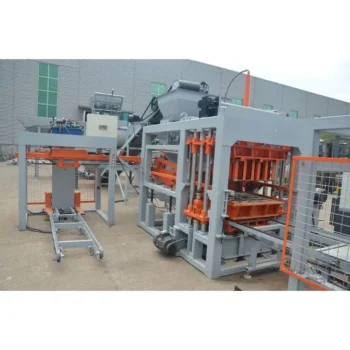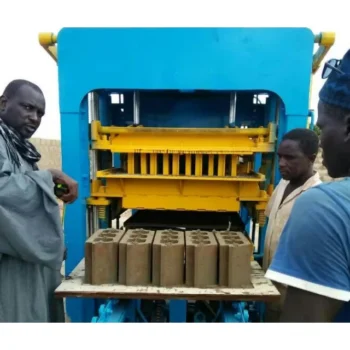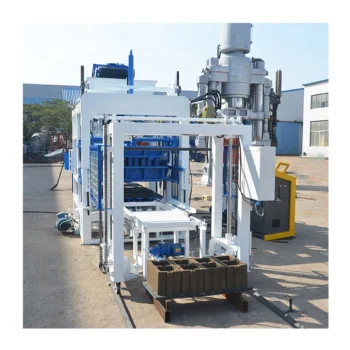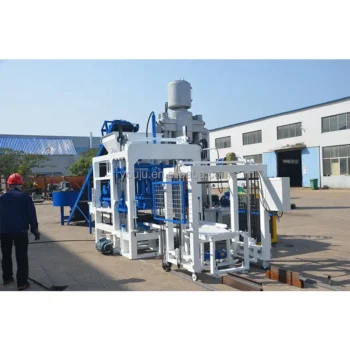

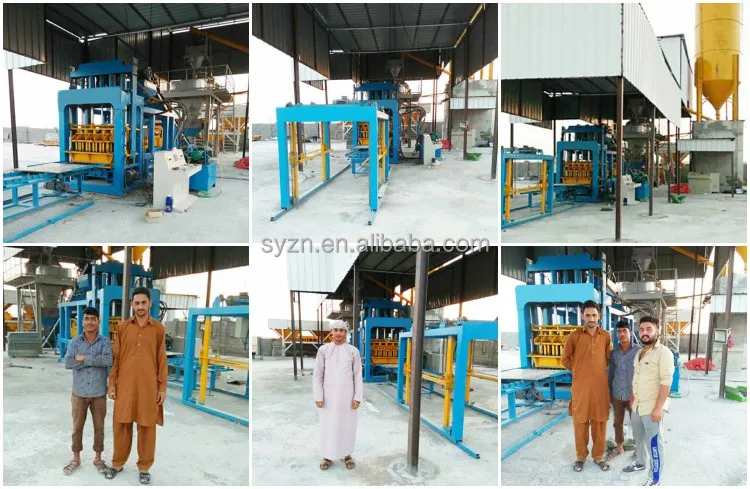
Description
Matched System Sizing — every output figure for the QT10-15 is tied to a specific block size, mould cavity count, and cycle time range rather than a single headline number.
Technical Specifications
| Parameter | Value |
|---|---|
| Model | QT10-15 |
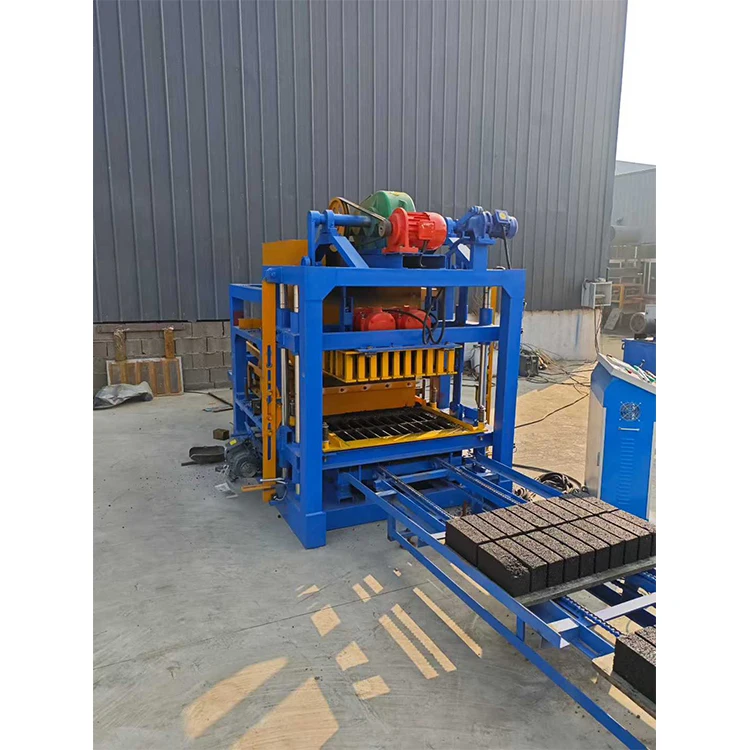
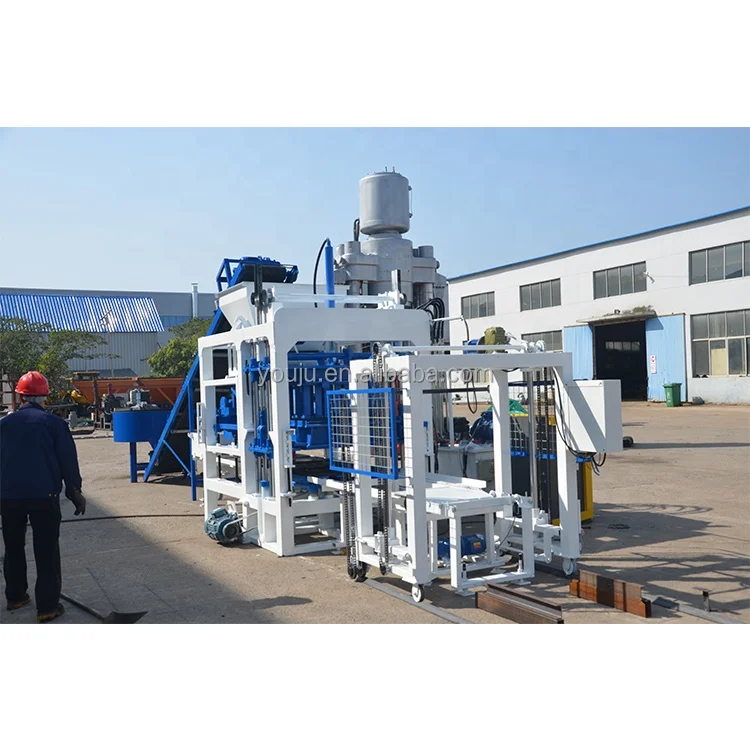
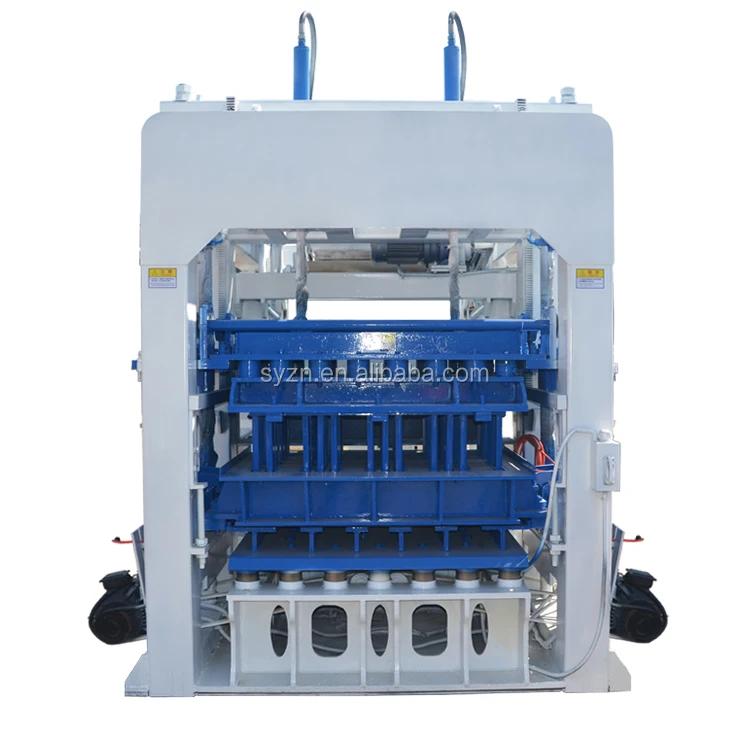
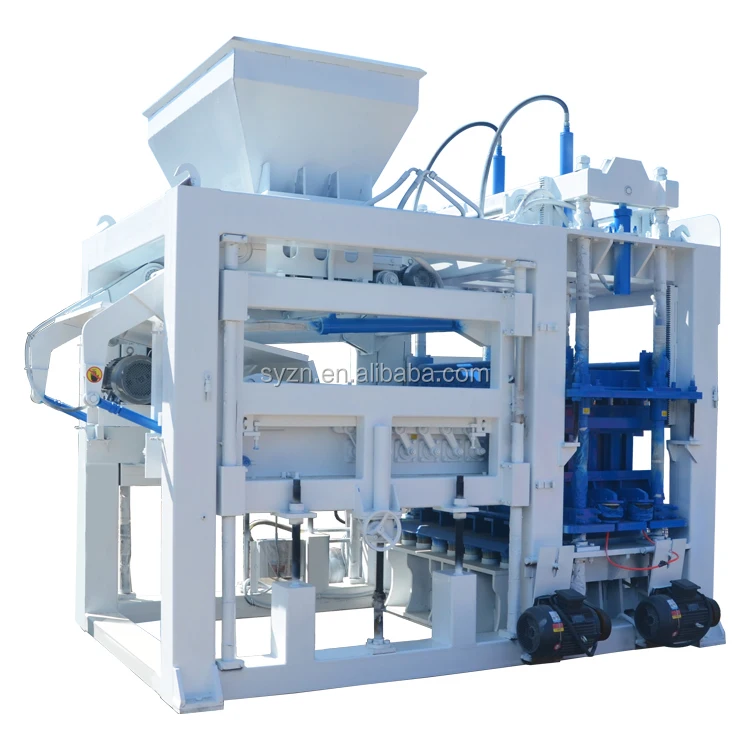
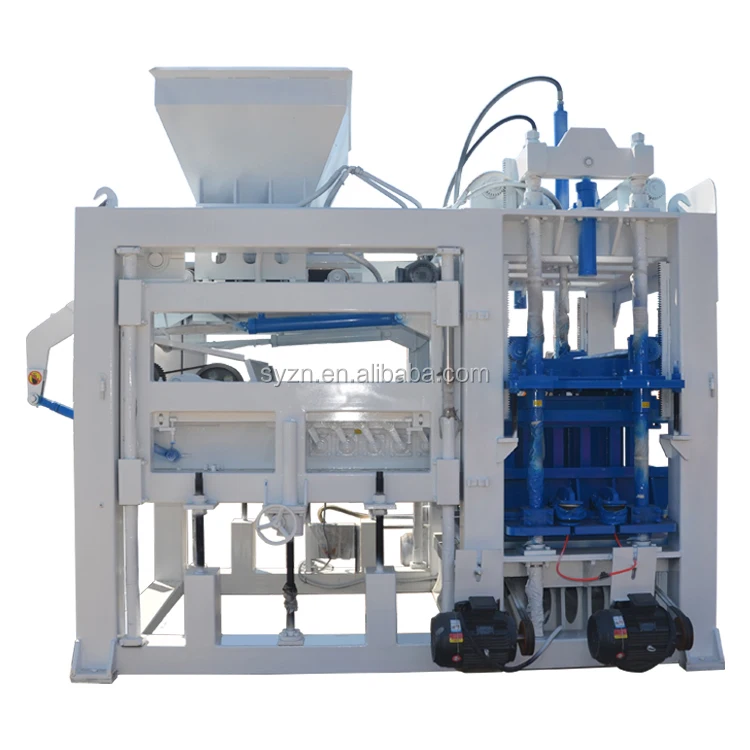
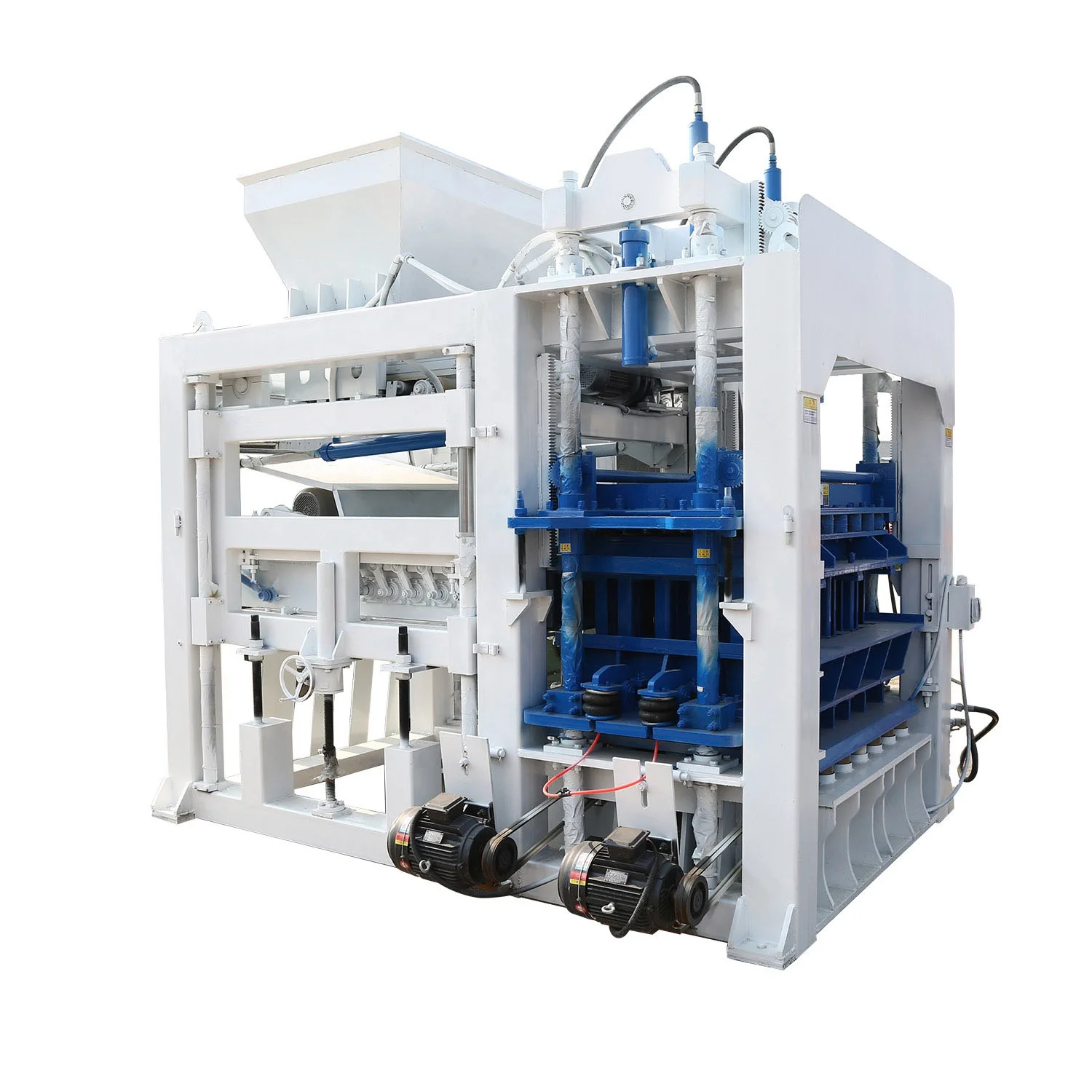
| Product Type | Automatic Hydraulic Concrete Block Making Machine |
| Control System | PLC control cabinet |
| Hydraulic System | Independent integrated hydraulic station |
| Mould Change System | Quick replacement for multi-format production |
| Automation Level | Automatic (pallet feed, block making, storage hopper, conveyor, hydraulic unit, PLC) |
| Included Stations | Pallet feed machine, block making machine, storage hopper, conveyor, hydraulic unit, PLC control cabinet |
| Cycle Time (400×200×200mm hollow block) | 15–20s |
| Output Capacity (400×200×200mm hollow block, 10 pcs/mould) | 1,800–2,400 pcs/h, 14,400–19,200 pcs/8hr |
| Cycle Time (400×150×200mm hollow block) | 15–20s |
| Output Capacity (400×150×200mm hollow block, 12 pcs/mould) | 2,160–2,880 pcs/h, 17,280–23,040 pcs/8hr |
| Cycle Time (240×115×53mm solid brick) | 15–20s |
| Output Capacity (240×115×53mm solid brick, 62 pcs/mould) | 8,928–11,160 pcs/h, 71,424–89,280 pcs/8hr |
| Cycle Time (200×100×60mm paving block) | 20–25s |
| Output Capacity (200×100×60mm paving block, 27 pcs/mould) | 5,184–6,480 pcs/h, 41,472–51,840 pcs/8hr |
| Cycle Time (225×112.5×60mm interlocking block) | 20–25s |
| Output Capacity (225×112.5×60mm interlocking block, 24 pcs/mould) | 4,032–5,040 pcs/h, 32,256–40,320 pcs/8hr |
| Pallet Size | (basis to be confirmed) |
| Vibration Force | (basis to be confirmed) |
| Hydraulic Pressure | (basis to be confirmed) |
| Rated Power | (basis to be confirmed) |
| Voltage & Frequency | (basis to be confirmed) |
| Overall Dimensions | (basis to be confirmed) |
| Net Weight | (basis to be confirmed) |
| Warranty | 1 year (whole machine, excluding spare parts) |
Application Suitability
| Application | Material or Output |
|---|---|
| Hollow block production | 400×200×200mm and 400×150×200mm formats from crushed stone, sand, and cement |
| Solid brick production | 240×115×53mm standard bricks from local aggregate and cement mixes |
| Paving block production | 200×100×60mm and 225×112.5×60mm pavers from high-strength concrete mixes |
| Interlocking brick production | Interlocking and porous brick formats for retaining walls and permeable surfaces |
| Block and paver production plants | Multi-format output for commercial block yards serving regional construction markets |
| Housing project on-site production | Localised block making for development contractors producing on their own site |
| Format expansion for existing plants | Adding pavers or interlocking bricks to a line currently running hollow blocks |
What "2,400 Pieces per Hour" Leaves Out About Block Machine Capacity
Capacity means nothing without the format, mould cavity count, and cycle time behind it.
Every automatic block machine specifications sheet quotes a peak hourly number. The problem is that figure almost always assumes the lightest, simplest block in the catalogue — and your market may not buy that block. I have watched buyers sign off on a line based on a headline capacity, only to discover that the format their customers actually order runs at less than half that rate [NEED_CITE: block format impact on real cycle time in hydraulic block presses]. When the mixer, pallet return, and stacker were all sized around the optimistic number, the entire line bottlenecks at the press. The QT10-15 block machine capacity by format table above ties every output figure to a specific mould, so you can plan around the block your market actually buys, not the one that looks best in a brochure.
How Cycle Time Varies Across Block Formats on the QT10-15
Hollow blocks and solid bricks share a 15–20 second cycle on this automatic block machine, but paving blocks and interlocking formats push that to 20–25 seconds because the denser mix and higher vibration demand a longer press dwell. That five-second difference compounds across an eight-hour shift. Buyers planning multi-format production need to calculate daily output per format separately and then weight those figures against their actual sales mix — otherwise the line will fall short on the higher-margin paver runs while over-producing hollow blocks the yard cannot move.
Why the Mould Determines the Machine, Not the Other Way Around
The QT10-15 supports quick mould replacement so a single press can run hollow blocks, solid bricks, and pavers without a dedicated machine for each. However, the mould cavity count — 10 for a 400×200×200mm hollow block versus 62 for a 240×115×53mm solid brick — is what really drives the per-hour gap. Mould engineering and format selection must match the block dimensions your local construction codes and buyer preferences demand [NEED_CITE: regional block format standards in concrete masonry]. Ordering a press first and choosing moulds later is the wrong sequence; the format list should drive the entire line layout.
Reading the Specifications That Actually Affect Block Quality
The independent integrated hydraulic station sits apart from the host vibration and dust, which matters because consistent hydraulic pressure directly controls block density and compressive strength. When the station shares a frame with the vibration table, pressure fluctuates with every cycle and block strength varies pallet to pallet. The PLC-controlled automatic sequence coordinates pallet feed, storage hopper discharge, and press cycle so that each station arrives at the right moment — if the conveyor delivers mix late, the press idles and cycle time drifts upward. Pallet size and material, while to be confirmed per order, must match the curing rack spacing and forklift tine width already in your yard; a mismatch forces manual re-handling that erases any automation advantage.
The Hidden Cost of Skipping Format-Specific Capacity Checks
When the quoted capacity assumes a block format the buyer never intends to produce, every downstream station — mixer output, pallet return speed, stacking rate — is undersized for the format that actually runs. The yard then faces chronic bottlenecks: pallets pile up waiting for the press, the mixer runs dry, and labour costs climb as workers manually clear jams [NEED_CITE: block plant bottleneck causes in automatic production lines]. These problems rarely surface during factory acceptance testing because the manufacturer runs the easiest format to demonstrate. Buyers who insist on a capacity calculation tied to their own block format and local aggregate catch the mismatch before the line ships.
Why Sourcing This Automatic Block Machine Through a Format-First Process Matters
Block machinery is the single product focus here, so the QT10-15 press, moulds, pallets, and handling equipment are specified as one matched system rather than assembled from separate suppliers. Configuration starts from the buyer’s actual mix design and local aggregate, not a catalogue default, because aggregate grading and moisture content shift vibration force and cycle time requirements. Mould design covers the formats the buyer’s market sells, including custom drawings when a standard cavity layout does not fit. The automation level is selectable — a buyer can begin with semi-automatic pallet handling and upgrade to full stacking and cubing later without replacing the press. Installation support includes operator training on the specific formats ordered, and mould and wear parts supply continues after commissioning.
Documentation & Verification
- Line layout and capacity calculation stating the block format assumed for each output figure
- Mould drawing and format list confirming which block sizes are included and which are optional
- Pallet specification sheet matched to the buyer’s existing curing area dimensions and forklift
- Voltage, frequency, and PLC display language confirmation before production starts
- Factory test record run on the buyer’s target block format before dispatch
- Hydraulic and electrical schematic for on-site maintenance reference
Installation, Commissioning & Support
- Foundation plan sized to the QT10-15 vibration load and hydraulic station footprint
- Dedicated power circuit matching confirmed voltage and frequency before the press arrives on site
- Machine dismantled for container shipment with reassembly sequence documented per station
- First-run commissioning tied to the buyer’s target block format and local aggregate mix
- Operator training covering PLC menu navigation, mould change procedure, and daily maintenance
- Wear parts and mould cavity list supplied so first replacements can be ordered early
What to Share Before Requesting a Quotation
To size the QT10-15 accurately, send the block formats your market sells along with target daily output per format and a sample of the local aggregate you plan to use. Include your site voltage, frequency, and preferred PLC display language so the control cabinet is configured before production. If you already have curing racks and forklifts on site, share the pallet dimensions and rack spacing so the pallet feed system aligns with your existing layout.
Frequently Asked Questions
Q: How is the QT10-15 capacity verified for my specific block format and local aggregate?
A: We ask buyers to send a sample of their local aggregate and specify the exact block dimensions they produce. The press is then run on that format during the factory test, and the recorded cycle time and output are included in the dispatch documentation so the buyer receives verified numbers, not catalogue estimates.
Q: What mould formats are available and how long does a mould change take?
A: Standard moulds cover hollow blocks, solid bricks, paving blocks, and interlocking bricks in the dimensions listed above. Custom moulds can be produced to buyer drawings. The quick replacement system is designed so that a trained operator can swap moulds within a shift, though exact change time depends on the format transition.
Q: How do cycle times differ between hollow blocks, solid bricks, and paving blocks?
A: Hollow blocks and solid bricks run at 15–20 seconds per cycle, while paving blocks and interlocking formats require 20–25 seconds due to denser mixes and longer vibration dwell. These differences must be factored into daily output planning for each format the line will produce.
Q: What pallet size and material does the QT10-15 require?
A: Pallet dimensions and material are confirmed per order based on the block formats chosen, the curing rack spacing in the buyer’s yard, and the forklift tine width available. This ensures pallets move smoothly from the press through curing to dispatch without manual re-handling.
Q: Is the hydraulic pressure and vibration force configurable to match my mix design?
A: The independent hydraulic station delivers consistent pressure isolated from vibration, and both pressure and vibration settings are adjusted during commissioning to match the buyer’s confirmed mix design and target block compressive strength.