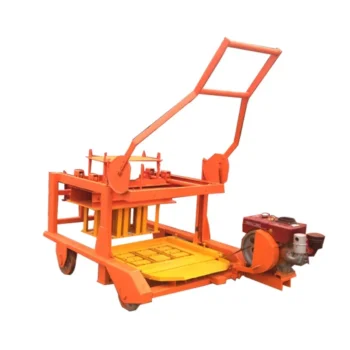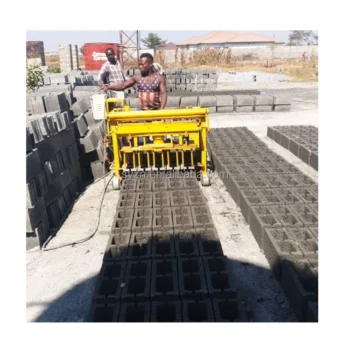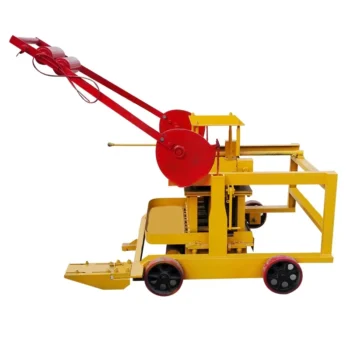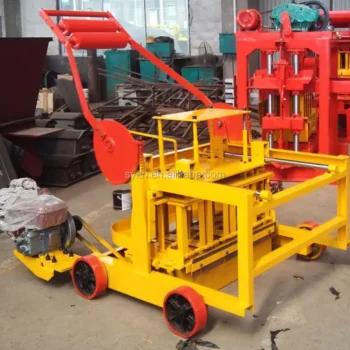



Description
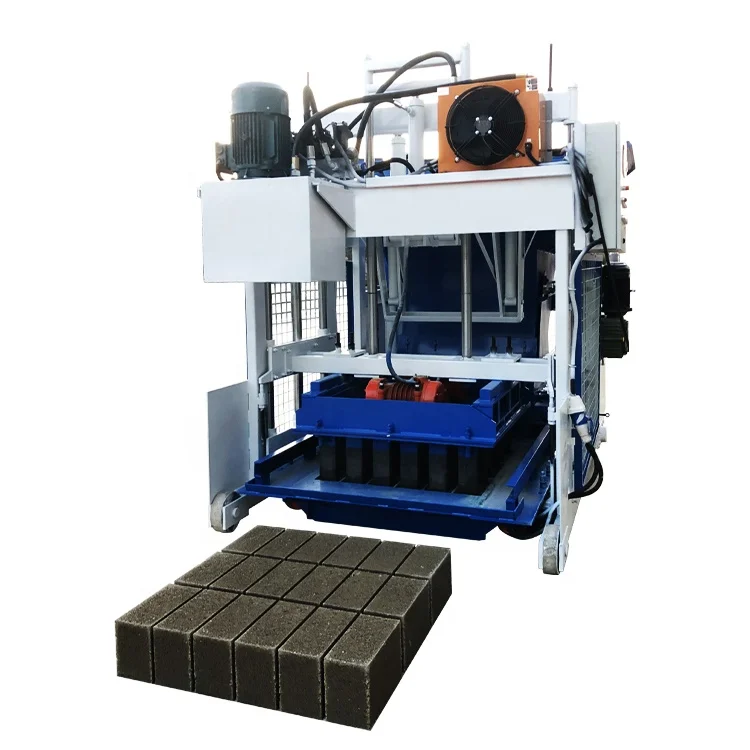
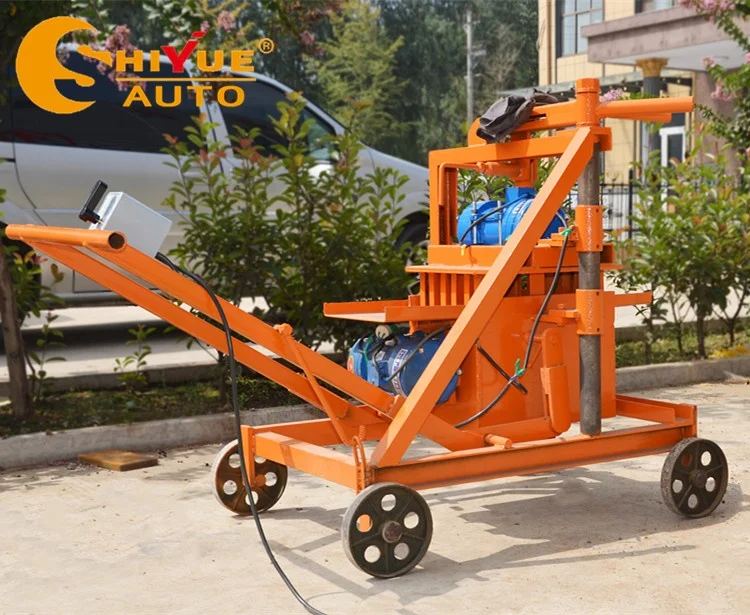
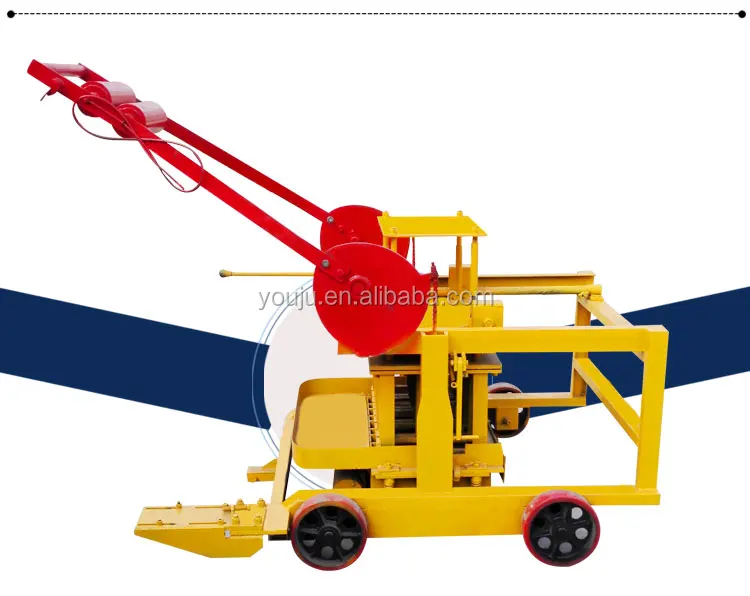
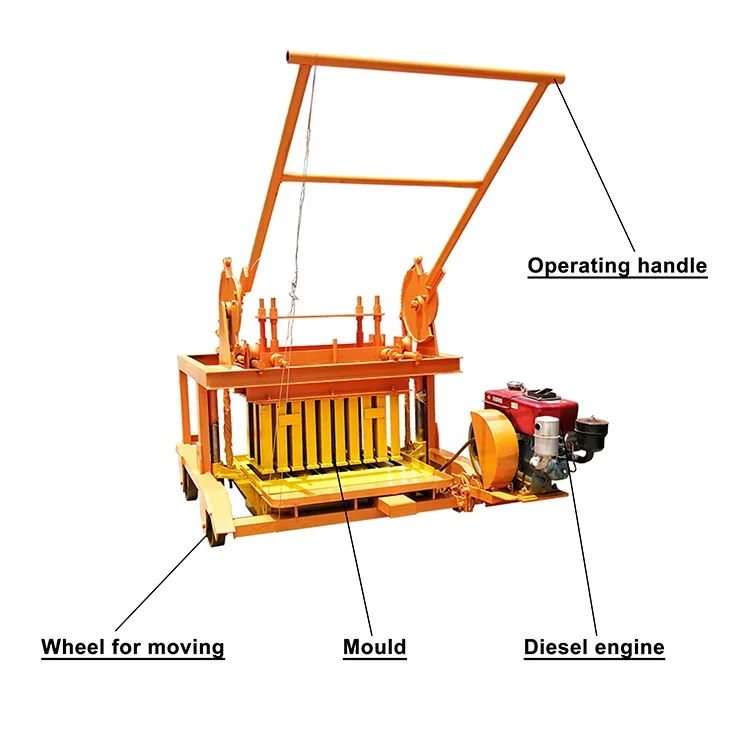
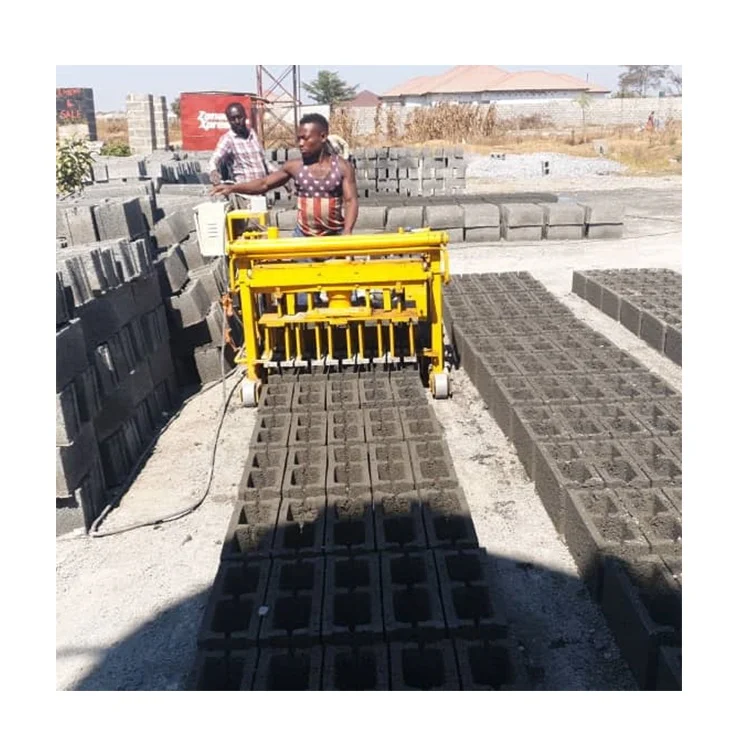
Matched Mould System — the QMY4-30 mobile block machine is specified against your market’s actual block format, so capacity is stated per mould instead of a single misleading figure.
Technical Specifications
| Parameter | Value |
|---|---|
| Model | QMY4-30 |
| Product Type | Mobile Hollow Block Making Machine |
| Rated Power | 5 kW |
| Overall Dimensions (L×W×H) | 1200×1200×1100 mm |
| Net Weight | 950 kg |
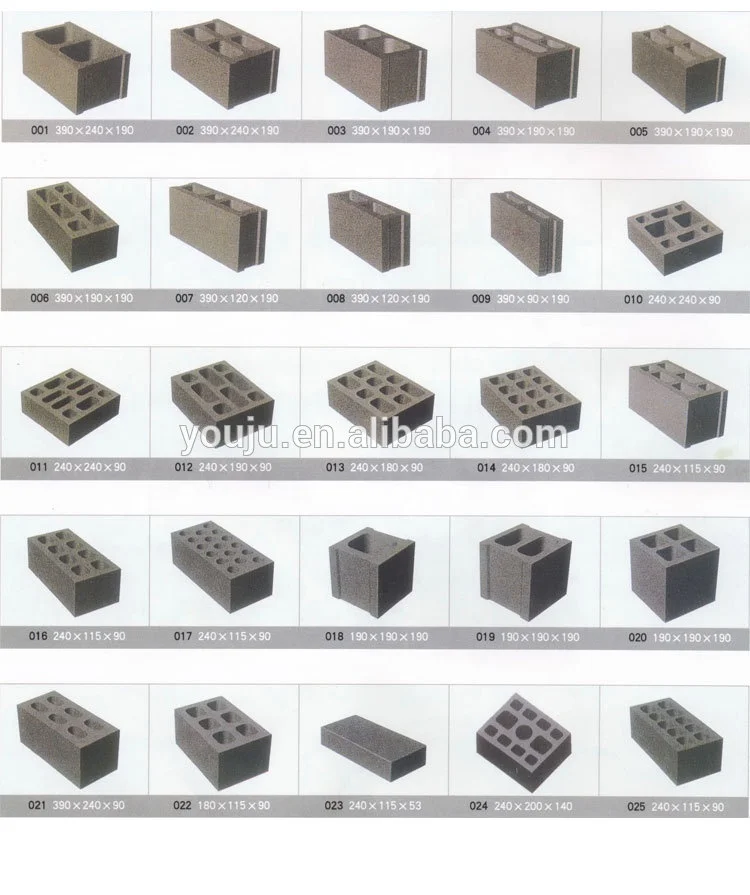
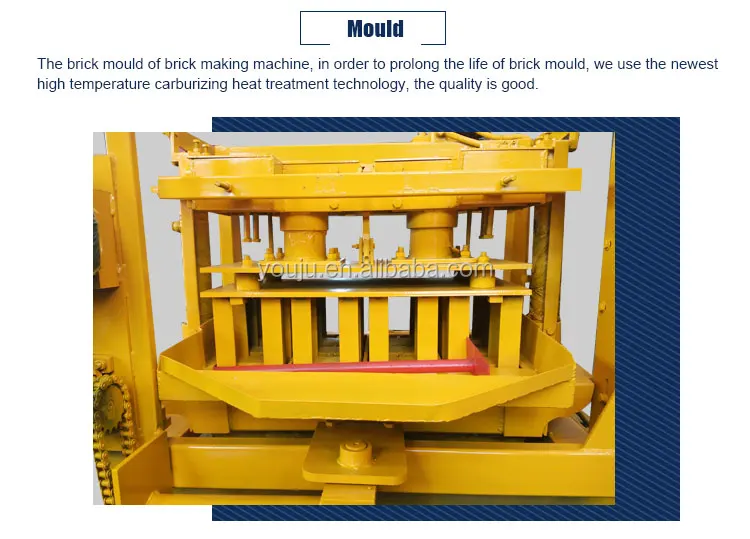
| Mould Format | Hollow block and solid brick (moulds changeable) |
| Cycle Time | 30 seconds (basis not stated in source) |
| Output Capacity | 480 pcs/hour for 400×200×200mm hollow block; 600 pcs/hour for 400×150×200mm; 840 pcs/hour for 400×100×200mm |
| Raw Materials | Cement, sand, crushed stones, slag |
| Assembly State | Mobile / egg-laying type (no fixed plant required) |
| Automation Level | Semi-automatic (mobile operation) |
| Pallet Size | Not applicable (lays blocks directly on ground) |
| Voltage & Frequency | To be confirmed before shipment |
| Control System | To be confirmed before shipment |
| Hydraulic Pressure | To be confirmed before shipment |
| Vibration Force | To be confirmed before shipment |
| Standards | To be confirmed (CE or other certification) |
Application Suitability
| Application | Material or Output |
|---|---|
| On-site block production without a fixed plant | Cement, sand, crushed stones, slag laid directly on prepared ground |
| Small-scale hollow block manufacturing for local housing | 400×200×200mm and 400×150×200mm hollow blocks at 480–600 pcs/hour depending on format |
| Contractor-produced solid bricks for development projects | Solid brick format with changeable mould, using locally available aggregate |
| Start-up block plants with limited investment | Semi-automatic mobile operation, no pallet feeding or curing rack required |
| Mobile production for remote infrastructure sites | Egg-laying type operation, 950 kg net weight, no fixed foundation needed |
Why the Voltage Question Must Come Before the Mobile Block Making Machine Price
Confirming your site voltage and frequency before shipment is the single most important step when ordering a mobile block making machine for export.
I have watched a QMY-class mobile unit sit dead on a Latin American site for three weeks because the control cabinet tripped the moment the local electrician connected it. The job site ran a different frequency than the factory default, and nobody had asked for a photo of the distribution board before dispatch [NEED_CITE: voltage and frequency standards by export market]. The crew was paid to stand around while a transformer was flown in from the capital. Every output calculation you made during the sales stage becomes irrelevant if the motor cannot start on the power you actually have.
Honest Capacity by Block Format
Buyers often receive a single "pieces per hour" number that quietly assumes the smallest block the machine can produce. The QMY4-30 mobile block making machine specifications separate output by format: 480 pieces per hour when pressing 400×200×200mm hollow blocks, 600 pieces per hour for 400×150×200mm, and 840 pieces per hour for 400×100×200mm. Stating the assumed block size lets you multiply by your actual shift length and compare against real order volumes.
Mould Changeover and Format Flexibility
A mobile machine only earns its keep if you can switch between hollow block and solid brick without losing half a shift. The QMY4-30 accepts interchangeable moulds, meaning one unit covers the formats your market actually buys. We confirm changeover time and required tools before the machine leaves the factory so the first format switch on your site does not become an unplanned maintenance event [NEED_CITE: typical mould changeover procedures for egg-laying block machines].
Reading the Specs That Actually Matter
Rated power at 5 kW tells you the generator or site transformer must handle continuous draw plus starting surge — undersizing either one will stall production on the first hot afternoon. The 30-second cycle time governs theoretical throughput, but actual output also depends on how fast your operator can move the machine between laying positions on uneven ground. Net weight of 950 kg keeps the unit light enough to relocate with a site forklift, yet heavy enough to resist vibration walk during pressing. Because this is an egg-laying type, pallet size is irrelevant, but ground flatness becomes the hidden variable that determines block height consistency.
The Hidden Cost of Skipping Configuration Checks
Ordering a mobile block machine on catalogue specs alone means the vibration force may never match your local aggregate gradation, producing blocks that chip at the corners during handling. If the control language arrives in a script your operator cannot read, the crew reverts to manual timing and the 30-second cycle becomes a guess [NEED_CITE: operator interface language requirements for construction machinery exports]. Moulds specified without reference to your curing area dimensions force you to reorganise the entire yard layout after the first production run.
Why Source the QMY4-30 Through This Channel
Block machinery is the single focus here, so the machine, mould, and handling accessories are specified as one matched system rather than assembled from separate suppliers. Configuration is set against your actual mix design and local aggregate, not a catalogue default. Mould design covers the formats your market sells, and custom moulds can be built from buyer drawings when standard sizes do not fit. Automation level is selectable, meaning you can start with semi-automatic mobile operation and plan an upgrade path later. Installation and commissioning support includes operator training so the first week of production is not spent troubleshooting avoidable issues.
Documentation & Verification
- Line layout and capacity sheet stating output per block format for the QMY4-30
- Mould drawings confirming exact dimensions and pieces-per-mould count
- Voltage and control language confirmation form signed before dispatch
- Factory test record showing the machine running your chosen mould format
- Operation and maintenance manual in the operator’s working language
- Packing photographs documenting machine condition prior to container loading
Installation, Commissioning & Support
- Ground must be level and compacted to support 950 kg machine weight without settling during vibration cycles
- Dedicated electrical circuit matching confirmed voltage and frequency to handle 5 kW continuous draw plus motor start surge
- Machine ships semi-assembled; on-site setup limited to mould mounting and control cabinet connection
- First-run commissioning includes cycle timing verification against the specified 30-second target for your block format
- Operator training covers mould changeover procedure, daily lubrication points, and vibration motor inspection
- Wear parts list identifies mould liners and vibration components with replacement intervals stated
What We Need to Size Your Machine Correctly
Before quoting, we need the block formats your customers actually buy, the dimensions and pieces-per-mould you prefer, and the daily output you plan to sustain. Share your site voltage, frequency, and a photo of the distribution board so we can match the electrical configuration before production starts. Tell us which raw materials you source locally — cement type, sand gradation, aggregate size — so we can confirm mix compatibility with the QMY4-30.
Frequently Asked Questions
Q: How is output capacity calculated and which block format does it assume?
A: Every capacity figure for the QMY4-30 is tied to a named block size and pieces-per-mould count. For 400×200×200mm hollow blocks the rated output is 480 pieces per hour. If your market uses a different format, share the dimensions and we provide a revised capacity sheet based on the matching mould.
Q: Which block formats and moulds are included, and can I add custom moulds later?
A: The standard package covers hollow block and solid brick moulds in common sizes. Custom moulds are designed from buyer drawings when your market requires non-standard dimensions. Additional moulds can be ordered later using the same mounting interface on the machine.
Q: What raw materials does the QMY4-30 work with, and how do I confirm my local aggregate is suitable?
A: The machine runs on cement, sand, crushed stones, and slag. Before ordering, share your aggregate gradation and cement type so we can run a mix-design compatibility check and adjust vibration settings to match your material rather than forcing a costly source change.
Q: How long does a mould change take, and what tools are needed on site?
A: Mould changeover time depends on the specific format pair and operator experience. We confirm the expected time during configuration and include the required tool list with the machine so the first switch on your site does not interrupt a full production shift.
Q: What voltage and frequency does the machine require, and is the control language configurable?
A: Voltage and frequency are confirmed before production to match your site supply. The control interface language is specified at order stage so operators receive instructions they can read. We request a photo of your distribution board to verify compatibility before dispatch.