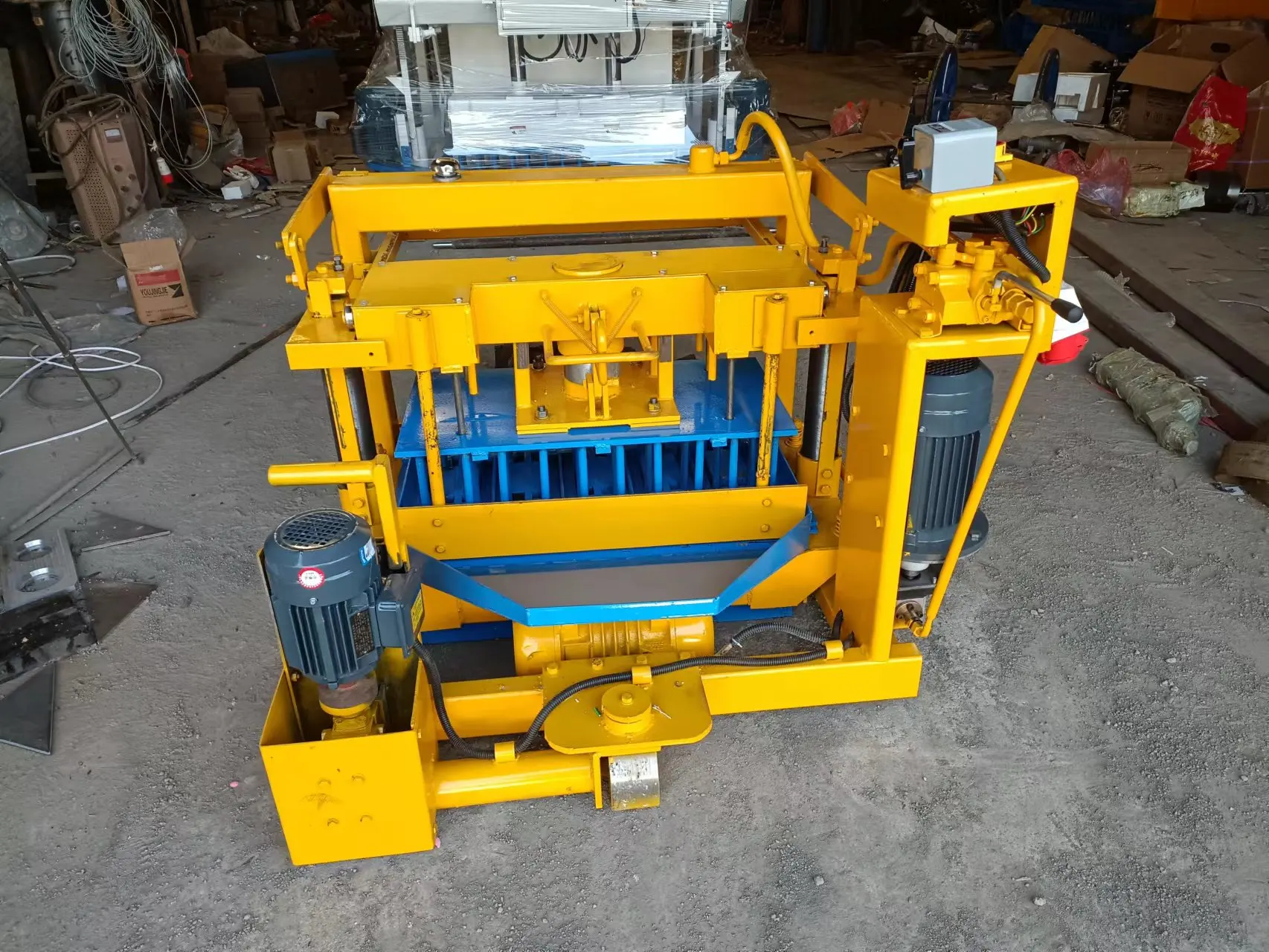
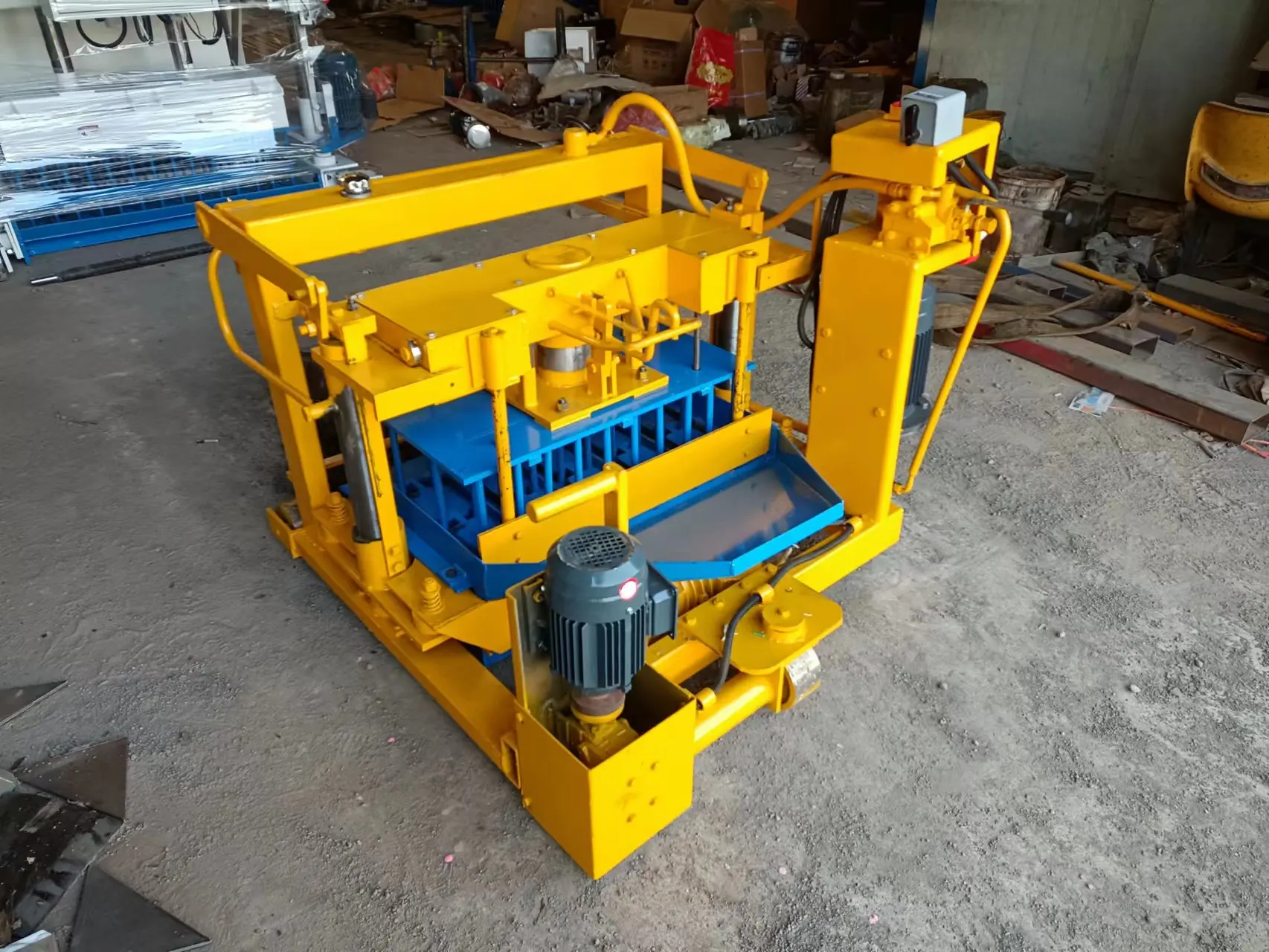
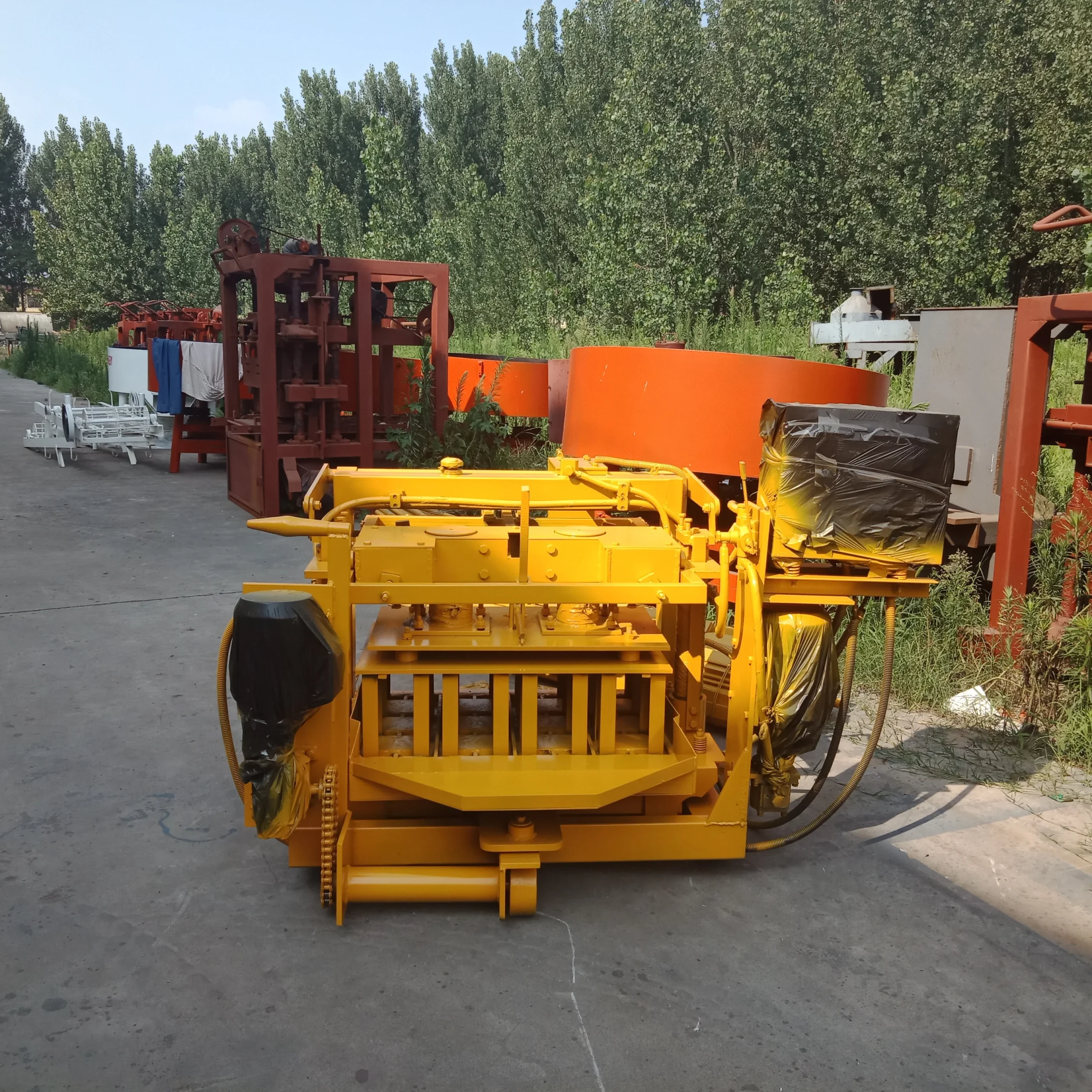

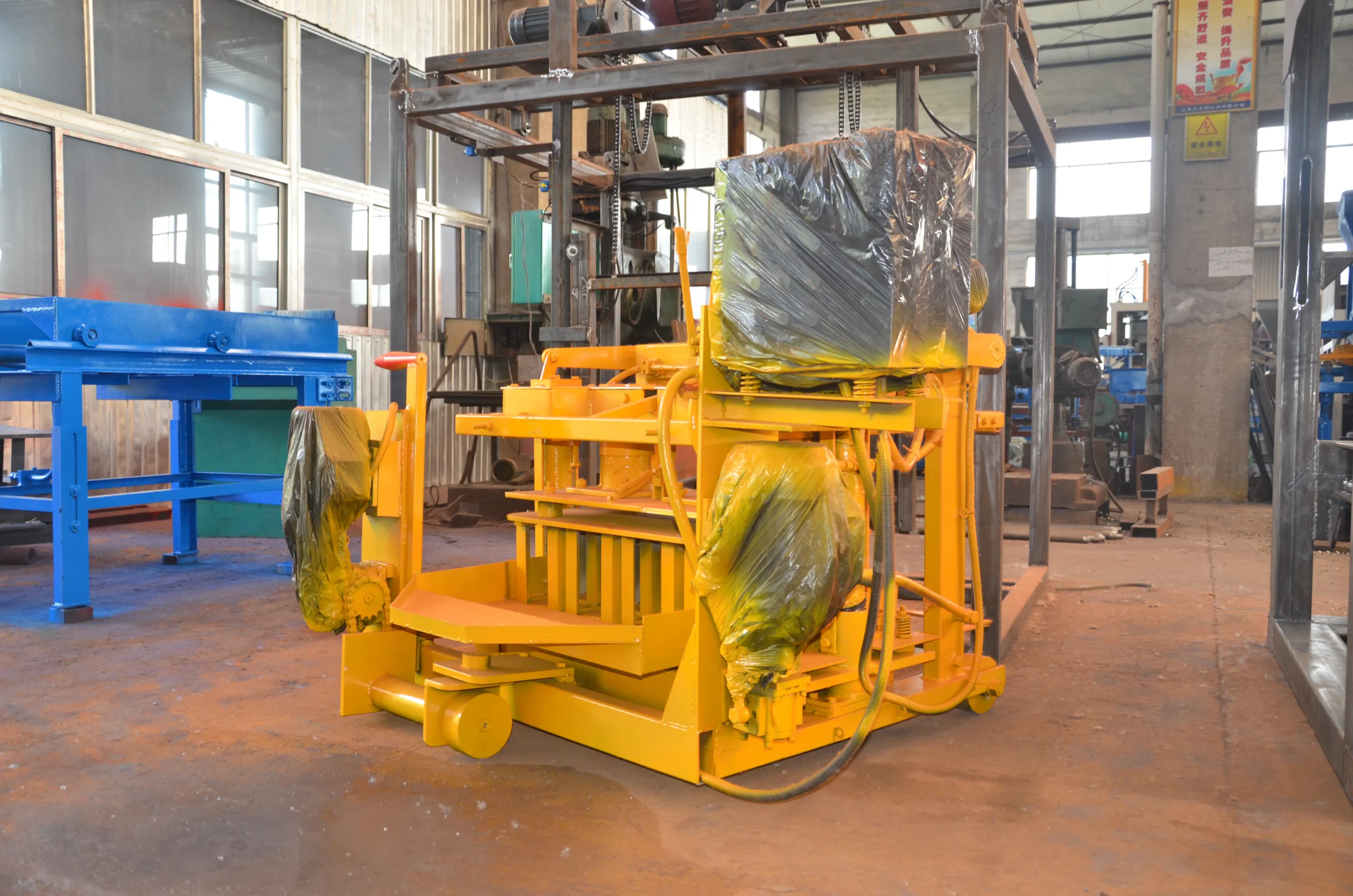
Description
Single-System Sizing — machine, mould and output are matched to your actual hollow block format before dispatch, not left as a generic catalogue claim.
Technical Specifications
| Parameter | Value |
|---|---|
| Model | QMY4-30 |
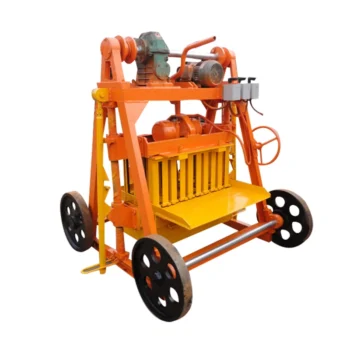
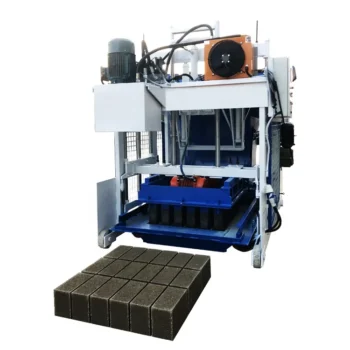
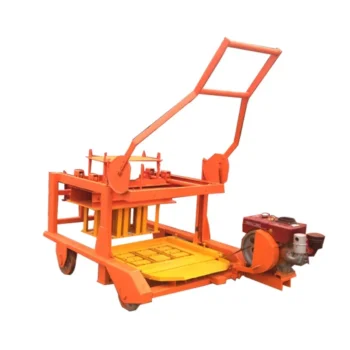
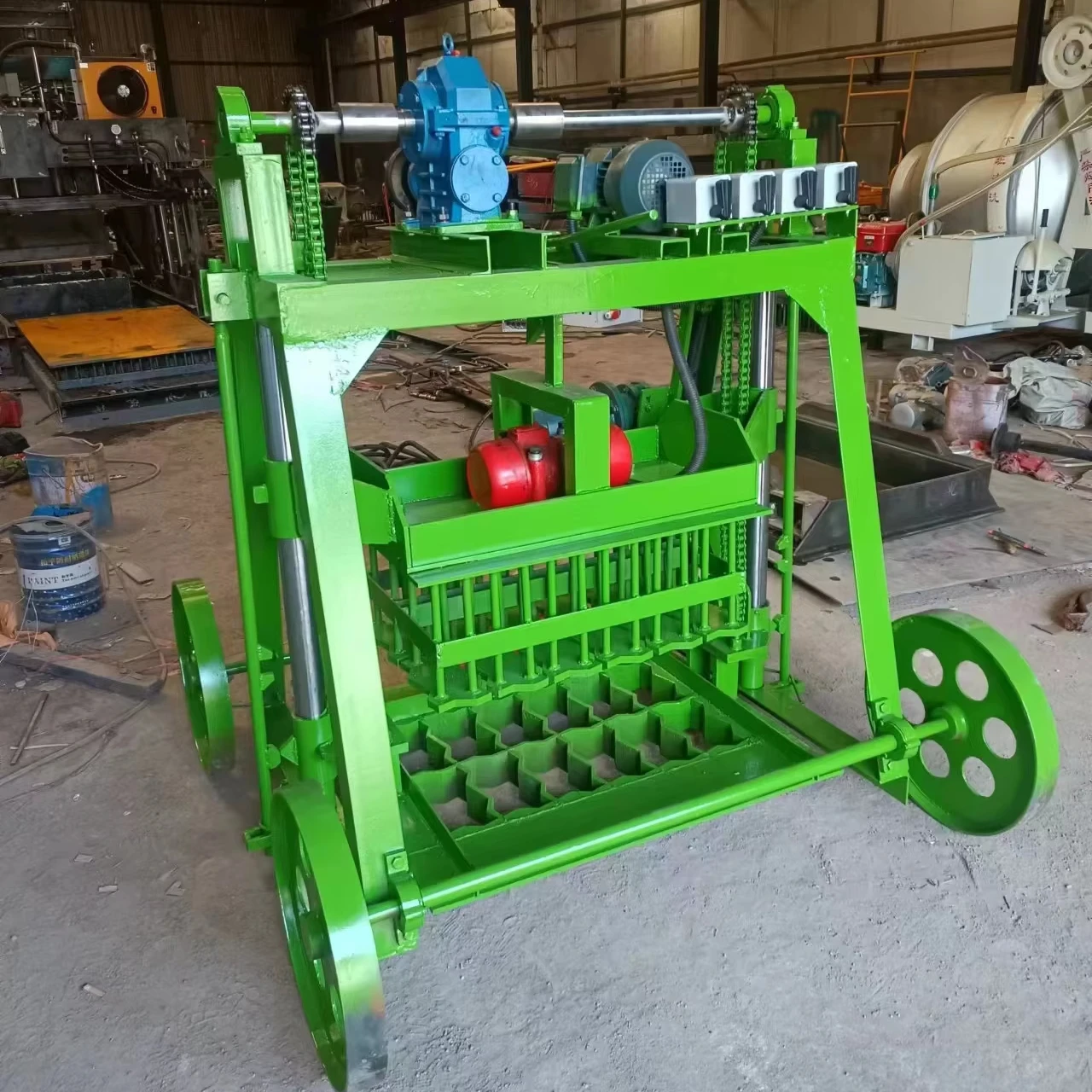
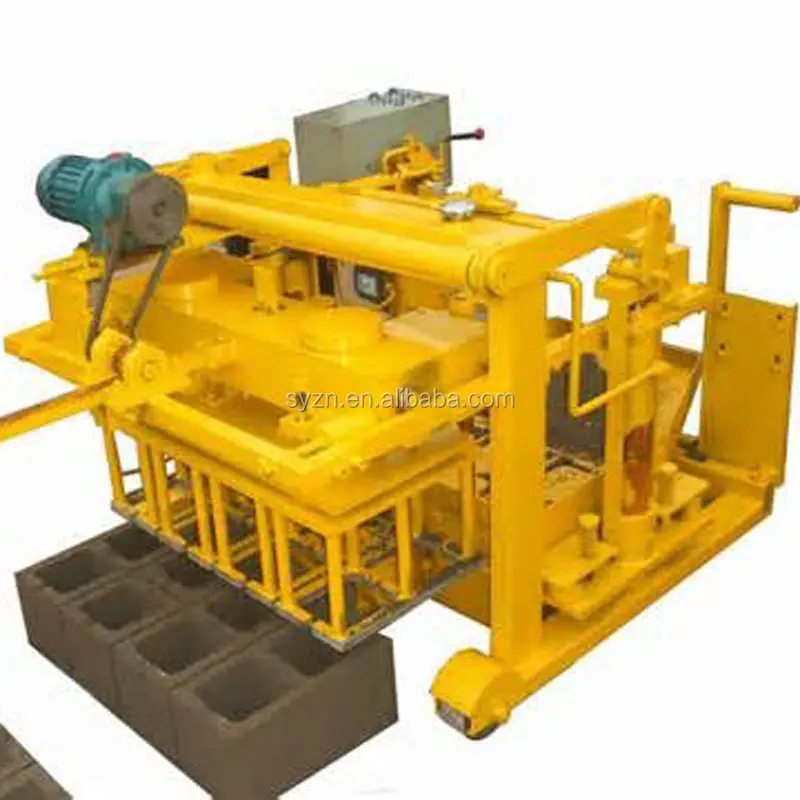
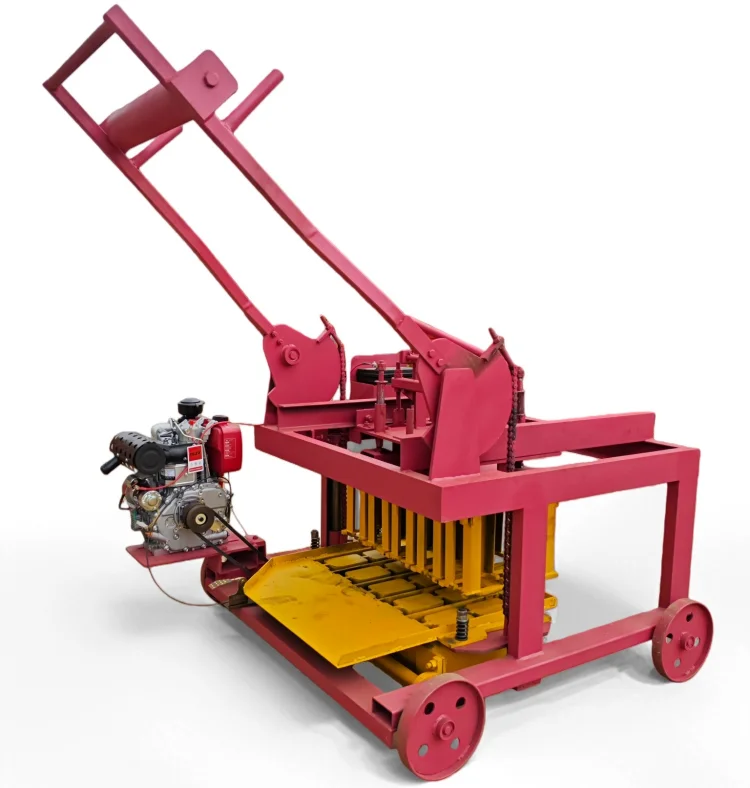
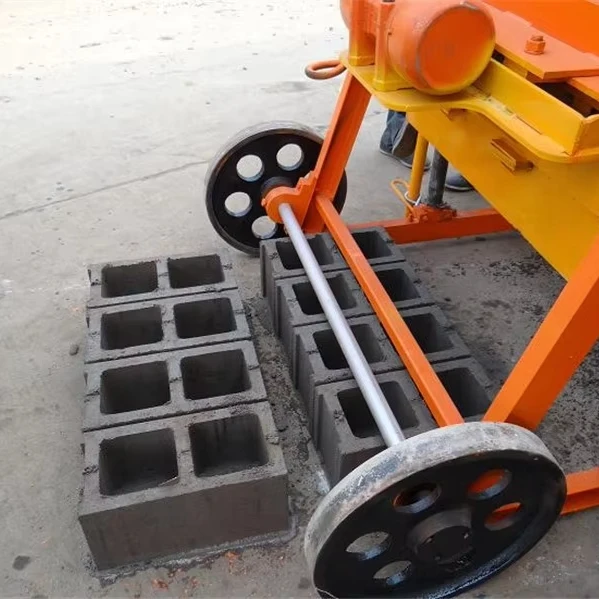
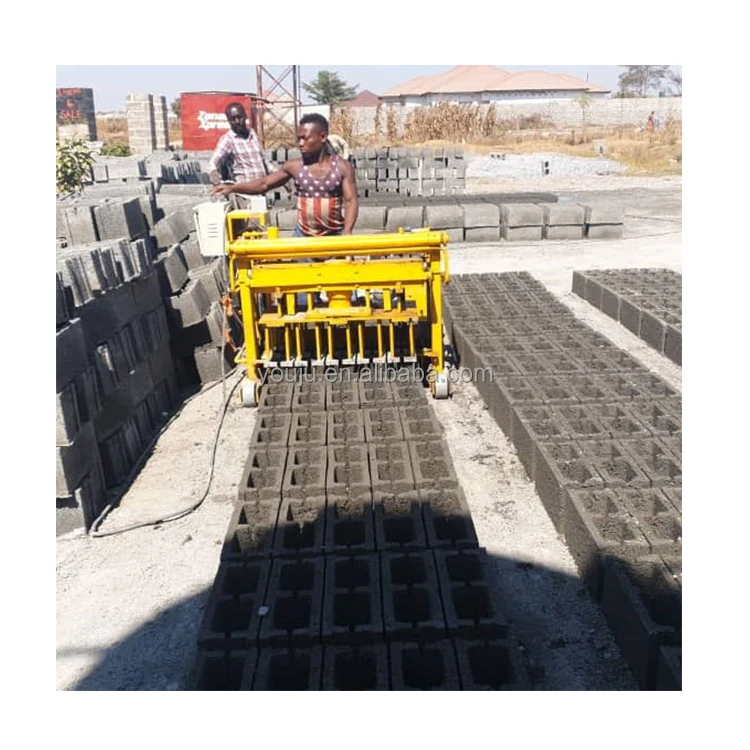
| Product Type | Mobile Egg-Laying Block Making Machine |
| Rated Power | 5 kW |
| Overall Dimensions (L×W×H) | 1200×1200×1100 mm |
| Net Weight | 950 kg |
| Moulding Cycle Time | 30 seconds |
| Output — 400×200×200 mm hollow block | 480 pcs/hour, 3840 pcs/8 hours (4 pcs/mould) |
| Output — 400×150×200 mm hollow block | 600 pcs/hour, 4800 pcs/8 hours (5 pcs/mould) |
| Output — 400×100×200 mm hollow block | 840 pcs/hour, 6720 pcs/8 hours (7 pcs/mould) |
| Mould Format | Hollow block and solid brick, changeable |
| Raw Materials | Cement, sand, crushed stones, slag |
| Automation Level | Manual / mobile egg-laying |
| Assembly State | Fully assembled mobile unit |
| Pallet Requirement | None (egg-laying type) |
| Hydraulic Pressure | Not stated in source |
| Vibration Force | Not stated in source |
| Control System | Not stated in source |
| Voltage & Frequency | Not stated in source |
| Certification | Not stated in source |
Application Suitability
| Application | Material or Output |
|---|---|
| On-site hollow block production for housing projects | Cement, sand, crushed stone mix, 400×200×200 mm format |
| Small-scale solid brick manufacturing | Cement, sand, slag blend, standard brick mould |
| Remote construction sites without fixed plant infrastructure | Local aggregate and cement, egg-laying on prepared ground |
| First block plant startups with limited capital | Interchangeable hollow and solid moulds on one mobile unit |
What "480 Pieces per Hour" Actually Means for a Mobile Block Machine
Every output figure here is tied to a specific block format — no hidden assumptions.
When buyers compare mobile block machine specifications across suppliers, they often see a single capacity number with no mention of which block size was used to calculate it. A machine producing 400×100×200 mm blocks will naturally deliver a higher piece count than one making 400×200×200 mm blocks in the same cycle, yet both might be quoted as "high output." I have seen contractors in West Africa order equipment based on a headline number, only to discover their actual daily production of the larger hollow blocks they sell was nearly half of what they expected. The QMY4-30 mobile block machine lists capacity separately for each standard hollow block size so you can match the figure to the product your market actually buys. [NEED_CITE: common discrepancy between quoted and realised block output by format]
Format-Specific Output Instead of One Headline Claim
The QMY4-30 runs a 30-second moulding cycle and the output varies depending on cavity count per mould. With the 4-cavity mould for 400×200×200 mm hollow blocks you get 480 pieces per hour. Switch to the 7-cavity mould for 400×100×200 mm blocks and the same cycle delivers 840 pieces per hour. Stating mobile block machine specifications this way removes the guesswork when you calculate daily production for the exact format you intend to sell.
Changeable Moulds for Multiple Block Formats
The unit accepts interchangeable moulds for both hollow blocks and solid bricks, allowing a single machine to serve two product lines. Moulds mount directly to the vibration table and can be swapped on site. This matters for contractors who supply both hollow blocks for walls and solid bricks for partition work — one QMY4-30 covers both without a second capital outlay. [NEED_CITE: mould interchange standards for egg-laying block machines]
Reading the Specs That Matter on Site
The 5 kW rated power draw means the QMY4-30 can run from a small diesel generator common on remote job sites, eliminating the need for a dedicated grid connection. At 950 kg net weight and 1200×1200 mm footprint, the unit is compact enough to be towed between locations yet heavy enough to maintain stability during vibration. The 30-second cycle is the mechanical moulding interval; total elapsed time per batch also depends on how quickly the operator feeds material and moves the unit forward. Since this is an egg-laying design, no pallets are required — blocks are deposited directly on the ground, which reduces consumable cost but demands a level, cured concrete floor area for acceptable block geometry.
The Cost of Skipping Format-Level Sizing
Ordering a mobile block machine on a generic output claim leads to consequences that only appear once production starts. If the machine was configured for a block format your market does not buy, you face either a costly mould reorder or the loss of customers who want dimensions you cannot supply. When vibration force and hydraulic pressure are not matched to your local aggregate and mix design, the resulting blocks may fail compressive strength tests — a problem I have traced back on more than one occasion to a machine set up for a sand-graduation the buyer could not source locally. [NEED_CITE: effect of aggregate grading on block compressive strength]
Why Procurement Through This Channel Differs
Block machinery is the sole focus here, which means the QMY4-30 is specified as part of a matched system — mould, raw material proportions and output table are all prepared together rather than assembled from unrelated suppliers. Each quotation includes a capacity calculation that names the block format assumed, so the number you plan against is the number you produce. Mould design covers the hollow and solid formats your regional market demands, including custom drawings if your buyers require a non-standard dimension. The machine ships fully assembled, and voltage, frequency and any control language are confirmed with you before dispatch so commissioning is not delayed by an electrical mismatch.
Documentation & Verification
- Capacity calculation sheet stating the exact block format and cavity count per mould
- Mould drawing package listing every interchangeable format included in your order
- Factory test record showing actual 30-second cycle time and piece count before dispatch
- Voltage and frequency confirmation sheet signed off prior to crating
- Operation and maintenance manual covering daily checks on vibration table and mould mounts
- Wear parts and mould replacement list with part numbers for reorder
Installation, Commissioning & Support
- Requires a level concrete floor of adequate area for egg-laying blocks to cure undisturbed
- Confirm local voltage and frequency before dispatch so the 5 kW motor matches your supply
- Machine arrives fully assembled; no structural reassembly needed on arrival
- First-run commissioning includes cycle timing verification and block dimension check on your mix
- Operator training covers mould change procedure and daily vibration table inspection
- Mould wear parts list supplied for proactive reorder before first replacement falls due
What to Share With Your Inquiry
Provide the hollow block dimensions and daily target output your market requires so the correct mould cavity count can be selected. Include the type and grading of local aggregate — sand, crushed stone or slag — along with your available cement grade, because these determine the vibration and pressure settings the machine needs. State your site voltage and frequency, and let us know whether the machine will run on grid power or a generator so the motor specification is confirmed before production begins.
Frequently Asked Questions
Q: How is the output capacity calculated, and which block format does each figure assume?
A: Every capacity figure on this page is tied to a named block size and cavity count. For example, 480 pieces per hour assumes the 400×200×200 mm hollow block mould with 4 cavities and a 30-second cycle. Switching to a different format changes the piece count accordingly, so you can plan daily production around the exact block your customers order.
Q: What mix design and local aggregate is this machine configured for?
A: The QMY4-30 is set up based on the raw materials you confirm — cement grade, sand type, crushed stone size and any slag proportion. If your local aggregate differs from standard assumptions, vibration force and mix ratios are adjusted before dispatch so that block strength meets your regional standard without needing costly material substitutions.
Q: What voltage and frequency options are available for my country?
A: Voltage and frequency are confirmed with you before the machine enters production. You provide your site supply specification — whether grid or generator — and the motor and any control components are matched accordingly. This avoids the common problem of machines arriving with an incompatible electrical setup.
Q: How long does a mould change take, and what formats can I add later?
A: Moulds are bolt-on units that swap directly on the vibration table. Changing from hollow block to solid brick or between different hollow sizes takes one operator a short period with basic hand tools. Additional moulds for other formats can be ordered separately and matched to the machine at any point after initial commissioning.
Q: What spare parts and mould wear items should I order with the machine?
A: A wear parts list is included with every shipment, identifying the components most likely to need replacement during the first production year. Ordering these items with the machine means they arrive in the same container, avoiding downtime later when the first mould surface or vibration component reaches service life.