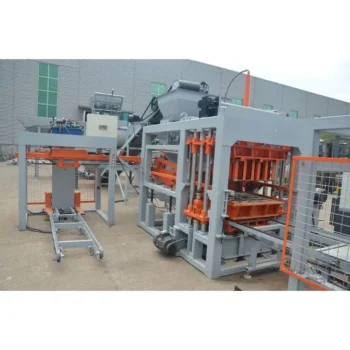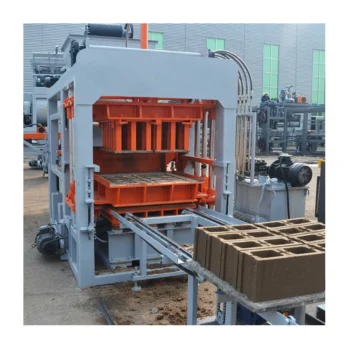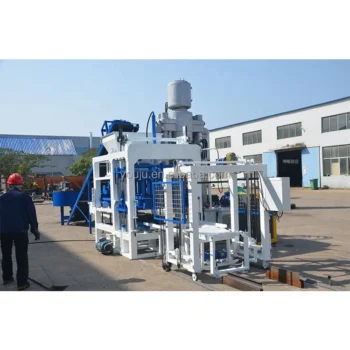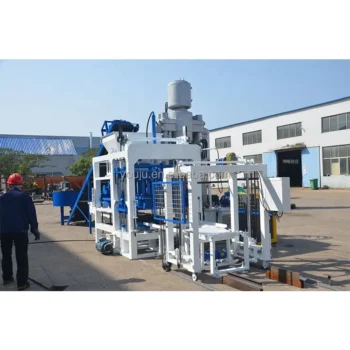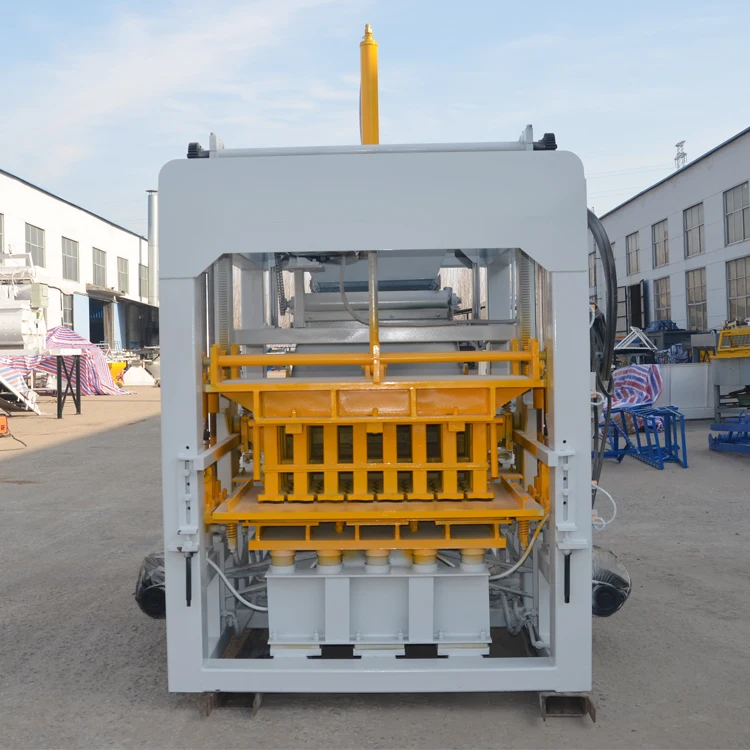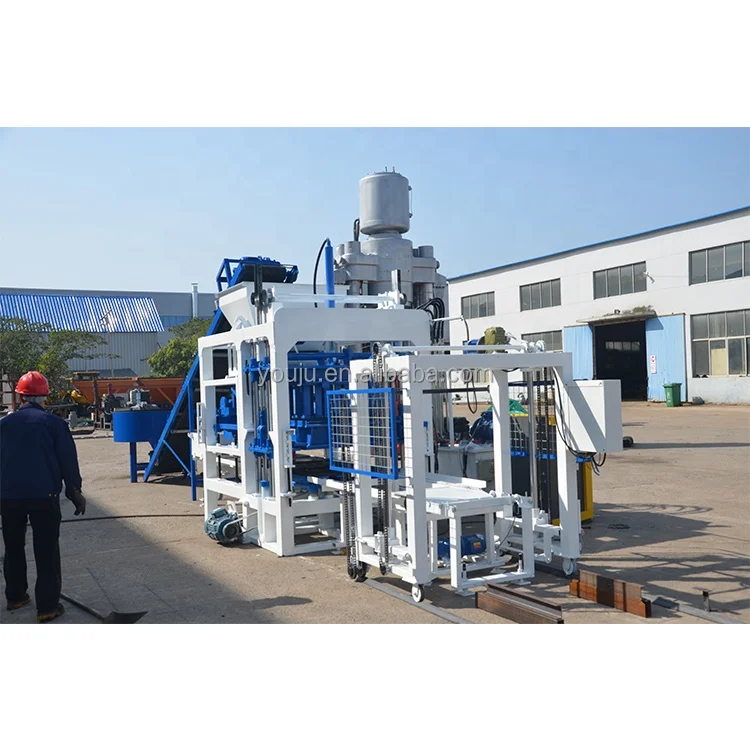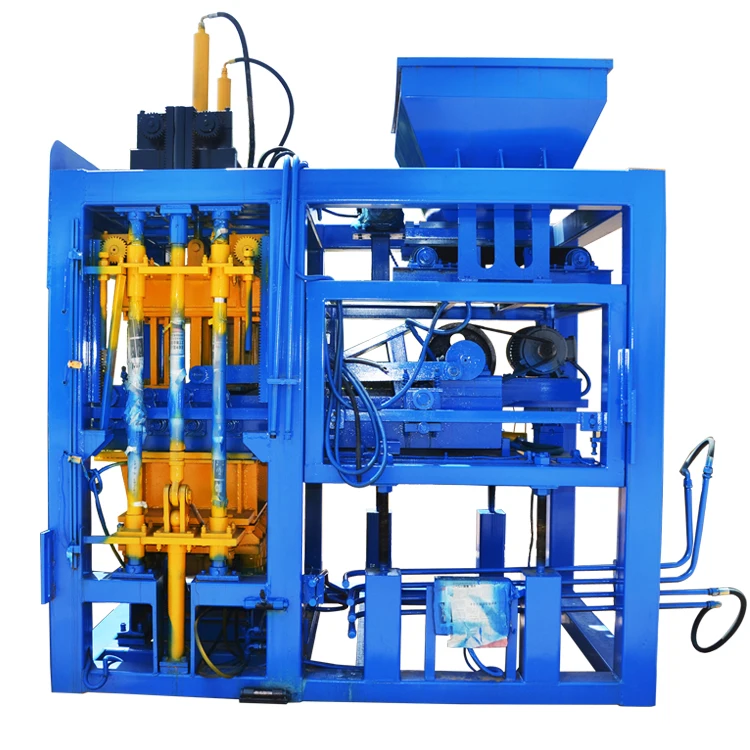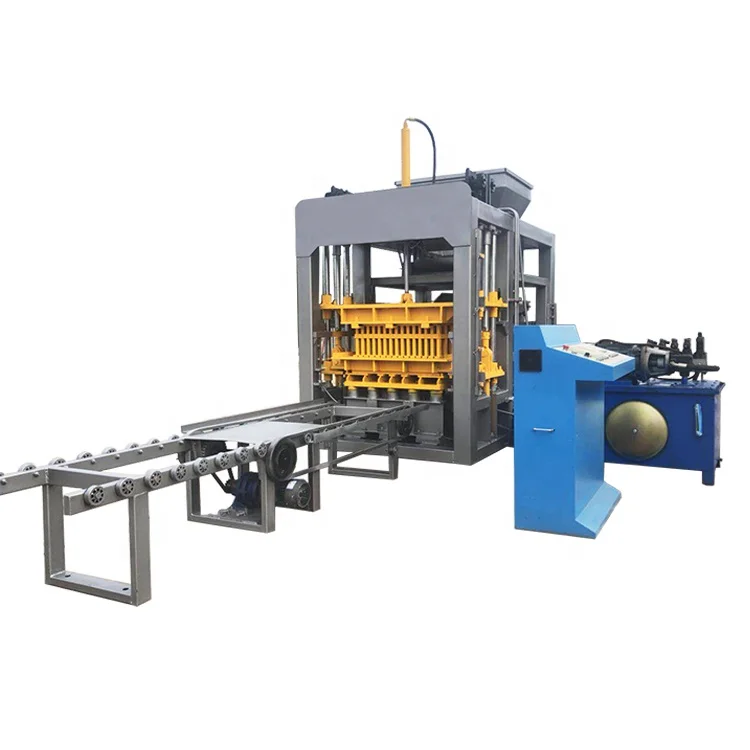
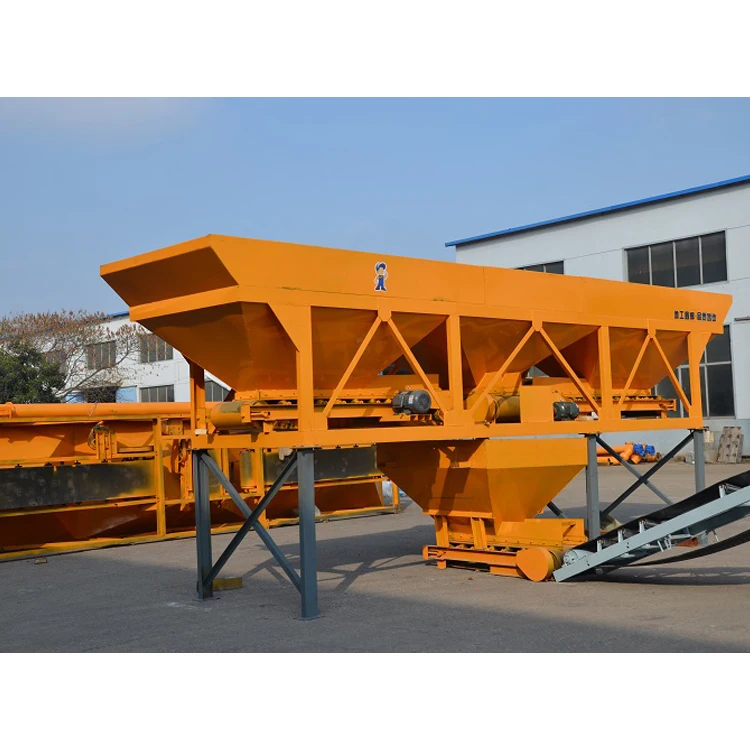
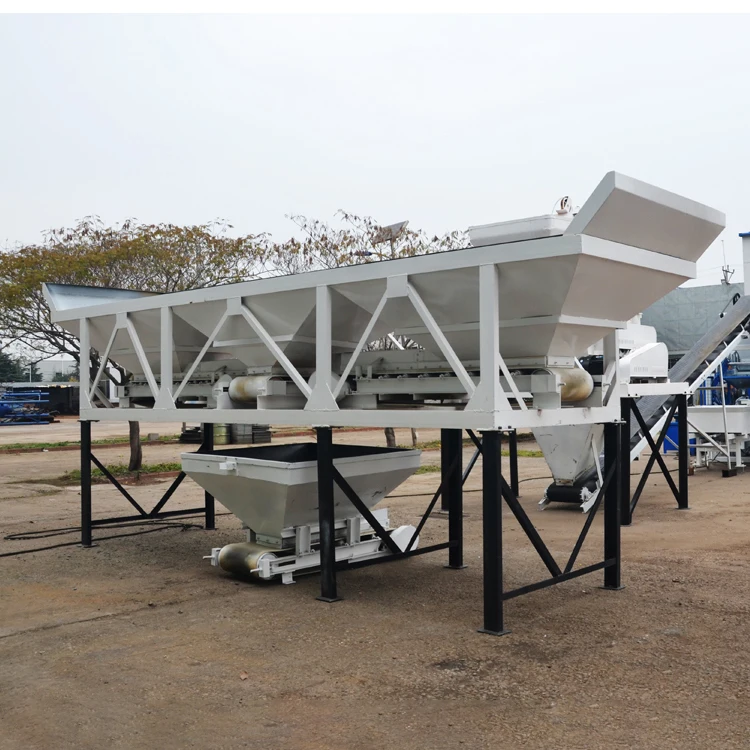
Description
Matched to Your Mix — Batching accuracy is calibrated against your target block format and local aggregate density rather than shipped as a default configuration.
Technical Specifications
| Parameter | Value |
|---|---|
| Model | PLD1200 |
| Product Type | Concrete Batching Machine |
| Weigh-batching Hopper Capacity | 1200L |
| Theoretical Productivity | 56m³/h (basis not stated in source — confirm block format / material / thickness) |
| Ingredient Precision | ±2% |
| Belt Speed | 1.25m/s |
| Rated Power | 4×4kW |
| Min Weigh | 3000kgs |
| Height of Adding Material | 2.8m |
| Control System | Available with PLC or MCC control |
| Voltage & Frequency | Configurable to buyer’s market standard |
| Hopper Compartments | Configurable from two to four bins |
| CE Declaration | Available where applicable |
Application Suitability
| Application | Material or Output |
|---|---|
| Hollow block production | Crushed stone, sand, cement and fly ash blends |
| Paving block manufacturing | Fine aggregates with high cement content recipes |
| Solid brick pressing | Dense aggregate mixes requiring consistent moisture control |
| Porous brick batching | Lightweight aggregates with precise moisture addition |
| Kerbstone and interlocking brick | Coarse aggregate and pigment batching for face-mix layers |
Why Voltage Confirmation Should Come Before the Order
Most commissioning delays on a PLD1200 concrete batching machine start at the electrical panel, not the mechanical frame.
I have stood on job sites where the batching system arrived in perfect condition, sat in the yard for weeks, and still could not power on because the local supply ran at a frequency the drive motors were never wound for. Buyers focus intensely on hopper size and belt speed, then treat voltage as a detail the supplier will somehow figure out. The result is a machine that matches the press cycle time on paper but remains silent on the floor [NEED_CITE: voltage and frequency standards by export market]. A three-week electrical retrofit is not an installation problem. It is a specification problem that should have been resolved before the machine left the factory.
Matching Feed Rate to Press Cycle Time
The PLD1200 concrete batching machine delivers material at a belt speed of 1.25m/s, which must be read against the cycle time of the block press it feeds. If the press completes a cycle every twenty seconds and the mixer drains faster than the batching station replenishes, the press sits idle waiting for the next batch. Sizing the batching station means confirming the throughput your target block format actually demands, not the catalogue figure printed for a generic mix.
Calibrating for Local Aggregate Reality
Every aggregate source carries its own density, moisture profile and fines content. The ±2% ingredient precision of the PLD1200 concrete batching machine holds only when the weigh sensors are calibrated against the material you actually feed into the hoppers. A river sand that shifts from eight to fourteen percent moisture between morning and afternoon will throw any unadjusted recipe off target. Buyers who lock in their mix design at the inquiry stage and provide lab-tested aggregate data receive a batching station tuned to reality, not to a laboratory assumption [NEED_CITE: aggregate moisture variation effects on concrete batching accuracy].
What the Numbers on the Spec Sheet Actually Mean
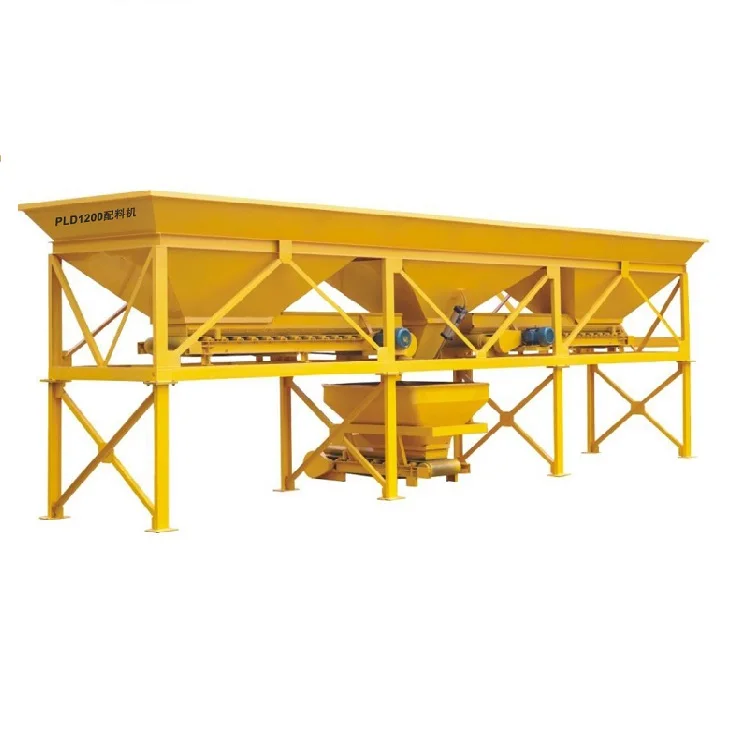
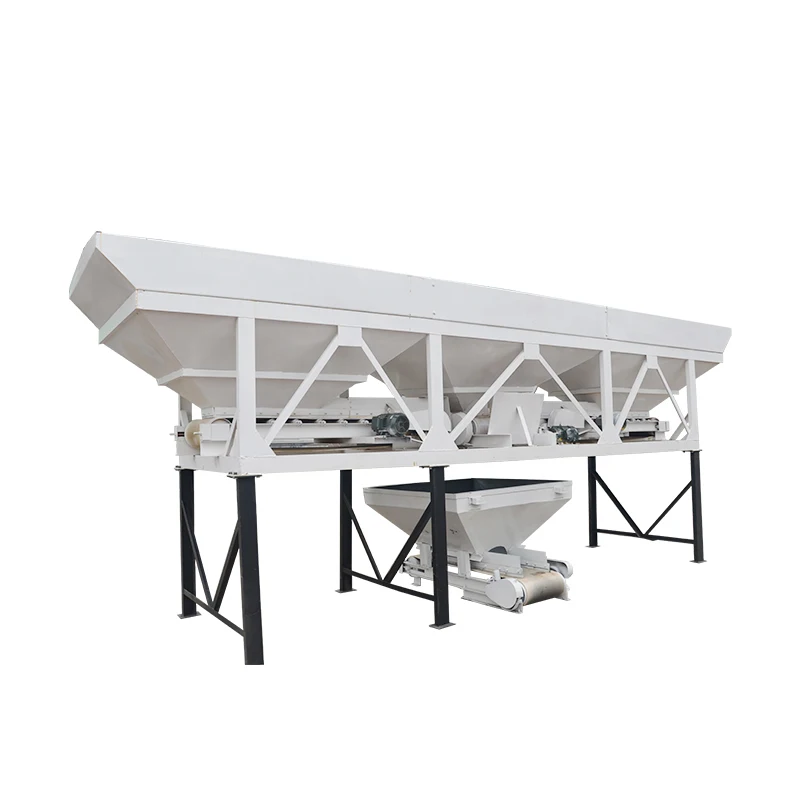
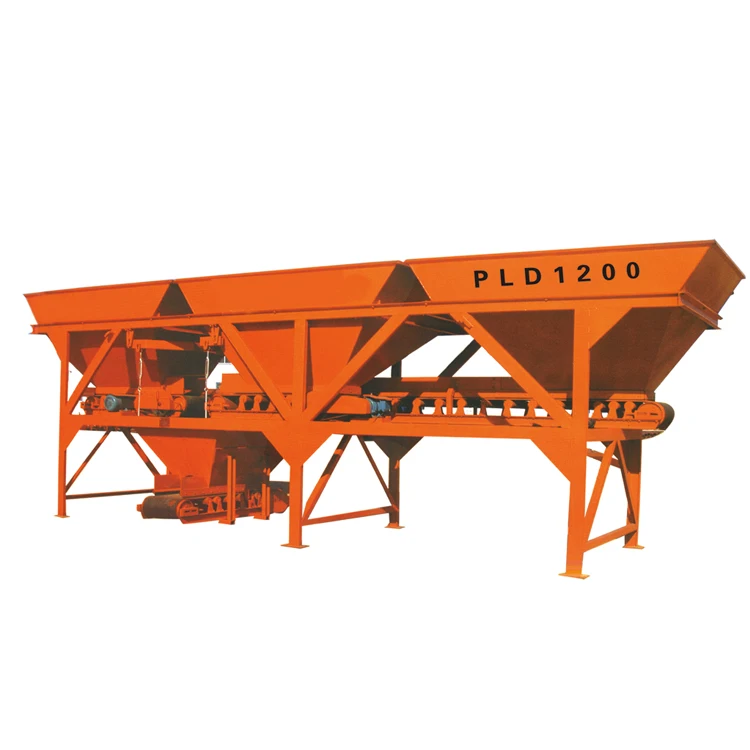
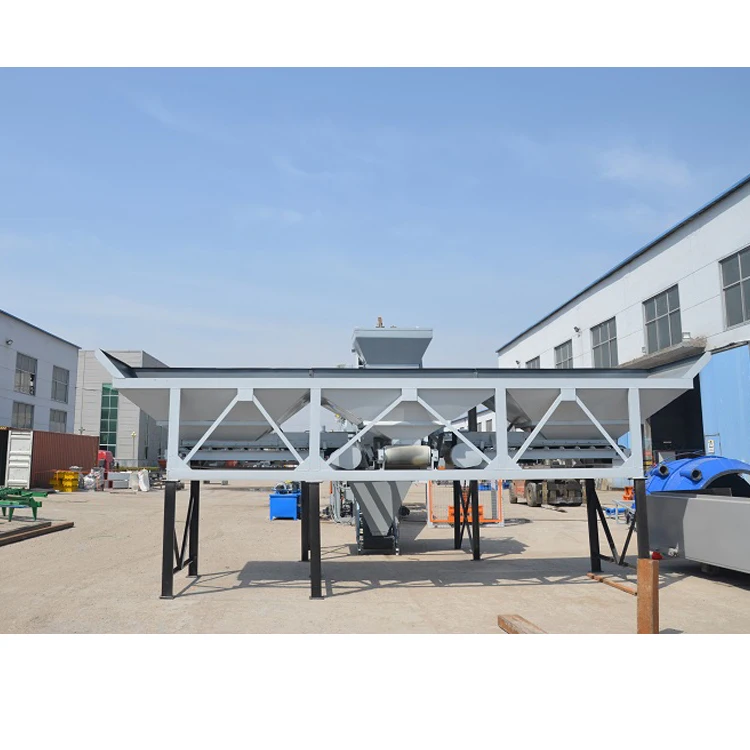
The 1200L weigh-batching hopper capacity sets the batch volume ceiling — every recipe cycle draws from that reservoir, so hollow block formats requiring larger batch volumes per cycle may need the hopper filled more frequently, affecting overall line rhythm. The 4×4kW drive configuration distributes power across individual hoppers, allowing each aggregate bin to feed independently rather than sharing a single motor that stalls when one bin jams. Ingredient precision at ±2% governs the consistency of block strength from the first batch of the shift to the last, which matters directly when a buyer’s market enforces compressive strength testing. The 2.8m adding material height determines whether a standard wheel loader can charge the hoppers without an intermediate ramp, affecting site layout and daily operating cost. Belt speed at 1.25m/s must stay synchronized with the mixer charge cycle; a belt that runs faster than the mixer can accept simply spills material onto the floor.
The Cost of Skipping the Configuration Conversation
Buyers who treat the batching station as a commodity item discover the consequences in stages. First the block color shifts between batches because pigment dosing was never matched to the local sand tone. Then the press operator starts adjusting water by hand because the moisture compensation loop was never activated for the aggregate actually in the hopper. Eventually the buyer orders a replacement load cell set because the original sensors were calibrated for a material density that does not exist within five hundred kilometers of the plant [NEED_CITE: load cell calibration mismatch in aggregate batching]. None of these are equipment failures. They are specification gaps that a thirty-minute conversation before production would have closed.
Why This Sourcing Path Exists
Block machinery is a single focus here, so the PLD1200 concrete batching machine is specified as part of a matched line — press, mould, pallet and handling — rather than bolted on from a separate supplier who has never seen the rest of the plant. Configuration starts from the buyer’s target block format and local mix design, not a default catalogue page. Mould design and supply for the formats the buyer’s market actually sells are documented alongside the batching recipe so that every parameter connects. Automation level is selectable, meaning a buyer can run the batching station on manual charge today and integrate full PLC batching control when the plant scales up. Installation and commissioning support includes operator training on recipe entry and sensor calibration, so the crew running the machine on day one understands what the precision figures require of them.
Documentation & Verification
- Line layout and capacity calculation stating the block format assumed for PLD1200 throughput
- Machine specification sheet with hopper, belt and power ratings confirmed per order
- Raw material feed configuration documented against buyer’s local aggregate and mix design
- Voltage, frequency and control language confirmation signed before production begins
- Factory test record confirming ±2% ingredient precision under loaded hopper conditions
- Operation and maintenance manual covering load cell calibration and belt tensioning
Installation, Commissioning & Support
- Foundation plan reflects 4×4kW total rated power draw and dedicated circuit requirement
- 2.8m adding material height confirmed against buyer’s existing wheel loader bucket reach
- Belt tension and alignment checked during commissioning to maintain 1.25m/s steady speed
- PLC display language and button labels set to operator’s working language before dispatch
- Load cell calibration performed on-site with buyer’s actual aggregate, not factory sand
- Wear parts list covers belt splices, load cells and hopper gate cylinders for first-year spares
What to Send with Your Inquiry
To size the PLD1200 concrete batching machine correctly against your line, share the target block format and daily output you need, the aggregate types and moisture ranges available locally, and the voltage and frequency standard at your site. If you already have a mixer and press in place, include their cycle times so the feed rate can be synchronized. Let us know whether the control panel language and any downstream pallet handling equipment need to factor into the batching station layout.
Frequently Asked Questions
Q: How is the 56m³/h theoretical productivity calculated and which block format does it assume?
A: The 56m³/h figure is listed in the source material without a stated block format, material density or thickness assumption. Before treating it as a confirmed capacity, the specific hollow block or paving block format, mix design and press cycle time must be defined so that realistic daily output can be calculated against your actual production target.
Q: How do I match the batching station feed rate to my press cycle time?
A: Start from the press cycle time for your target block format, then calculate the batch volume required per cycle. The 1.25m/s belt speed and 1200L hopper capacity set the delivery ceiling. If the mixer drains faster than the batching station can replenish, the press will idle — so the line layout must confirm throughput per format before ordering.
Q: Can the PLD1200 be configured for my local aggregate density and moisture content?
A: Yes. The ±2% ingredient precision is achievable only when load cells are calibrated against the density and moisture profile of the aggregate you actually use. Providing lab test data on your local sand and crushed stone at the inquiry stage allows the system to be tuned before shipment rather than adjusted blindly on arrival.
Q: What voltage, frequency and PLC display language options are available?
A: Voltage and frequency are configurable to match the buyer’s local supply standard, and the PLC display language is confirmed before production. This confirmation step is documented in writing so that the control panel, motor windings and sensor supply all arrive compatible with the site electrical infrastructure.
Q: How does the batching station integrate with the mixer and press in a complete block line?
A: The PLD1200 feeds weighed aggregates into the mixer, which then charges the press hopper. Belt speed, mixer charge time and press cycle time must all be synchronized in the line layout so that no station waits on another. The batching station is specified as one element of the matched line, not as a standalone purchase.