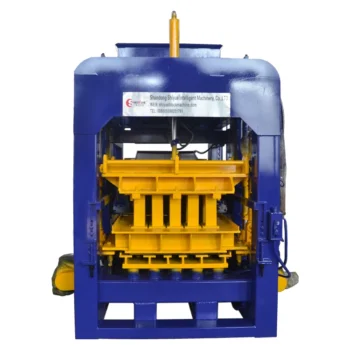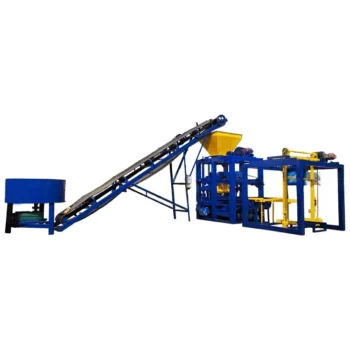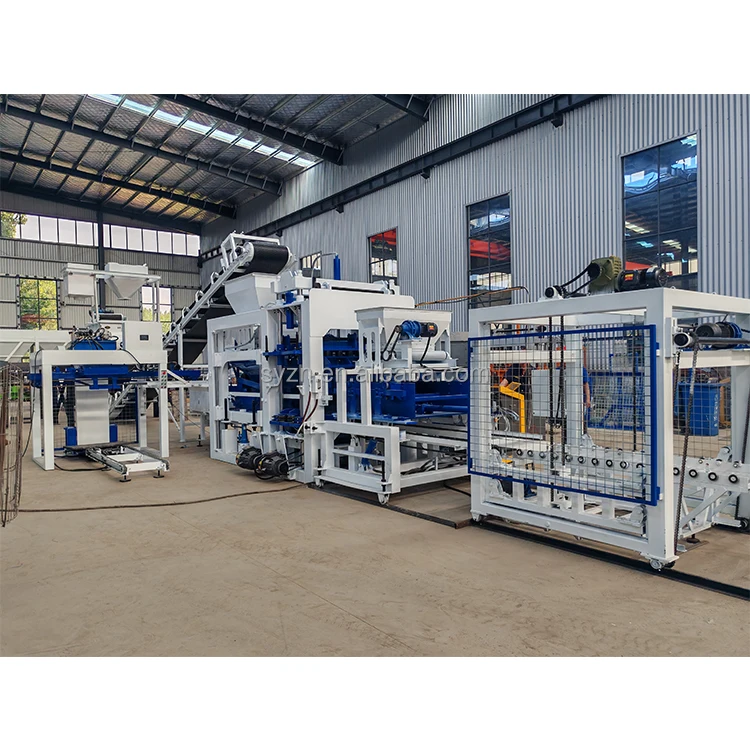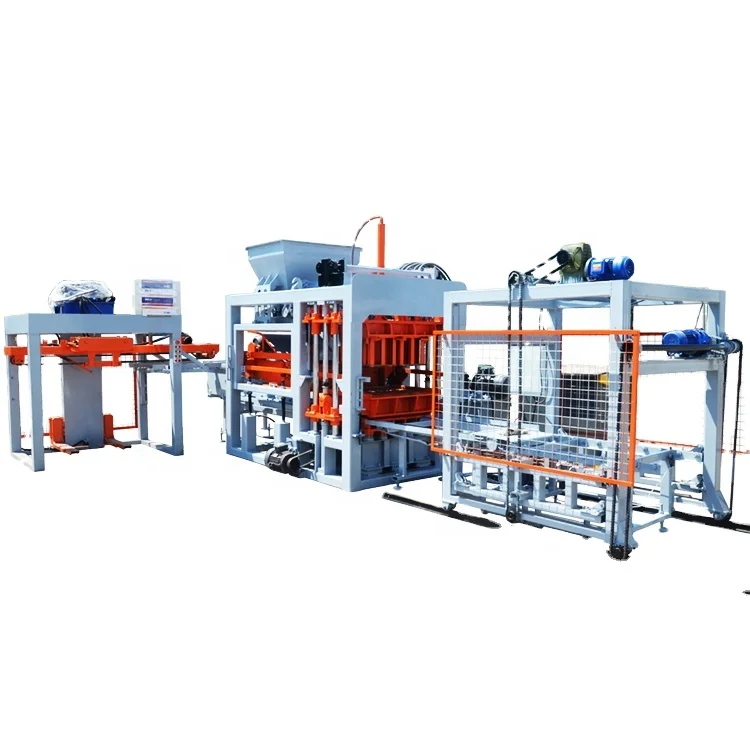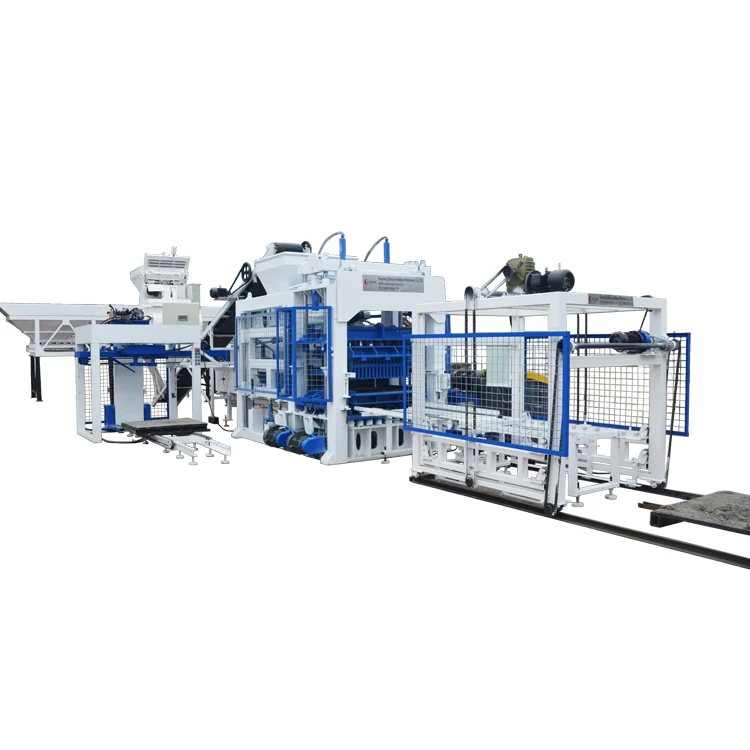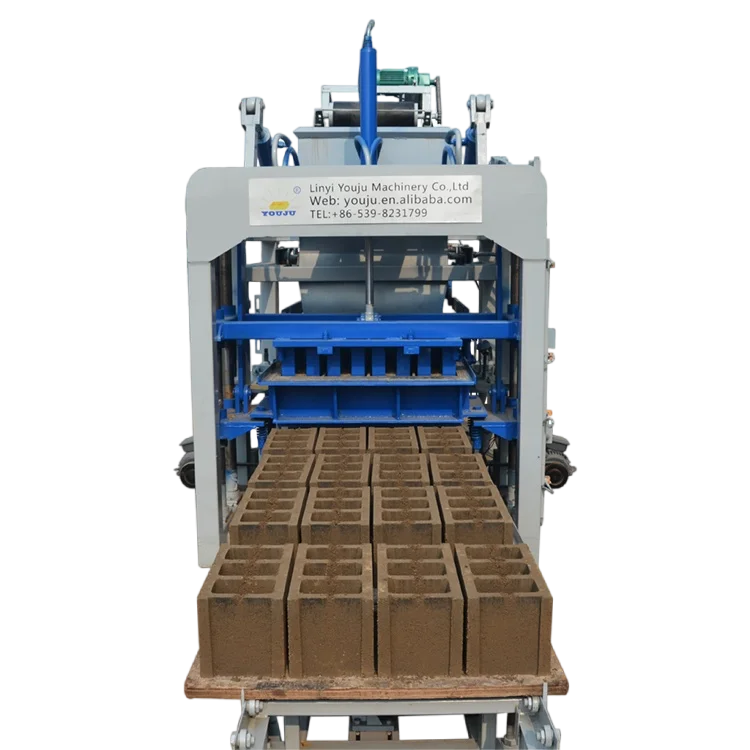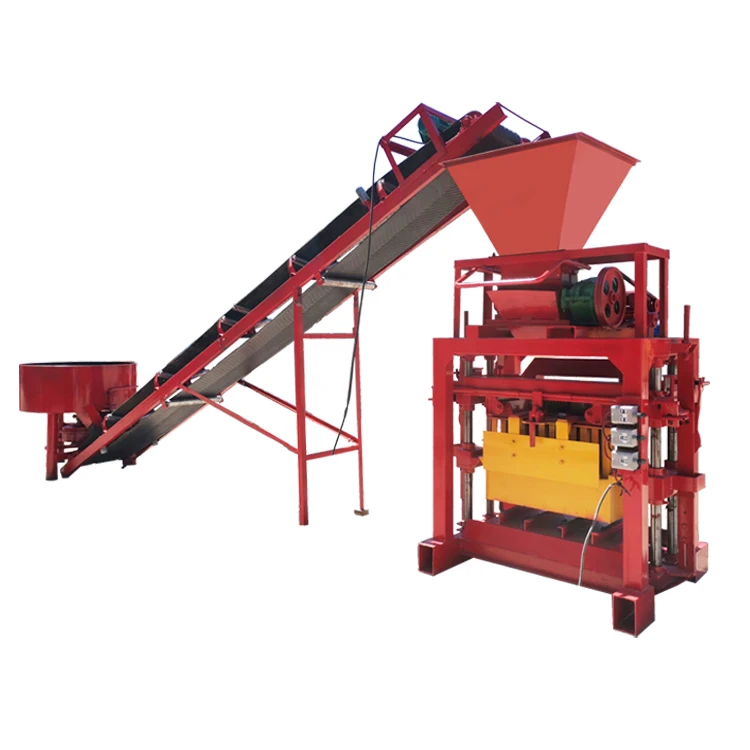


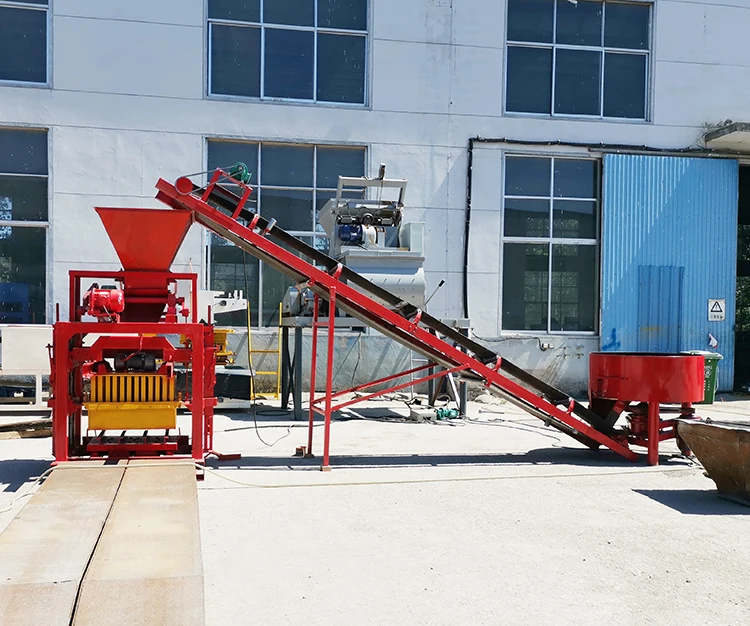

Description
Matched System Sizing — the QTJ4-35 block machine is quoted with cycle time and cavity count per format, so your daily output projection reflects the block your market actually buys, not a generic headline figure.
Technical Specifications
| Parameter | Value |
|---|---|
| Model | QTJ4-35 |
| Product Type | Mechanical Manual Block Making Machine |
| Overall Dimensions (L×W×H) | 2050 x 1660 x 1900 mm |
| Main Vibration Form | Motor Vibration |
| Vibration Force | 35 kN |
| Pallet Size | 850 x 450 x 20 mm |
| Molding Cycle | 35–50 s (varies by block format) |
| Overall Power | 9.8 kW |
| Automation Level | Mechanical manual (four-lead guidance, upper and bottom mould compression) |
| Output Capacity | 2880–3264 pcs/8hr (based on 400×200×200 mm hollow block, 4 pcs/mould, 35–40 s cycle) |
| Output Capacity | 2880–4080 pcs/8hr (based on 400×150×200 mm hollow block, 5 pcs/mould, 35–40 s cycle) |
| Output Capacity | 12096–15120 pcs/8hr (based on 240×115×53 mm solid brick, 21 pcs/mould, 40–50 s cycle) |
| Output Capacity | 8064–10080 pcs/8hr (based on 200×100×60 mm paver, 14 pcs/mould, 40–50 s cycle) |
| Output Capacity | 5184–6480 pcs/8hr (based on 225×112.5×60 mm interlocking block, 9 pcs/mould, 40–50 s cycle) |
| Control System | Mechanical manual operation |
| Mould Format | Hollow block, solid brick, paver, interlocking block (mould changeable) |
| Standards | CE (declaration where applicable) |
Application Suitability
| Application | Material or Output |
|---|---|
| Small-scale hollow block production | Crushed stone, sand, cement, and locally available aggregate |
| On-site solid brick manufacturing for contractors | River sand, fly ash blends, and standard masonry cement |
| Paver and interlocking block for first-time plant owners | Fine aggregate with cement binder for surface density requirements |
| Building material distributors adding formats | Multiple mix designs switched via mould change within a shift |
What "Cycles Per Hour" Leaves Out About QTJ4-35 Block Machine Specifications
Real output depends on the block format, cavity count, and the cycle time your specific mix design demands.
Buyers often receive a single capacity number that assumes the largest, easiest block to produce, then discover their actual paver or solid brick target runs considerably slower. When a project deadline depends on daily volume, that gap between quoted and real output becomes a contractual problem. With the QTJ4-35, the how to choose manual block machine question starts by matching the mould cavity count and cycle range to your exact product, rather than relying on a single figure that may not apply to what your customers purchase. [NEED_CITE: common discrepancies between quoted and actual block plant output]
Mould and Format Matching to Your Market
The QTJ4-35 operates across hollow block, solid brick, paver, and interlocking block formats through mould changes, meaning one machine serves multiple product lines when your market demands variety. Each format carries a different cavity count and cycle range, so the QTJ4-35 block machine specifications on this page list output per format rather than a single blanket number. A buyer targeting 200×100×60 mm pavers needs to plan around 8064–10080 pieces per eight-hour shift, not the solid brick figure.
Vibration Force and Local Aggregate Compatibility
The 35 kN vibration force paired with motor vibration must work with your local aggregate gradation and cement ratio to achieve consistent block density. If your region uses coarse crushed stone with larger particle sizes, the vibration parameters may need adjustment during commissioning, and mould wear can increase beyond standard projections. Confirming your mix design before the machine enters production ensures the QTJ4-35 block machine specifications translate to the block strength your market requires. [NEED_CITE: effect of aggregate particle size on vibration tuning and mould wear]
Reading the Numbers Behind the Press
The four-lead mechanical guidance system with upper and bottom mould compression controls how evenly pressure distributes across the mould cavity during each cycle. This arrangement matters for block density consistency, particularly when producing thinner formats like pavers where uneven compression shows up immediately in the finished product. The 850 x 450 x 20 mm pallet size determines how many blocks fit per cycle and must align with your curing rack dimensions and forklift capacity before the machine arrives. The 9.8 kW overall power draw sets the electrical supply requirement, while the 35–50 second molding cycle range reflects the variation between simpler hollow blocks and denser paver formats that need longer vibration and compression time.
The Cost of Skipping Format Verification
Ordering a machine based on a single capacity headline without verifying the cycle time for your target format leads to production shortfalls that surface only after commissioning. Buyers who skip the pallet size check against their existing curing area and handling equipment end up with manual bottlenecks that negate the press output. Voltage and frequency mismatches discovered at arrival delay startup while transformers or motor replacements are sourced locally. [NEED_CITE: typical costs of post-delivery configuration corrections in block plants]
Why This Machine Is Configured Before Shipment
The QTJ4-35 is specified against your actual block format, local aggregate, and target output rather than shipped as a catalogue default. Mould design covers the formats your market sells, with custom drawings available when standard options do not match. The machine, mould, pallet, and handling approach are quoted as a matched system from a single source, avoiding the coordination gaps that arise when components come from separate suppliers. Voltage, frequency, and control labeling are confirmed before production begins. Installation support includes operator training on mould change procedures and cycle tuning for your mix. [NEED_CITE: machinery export documentation and commissioning standards]
Documentation & Verification
- Line layout with capacity calculation stating the assumed block format and cycle time per cavity
- Mould drawing and format list showing cavity count for each block size ordered
- Pallet specification including material type to verify curing rack and forklift compatibility
- Factory test record run on the buyer’s confirmed block format before crating
- Voltage and frequency confirmation sheet signed off prior to production start
Installation, Commissioning & Support
- Foundation preparation sized to the 2050 x 1660 mm footprint with level tolerance for four-lead guidance alignment
- Dedicated 9.8 kW electrical circuit matching confirmed voltage and frequency at the buyer’s site
- Mechanical manual controls walked through during commissioning with operator training on cycle timing adjustment
- Mould change procedure demonstrated on each format included in the order, with required tools listed
- Wear parts list supplied with recommended replacement intervals based on the buyer’s aggregate abrasiveness
Before You Request a Quote
Provide the specific block formats your market requires, along with target daily output per format, so the mould configuration and cycle assumptions can be verified against your needs. Share your local aggregate type and typical mix design, as these determine whether the standard vibration setting will achieve the block strength your customers expect. Confirm your site voltage, frequency, and the curing area dimensions you already have, so pallet sizing and electrical configuration are locked before production.
Frequently Asked Questions
Q: How is capacity verified per block format, and what cycle time is assumed for each?
A: Each format listed for the QTJ4-35 carries its own output range based on the cavity count and a 35–50 second cycle depending on block type. The figures on this page state the exact block dimensions, pieces per mould, and cycle range assumed, so you can cross-check against your target product rather than relying on a single generic number.
Q: Which mould formats are available, and can custom moulds be designed to my drawing?
A: Standard moulds cover hollow block, solid brick, paver, and interlocking block formats across the cavity counts listed in the specifications. Custom mould design to buyer drawings is available when your market requires dimensions or profiles outside the standard range, with drawings reviewed before production begins.
Q: Is the vibration force matched to my local aggregate and mix design?
A: The 35 kN vibration force is a baseline that must be verified against your specific aggregate gradation and cement ratio during commissioning. Coarser or harder local materials may require parameter adjustment to achieve consistent block density and acceptable mould wear rates over time.
Q: What pallet size and material should I choose based on my curing area?
A: The 850 x 450 x 20 mm pallet must fit your existing curing racks and be compatible with the forklift you plan to use for handling. Pallet material is selected based on your curing method and expected lifespan requirements, and this choice is confirmed before the machine enters production.