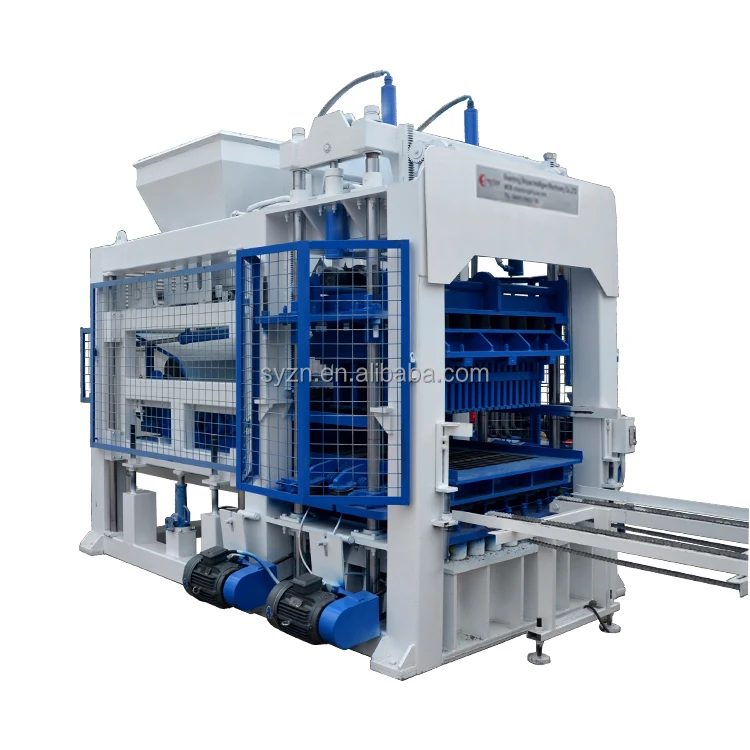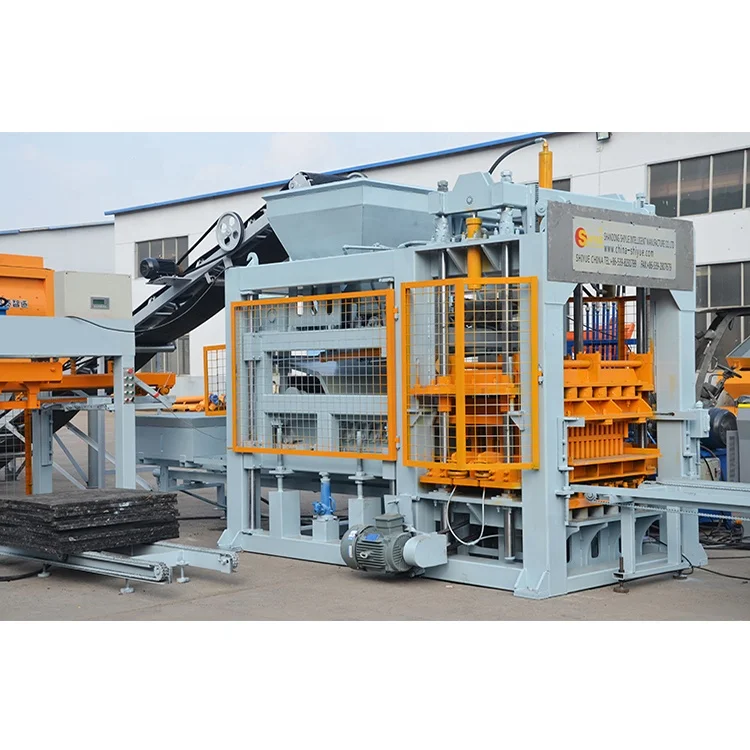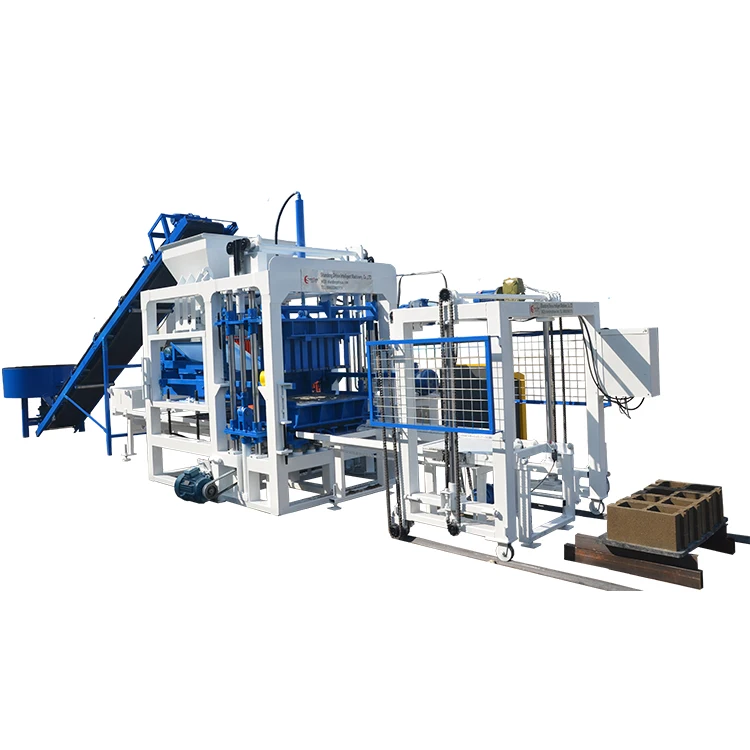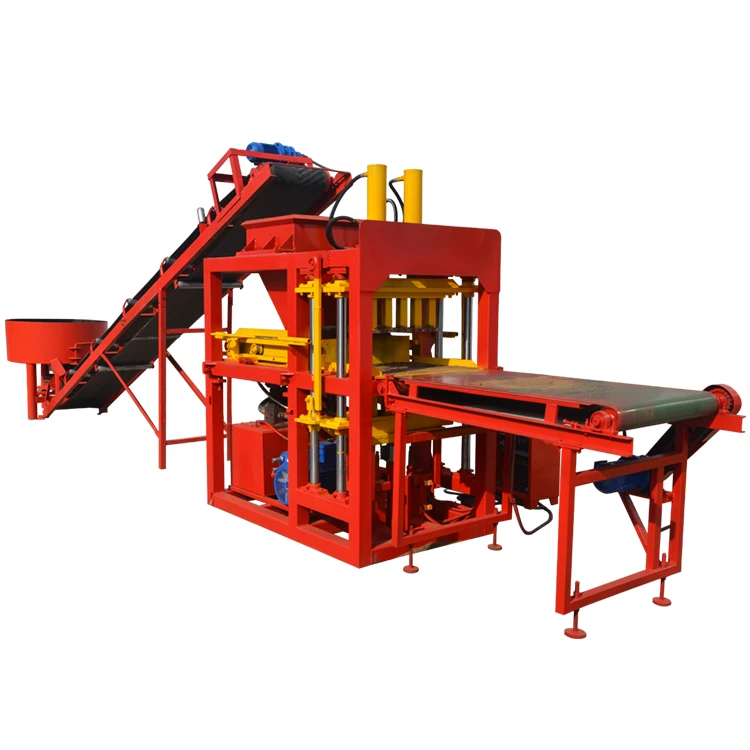
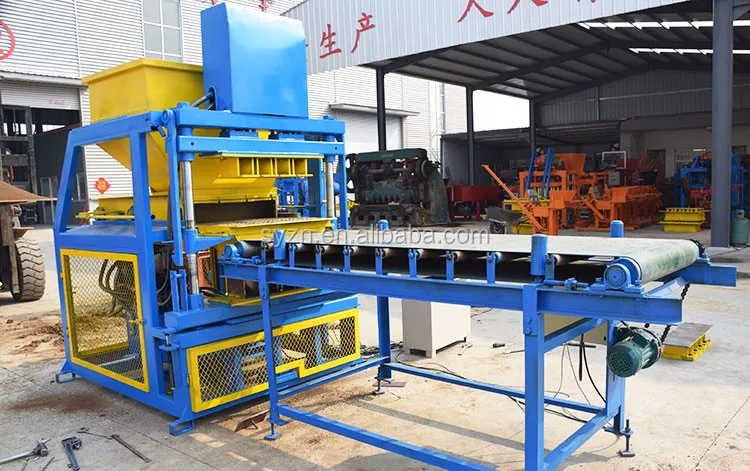


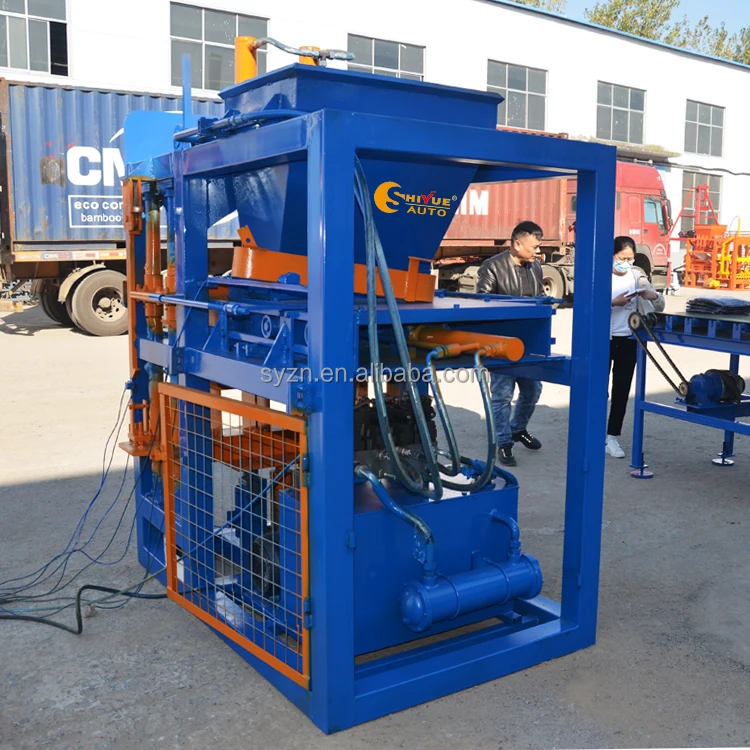
Description
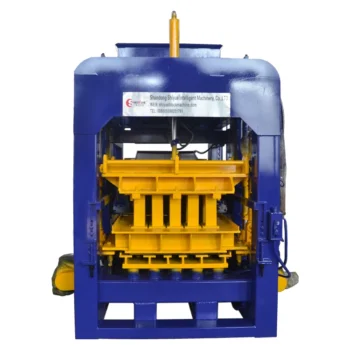
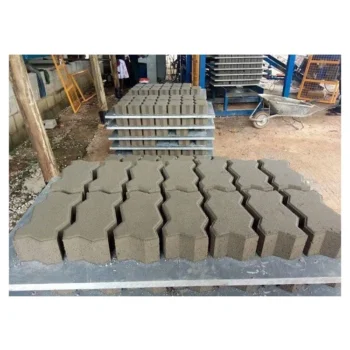
Format-matched configuration — the LY4-10 is set up around the exact interlocking brick profile your market moves, with cycle time and hydraulic pressure tuned to your local clay or cement mix rather than a default catalogue setting.
Technical Specifications
| Parameter | Value |
|---|---|
| Model | LY4-10 |
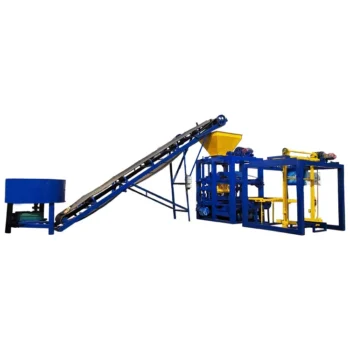
| Product Type | Automatic Clay Interlocking Brick Making Machine |
| Rated Power | 11 kW |
| Control System | PLC control system with hydraulic system |
| Overall Dimensions (L×W×H) | 2260 × 1500 × 2380 mm |
| Molding Cycle | 10–15 s (basis not stated in source — confirm block format / material / thickness) |
| Output Capacity | 4 bricks per cycle (basis not stated in source — confirm block format / material / thickness) |
| Raw Material Compatibility | Clay, soil, earth, mud, concrete, cement, fly ash, water |
| Operation Mode | Automatic (material feeding, mould pressing, mould lifting) |
| Mould Format | Interlocking bricks (multiple formats via mould change) |
| Automation Level | PLC-controlled feeding, pressing, and lifting |
Application Suitability
| Application | Material or Output |
|---|---|
| Interlocking brick production for housing projects | Clay, soil, or cement-based mixes with local aggregate |
| On-site brick making for construction contractors | Locally sourced earth and mud with cement binder |
| Small-to-medium brick plant operations | Fly ash blended with cement or clay for interlocking formats |
| Product range expansion for concrete manufacturers | Adding interlocking profiles alongside existing block lines |
Why "4 Bricks per Cycle" Means Nothing Without the Format
The number only matters once you know which interlocking profile and mix design it refers to.
I have seen buyers compare machines on cycle count alone, only to find their daily output falls far short of expectation once production starts. The LY4-10 automatic clay interlocking brick making machine specifications must be read against the specific brick format — a thick interlocking paver and a thin walling brick do not share the same press time or pressure requirement. [NEED_CITE: block format assumptions in capacity quotations] When a supplier quotes cycles per hour without naming the format, the real output on your product stays hidden until the machine arrives.
Mould Options and Format Matching
The LY4-10 supports multiple interlocking brick profiles through mould interchangeability, meaning a single machine platform can produce different formats as market demand shifts. The PLC control system manages the pressing sequence for each mould installed, so operators switch formats without recalibrating the full cycle manually. Getting the right mould drawing confirmed before production ensures the interlocking profile matches what your local construction market actually specifies.
Raw Material Configuration Against Local Aggregate
Every clay deposit and fly ash source behaves differently under pressure. The LY4-10 automatic clay interlocking brick making machine specifications list broad material compatibility, but the hydraulic pressure and vibration settings need adjustment against your actual mix. [NEED_CITE: effect of local aggregate on block compressive strength] I once worked with a buyer whose high volcanic ash content required a longer press cycle and different pressure curve — the same machine, completely different settings. Sending a raw material sample before final configuration prevents strength failures on the first production run.
Reading the Specs That Actually Matter
The 11 kW rated power drives the hydraulic system and vibration mechanism together. In interlocking brick production, hydraulic pressure and vibration force must be balanced — too much vibration with insufficient pressure leaves a brittle brick, while excessive pressure without adequate vibration fails to compact the mix evenly. The 2260 × 1500 × 2380 mm overall footprint keeps the machine suitable for site-based setups and first-plant workshops where floor space is limited. The PLC-controlled automatic cycle covers material feeding, pressing, and lifting, which reduces the number of operators needed at the press station itself. The 10–15 s molding cycle range reflects different formats and material densities — a denser mix or thicker brick pushes the cycle toward the upper end of that window.
The Cost of Skipping Material Testing
Buyers who skip the raw material sample step often discover the problem only after the first full production day. Bricks come out cracking, crumbling, or failing compression tests, and the machine gets blamed when the real issue is an untested mix. [NEED_CITE: common causes of block strength failure in field production] The hydraulic pressure and vibration force on the LY4-10 are adjustable, but they must be set against a known material profile. A day spent sending a sample avoids weeks of wasted cement and rejected output.
Why This Machine Source Stands Apart
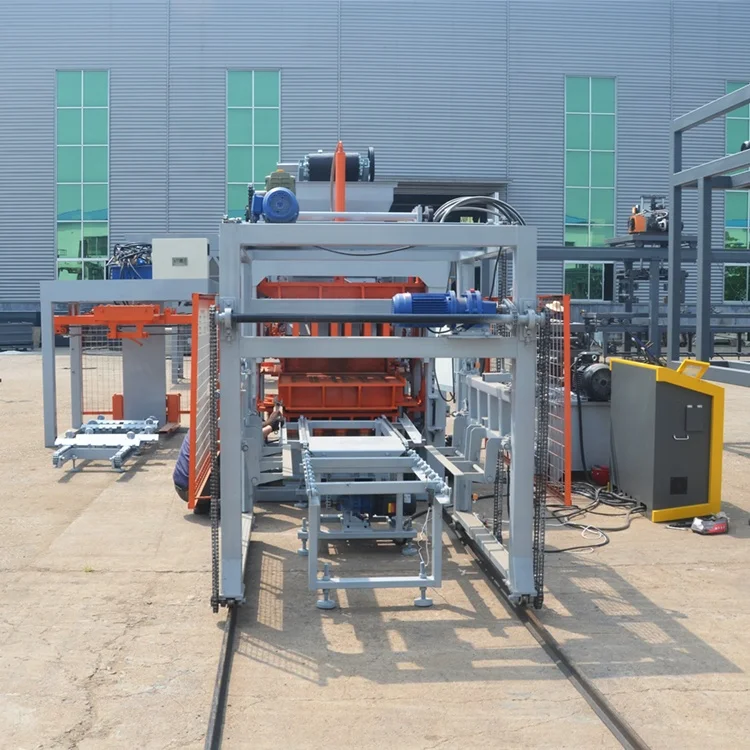
Block machinery is the single focus here, so the LY4-10 arrives as a matched system — machine, mould, pallet, and handling specified together rather than assembled from separate suppliers. The configuration process starts with your actual mix design and target interlocking format, not a default catalogue page. Mould design and supply cover the profiles your market sells, including custom drawings when standard formats do not fit. The automation level is selectable, so a buyer can begin with PLC-controlled semi-automatic operation and add automatic stacking later. Installation support includes operator training on the specific mould formats and cycle settings that apply to your production.
Documentation & Verification
- Line layout showing the LY4-10 capacity per confirmed interlocking format and mix
- Mould drawing and format list detailing each included interlocking profile
- Machine specification sheet with hydraulic pressure matched to your block strength target
- Voltage, frequency, and PLC display language confirmation before production begins
- Factory test record on your raw material blend before dispatch
Installation, Commissioning & Support
- Foundation pad sized to the 2260 × 1500 mm footprint with vibration isolation
- Dedicated power circuit matching confirmed voltage and frequency for the 11 kW system
- PLC display language set to operator preference before the control panel is powered on
- First-run cycle calibration against your confirmed clay or cement mix design
- Mould change procedure training covering all included interlocking formats
- Wear parts list identifying hydraulic seals and mould liners with reorder references
What to Include in Your Inquiry
Provide the specific interlocking brick format your market requires, including dimensions and interlocking profile drawings if available. Confirm your local raw material type — whether clay, soil, fly ash, or a cement blend — and whether you can ship a sample for testing. State your site voltage, frequency, and preferred PLC language so the LY4-10 automatic clay interlocking brick making machine specifications are locked before production starts.
Frequently Asked Questions
Q: What is the realistic daily output for my specific interlocking brick format?
A: Output depends on the exact brick dimensions, material density, and molding cycle confirmed for your mix. The LY4-10 produces 4 bricks per cycle, but the cycle time and operating hours determine real daily volume. We calculate capacity against your specific format and share that figure before you commit.
Q: How long does a mould change take, and what formats can this machine produce?
A: Mould change time varies with the interlocking profile and operator familiarity. The LY4-10 supports multiple interlocking brick formats through interchangeable moulds, and custom profiles can be designed to your drawings. We confirm included formats and change procedure during the configuration stage.
Q: What voltage, frequency, and PLC language options are confirmed before shipment?
A: Voltage and frequency are set to match your site supply, and the PLC display language is configured to your operator preference. These parameters are confirmed in writing before production begins, avoiding commissioning delays when the machine arrives at your facility.
Q: How are hydraulic pressure and vibration force matched to my material?
A: We request a raw material sample and your target block strength, then adjust hydraulic pressure and vibration settings accordingly. Different clay compositions and cement ratios require different force balances. This configuration step happens before the factory test so your first production run meets strength requirements.
Q: What documentation comes with the machine?
A: Documentation includes a capacity calculation per confirmed format, mould drawings and format list, hydraulic and electrical schematics, factory test record, operation manual, and wear parts list. CE declaration is available where applicable. Every document references your specific LY4-10 configuration.